
If you’ve ever watched a tiny dog trot confidently across a room – ears up, eyes bright, completely unaware that it’s supposed to be old – you’ve probably already guessed what science keeps confirming: small dogs live remarkably long lives. Dogs that live the longest can often reach their late teens or even early 20s, while extra-large breeds like Great Danes and Newfoundlands typically live only about 7 to 10 years. The gap is real, and it’s significant.
The average lifespan of a dog falls between 10 and 13 years. Some of the breeds on this list comfortably double that. Whether you’re choosing your next companion or trying to give your current pup the best possible shot at a long, healthy life, knowing which breeds carry that genetic advantage is a great place to start. These 12 small dogs are known for their impressive longevity – and there’s a lot you can do to help them reach their full potential.
1. Chihuahua: The Tiny Giant of Longevity
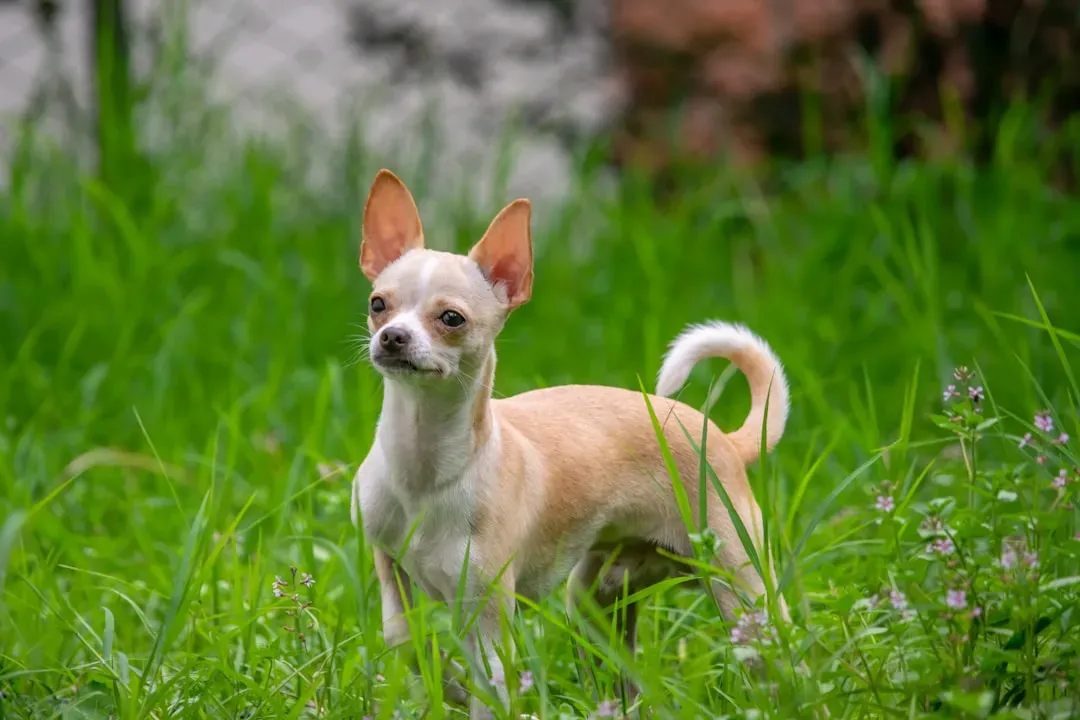
Of all the dogs in the world, the Chihuahua may be the most underestimated. Of all small dog breeds, Chihuahuas have the longest lifespan – in fact, they have the longest lifespan of all dog breeds, with life expectancy reaching 15 to 20 years of age. That means the little dog curled up in your lap could quite literally be with you through multiple chapters of your life.
The Chihuahua’s secret to a long life is rooted in their size. Most of these dogs weigh less than six pounds, which means there’s a lot less wear and tear on their joints than in a larger, heavier dog. Chihuahuas also have a lower risk of genetic diseases than other breeds, further pushing them toward a longer life. The longest living documented Chihuahua named Megabyte lived to be 20 years and 265 days old. If that doesn’t inspire you to take their care seriously, nothing will.
The leading cause of death for senior Chihuahuas is congestive heart failure, usually related to a progressive, chronic mitral valve disease that causes the valve on the left side of the heart to weaken. This weakened valve allows blood to leak backward, which causes the heart to enlarge and places stress on the heart, leading to heart failure. Regular vet checkups, especially cardiac monitoring in their senior years, are non-negotiable for these little long-lifers.
2. Toy Poodle: Brains, Beauty, and a Remarkable Lifespan

Just as smart and easy to train as their larger counterparts, the Toy Poodle doesn’t shed much, making them perfect for families with allergy issues. Great with kids, these dogs need plenty of physical and mental exercise. Their small size helps them live a little longer than you’d expect, managing to live for between 14 and 20 years. It’s a combination that’s hard to beat.
While all Poodles live long, the energetic Toy Poodle is the king of Poodle longevity. Their sharp minds actually play a role here – mentally stimulated dogs tend to age more gracefully. One of the most important parts of taking care of a Toy Poodle is dental care. These long-living dogs can develop dental disease, especially in their senior years. So brush their teeth every day and talk to your vet about a dental-focused diet, professional teeth cleanings, dental treats, and water additives. Dental health is one of those small daily habits that pays off enormously over a 15 to 20 year lifespan.
3. Jack Russell Terrier: The Energetic Elder
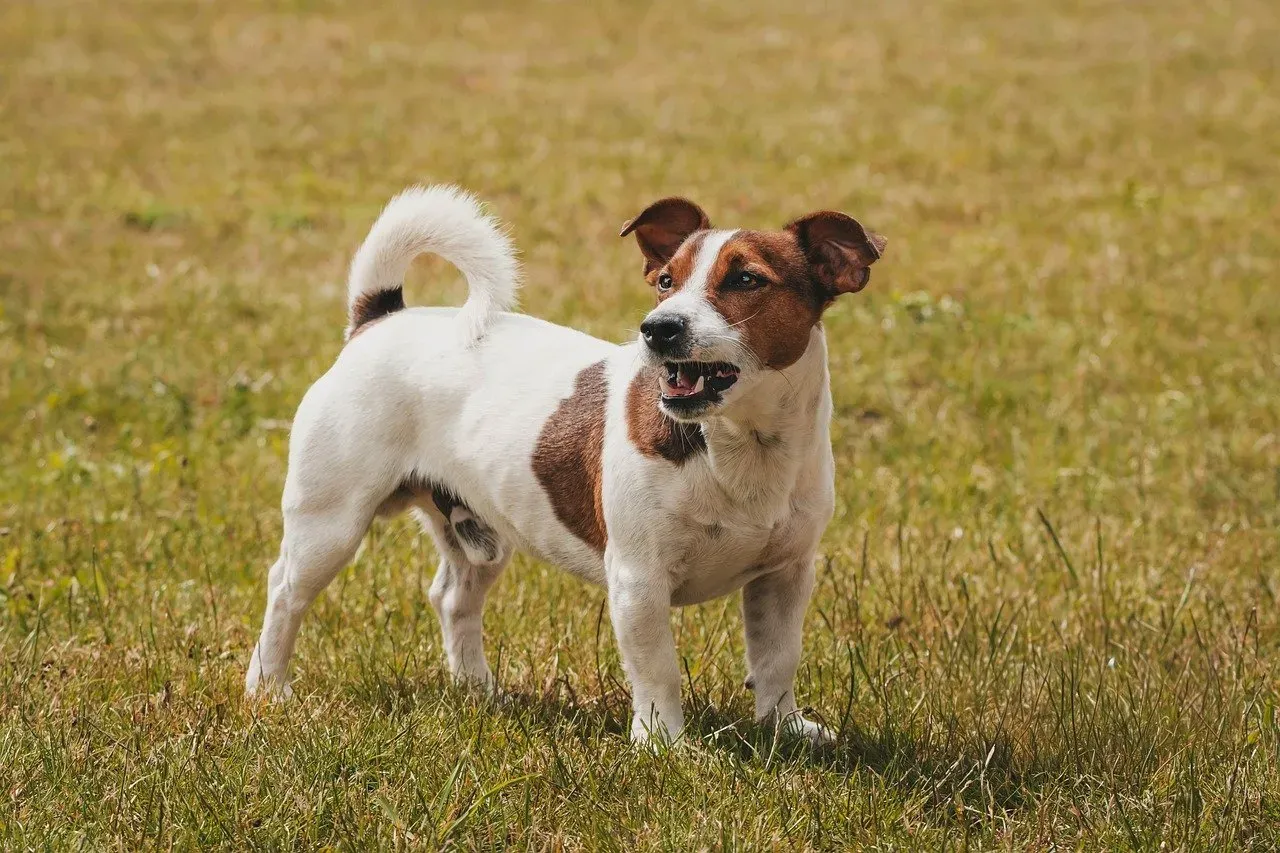
If you’ve ever tried to tire out a Jack Russell Terrier, you know the feeling. These dogs run circles around dogs half their age – and that relentless energy is actually part of why they live so long. Jack Russells are small, active dogs that can survive for 16 to 20 years in general, and there are stories of Jack Russells living into their early 20s. Activity isn’t just good for them – it’s built into who they are.
Like all terriers, Jack Russells are lively and healthy dogs. They do best when they have a task to complete and are able to burn off their excess energy. As a whole, these little dogs don’t have dire health issues. That said, their adventurous nature can be a double-edged sword. Keep them in safely fenced areas, use a harness for walks, and make sure their exercise is consistent rather than sporadic. A bored Jack Russell is a creative Jack Russell – and not always in a good way.
4. Yorkshire Terrier: The Silky Senior

Yorkies may look like they belong in a handbag, but don’t let that fool you. Originally bred in 19th-century England as a working-class ratter, Yorkies quickly rose to fame for their glamorous silky coats and bold personalities. In the U.S., they’re cherished as affectionate lapdogs who pack a feisty, terrier-style punch despite their tiny size. That working-dog heritage contributes directly to their durability.
Yorkies typically live 12 to 15 years, with some reaching 17 years or more. Their toy stature provides a natural advantage, and their alert, active nature helps keep them mentally and physically engaged into their senior years. These tiny terriers are known to be a fairly healthy breed, but they are also prone to some health problems, such as patellar luxation and tracheal collapse. Using a harness instead of a collar helps protect their fragile trachea – a small adjustment that can make a real difference over a long life.
5. Lhasa Apso: The Ancient Temple Guardian
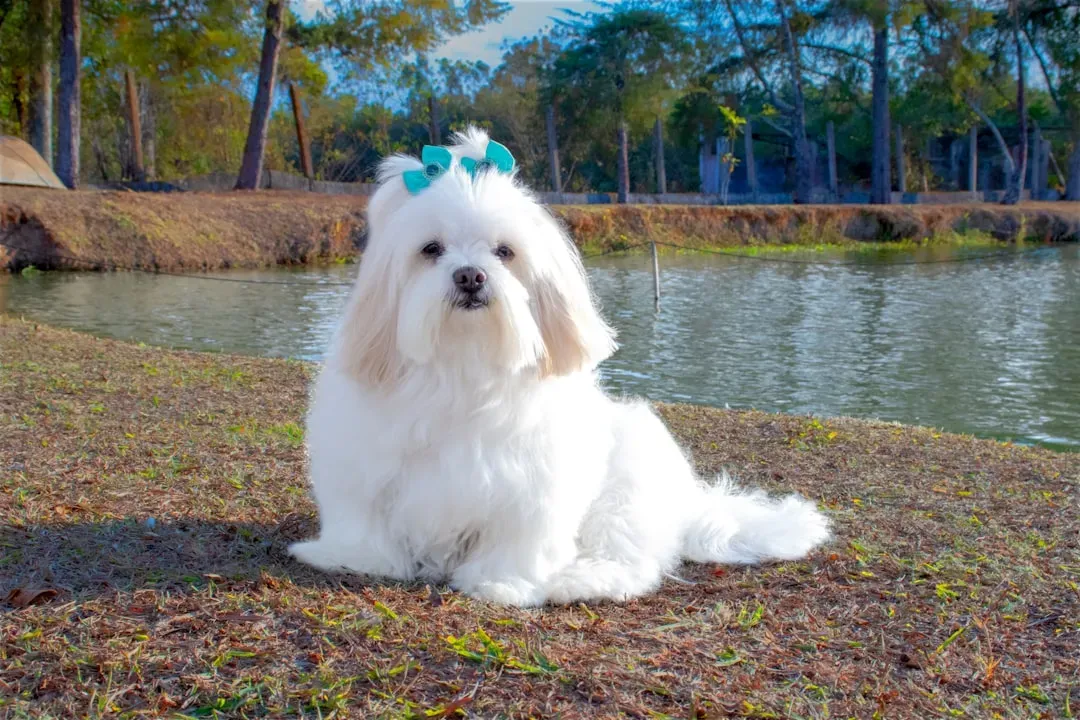
There’s something quietly regal about a Lhasa Apso. Lhasa Apsos look like adorable little mops because their long, silky fur drapes over their entire body to the floor. Originally bred to work as watchdogs at Tibetan monasteries and palaces, these pups are now perfectly content to be your lap dog. Centuries of selective breeding for hardiness have served them well.
Lhasa Apsos are known to sometimes suffer from skin problems, but a great quality diet should reduce the risk of this and help them achieve their 14 to 20-year age range. Impressively, the oldest Lhasa on record lived to be 29 years old. The combination of proper weight management and a nutritious diet enables Lhasa Apsos to live beyond 15 years. Their moderate energy level suits apartments, and their long life often reflects stable home environments. Routine grooming and consistent, calm living conditions suit them perfectly.
6. Shih Tzu: The Royal Companion Built to Last
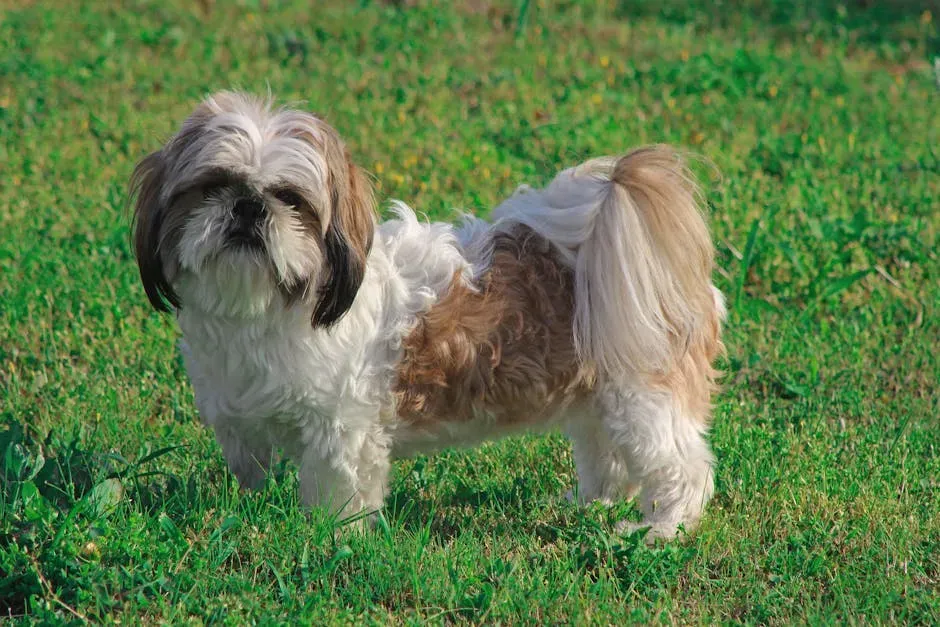
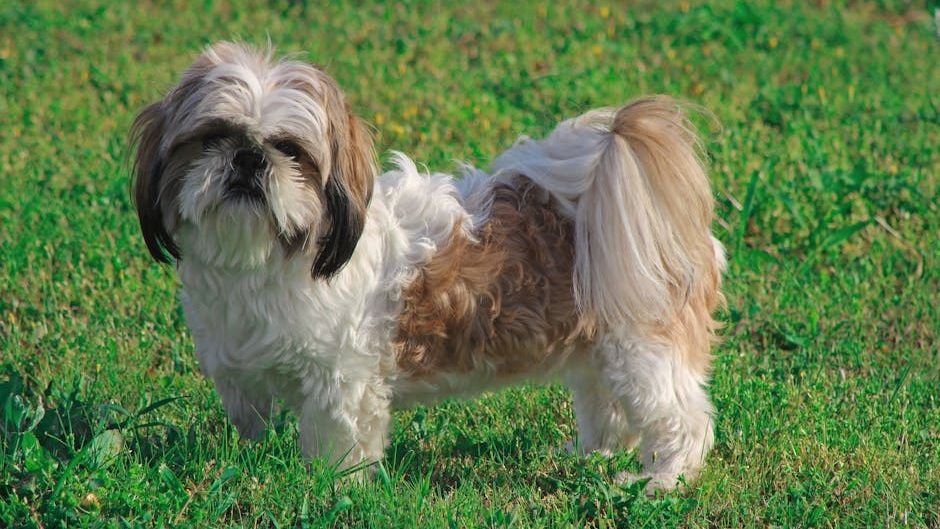
One of the most ancient dog breeds, Shih Tzus were kept as pets by Chinese royalty for centuries. That blue-blooded history isn’t just a fun fact – it points to generations of careful preservation of this breed’s best traits. With good care, Shih Tzus typically live from 15 to 18 years, but some may live over 20 years. That’s a remarkable ceiling for any dog.
Though they can live to reach their 18th birthday, Shih Tzus have a squished brachycephalic face that can cause some health concerns throughout their life, including breathing issues and overheating. This matters practically: avoid intense exercise during hot weather, never leave them in a warm car, and watch for signs of labored breathing. Shih Tzus were bred to be companions, so they make excellent lapdogs and are happy to live a pampered lifestyle. However, they still need to keep their paws moving so they stay at a healthy weight and don’t become bored.
7. Maltese: Gentle, Ancient, and Surprisingly Resilient

The Maltese is one of those breeds that carries centuries of history in a very small, very elegant package. Maltese dogs usually live between 12 and 15 years. With a history dating back at least 2,000 years, this breed has a rich legacy, even being worshipped by ancient Egyptians. That’s quite a lineage for such a delicate-looking dog.
Like the Bichon Frise, Maltese are small, white, long-life dogs that are considered hypoallergenic. These stylish dogs have long, silky coats that need daily upkeep to stay free of tangles. The good news is Maltese are fairly healthy pups, so pet parents can focus more energy on grooming than managing any medical conditions. Dental health serves as the primary concern for this dog breed. The breed faces three major health issues, which include dental disease, heart disease, and patellar luxation. Staying on top of dental hygiene from puppyhood will genuinely add quality years to their lives.
8. Pomeranian: The Fluffy, Fox-Faced Fighter
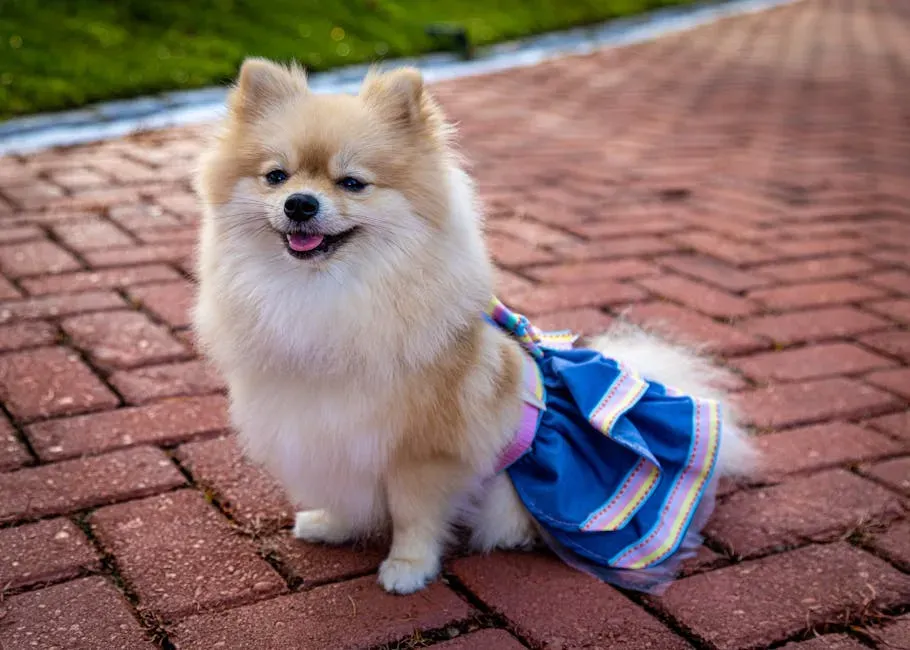
Pomeranians punch well above their weight in terms of personality – and longevity. Pomeranian is a tiny, tricolor dog breed with a compact body, a thick double coat, a distinctive plumed tail that curls over the back, and a fox-like face with bright eyes. It originated from the Pomerania region of Central Europe as a working, herding, and guarding dog. This furry friend is lively, curious, and forms strong bonds with its owners. Pom is among the dog breeds that live longer, between 12 and 16 years.
They’re happy to learn new tricks and play games with their pet parents well into their teenage years, but they are prone to a number of health issues – hypoglycemia, collapsing trachea, dental disease, and eye problems, to name a few. Harnesses are preferred over collars to prevent tracheal damage. Consistent weight management and mental engagement – like training new tricks – are important for healthy aging. A Pom who stays mentally sharp stays physically younger, too.
9. Dachshund: The Long Dog With a Long Life

There’s a reason Dachshunds show up on virtually every long-living breed list. A very playful, sometimes aggressive with strangers, devoted breed, the Dachshund can live for between 14 and 20 years. Often called wiener dogs because of their short legs and long back, Dachshunds are spunky little dogs with big personalities. What they lack in height they more than make up for in spirit and stubbornness.
As they age, protecting their neck and back becomes extremely important. Keep your dog at a healthy weight, use a harness instead of a neck collar, and offer ramps and pet stairs so they can avoid jumping; this can help support their long-term mobility. Spinal issues like intervertebral disc disease are the breed’s biggest vulnerability. Preventing unnecessary jumping, keeping their weight in check, and providing ramp access to furniture are daily acts of prevention that genuinely add years to their lives.
10. Papillon: The Butterfly-Eared Athlete

Don’t let the dainty ears mislead you. The Papillon is one of the most athletic and mentally capable small dogs around. Papillons are small dogs with a long lifespan and big ears with gorgeous feathering. Despite their delicate appearance, they’re athletic and excel in dog sports like agility. These friendly dogs love being around people, and they need lots of mental stimulation to stay happy and healthy.
Papillons typically live between 14 and 16 years. Known for their butterfly-like ears, Papillons are small dogs with a remarkable lifespan. They are highly active and intelligent, requiring regular mental stimulation and exercise. Their friendly and social demeanor makes them great companions for households looking for an energetic and interactive pet. Though Papillons are a healthy dog breed, pet parents should keep an eye out for dental disease and luxating patellas. Agility training, trick work, and puzzle feeders are all excellent ways to keep this breed mentally thriving well into old age.
11. Bichon Frise: The Cheerful Little Cloud With Staying Power

There’s something almost unfairly cheerful about a Bichon Frise. They are curious, peppy, and social dogs who love to play with their favorite toys, snuggle up on the couch with their family, and learn fun tricks. Amazingly, this dog’s longevity ranges from 14 to 16 years. One major contributor to its longevity is its balanced and compact build. Further, genetically, this breed has a strong defense system and fewer life-threatening inherited diseases.
Although Bichon Frise can live well into their teens, this long-living dog breed is prone to conditions including diabetes mellitus, dental disease, and cataracts. Watching for early signs of cataracts – like clumsiness in dim lighting or hesitation on stairs – can make a real difference in their quality of life. Bichons generally live 12 to 15 years. Their small size is part of the reason for this, but their lively, playful nature also contributes to staying lean and active throughout their lives. Keep them moving and keep them laughing. It suits them perfectly.
12. Chinese Crested: The Unique Breed That Quietly Lives Forever

The Chinese Crested is probably the most visually striking dog on this list – and one of the most surprisingly long-lived. Chinese Cresteds are one of the most unique-looking and longest-living dog breeds around. Their tiny frames are almost completely hairless, though they typically have long, silky locks on top of their head, on their paws, and on their tails. There are also “powderpuff” Chinese Cresteds, born with hair all over.
Chinese Crested dogs have been known to live into their 20s, but can develop eye problems, dental disease, and Legg-Calvé-Perthes disease, among other ailments. Both varieties can live well into their teenage years with regular vet exams, a healthy diet, and regular exercise: short walks and indoor playtime are enough to make a Chinese Crested happy. And if you have a hairless Chinese Crested, make sure you protect them from sunburns, either with clothing or dog-safe sunscreen. Their unusual appearance sometimes draws stares, but owners who truly know this breed will tell you: they’re one of the most devoted, affectionate, and quietly remarkable companions a person can have.
What Actually Helps Small Dogs Live Longer

Breed genetics set the ceiling. Your care determines how close your dog gets to it. Research shows that a dog’s size, breed, and genetic background play a major role in life expectancy, along with factors veterinarians are still working to fully understand. Factors such as breed size, genetics, spaying and neutering, and quality of care – including diet, exercise, and vet visits – significantly impact a dog’s longevity, regardless of breed.
Longevity also depends on many other factors such as exercise routine, diet, grooming, and routine vet check-ups. Providing mental stimulation and socialization ensures that long-living breeds remain not only physically healthy but also emotionally fulfilled. Dental care alone is one of the most overlooked contributors to longevity. Dogs generally lived longer if they were spayed or neutered and had proper veterinary care, including dental cleanings, throughout their lives.
Spaying or neutering your dog can add one to three years to their life, making it one of the most impactful health decisions you’ll make. These surgical benefits extend beyond population control – they reduce hormone-driven cancers and reproductive diseases that commonly shorten life expectancy across dog breeds. Every small consistent choice you make adds up over a decade or two of shared life.
Conclusion: Small in Size, Extraordinary in Time
There’s something genuinely moving about the idea that a dog who weighs less than 10 pounds could be your companion for 18 or even 20 years. Some of the longest living dogs have been known to live upwards of 20, even 25 years. To put that in perspective, 20 years old for a dog equates to 140 years in dog years – which is an incredibly long lifespan. When you choose one of these breeds, you’re not just getting a pet. You’re committing to a relationship that will span seasons of your own life.
The science is clear, the records are there, and the dogs prove it every day. When it comes to choosing a dog for longevity, small and toy breeds consistently stand out over giant breeds. Breeds like Pomeranian, Maltese, Dachshund, Bichon Frise, Shih Tzu, Yorkshire Terrier, and Chihuahua combine compact size, resilient genetics, and adaptable temperaments. Their smaller frame places less stress on internal organs and joints, allowing them to age more gracefully than large dogs.
The dog’s genes give them the potential. Your love, consistency, and attention to their health is what turns potential into reality. A well-cared-for small dog doesn’t just live long – it lives well. And that, ultimately, is the whole point.


