

#1. Seeking Out Unusual Hiding Spots
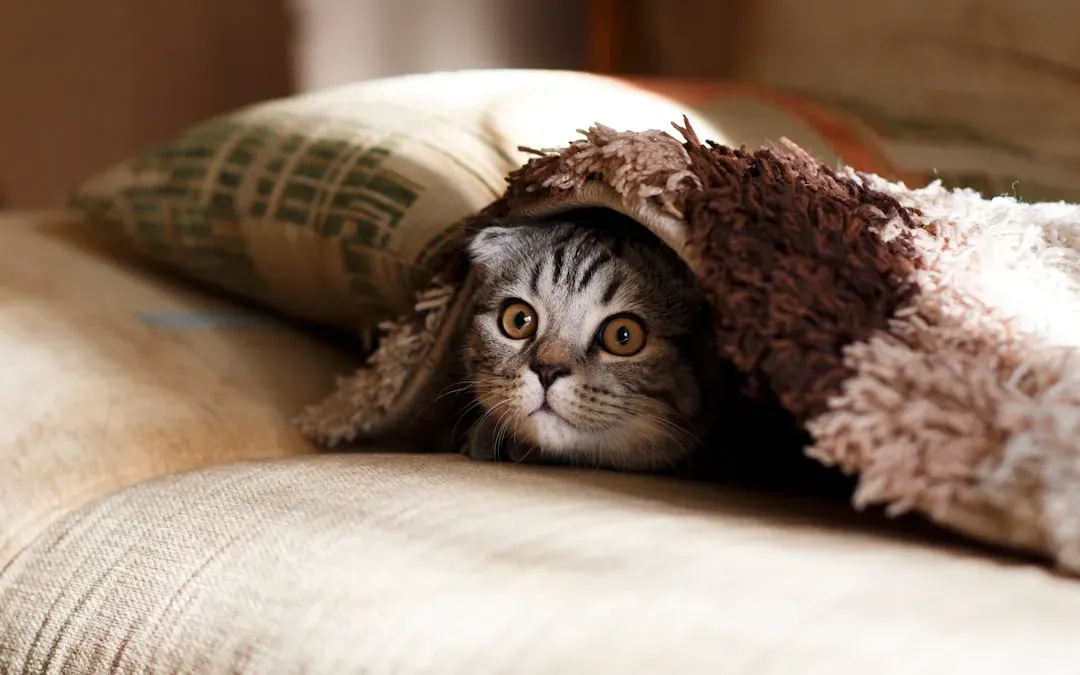
Many animals, including cats, will hide away when they are dying. Dying cats often secret themselves away somewhere safe and quiet, as an innate instinct to protect themselves from predators that would target a weak animal. You might find them behind the washing machine, tucked into a closet shelf, or in a corner of the house they’ve never shown interest in before.
Many cats instinctively isolate themselves when they feel their time is approaching. This behavior stems from their wild ancestors, who would separate from their group to avoid attracting predators while in a weakened state. It’s not rejection. It’s a deeply wired response. If your cat starts disappearing into unfamiliar spots, that alone is worth paying attention to.
#2. Becoming Unusually Clingy or Affectionate
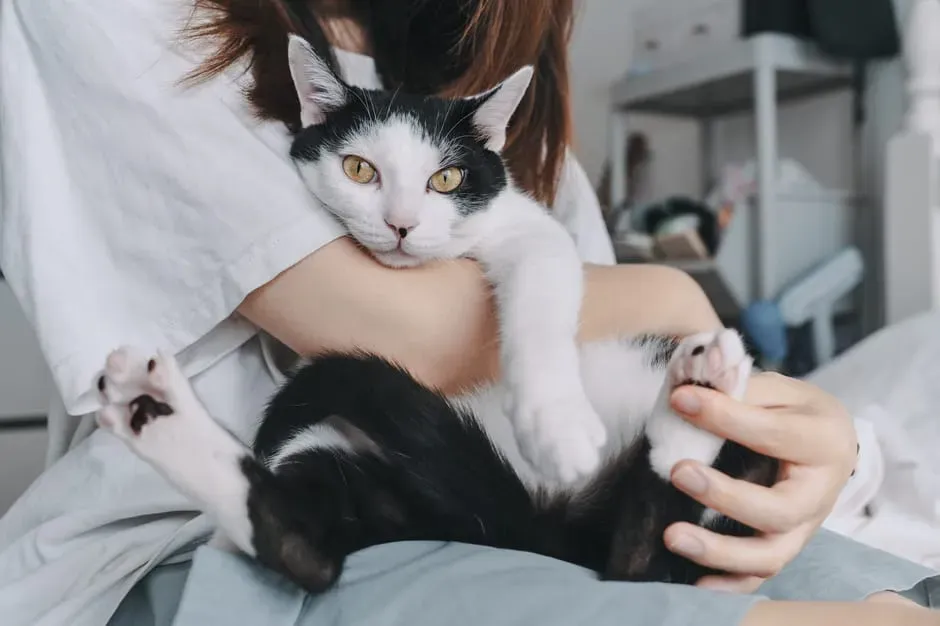
Some cats display the opposite behavior by becoming unusually clingy and following their owners from room to room. For a cat that has always been independent or casually affectionate on their own terms, this sudden shift is noticeable. They may press against you while you sleep, sit on your lap for hours, or simply refuse to leave your side.
Your cat may purr more intensely, knead you continuously, or gaze into your eyes longer than usual. The normally independent pet might refuse to leave your side, sleeping pressed against you or following you from room to room. This behavior signals their trust in you during their vulnerable transition and their desire for comfort from their favorite human. It’s one of the more tender signs, though it’s easy to interpret as nothing more than a good mood.
#3. A Noticeable Decline in Grooming
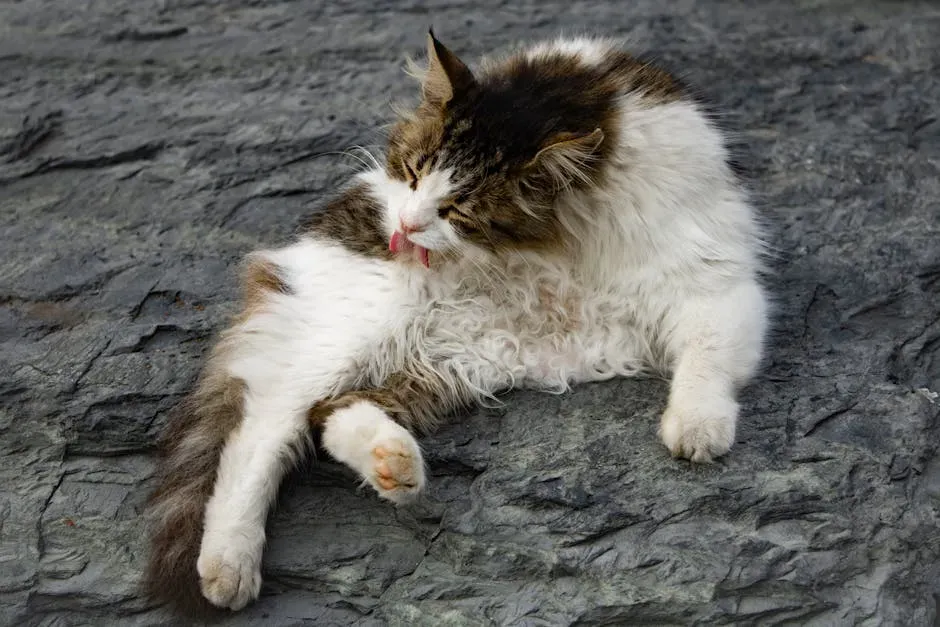
Meticulous by nature, cats usually keep themselves exceptionally clean. A noticeable decline in grooming often points to physical discomfort or emotional distress. Their fur becomes matted and unkempt as they lack the energy or motivation to perform this once-essential ritual. You may start seeing small tangles, a dull coat, or patches that simply look unloved.
This neglect of personal hygiene isn’t laziness but rather their body conserving energy for vital functions. The absence of this fundamental feline behavior often indicates they’re prioritizing their remaining strength for essential survival rather than appearance. For a cat that once spent hours grooming, this can be one of the most telling shifts a devoted owner notices first.
#4. Changes in Vocalization
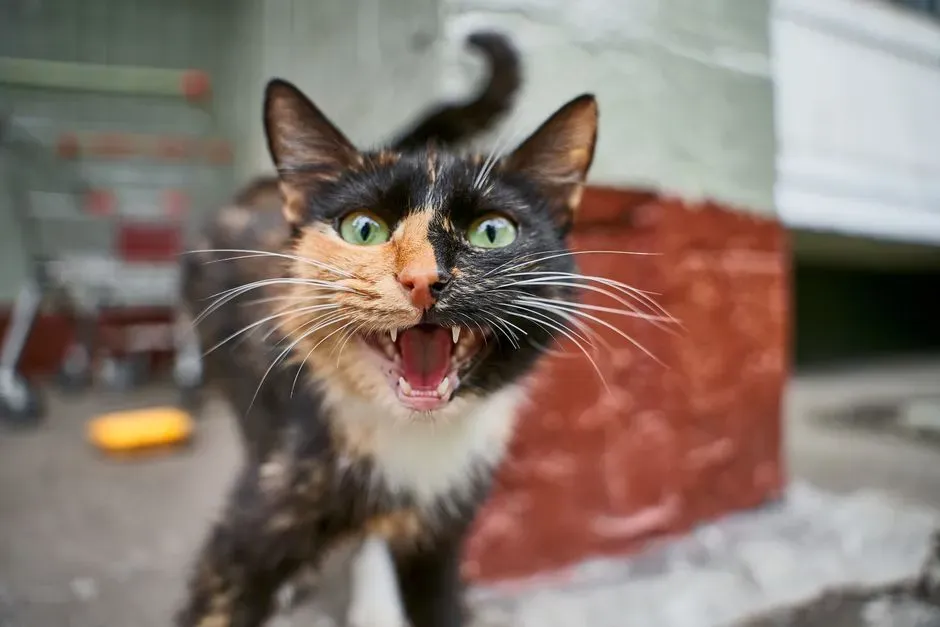
Vocalization changes include increased purring, meowing, or complete silence in previously vocal cats. There’s no single pattern. Some cats become louder and more insistent, almost as if trying to communicate something urgent. Others go strangely quiet, as though they’ve retreated inward.
If your cat suddenly begins meowing more or is making other out-of-the-ordinary noises, this could indicate discomfort or pain. Cats can be noticeably vocal when they aren’t feeling well. Occasionally, cats that are dying may become suddenly, loudly, and unexpectedly vocal. Either direction represents a departure from their norm, and that departure is what matters most.
#5. Loss of Interest in Food and Water
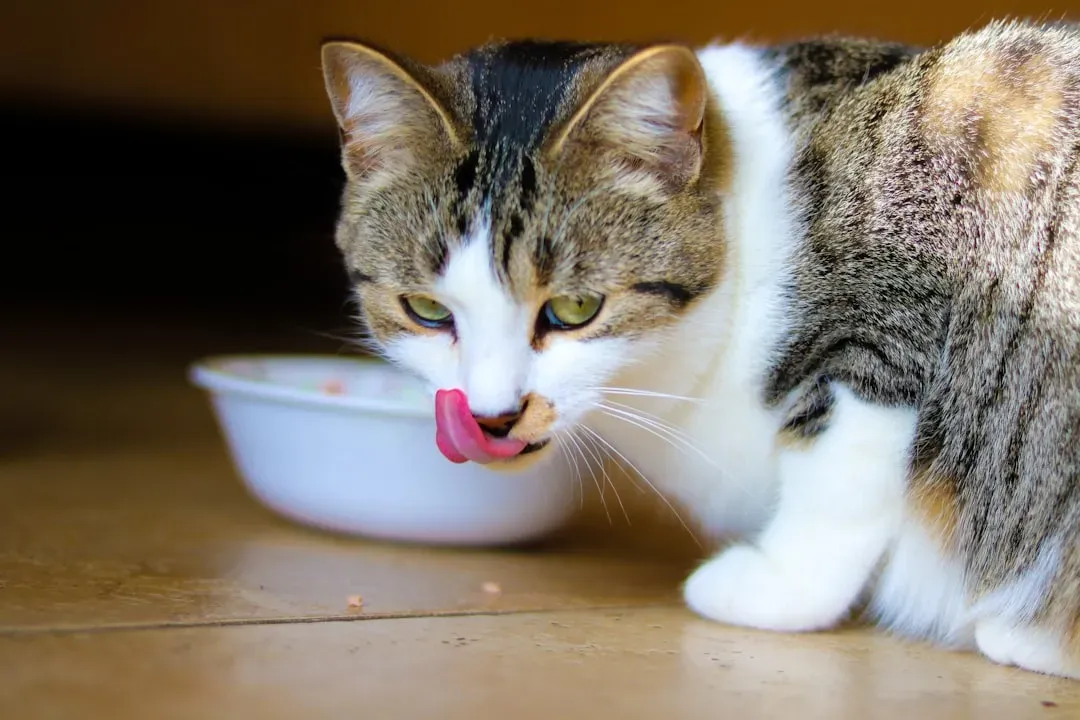
Pets may lose interest in food or water as vital organ functions begin to shut down and end-of-life behaviors set in. Your cat may be reluctant to approach their food bowl, but continue to take treats, or they may stop eating altogether. It often starts gently, a few bites left behind, a bowl untouched by mid-morning.
Disinterest in food can manifest as refusing favorite treats or showing minimal interest in meals they once eagerly anticipated. Reduced drinking may also appear, with cats drinking significantly more or less water than usual, sometimes struggling to reach water bowls. These changes together form a pattern that is worth noting, especially when they persist for more than a day or two.
#6. Profound and Unusual Lethargy
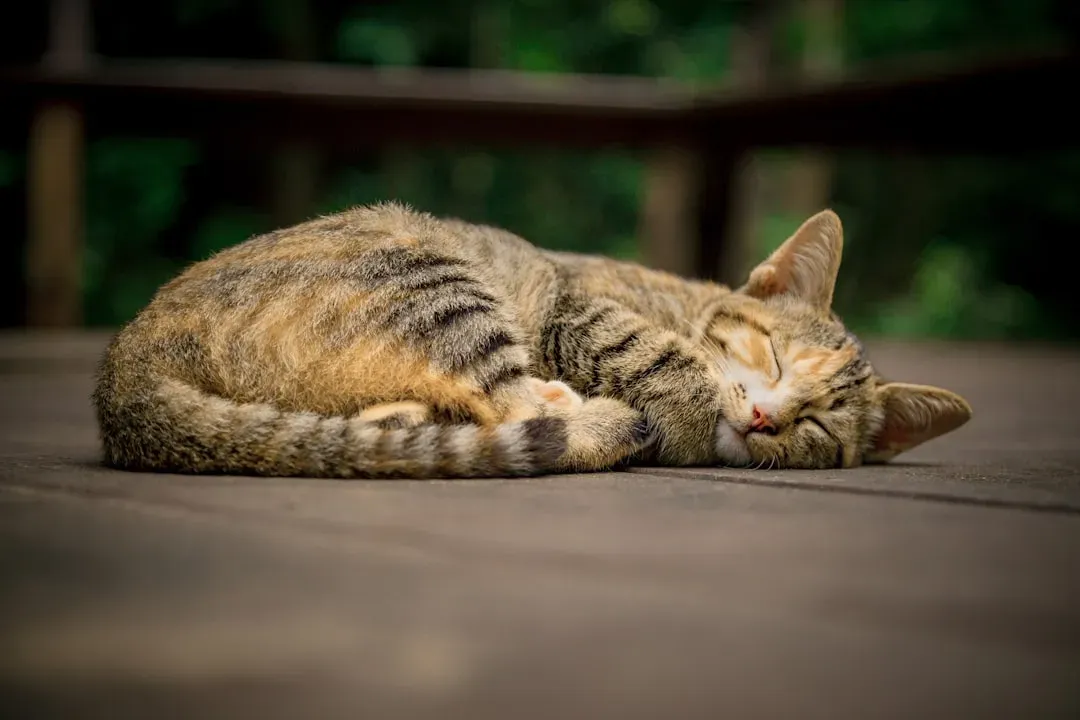
Cats nearing the end of their lives will often have less energy. They may spend a significant amount of time sleeping more than they previously did. Your cat may seem uninterested in eating, grooming, or interacting with anyone else. This goes beyond the normal laziness we associate with cats. It’s a deep, pervasive stillness.
Lethargy and decreased alertness can be signs your cat is dying or is not feeling well. An elderly cat might not be all that active normally. However, if your pet also starts ignoring a favorite toy or other form of stimulus, you may want to reach out to a vet. When a cat that once came running at the sound of a treat bag no longer stirs, you’re seeing something more serious than tiredness.
#7. Abandoning Favorite Spots and Routines
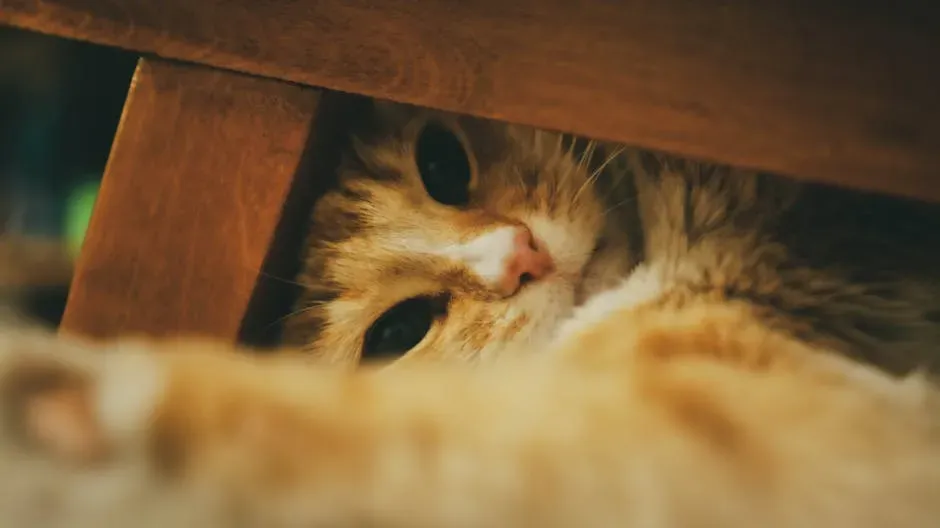
As your cat’s health deteriorates, she will lose interest in things she once enjoyed. She may no longer want to play with her toys, may turn her nose up at her favorite treats, and may even stop purring when petted. Disinterest in the world around her and a lack of joy for things she once loved are signs that your cat is ready to pass on.
Cats are creatures of habit, so they often like to follow the same routines of mealtimes, nap spots, and favorite toys. If you notice any changes in your old or ill cat’s behavior, then this could be a sign that they’re not feeling well. Your usually sociable cat might have taken to sleeping under the bed, or maybe they have completely stopped interacting with you and are mainly hiding and keeping to themselves. Routine is a cat’s comfort, and when they quietly step away from their own rituals, it carries meaning.
#8. The Long, Deliberate Gaze
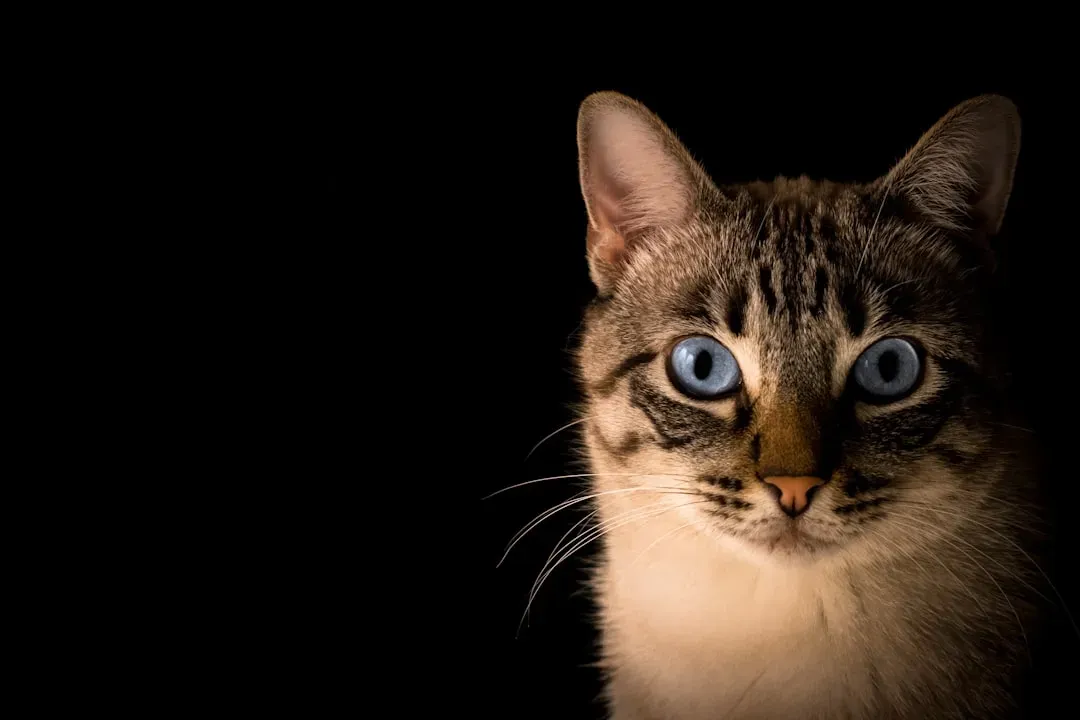
The slow blink from a cat has always been their way of showing trust and love. During their final days, these eye communications often become more deliberate and prolonged. Your feline companion might hold your gaze for extended periods, communicating volumes without making a sound. It can feel like they’re trying to say something they don’t have words for.
Their pupils may appear different, either very dilated or unusually constricted, regardless of lighting conditions. Some cat owners report a distinct change in their pet’s eyes, describing them as appearing more distant or sometimes unusually clear and focused. Well-meaning people may say your cat will give you “The Look” when they’re ready to say goodbye. When people talk about this look they’re usually describing a moment when a cat’s expression feels intentional, almost like they’re asking for permission to go.
#9. Increased Sensitivity or Sudden Irritability
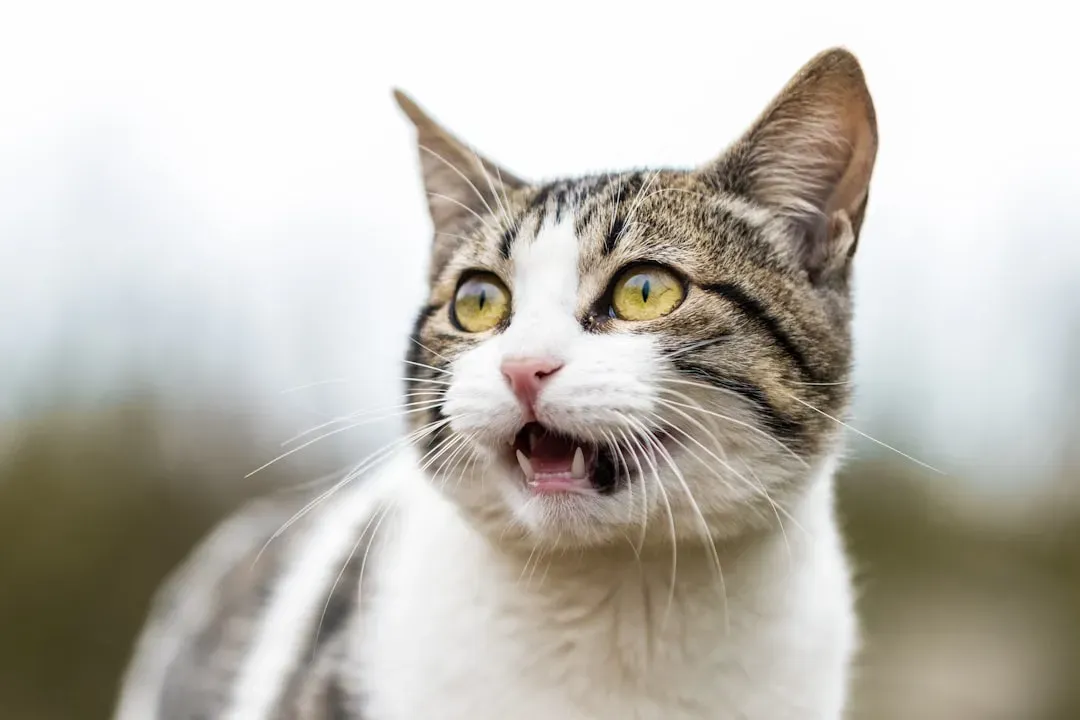
One of the most disturbing changes in behavior when a cat is nearing the end of its life is sudden aggression toward you. If the cat unexpectedly lashes out or bites while you are trying to pet it, it could be feeling quite a bit of pain. This is easy to misread as mood or attitude, especially in cats who have always been a little feisty.
They may become aggressive or less tolerant to being picked up and handled if something hurts. Although these changes might not be the same for every cat, your kitty might become more prone to hissing, growling, or lashing out. Pain has a way of expressing itself sideways. Before you get frustrated, consider that what looks like crankiness may be your cat’s only way of saying “I’m hurting.”
#10. Difficulty Regulating Body Temperature

Temperature regulation becomes compromised as cats approach death. Body temperature drops below the normal range of 100 to 102 degrees Fahrenheit, causing cats to seek warm spots like sunny windowsills or heating vents. A cat that once ignored the heating pad may suddenly curl up on it for hours, or drape themselves over a warm laptop without ever being shooed away.
Senior cats increasingly have trouble regulating their body temperature and will be more susceptible to heat and cold than healthy adult cats. Even when provided with a warm bed and environment, cats nearing death often have a low body temperature. If you notice your cat seems to shiver slightly in normal room temperatures, or constantly seeks out warmth in new places, it’s a sign worth noting alongside other changes.
#11. Confusion, Disorientation, or Wandering
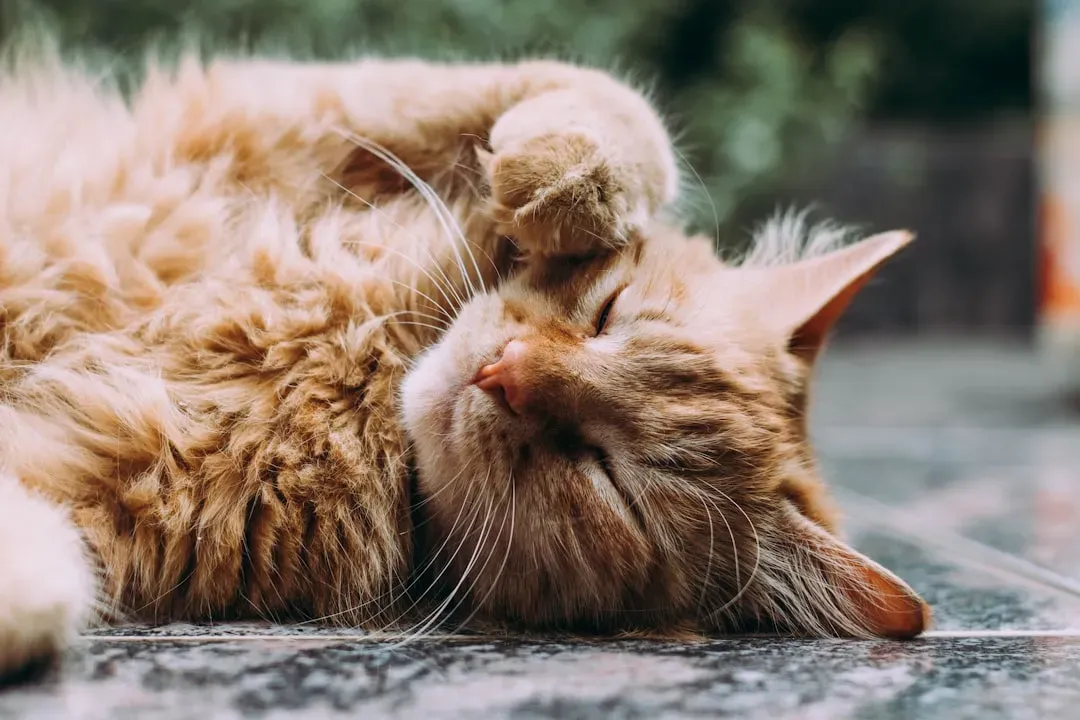
Some cats become mentally disoriented as they decline, which may reflect serious cognitive dysfunction or a health condition affecting the brain. Affected pets may pace, stare, vocalize, develop anxiety, or seem lost in their once-familiar home. Watching a cat look confused in a space they’ve lived in for years is quietly heartbreaking.
Cognitive dysfunction, akin to human dementia, may cause them to wander or vocalize more at night, and seem confused. Senior cats and cats nearing the end of life might develop cognitive dysfunction much like human dementia. They may forget where they are and feel lost in their own home. Nighttime wandering, staring at walls, or getting stuck in corners are all expressions of a mind and body that are slowly losing their coordination.
#12. Heightened Tactile Communication and Head Bunting
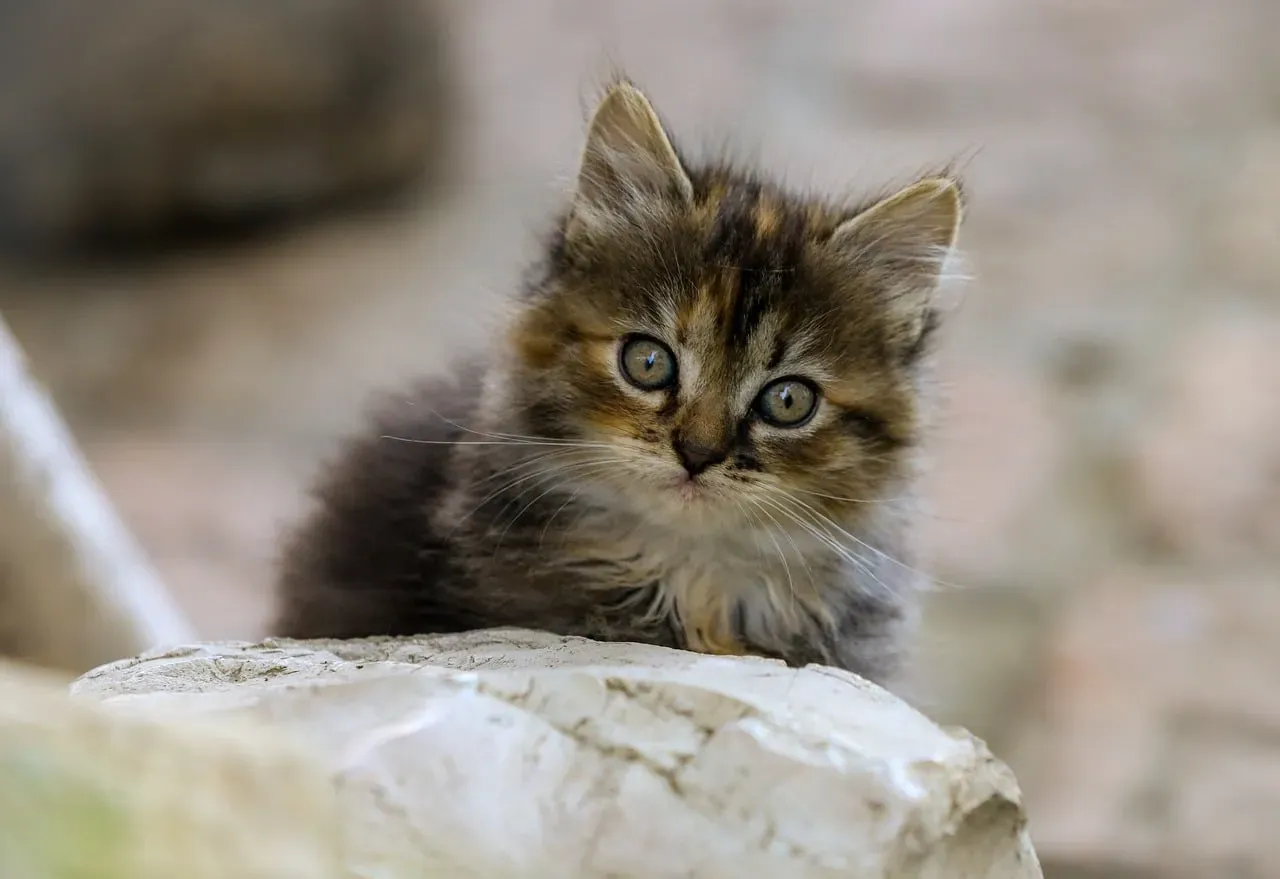
Tactile communication intensifies as cats approach death. Head bunting, kneading, and increased physical contact serve as non-verbal expressions of attachment. These behaviors represent a cat’s attempt to maintain connection when vocal communication becomes difficult or impossible. They press their forehead into your hand with a kind of quiet insistence that feels different from their usual affection.
Human interpretation of feline goodbye gestures requires understanding these species-specific communication methods. What appears as simple attention-seeking behavior may actually represent complex emotional expression through the cat’s natural behavioral repertoire. This last sign, perhaps more than any other, is the one that stays with people long after the loss. It’s wordless, deliberate, and unmistakably intimate.
A Final Thought Worth Sitting With
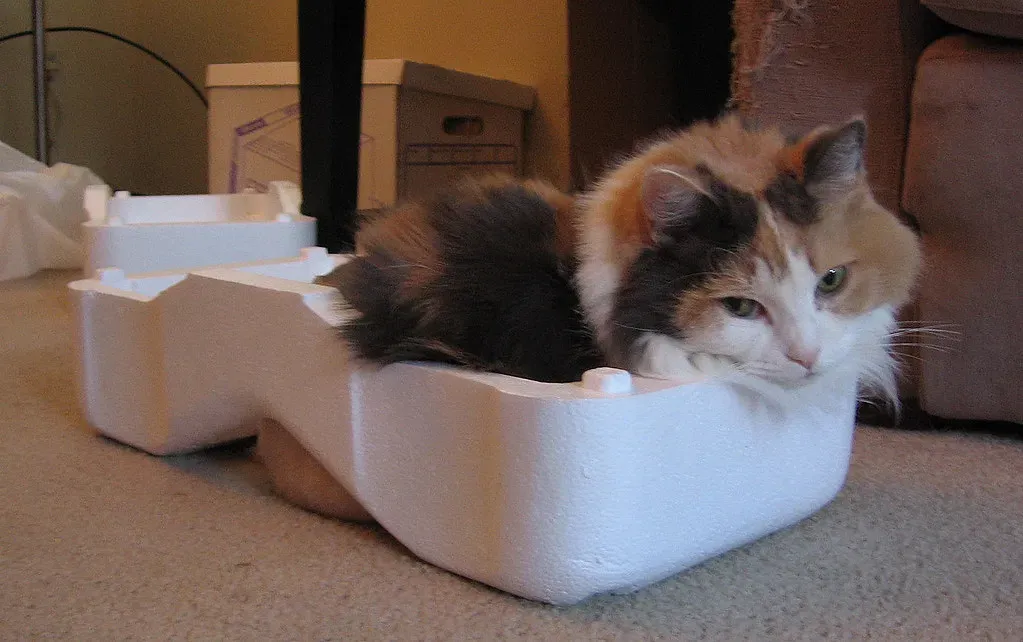
None of these signs is a verdict on its own. Cats give off both physical and behavioral cues that they’re nearing the end of life. Many of these signs, though, could also indicate a treatable illness, so it’s important to have your kitty evaluated by a vet if you notice these symptoms, especially in a younger cat. The goal of noticing isn’t to spiral, it’s to respond.
Hearing may be the last sense to fade, and many cats seem comforted by familiar voices. Speaking words of love and gratitude can also help pet parents process the goodbye and ease lingering doubts or regrets. The time you spend simply being present, talking softly, offering warmth, is never wasted time.
What strikes me most about this list is how deeply relational all of these signs are. Cats don’t send messages the way we do. They speak through proximity, through touch, through the weight of a gaze that lingers a little too long. If your cat is showing several of these signs, planning ahead with your veterinarian helps ensure your cat’s final days are peaceful and free from unnecessary suffering. The kindest thing we can do is pay close enough attention to receive what they’re quietly trying to tell us, while we still have the chance.


