Dogs have a unique way of communicating with us, often through behaviors that might seem puzzling or even naughty. However, many of these actions are sophisticated signals, conveying their needs, emotions, and intentions. Understanding these can deepen our bond with our canine companions and prevent misunderstandings.
1. Tail Wagging Doesn’t Always Mean Happiness
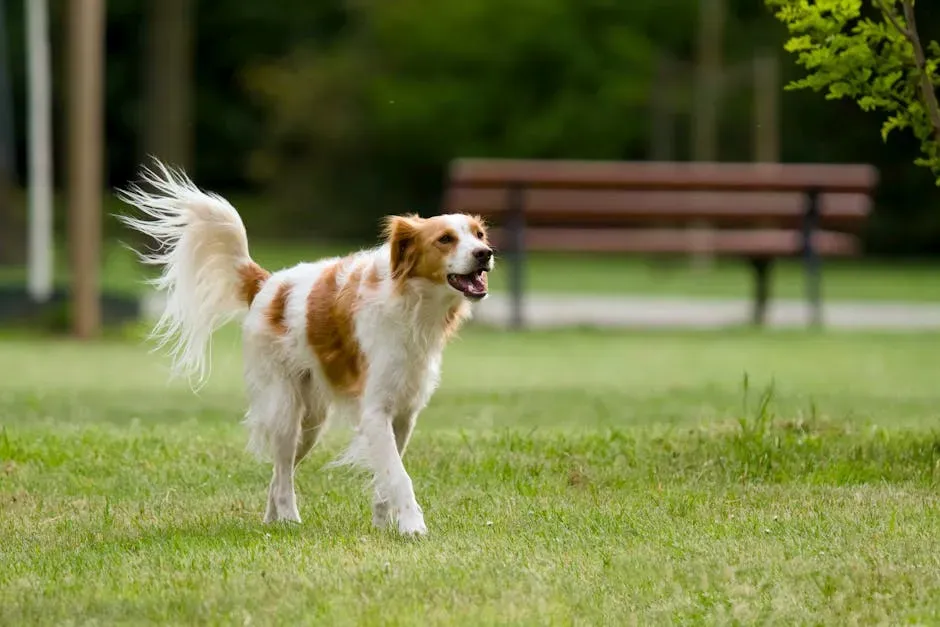
1. Tail Wagging Doesn’t Always Mean Happiness (Image Credits: Pexels)A wagging tail is often interpreted as a sign of joy, but it’s more nuanced than that. The position and movement of the tail can indicate a range of emotions. A high, stiff wag might signal alertness or even aggression, while a low, slow wag can denote insecurity. Observing the tail’s position and movement in context with other body language cues provides a clearer picture of your dog’s feelings.
2. Rolling Over Isn’t Always an Invitation for Belly Rubs
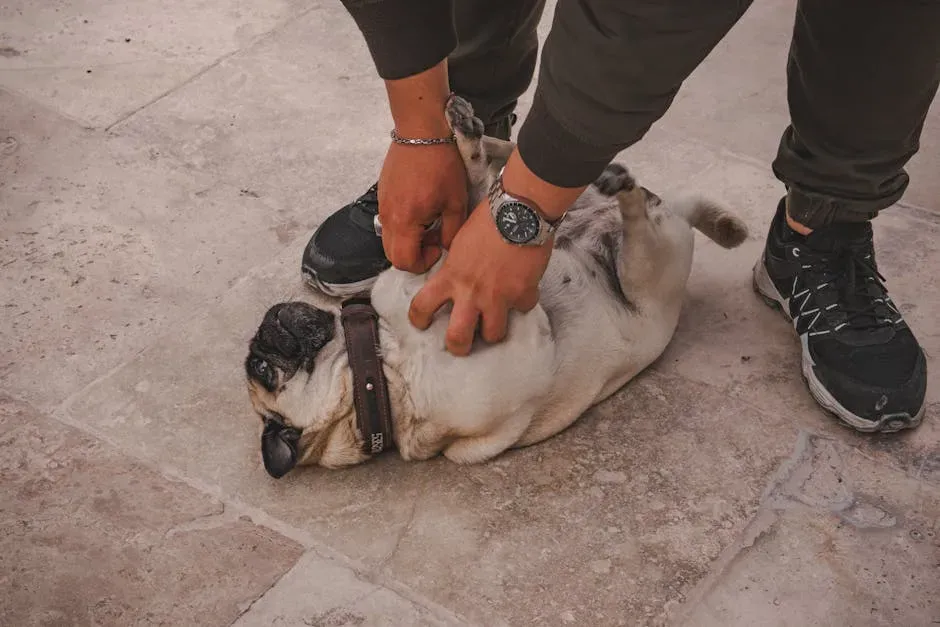
2. Rolling Over Isn’t Always an Invitation for Belly Rubs (Image Credits: Pexels)When a dog rolls onto its back, it’s tempting to assume they’re asking for a belly rub. However, this posture can also be a sign of submission or appeasement. In some cases, it’s their way of saying, “I mean no harm.” It’s essential to read the situation and other body language cues before reaching out, as some dogs might feel threatened by belly rubs in this position.
3. Yawning Can Indicate Stress
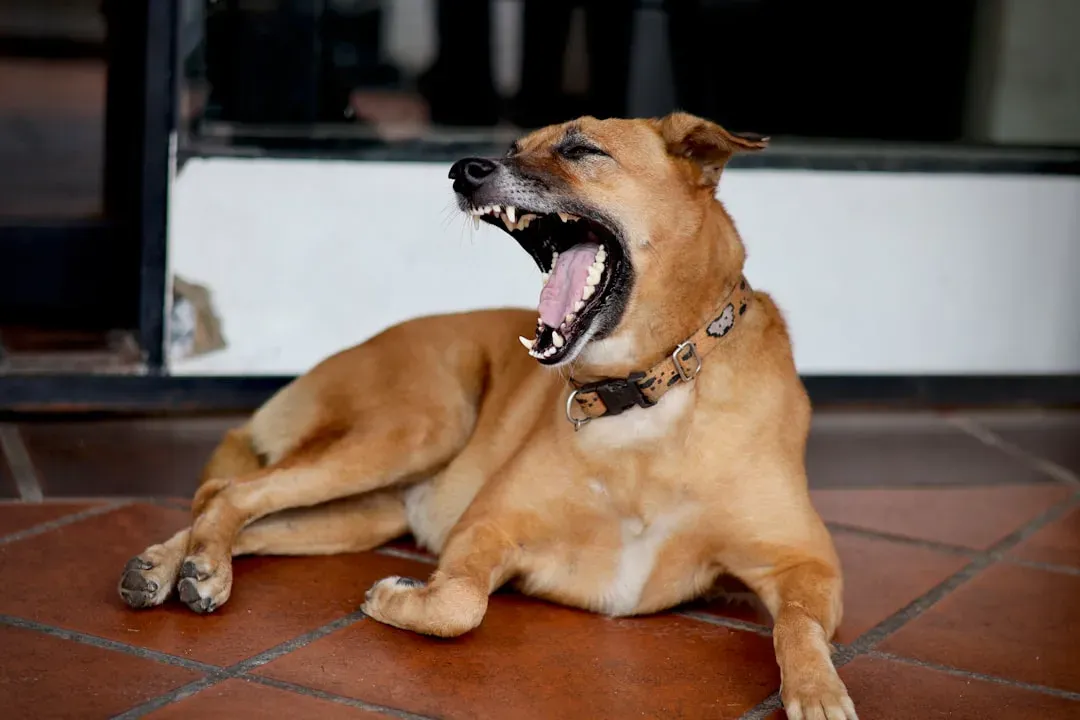
3. Yawning Can Indicate Stress (Image Credits: Unsplash)While yawning is often associated with tiredness, in dogs, it can be a sign of stress or anxiety. If your dog yawns frequently in unfamiliar or tense situations, they might be trying to calm themselves or signal discomfort. Recognizing this can help you address their unease and provide comfort.
4. Licking Lips Isn’t Just About Food
4. Licking Lips Isn’t Just About Food (Image Credits: Pexels)Dogs often lick their lips when they’re anxious or uncertain. This behavior, known as a calming signal, is their way of diffusing tension. If you notice your dog licking their lips in situations where food isn’t involved, it might be a sign they’re feeling stressed or uncomfortable.
5. Showing the Whites of Their Eyes (Whale Eye)
5. Showing the Whites of Their Eyes (Whale Eye) (Image Credits: Pixabay)When a dog turns its head away but keeps its eyes fixed on something, exposing the whites, it’s called “whale eye.” This is a clear indication of discomfort or anxiety. It’s often seen when a dog feels cornered or is guarding something. Recognizing this can help prevent escalating situations.
6. Raised Hackles Aren’t Always Aggressive
6. Raised Hackles Aren’t Always Aggressive (By Canarian, CC BY-SA 4.0)Raised hackles, or piloerection, occur when the hair along a dog’s back stands up. While it can indicate aggression, it can also be a response to excitement, fear, or uncertainty. It’s a sign of heightened arousal, and understanding the context is crucial to interpreting the behavior correctly.
7. Pawing at You Isn’t Just Seeking Attention
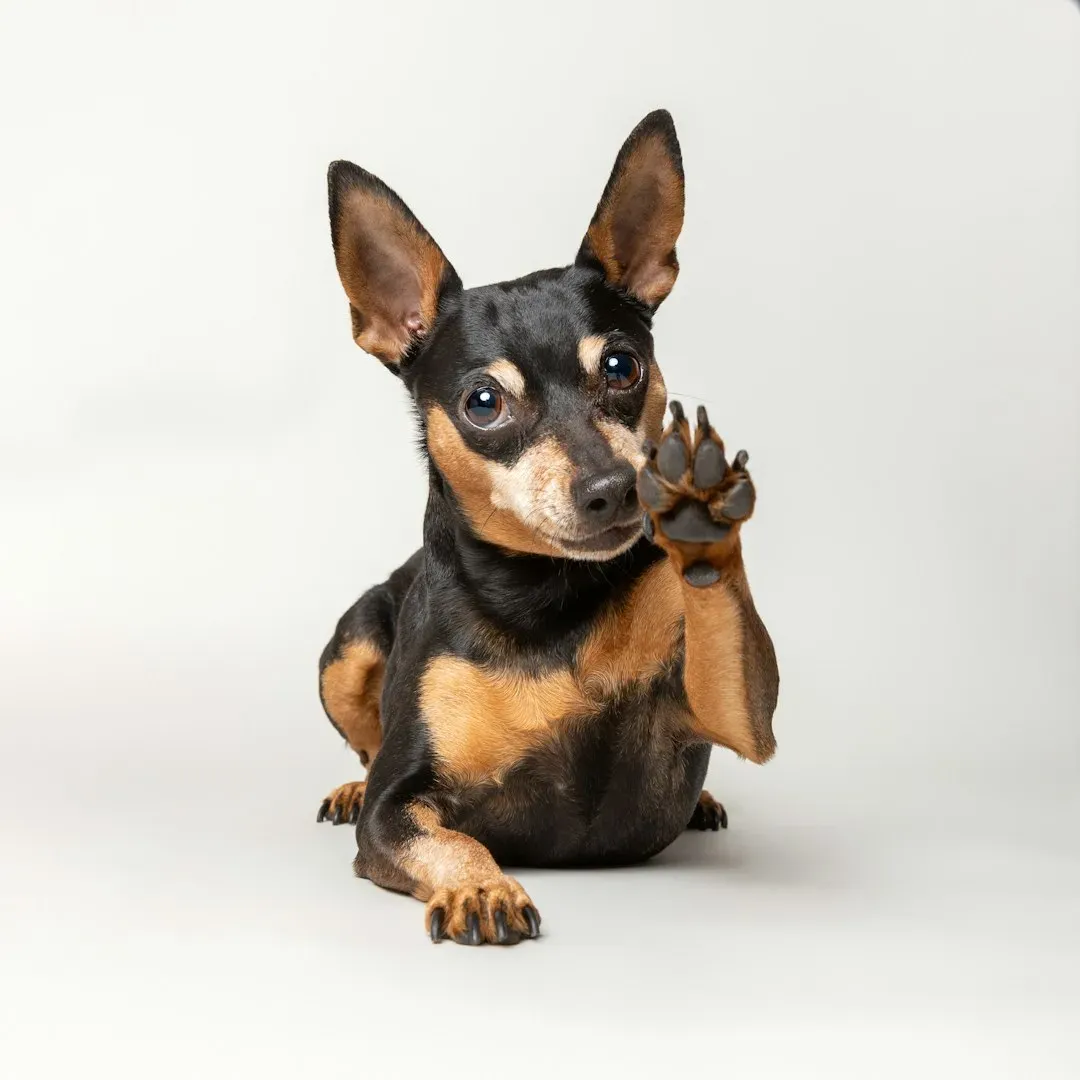
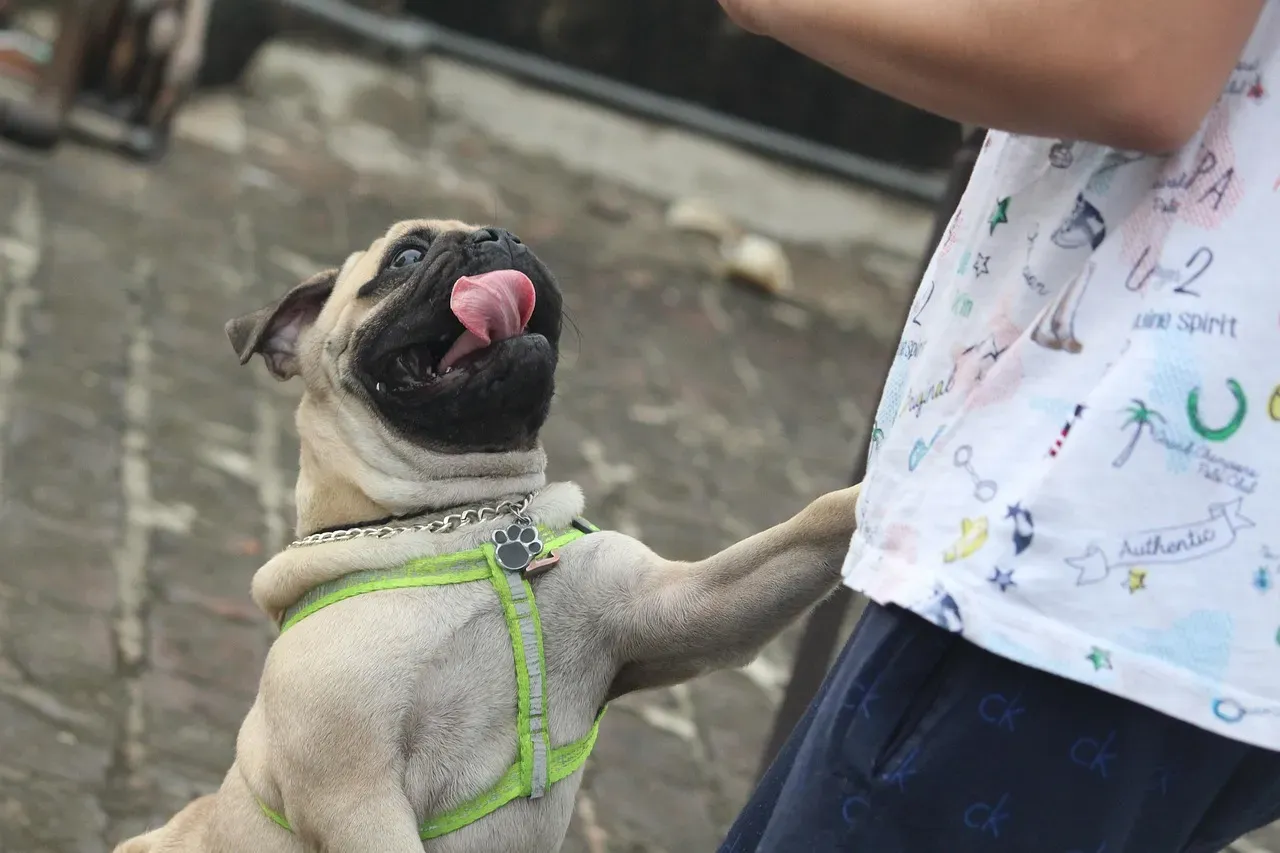
7. Pawing at You Isn’t Just Seeking Attention (Image Credits: Unsplash)When a dog paws at you, it might seem like they’re being pushy. However, this behavior can be a way of seeking comfort, expressing affection, or indicating they need something. It’s their way of initiating interaction and communicating their needs.
8. Barking at Strangers Isn’t Always Aggression
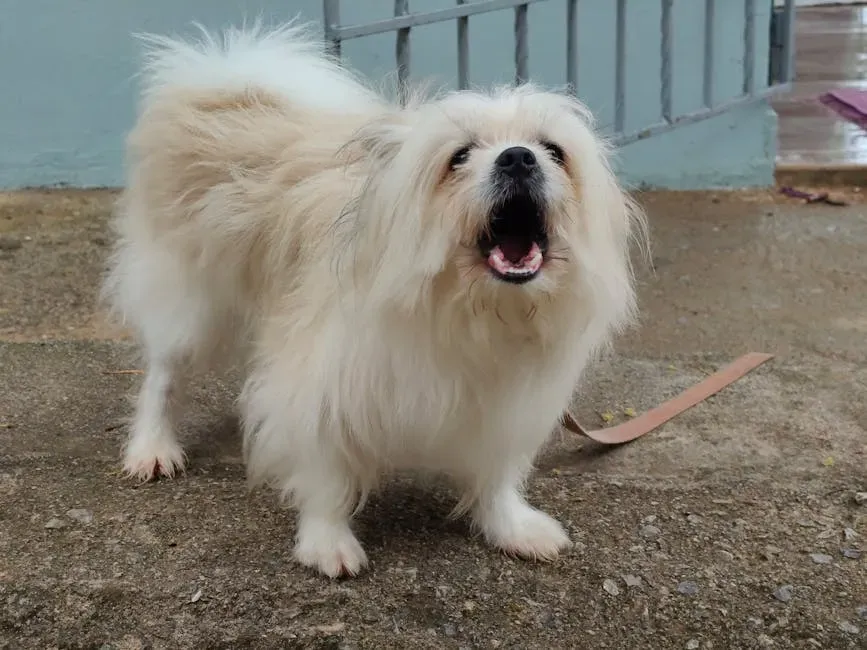
8. Barking at Strangers Isn’t Always Aggression (Image Credits: Pexels)A dog barking at strangers can be perceived as aggressive behavior. However, it can also be a sign of fear, excitement, or a protective instinct. Understanding the context and accompanying body language can help determine the underlying cause and address it appropriately.
9. Chewing on Objects Isn’t Just Destructive
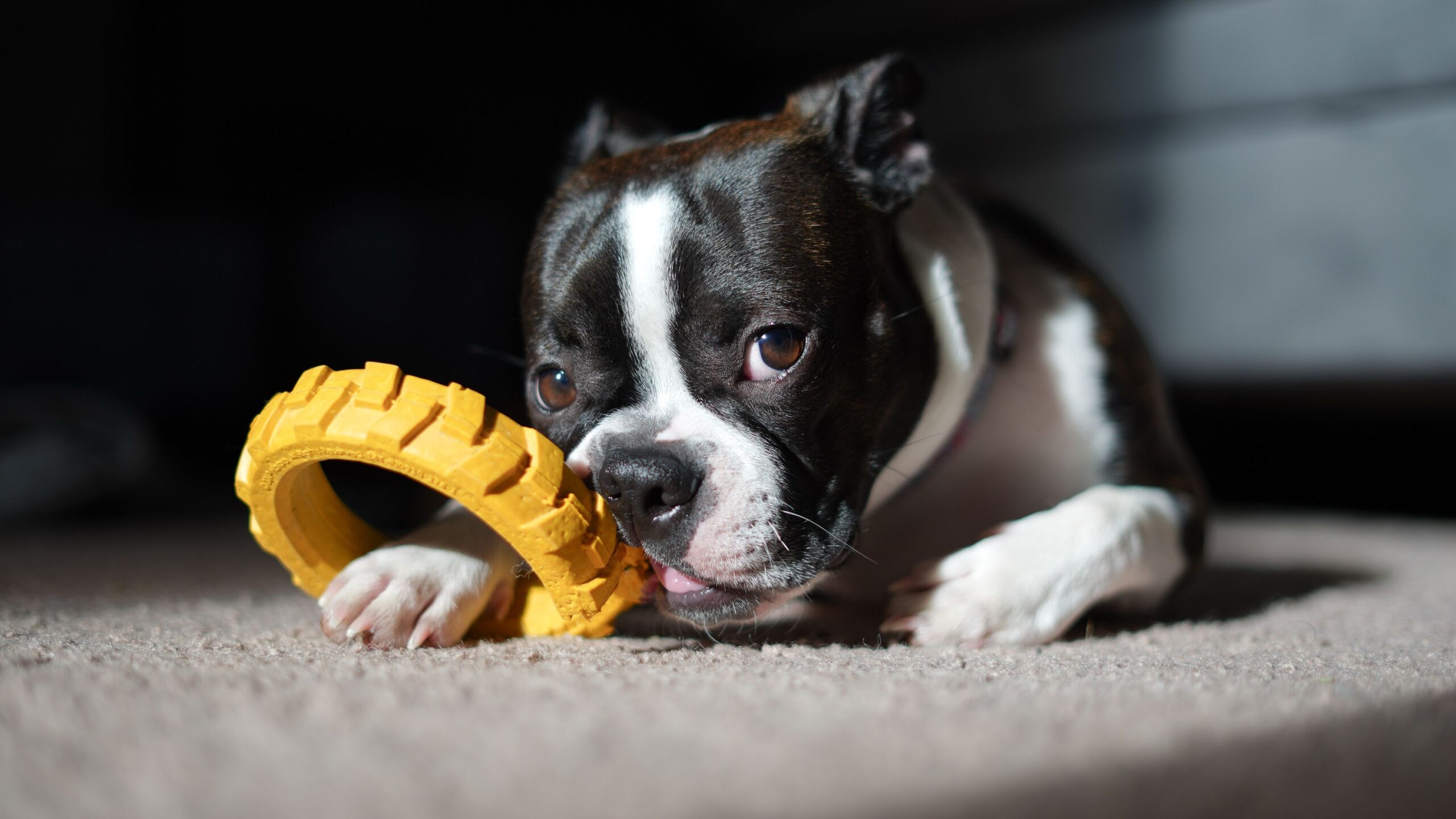
9. Chewing on Objects Isn’t Just Destructive (Image Credits: Pexels)While chewing on furniture or shoes can be frustrating, it’s often a way for dogs to relieve stress, boredom, or teething discomfort. Providing appropriate chew toys and ensuring they have enough mental and physical stimulation can redirect this behavior.
10. Digging Holes Isn’t Just to Annoy You
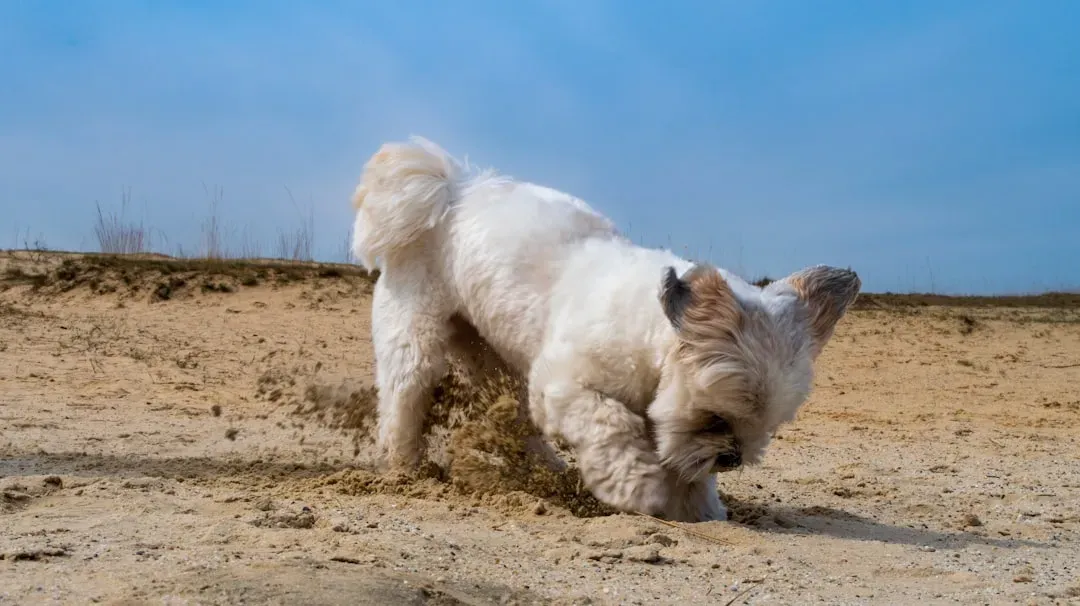
10. Digging Holes Isn’t Just to Annoy You (Image Credits: Unsplash)Digging is a natural behavior for dogs, rooted in their instincts. They might dig to cool off, hide food, or create a comfortable resting spot. Understanding this can help you provide appropriate outlets for their digging instincts, like a designated digging area.
11. Jumping on People Isn’t Just Bad Manners
11. Jumping on People Isn’t Just Bad Manners (Image Credits: Pixabay)Dogs often jump on people as a greeting or to seek attention. While it can be undesirable, it’s their way of expressing excitement and affection. Training and consistent responses can help manage and redirect this behavior.
12. Turning Away Isn’t Always Disinterest
12. Turning Away Isn’t Always Disinterest (Image Credits: Pexels)When a dog turns away from you, it might seem like they’re ignoring you. However, this can be a calming signal, indicating they mean no harm and are trying to avoid conflict. It’s a dog’s way of diffusing tension and maintaining peace.
Conclusion
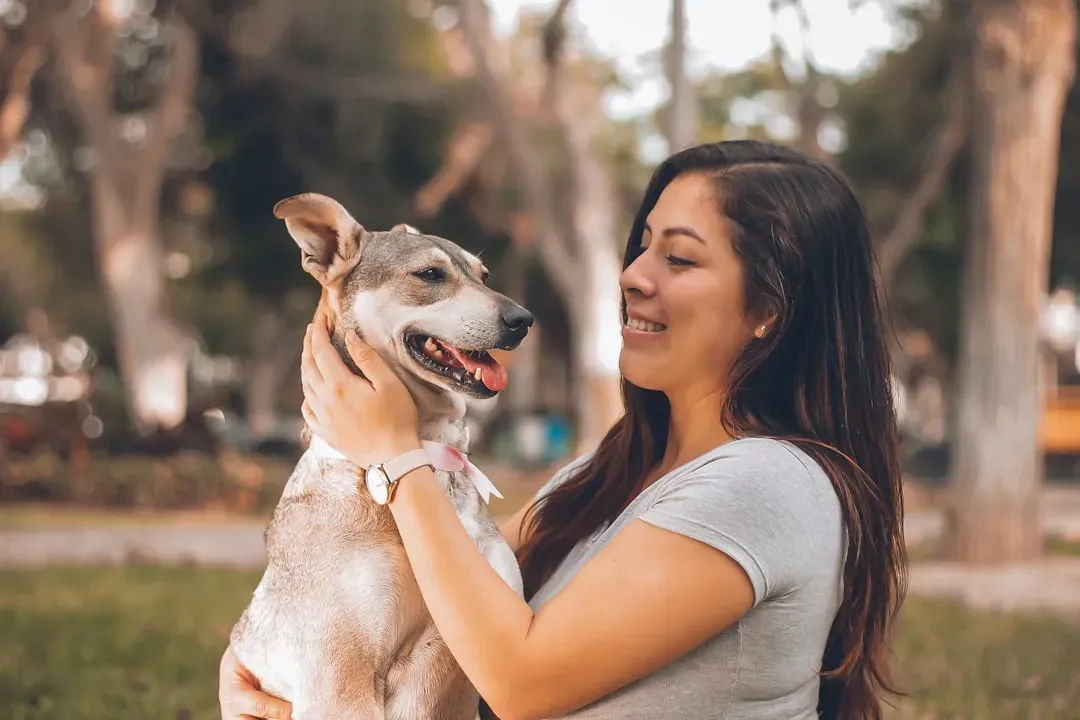
Conclusion (Image Credits: Unsplash)Understanding these behaviors as forms of communication rather than misbehavior can transform our relationship with our dogs. By paying attention to their signals and responding appropriately, we can build a deeper, more empathetic bond. So, the next time your dog exhibits one of these actions, consider what they’re trying to tell you. What message might they be conveying?