

Most dog owners spend a lot of energy thinking about their dog’s physical needs: the right food, enough exercise, regular vet visits. Those things matter, obviously. Yet there’s a quieter dimension of a dog’s life that often goes unnoticed, and it shapes everything from their behavior to their bond with you.
Emotional safety. It’s not dramatic. It doesn’t require expensive gear or elaborate training programs. It’s built in the small, repeatable moments of daily life, the ones you might not even realize are landing with your dog. The habits below are simple. That’s exactly what makes them so powerful.
#1. Keep Mealtimes at the Same Time Every Day

Food is love in the dog world, but it’s also about trust and security. When meals arrive at predictable times, your dog learns that their needs will be met without fail. That reliability does something quietly profound over time. It communicates consistency, and consistency is the language of safety.
Feeding your dog at the same time each day sends a message that their needs are seen and will be met. This consistency builds a deeper bond between you and your pet. Over time, your dog comes to associate your presence not just with food, but with dependability. In a world they can’t fully comprehend, that kind of dependability is everything.
#2. Give Them a Dedicated Safe Space They Can Call Their Own

A designated, cozy comfortable place for your dog is essential for their sense of security and well-being. Much like humans, dogs appreciate having a place in the house to call their own where they can retreat and relax when needed. Create a specific spot in your home where your dog can relax undisturbed. Whether it’s a corner of a room, a cozy crate, or a soft bed, having a designated area gives your dog a sense of belonging.
When dogs have a designated space where they feel secure, they can also better cope with changes in their environment or stressful events. Because dogs are social animals, they thrive on companionship and a sense of belonging. With a safe space, you are showing your dog that you understand and respect their needs, which fosters trust and mutual understanding. Think of it less as a corner of the room and more as a standing promise to your dog that there’s always somewhere safe to land.
#3. Use a Calm, Soft Voice When Talking to Them

If you want your dog to feel safe enough to bond with you, be gentle and intentional with them. A study in Animal Cognition suggests that dog-directed speech, which includes that classic sing-song tone, “improves dogs’ attention and may strengthen the affiliative bond between humans and their pets.” It turns out the warmth in your voice isn’t just nice. It’s neurologically meaningful to your dog.
Your dog might be able to pick up on your emotions and stress. Dogs can actually read humans’ expressions, so it’s important to manage your own stress in their presence. The way you carry yourself in the room, the tone you use, the pace of your movements – your dog is reading all of it. A calm voice signals a calm world.
#4. Maintain a Consistent Daily Routine
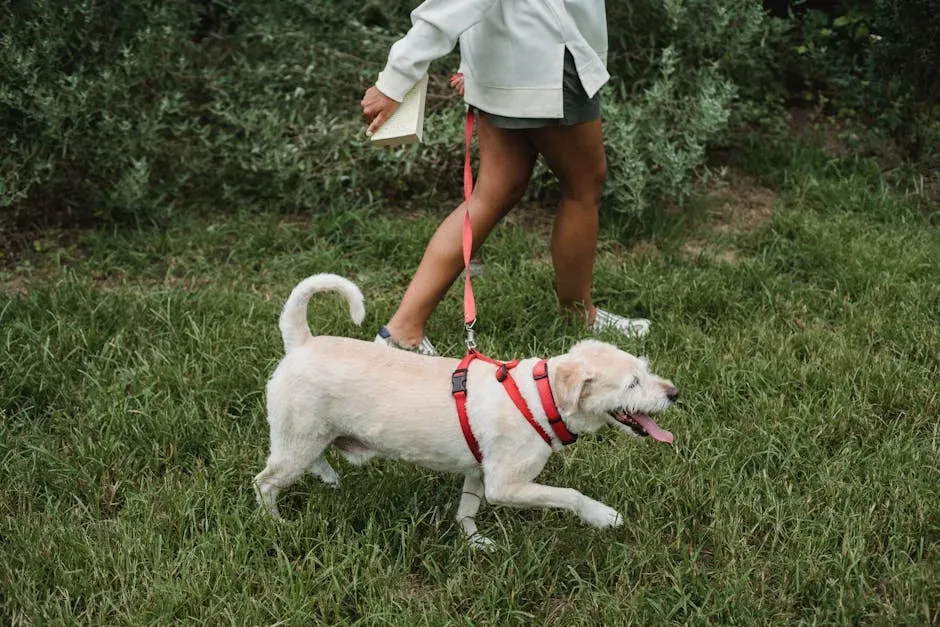
Dogs are creatures of habit and thrive on structure in a suitable environment. Establishing a consistent daily routine helps reduce anxiety and uncertainty in your dog’s life. When a dog knows what to expect and when, their nervous system doesn’t have to work overtime trying to predict what comes next. That rest matters more than most people realize.
According to the American Kennel Club, routines improve canine quality of life by supporting predictable emotional states and physical health. Even minor disruptions can cause behavioral issues or anxiety in some dogs. A thoughtful approach to daily structure lays a foundation for better manners and overall happiness, making daily life easier for both the dog and the owner. The rhythm of the day is, quietly, a form of love.
#5. Practice Regular, Unhurried Affection

Regular affection is essential for emotional well-being. Cuddles, belly rubs, and gentle petting reinforce love and security. Affectionate interactions strengthen the bond and enhance trust. Dogs thrive on positive attention, making them feel valued and cherished. The key word here is unhurried. Affection offered while distracted or rushed lands differently than the kind where you’re actually, fully present.
The affection you offer each day isn’t simply absorbed and forgotten. It accumulates into something your dog carries with them. That slow accumulation is the real mechanism of emotional safety. It doesn’t happen in a single dramatic moment – it builds over thousands of small, gentle interactions, stack by stack, day by day.
#6. Manage Your Own Stress Levels Around Them
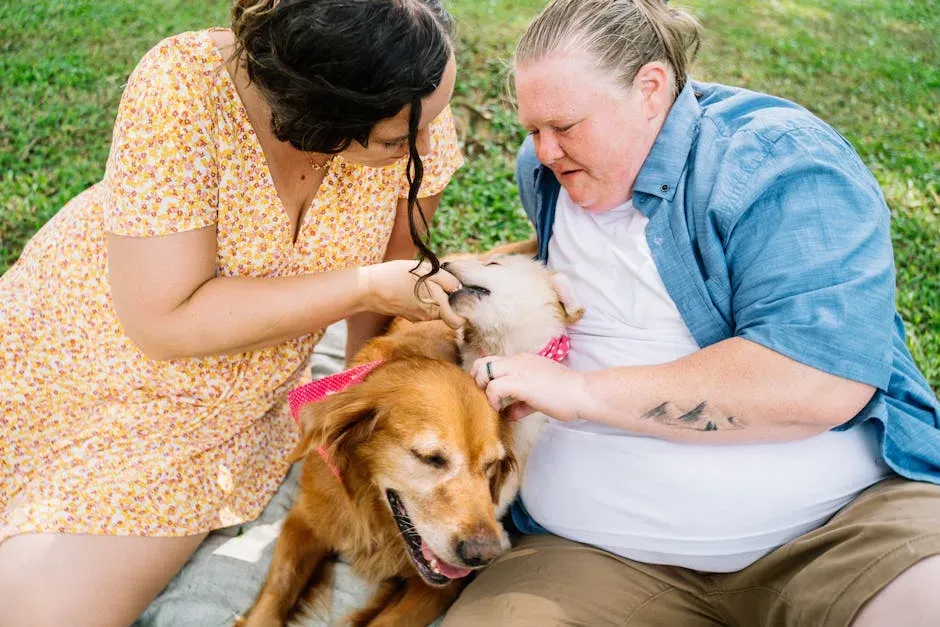
Researchers at the University of Bristol conducted a study that found dogs can detect stress through the hormone cortisol in human sweat. This ability allows them to react emotionally to human stress. This isn’t just a curiosity – it has real implications for how your dog feels inside your home every single day.
As researchers note, “For thousands of years, dogs have learned to live with us, and a lot of their evolution has been alongside us. Both humans and dogs are social animals, and there’s an emotional contagion between us.” This is the first study to show that without visual or auditory cues, olfactory cues of human stress may affect dogs’ cognition and learning, which could have important consequences for dog welfare. Put simply: your calm is contagious, and so is your anxiety.
#7. Let Them Sniff on Walks Without Rushing

Sniffing isn’t just fun for dogs – it’s scientifically proven to reduce stress, lower cortisol, and improve behavior. Sniffing activates the parasympathetic nervous system, aids in anxiety relief, and helps reactive dogs regulate emotions. Every time you let your dog pause and explore a scent, you’re giving their brain something it genuinely needs.
Dogs allowed to sniff more during walks show lower heart rates, reduced reactivity, and fewer signs of anxiety. For dogs with behavioral challenges, this makes scent work a therapeutic tool. When dogs are allowed to slow down and sniff, their walks become mentally meaningful instead of purely physical. Resisting the urge to tug the leash forward is, oddly enough, one of the most generous things you can do for your dog’s emotional state.
#8. Use Positive Reinforcement Instead of Punishment
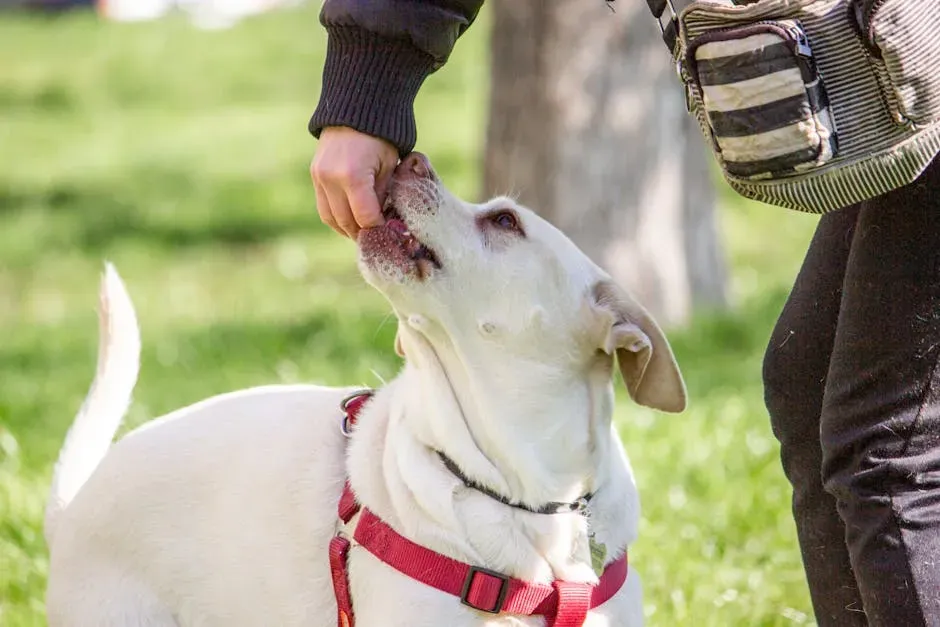
When the animal feels safe, he can be curious, inquisitive, and focused on a task. Positive reinforcement training, where you reward good behavior with treats or praise, helps build your dog’s confidence and solidifies their understanding of your expectations. A dog who knows what’s expected of them, without fear of sudden correction, is a dog who can finally relax.
Confidence and security are tightly linked in a dog’s emotional life. Using treats and praise encourages obedience and builds trust. This method fosters a loving relationship and enhances communication. Dogs respond well to kindness, making learning enjoyable. When a dog knows a correction isn’t going to come out of nowhere, they relax. That relaxation is the foundation of genuine belonging.
#9. Minimize Chaos and Loud Environments at Home

Dogs are naturally inquisitive and highly attuned to their environment, and a calm, positive atmosphere can go a long way in promoting their emotional well-being. Dogs are sensitive to loud noises, chaotic environments, and stress within the home. Minimize loud music, yelling, or sudden bursts of activity that could scare or stress your dog.
If you live in a chaotic home – young children in the house, vocal pet parents who are constantly shouting, people coming in and out, other pets present – there is a good chance your dog will take on that stress and may start to exhibit insecure behaviors. Calm doesn’t mean boring. It means predictable. There’s a real difference, and your dog feels it immediately.
#10. Spend Quiet, Intentional Time Together

Silence is a great way to help dogs feel safe enough to bond with their humans. Have you noticed that your closest people make you safe enough to enjoy silence, not to fill the space with constant chatter? Spending quiet downtime with your pup can cultivate a similar bonding experience. This is one of those habits that costs nothing and asks very little of you. Yet for many dogs, it’s deeply settling.
Your presence is one of the most reassuring things to your dog. Be attentive to them daily, ensuring you take time to engage directly with their needs and emotions. This builds trust and reinforces their sense of safety, knowing you are always there. Quiet time isn’t passive. It’s an active signal that this is a safe place, that nothing needs to be feared here, and that you’re not going anywhere.
#11. Offer Calming Sensory Activities Like Chewing and Licking
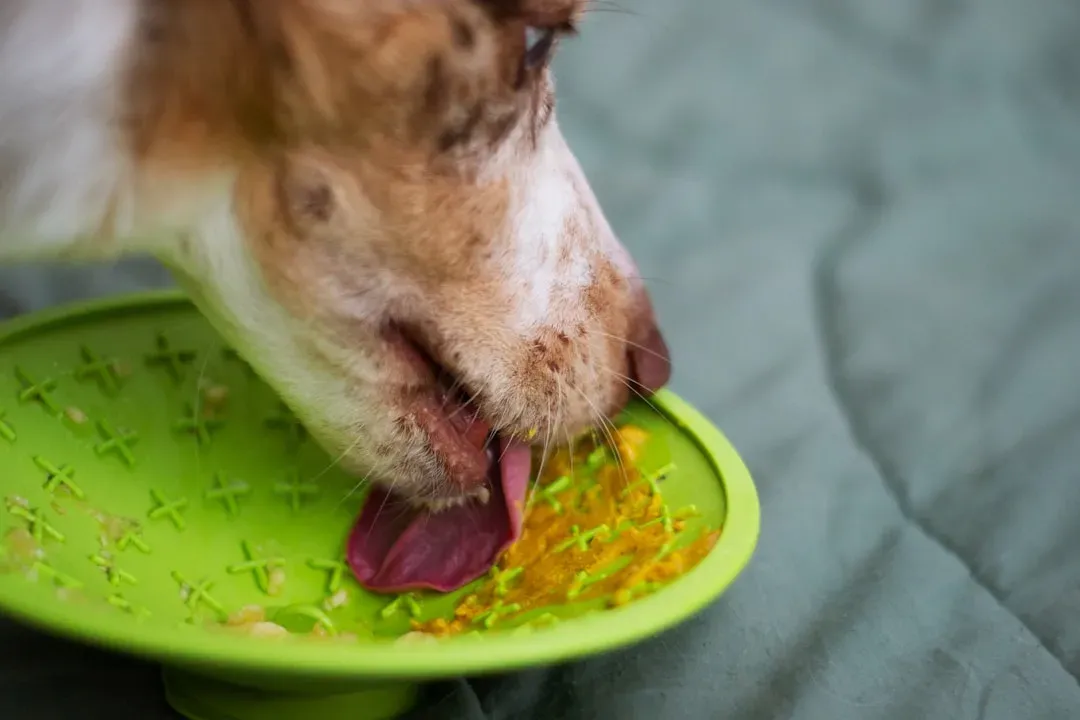
Licking is a natural behavior that dogs use to calm themselves. Whether it’s licking their paws, a toy, or a lick mat smeared with peanut butter, this activity can have a soothing effect, similar to how humans might find comfort in repetitive actions. Licking releases endorphins, the feel-good hormones, which help reduce stress and anxiety.
Chewing is a powerful stress reliever for dogs. It’s not just about keeping their jaws busy; chewing actually triggers the release of calming hormones that help your dog relax. Chew toys are excellent sources of sensory stimulation for dogs. A lick mat before bedtime, a safe chew during a thunderstorm, a snuffle mat at mealtimes – these small additions to the day can meaningfully shift your dog’s baseline emotional state.
#12. Maintain Consistent Training That Builds Confidence
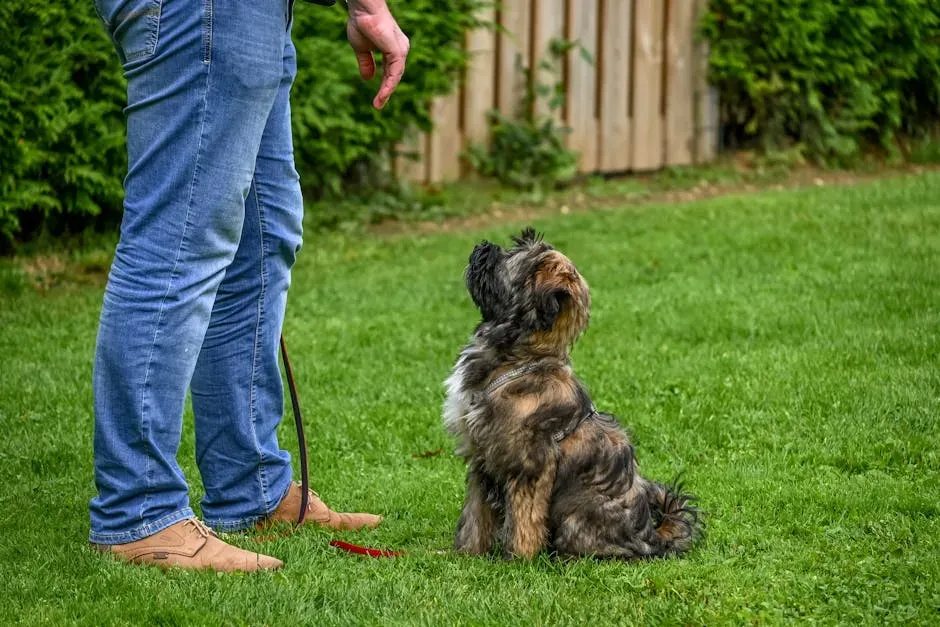
Training not only teaches your dog essential commands but also strengthens the bond between you and your pet. Consistent training sessions enhance communication, allowing your dog to understand expectations, which boosts their sense of security. This is what separates training that feels like control from training that actually feels like safety to a dog – it’s the clarity, not the commands, that they carry forward.
To give your dog a happy, fulfilled life you need to balance levels of comforting predictability with stimulating novelty in their environment, as well as providing choice and enabling agency. Consistent, kind training hands your dog a framework for understanding the world. When they understand the world, they stop bracing for it. That shift – from braced to settled – is exactly what emotional safety looks like in a dog’s body.
Final Thoughts: Safety Is a Language Dogs Never Forget

None of these habits are particularly glamorous. None of them require a weekend seminar or a specialized trainer. What they require is the willingness to show up, consistently and calmly, in the small ordinary moments of your dog’s life.
Here’s the honest truth: your dog doesn’t need a perfect home. They need a predictable one – where affection is reliable, voices are mostly soft, routines hold steady, and their nervous system isn’t constantly on guard. That’s the real definition of emotional safety, and it’s entirely within reach for any dog owner willing to pay attention to the little things.
Dogs do not keep score in the way humans do. They don’t remember the times you were too busy or the walks you cut short. What they remember – what they carry in their body – is the overall feeling of their life with you. Make that feeling safe, and you’ll have a dog whose trust runs bone-deep. That’s not a small thing. That’s everything.


