
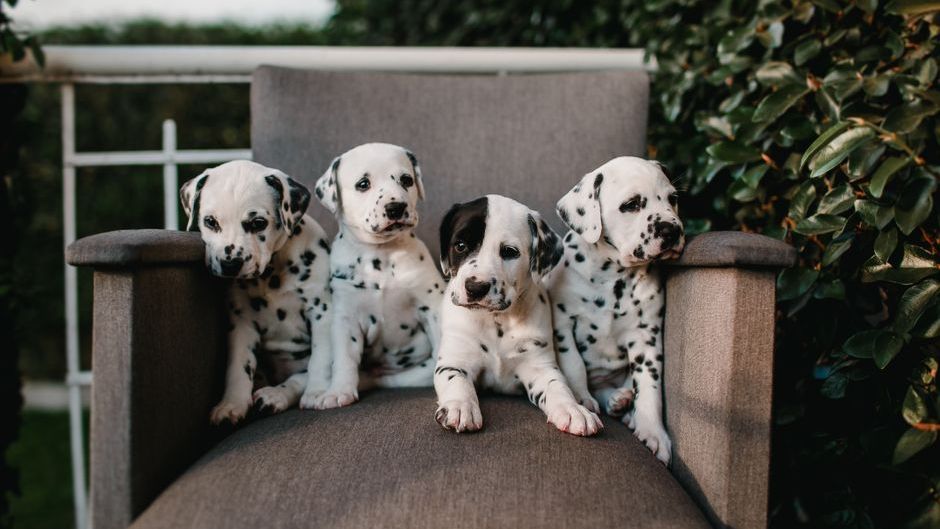
Here’s a truth that dog trainers and vet behaviourists don’t say loudly enough: the breeds families fall hardest for are often the exact breeds least suited to family life. The fluffy one at the shelter. The heroic dog from the movie. The one that looked so calm at the breeder’s. Every year, thousands of households bring home a dog that was practically engineered to be miserable in a suburban home with kids, a 9-to-5 schedule, and a standard backyard.
What follows isn’t a list of “bad dogs.” Every breed here is extraordinary in the right hands. But vet behaviourists – the specialists called in after things go wrong – keep seeing the same breeds in their offices, the same heartbroken families, and the same dogs who never stood a chance. The entries deeper on this list may genuinely surprise you.
#13 – Afghan Hound
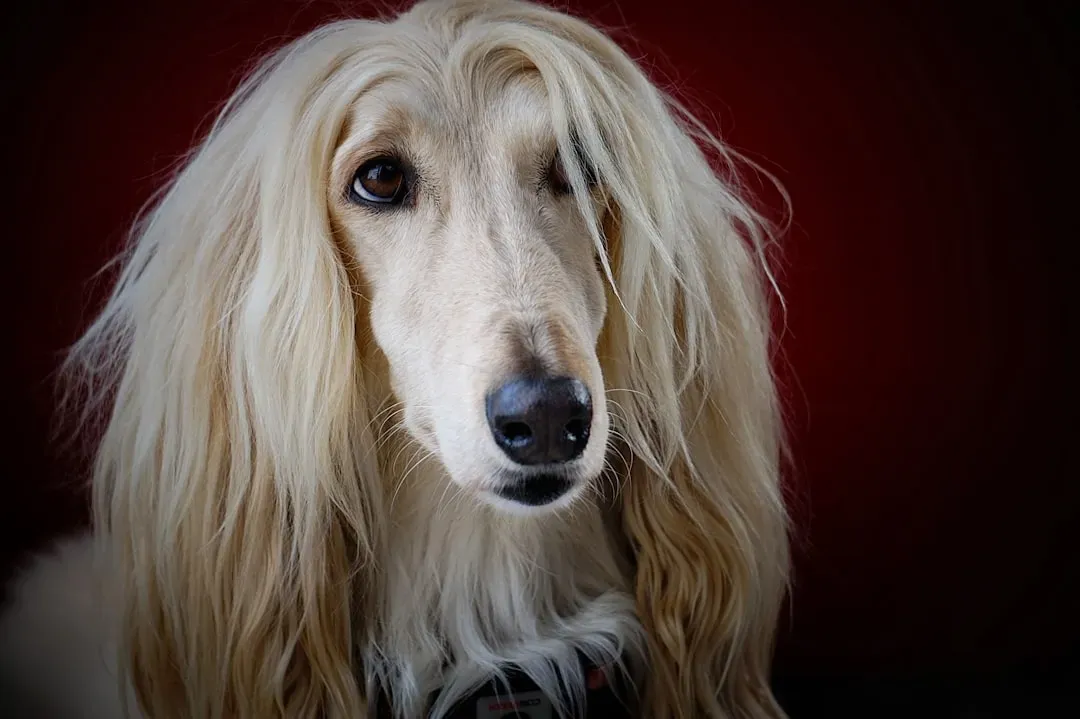
The Afghan Hound looks like it was designed to be admired, and that’s precisely the problem. Families see the silky coat and regal posture and imagine a loyal, elegant companion lounging beside the kids. What they get instead is a sighthound whose entire genetic history was built around sprinting across remote terrain, making independent life-or-death hunting decisions – without any human input whatsoever.
Vet behaviourists describe Afghans as one of the most training-resistant breeds for owners without deep sighthound experience. They aren’t being stubborn out of spite; they simply weren’t bred to take direction the way a Labrador was. Add a powerful prey drive that can make them dangerous around small children and pets, a need for daily high-speed running, and a fundamental aloofness toward people they didn’t choose – and most family homes become a slow form of misery for this breed.
Fast Facts
- One of the oldest recognized dog breeds, with origins in the mountains of Afghanistan
- Built for independent hunting – not cooperative, human-directed work
- Prey drive can be triggered by running children or small pets
- Requires daily off-leash sprinting in a safely enclosed area
- Grooming the signature coat takes 1–2 hours per week minimum
#12 – Basenji
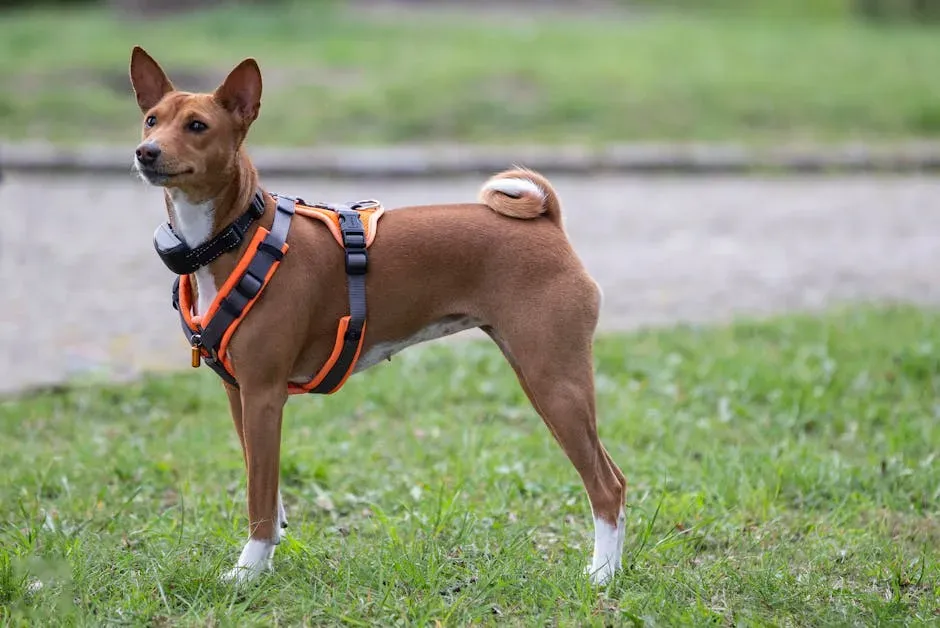
The Basenji gets called “the dog that doesn’t bark,” which sounds like a dream for families with neighbors and noise-sensitive toddlers. But behaviourists will tell you that what a Basenji lacks in barking, it more than makes up for in howls, screams, and a cat-like independence that makes recall training feel like a cruel joke. These are ancient African hunting dogs, and their instincts are intact in a way that shocks most modern owners.
They roam. They climb. They escape. They decide which commands are worth following based on what else is happening at the time – and a squirrel will almost always win. The Basenji’s intelligence makes it fascinating to experienced handlers and genuinely unmanageable for families expecting warmth and cooperation. Behaviourists frequently see them surrendered not because they were aggressive, but because the family simply couldn’t reach them.
#11 – Chinese Shar-Pei

Few breeds carry as much misunderstood history as the Shar-Pei. Those wrinkles make puppies look like soft, huggable stuffed animals. But this breed was developed for dog fighting and property guarding in ancient China, and those instincts didn’t disappear because the dog now lives in a subdivision. Vet behaviourists frequently encounter Shar-Peis referred for resource guarding, territorial aggression, and wariness toward children – even children in their own household.
Socialization has to begin early, be handled expertly, and never stop – a level of commitment most families don’t realize they’re signing up for. Compound that with the breed’s significant health costs (those skin folds require constant veterinary attention), and you have a dog that demands an experienced, financially prepared owner with no small children in the home. The gap between the puppy people pictured and the adult dog they get is enormous.
#10 – Dalmatian
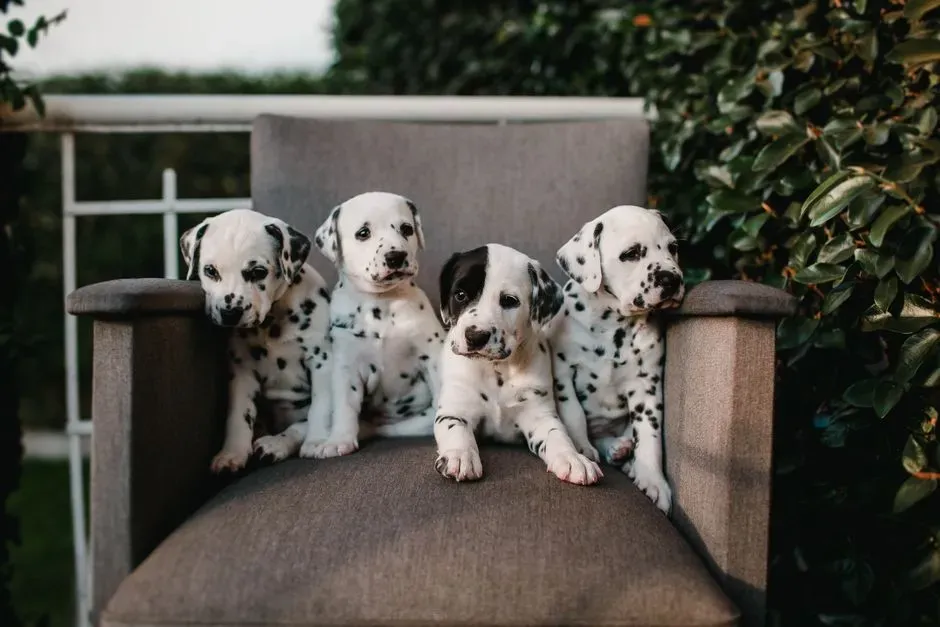
The Dalmatian’s movie-star looks have been quietly wrecking families for decades. Parents buy them imagining a playful, spotted companion for the kids. Behaviourists see what comes next: a high-octane carriage dog that was bred to run alongside horses for hours, now living in a house with a small yard and owners who assumed a daily walk would be enough. It isn’t. Not even close.
Beyond the energy – which can reduce furniture to rubble when unmet – Dalmatians carry a hereditary deafness rate that is among the highest of any breed. A deaf Dalmatian startled by a child can react in ways that terrify families who had no idea the risk existed. Behaviourists note that regret in Dalmatian owners often sets in within the first six months, once the novelty fades and the reality of the daily management required becomes clear.
At a Glance: The Dalmatian Deafness Reality
- Up to 30% of Dalmatians in the U.S. are born deaf in one or both ears
- Approximately 22% have unilateral (one-ear) deafness; around 8% have bilateral deafness
- Deafness is congenital – present at birth, linked to the same piebald gene that creates the spots
- A deaf dog startled unexpectedly is far more likely to react with fear or surprise aggression
- Reputable breeders use BAER testing to screen puppies before placement
#9 – Chow Chow
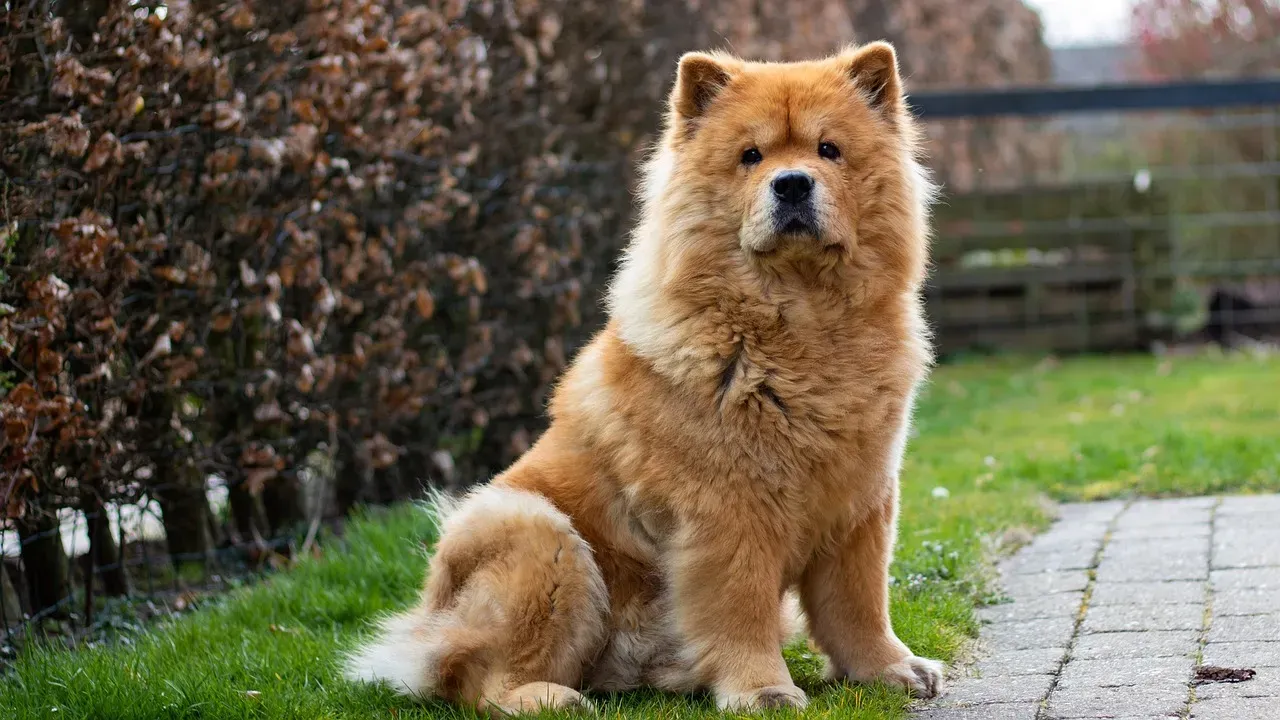
From a distance, a Chow Chow looks like a living teddy bear. Up close, behaviourists will tell you it behaves more like a territorial emperor who tolerates your presence on its own terms. Chows bond deeply – but usually with one person, and often view children’s unpredictable, grabbing, squealing behavior as a genuine threat rather than play. They don’t warn the way many breeds do. Their reactions can be sudden and serious.
The breed’s guarding history in China left it with territorial instincts that require expert socialization from the very first weeks of life. Most families aren’t equipped for that, and many don’t realize it until something goes wrong. Behaviourists consistently rank the Chow Chow among the breeds most likely to have incidents in homes with children under ten. The mismatch isn’t random – it’s structural.
#8 – Akita
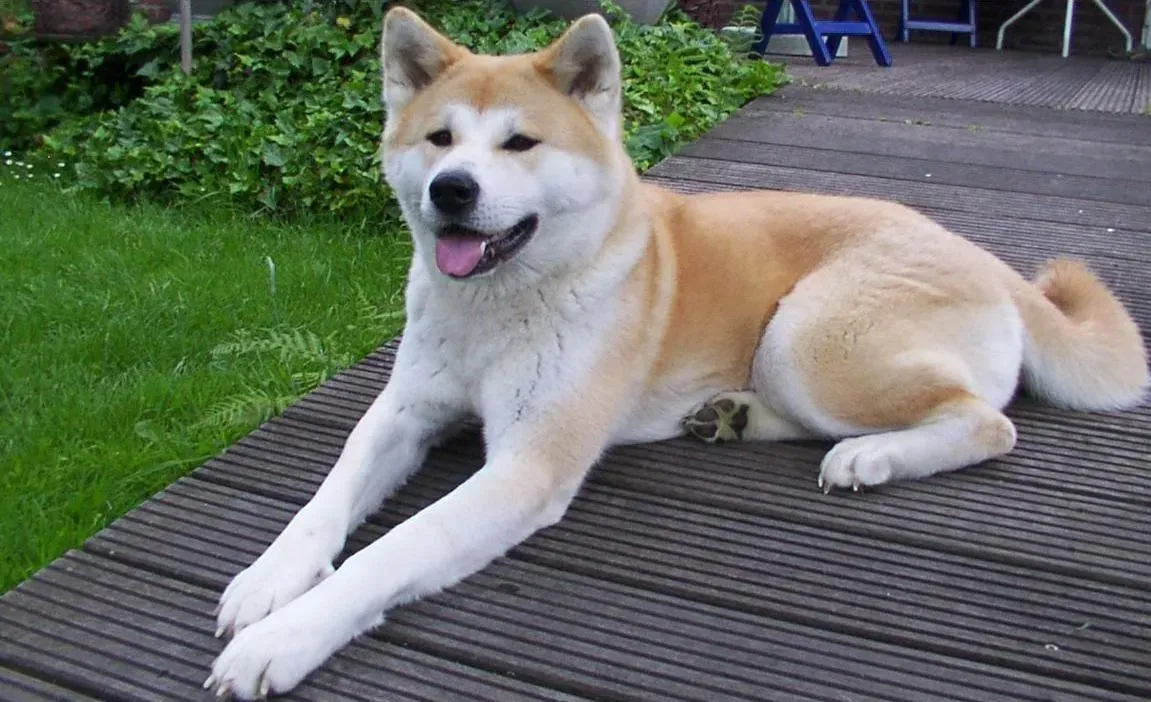
In Japan, the Akita is a symbol of loyalty and good health – people send Akita figurines to friends recovering from illness. That cultural reverence has given the breed a romantic reputation that behaviourists spend considerable time dismantling. Yes, an Akita can be profoundly devoted to its family. It can also be deeply suspicious of everyone outside that circle, intensely dominant, and physically powerful enough that even accidental contact with a small child can be dangerous.
Same-sex aggression is common and well-documented in the breed, meaning multi-dog households become complicated fast. The Akita needs an owner who understands dominance hierarchies, practices consistent leadership daily, and has the physical presence to manage a dog that can exceed 100 pounds. Most families wanting a beautiful, loyal dog don’t realize they’re also signing up for an advanced obedience challenge that never really ends.
Quick Compare: What Families Expect vs. What Behaviourists See
- Expectation: A loyal, majestic companion – Reality: A dominant dog that challenges for rank
- Expectation: Good with kids – Reality: Often intolerant of unpredictable child behavior
- Expectation: Gets along with other dogs – Reality: Known for serious same-sex aggression
- Expectation: Easy to manage at 100+ lbs – Reality: Requires an experienced, physically capable handler
#7 – Alaskan Malamute
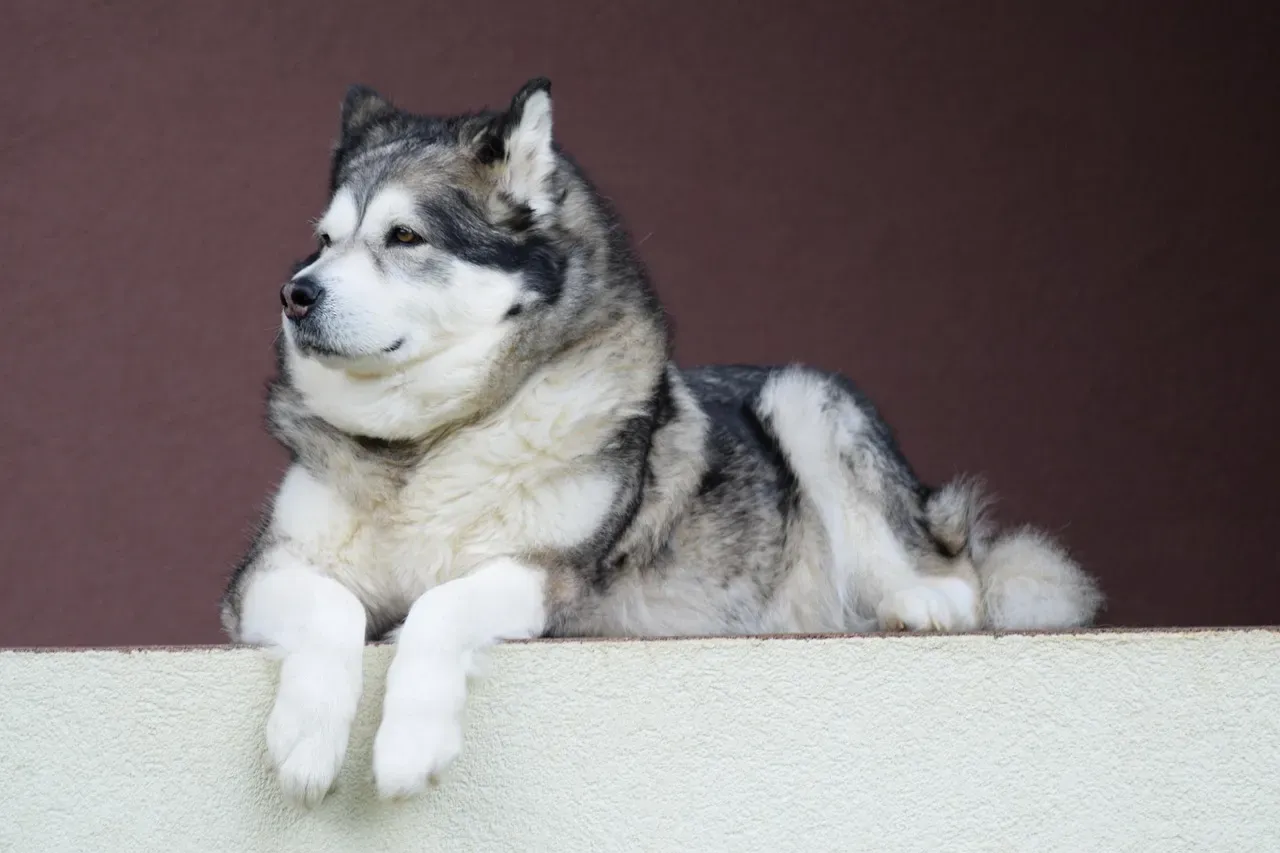
People see the Malamute’s wolf-like beauty and imagine a majestic, gentle giant padding softly through family life. What behaviourists actually see is a pack-driven Arctic working dog with the endurance to pull heavy sleds for hours across frozen terrain – and the same needs even in a warm suburb with a six-foot fence. Malamutes are legendary escape artists. They dig. They climb. They test every weak point in a yard until they find one, and then they roam.
Their pack mentality means they will challenge for leadership if they don’t clearly recognize one, and that challenge can escalate with children or other dogs. Their prey drive is serious – small pets, and sometimes small children who run, can trigger it. Behaviourists flag Malamutes for high surrender rates specifically because families underestimate both the exercise demands and the management complexity until they’re already in over their heads.
#6 – Siberian Husky
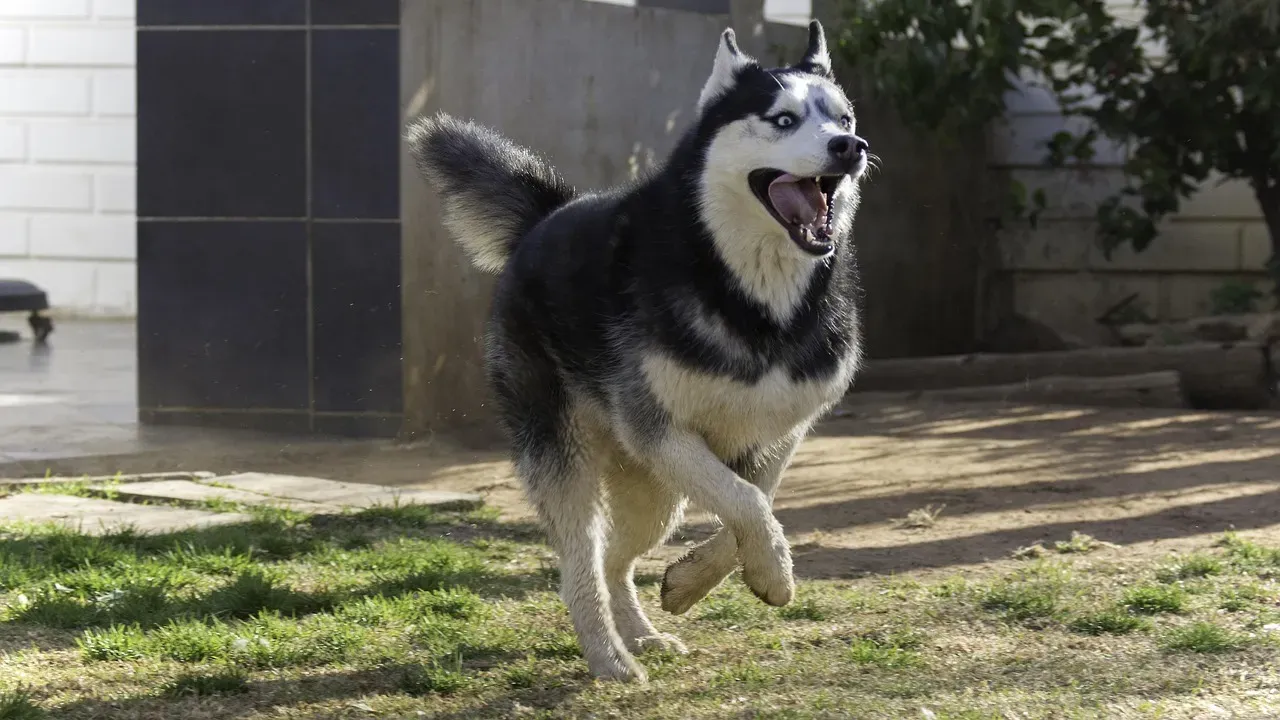
No breed has been more catastrophically overhyped by social media than the Siberian Husky. The videos of them “talking,” their ice-blue eyes, their dramatic howling – it all reads as charming until you’re living with one and haven’t slept properly in three months. Huskies were selectively bred for one thing: running long distances in punishing conditions without stopping. That drive doesn’t switch off because they’re now living with a family in Phoenix.
Behaviourists see Huskies constantly – dug-up yards, escaped dogs found miles away, destroyed furniture, howling complaints from neighbors. Their independence makes recall training genuinely dangerous off-leash. Their need for hours of vigorous daily exercise is non-negotiable. Families who wanted a beautiful, social dog and ended up with what feels like a force of nature are among the most common cases in rehoming. The breed isn’t difficult because it’s broken. It’s difficult because it’s exactly what it was bred to be.
#5 – Border Collie
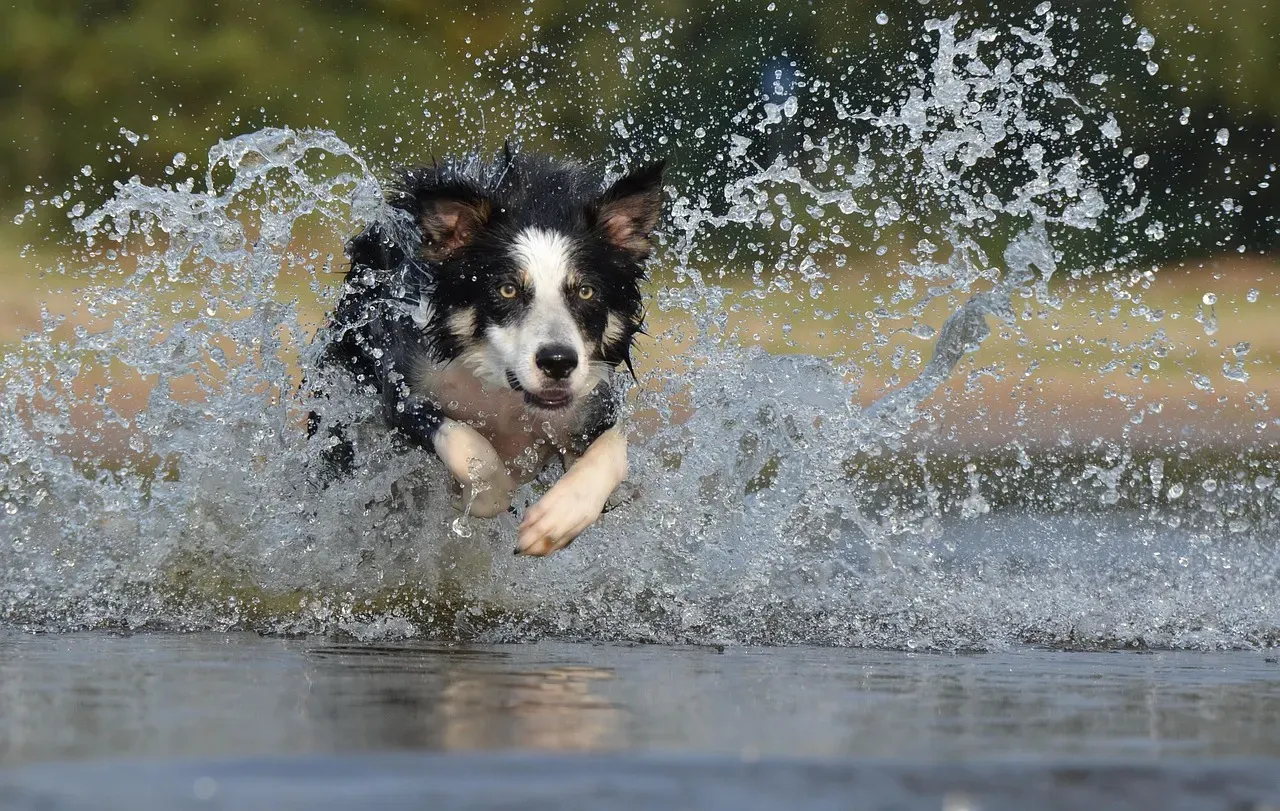
Border Collies are frequently cited as the most intelligent dog breed in the world, which sounds like a selling point until a behaviourist explains what that actually means for a family. It means a dog that will identify patterns in your behavior before you’ve noticed them yourself. It means a dog that gets bored faster than you can manage it, and channels that boredom into obsessive, compulsive behaviors – staring at shadows, chasing light, circling the kids, herding the cat into a corner repeatedly until everyone is miserable.
The herding instinct is not a quirk. It is a powerful, deeply wired drive that redirects onto children, cyclists, other pets, and anything else that moves unpredictably. Without a structured job and multiple hours of genuine mental engagement every single day, Border Collies develop anxiety that can become severe. Behaviourists note they are one of the breeds most likely to develop neurotic behaviors in typical family environments – not because the family did anything wrong, but because the dog’s needs are genuinely incompatible with ordinary life.
Worth Knowing: Border Collie Behaviors That Alarm Families
- Shadow and light chasing is the most common compulsive behavior seen in the breed – and it rarely resolves on its own
- Nipping and herding small, running children is instinct, not aggression – but the distinction doesn’t always matter in the moment
- Reactivity toward bikes, cars, and scooters is widely reported by behaviourists working with the breed
- Separation anxiety can develop when the dog’s need for mental stimulation goes unmet during the workday
- Compulsive behaviors like spinning and tail chasing may require professional intervention and sometimes medication
#4 – Australian Shepherd
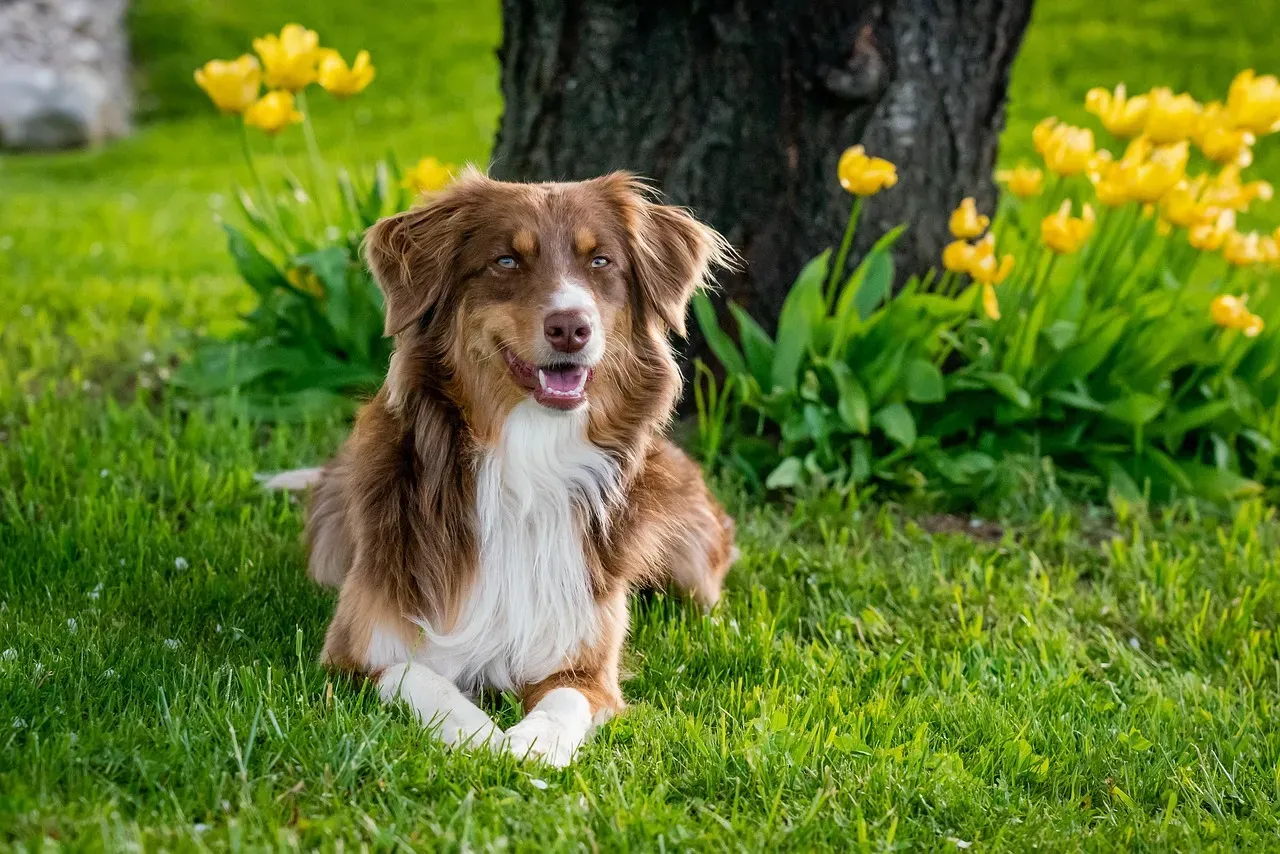
Australian Shepherds have flooded family homes on the strength of their good looks, their agility competition fame, and a reputation for being “smart and trainable.” That last part is true – but smart and trainable in the context of a full-time working ranch dog means something very different from smart and trainable in the context of a family home. Aussies were bred to work cattle all day, make independent decisions, and keep moving. Suburbia is not a ranch.
The herding drive can make them nippy with running children – not out of aggression, but out of instinct so strong it overrides training in the heat of the moment. Their sensitivity means noise, chaos, and unpredictability can trigger anxiety or reactivity. Behaviourists frequently see Australian Shepherds referred for separation anxiety, sound phobias, and obsessive behaviors that developed when the dog had no legitimate outlet for its working drive. The intention to exercise them more always comes too late.
#3 – Belgian Malinois
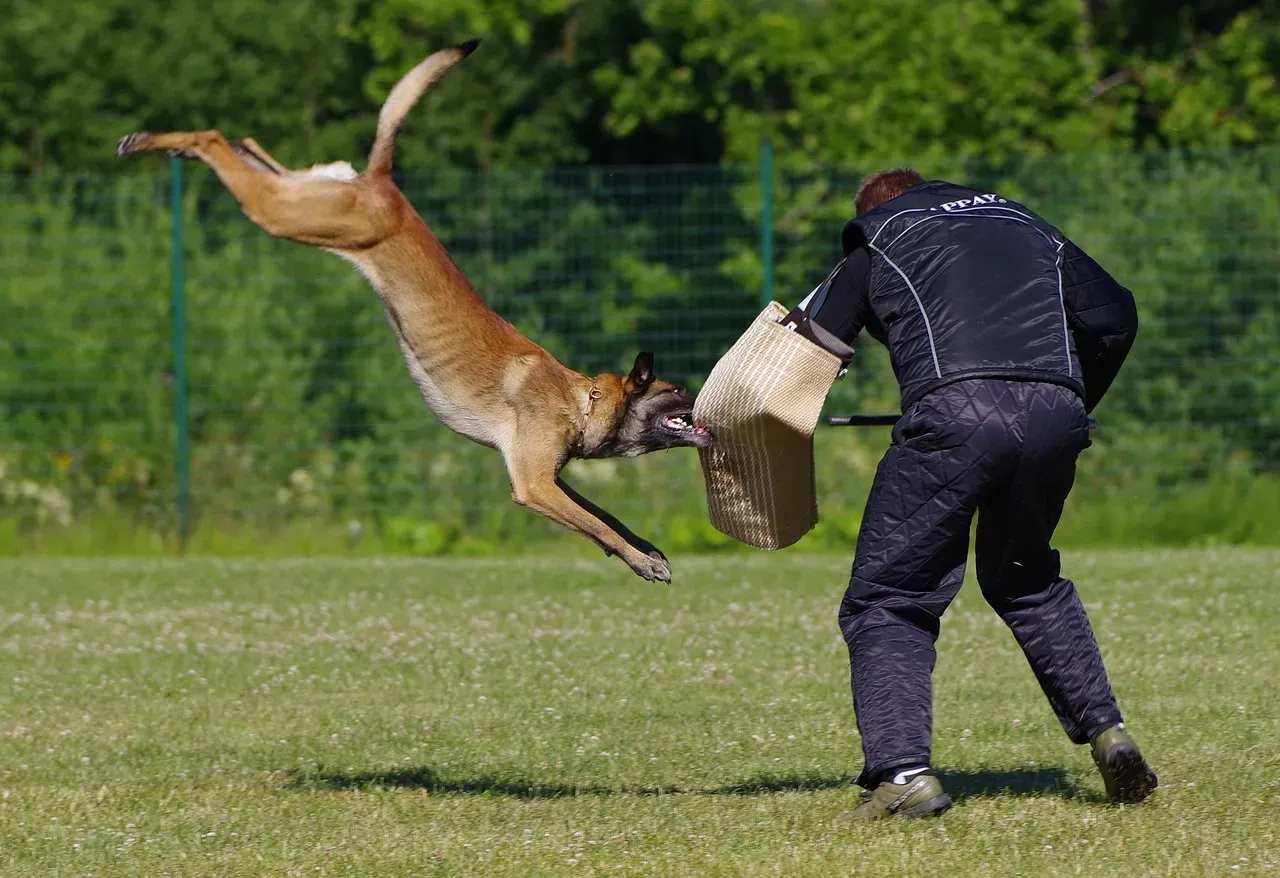
The Belgian Malinois has a serious image problem – it keeps showing up in military movies and viral police dog videos looking heroic, athletic, and impossibly cool. That exposure has sent a wave of families into breeders’ homes expecting something like a German Shepherd but sharper. What they get is a dog operating at a level of drive and intensity that professional handlers spend years learning to manage. The Malinois is not a family dog with a cool edge. It is a working machine that happens to look like one.
Behaviourists are nearly unanimous on this breed. Without several hours of structured, demanding work every single day – not walks, not fetch, but real mental and physical challenges – the Malinois becomes destructive and dangerous. Its protective instincts can turn into reactivity around children and strangers. Shelters report Malinois surrenders from devastated families who genuinely loved the dog but could not meet its needs. It is one of the most heartbreaking mismatches behaviourists see, precisely because it was so predictable.
Why It Stands Out: The Malinois Surrender Problem
- Multiple breed-specific rescues exist across the U.S. solely to manage the volume of surrendered Malinois
- High-energy breeds like the Malinois often struggle severely in standard shelter environments
- Some surrendered dogs are at risk of being deemed unadoptable due to stress-related behavior – with serious consequences
- Households with children are frequently flagged as unsuitable placements by breed rescue organizations
- The breed’s surge in popularity tracks almost directly with its rise in military and police media coverage
A working dog without work doesn’t relax. It redirects.
Common refrain among professional dog behaviourists
#2 – Jack Russell Terrier
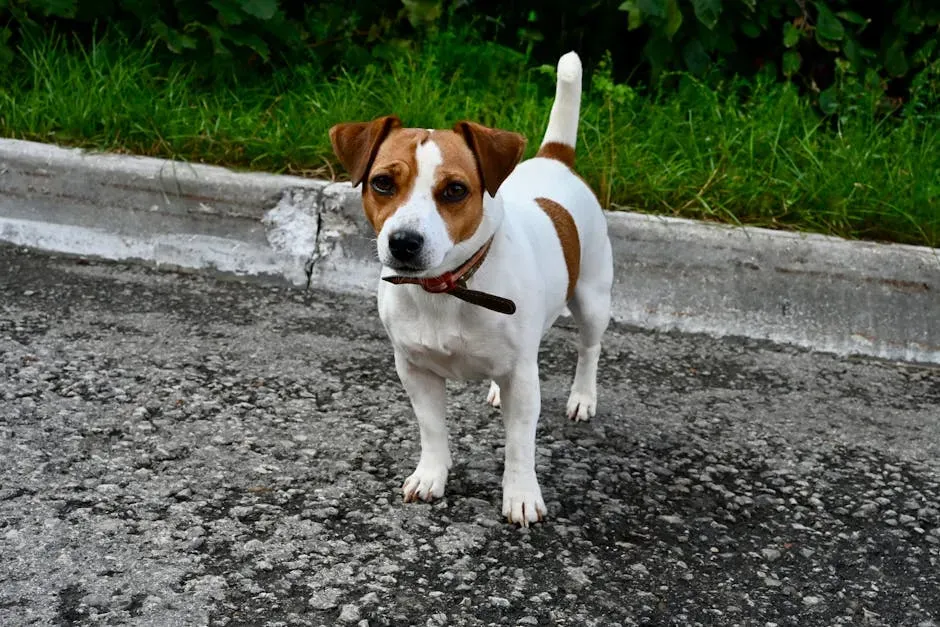
Jack Russells are small enough to fit in a handbag and energetic enough to run the household if you let them – and most families let them. The breed was designed to chase foxes underground, which required a dog with fearlessness, tenacity, and a near-total indifference to being told what to do. That’s all still there, packed into a compact, adorable body that fools families into thinking they’re getting a manageable little companion dog. They are not.
Behaviourists see Jack Russells for aggression toward other pets, compulsive digging, relentless barking, and a prey drive that can make them unpredictable around small children during play. Their size makes people underestimate them and under-train them, which the dog interprets as an opportunity to take charge. The result is a household that revolves around managing a ten-pound dog who has figured out exactly which buttons to press. It’s exhausting in a way families genuinely did not see coming.
#1 – Great Pyrenees
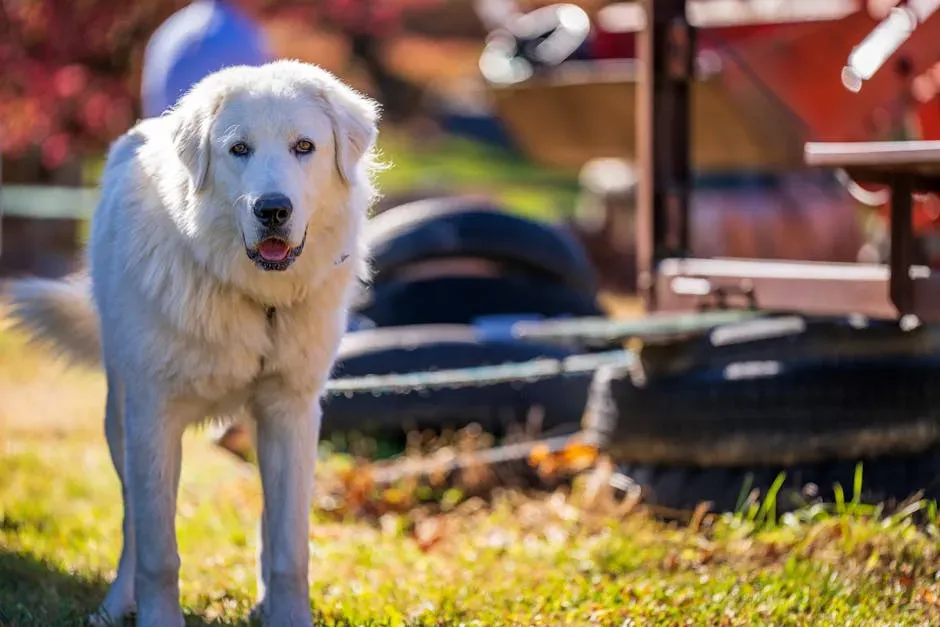
The Great Pyrenees sits at the top of this list for a reason that goes deeper than energy or stubbornness. This is a breed whose entire evolutionary purpose was to live alone with a flock on a mountainside, making autonomous decisions about what was safe and what was a threat – without human input. That independence is not a training failure. It is the job. And it makes the Great Pyrenees fundamentally, structurally misaligned with family life in ways that are almost impossible to train around.
They bark through the night. They view the yard as their territory to patrol, not a play space to share. They can become protective around children in ways that alarm visitors and isolate families socially. Their size – often over 100 pounds – means even well-intentioned interactions can knock small children over. Behaviourists report Great Pyrenees among the highest rates of surrender once families realize the dog isn’t going to become the gentle giant they imagined. It already is exactly what it was meant to be. The problem is that wasn’t what the family actually needed.
Fast Facts: The Great Pyrenees Surrender Crisis
- Rescue organizations in states like Alabama, California, Texas, and Tennessee report seeing 15–30 surrendered Pyrenees per month
- Most breed-specific rescues are currently at or over capacity – many cannot accept new intakes
- The breed’s rescue surge is tied directly to impulse adoptions driven by their striking, bear-like appearance
- Rescue experts recommend against placing Great Pyrenees in homes with children under age 6
- Nocturnal barking – a core working instinct – is one of the top reasons families cite when surrendering the breed
The Real Takeaway
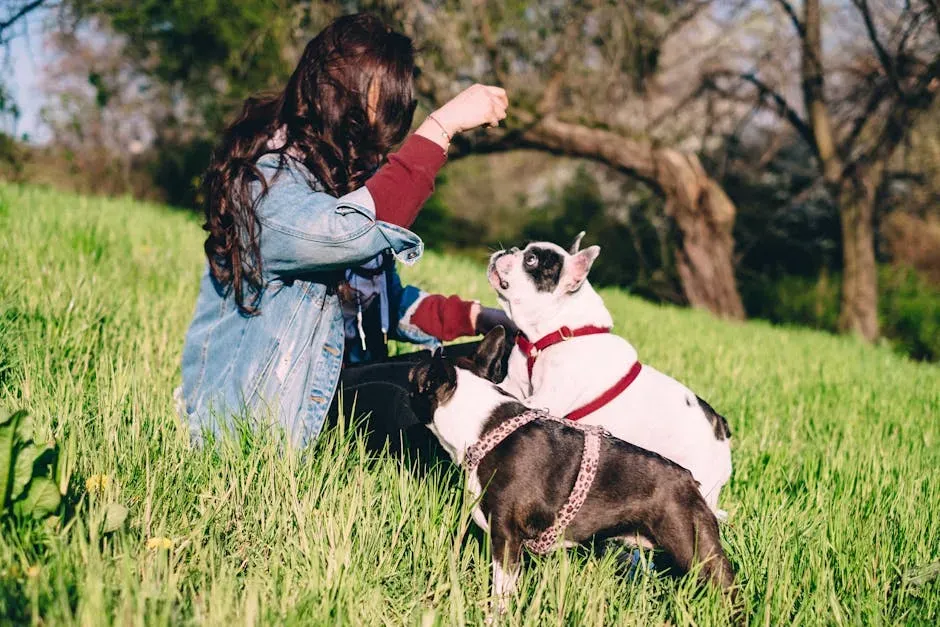
Vet behaviourists aren’t trying to shame anyone when they flag these breeds. Most families who end up in crisis genuinely loved their dog and made the best choice they knew how to make with the information they had. The failure isn’t in the wanting – it’s in an industry that happily sells families a breed without ever explaining what that breed actually is. Every dog on this list can thrive magnificently in the right environment, with the right owner, and the right commitment. The question isn’t whether these breeds are good dogs. It’s whether your actual life – right now, today – is the right life for them. Most of the time, honestly, it isn’t. And the dogs pay the price for that mismatch long before anyone admits it.


