
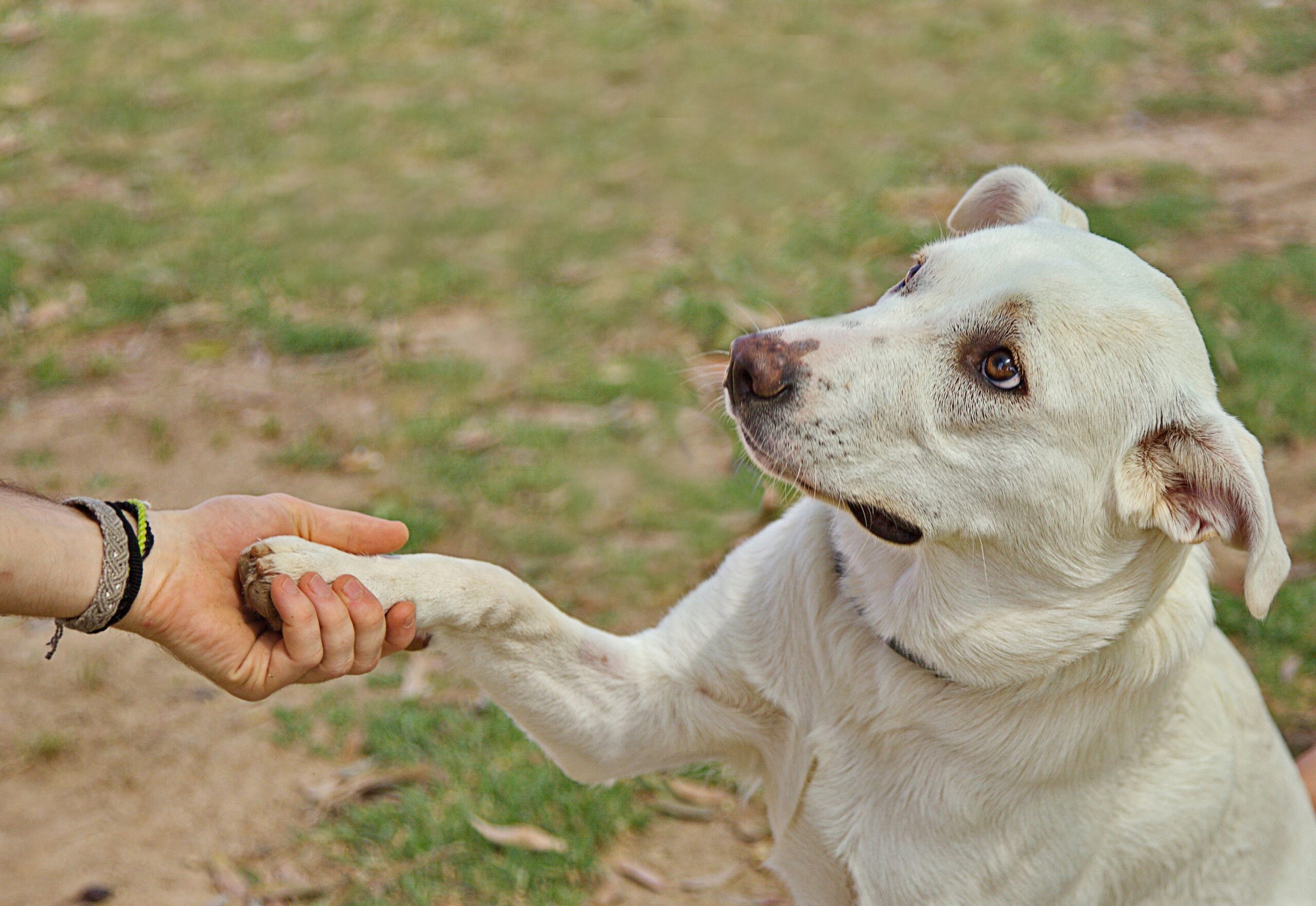
Most people assume a rescue dog “just knows” they’re safe the second you sign the adoption papers. Ask any trainer or long-time foster parent, though, and they’ll tell you something very different: for most dogs, that belief doesn’t arrive all at once. It sneaks in sideways, in tiny moments so small you could easily miss them if you weren’t paying attention.
These are the moments when fear finally loosens its grip and survival mode quietly clicks off. If you’ve ever caught yourself wondering, “Does my dog actually understand this is forever, or are they just waiting for the other shoe to drop?” – these are the real answers. Trainers and adopters who’ve lived through it say the signs are unmistakable once you know what you’re looking for.
#1 – The First Time They Fall Asleep Deeply… And Stay There
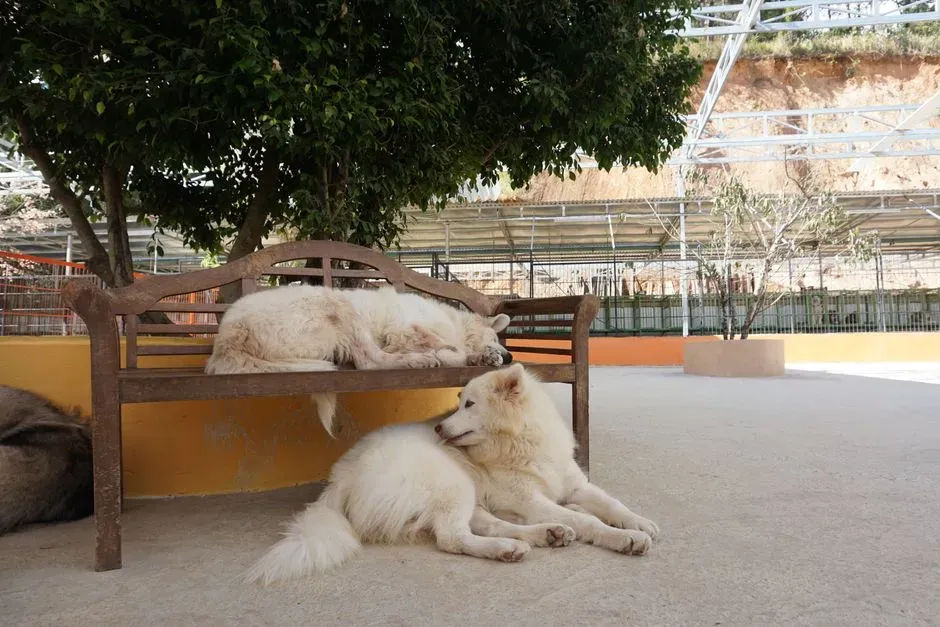
The biggest giveaway that a rescue dog finally feels safe isn’t a wagging tail – it’s that first heavy, twitchy, fully-checked-out sleep in the middle of your noisy, imperfect home. At first, most rescues sleep like soldiers on watch: curled tight, ears flicking, jumping awake at every creak. When they suddenly sprawl on their side, paws twitching, eyes rolling behind closed lids while you clatter dishes in the next room, that’s not laziness catching up with them.
That’s a nervous system finally deciding no one here is going to hurt them. You’ll usually see it building before it fully arrives:
- They start napping in open, exposed spots instead of tucked behind furniture.
- They stop startling at doors, keys, or footsteps overhead.
People massively underestimate how big this is. A dog who can drop into real REM sleep in the middle of household chaos isn’t planning an exit strategy – they’re betting their life that you’ll still be there when they wake up.
#2 – When They Choose You Over the Nearest Exit
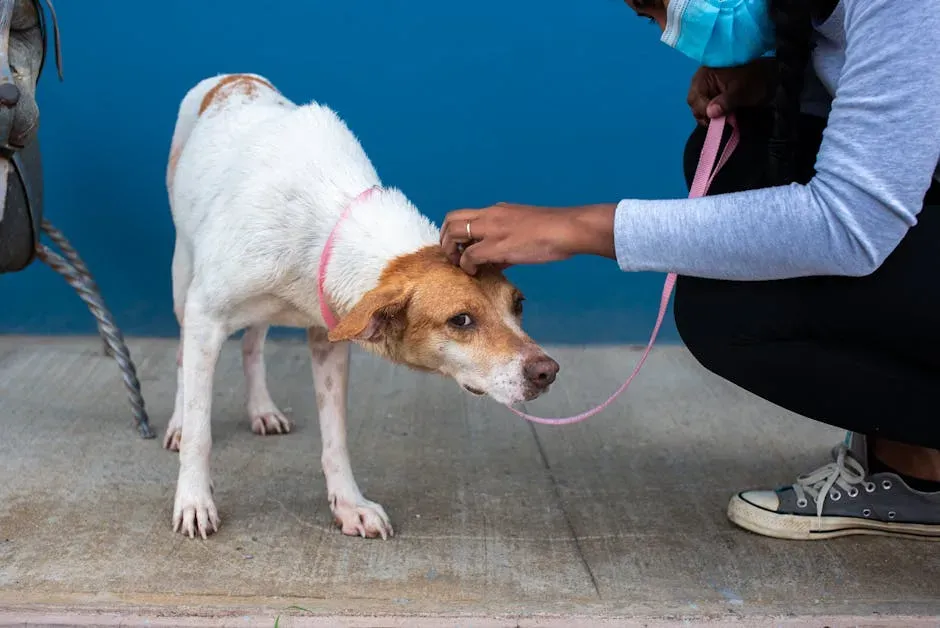
In the early days, most rescues are quietly mapping every escape route in your house – doors, windows, the hallway farthest from the vacuum cleaner. Survival taught them to always have a plan B. So when something startling happens – a pan hits the floor, thunder cracks, a stranger knocks – and instead of bolting away, they bolt toward you, that’s a milestone nobody warns you about.
Watch the body language closely. Do they lean into your legs instead of diving under the table? Do they check your face first, like they’re silently asking, “Are we okay?” That’s attachment happening in real time, and it’s bigger than it looks.
Fast Facts
- Vigilant sleep looks like tight curling, alert ears, and quick startle response.
- Trusting sleep looks like sprawled limbs, twitching paws, and deep, slow breathing.
- Running toward you during fear is a stronger trust signal than running toward a crate.
- Timelines vary widely – some dogs shift in weeks, others take many months.
A dog running to you in fear is saying, out loud in the only language they have, “You are my safe place now.” Not the crate. Not the corner behind the couch. You. Some trainers will argue this moment matters more than the first tail wag ever could, because it means your reaction has officially become their weather forecast.
#3 – The Day Your Routine Becomes Their Routine
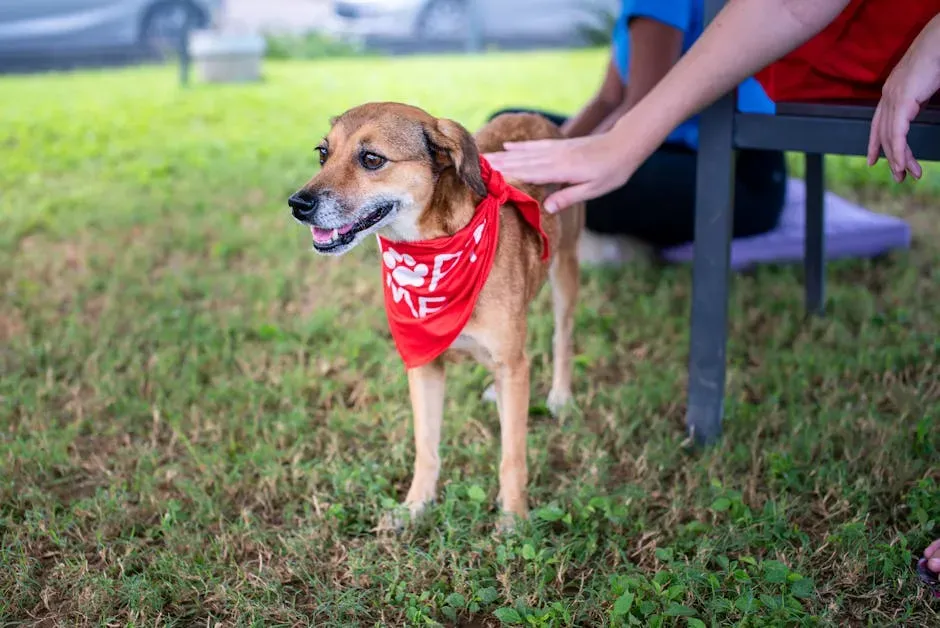
At first, your schedule is just noise to them – alarms, lights, doors, shoes, the coffee machine gurgling. A newly adopted dog watches all of it like it’s a foreign film with no subtitles. Then, slowly, something clicks. They start trotting to the door before you’ve even grabbed the leash.
They head to the kitchen the moment they hear that one cabinet open. They put themselves to bed the second you turn off the TV, no cue needed. This isn’t just “dogs being smart” – it’s them quietly investing in predictability.
A dog who believes their time with you is temporary doesn’t bother memorizing the rhythm of the house. A dog who believes this is home builds their entire day around yours. That’s often why rescues seem “clingy” early on – they’re studying you first, then syncing up, and that quiet expectation that tomorrow will look like today is the real language of permanence.
#4 – When They Start Guarding Not Things, But You
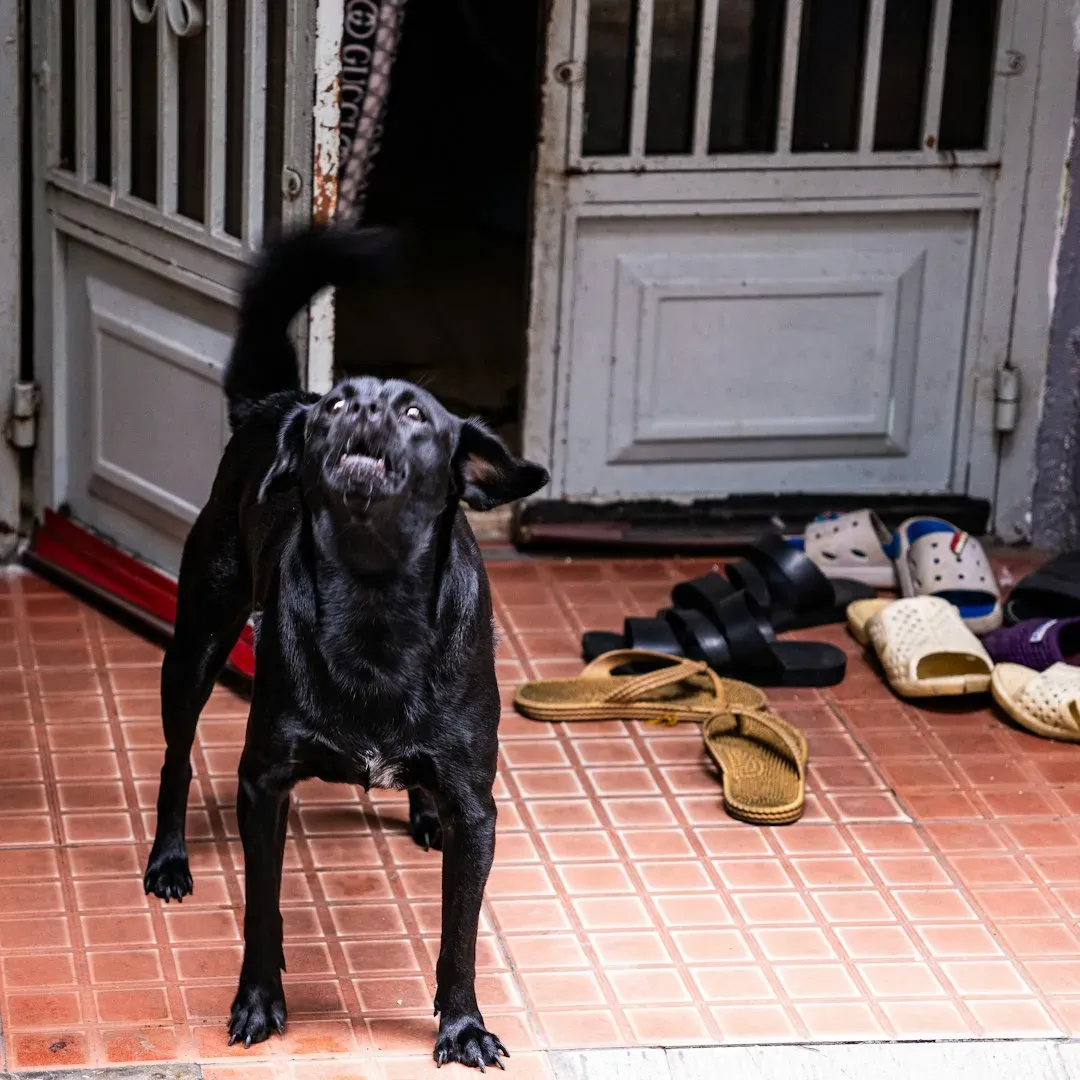
This one tends to spark arguments in comment sections, but it’s impossible to ignore. Many rescues arrive with resource guarding baked in – over food, toys, even sleeping spots – because everything in their past was scarce. In a stable home, that behavior often fades on its own. What sometimes replaces it is more subtle: quiet protectiveness aimed at you, not objects.
Maybe they reposition themselves between you and an unfamiliar dog at the park. Maybe they stand a little closer when a loud guest leans in too fast. They’re not going full guard-dog mode, and honestly, you don’t want that – but their body shifts into an unmistakable “I’m with them.”
This isn’t dominance. It’s belonging. A dog who quietly chooses your side in uncertain moments has redefined their entire idea of territory – their safe zone isn’t the house anymore, it’s wherever you happen to be standing.
#5 – The First Time They Ignore the Front Door Drama
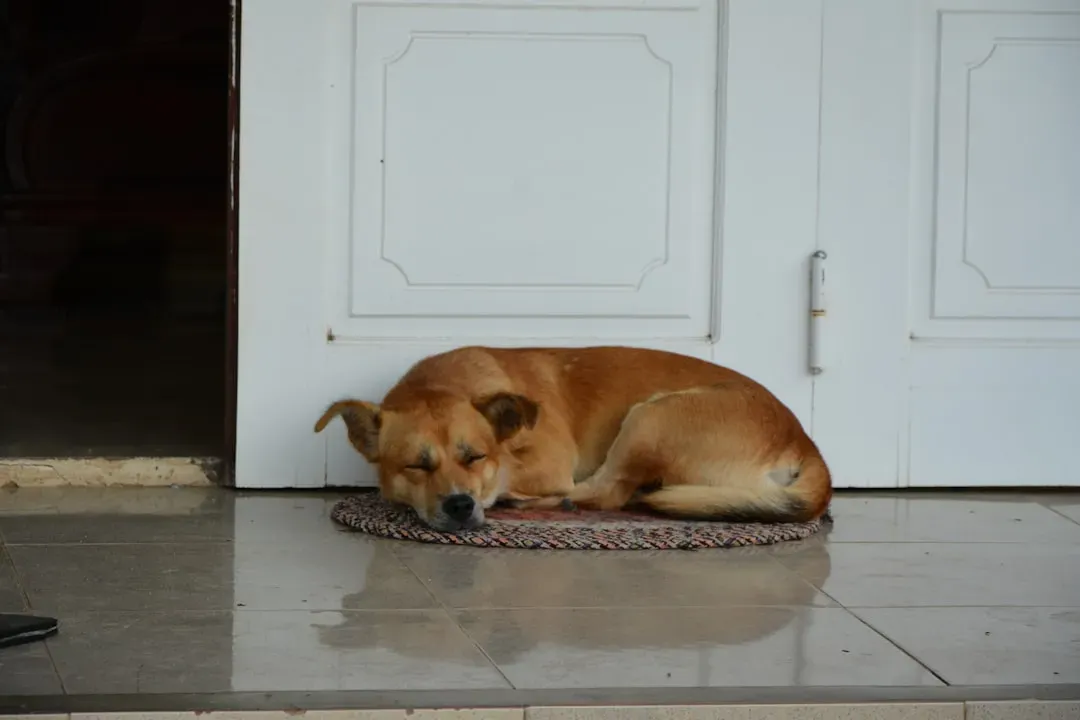
In the early weeks, the front door is pure adrenaline – leashes, goodbyes, strange smells, unknown risks walking in and out. Many rescues watch it like hawks, coiled and ready to bolt, bark, or panic every time the knob turns. Then one day, without warning, something shifts.
Packages arrive. Guests step inside. You run out to grab something from the car. And they don’t even bother getting up. Instead of pacing or door-dashing, they might:
- Stay stretched out on the couch and just lift their head.
- Toss you a lazy tail thump and go right back to chewing their toy.
That’s not laziness – that’s a radical lack of urgency about escape. The doorway used to feel like the edge of their world. Now it’s just a rectangle the humans use, and when a rescue dog stops treating it like a threshold to defend, they’re telling you plainly: everything I need is already in here.
#6 – When Their “Accidents” Turn Into Intentional Communication
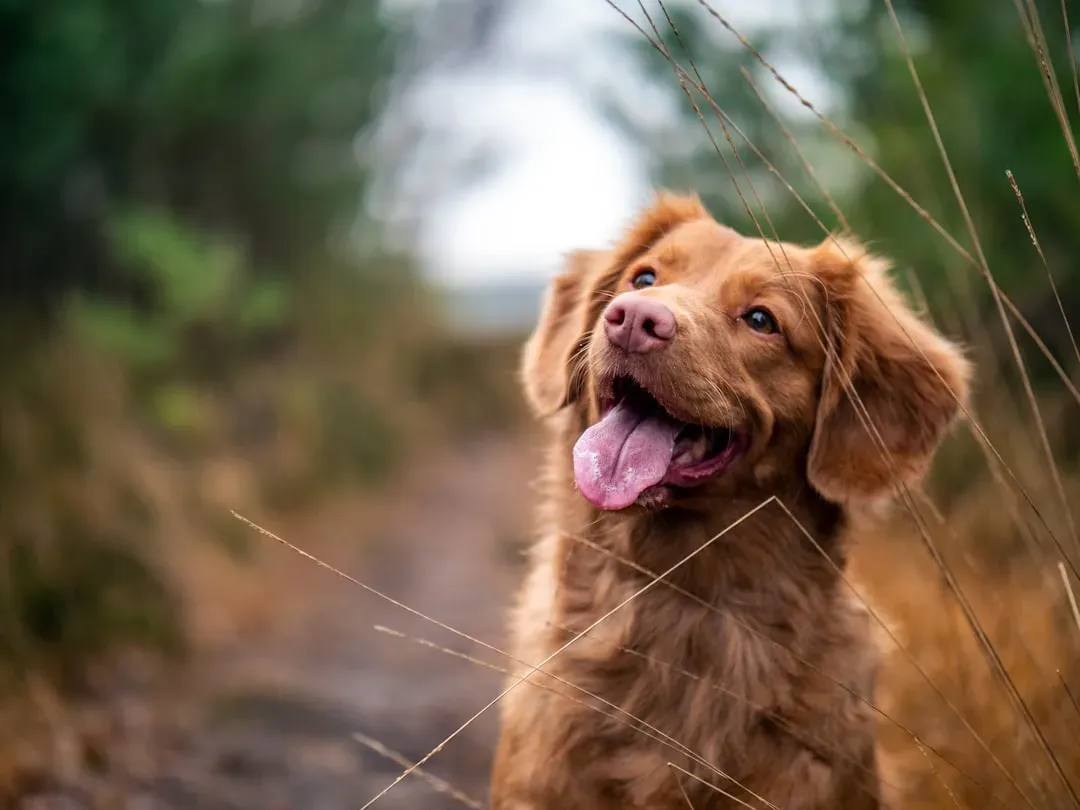
A lot of rescues struggle with house training, even ones who were technically potty trained in a past life. Stress messes with digestion, sleep, and focus in ways people rarely account for, and owners often get frustrated before they understand why. What quietly changes everything is the day your dog stops just holding it and starts actively seeking you out instead.
Maybe they walk to the door and glance back at you. Maybe they whine softly, nudge your hand, or pace a small circle near the exit. This is more than good manners – it’s trust.
A dog who believes their place here is temporary won’t risk annoying you with “demands.” They’ll hide accidents, sneak off, or shut down quietly instead. When they realize you’ll consistently respond kindly – open the door, praise them, follow their lead – they upgrade from survival mode into something closer to partnership.
#7 – The Moment “Startle and Flee” Turns Into “Startle and Check In”
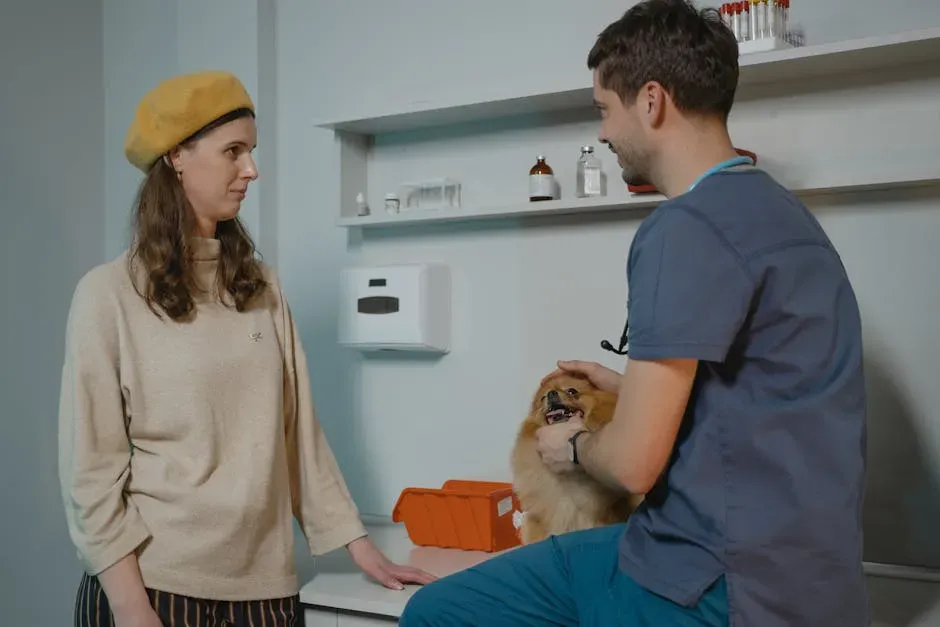
Trauma clings to the nervous system like static electricity. A garbage truck, a dropped fork, clapping on the TV – any of it can trigger a jolt of pure fear. Early on, your rescue’s reflex might be full flight: tail tucked, body low, sprinting for the farthest room or the crate.
Pay close attention the first time that changes. Something bangs, and instead of running, they freeze, flick their eyes toward you, then take two quick steps in your direction instead of toward the exit.
Worth Knowing
- Keep a consistent daily routine – same walk times, same meal schedule – so predictability becomes the norm.
- Stay visibly calm during loud or startling moments so your dog has a steady reaction to mirror.
- Let affection be requested, not forced, especially in the first few months.
- Notice and quietly celebrate small wins, like a loose tail wag or a relaxed body posture.
That split-second decision to consult your reaction before deciding how scared to be is enormous. It means they’ve accepted you as their emotional referee – if you’re calm, they can borrow that calm too. Dogs who don’t expect a future with someone don’t waste time checking that person’s face; they simply run.
#8 – When They Start Asking for Affection Instead of Bracing for It
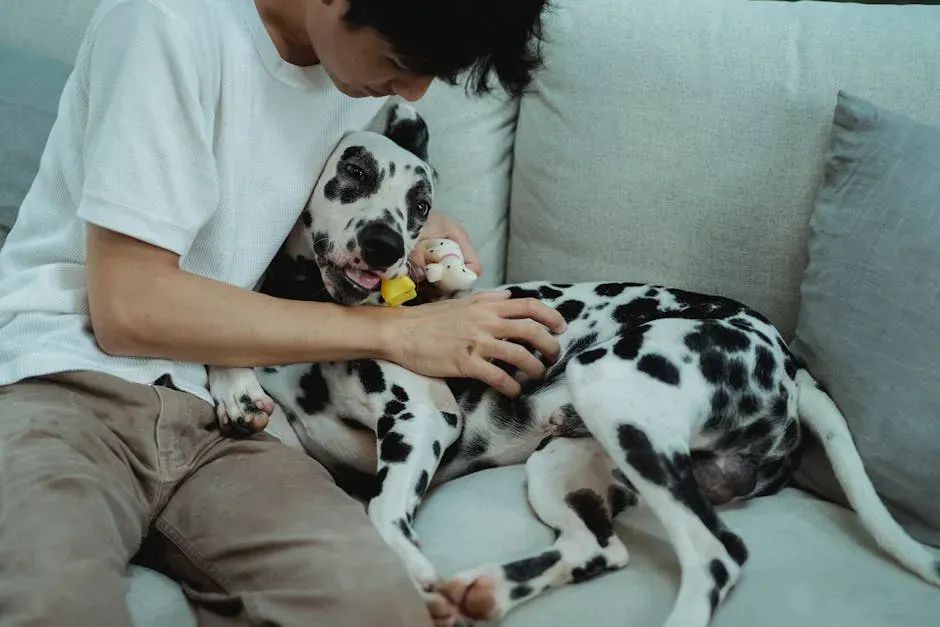
Early on, physical touch can feel loaded for a rescue dog. Some flinch when you reach over their head. Others go stiff and glassy-eyed the moment you try to show them love – and it’s honestly heartbreaking, often the exact moment new adopters unintentionally push too fast.
The real shift shows up quietly, months later. You’re on the couch or at your desk, and they nudge your hand repeatedly until you respond, or lean their full weight into your side with a long, content sigh. This isn’t cute clinginess – it’s a dog actively rewriting touch from “potential threat” into “guaranteed comfort.”
Until you’ve earned it, a scared dog will tolerate affection long before they’ll ever ask for it.
Common wisdom among rescue behaviorists
Some people brag about instant cuddles on day one, but that early clinginess can actually be shutdown, not love. The first genuine, self-initiated request for affection is the far more reliable sign that they see you as permanent.
#9 – The First Time They Play Like a Puppy Again
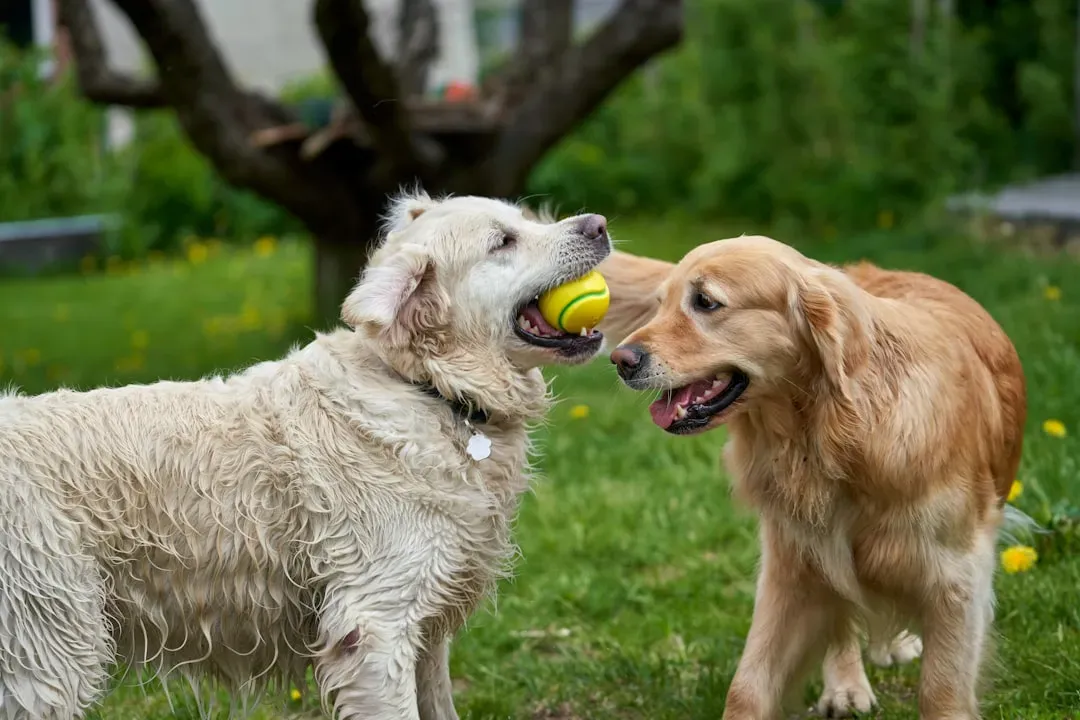
One of the saddest things about many rescue dogs is that they skip play entirely at first. Toss a ball and they just stare at it. Offer a toy and they turn away. That’s not stubbornness – it’s often a dog who’s never had the luxury of being silly, because survival leaves zero room for tug-of-war.
Weeks or months later, out of nowhere, you catch it: a zoomie lap around the living room, an awkward play bow, a clumsy attempt to chase a toy they used to ignore completely. That’s not just cuteness – that’s a trauma freeze finally thawing out.
Play is biologically expensive, and no animal chooses to burn energy on it if their life still feels unstable. So when your rescue suddenly acts like a total dork – spinning, pouncing, inviting you to join in – they’re making a real statement: I can finally afford to be carefree here.
#10 – When They Stop Shadowing You… And Actually Trust You’ll Come Back
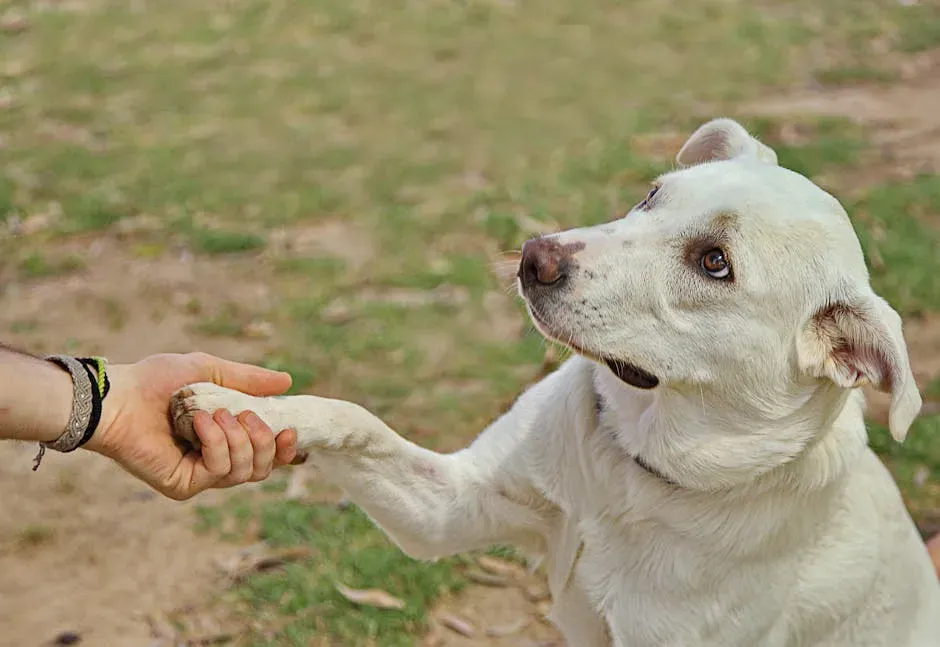
Everyone romanticizes the “velcro dog” phase – glued to your hip, following you into the bathroom, panicking the second you leave the room. It feels flattering, but a lot of the time it’s pure insecurity, a dog terrified that if they blink, you’ll vanish the way every other human in their story eventually did.
Watch for the day that shifts. You get up from the couch, and instead of trailing after you, they glance up, then go right back to napping. They stay in another room while you do a full lap of the house.
Owners sometimes misread this as their dog loving them less. In reality, it’s the most confident, respectful thing that dog has ever done – true security doesn’t look like constant monitoring, it looks like calm indifference to ordinary movement. It’s them saying: you’re my forever, not my flight risk.
#11 – The Day They Claim a Spot… And Defend It Sleepily
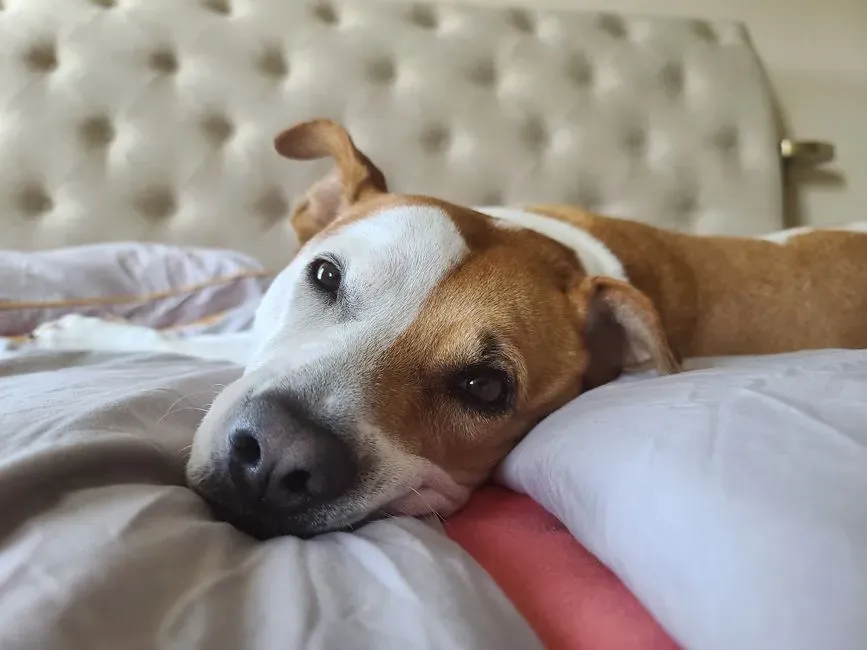
At first, many rescues float through the house like guests who don’t want to overstep. They won’t touch the dog bed you bought. They pace at night, rotating between corners like they’re never quite sure where they’re allowed to be. Then one day, they pick a spot – and they keep picking it.
Maybe it’s the same cushion on the couch, pressed against the armrest, or a particular side of the bed near your desk. They don’t just sleep there – they melt into it, and you’ll notice a small, sleepy huff if another pet tries to muscle in before they settle right back down.
Why It Stands Out
- A confident sprawl in a favorite spot replaces the anxious curl of the early weeks.
- A mild, sleepy protest over a spot signals ownership, not aggression.
- Picking the same spot night after night shows real routine and trust.
- They’ve stopped testing whether they’re “allowed” to take up space.
That half-hearted protest isn’t rudeness – it’s quiet confidence. Dogs living on borrowed time don’t claim territory like that; they hover instead. Claiming a default spot means they’ve accepted they belong in your floor plan, not as a guest, but as part of the furniture.
#12 – When New People Become Annoying Interruptions, Not Existential Threats
In the beginning, every visitor is a test: is this the person I get handed off to next? Is this the one who yells, grabs, or ignores me? Rescue dogs often overreact around guests – either overwhelming them with attention or hiding completely – because they’re scanning for danger or opportunity, not casually saying hi.
Fast forward a few months. Friends come over, delivery drivers drop packages, a relative stays the weekend, and your dog barely reacts. A quick sniff, maybe one bark, then straight back to you, or their toy, or their nap.
This is a wildly underappreciated turning point. When strangers stop registering as potential saviors or threats and just become background noise, it means your dog’s emotional investment is fully anchored at home – you’re the fixed point, and everyone else is optional.
#13 – The First Time They React Like You’re Theirs, Not Just They’re Yours
There’s a subtle but massive difference between “I belong to this person” and “this person belongs to me.” You usually catch it in small, almost human moments. You come home after a long day, and they greet you not just with excitement, but with relief – that breathy, squirmy, whole-body exhale that reads as, “There you are, I’ve been waiting for MY human.”
Or you’re sick, upset, or crying, and instead of getting amped up and confused, they quietly lie down beside you with their head on your lap, or follow you from room to room, unusually gentle and focused. That’s not generic emotional support – that’s attachment specific to you.
When a rescue dog shifts from “Do I still get to stay?” to “I take care of you now,” the conversation about permanency is basically over. In their mind, the adoption isn’t just accepted – it’s mutual, and final.
The Bottom Line

Most people picture a rescue dog realizing they’re home forever as one cinematic moment – a tail wag at the shelter, a first cuddle on the couch. The truth is messier, and honestly, far more beautiful. It’s a slow stacking of tiny decisions: choosing you during fear, sleeping deeply, ignoring the front door, daring to play, daring to rest.
Each one is a small vote of confidence that tomorrow will look like today, and that you’ll still be standing there when it does. Some people insist dogs “live in the moment” and can’t understand permanence – but anyone who’s watched a shut-down rescue slowly rebuild itself knows better. They may not read contracts, but they read patterns better than almost anything else on earth.
The real question was never whether they’d figure out this home is permanent. It’s whether we keep earning that belief, one ordinary, unremarkable day at a time. Did your rescue have a moment we didn’t cover? Tell us in the comments – we’d bet money it belongs on this list.


