
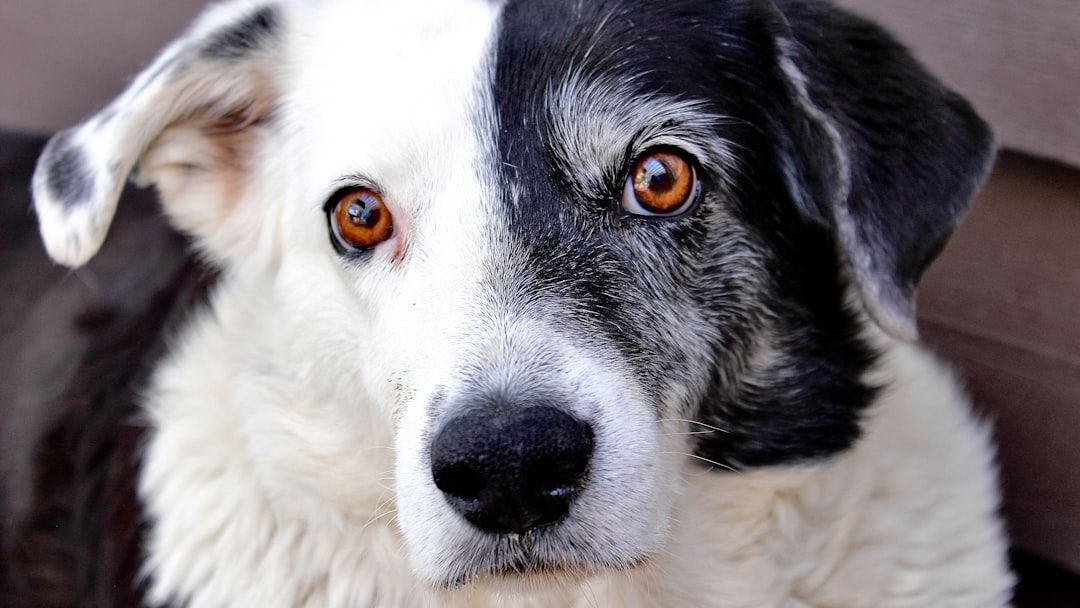
There’s a particular kind of grief that begins before loss actually arrives. Anyone who has loved a dog through old age knows it. You notice something is different, something small and hard to name, and you’re not quite sure if you’re imagining it or reading too much into a quiet afternoon nap.
A dog’s behaviors usually change as they get older, making it genuinely difficult to tell the difference between a deterioration in quality of life and general slowing down with age. That’s part of why the signs that a dog is nearing the end are not always obvious to spot, even for the most devoted owners. What follows is a close look at the quieter, often-overlooked things a senior dog may do in their final weeks, each one a thread worth paying attention to.
They Start Sleeping in Different Spots
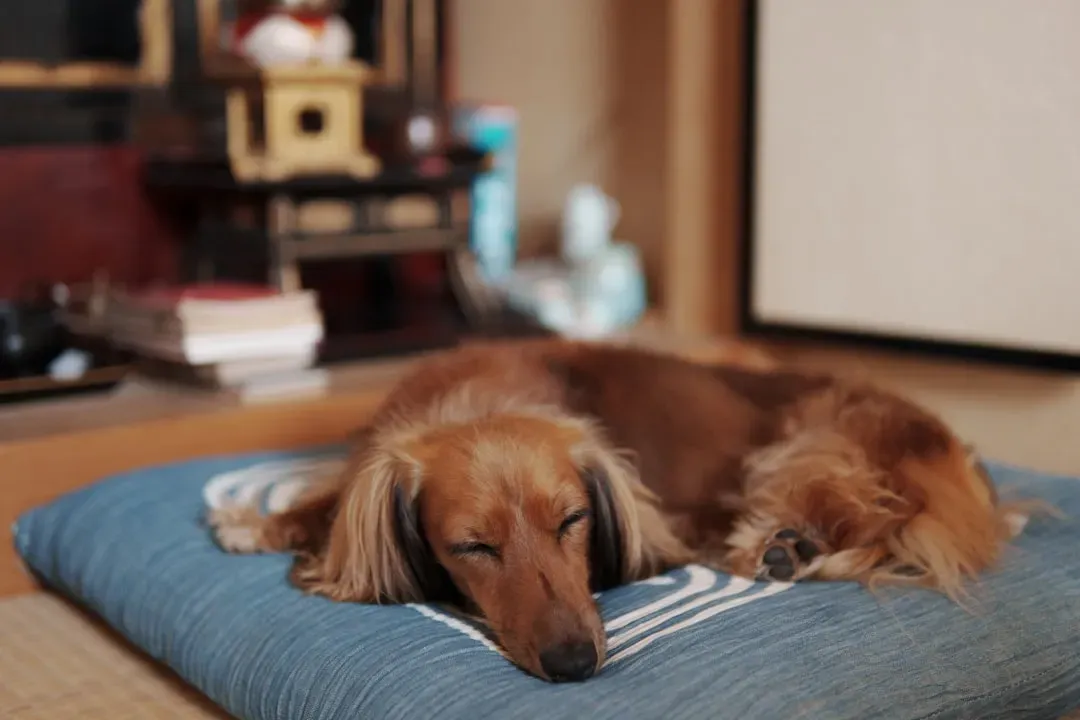
One of the first subtle shifts many owners notice is their dog choosing unfamiliar places to rest. A dog may extend his neck while sleeping, or drape it off the bed, and may leave his familiar sleeping spot to rest on a hard surface such as a rug or the floor. While some dogs have always done this, for many it’s new behavior.
A dog may start to sleep more and seek out isolation in areas where he or she can be undisturbed. It’s worth paying attention when a dog who always slept in the same corner of the room suddenly migrates to a closet, behind the couch, or near a doorway. It isn’t defiance. It’s something quieter than that.
They Stop Greeting You at the Door
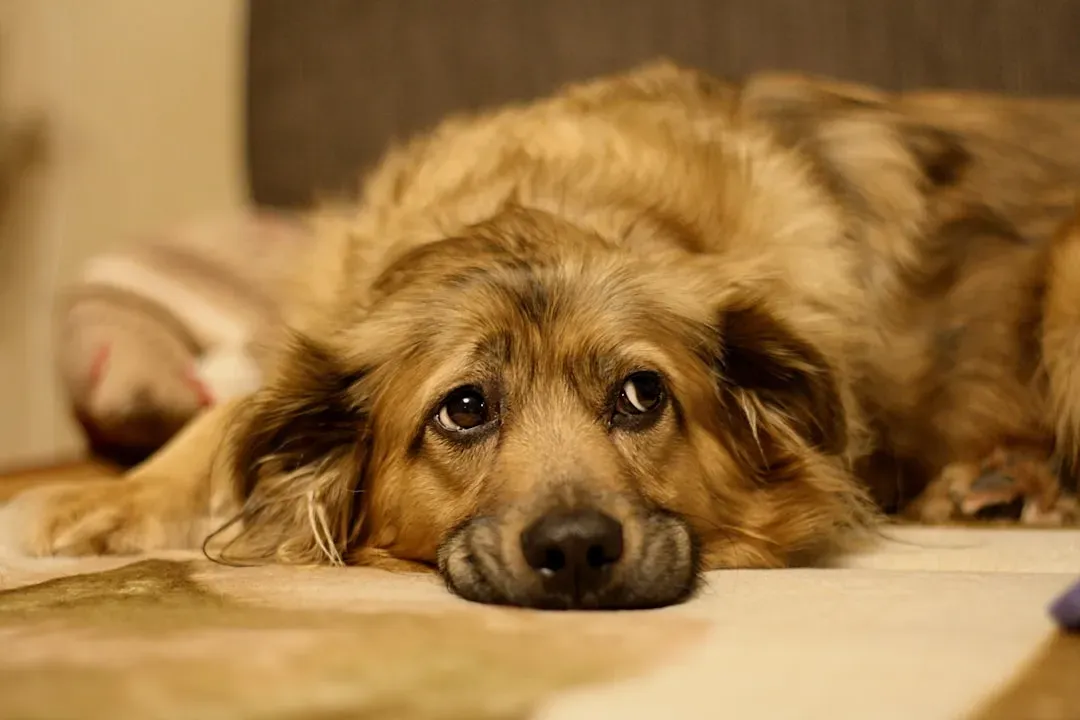
A dog may no longer greet the owners at the door, or may no longer be interested in going on walks or playing. They may get weaker and may start walking at a slower pace. For owners, this one stings. That daily ritual of a wagging tail meeting you at the threshold has always been part of the relationship.
Most people chalk this up to tiredness or a bad day. Sometimes that’s true. Spotting the small changes, like eating less, moving slow, or losing interest in play, helps dog owners act fast and give comfort. When the door greeting fades consistently over several days, it’s worth a closer look.
They Lose Interest in Food, Then Water
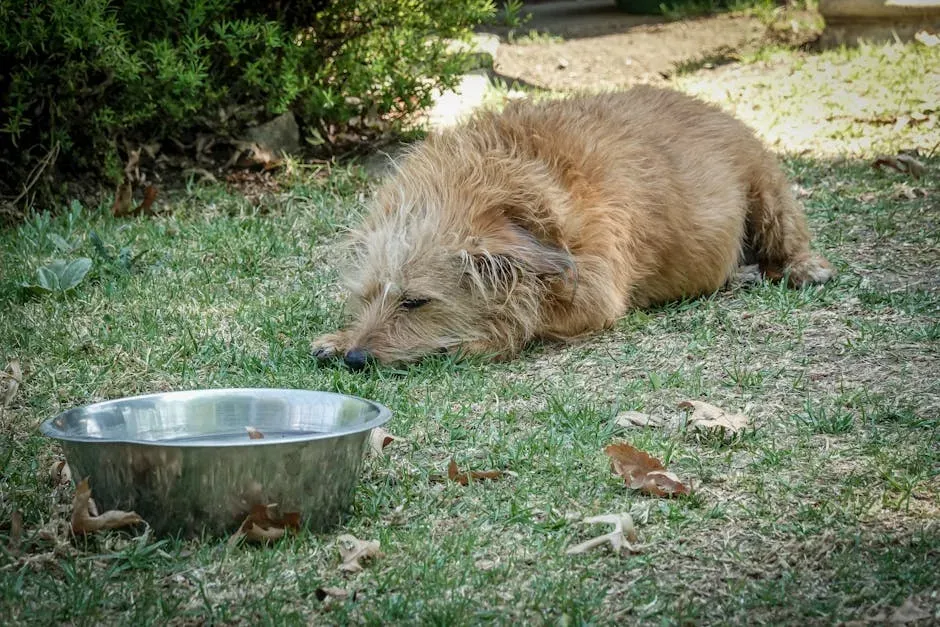
Pets may lose interest in food or water as vital organ functions begin to shut down. A dog may be reluctant to approach their food bowl, but continue to take treats, or they may stop eating altogether. This gradual withdrawal from eating often happens in stages, which is part of why it can be easy to miss at first.
Appetite and water intake will gradually decline as the dog’s organ systems begin to shut down. Nausea, vomiting, or diarrhea may be present in dogs with underlying kidney, liver, or gastrointestinal disease. Offering warm food or something strongly scented can sometimes reignite brief interest, though the decline often continues regardless.
Their Breathing Changes, Even at Rest
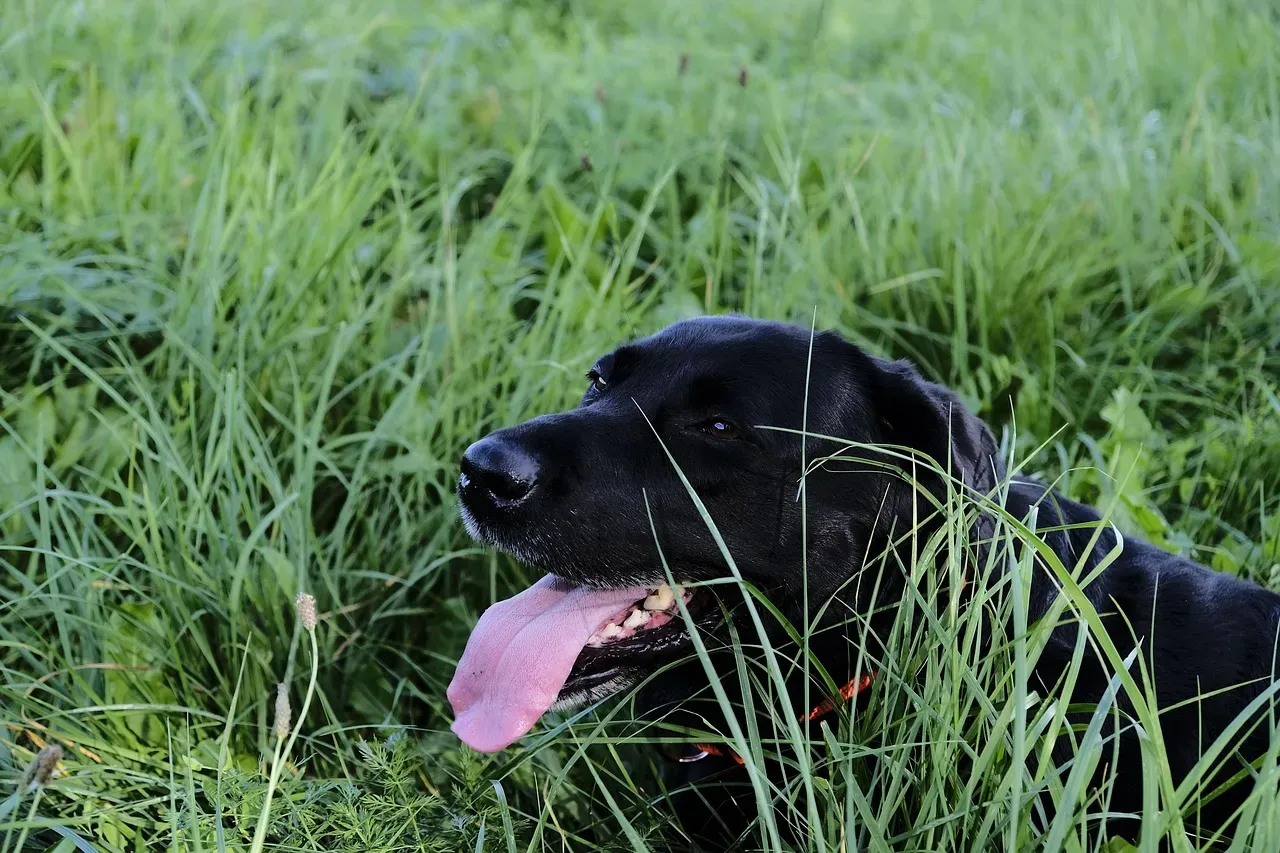
Irregular, shallow, or labored breathing is a warning sign that a dog or cat may be dying. Particularly in a pet’s final hours, a gasping breath pattern may occur. In the weeks before that point, though, the changes are often far subtler.
Dogs may start panting even while at rest, develop a cough, or have increased difficulty drawing a normal breath. This can be secondary to heart failure, respiratory diseases, cancer, or a metabolic disease such as diabetes, kidney failure, or liver or adrenal gland disorders. A dog lying quietly but breathing just a little faster than usual is something worth mentioning to a vet.
They Seek Solitude in Unexpected Ways
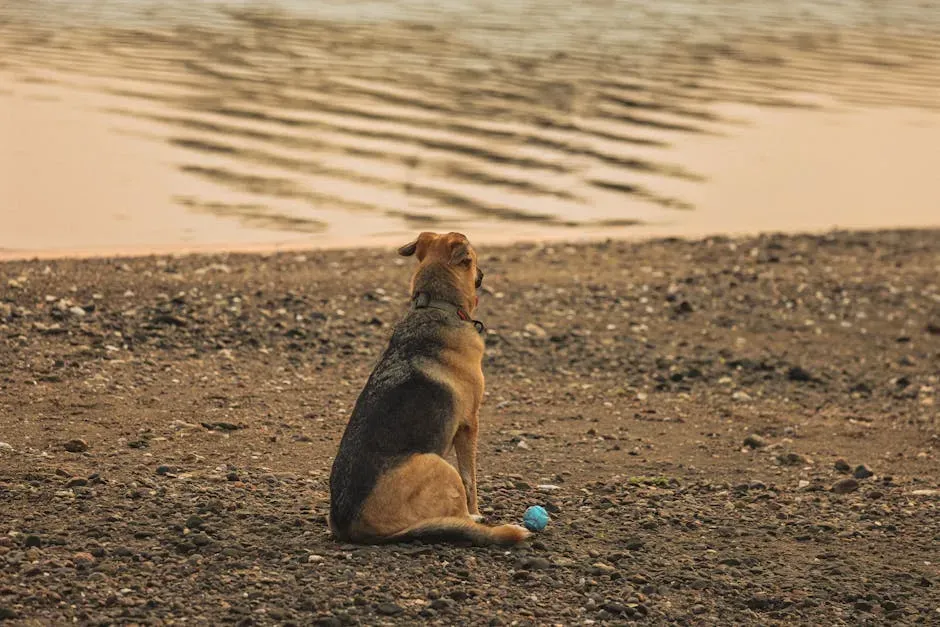
Near the end of life, sometimes our beloved dogs want nothing to do with us. If your dog is seeking out quiet places of solitude or isolation, it could be a sign they are near the end of their time. This instinct runs deep and doesn’t mean your dog loves you any less.
Some dogs seem to know when they are about to die and wander off to a secluded location in the house or yard for their final moments. It can feel like rejection, but understanding it as a natural response can help owners find a more compassionate way to stay close without intruding on that need for quiet.
They Become Unusually Clingy
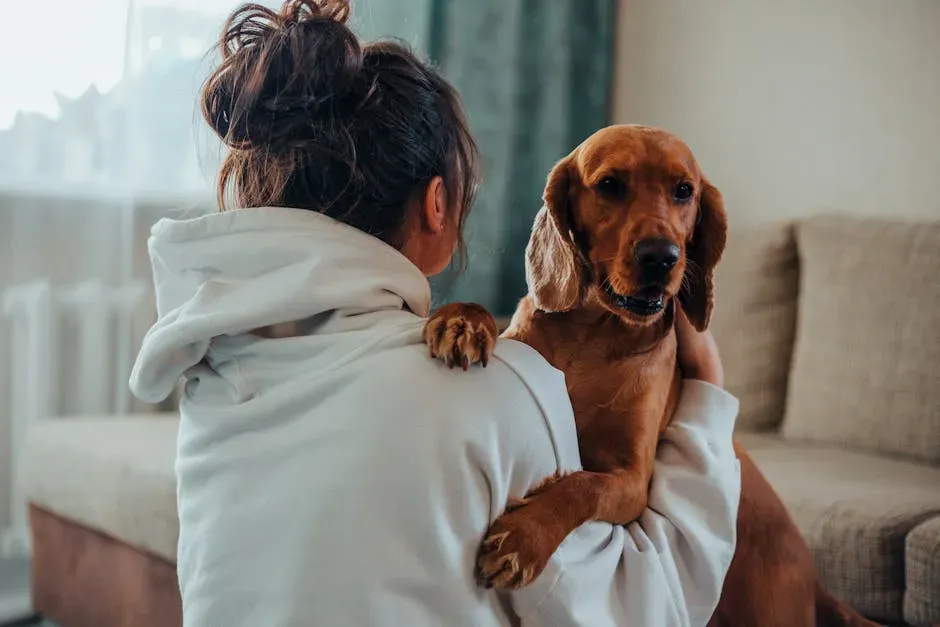
Interestingly, the opposite can also be true. Dogs who don’t feel well may become more clingy, anxious, or restless, while others may seek alone time in unusual places in the home or yard. Some senior dogs in their final weeks seem to want to be within an arm’s reach at all times.
Other dogs become clingier, needing constant reassurance as their senses deteriorate. If a dog who has always been fairly independent suddenly follows you from room to room, or leans against you more than usual, that shift in social behavior carries meaning. Lean into it. Let them be close.
They Show Subtle Signs of Confusion
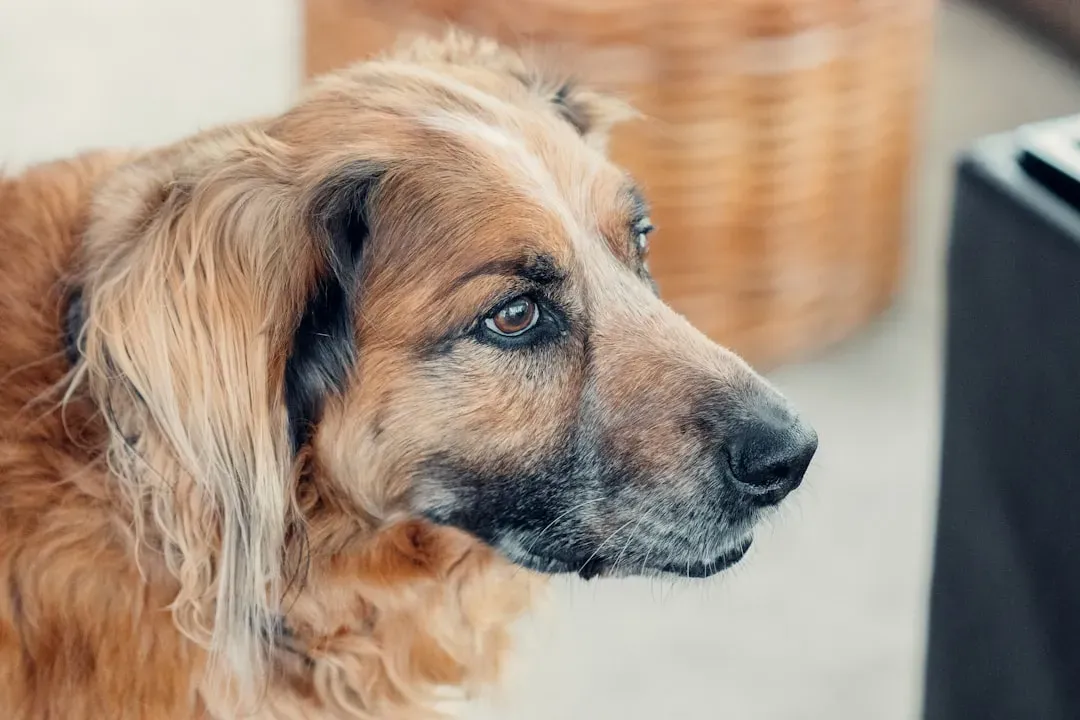
Canine Cognitive Dysfunction or “dog dementia” can become more pronounced in a dog’s final stages. This can manifest as disorientation, where they may seem lost in familiar surroundings or have trouble recognizing family members. Owners often dismiss this as tiredness or old age quirks.
Particularly in senior dogs, cognitive decline can manifest as confusion or disorientation, impacting a dog’s awareness of their surroundings. This may appear as staring blankly at walls or into space, or wandering around the house or pacing back and forth without any clear purpose. If your dog is standing in the middle of a room looking uncertain, it may be more than just a moment of distraction.
Their Vocalization Patterns Shift
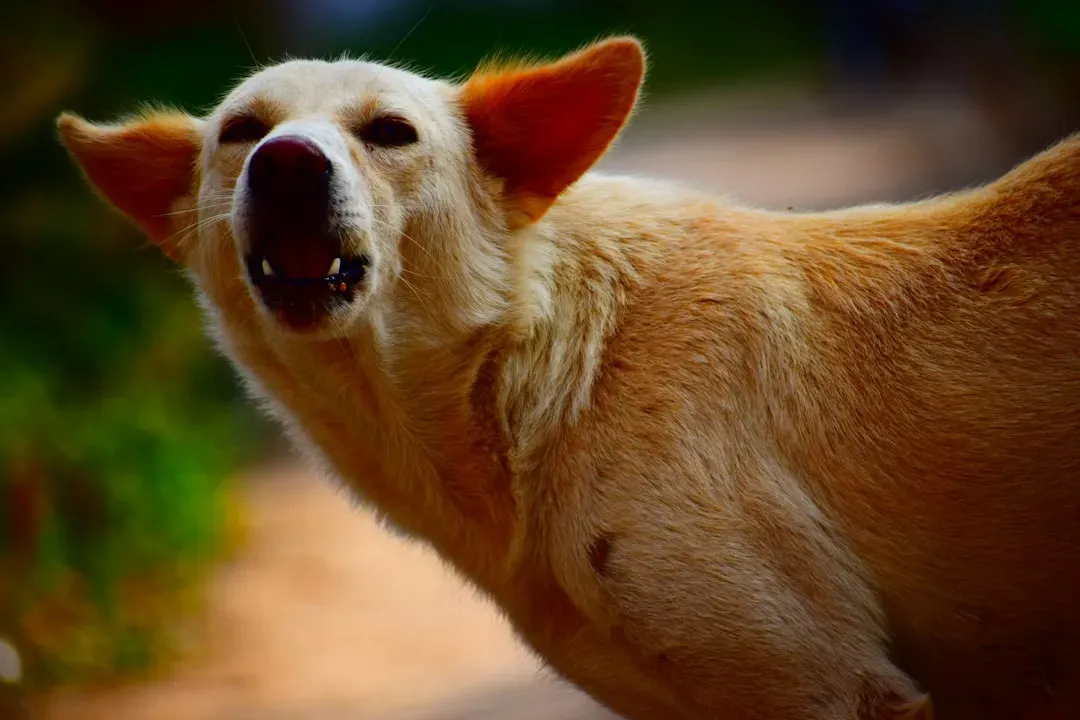
Some dogs may become unusually quiet, while others may exhibit increased vocalization such as whining, howling, or barking, often without an apparent trigger. These vocalizations can be a sign of pain, anxiety, confusion, or a general sense of unease. Either direction in change matters.
A dog that used to bark at every passing neighbor going suddenly silent is just as notable as one who begins whimpering at night for no clear reason. Changes in vocalization patterns can provide insights into a dog’s comfort level, pain, or emotional state as their time draws to a close, including vocalizing or whimpering more due to discomfort, or becoming unusually quiet and ceasing to bark or growl.
They Stop Self-Grooming
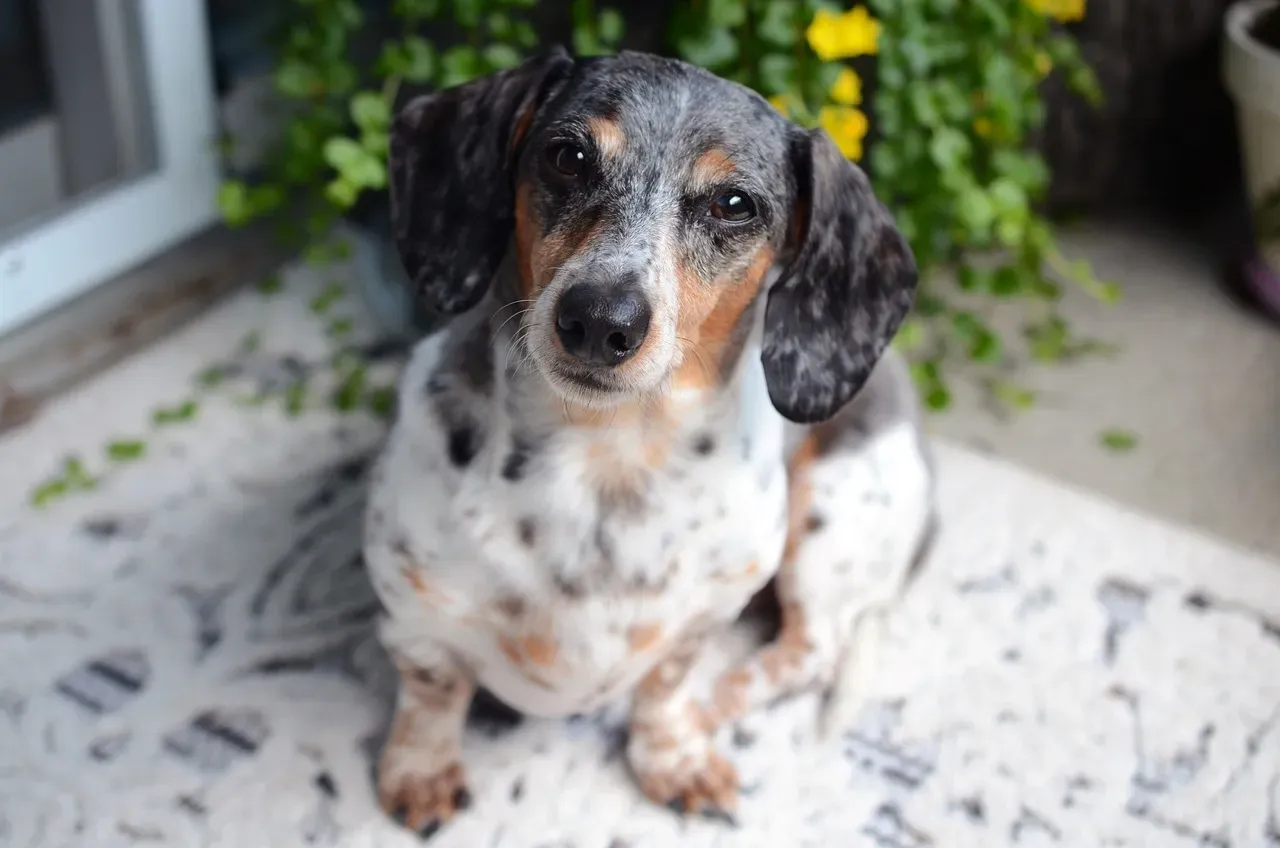
As the lethargy progresses, a dog may no longer groom as before. This is easy to overlook, particularly in short-haired breeds. A coat that’s suddenly dull, matted, or unkempt when it never was before is a quiet signal worth noting.
Lack of grooming and a matted or dull coat indicate deteriorating self-care. Dogs are naturally clean animals and maintain a certain level of self-maintenance as a baseline habit. When that stops, it usually means they simply don’t have the energy or focus for it anymore. A gentle grooming session from you can be both practical and deeply comforting for them.
Their Eyes Look Different
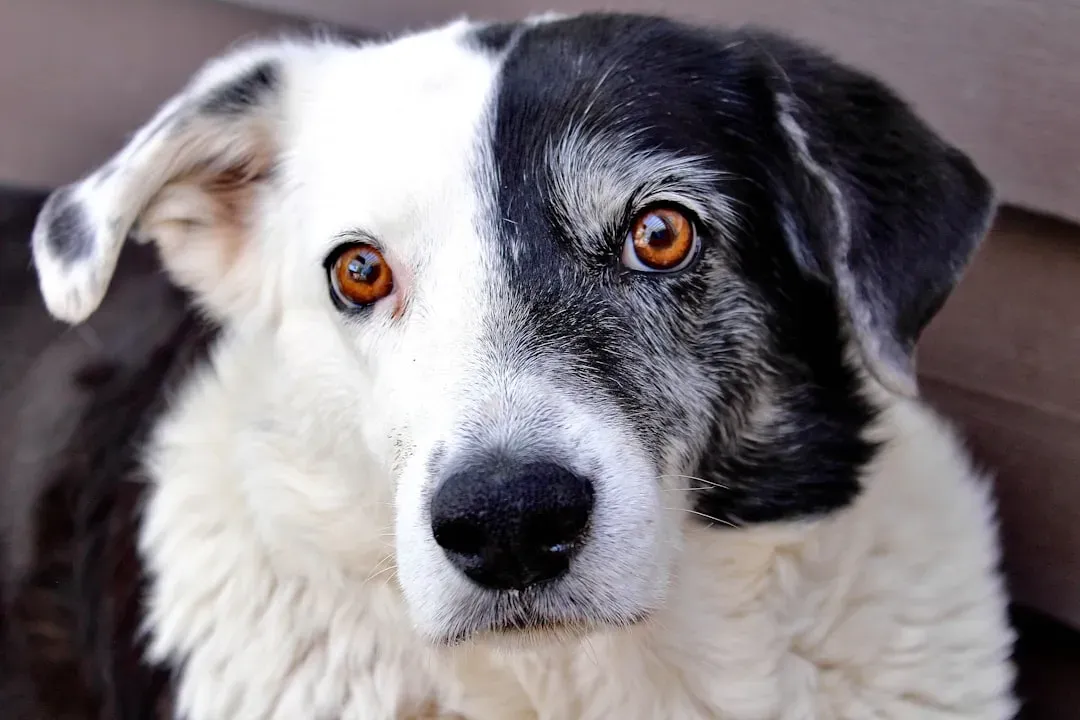
By itself, dull eyes may be a sign of age or an eye condition; however, when taken together with other signs, it could mean something more. This is one of the signs that most owners attribute to general aging without considering what it might signal in combination with other changes.
Eyes may appear unfocused or cloudy, sometimes signaling vision problems. There’s also something harder to quantify that many long-time dog owners describe: a certain shift in the dog’s gaze, a kind of softness or distance that wasn’t there before. Dogs don’t have a built-in “I’m ready” signal. What families are often seeing are physical changes from illness, like muscle loss that makes the eyes look sunken or pain that creates tension in the face.
Their Body Temperature Becomes Irregular
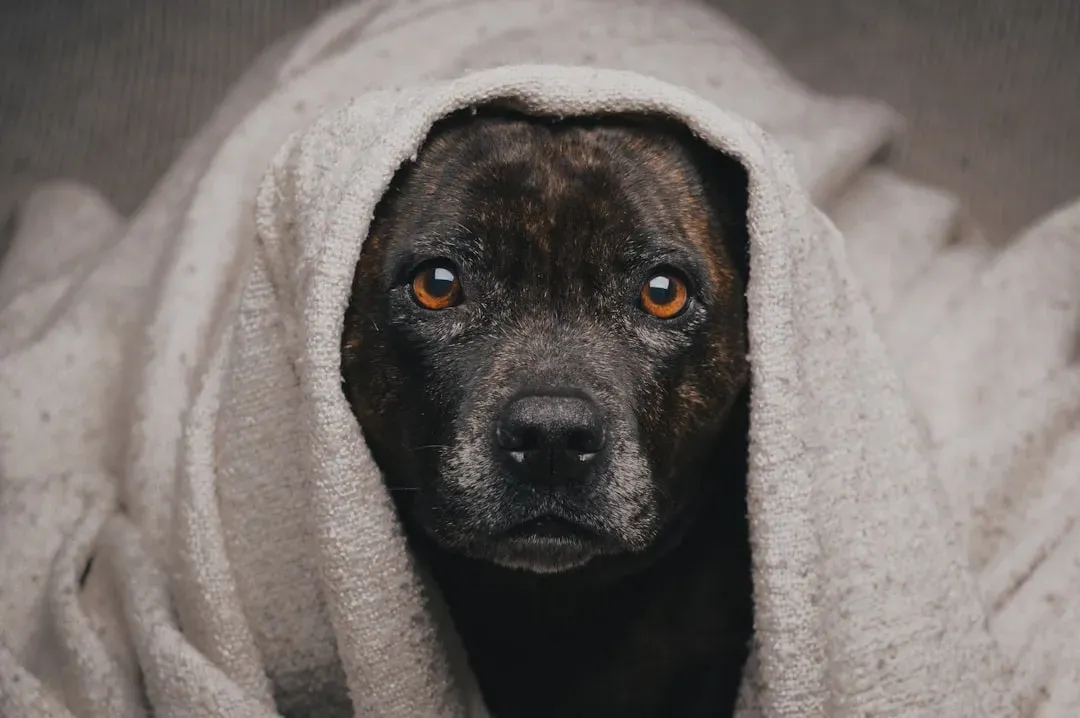
Near the end of life, you may notice a dog gets hotter or colder than they used to. These temperature changes are due to hormonal changes that can make it difficult for your dog’s body to regulate temperature. A dog that suddenly seeks out the coolest tile in the house, or conversely curls into a tight ball even in a warm room, may be struggling to stay regulated.
Body temperature changes are common in end-of-life dogs. A dog with a fever may seek a cool floor surface to lie on. In some cases, changes in your dog’s body temperature may be detectable when petting his ears, legs, or feet. Running your hand gently over your dog as part of your daily routine can catch these shifts early.
They Lose Coordination and Muscle Mass Quietly
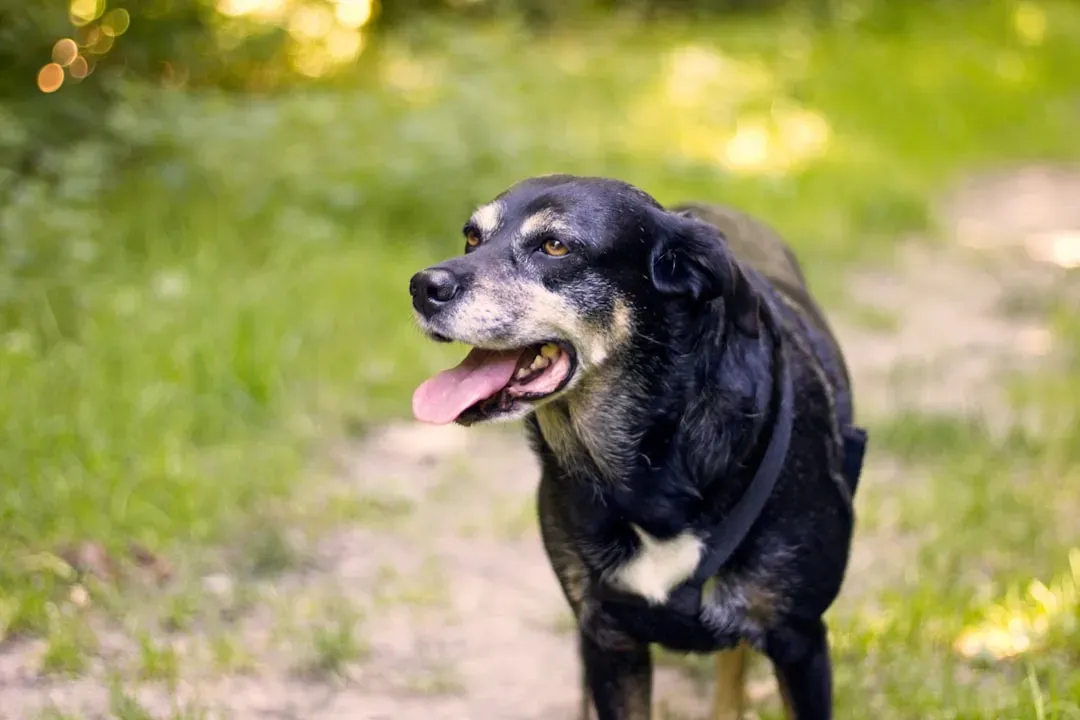
As a dog’s body ages, muscles and nerves stop functioning as well as they used to. Between the loss of muscle mass and the malfunction of proprioceptive nerves, coordination will decline. A dog may struggle with steps and navigating obstacles, or slip on non-carpeted surfaces. Some dogs stumble or have trouble placing their feet correctly when walking.
Shedding pounds or having a noticeable change in body shape can become apparent as a dog’s health deteriorates. This may appear as increased prominence of hips or ribs, or loss of muscle mass, particularly in senior dogs. These changes can happen so gradually that owners adjust without realizing they’ve been compensating for weeks.
A Final Note: Not Every Sign Points to the End
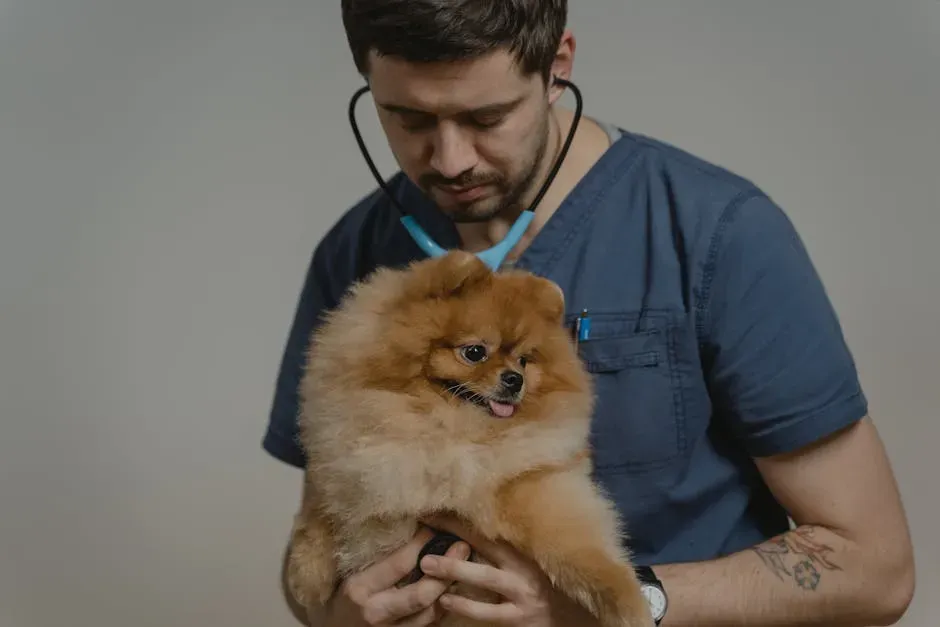
While it’s true that some behavioral changes can signal the end of life, it’s equally important to remember that not every sign of decline means your pet is dying. Many pets, especially seniors, experience health issues that are treatable or manageable with proper veterinary care. A sudden withdrawal, mobility issue, or appetite loss could just as easily stem from something like arthritis, dental pain, infection, or a manageable chronic condition.
There are many clinical signs that may indicate a dog may be starting a decline toward death. However, these signs can also be vague indicators of other non-terminal health issues, so it’s important to have your dog examined by their regular vet if you notice a change or decline in their health or daily routine at home.
Conclusion
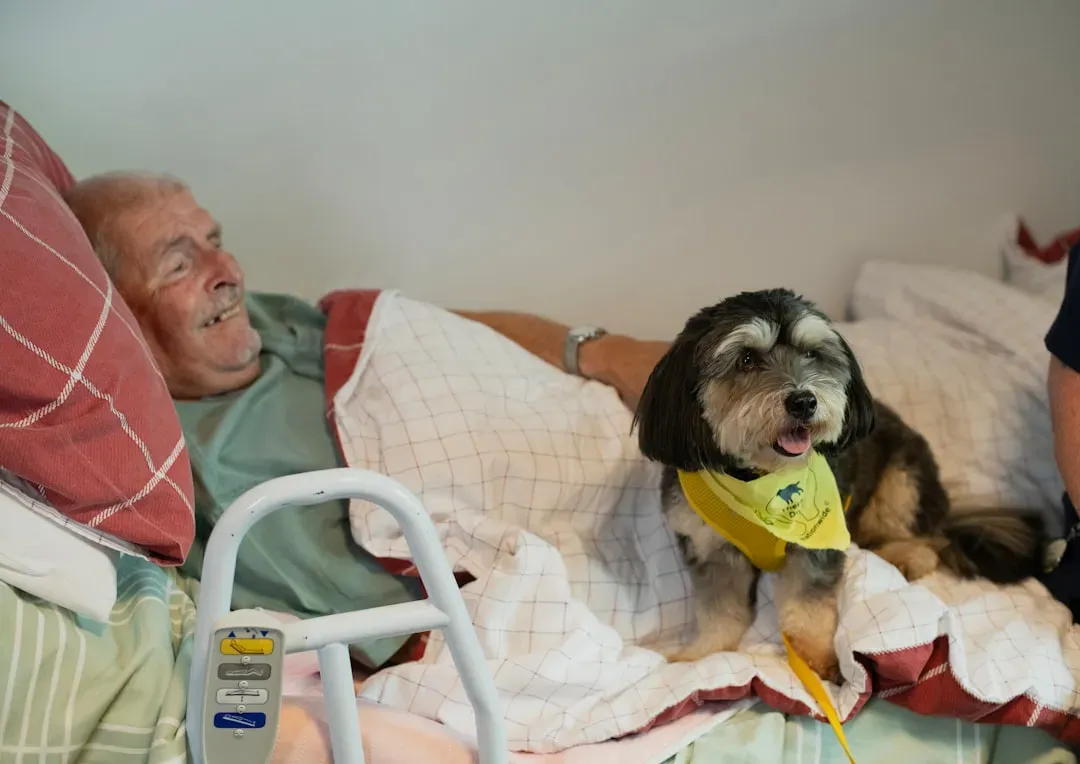
The final weeks with a senior dog are rarely dramatic. Most of the time, they’re quiet. A slower walk, a skipped meal, a different place to sleep. These small things are easy to rationalize away, especially when you don’t want to see what they might mean.
With attentive care and compassion, you can help ensure your dog’s comfort and dignity in their final days. The most useful thing an owner can do is simply stay close and stay observant. Keep notes if it helps. Talk to your vet early, not when things feel urgent, but when something feels off.
A dog’s loyalty to you is lifelong and wordless. The least we can offer in return is the willingness to really look, even when looking is hard. Those final weeks, as heavy as they are, also hold a strange intimacy. Pay attention to them. You won’t regret it.


