
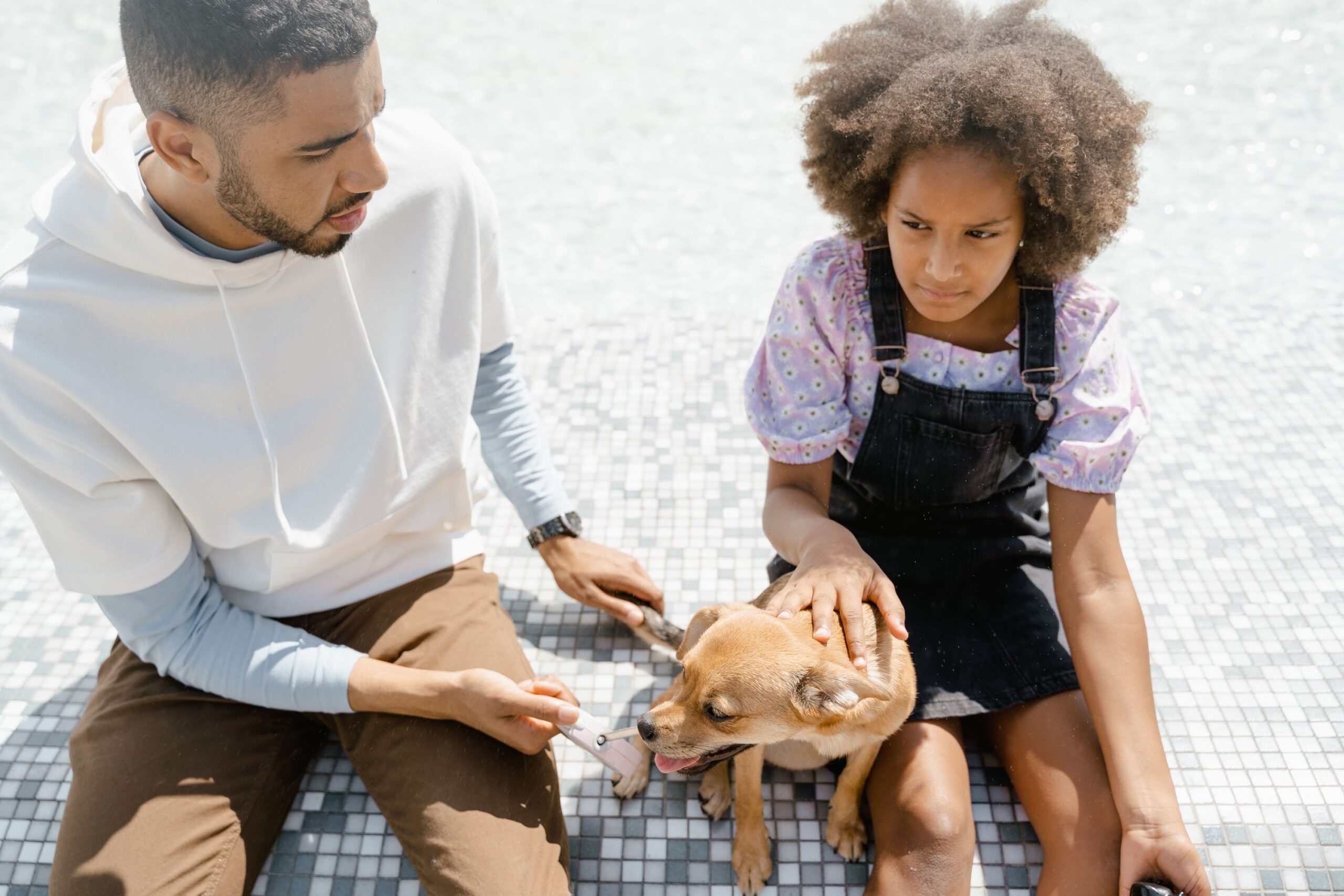
Everyone assumes a wagging tail and a sloppy kiss are the finish line of dog love. That’s the story we’ve all been told. But dogs are quietly running a much deeper loyalty test on the people in their lives, and most owners never notice they’re passing it every single day.
The real proof isn’t in the obvious stuff. It’s in the small, strange, almost invisible habits your dog can’t help but repeat around you and only you. Once you know what to look for, you’ll never watch your dog the same way again.
13. They Trail You Like a Shadow With a Heartbeat
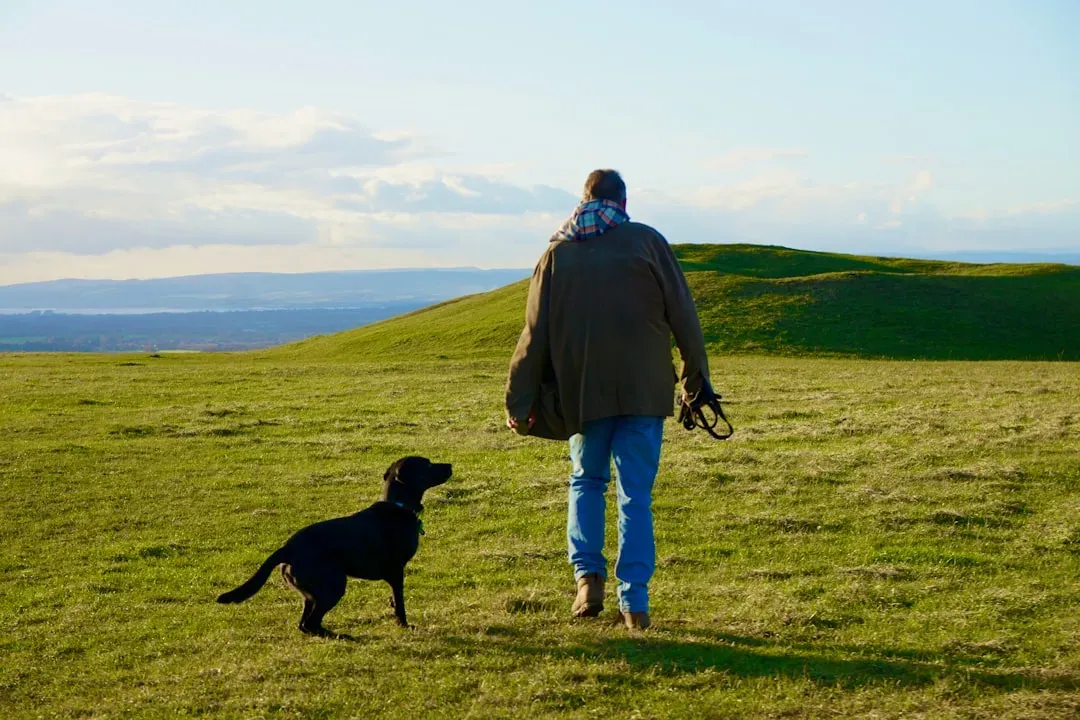
If your dog follows you from the kitchen to the couch to the bathroom door, that’s not nosiness. Behaviorists call it “shadowing,” and it’s one of the clearest signals that your dog has picked you as their safe zone in a world that doesn’t always make sense to them.
It doesn’t matter if you’re folding laundry or brushing your teeth. Your dog would rather watch paint dry next to you than nap alone in a sunny spot across the room. That’s not clinginess. That’s a four-legged animal quietly telling you that you’re the calm in their storm.
12. They Lose Their Minds When You Walk Through the Door
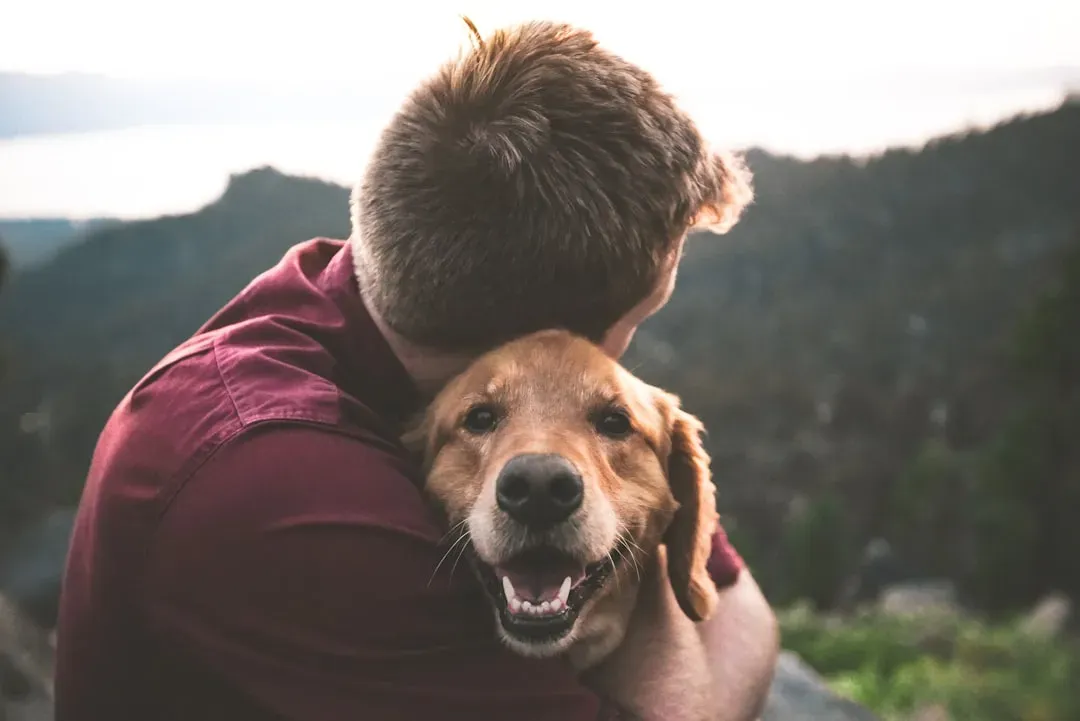
Plenty of dogs will wag at a stranger. Almost none will throw a full-body celebration, complete with spins, a favorite squeaky toy, and a bark that sounds suspiciously like joy. That reaction is reserved, and it’s reserved for you.
Other people might get a polite tail thump. You get the reunion tour. That gap in enthusiasm is the whole point, it’s your dog’s way of drawing a hard line between “someone I know” and “the person my whole world revolves around.”
Fast Facts
- Trainers often describe an owner’s arrival as “reunion behavior,” a distinct response separate from everyday greetings toward guests.
- A dog’s tail height and wag speed can shift depending on exactly who they’re greeting, not just how excited they generally are.
- Separation-related excitement tends to peak around the person a dog is most attached to, not simply whoever walks in first.
- Even young puppies show a clear preference for one consistent caregiver over others in the household.
11. They Lean Into You Like You’re Home Base
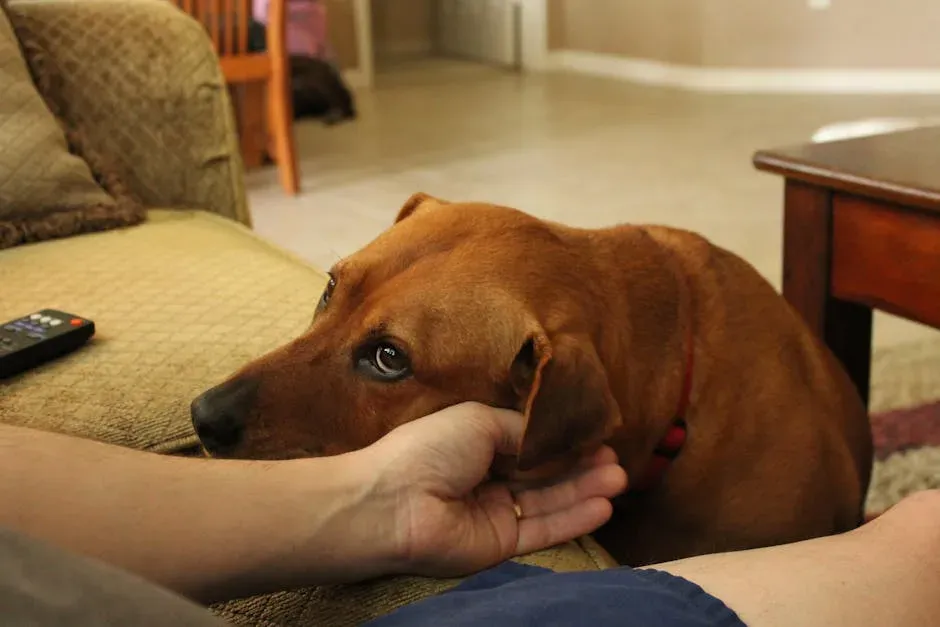
A dog that presses their body weight against your leg, or drops their head into your lap without being asked, is doing something surprisingly vulnerable. In dog language, leaning is trust with no words attached.
They’re not doing this for warmth or convenience. They’re doing it because your presence physically calms their nervous system. Every nudge for a scratch behind the ears is your dog quietly saying, I feel safest touching you.
10. They Choose to Sleep Near You, Not Just Around You
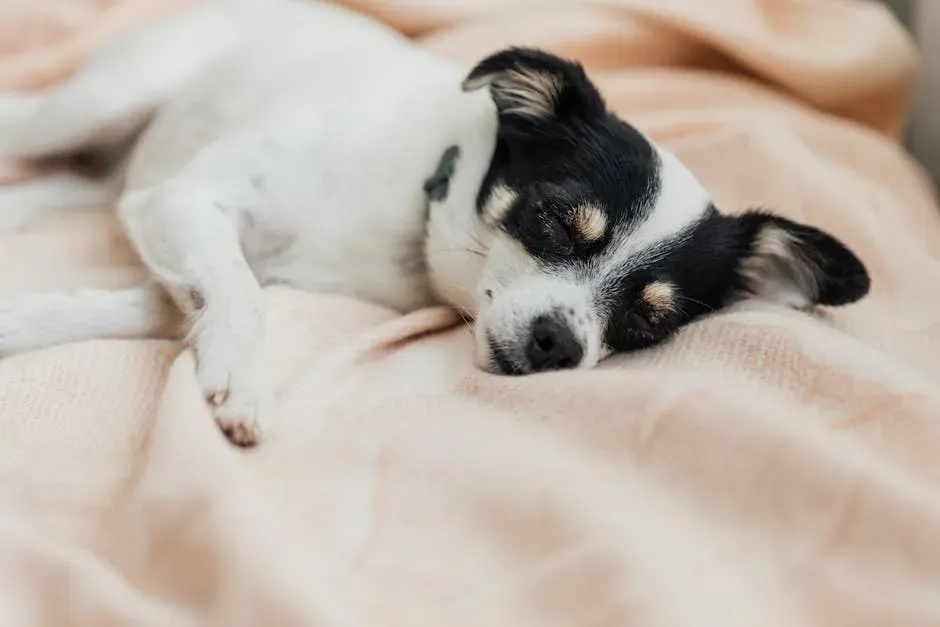
Sleep is the most defenseless a dog will ever be, which is exactly why where they choose to do it matters so much. Curling up at the foot of your bed, or insisting on your pillow despite having a perfectly good dog bed, is not an accident.
It means they’ve decided you’re the safest possible place to be unconscious. Out of every corner of the house, they pick the six inches closest to you, night after night, without fail.
9. They Hand Over Their Most Prized Possessions
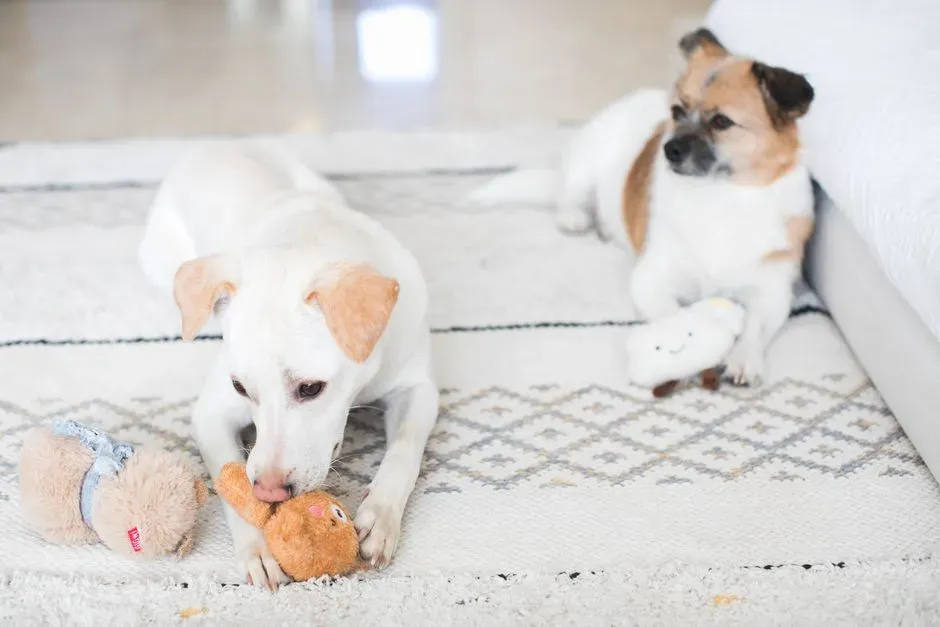
When a dog drops a slobbery, half-destroyed toy directly into your lap, resist the urge to see it as just a bid to play. In dog terms, that toy is treasure, and sharing treasure is a big deal.
They’re inviting you into their inner circle, the same way a kid might hand you their favorite stuffed animal to hold. It’s a small act with a loud message: you matter enough to get the good stuff.
8. They Hold Your Gaze Like They’re Trying to Tell You Something
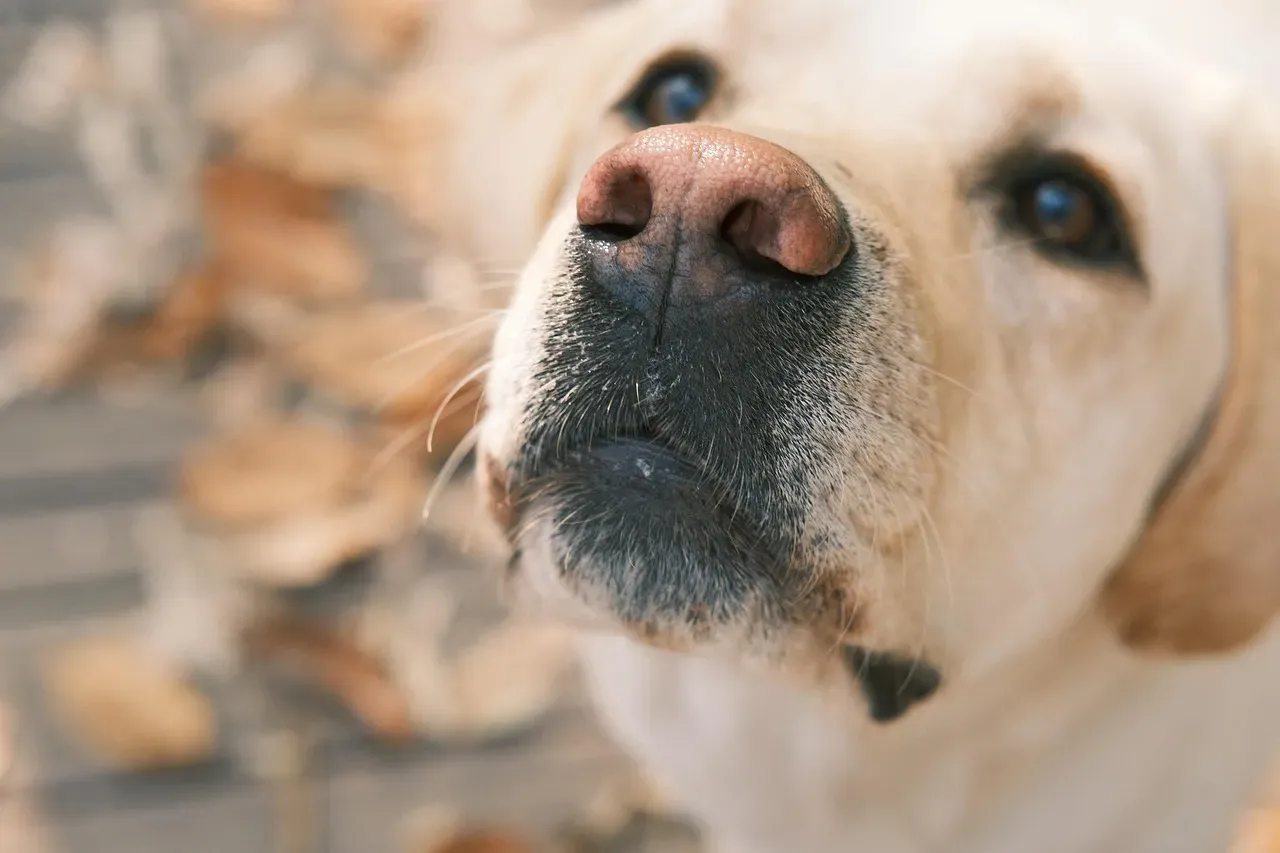
Soft, lingering eye contact from a dog isn’t nothing, it’s biology working overtime. Studies on dog-owner bonding have found that mutual eye contact triggers a spike in oxytocin, the same hormone flooding a parent’s brain when they look at their baby.
So when your dog locks eyes with you across the room, gently, not with tension, that’s not a coincidence. That’s your dog’s brain and your brain quietly syncing up on the same chemical wavelength.
Worth Knowing
- A widely cited 2015 study in the journal Science found that gazing behaviors from dogs, but not from wolves, increased oxytocin concentrations in owners, which in turn increased oxytocin concentrations in dogs.
- Researchers also found that the increase in oxytocin in dogs and their owners correlated with the duration of dog-to-owner mutual gazing.
- The effect didn’t appear in hand-raised wolves and their caretakers, suggesting it’s something unique to the dog-human bond shaped by domestication.
7. They Keep Glancing Back to Make Sure You’re Still There
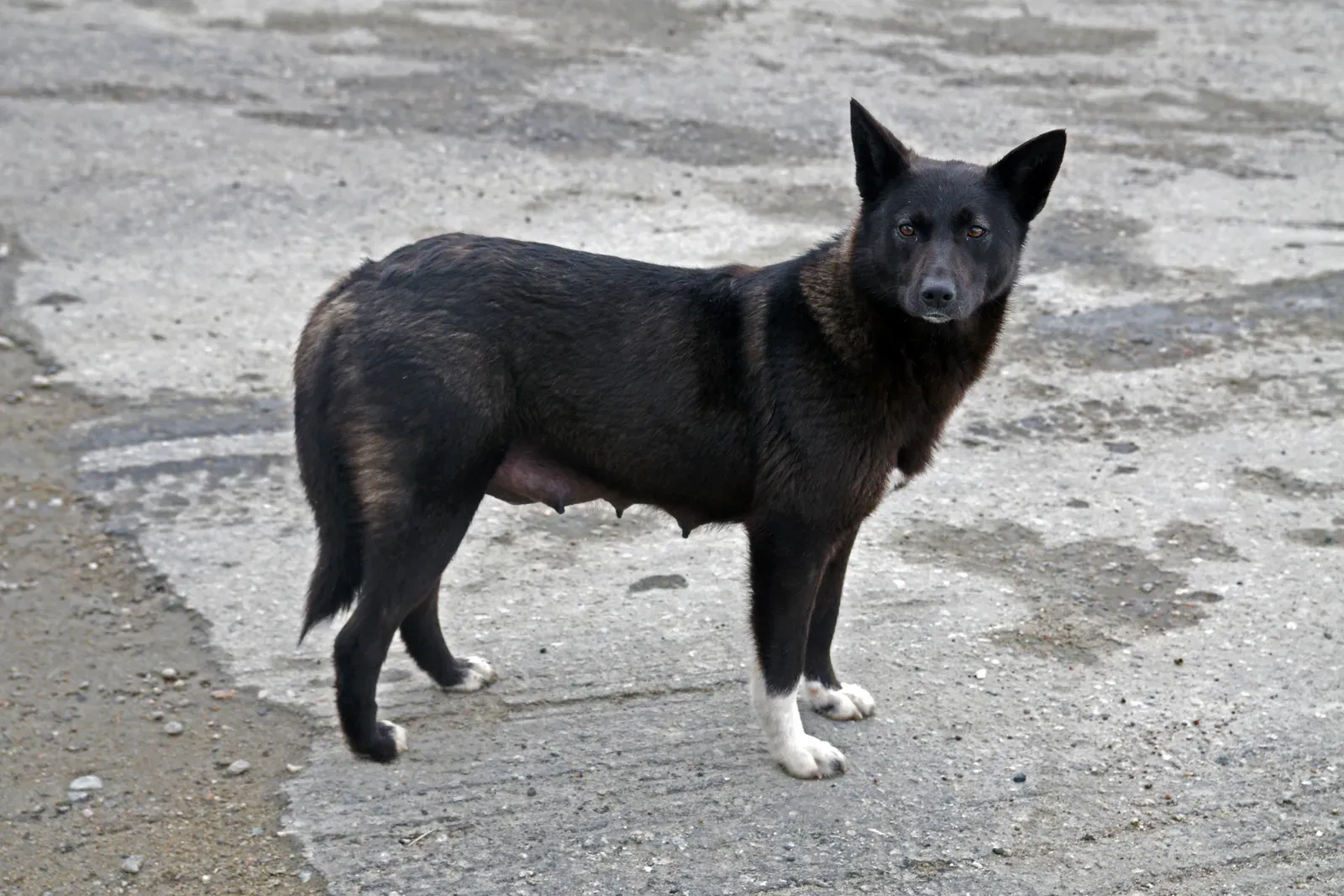
Watch your dog closely on a walk. If they keep looking over their shoulder, or trot back to your side after sniffing something exciting, they’re doing what trainers call “checking in.”
It’s less about obedience and more about orientation, you are their compass point. Even mid-adventure, with a hundred new smells competing for their attention, some part of them is constantly tracking where you are.
Dogs are not our whole life, but they make our lives whole.
Roger Caras
6. They Catch Your Mood Before You Even Say a Word
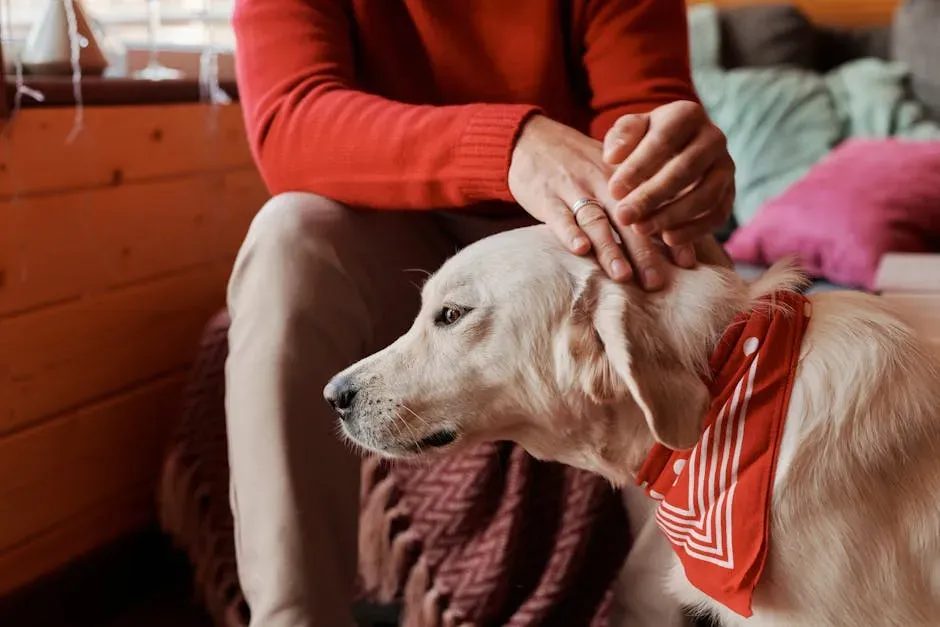
Come home defeated after a rough day, and a dog who’s bonded to you will often go quiet too, resting their chin on your knee instead of demanding to play. Come home buzzing with energy, and suddenly they’re bouncing off the walls right alongside you.
This isn’t coincidence, it’s empathy. Dogs that are deeply attached to a specific person become remarkably skilled at reading that person’s emotional temperature, adjusting their own energy to match yours almost in real time.
5. They Put Their Own Body Between You and a Threat
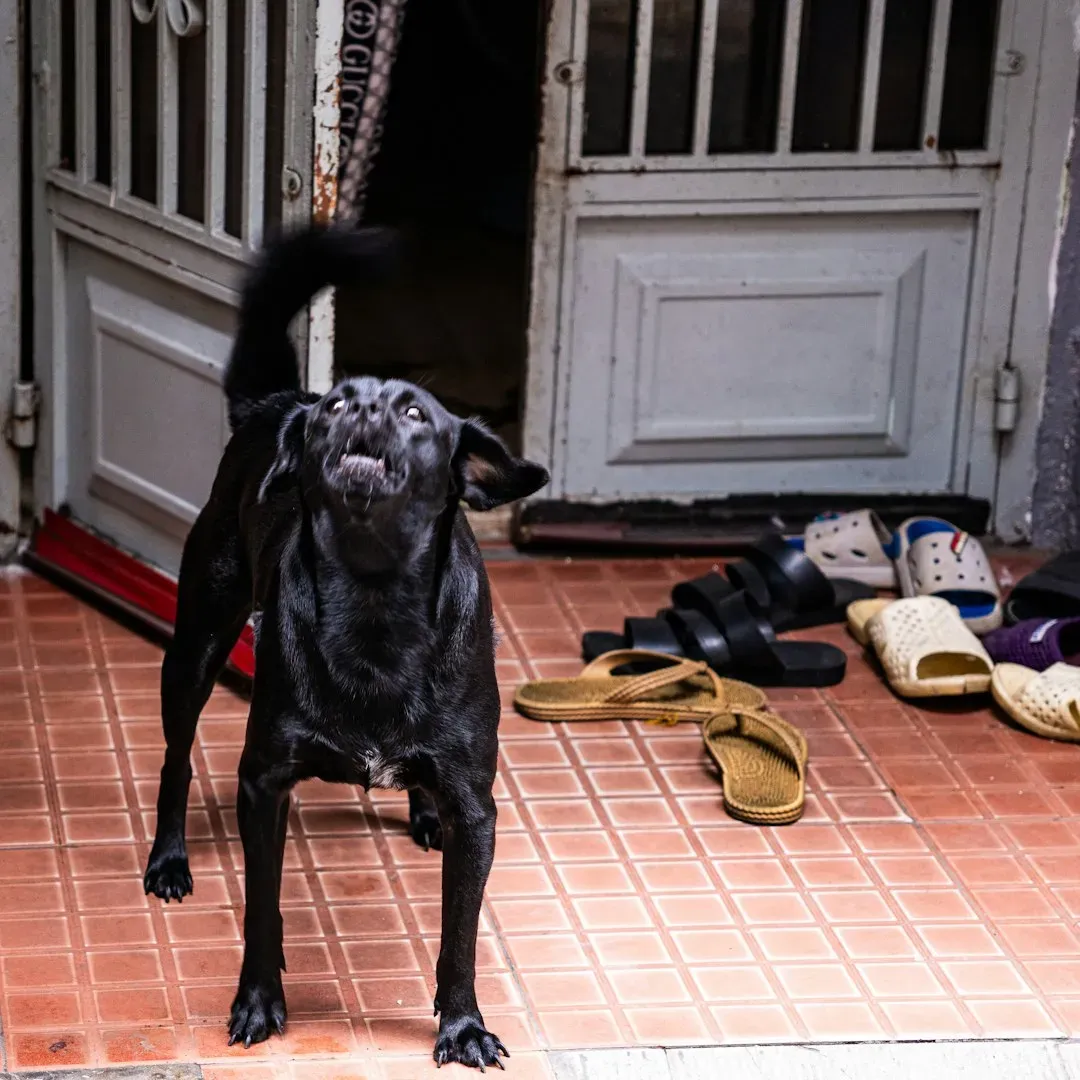
Some dogs will step in front of you when a stranger gets too close, or stiffen and stare down an unfamiliar noise before you even register it. That’s not aggression for the sake of it, that’s a decision to guard.
Instinct is telling them to protect the pack, and in their mind, you’re not just a member of the pack, you’re the one worth protecting most. It’s one of the clearest, and most humbling, signs of where you rank in their world.
Why It Stands Out
- Guarding behavior is selective, most dogs don’t bother standing watch for just anyone who walks by.
- Protective posturing often includes a stiff stance, raised hackles, and a fixed stare aimed at the perceived threat.
- The instinct traces back to pack dynamics, where safeguarding the most valued member of the group was a survival priority.
- Dogs typically save this response for whoever they consider their primary attachment figure, not casual acquaintances.
4. They Run to You, Not Away, When Things Get Scary
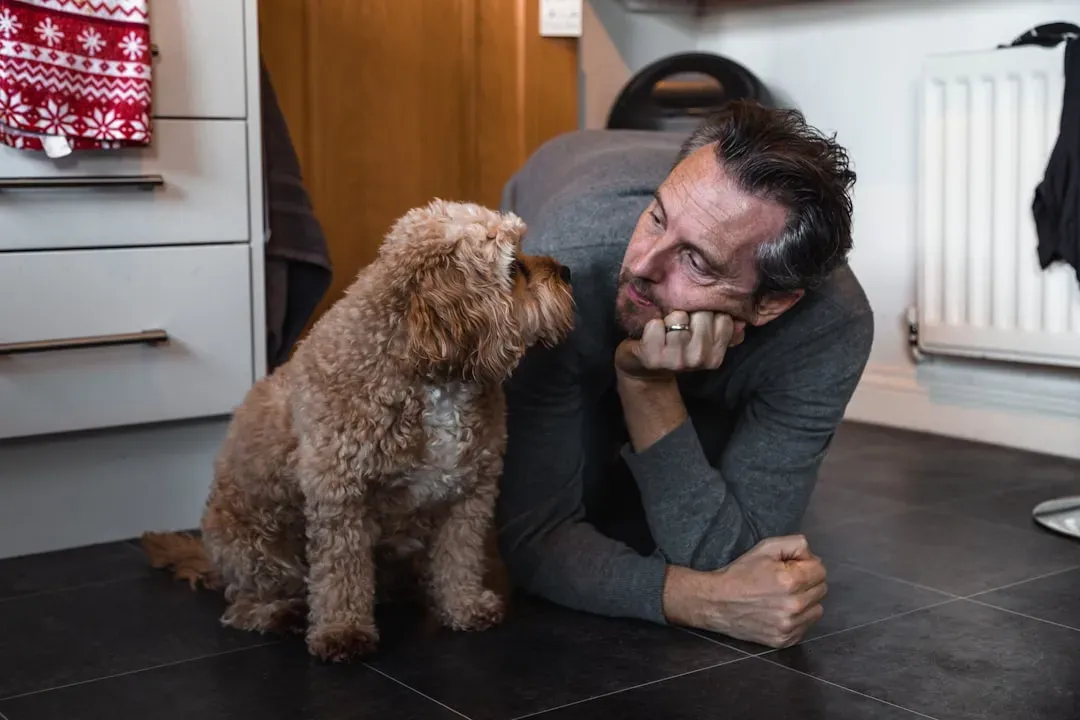
During a thunderstorm, a fireworks show, or a chaotic visit to somewhere unfamiliar, watch where your dog goes. If they press against your leg or bury their face in your side instead of hiding under furniture alone, you’re their emergency contact.
That instinct to seek you out specifically, rather than just find any quiet corner, means your presence itself is the calming mechanism. You’re not just nearby during their worst moments, you’re the reason they get through them.
3. They Actually Listen When You Talk, Even When Others Don’t Get Through
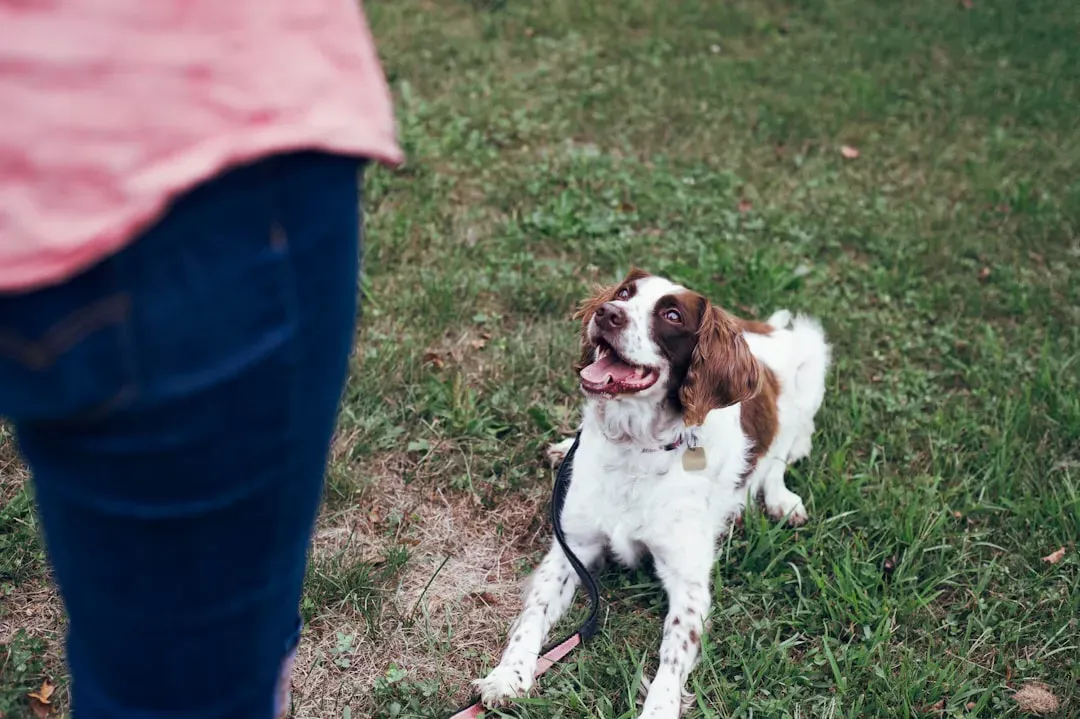
Every dog owner has seen it, another family member gives a command and gets ignored, then you say the exact same word and the dog snaps to attention. That gap isn’t stubbornness on the dog’s part.
It’s preference. Dogs tend to respond fastest to the voice and cues of the person they trust most, which means every time your dog listens to you over someone else in the room, they’re casting a quiet vote for who they consider their person.
2. They Get Visibly Jealous When You Pay Attention to Someone Else
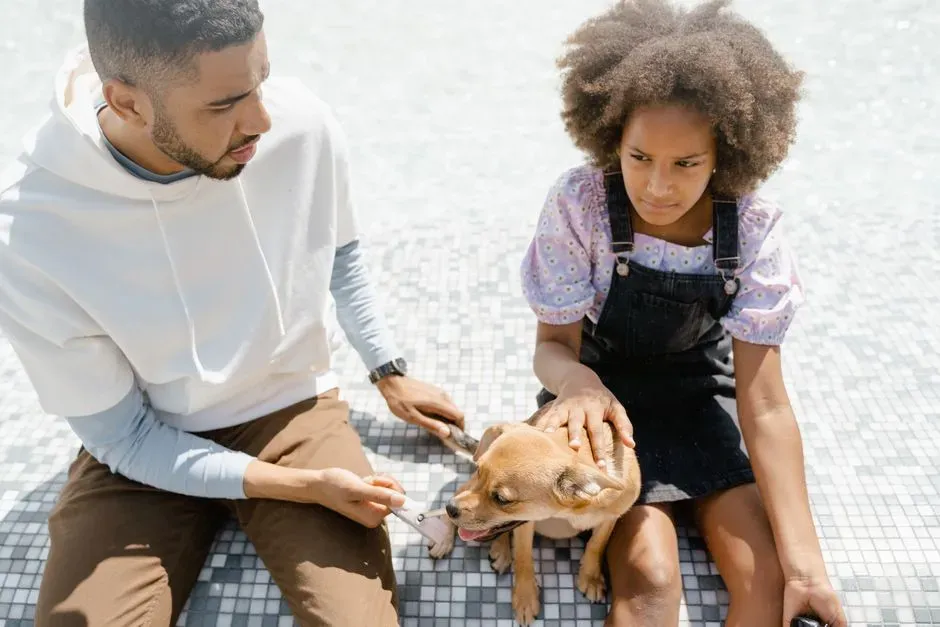
Give a friend a hug, pet a neighbor’s dog, or cradle a new baby, and if your dog suddenly wedges themselves between you and whoever’s stealing the spotlight, that’s not bad manners. That’s a dog protecting something they consider theirs.
Jealousy in dogs is a real, documented emotional response, and it only shows up around attachments that actually matter to them. The pettier the jealousy, the deeper the bond underneath it.
Quick Compare
- With you: nudging between you and the competition, whining, or pawing for attention.
- With a stranger: passive curiosity, a quick sniff, then indifference.
- With another pet: mild wariness, but rarely any urgency to intervene.
- The takeaway: jealousy only shows up where the bond runs deepest, and that’s almost always aimed at you.
1. Their Whole Body Relaxes the Second You’re Near
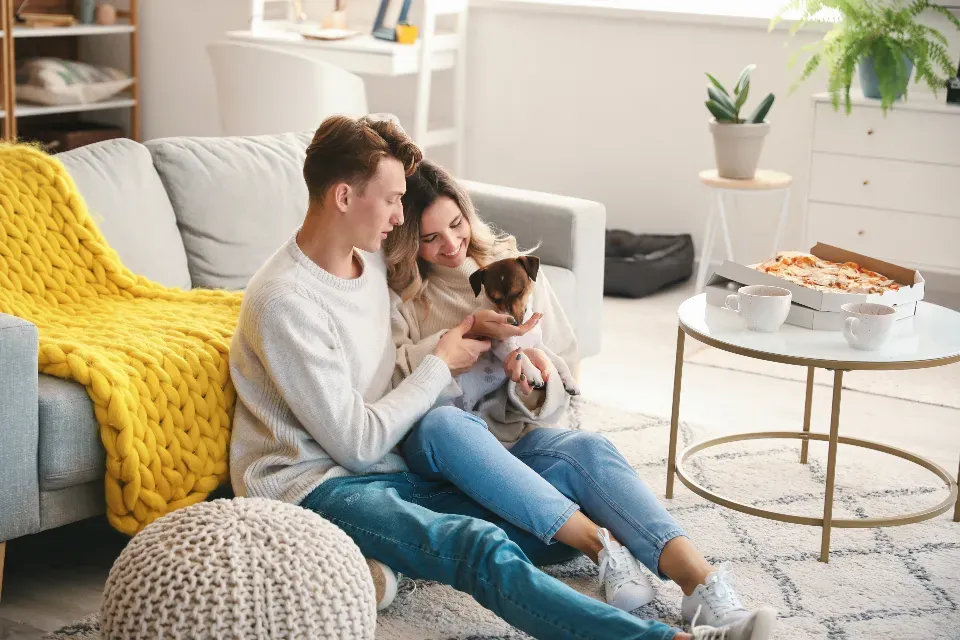
Soft eyes, a loose wagging tail, ears at ease, a body that melts instead of stiffens, this is what true comfort looks like on a dog. It’s the opposite of the alert, on-guard posture they might show around strangers or unfamiliar situations.
That full-body relaxation is the quiet, physical proof of everything on this list adding up. When your dog can finally stop being on guard simply because you walked into the room, you’ve become the safest place they know.
The Bottom Line
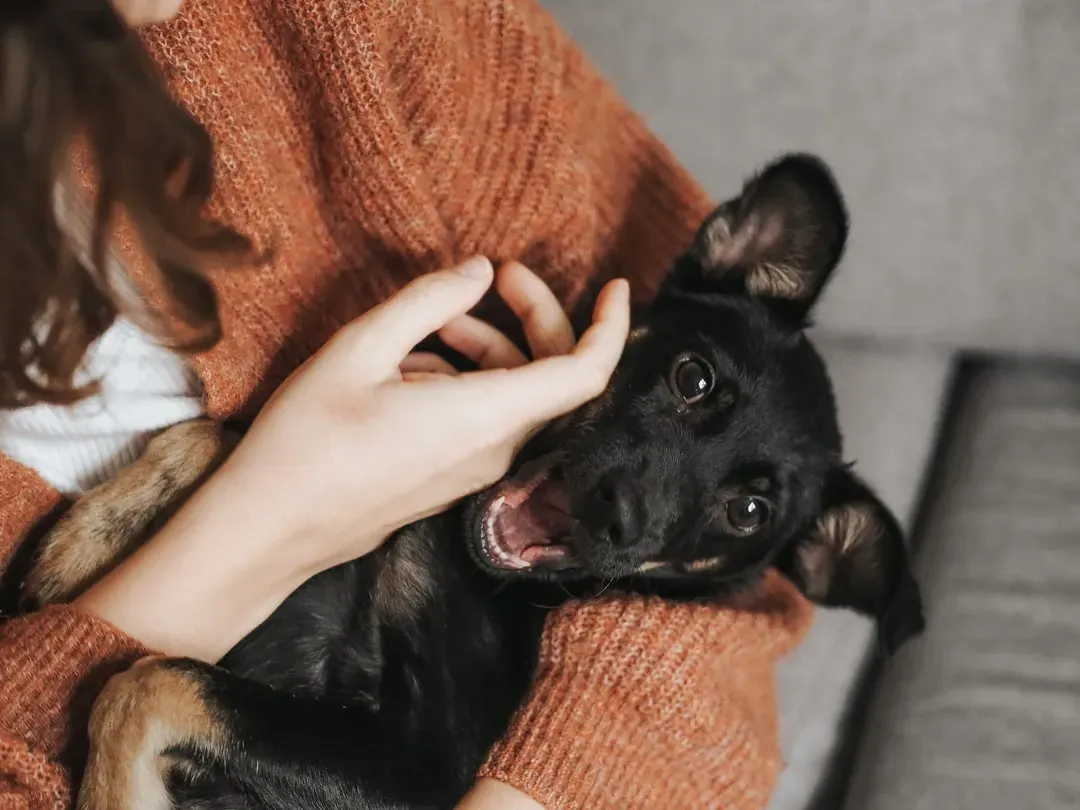
Here’s the truth nobody tells new dog owners: the biggest signs of love rarely look dramatic. They look like a shadow at your heel, a toy dropped in your lap, a body that finally goes soft the second you sit down beside it.
If you’ve read this far and started mentally checking boxes about your own dog, that’s not a coincidence either. Dogs are honest in ways people rarely are, and if yours keeps choosing you, over and over, in a hundred small ways, that’s not something to take lightly. That’s a bond most people spend their whole lives chasing.


