
13 Things a Guide Dog Trainer Notices in the First Week of Assessment
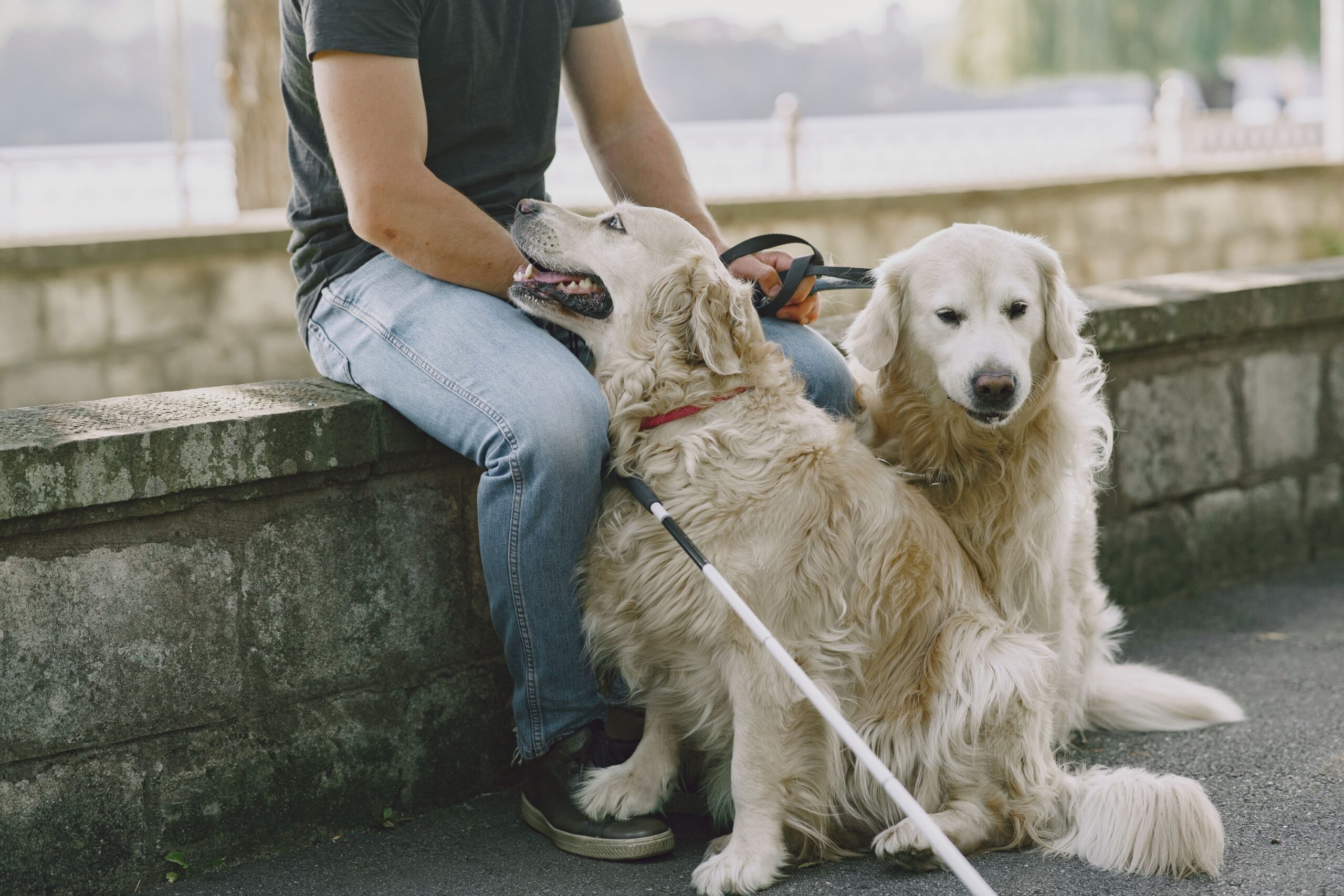
Most people assume guide dog training starts with commands – sit, stay, heel, good boy. It doesn’t. The real test happens before any of that, in a quiet week where nothing looks like training at all.
A trainer drops a bowl. Waits. Watches a puppy’s eyes. Says nothing when it expects praise. None of it looks dramatic from the outside, but every one of those tiny moments is quietly deciding whether this dog could one day keep a blind person alive at a crosswalk – or wash out before it ever wears a harness. Here’s what trainers are actually clocking in those first seven days.
#1 – How Fast the Dog Bounces Back From a Scare
Every dog startles. That’s not the test. What trainers are timing, almost like a stopwatch in their head, is how fast that jolt of fear turns back into curiosity. A guide dog that needs a full minute to shake off a dropped bowl is a guide dog that can’t be trusted on a subway platform.
So during week one, trainers stage small, deliberate surprises – a metal bowl hitting tile, a chair rolling across a hallway, a door slamming somewhere down the hall. They’re not trying to scare the dog. They’re measuring the gap between flinch and recovery, and watching whether the dog needs a person to talk it down. A dog that only calms when someone coos “it’s okay, buddy” is a dog that will struggle the moment its future handler is too busy navigating traffic to babysit its nerves.
#2 – Whether the Dog Leads With Its Nose, Ears, or Eyes
Here’s something most people never think about: dogs don’t experience the world the same way. Some are led by scent first, some by sound, some by sight. Trainers spend the first week quietly figuring out which one is running the show inside this particular dog’s head – because it changes everything about what kind of guide it could become.
A nose-driven dog turns into a liability the second it walks past a food court, constantly dipping its head to chase smells instead of watching the handler’s next move. A vision-heavy dog, by contrast, tends to spot obstacles and moving threats early. Ear-forward dogs often catch a car’s engine pitch shift before a sighted person would. The dream candidate isn’t the dog with the most impressive nose – it’s the one where eyes and ears quietly outvote the nose, almost every time.
Quick Compare: Nose vs. Eyes vs. Ears
- Nose-led: Sharp scent memory, but easily hijacked by food courts and trash cans.
- Eye-led: Spots obstacles and moving hazards early – the profile trainers favor most.
- Ear-led: Catches an engine’s pitch change or approaching footsteps before anyone can see the source.
- Ideal blend: Eyes and ears in the driver’s seat, nose along for the ride – never steering.
#3 – How the Dog Handles Being Mildly Annoyed
Fear gets all the attention, but experienced trainers worry more about frustration. Fear can usually be desensitized over time. Chronic frustration, left unchecked, can curdle into reactivity or a dog that simply shuts down – and either one is dangerous in guide work.
So in week one, trainers set up tiny, almost petty inconveniences: a favorite toy stuck behind a baby gate, a handler who freezes mid-walk for no reason, a food bowl set down and then lifted back up. Nothing cruel, just enough friction to see what spills out. Does the dog bark, paw, and spiral into a tantrum – or pause, offer a sit, and glance up for guidance? Guide dogs live in a world of doors that won’t open and routes that suddenly change. A dog that can’t tolerate a thirty-second delay has no future guiding anyone through a real city.
#4 – Whether the Dog Solves Problems Alone or as a Team
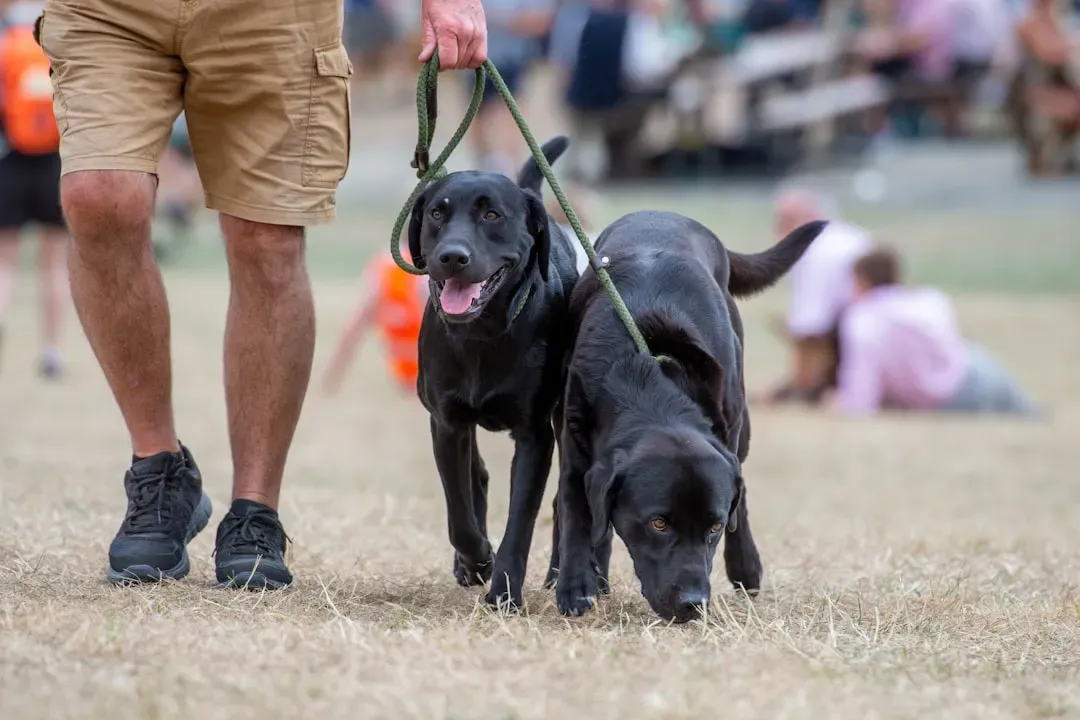
In the pet world, an independent dog gets praised: “She figures everything out herself!” In guide work, that same trait can quietly disqualify a dog. Trainers spend the first week watching for one specific, small behavior – does this dog loop the human into its thinking, or does it just solve the puzzle and leave the person behind?
They’ll block a hallway with a chair or trash can, then step back and watch. A fiercely independent dog darts around, experiments, and wins the puzzle solo. A guide prospect pauses, checks back with the human, and then works it out together. That glance back is worth more than it looks – it’s proof the dog sees the person as part of the solution, not an obstacle to route around. Without that instinct, nothing else about the dog matters.
#5 – Which Way the Dog Jumps When Startled
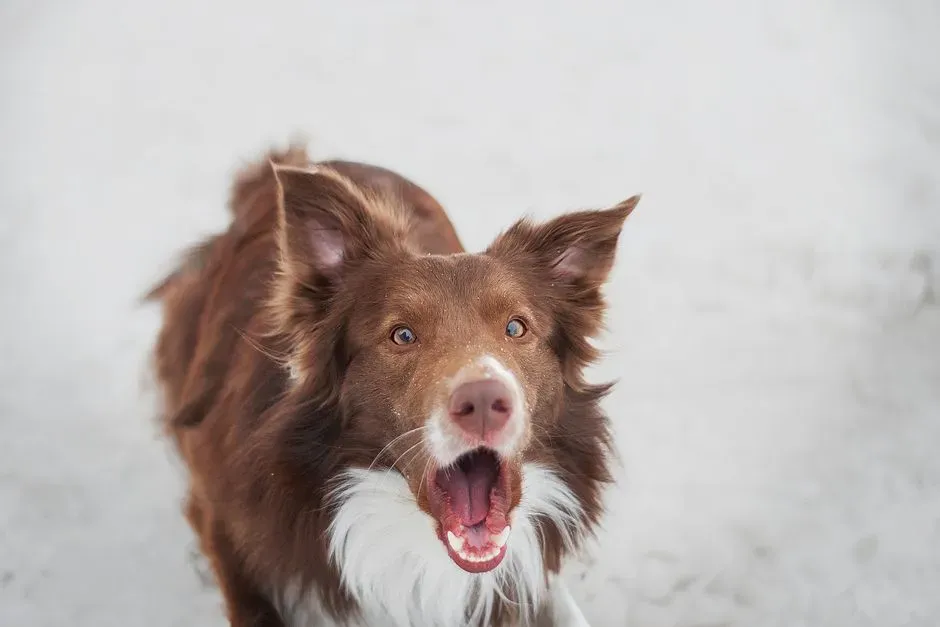
Anyone can notice that a dog startled. Trainers care about something far more specific: which direction it moved in that split second. Toward the handler, or away from them? That one instinctive flinch reveals wiring you can’t train into a dog later.
A dog that bolts away, snapping the leash taut, is showing you exactly what it might do on a sidewalk – yank a blind handler off balance at the worst possible moment. A dog that flinches and then leans into the person, brushing a leg or nudging a hand, is showing the opposite: a built-in instinct to treat the pair as one safety unit. This has nothing to do with bravery. Some bold, fearless dogs still bolt out alone to investigate danger, ignoring their handler completely – and in guide work, that boldness becomes a liability instead of an asset.
#6 – Whether Food Drive Comes With Any Self-Control
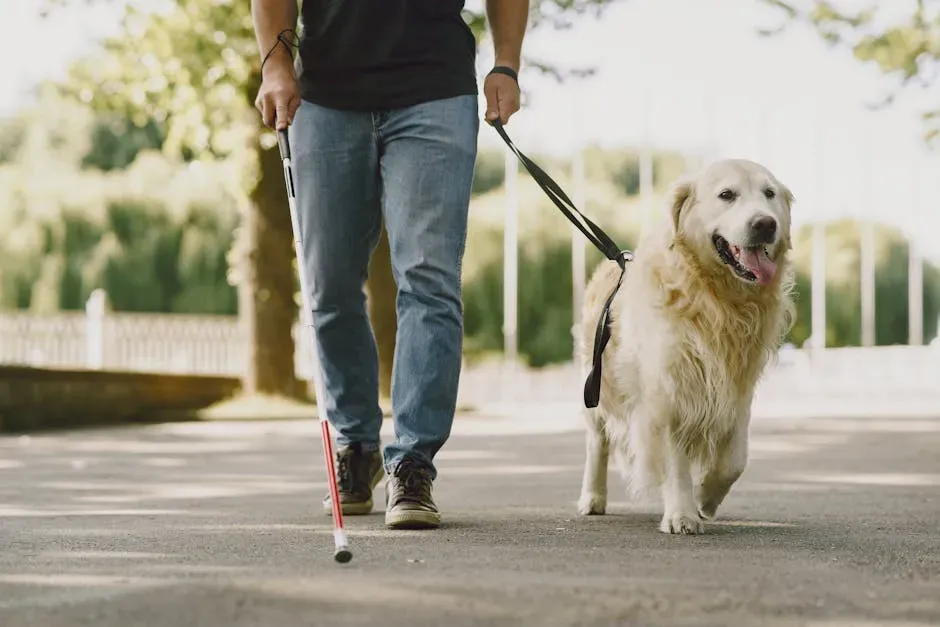
Every trainer knows a food-motivated dog is easy to train with treats. What almost nobody outside the field realizes is that too much food drive, with zero self-control attached, can end a promising dog’s career before it starts.
Week one is full of small, sneaky food tests most owners would never notice – a piece of kibble “accidentally” dropped near the dog’s paws, a walk past an unattended bowl. Trainers aren’t checking whether the dog wants the food; every dog wants the food. They’re checking how fast it learns to override that urge, and eventually whether it starts ignoring dropped food without even being told. In a city full of food carts and bakery doorways, one bad lunge toward a dropped hot dog could send a blind handler crashing to the pavement. The dogs that build that internal rule fast are the ones worth betting on.
Fast Facts
- Studies on guide dog training have reported success rates of 50-56% for dogs in training, with global surveys of organizations swinging even wider.
- Failure rates of up to 70% of dogs entering the program have been recorded at some service and guide dog organizations.
- The most common wash-out triggers include reactivity to other dogs, generalized anxiety, food motivation that becomes scavenging, persistent reactivity to strangers, or medical disqualification.
- Most dogs that fail to complete guide dog training do so because of behavioral issues, not physical ones.
#7 – How the Dog Reacts When Things Feel Unfair
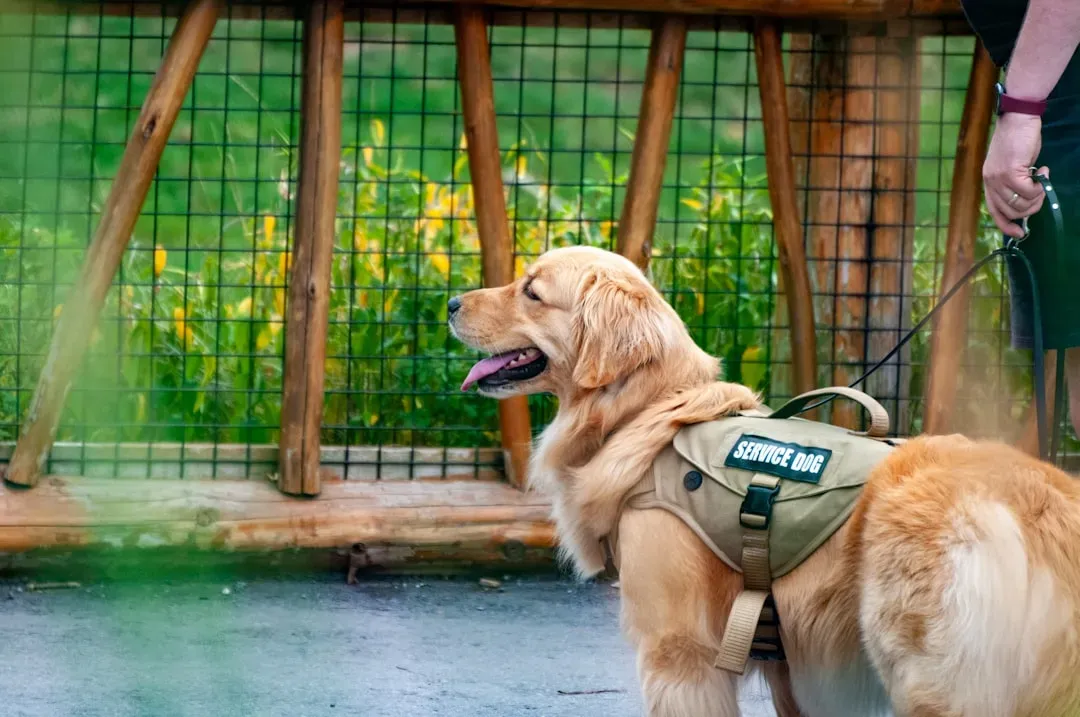
This is the part that surprises people most, because it feels almost human. Some dogs handle perceived unfairness badly – and trainers are watching closely, because a guide dog has to tolerate a handler’s honest mistakes without losing trust or falling apart.
So trainers will quietly “mis-mark” a behavior on purpose: asking for a sit, then pausing a beat too long before rewarding it, or rewarding a littermate first while the other dog waits. It’s low-stakes, harmless – but revealing. Some dogs sulk or shut down. Others escalate, pawing and barking for attention. The dogs trainers fall for are the ones who look briefly confused, almost offended, and then keep playing anyway. A future handler will occasionally cue too late or trip over their own feet. A guide dog that holds a grudge over that isn’t safe in traffic.
#8 – How Much Unspoken Body Language the Dog Actually Reads
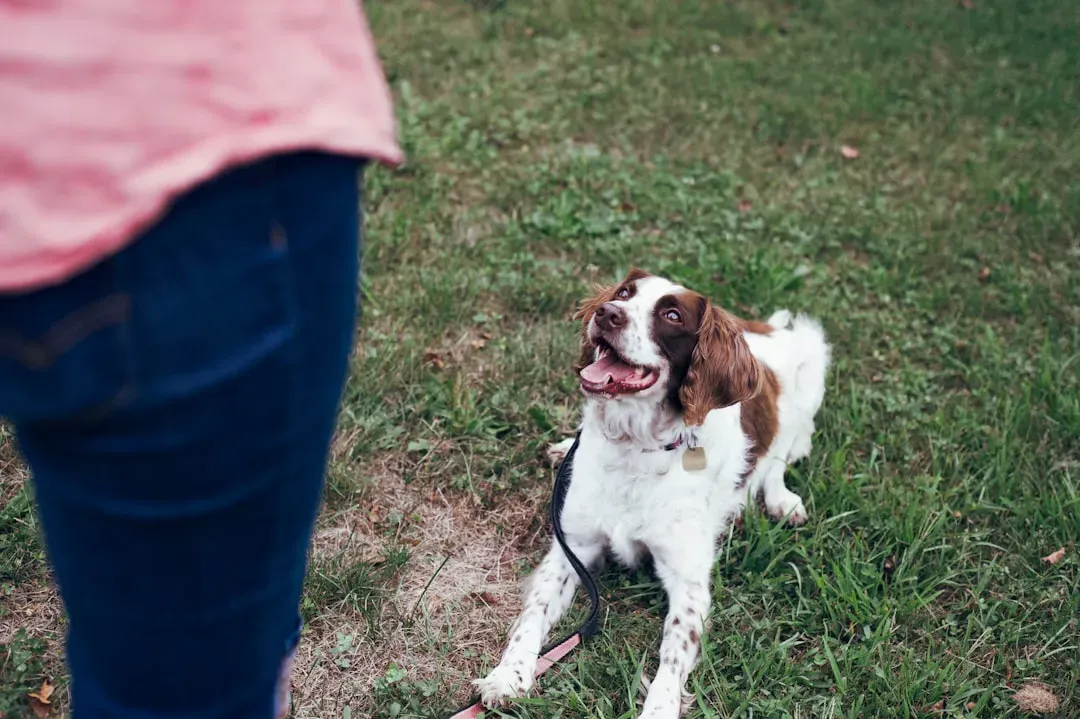
Most people test whether a dog knows “sit.” Trainers are testing something far less obvious: how much of the handler’s silence the dog understands. Guide work happens almost entirely in the space between spoken words.
So they’ll shift posture on purpose – standing tall versus slouching, turning their shoulders away, leaning forward slightly like someone about to step off a curb. Does the dog start moving before any command is given? Does it pause the instant the handler hesitates, without a single word spoken? The catch is that some dogs read body language too well, spinning into anxiety over every tiny shift. The sweet spot is a dog that notices the signal and uses it as a helpful hint – not a five-alarm warning.
#9 – Whether the Dog Is Friendly, or Just Obsessed With Attention
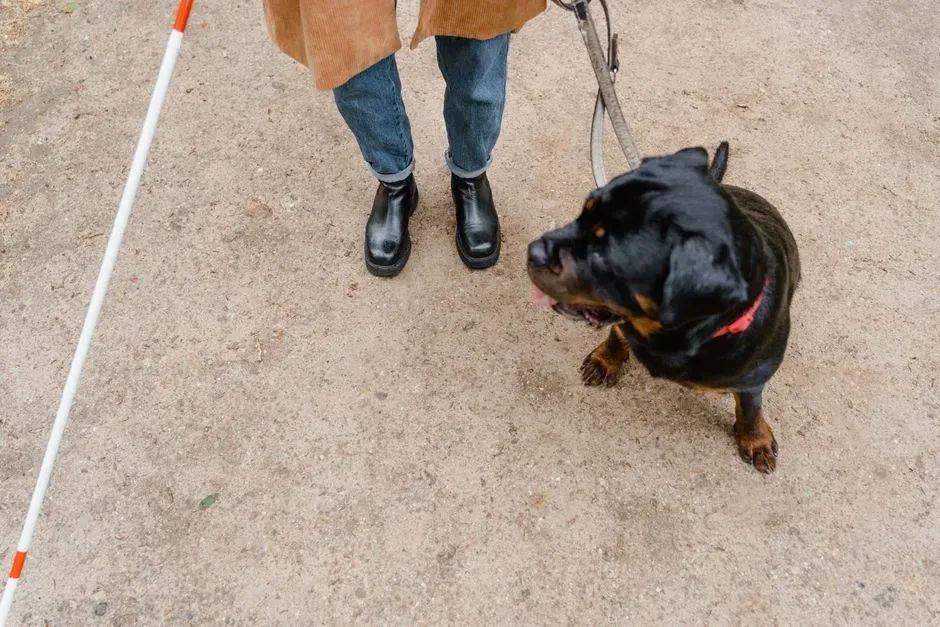
Here’s a myth worth killing: the friendliest dog in the litter is not automatically the best guide prospect. In fact, trainers often eye the social butterfly with real suspicion, because guide work needs measured curiosity, not a compulsion to greet everyone who walks by.
During week one, new people and kids get introduced in controlled bursts, and trainers watch closely for the reaction. Does the dog explode toward every new face, tail spinning, brain gone – or does it notice, offer a polite wag, then check back with the handler as if to ask, “are we working or greeting?” That check-in is everything. Trainers also test what happens when a stranger showers the dog with praise while the handler stays silent. A dog that melts for any enthusiastic voice may later tune out its own blind handler the moment a louder, more exciting person shows up.
#10 – How the Dog’s Body Reacts to Cars, Bikes, and Noise
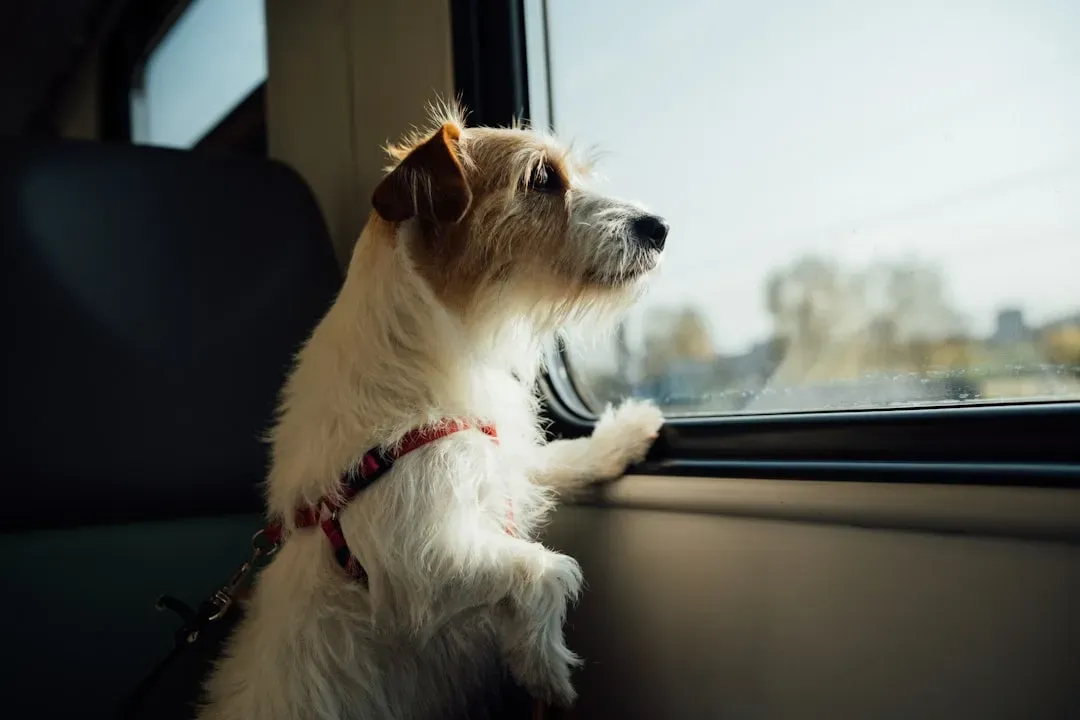
Trainers don’t wait months to see how a dog handles traffic – they start in week one, with carefully controlled exposure to moving cars, bikes, and loud machinery at a safe distance. This single reaction pattern quietly shapes a huge amount of a dog’s future.
Nobody wants a dog that lunges toward vehicles, and nobody wants one that melts down at every engine rev either. What trainers are hunting for is “alert caution”: ears up, eyes scanning, feet still. Does the dog quietly step a little farther from the curb when a truck rumbles past, before anyone ever taught it to? That small, self-protective instinct, if it’s already there, can later be shaped into intelligent disobedience – arguably the single most valuable skill a guide dog can have.
At a Glance: Reading a Dog’s Reaction to Traffic
- Lunging or chasing: An automatic red flag – a serious sidewalk risk.
- Freezing or bolting away: Signals fear that hasn’t been resolved yet.
- Alert caution (ears up, feet still, eyes scanning): The response trainers are hoping to see.
- Self-correcting distance: Stepping back from the curb unprompted – an early seed of intelligent disobedience.
#11 – Whether the Dog Actually Knows How to Do Nothing
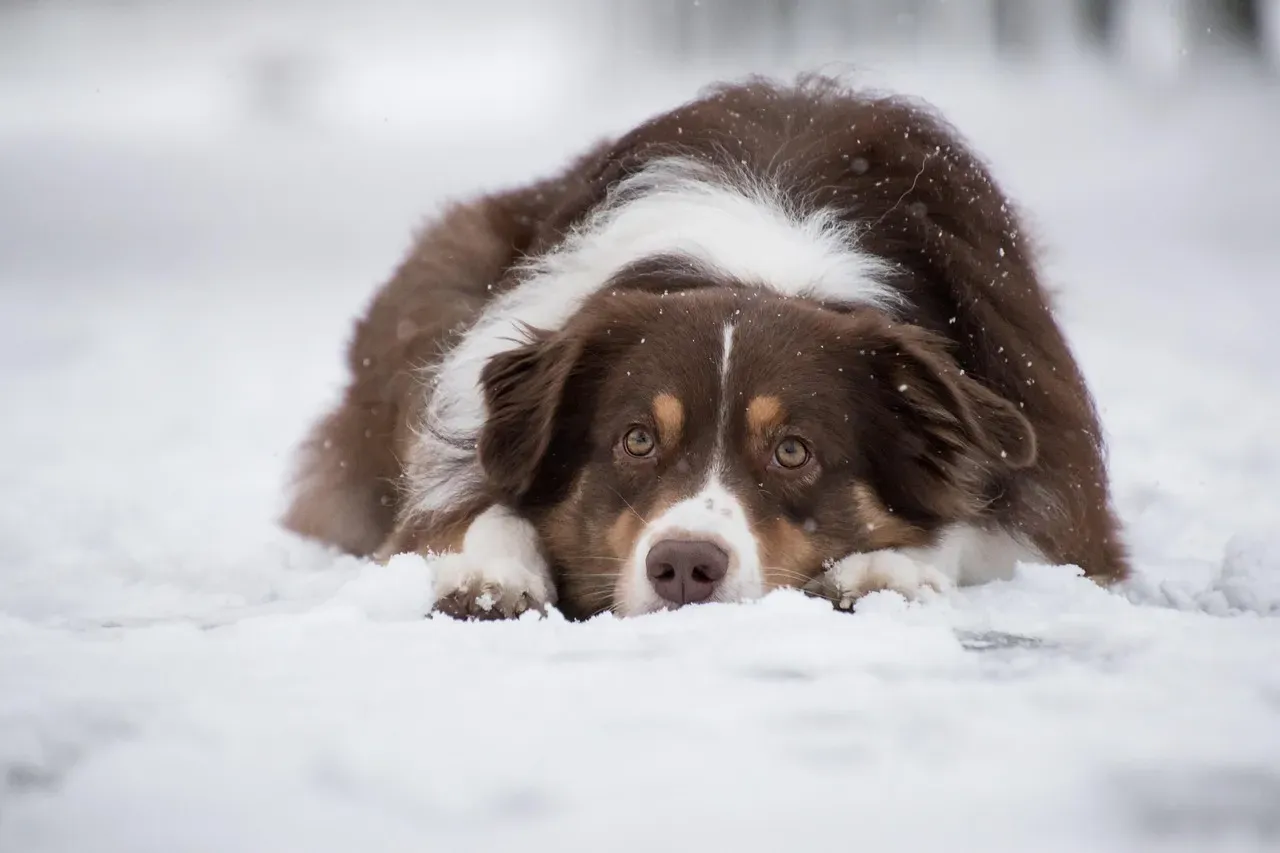
Everyone obsesses over how a dog behaves in chaos. Trainers are just as obsessed with how it behaves in total boredom, because a guide dog spends most of its working life lying quietly under a desk, in an office, or on a train. If a dog can’t switch off, everyone around it eventually pays for that.
So after a stimulating session, trainers deliberately create dead air – sitting at a desk, opening a laptop, ignoring the dog completely for twenty or thirty minutes. No commands, no entertainment, nothing. Does the dog pace and whine and demand attention, or does it fidget briefly and then settle at the handler’s feet? Even more telling is the learning curve across days – a strong prospect figures out “oh, this is nap time” by day three. A dog that never gets there is signaling an exhausting amount of future maintenance for a handler already managing a world they can’t fully see.
#12 – How the Dog Feels About Being Touched and Handled
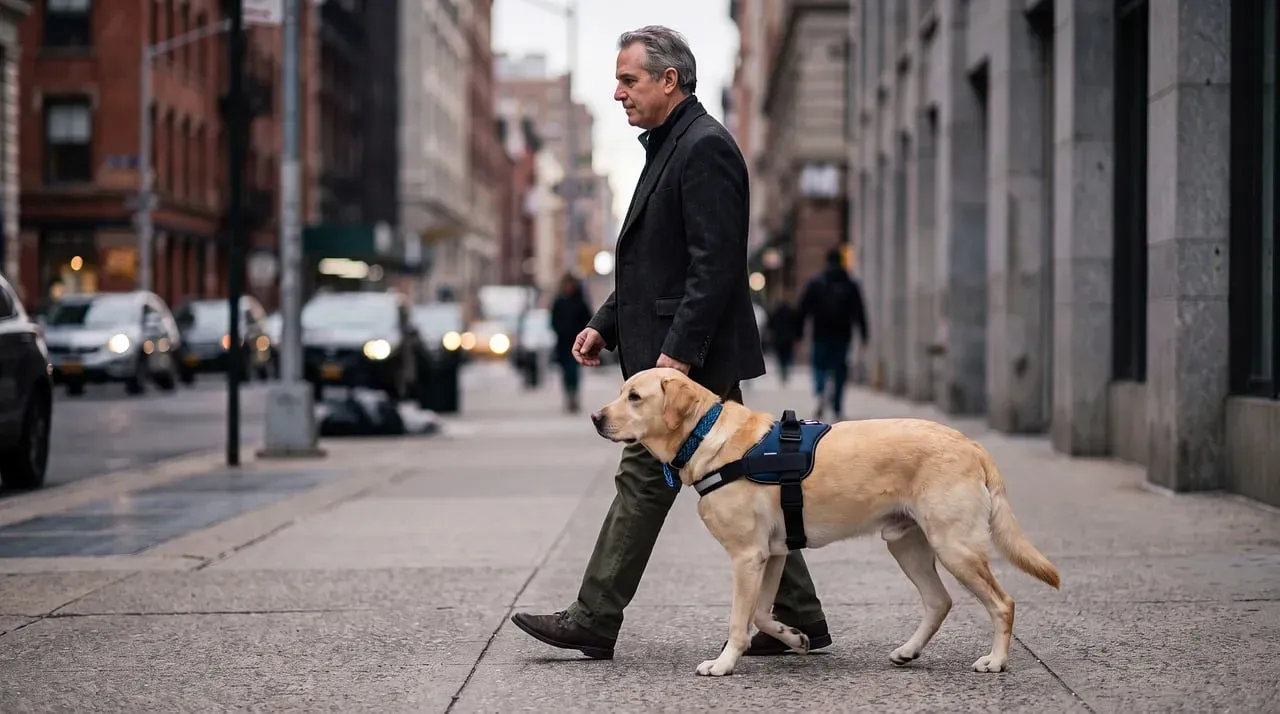
Plenty of dogs love being petted but go strangely stiff the moment actual equipment touches them. Trainers catch this immediately, because a guide dog spends its whole working life in a harness – and that harness can never feel like a punishment.
During week one, trainers introduce collars, leads, and sometimes a light mock harness that mimics future gear, watching for stiffening, scratching at contact points, or a sudden change in gait. They also test clinical, unglamorous touch – lifting paws, checking ears, running hands down the spine – because a blind handler has to check their dog’s body by feel alone. A dog that flinches away from that kind of handling can hide real health problems from someone who literally cannot see them. The dogs who treat gear and touch like background noise are the ones with enough bandwidth left to focus on the road ahead.
#13 – The Rare, Early Flicker of “Intelligent Disobedience”
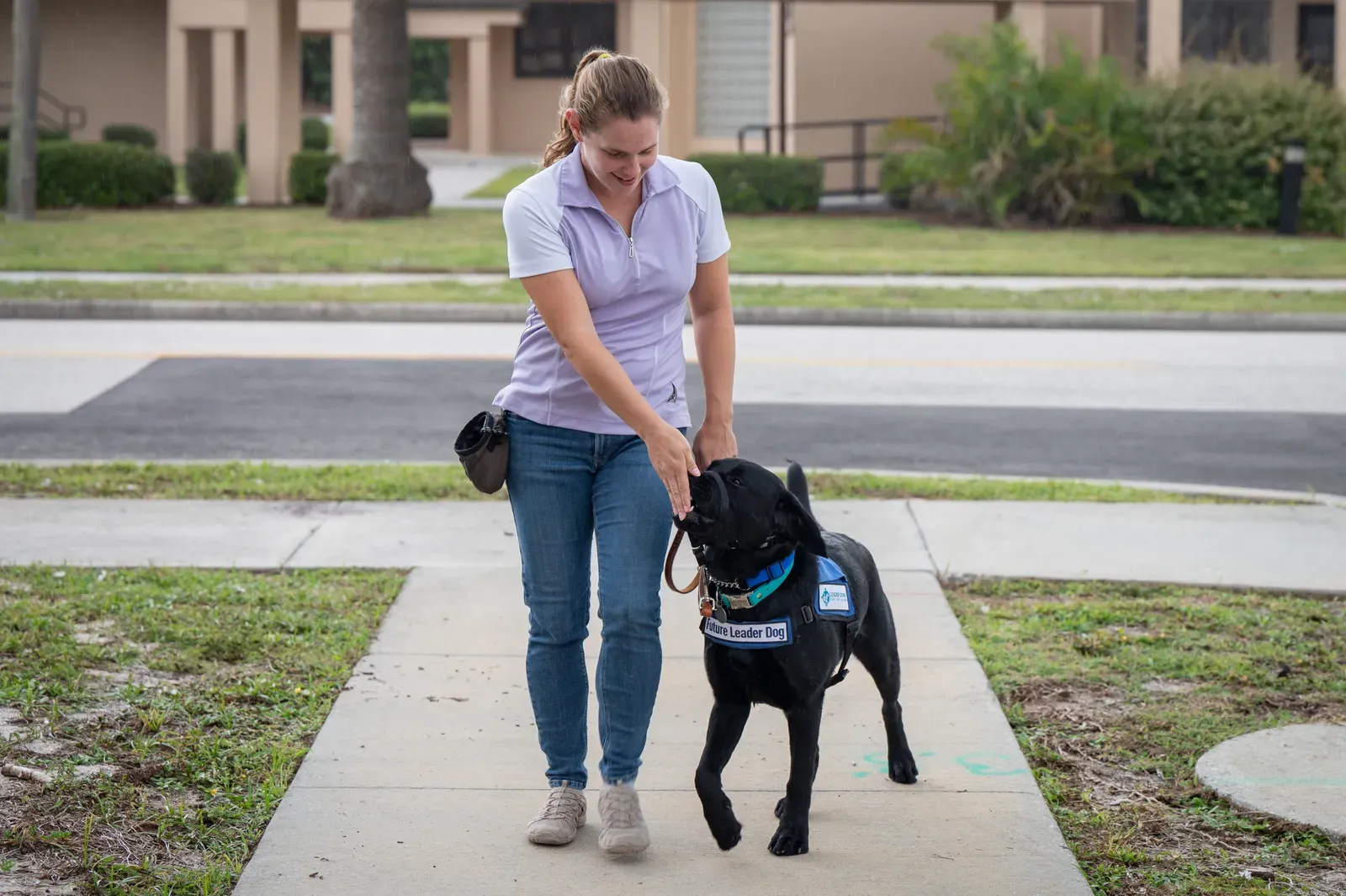
This is the one trainers won’t say out loud to just anyone, because it sounds like a contradiction: sometimes, they’re hoping to see a dog disobey them. Not chaos, not defiance – a small, polite refusal, the seed of a skill that can one day save a life.
A trainer might cue a step toward a low obstacle or a slick patch of floor, just to see what happens. A dog that plants its feet, glances at the hazard, then looks back at the human is saying something remarkable without a single bark: I heard you, but I think that’s a mistake. Not every dog shows this in week one, but the early hints matter – hesitation at a poorly chosen path, gentle resistance when something feels wrong underfoot. Truly elite guide dogs are never robots. They’re co-pilots. And ironically, the dogs that never question a single instruction are often the most dangerous ones of all.
Why It Stands Out
- It’s the only guide-dog skill built on a dog choosing to disagree with a human – safely.
- It can’t be forced through repetition; the early flicker either exists or it doesn’t.
- It separates a merely obedient dog from a genuine working partner.
- Trainers consistently treat it as the single most valuable trait a finished guide dog can carry.
The Bottom Line
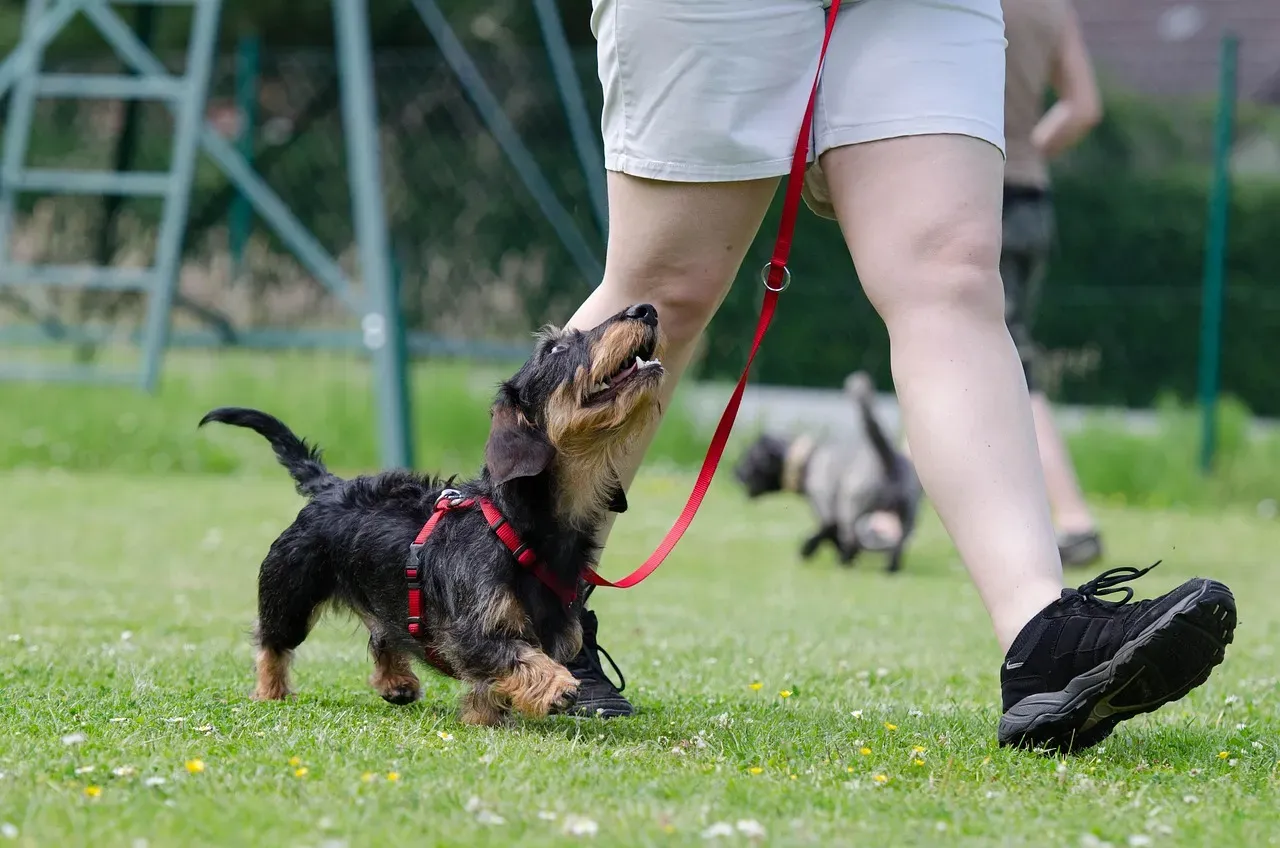
People picture guide dog assessment as a simple obedience exam – pass or fail, sit or don’t. It isn’t. That first week is closer to a personality MRI, and the question underneath every single test is the same one: will this dog think clearly through fear, frustration, boredom, and unfairness while tethered to a person who can’t see danger coming? That’s a brutal bar, and plenty of sweet, lovable dogs quietly wash out for reasons their owners would never guess.
Here’s my honest take: the best guide dogs are never the friendliest, fluffiest, or most obedient ones in the room. They’re the dogs who can ignore dropped food, forgive a handler’s clumsy mistake, read a shoulder shift like a sentence, and occasionally look a human dead in the eye and say no – because saying no might be the only thing standing between that person and a moving car. That’s not a standard pet culture usually respects. It’s one it barely notices at all.
If you lived with a future guide dog for just one week, which of these thirteen signs do you think you’d actually catch – and which one would slip right past you?