
You’ve lived with this dog through everything. You know his favorite spot on the couch, the way she tilts her head when you say “walk,” the exact pitch of that happy bark. So when things start shifting – the slower mornings, the skipped meals, the blank stares – you tell yourself it’s just age. He’s earned the rest. She’s winding down. And that story feels true, and loving, and kind.
But veterinarians keep seeing the same heartbreak in their exam rooms: owners who waited a year, sometimes two, accepting changes that were actually treatable. Pain that looked like laziness. Hearing loss that looked like stubbornness. Cognitive decline that looked like personality. What follows are 13 things senior dogs do that most owners misread entirely – and knowing the difference could give your dog years of comfort instead of quiet suffering.
#13 – Sleeping Through the Day Like It’s Their Job
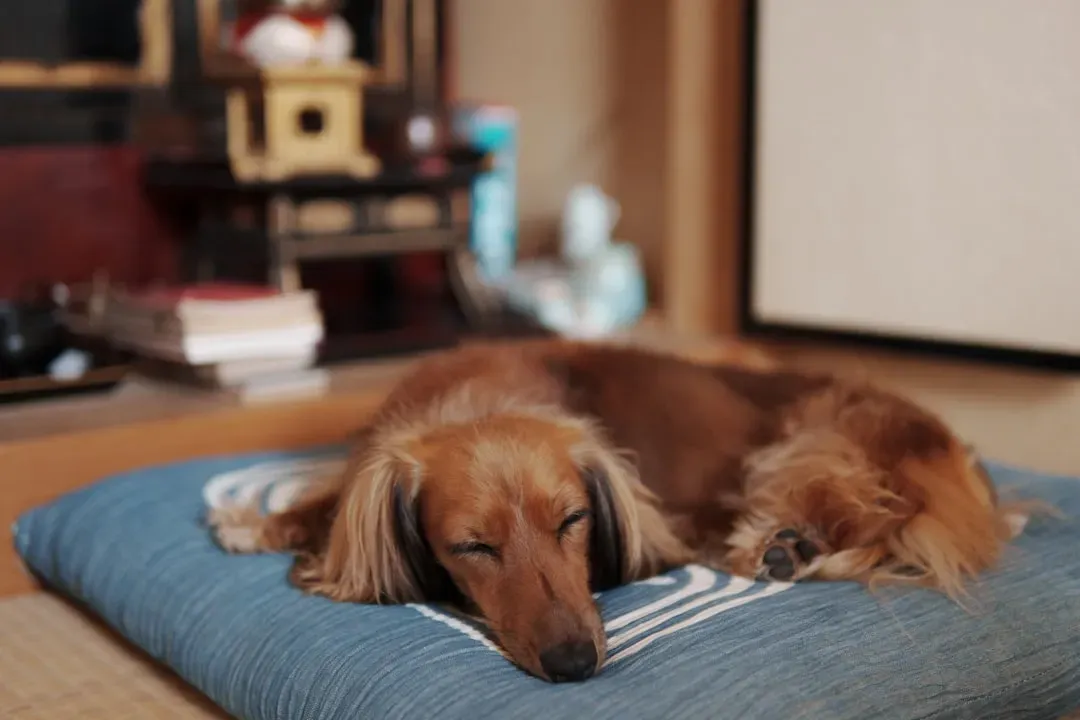
Most owners see a dog napping through the afternoon and feel a soft kind of peace about it. Slowing down, sure – but happily. The reality vets describe is far less gentle. Dogs with untreated arthritis sleep dramatically more because movement hurts and rest is the only escape. Cognitive dysfunction can completely flip a dog’s sleep-wake cycle, leaving them restless at night and knocked out during the day – a pattern that mirrors human dementia more closely than most people realize.
This is usually the first signal families dismiss, and the one they later wish they’d caught earliest. A dog who suddenly sleeps several hours more per day isn’t necessarily peaceful – he may be exhausted by chronic, unmanaged pain. A single vet visit to rule out joint disease or early cognitive changes can shift the entire trajectory. What looks like graceful aging is often something much more fixable than that.
Fast Facts
- 80% of dogs show signs of arthritis by age 8, making it one of the most common drivers of daytime exhaustion in seniors.
- Canine cognitive dysfunction (CCD) affects an estimated 8% of dogs aged 8–11, rising to 45% by ages 13–15.
- CCD’s sleep-wake reversal closely mirrors human Alzheimer’s disease at the neurological level.
- Most dogs with arthritis never limp – increased sleep and reduced movement are often the only visible signs.
- A single vet visit with bloodwork can rule out the most common treatable causes in under an hour.
#12 – Skipping Favorite Walks or Refusing to Play

When a dog who used to sprint for the ball starts trotting a few steps and stopping, owners reach for the easiest explanation: she’s just slowing down. But dogs don’t decide to stop loving the things they love. They adapt around pain. Hip dysplasia, spinal compression, and knee problems all make movement feel punishing in ways a dog cannot explain – so they conserve energy instead, and we call it laziness.
The part that consistently stuns owners is how fast enthusiasm returns after pain management begins. Dogs who hadn’t chased a toy in months suddenly light up within days of proper treatment. That shift isn’t a miracle – it’s what the dog always wanted to do. The reluctance was never a personality change. It was a silent ask for help that got answered too late, or in the best cases, just in time.
#11 – Hesitating Before Stairs or the Couch
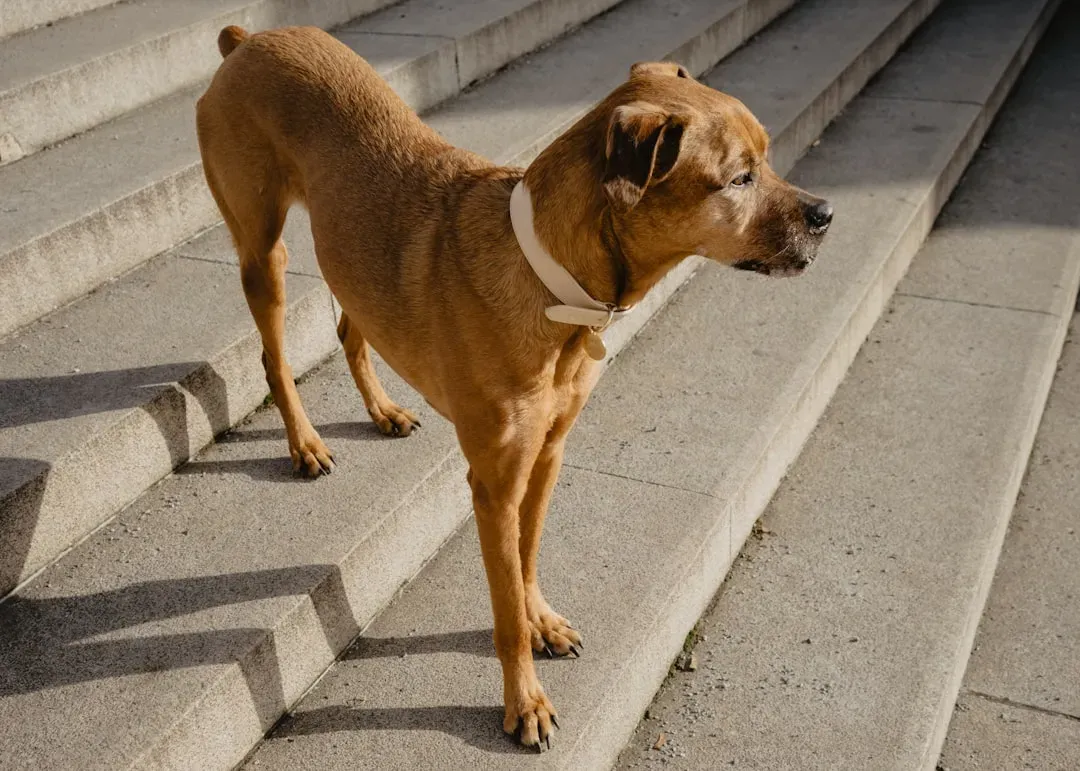
It looks like caution. A brief pause at the bottom of the stairs, a moment of calculation before jumping onto the bed. Owners often find it endearing – the old man taking his time. But that pause is frequently the body doing rapid pain math. Stiffness after rest is a textbook early sign of arthritis, and the hesitation you’re watching is a dog deciding whether the jump is worth the cost.
Families wait months – sometimes over a year – before mentioning this at a checkup, assuming it’s simply what getting older looks like. Vets consistently report that early intervention with anti-inflammatories, joint supplements, or physical therapy changes the picture completely. Some dogs regain near-full mobility. The hesitation doesn’t have to become a permanent state. It’s a window, and the window doesn’t stay open forever.
#10 – Having Accidents Indoors Again
Few things sting quite like your reliably housetrained dog leaving a puddle on the kitchen floor and then looking up at you with what reads like guilt. Owners often feel frustrated, then guilty about the frustration. But this is almost never behavioral regression or spite. Weakened bladder muscles, urinary tract infections, hormonal incontinence, and cognitive confusion that scrambles a dog’s bathroom routine are all common culprits – and most of them are diagnosable and treatable.
Canine cognitive dysfunction in particular can make a dog forget years of established habits. They don’t remember why they’re outside, so they come back in and go on the floor, completely confused by their own behavior. Scolding makes nothing better and likely makes the dog’s anxiety worse. What actually helps is a vet visit, some diagnostics, and in many cases a treatment plan that gives both the dog and the owner their dignity back.
#9 – Picking at Food or Turning Away From Meals
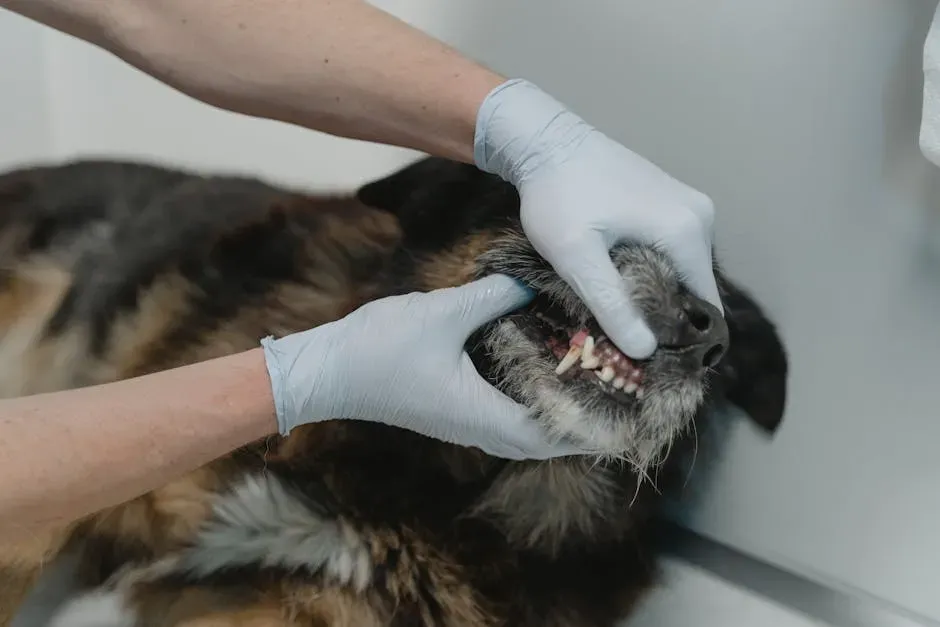
A senior dog who starts eating half a bowl and walking away gets labeled picky almost immediately. Owners rotate through new foods, add toppers, try warming the kibble. Occasionally that helps. More often, it delays the real conversation – because dental pain is one of the most underdiagnosed sources of misery in senior dogs, and eating becomes something they actively dread. Kidney disease, nausea from organ changes, and even vision trouble that makes locating the bowl difficult can all wear the mask of a fussy eater.
The frustrating part is that owners spend weeks or months trying food solutions when a single dental exam or bloodwork panel would cut straight to the answer. A dog who loved food and now pushes it around is communicating something real. Taking it seriously doesn’t mean panicking – it means not letting “he’s just getting older” stand in for an actual answer.
Worth Knowing
- Studies show 80–90% of dogs over age 3 have some component of periodontal disease, according to Cornell University College of Veterinary Medicine.
- Dogs aged 12 and older face nearly 4 times the risk of dental disease compared to younger dogs.
- Most dogs show no obvious outward signs of dental pain – reduced appetite is often the only signal owners notice.
- Dental disease in dogs is linked to heart valve problems, kidney dysfunction, and chronic systemic inflammation.
- A professional dental cleaning can be recommended even for older dogs – vets routinely perform pre-anesthetic screening to assess the risk.
#8 – Staring at Walls or Getting Lost in Familiar Rooms

The first time you see it, you might laugh a little – your dog standing in the corner, facing the wall, completely still. The second time, you feel something shift in your chest. Canine cognitive dysfunction, the dog equivalent of Alzheimer’s, produces exactly this kind of spatial disorientation. Dogs get stuck in corners, forget which direction leads to the kitchen, fail to recognize the back door they’ve used ten thousand times. It’s gradual enough that owners normalize it for months before realizing how far it’s progressed.
Early detection matters because interventions – dietary changes, specific medications, enrichment protocols – can slow the progression meaningfully. The window for maximum impact is early, before the disorientation becomes severe. What looks like a quirky senior moment is your dog’s brain sending up a flare. The owners who take it seriously early are the ones who get more good years on the other side of treatment.
At a Glance: Canine Cognitive Dysfunction by Age
- Ages 8–11: ~8% of dogs affected
- Ages 11–13: ~19% of dogs affected
- Ages 13–15: ~45% of dogs affected
- Ages 15–17: ~67% of dogs affected
- Each additional year of age increases the odds of CCD by an estimated 52%, according to the Dog Aging Project.
- Despite this, only a small fraction of affected dogs ever receive a formal diagnosis – most owners attribute the signs to “just getting old.”
#7 – Snapping or Growling at People They Love
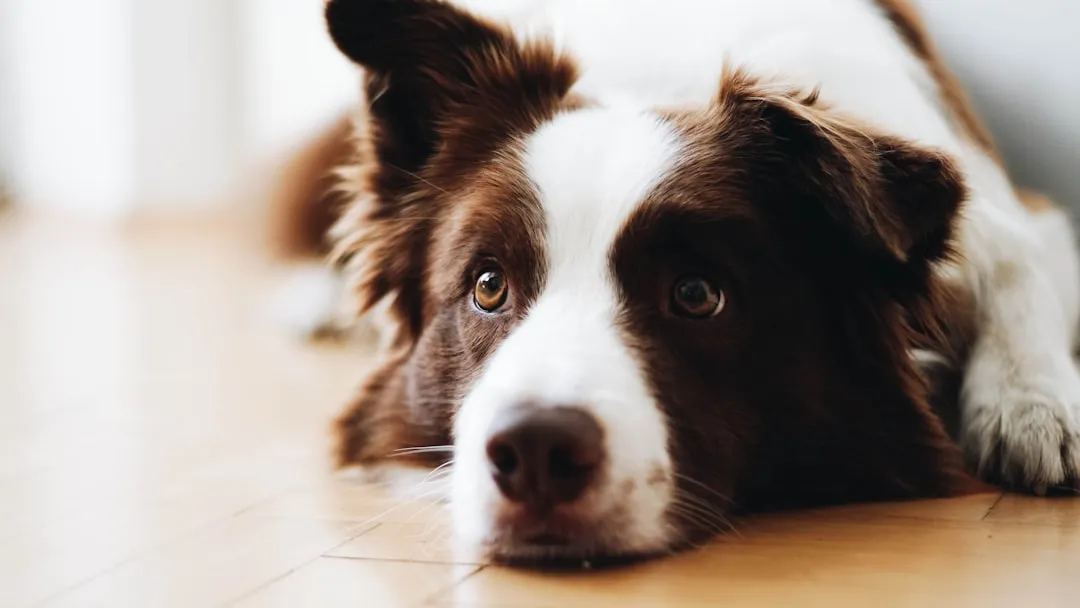
This one breaks hearts and strains relationships. A dog who was gentle for twelve years suddenly snapping at a grandchild or growling when you reach for his collar gets labeled dangerous, unpredictable, “not the same dog anymore.” Pain is the explanation in the overwhelming majority of these cases. Touch a sore hip without warning, startle a dog with deteriorating hearing, and the growl is pure reflex – a body defending itself from something that hurts.
The tragedy is that some of these dogs get rehomed or euthanized for aggression that was actually undertreated arthritis. Proper pain management routinely restores the gentle temperament that owners thought was gone forever. The dog didn’t change – the pain changed the dog. Treating the source doesn’t just improve behavior; it gives families back the animal they thought they’d already lost.
Dogs do not bite out of nowhere. There is always a reason. Our job is to find it.
Dr. Sophia Yin, veterinary behaviorist
#6 – Pacing or Restless Wandering at Night

By the third night of broken sleep, owners are exhausted and confused. The dog wanders the hallway, circles the living room, pants without obvious reason, and cannot seem to settle. This gets chalked up to restlessness or, worse, attention-seeking. But nighttime pacing in senior dogs is one of the clearest red flags for either pain that intensifies when lying still or cognitive dysfunction that has scrambled the internal clock entirely – what vets sometimes call canine “sundowning.”
Pain from arthritis frequently worsens at rest because joints stiffen without movement. A dog pacing at 2 a.m. may be trying to outrun the ache. Cognitive cases often involve disorientation that peaks after dark, producing anxiety the dog cannot process or communicate. Both are diagnosable. Both have management options. Neither one should be quietly tolerated for months while everyone in the house loses sleep and the dog suffers through nights that could be made better.
#5 – Ignoring Calls or Commands They Once Obeyed Instantly
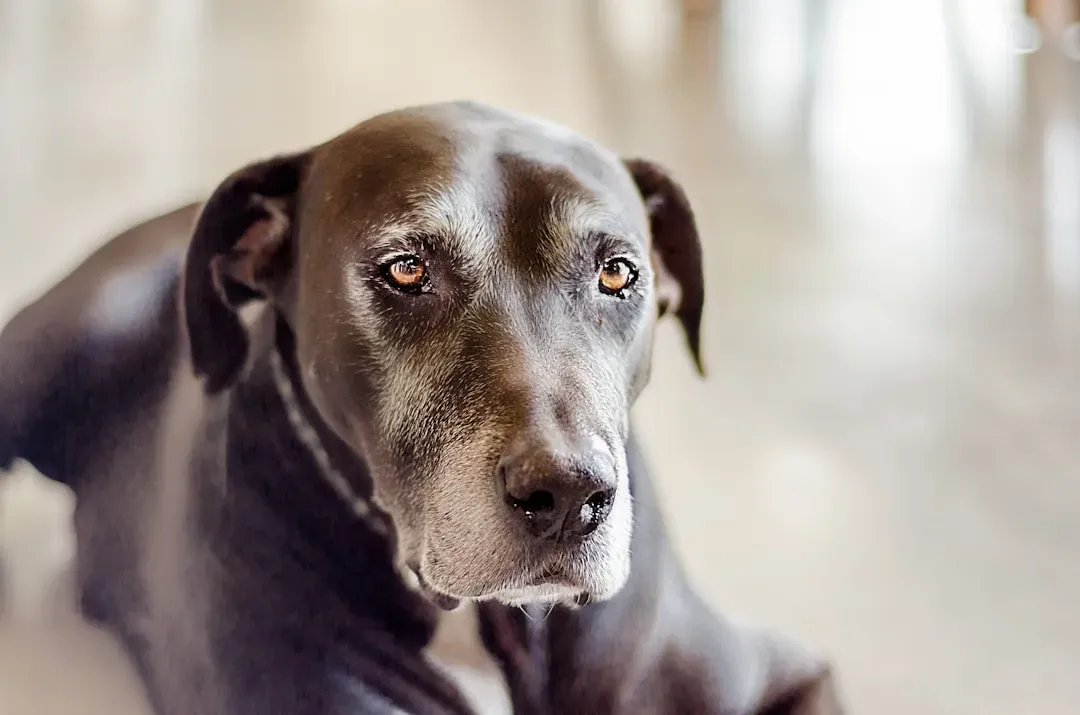
“She knows her name. She’s just ignoring me.” It’s one of the most common things owners say – and one of the most common misreads. Progressive hearing loss in senior dogs is extraordinarily common and happens gradually enough that neither the dog nor the owner realizes how much has been lost. A dog who doesn’t come when called may not be stubborn. She may simply not have heard you.
The fix is often far simpler than owners expect. Many dogs with significant hearing loss respond beautifully to hand signals, stomped vibrations on the floor, or a flashlight cue. Retraining takes days, not months, once the real problem is identified. Spending weeks on obedience drills to correct deafness is one of the more quietly exhausting mistakes senior dog owners make – and it dissolves completely the moment someone thinks to check the hearing first.
Quick Compare: Stubbornness vs. Hearing Loss
- Stubbornness: Dog looks at you, makes eye contact, then ignores the command
- Hearing loss: Dog doesn’t turn around, doesn’t react until you enter their visual field
- Stubbornness: Responds selectively – comes for treats, ignores recall
- Hearing loss: Misses commands consistently, especially from behind or at a distance
- Key fact: Age-related hearing loss (presbycusis) typically begins around ages 8–10 and affects roughly 80% of dogs by age 15
- The fix: Hand signals, floor vibrations, and visual cues – dogs adapt quickly once the real issue is identified
#4 – Bumping Into Furniture or Missing Toys Right in Front of Them

A dog who clips the coffee table or sniffs past a treat sitting clearly on the floor gets called clumsy, distracted, goofy. Cataracts are visible to the naked eye once they’re advanced, but the vision loss that precedes that stage is invisible from the outside. Dogs adapt to declining eyesight with impressive speed – staying close to walls, moving more slowly, memorizing routes through familiar rooms – which means the problem can be quite advanced before anyone realizes something is actually wrong.
Dim light is usually when the cracks show first. A dog who navigates the house fine during the day and suddenly freezes or stumbles at dusk is showing you exactly where the loss has reached. Early veterinary eye exams catch conditions like early cataracts, glaucoma, and retinal degeneration when intervention is still possible. Waiting until the dog is fully blind to ask questions means missing the window when the most help was available.
#3 – Stopping Self-Grooming and Looking Unkempt
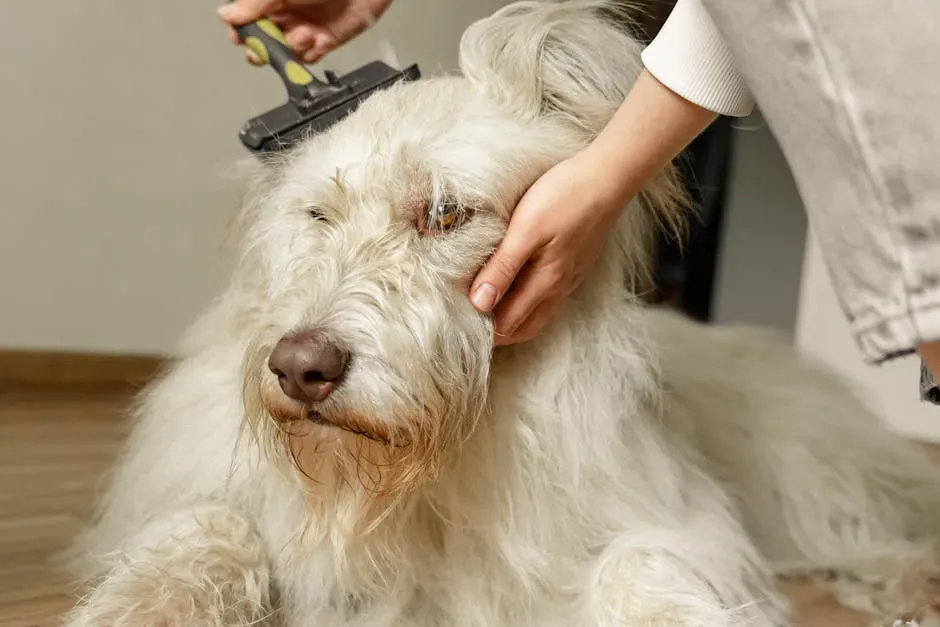
A matted coat or dull, tangled fur on a dog who used to keep herself tidy gets dismissed as a senior dog simply caring less. In reality, flexibility is the first casualty of arthritis – and twisting to reach the base of the tail or licking the back legs requires exactly the kind of movement that hurts most. Dogs don’t stop grooming because they’ve given up. They stop because they physically can’t get there anymore without pain.
Reduced grooming can also signal depression secondary to chronic discomfort, or cognitive decline that disrupts normal behavioral routines. Matted fur left unaddressed pulls at the skin, traps moisture, and creates painful skin conditions that compound the original problem. Regular brushing becomes more than cosmetic at this stage – it’s a way to catch what the dog can no longer manage, and to notice changes in skin, weight, and muscle condition that deserve attention.
#2 – Gaining or Losing Weight Without Any Diet Change
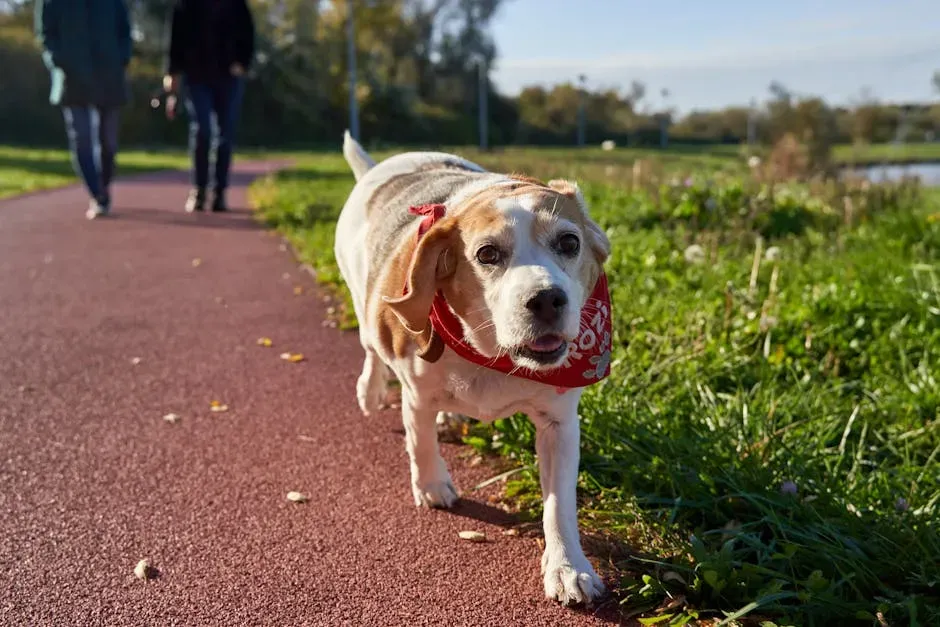
The bowl gets filled the same amount. The treats haven’t changed. And yet the dog is visibly heavier, or noticeably thinner, than she was six months ago. Owners find this mysterious when the explanation is usually sitting right at the intersection of reduced activity and metabolic change. Pain reduces movement; less movement means fewer calories burned; weight creeps up, which adds pressure to already sore joints, which reduces movement further. It’s a cycle that tightens quickly.
Weight loss carries its own alarm. Muscle wasting from inactivity, poor nutrient absorption from kidney or digestive disease, and reduced appetite from dental pain or nausea can all strip weight in ways that aren’t obvious on a daily basis but become stark over months. Vets are consistent on this: unexplained weight change in a senior dog is not something to monitor at home and accept. It’s a reason to run bloodwork and have the honest conversation about what’s actually happening inside.
Why It Stands Out: The Weight-Pain Cycle in Senior Dogs
- Extra body weight increases joint load on every step – a direct accelerant of arthritis progression.
- Dogs with arthritis are more likely to gain weight from inactivity, which in turn worsens joint pain, creating a self-reinforcing cycle.
- Unexplained weight loss in seniors can signal kidney disease, digestive dysfunction, dental pain, or undetected cancer.
- Senior dogs should be weighed at every vet visit – small changes that feel gradual at home show up clearly on a scale over time.
- A tailored senior diet and gentle, low-impact exercise (like short leash walks or swimming) can break the cycle without stressing damaged joints.
#1 – Pulling Away From Petting or Leaving the Room When You Sit Down
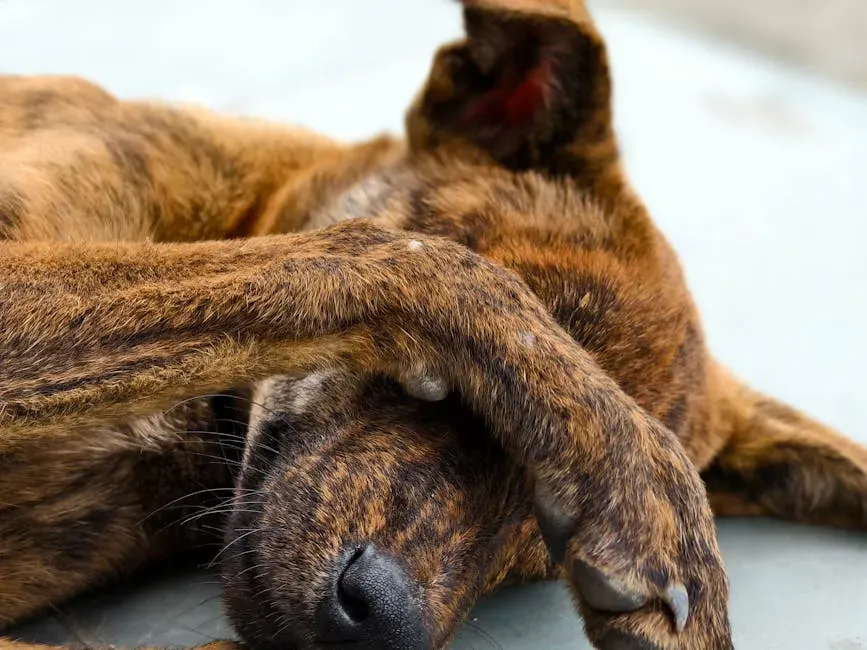
This is the one that hits hardest, and it’s the one owners are most likely to personalize. The dog who used to press against your leg and sigh now stands just out of reach. The dog who slept against you moves to the other side of the room. It reads like rejection, like emotional distance, like the relationship shifting in ways you can’t explain. But touch hurts. Arthritis, skin hypersensitivity, generalized malaise from illness – all of it makes the hands that once felt like comfort feel like pressure and pain instead.
The owners who figure this out and get proper pain management in place describe watching their dog “come back” – pressing close again, seeking them out, leaning in the way they used to. That reunion is not a small thing. It is the whole point of catching this early. A dog withdrawing from the people she loves is not choosing distance. She’s trying to protect herself from something that hurts, in the only language she has. Learning to read that language is the last and most important thing we can do for them.
The Truth Most Owners Deserve to Hear
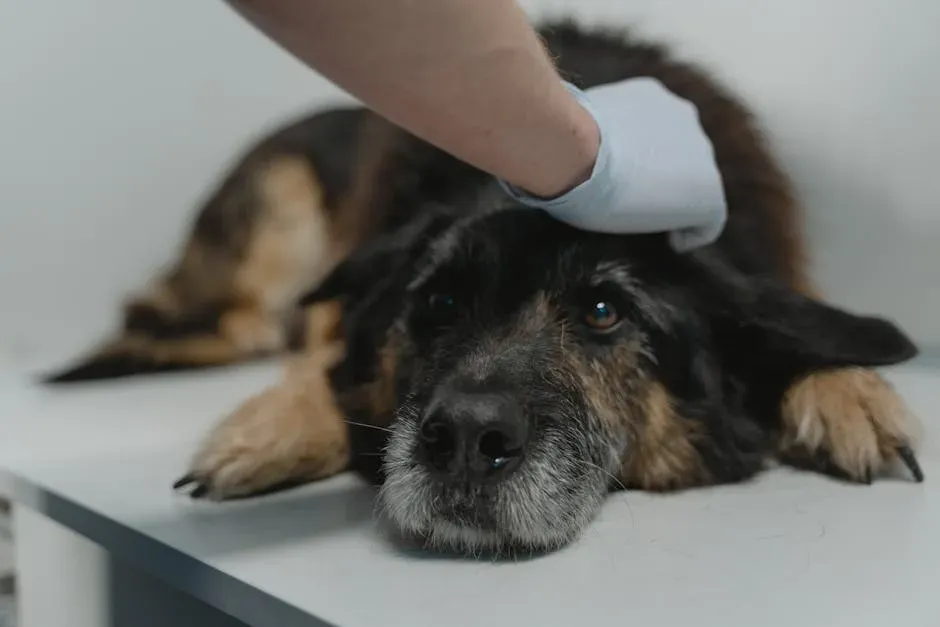
Here’s the opinion worth stating plainly: we have collectively decided that watching our dogs fade is noble, and that intervening too much is somehow selfish or in denial. That belief costs dogs years of comfort. The behaviors on this list are not the natural poetry of aging – they are signals, most of them tied to conditions that respond to treatment. Pain management, cognitive support, sensory accommodations, dental care, weight management: none of these are heroic measures. They are basic quality-of-life repairs that a dog cannot ask for and a vet cannot offer if no one makes the appointment.
Senior dogs deserve the same urgency we bring to puppies with problems. The fact that they’ve been with us longer, that we know their faces and their habits, should make us more attuned – not more resigned. If your dog is showing even two or three things on this list, that’s not a coincidence and it’s not just age. It’s your dog, still trying to tell you something. The question is whether we’re willing to listen before the window closes.


