
14 Cues a Rescue Dog Has Stopped Waiting for Somebody to Take It Back
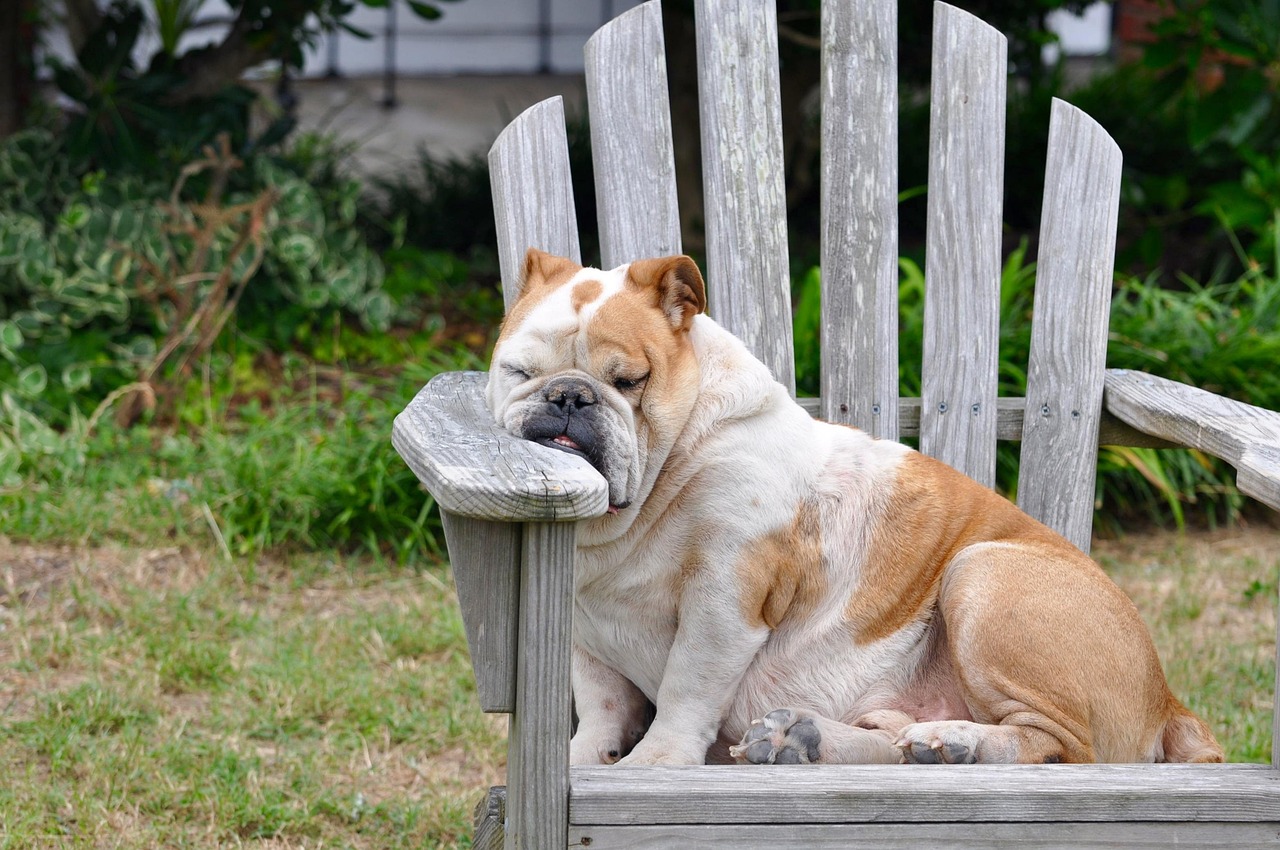
Most people assume a rescue dog knows it’s safe the second the shelter door closes behind it. It doesn’t. Many dogs spend weeks, sometimes months, quietly bracing for the moment someone shows up, clips on a leash, and takes them back to wherever they came from.
Their tail wags. They kiss your face. They curl up on the rug like everything’s fine. All of that can still be survival mode wearing a happy mask. But there’s a real turning point – subtle, easy to miss – when a rescue dog finally stops waiting to be returned and starts acting like your home is theirs. Here are the 14 cues trainers, behaviorists, and thousands of adopters say show up right before that shift.
#1 – They Finally Sleep Like They Own the Place
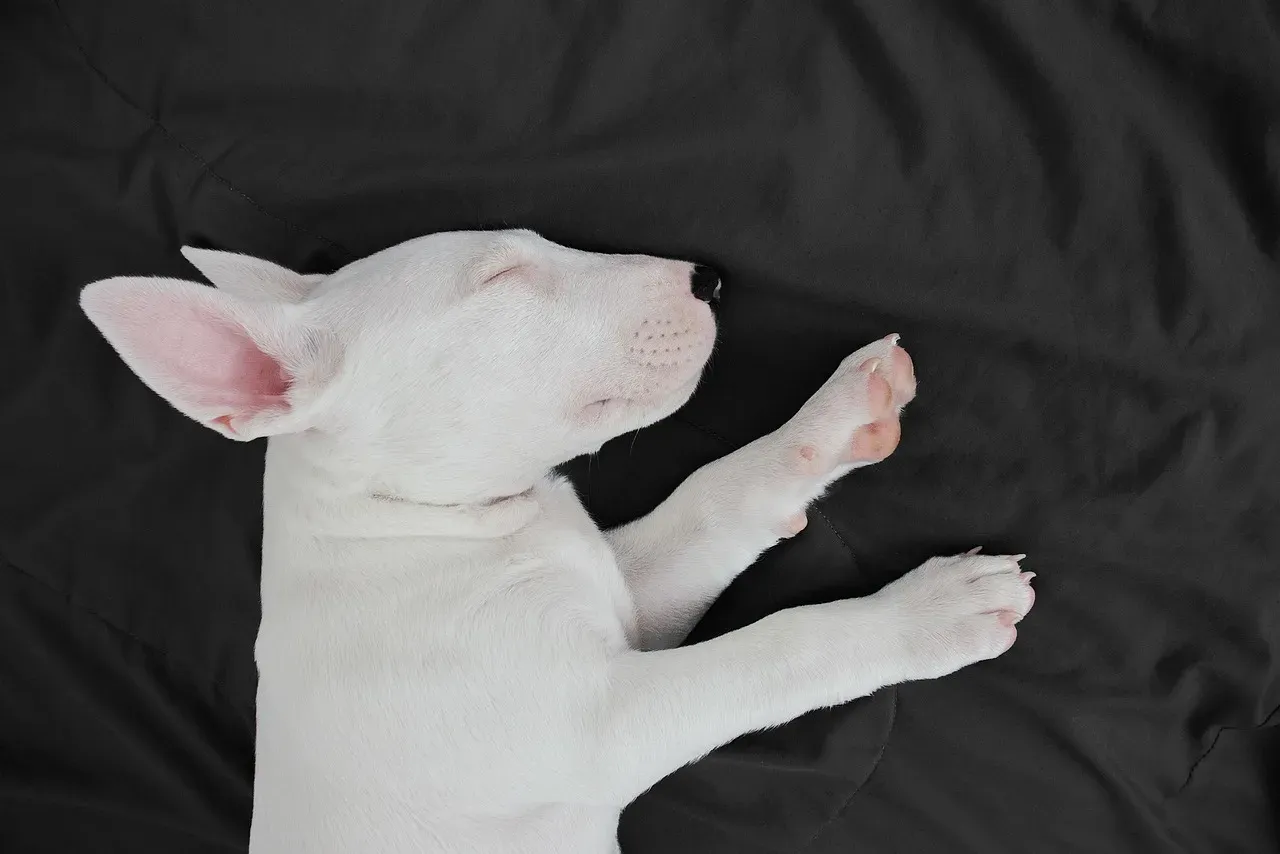
The first real cue isn’t about play or affection. It’s sleep. In the early weeks, many rescue dogs nap with one eye practically half-open, jolting awake at the smallest sound. They pick corners, doorways, or spots under tables where they can bolt if they need to – not because it’s cute, but because it’s hypervigilance. The brain is whispering, don’t get comfortable, this might not last.
Then one day, something quietly shifts. They sprawl across the couch, flop onto their back with legs in the air, or curl into a tight donut in the middle of an open room. True deep sleep – twitching paws, dreamy grumbles, zero concern about the door – means their nervous system finally believes you’re not a temporary stop. Many experienced rescuers say that first upside-down sleep means more than the first tail wag ever did.
#2 – They Stop Flinching at “Human” Sounds
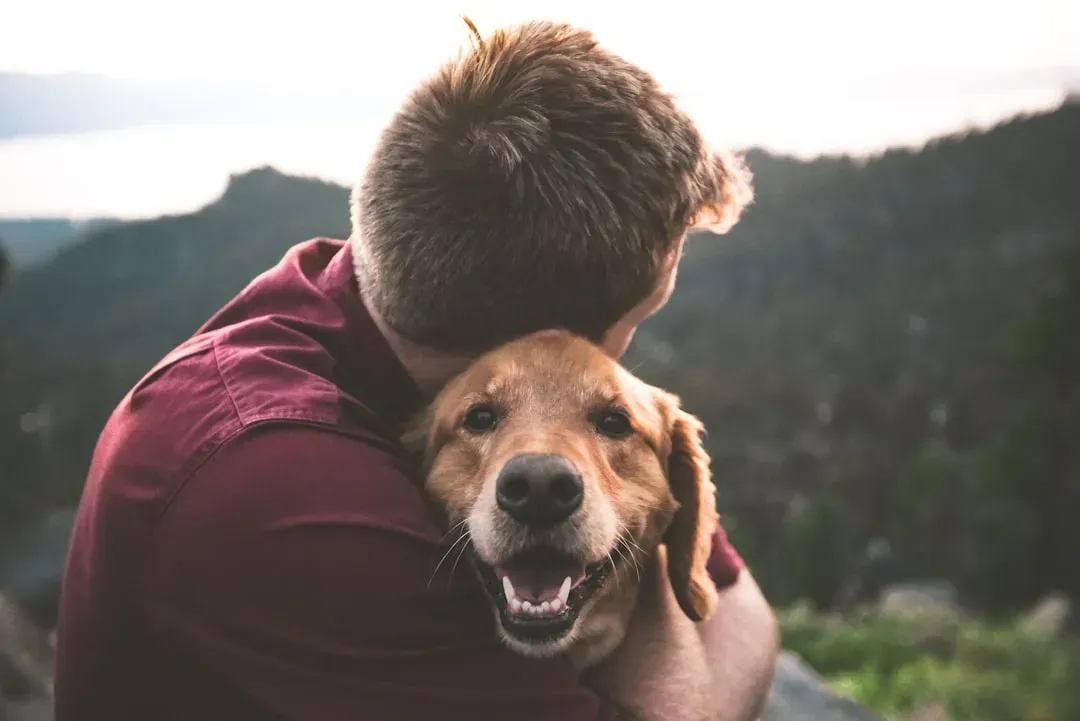
At the beginning, ordinary household noise can make a rescue dog jump out of their skin. Keys hitting the counter, a cabinet closing, a chair sliding across the floor – these can trigger an almost invisible flinch or full-body freeze, especially in dogs with a history of yelling or chaos. Most people never notice how often it’s happening. The dog hears footsteps in the hall and braces, just in case.
When they stop waiting for impact, their whole body language softens. You drop your phone, laugh loudly, or shuffle a heavy box – and instead of bolting, they just lift their head and blink, or don’t react at all. The absence of the flinch is one of the clearest signs your dog has updated their “humans equal danger” file to “humans equal background noise.” You only really see the truth in how a dog handles surprise.
Fast Facts
- Common triggers early on: jingling keys, slamming cabinets, dropped phones, raised voices
- Typical first reaction: full-body freeze, tucked tail, wide eyes
- Recovery sign: a soft blink or head-lift instead of a flinch
- Timeline varies widely – some dogs relax in weeks, others take months
#3 – They Choose You Over the Door
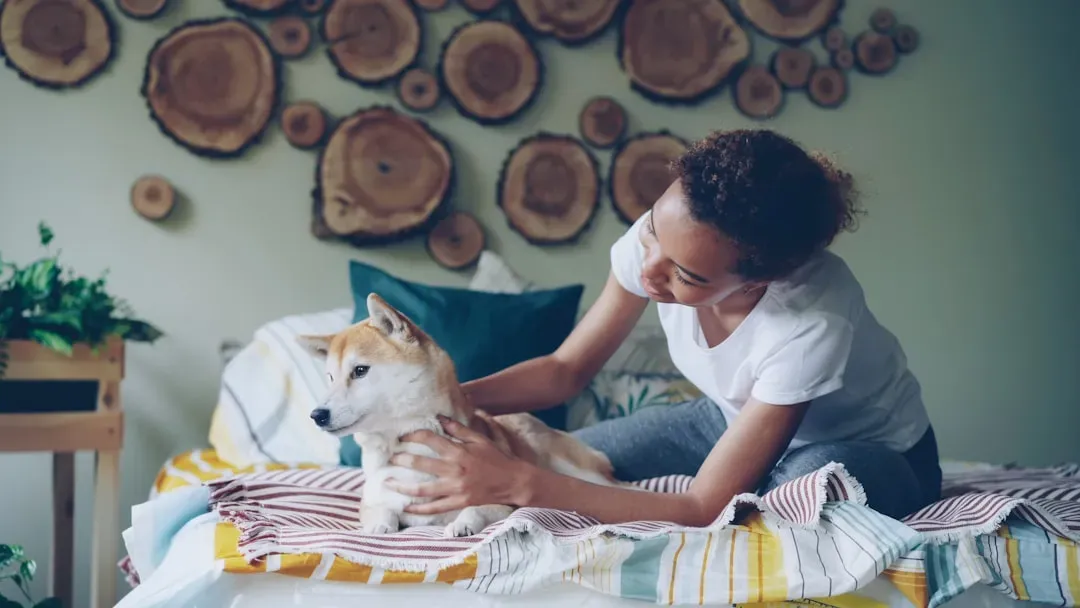
In the adjustment phase, watch what your dog does when a door opens. Many rescues lock onto exits instantly – front door, car door, even the gate. It’s rarely dramatic escape-artist behavior. It’s that doors predict change, and change is how they lost stability before. They hover near thresholds and stand ready to bolt into the unknown if this place disappears too.
The turning point is quiet but massive. One day you open the door and instead of bee-lining toward it, they glance at it, then look back at you. Maybe they stay on the couch. Maybe they trot over, calmly, with a loose body instead of frantic energy. When a dog chooses connection with their person over the possibility of “out,” it’s a quiet declaration: this, right here, is home. Recall training matters, but what really counts is that default choice happening in their brain.
#4 – Their Play Gets Goofy, Not Just Polite
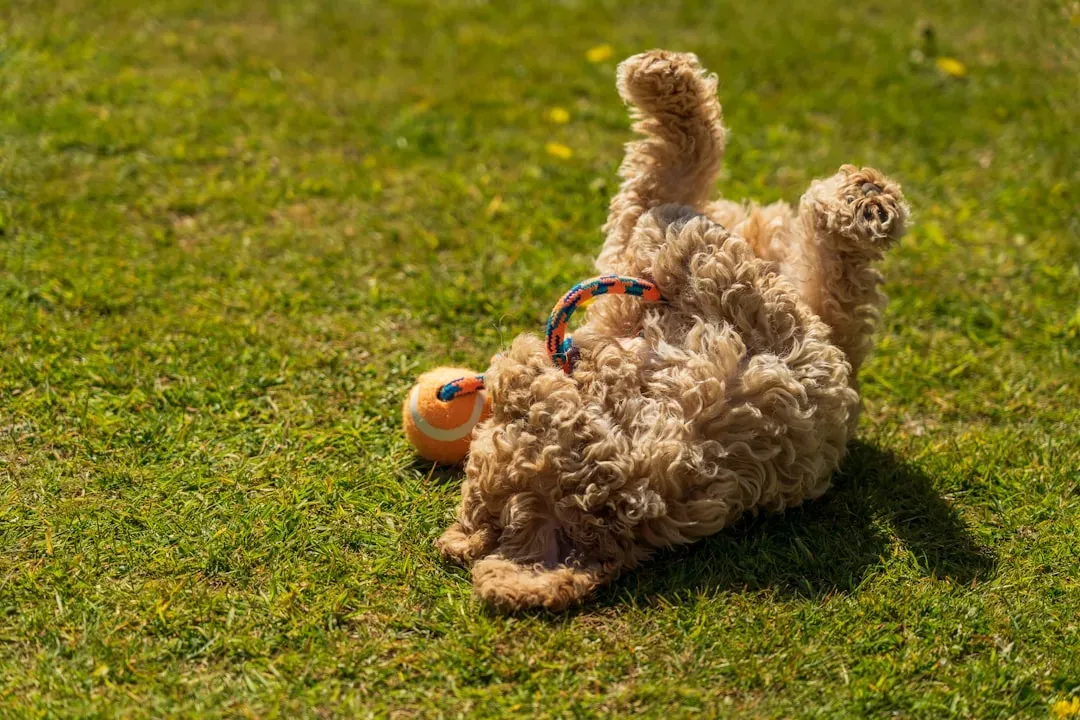
New adopters love to brag that their rescue “played immediately,” but context matters. Early play is often cautious and almost formal – a quick bow, a half-hearted chase, then back to watchful mode. Some dogs offer toys obsessively, not out of joy, but out of appeasement: if I’m fun and useful, maybe you’ll keep me. It’s a survival tactic, not real silliness.
Real emotional safety shows up in ugly, unfiltered goofiness. Suddenly the same dog is zooming around the house with a slipper, snorting on their back, or inventing bizarre little games with couch cushions. The more ridiculous they’re willing to look in front of you, the more convinced they are that your opinion is no longer life-or-death. If your dog’s play has gotten messier and weirder over time, they’re not just entertained – they’re invested.
#5 – They Start Saying “No” (And Mean It)
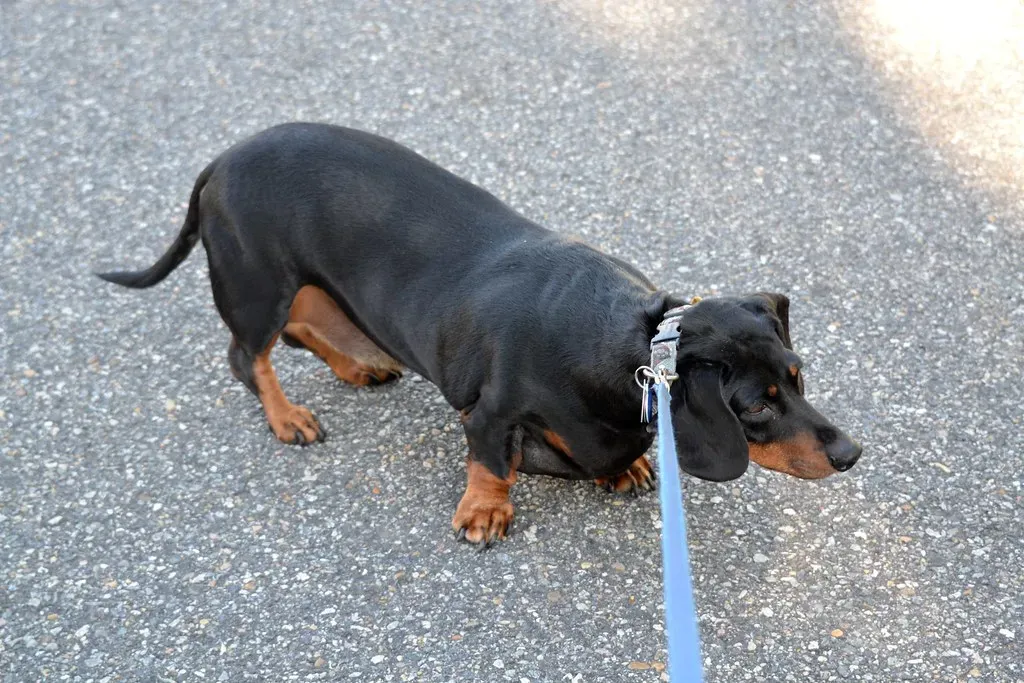
People romanticize the endlessly compliant rescue dog – never barks, never argues, never pushes back. Behavior experts are blunter: a dog that never says no is often a dog still stuck in shut-down mode. Many rescues tolerate uncomfortable handling or overexcited kids not because they’re perfectly well-behaved, but because they’re terrified of consequences.
The awkward but healthy shift comes when they realize this isn’t disposable. They walk away from unwanted petting, choose a different room, or give a small growl when cornered. Boundary-setting from a previously shut-down dog isn’t ungrateful – it’s emotional ownership over their own life. They’ve stopped auditioning for “perfect dog someone might keep” and started acting like a family member whose preferences matter.
#6 – They Build a Routine With You, Not Around You
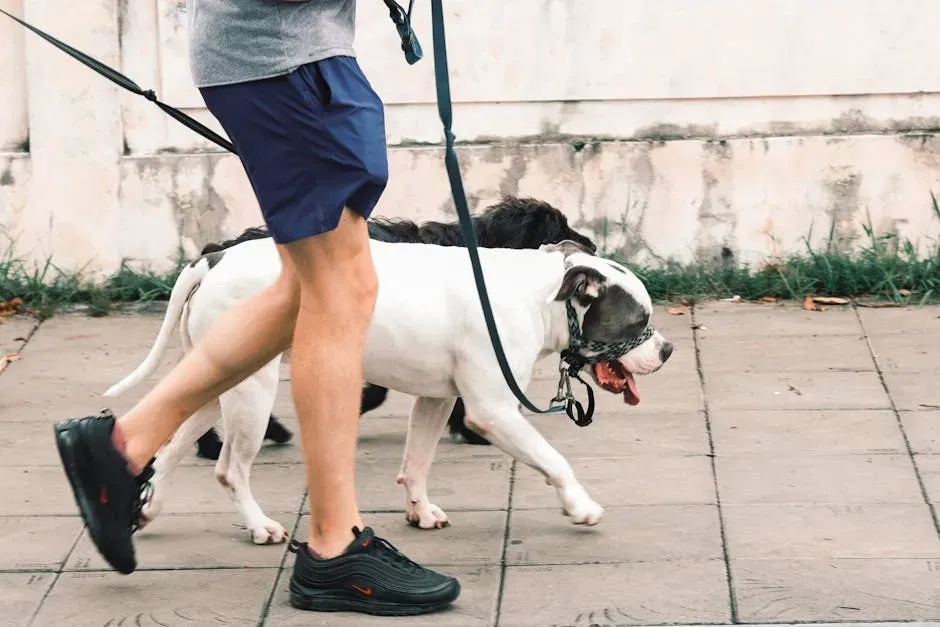
At first, your dog’s schedule is survival-based, not relationship-based. They pace, sleep lightly, eat quickly, and shadow you inconsistently. Their inner clock is still stuck on shelter time, street time, or neglect time – meals, walks, and rest don’t feel predictable yet, even when you’re perfectly consistent.
Over time, a different pattern emerges. They wake when you do, wait calmly at meal times instead of panicking, and anticipate the evening walk. That shared rhythm – where your dog’s day orbits your routines instead of chaotic anxiety – is a profound sign they see this as a long-term contract. Dogs don’t build stable rituals in places they believe are temporary.
Quick Compare
- Survival Schedule: irregular naps, rushed meals, inconsistent shadowing
- Bonded Schedule: wakes with you, waits calmly for meals, anticipates walks
- Survival Schedule: pacing between rooms with no settled base
- Bonded Schedule: a predictable rest spot tied to your movements
#7 – Their Eating Habits Calm Down (Or Wake Up)
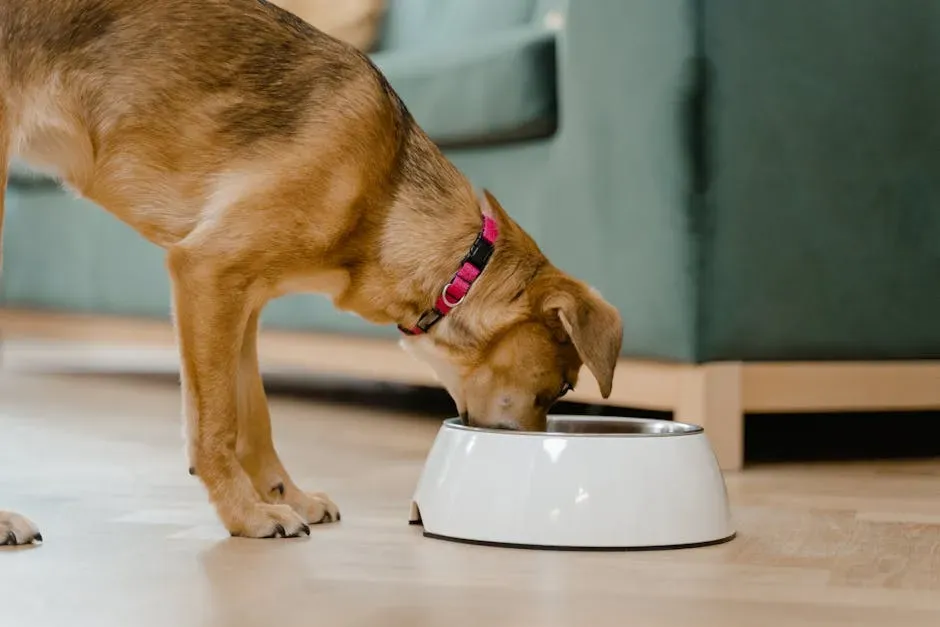
Feeding time tells the truth. New rescues often live at extremes: either scarfing food so fast they choke, or ignoring the bowl entirely. The chow hounds aren’t just hungry – they’re conditioned by scarcity, convinced the food might vanish forever. The picky ones are often too stressed to eat, because digestion is a luxury their nervous system can’t afford mid-threat-assessment.
The real magic is when meals get boring, in the best way. They chew at a normal pace, walk away mid-bowl and return later, or show curiosity about treats instead of desperation or shutdown. A stable appetite that follows a predictable pattern is a physiological sign that their body finally trusts the environment. Shelter volunteers often say: watch the food, it tells you when they’ve really arrived.
#8 – They Claim a Favorite Spot That Isn’t a Hiding Place
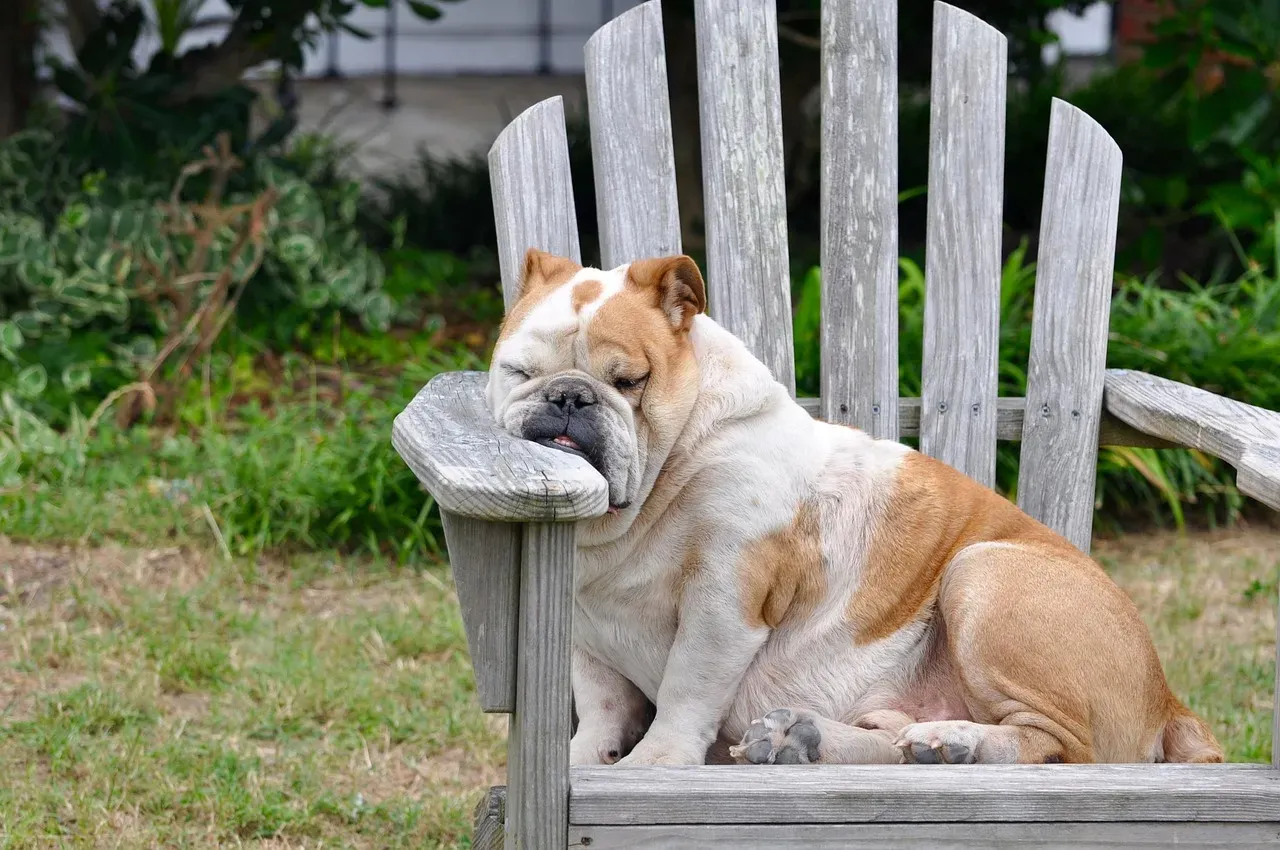
In the beginning, many rescues choose spaces that scream escape plan – under beds, behind furniture, wedged against doors. Those locations give them a barrier and a clear view of movement, a classic prey-animal tactic in a world that’s felt hostile. That’s not a favorite place. That’s a panic room.
Then one day, they pick something completely different: a sun patch by the window, the middle sofa cushion, a bed facing away from the entrance. They return to it repeatedly and fully relax. A true favorite spot isn’t about defense – it’s about comfort and ownership. When your rescue moves from hiding zones to chill zones, they’re not just surviving your home anymore. They’re claiming it.
#9 – Their Greeting Becomes Less Desperate, More Confident

Those over-the-top reunions – the explosive jumping, whining, almost-tackling greetings – are cute, until you realize a chunk of that is panic relief, not just love. Early on, many rescues genuinely don’t know if you’re coming back, so every return feels like beating impossible odds.
Over time, a calmer pattern appears: a wagging tail, a toy presented, a happy trot instead of a full meltdown. They might even keep snoozing, lift their head, and wander over. Calmer greetings signal a dog who now believes you leaving is normal and you returning is expected, not a miracle. It doesn’t mean they love you less. It means they finally trust you enough not to panic every time you touch the doorknob.
At a Glance
- Panic greeting: frantic jumping, whining, almost-tackling hellos
- Confident greeting: wagging tail, relaxed trot, maybe a toy offered
- Panic greeting: treats every return like a miracle
- Confident greeting: treats your leaving and coming back as routine
#10 – They Show You Their Stress Instead of Hiding It

Here’s the uncomfortable truth: a rescue that never appears stressed is often a dog still masking for survival. Early on, they shut down when overwhelmed – no barking, no growling, just a blank, “easy” dog who has decided communication doesn’t change outcomes, so why bother.
When they finally believe this home is safe, they start bringing you their worries – barking at odd noises, leaning on you during a storm, pacing when construction starts outside. It can feel like things are “getting worse,” but really, it’s a dog saying, “I trust you enough to tell you when I’m scared instead of shutting down.” They’re not auditioning anymore. They’re participating.
#11 – They Start Guarding the Home in a Healthy Way
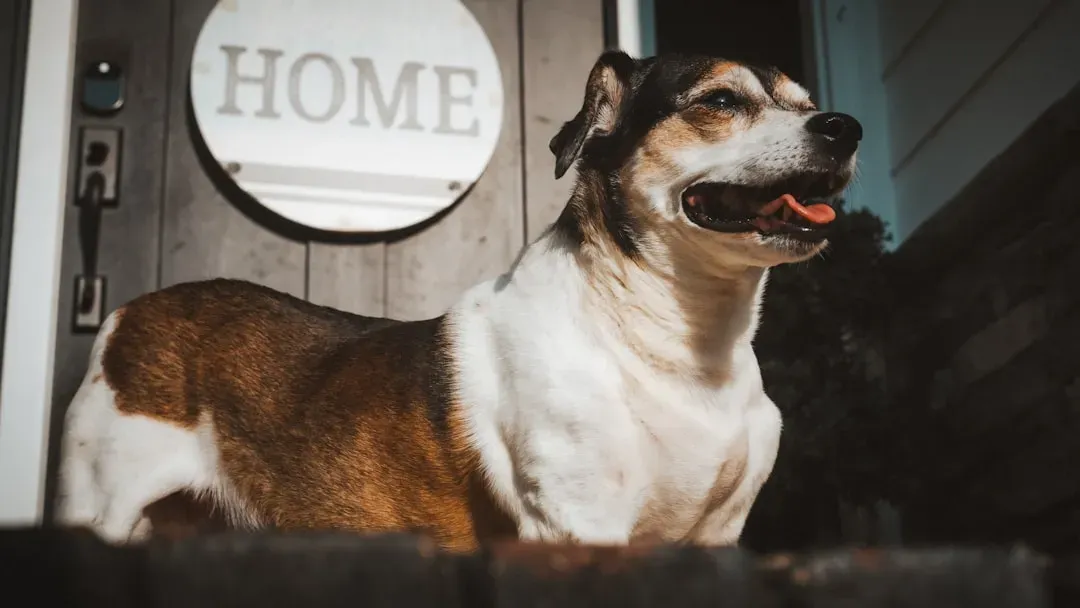
This one divides people. Some adopters brag that their rescue “never barks at anything,” but trainers raise an eyebrow. A total lack of territorial response can be a clue that the dog doesn’t feel aligned with the space yet. Why guard something that isn’t really yours?
When the switch flips, you notice targeted, context-appropriate concern – a few barks at the delivery person, moving closer to you when a stranger enters. The body language is alert, not hysterical: ears up, tail engaged, then relaxing once they size things up. This isn’t aggression, it’s citizenship – your dog starting to see the house as “ours” instead of “yours.” That first bark for the house is them announcing they’ve joined the team.
#12 – They Lean Into Affection Instead of Just Tolerating It
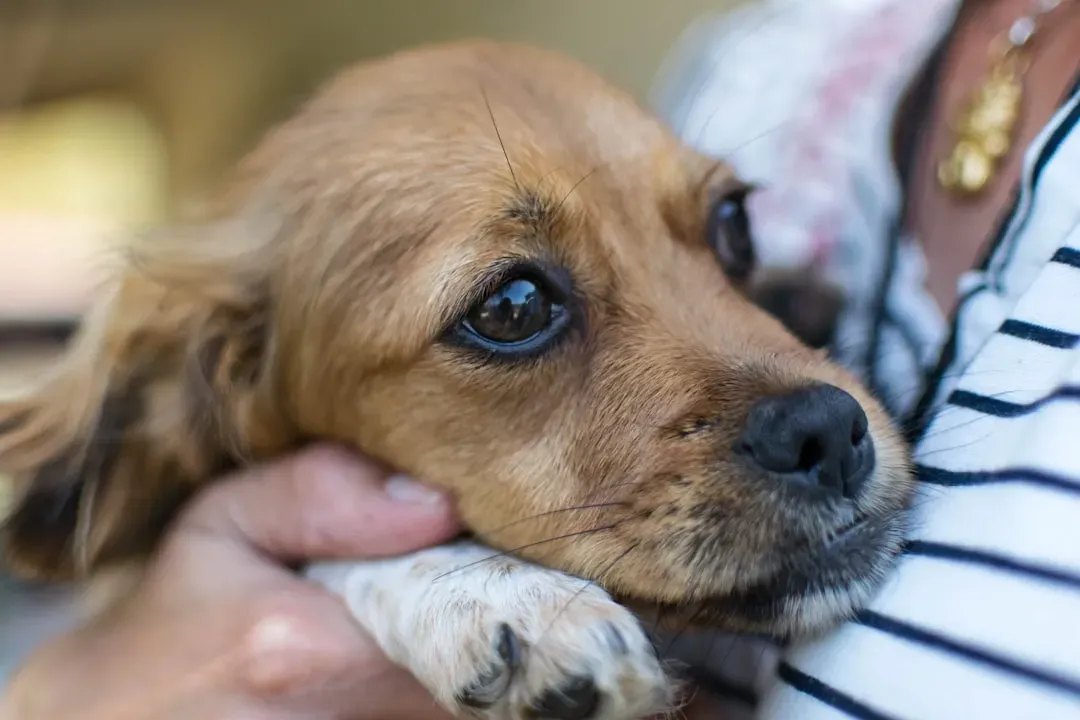
In the getting-to-know-you stage, affection is often one-sided. You pet; they freeze. You hug; they endure. They might wag or lick, but notice if their body is stiff, eyes a bit wide, tail low – that’s “I hope this is the right answer,” not pure joy.
True comfort changes the texture of contact. They initiate more – a head pushed deliberately into your hand, a full-body lean, a relaxed sigh when you scratch their chest. The affection slows down and deepens – less frantic licking, more content stillness. Many rescuers say the first time a fearful dog chooses to fall asleep on your feet instead of just orbiting you, you’ve crossed a line you can’t come back from, in the best way.
The greatest fear in a shelter dog is often not of people, but of being invisible to them.
Patricia McConnell
#13 – They Handle Small Changes Without Falling Apart
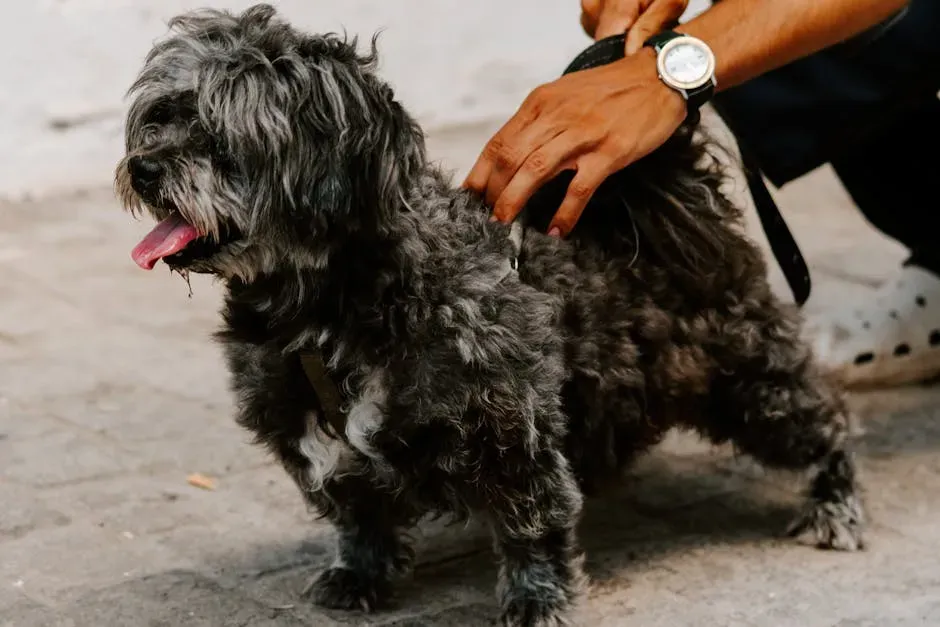
Early on, change can feel catastrophic – you move a chair and they refuse to enter the room, you shift feeding time and they spiral. This hypersensitivity isn’t drama – it’s a brain primed by instability, where every past change once predicted loss or danger.
The sign they’ve stopped waiting to be uprooted is flexibility. You rearrange furniture or leave them with a sitter for a night, and while they might be a little unsure, they adapt. Resilience around routine changes shows your dog now anchors their safety to you and the relationship, not to a fragile setup that might vanish. They finally believe that shifts in the environment don’t equal abandonment.
Why It Stands Out
- Furniture moved? They explore instead of freezing at the doorway
- Feeding time shifted? They wait instead of spiraling
- Left with a sitter? They settle instead of shutting down
- New guest arrives? They observe calmly instead of panicking
#14 – Their Eyes Stop Scanning for the Past

This is the one almost no one talks about, but long-time rescuers see it: the eyes. In the early days, many dogs have a specific distance in their gaze. Even when they look at you, you can almost see them checking exits, tracking sounds, waiting for some ghost from their past to reappear.
The shift is quiet but unmistakable. Their gaze gets softer, heavier, more present. Walks become about sniffing and exploring instead of scanning for an old life. You’ll catch them watching you with a slow blink, relaxed mouth, and that deep, settled look that says, “This is my person. This is my place.” It’s not that they’ve forgotten their past. It’s that they’re no longer living as if it’s about to reclaim them. The waiting is over. They’re home.
The Bottom Line
The internet loves neat timelines – three days, three weeks, three months and your rescue will settle. Reality is messier and more honest than that. Some of these cues show up fast. Others take a year. Some dogs will always sleep with one ear open or bark at every delivery truck, and that doesn’t mean you failed – it means their history is real.
But when you start seeing deep sleep in vulnerable spots, calmer greetings, real goofiness, boundary-setting, and that softer, more anchored gaze, those aren’t random quirks – they’re your dog’s way of telling you they’ve stopped living like a guest and started claiming their life with you.
If anything, we romanticize the “instant bond” and underappreciate slow trust. The real flex isn’t that your rescue loved you on day one. It’s that months later, they finally relaxed enough to show you who they are when they’re not auditioning for your approval anymore. That moment is worth more than any viral “first day home” video. Disagree? Think one of these signs is overrated, or did your dog show a different turning point entirely? Say so in the comments – this is one topic where real stories matter more than any checklist.