
Dogs aren’t all wired the same. Some will snooze through a thunderstorm, barely lifting an ear. Others will pace, bark, and spiral into visible distress the moment something disrupts their routine. The difference often comes down to genetics, breed history, and the temperament traits that centuries of selective breeding have quietly baked in.
Research shows that dog breeds display large differences in the prevalence of anxiety-related traits, suggesting a strong genetic contribution. That means the breed you choose isn’t just a cosmetic decision. It shapes the emotional atmosphere of your entire home. If you’re trying to figure out which dogs genuinely stay calm under pressure and which ones struggle more than most, this list cuts straight to it.
#1 – Golden Retriever
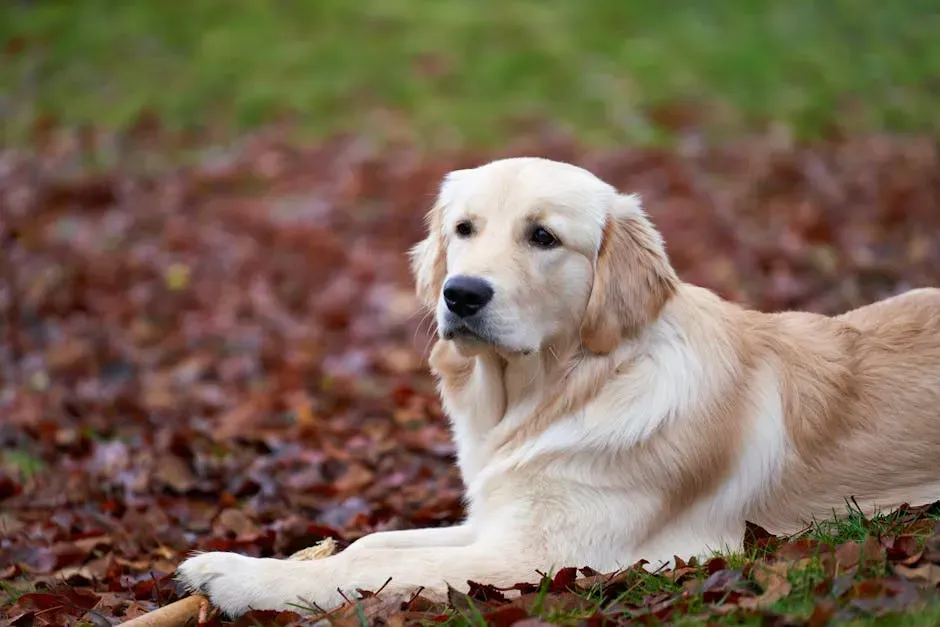
Golden Retrievers have a naturally sunny outlook that melts tension the moment you walk through the door, and their patient, eager-to-please nature makes daily routines feel smoother and more manageable. They’re not just cheerful. They’re genuinely steady, which is a different and arguably more useful quality.
Their temperament often makes them great service and therapy dogs, and while they can be playful and have a lot of energy in their youth, a well-adjusted adult Golden is most likely going to be calmer and more emotionally settled. Goldens love to learn and retrieve, and because they’re eager to please, they respond well to obedience training. Few breeds earn that kind of trust across so many roles.
#2 – Labrador Retriever
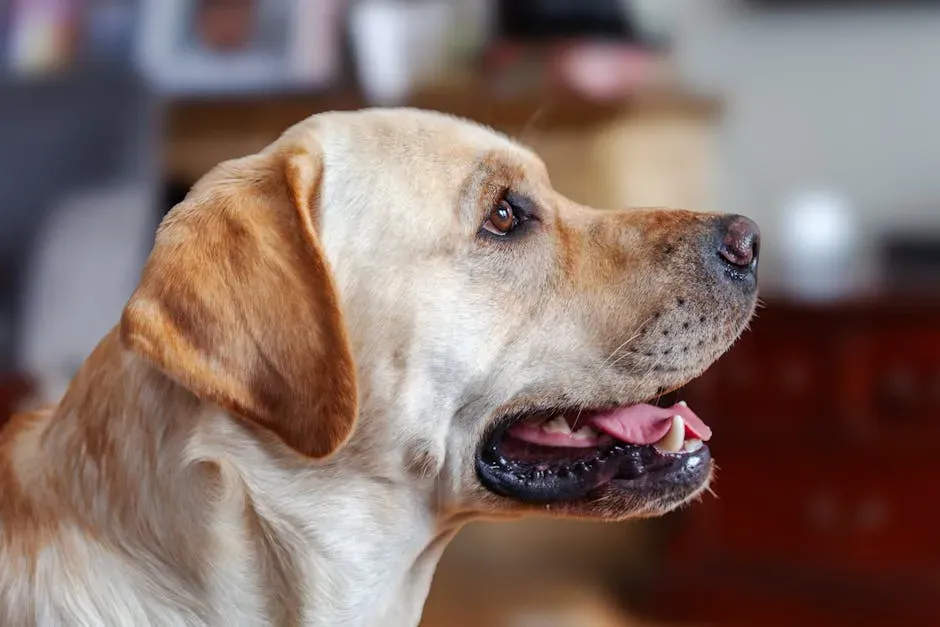
Labrador Retrievers are famously even-tempered and steady, and their enthusiasm is balanced by genuine gentleness, especially when trained with patience and kindness. That combination of warmth and reliability is exactly what makes Labs one of the most consistently popular dogs in the world.
Labs are famous for being trainable, which can be a relief if you feel stressed by unpredictability. Clear cues, consistent practice, and a dog that likes to learn can create a sense of order in your home. Because Labs thrive on connection, they often stay close, nudging you toward breaks and mindful moments throughout the day.
#3 – Cavalier King Charles Spaniel

The Cavalier King Charles Spaniel is the definition of a companion dog. Originally bred to warm laps, these affectionate pups still prefer being as close to their humans as possible, and their friendly and gentle nature makes them a natural fit for families and first-time pet parents. They genuinely enjoy closeness without demanding it constantly.
Cavaliers don’t just live with humans. They sync with them. Owner reports consistently show that they are among the most emotionally attuned companion breeds, meaning they mirror human mood shifts more quickly than most dogs. Their sweet, gentle temperament makes them great for families with kids and other pets, and they are easy to train.
#4 – Newfoundland
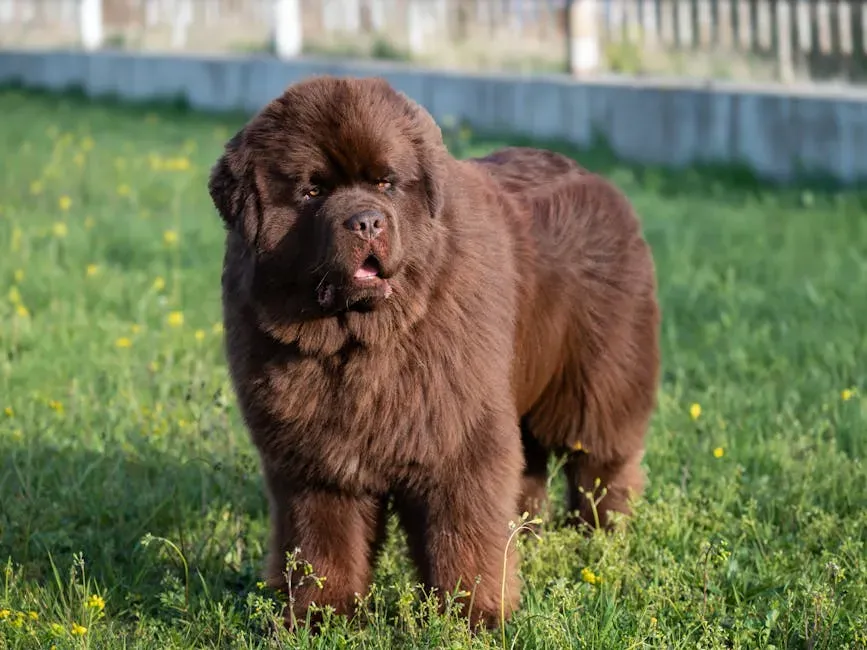
The Newfoundland is often described as a gentle giant, and for good reason. Despite their large size, these calm dogs are known for being sweet and incredibly affectionate, and they are devoted companions who enjoy being around people and make great emotional support dogs. There’s something almost grounding about having one in the room.
This breed is especially patient with children and fits well into family life. They are intelligent and willing to please, which helps with training, and their sensitive nature means they do best in homes where they feel included and valued. The Newfoundland is widely regarded as one of the most gentle dog breeds, especially with children, and their sweet nature and patient disposition make them a favorite for families.
#5 – Basset Hound
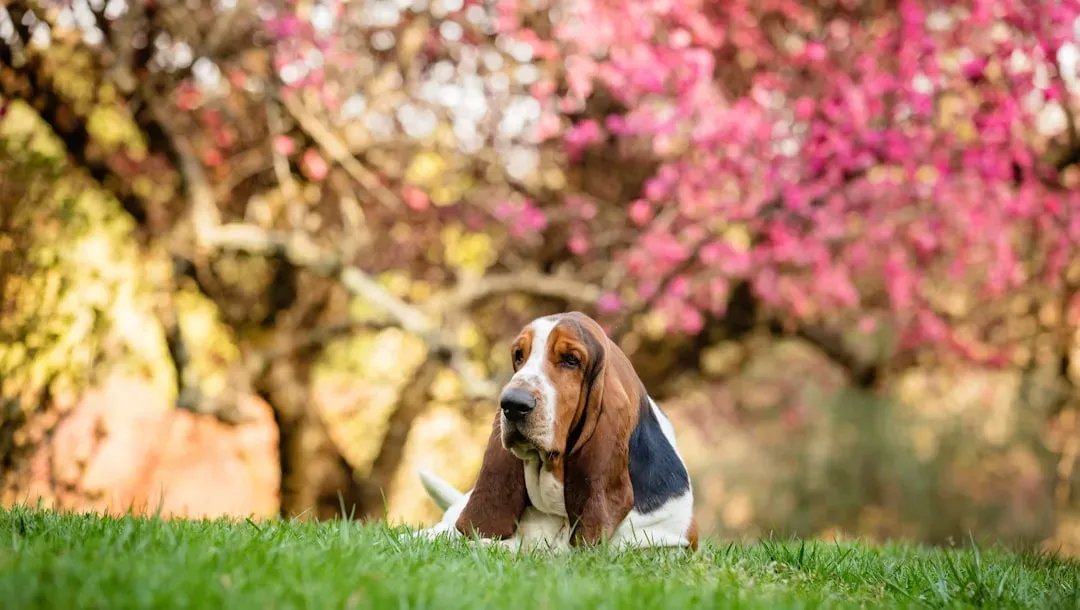
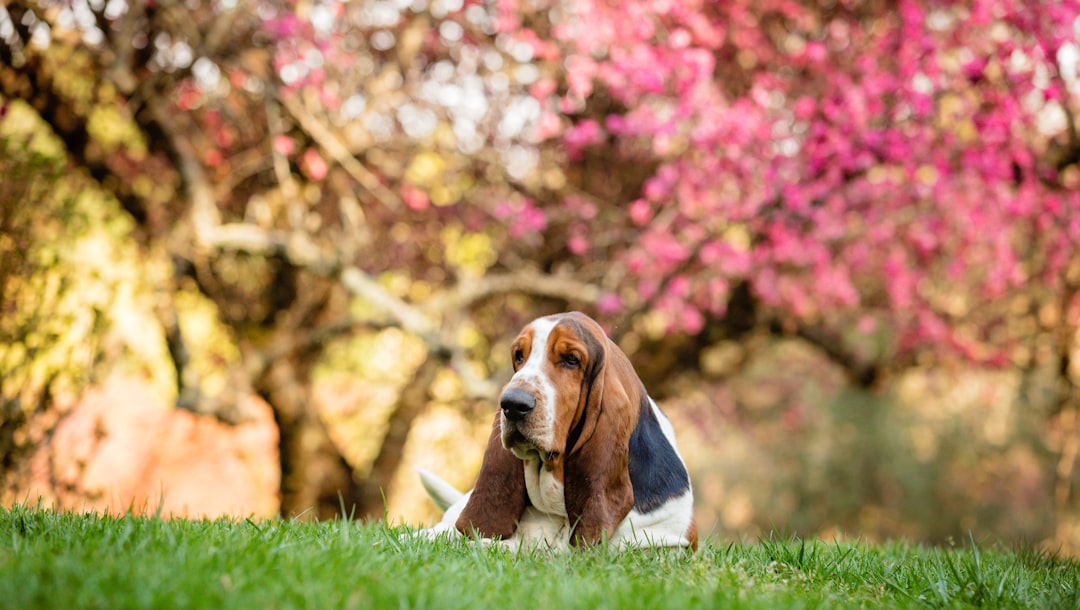
The Basset Hound is a calm, gentle dog breed that’s adaptable to new surroundings and content with moderate exercise. These low-energy dogs aren’t very athletic, but their best asset is their nose, which can sniff out just about anything. They’re the kind of dog that takes life one slow, deliberate moment at a time.
Their energy levels tend to veer more toward couch potato vibes, so when you’re looking to kick back after a long day, your Basset Hound will be happy to join in and cuddle with you. It’s no wonder they are ideal for people looking for a stress-relieving, affectionate dog. Their soulful eyes and friendly disposition create a soothing atmosphere wherever they go.
#6 – Saint Bernard
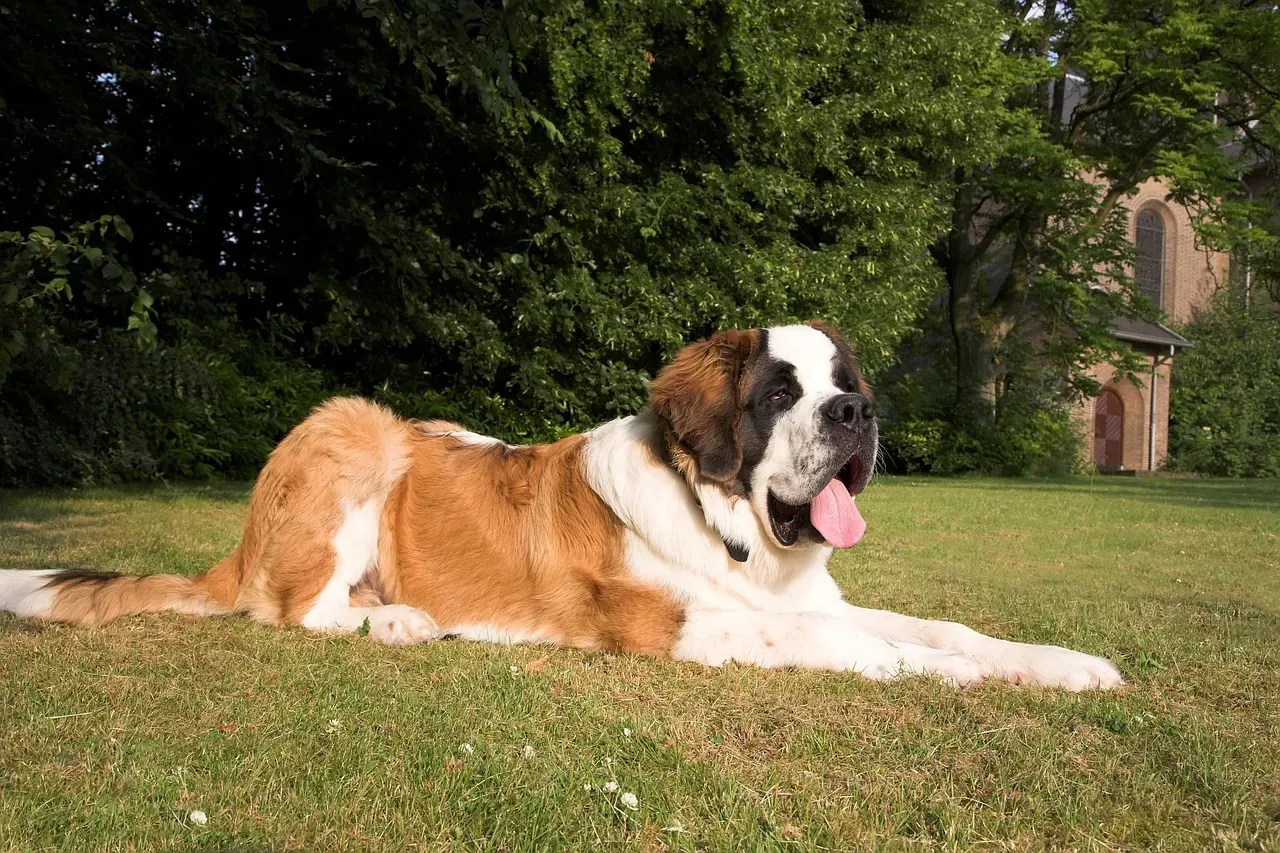
Saint Bernards are one of the very calmest dog breeds, which explains how they stay cool, calm, and collected during the avalanche search-and-rescue missions they’re known for. A dog built for crisis-level work in brutal alpine conditions tends to carry a deeply ingrained composure that translates beautifully to everyday life.
Generally, Saint Bernards are well known for being patient, peaceful, and gentle. They enjoy spending time with their humans, especially when they have a job to do. These dogs are often called “nanny dogs” because of their affinity for children. Their sheer size is somewhat at odds with how emotionally soft they actually are.
#7 – Bernese Mountain Dog
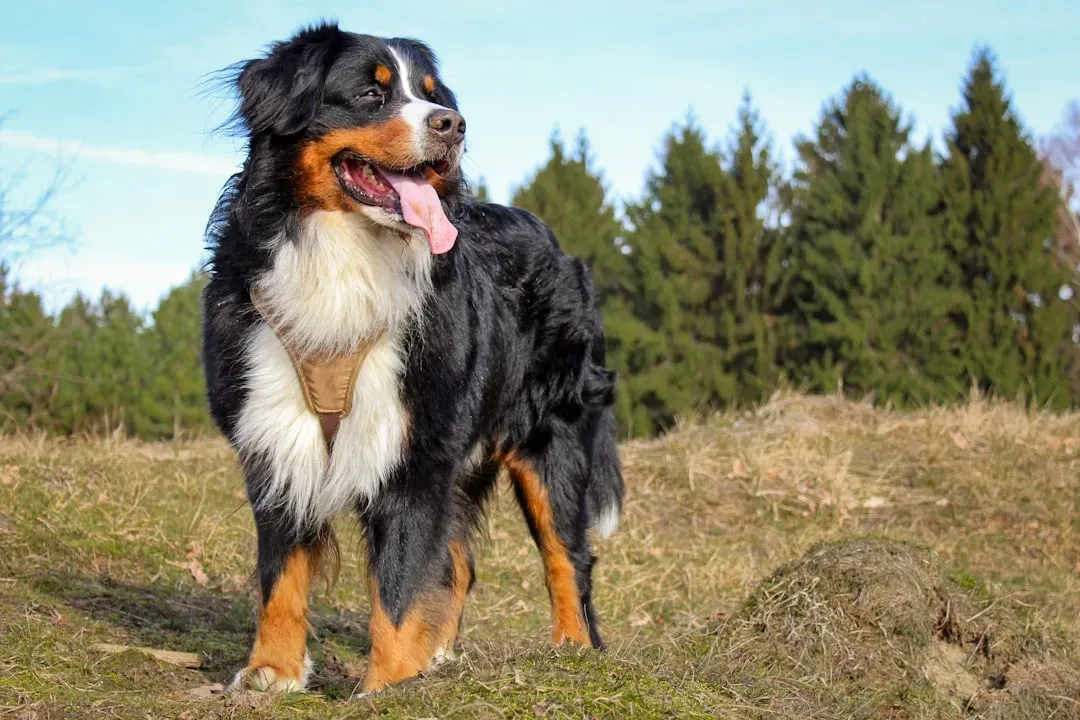
Bernese Mountain Dogs bring grounded calm with their steady, affectionate temperament. Their patient loyalty eases stress through quiet companionship, and they are happiest with gentle activity, like slow hikes or relaxed neighborhood strolls. They’re the dog equivalent of a reliable friend who never makes things feel more complicated than they need to be.
Berners are sensitive and intuitive, often staying close when you feel uneasy. Training with encouragement builds reliable routines, and they prefer a peaceful home and consistent schedule. Known for their sweet, gentle spirit, Bernese Mountain Dogs are affectionate, calm, and incredibly loyal, making them wonderful emotional support companions.
#8 – Whippet
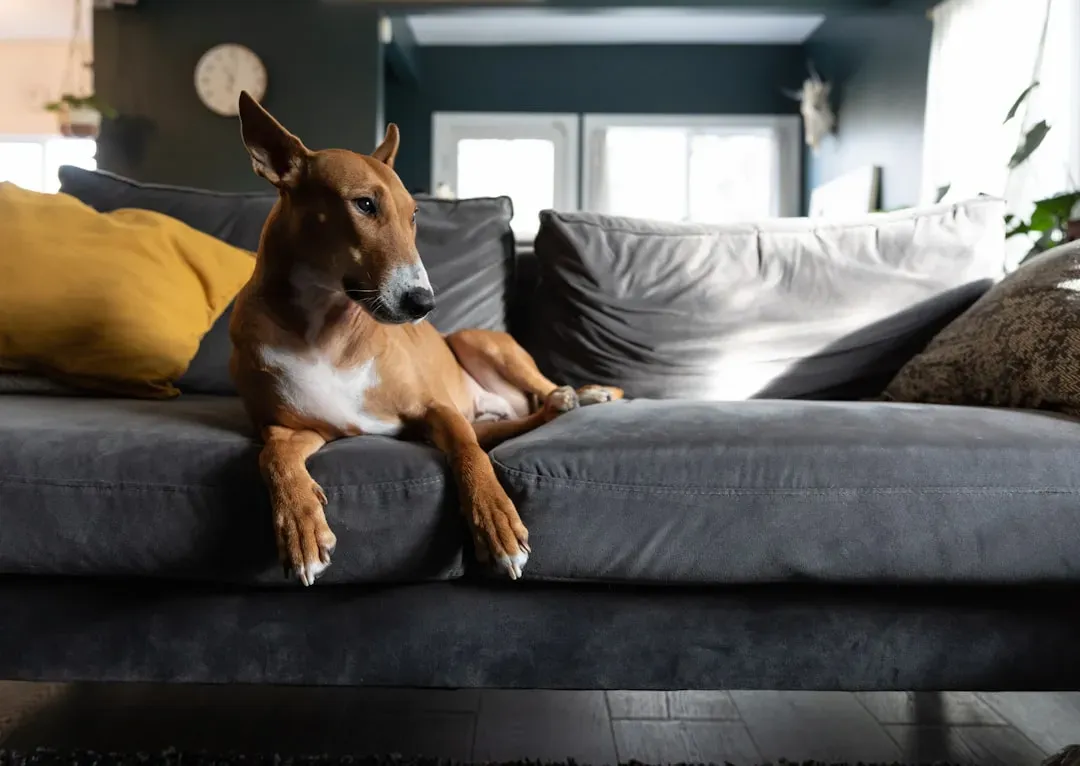
Whippets are fast, but that energy doesn’t last long. If you give them space to expend short bursts of energy exercising, they’re content to lounge around the rest of the time. These sensitive pups love a calm, quiet home and are the perfect match for a low-key family. Speed on the outside, stillness on the inside.
Whippets are incredibly calm indoors and are often dubbed “couch potatoes” once their exercise needs are met. They enjoy soft beds, gentle snuggles, and quiet afternoons, and their elegant, peaceful presence makes them excellent companions for calm households. They’re also surprisingly low-maintenance for a breed that looks so athletic.
#9 – Great Dane
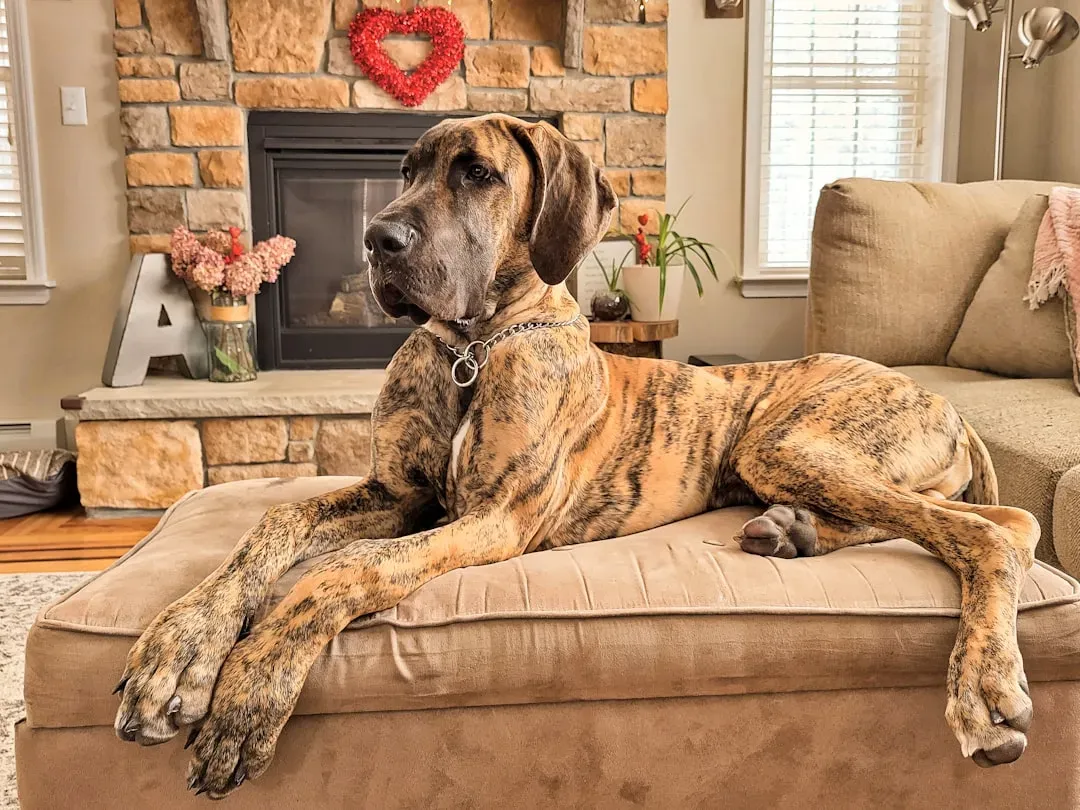
Many Danes enjoy a moderate lifestyle. They can be happy with walks and gentle play, then a long nap. If your ideal day involves slow mornings and calm evenings, a Great Dane may fit beautifully. The irony of one of the world’s largest dogs being one of its most gentle is never lost on those who’ve actually lived with one.
Large breeds like Great Danes can be gentle couch loungers, while some small breeds have high energy. Great Danes typically do best with consistent training, especially around polite greetings. A large dog with good manners helps you feel confident in daily situations, and that confidence can soften anxiety over time. They’re imposing to look at, but endlessly easygoing to live with.
#10 – Pug

Pugs are calm in an emotionally stabilizing sense. They are highly human-focused, but not high-strung, and their behavioral goal is not exploration. It is proximity and emotional resonance. That might sound almost philosophical, but anyone who has sat on a couch with a Pug pressed firmly against their leg will immediately recognize it as accurate.
The Pug has a proven track record of being a calm, well-adjusted, and easygoing family pup. It needs minimal exercise, loves kids, quickly turns strangers into friends, and thrives in a variety of environments, from small apartments to larger properties. They’re surprisingly resilient little dogs for how many health concerns their flat face brings.
#11 – English Bulldog
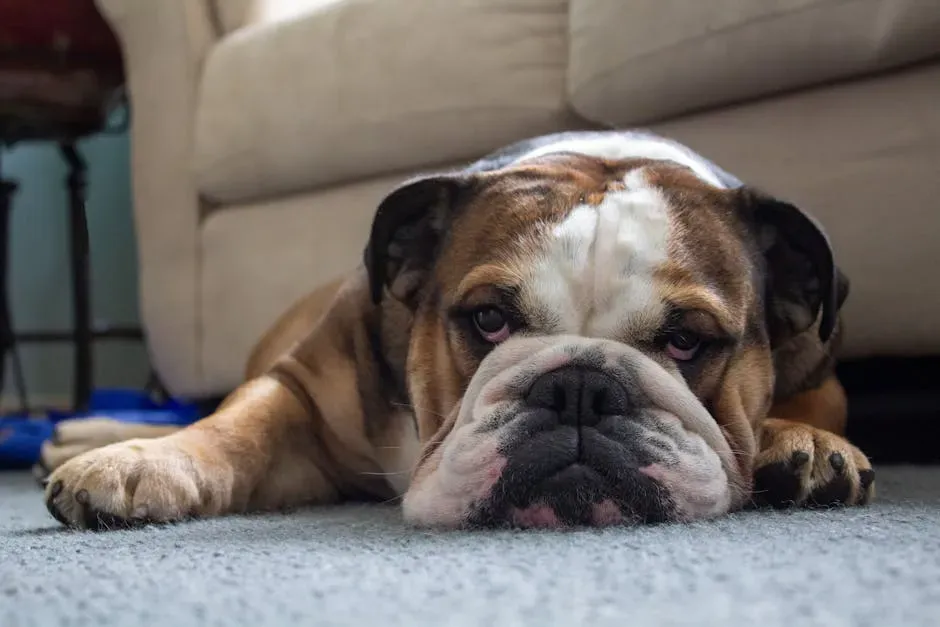
A well-socialized English Bulldog is generally a calm, low-energy dog. While napping is one of their favorite activities, they also need to get outside for a walk and some playtime each day to stay happy and healthy. Just be careful not to overexert these sensitive pups or expose them to high temperatures.
English Bulldogs are famously laid-back. These pups prefer cozy naps, light play sessions, and plenty of belly rubs over high-energy activities. Their calm temperament makes them an approachable breed for many lifestyles, and they are steady, loving dogs who thrive in peaceful, relaxed environments. There’s a reason they’re one of the most recognized dogs in the world. That face is unforgettable, and that temperament is reassuringly predictable.
#12 – Clumber Spaniel
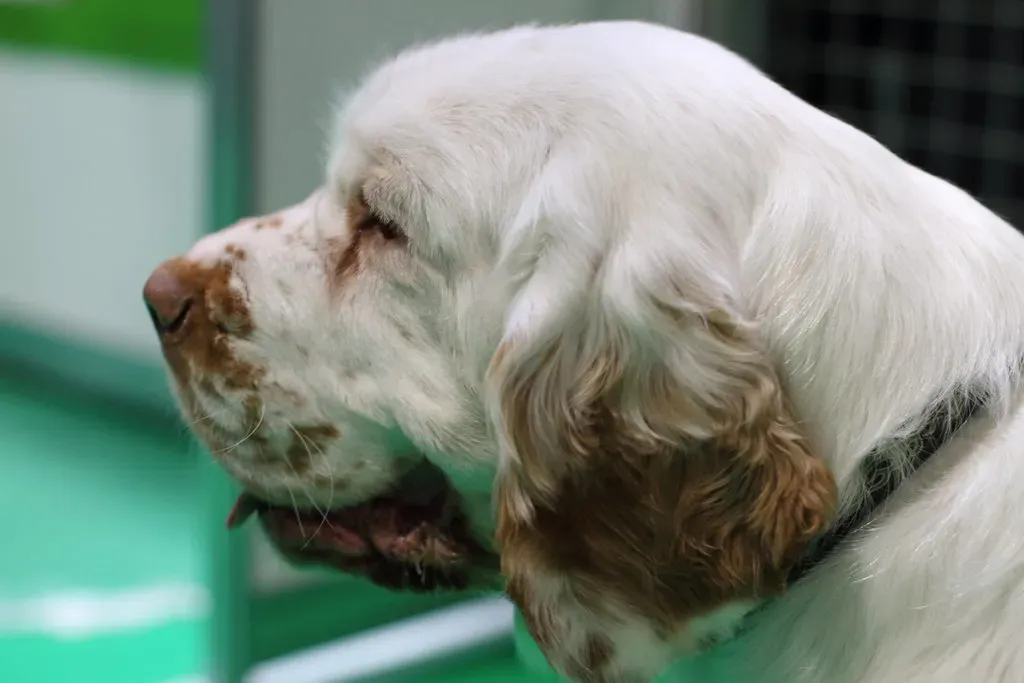
Clumber Spaniels are one of the most behaviorally stable spaniel breeds. Their defining trait is low emotional variance. They don’t easily swing between excitement and stress, and while originally bred to hunt, flush, and retrieve game birds, today they make phenomenal companion dogs. Steady in the field, steady on the sofa. The consistency is the whole point.
Known for being great hunters and loyal companions, Clumber Spaniels are among the calmer breeds in the Sporting Group. In the 1700s in Nottinghamshire, England, a burly flushing spaniel was bred for the Clumber Park estate, and they became esteemed housemates. Calm and loving, Clumber Spaniels adapt well to quiet homes and predictable routines, and they are emotionally steady and not prone to high excitement.
#13 – Pekingese
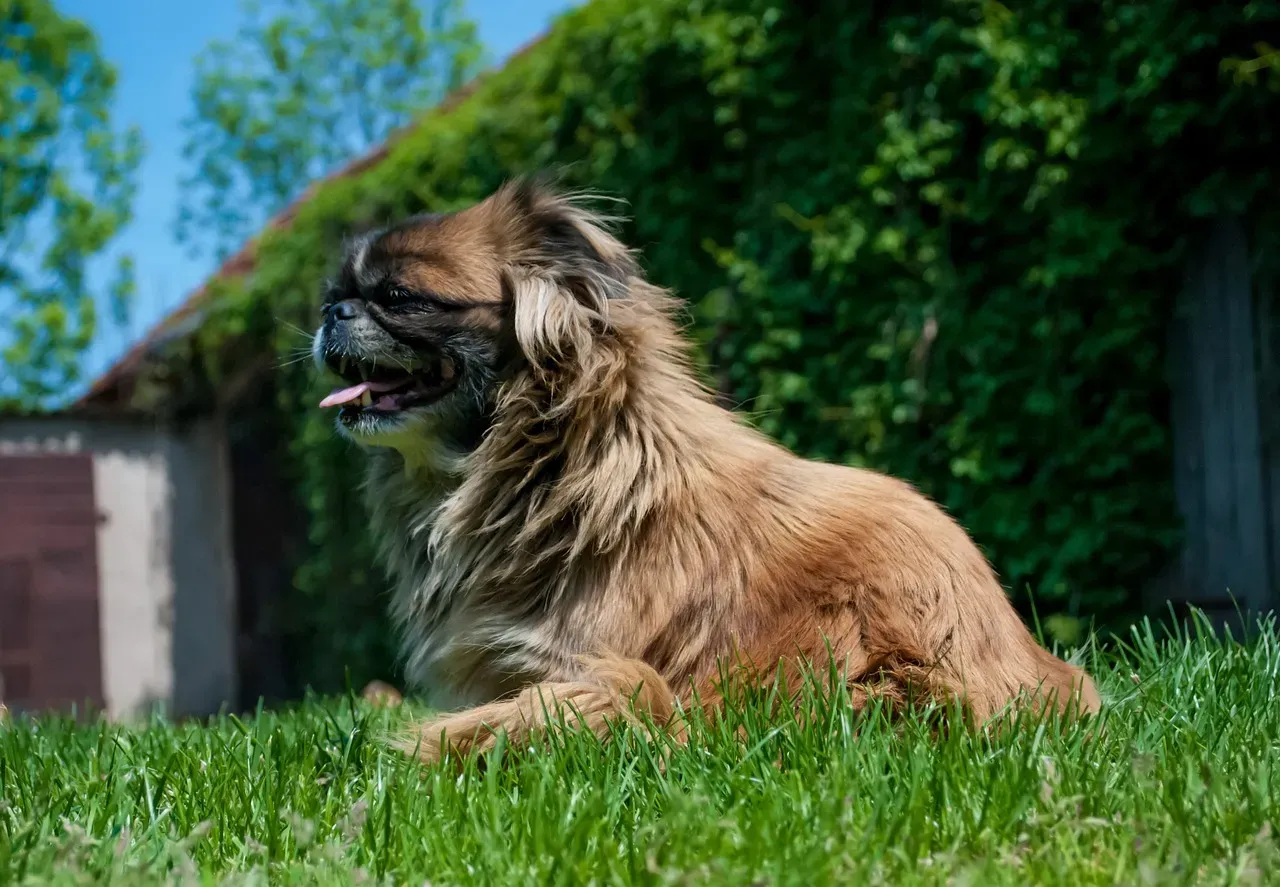
The Pekingese is one of the most psychologically independent toy breeds. Unlike clingy lap dogs, they operate on a “co-presence without dependency” model, meaning they are comfortable simply existing in the same space without constant interaction. For households that value quiet togetherness over needy attachment, this is genuinely ideal.
Historically bred for Chinese imperial courts, they developed low urgency responses, meaning they are not easily stressed into action. In ancient China, Pekingese were the companions of emperors, and they still love being pampered by their people today. You probably won’t have to worry about excessive jumping with these laid-back pups. Regal, self-possessed, and genuinely low-stress to live with.
#14 – Great Pyrenees
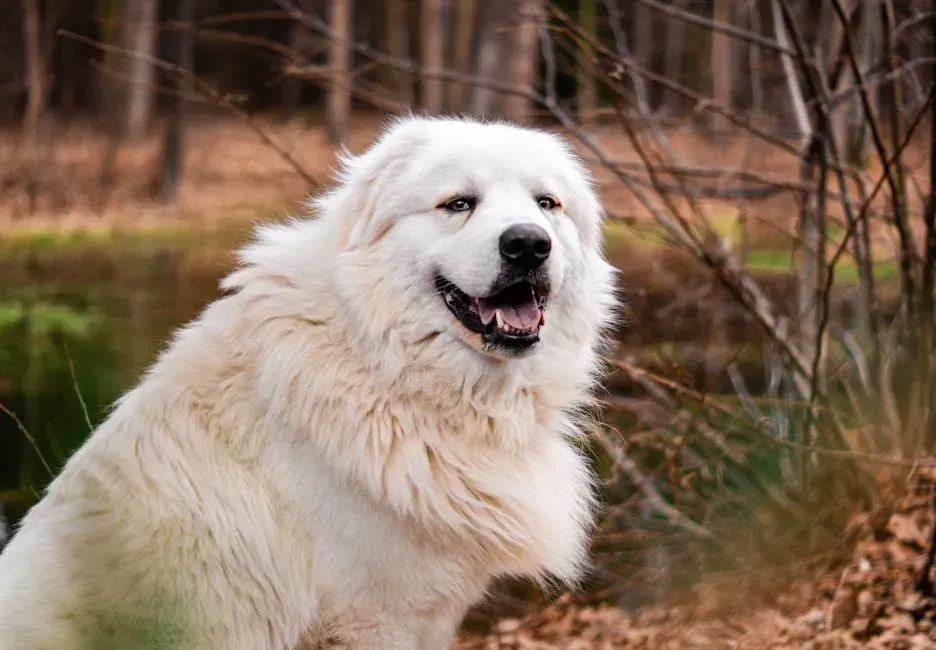
Originally bred to guard flocks, Great Pyrenees dogs are steady, patient, and observant. They carry themselves with a peaceful dignity and tend to stay composed even in busy environments. Their gentle temperament makes them calming companions for families who enjoy quiet moments. Centuries of working in remote, demanding environments bred a dog that doesn’t rattle easily.
Calm dog breeds are expected to maintain composure in certain situations. They’re able to react to stimuli in a measured way, often without growling, lunging, or showing signs of stress. The Great Pyrenees fits that description well. Patient, watchful, and quietly confident, they bring a steadiness to a home that’s hard to manufacture with training alone.
—
Now, the 5 That Absolutely Don’t
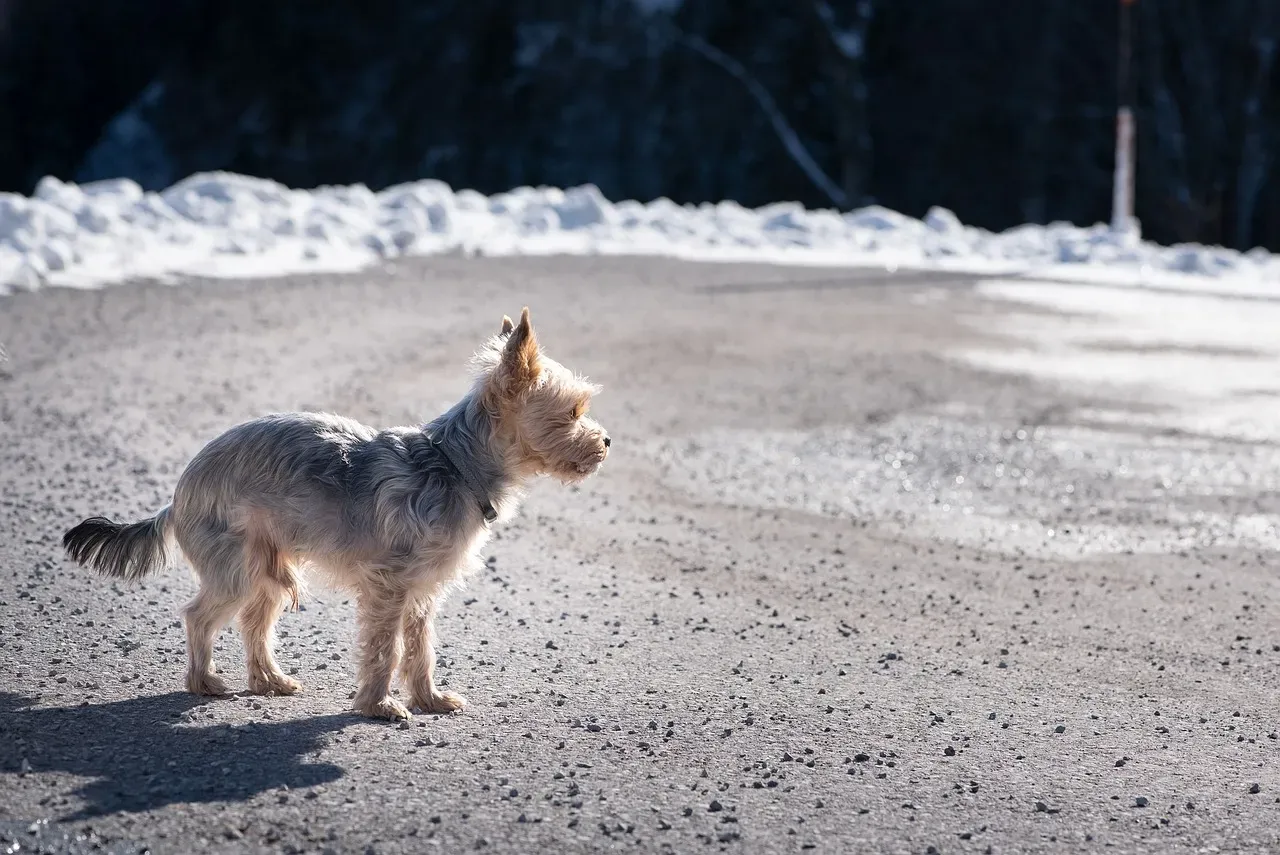
Not every dog is built for calm. Some breeds carry a genetic blueprint for high alertness, strong working drives, and deep emotional attachment that can tip quickly into stress when their needs go unmet. That’s not a character flaw. It’s simply who they are.
Genetics, early life experiences, and lack of socialization can all contribute to anxiety in dogs, and some of the most anxious dog breeds are highly intelligent or deeply bonded to their families. Understanding this upfront makes all the difference in whether these dogs thrive or struggle.
The Border Collie
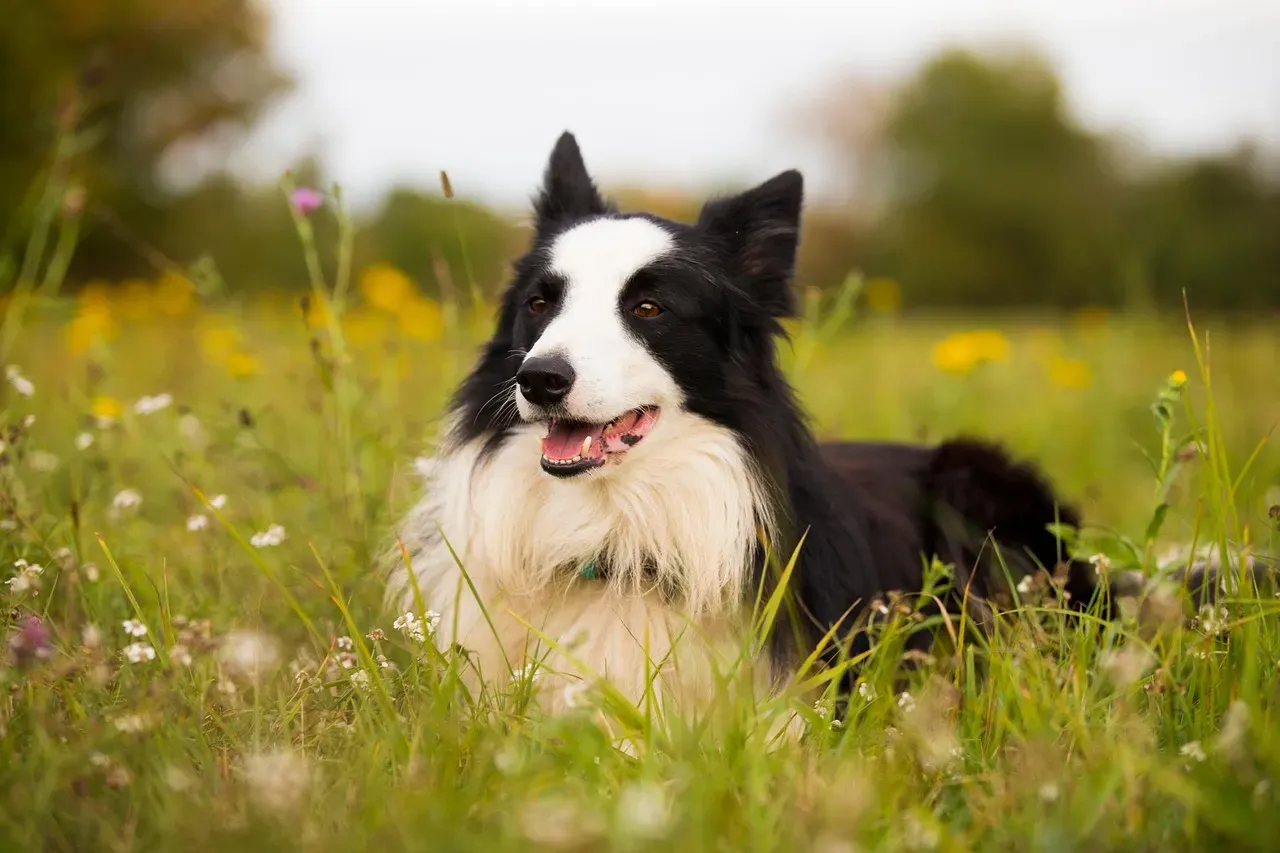
Herding breeds were designed for constant vigilance, problem-solving, protection, and environmental sensitivity. They were bred to be constantly outdoors, alert, and run for days at a time. In a home without the same demands, these strengths can manifest as anxiety. Border Collies are extraordinary. They’re also genuinely difficult to keep settled.
Their high intelligence and energy levels mean that they require constant mental and physical stimulation. Without it, they can quickly become anxious and exhibit behaviors such as obsessive pacing, barking, and destructive chewing. Since their high need for activities goes hand in hand with their deep attachment to their owner, this makes them more prone to separation anxiety when left on their own.
The German Shepherd
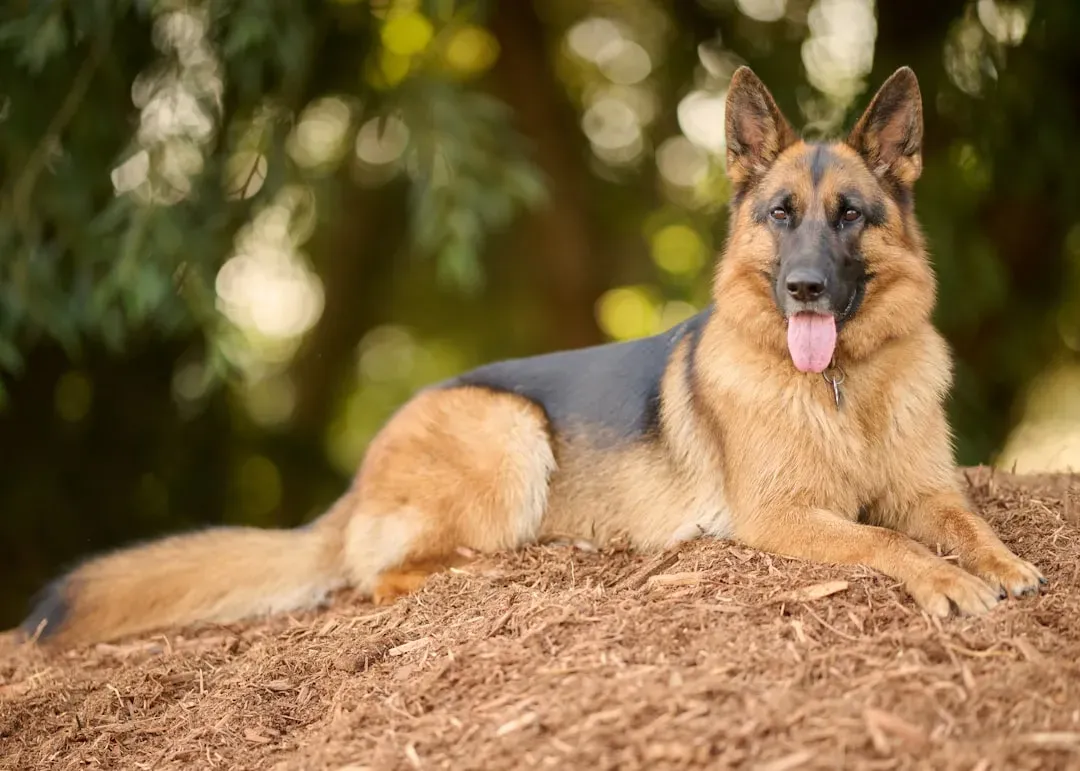
Despite their impressive capabilities, German Shepherds can be prone to anxiety. Their protective nature, deep attachment to their owners, and need for mental stimulation all contribute to their susceptibility to anxiety. They’re among the most loyal and capable dogs alive, but that intensity cuts both ways.
German Shepherds are naturally inclined to protect their territory and family. However, these strong guarding instincts can cause high levels of stress when they perceive something or someone as a threat, real or imagined. This can result in German Shepherds being hypervigilant and reactive to strangers or unfamiliar situations. They need structured environments and consistent leadership to stay grounded.
The Chihuahua
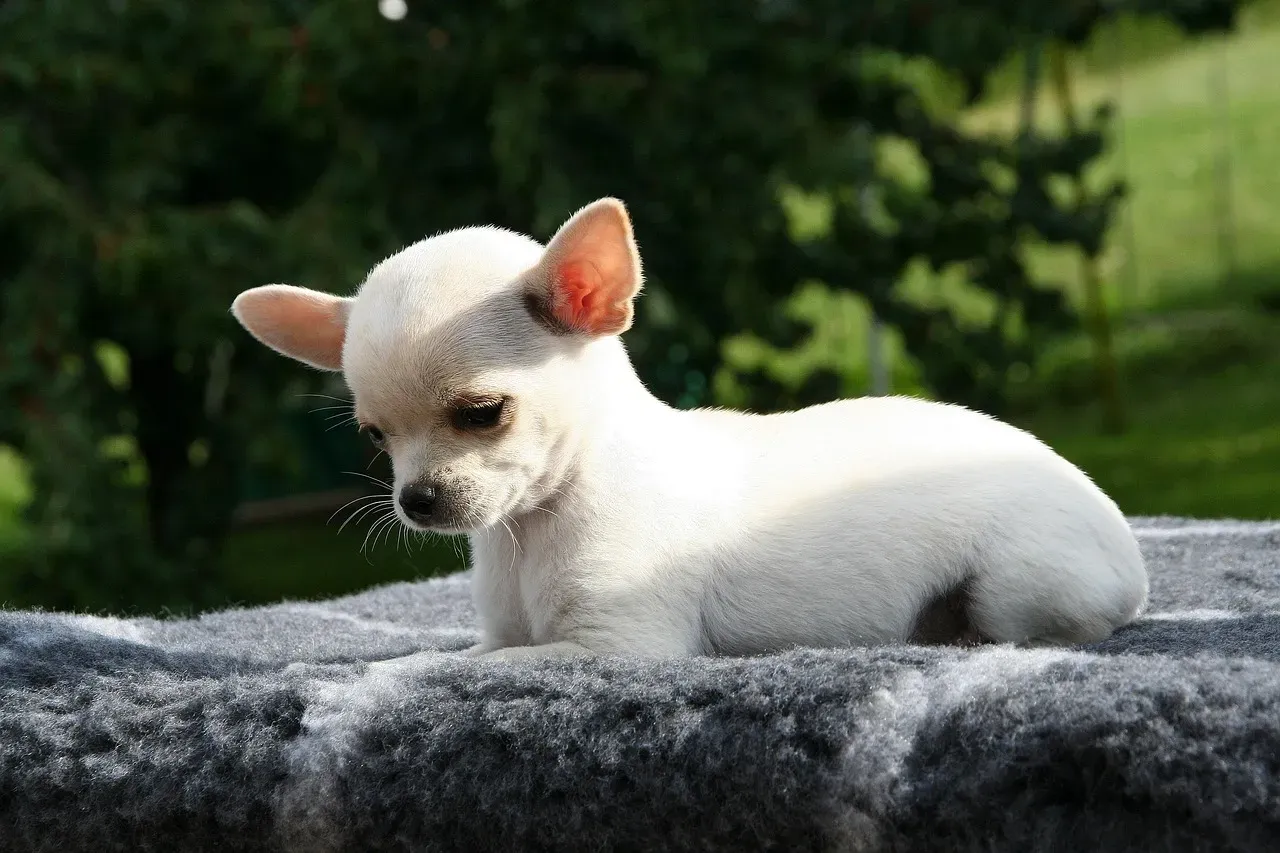
Despite their bold personalities, Chihuahuas are prone to social and separation anxiety. They may be shy and timid around new people and bark excessively when nervous. Providing a predictable routine, engaging toys, and a safe space can help ease their stress. The bravado is real, but it often masks a very reactive interior.
Both small dogs and large dogs can be high-anxiety dogs. Size doesn’t determine anxiety levels. Genetics, socialization, and lifestyle play bigger roles. The Chihuahua is a clear example of that. Small in stature, but their emotional world can be enormous and overwhelming without the right guidance and structure from day one.
The Jack Russell Terrier
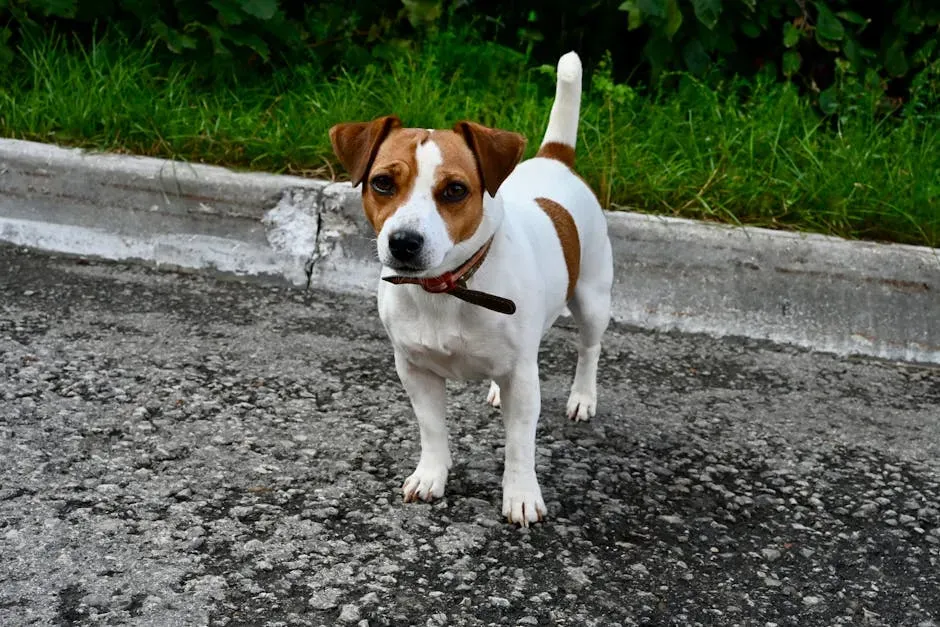
Jack Russell Terriers are bold, energetic, and tend to be anxious. Their high prey drive, intelligence, and energy are all attributes that made them skilled hunters, but they can become restless without their desired outlets of daily walks and playtime. They pack an enormous amount of personality into a very small, very wired frame.
Jack Russells are highly intelligent and can become bored easily, leading to anxiety when not provided with enough activity or attention. Their strong personalities require consistent, firm training from an early age to manage anxiety and ensure they remain well-adjusted pets. It’s common for them to experience stress and anxiety when their owner leaves the house, especially if they haven’t had their daily walk.
The Siberian Husky
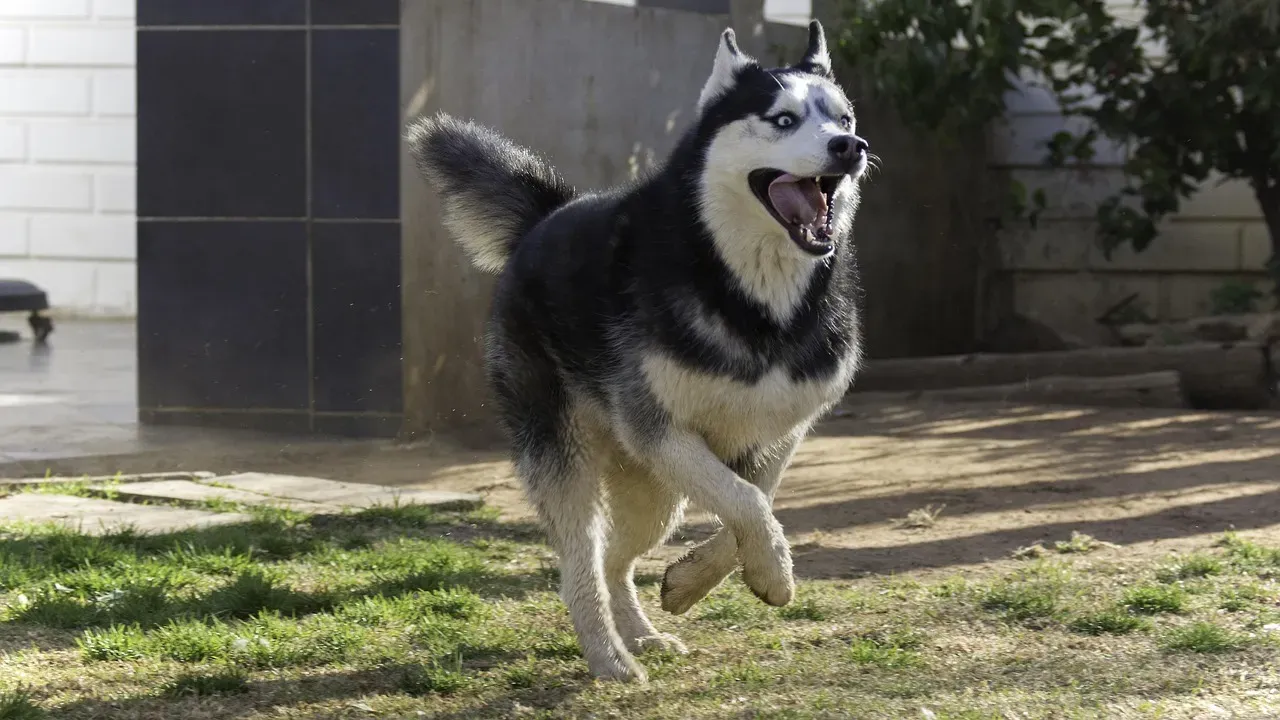
Siberian Huskies are prone to anxiety, which can manifest as barking, destructive chewing, digging, escape attempts, or fixation on movement. These are working dogs in the deepest sense. They were built to run enormous distances in harsh conditions, and a quiet apartment simply doesn’t fulfill that need.
To help an anxious Husky, give them daily mental stimulation, structured physical exercise, puzzle toys, and positive reinforcement training that channels their working instinct into purposeful tasks. Without that outlet, their stress escalates quickly. They’re breathtaking dogs with genuinely complex needs, and they deserve owners who go in with both eyes open.
—
What This All Means for You
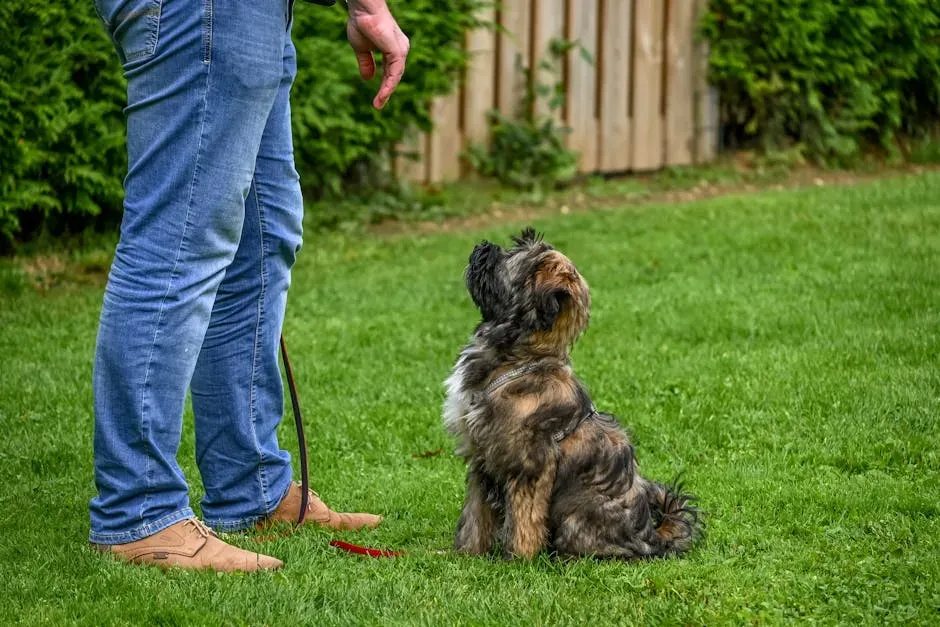
Temperament is only part of the picture. Proper training, regular care, and meaningful interaction all play a role in shaping a well-behaved, happy pet. Choosing a dog that matches your lifestyle makes all the difference. No breed is a guaranteed outcome. A Saint Bernard can be reactive. A Border Collie can be calm. Individual variation always exists.
Calm dogs typically don’t react intensely to stimuli, have moderate to low energy levels, and are emotionally steady. These dogs often adapt well to different environments, don’t bark excessively, and are less likely to be destructive if their basic needs are met. Still, even the most easygoing dog on this list needs structure, exercise, and genuine engagement to stay that way.
The honest takeaway here is this: knowing your breed’s emotional baseline before you bring them home isn’t just smart. It’s fair to the dog. A Husky dumped in a silent apartment isn’t anxious because something is wrong with them. They’re anxious because they were mismatched with a life that can’t meet them where they are. The 14 calm breeds on this list can be transformative companions for the right household. The 5 high-stress breeds can be equally wonderful. They just require more of you. Choose honestly, invest consistently, and the dog you end up with will be exactly what both of you needed.


