
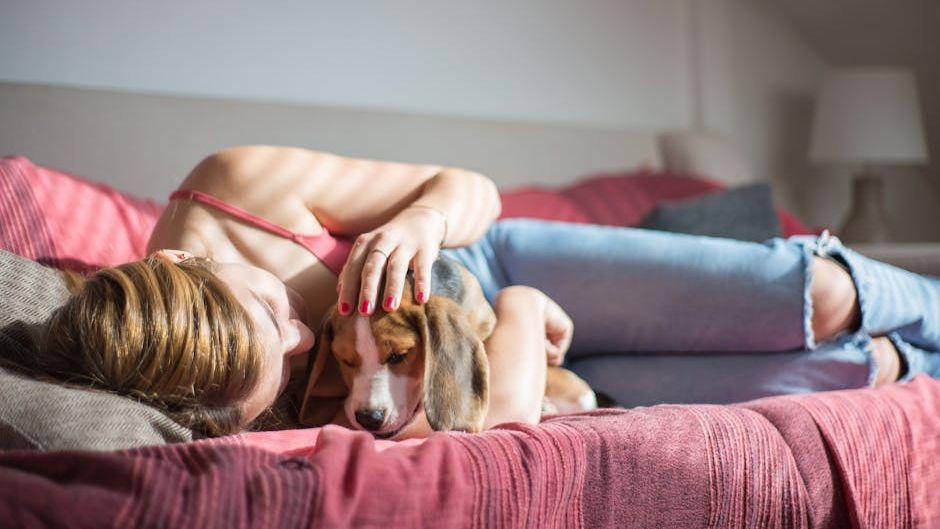
There’s a moment many dog owners experience, usually something quiet and unplanned, where they realize their dog isn’t just happy to see them. The dog needs them. Not in the way that means food or a walk, but in the deeper, wordless way that says “you are everything.” It’s the kind of realization that lands differently than you’d expect.
Dogs have been shaped alongside humans for thousands of years, and that history runs deeper than most of us stop to consider. The emotional attachment between adult dogs and their owners has been found to be similar to that displayed by human adults and their children, which isn’t surprising given that dogs have been selected for their dependence on humans over 10,000 or more years of domestication. What that means in practical terms is that your dog isn’t just fond of you. For some dogs, you are the entire center of their emotional universe. Here are 14 unmistakable signs that yours is one of them.
#1. They Follow You From Room to Room Without Exception
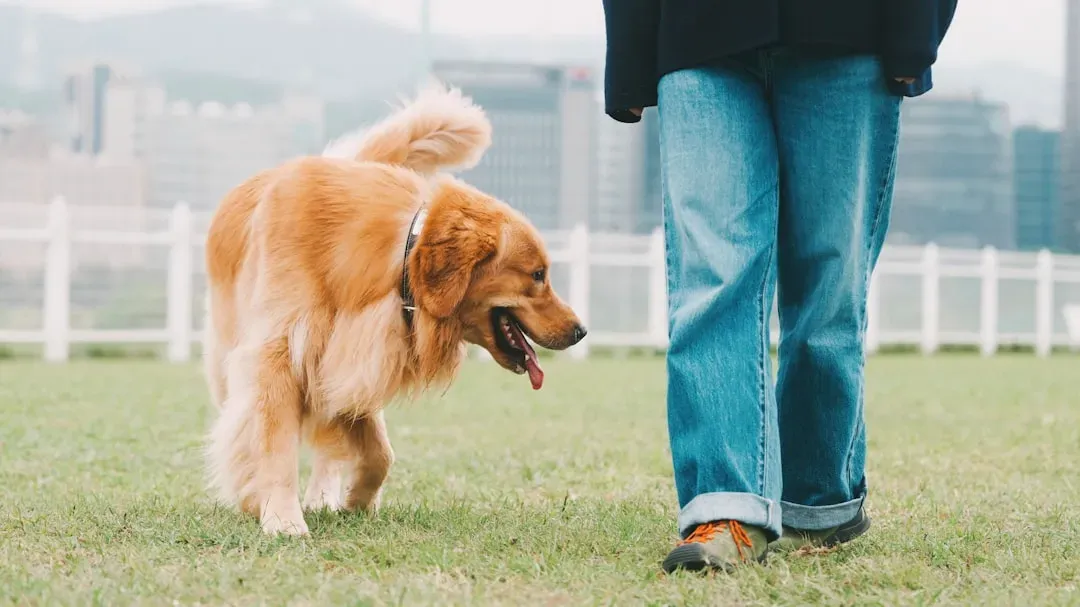
If your dog follows you from room to room, it’s one of the clearest signs of attachment. This behavior, often called “velcro dogging,” reflects your dog’s desire to be near you at all times. It’s not random wandering. It’s intentional, consistent proximity that has very little to do with what’s happening in the next room and everything to do with who is in it.
This shadowing behavior is one of the most common and obvious signs of emotional attachment. If your dog follows you from room to room, waits outside the bathroom, or refuses to relax unless they’re near you, it often indicates more than curiosity. Emotionally attached dogs feel secure in your presence, and being close to you reduces their stress and increases their sense of safety. To them, you’re not just company. You’re home.
#2. They Watch You Constantly, Even When You’re Still
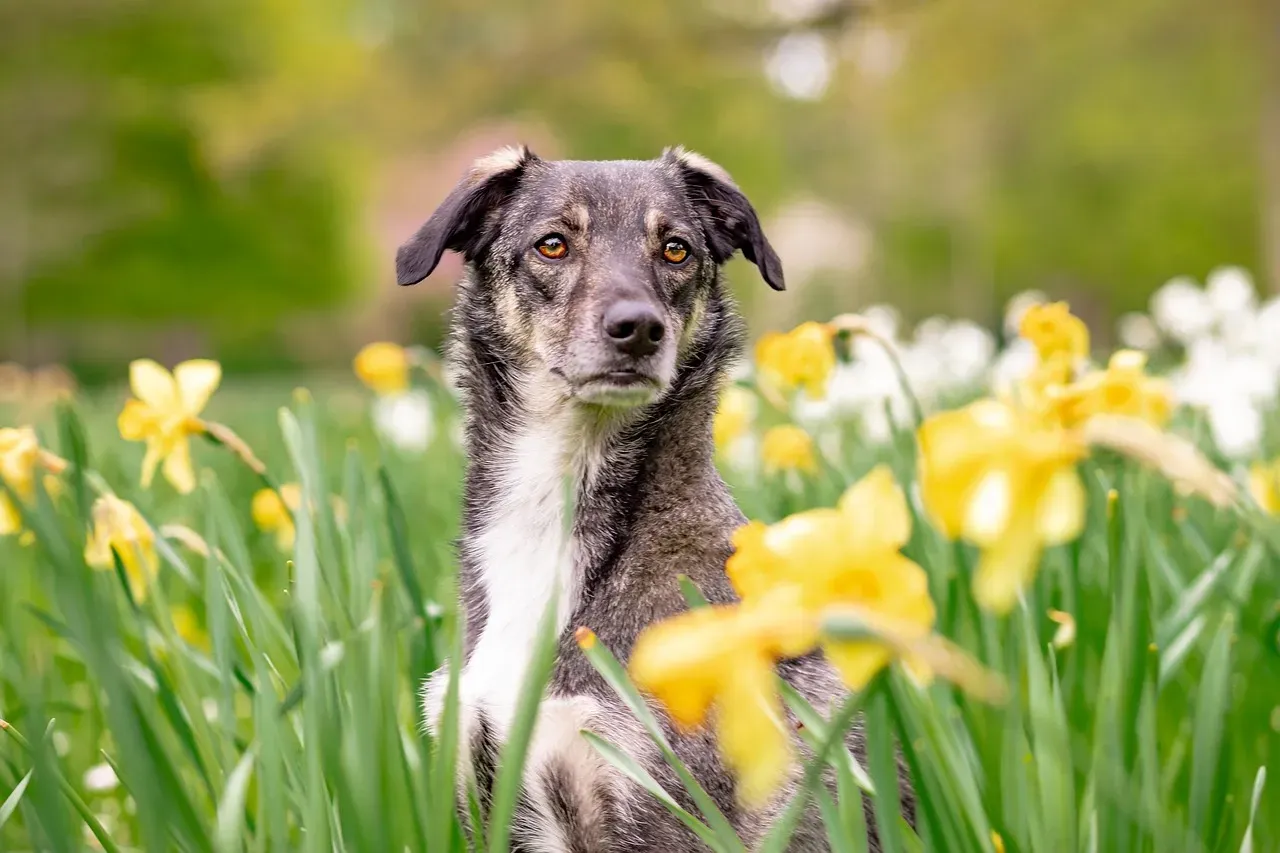
Even when not physically glued to you, emotionally bonded dogs often monitor you. This behavior signals emotional awareness. Your dog is keeping track of their most important person. It’s not clinginess – it’s connection. You’ll notice it when you settle into the couch and look over to find your dog already watching you, calm and quiet, as if just confirming you’re still there.
Dogs who check on you throughout the day are expressing their attachment and concern. Whether you’re in a different room or engrossed in a task, your dog may occasionally come to you to ensure everything is alright. This behavior demonstrates their protective instincts and affection. It’s a small gesture, but it’s one of the more honest ones they make.
#3. Prolonged Eye Contact That Feels Like More Than a Look
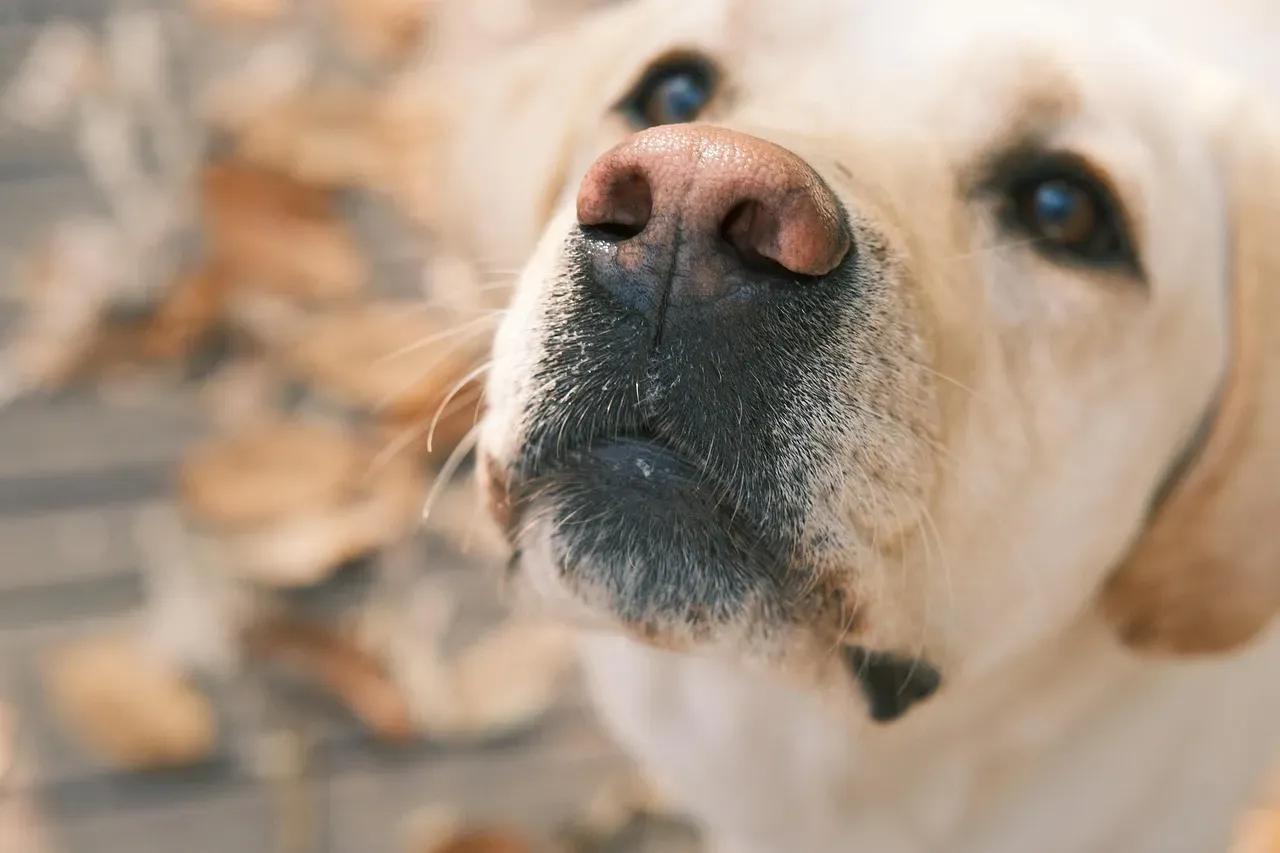
Dogs use eye contact differently than humans. In the animal world, staring can be a sign of challenge. But with humans, prolonged soft eye contact often signals trust and bonding. Research suggests that loving eye contact between dogs and owners can trigger oxytocin, the same hormone associated with emotional bonding in humans. That moment when your dog just looks at you, still and soft-eyed, is chemistry. Literal chemistry.
Eye contact isn’t just a sign of a strong bond between a dog and their person. It’s also a way to create and improve that bond. According to Japanese researchers, dogs who gaze at their owners show elevated levels of oxytocin, and the owners experience raised oxytocin levels as well. In other words, gazing at each other starts a feedback cycle of love and attachment. You’re not imagining the warmth in that gaze. Science backs it up.
#4. Your Voice Is Their Greatest Source of Comfort
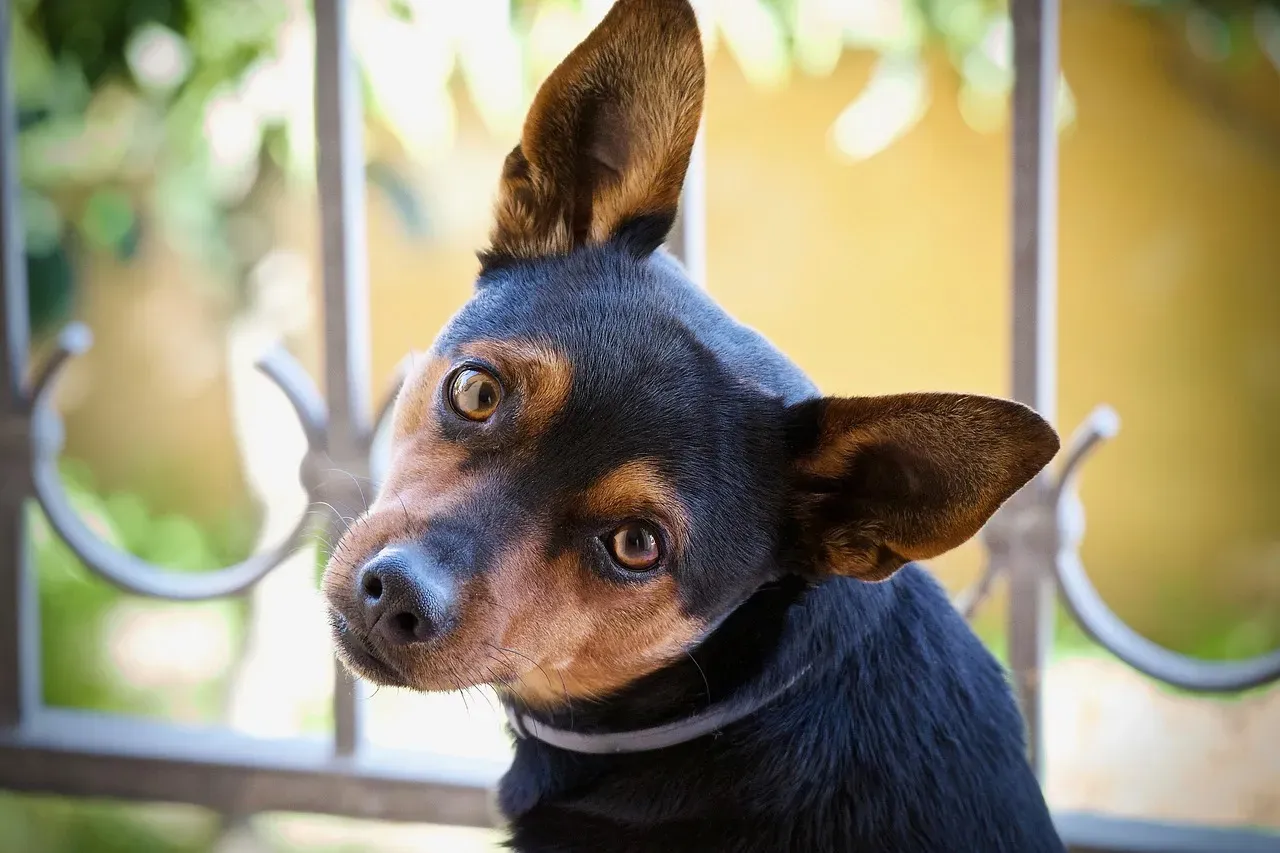
Dogs can sense emotions through tone of voice. If your dog responds with excitement, wagging their tail and becoming more alert when they hear you, it indicates they are emotionally connected to you. Your voice is a source of comfort and security for them. You’ve probably noticed this in small moments, like when you talk on the phone and your dog perks up not because the words made sense, but because the sound of you did.
If your dog tilts their head, raises their ears, or maintains eye contact when you talk, they’re showing they are attuned to your voice. This attentiveness indicates that your dog’s emotional world is closely linked to yours, highlighting their desire to connect and understand you. The head tilt isn’t just adorable. It’s your dog actively trying to decode you, because understanding you matters deeply to them.
#5. Their Homecoming Reaction Is Disproportionately Intense
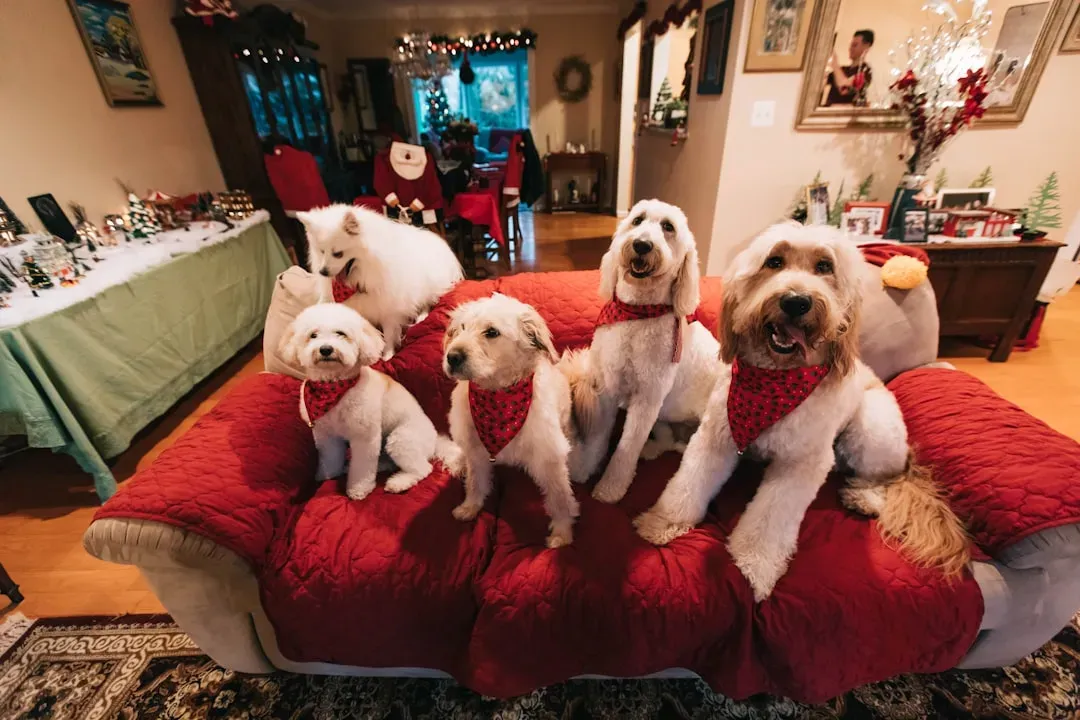
One of the most obvious signs of attachment is the enthusiastic, full-body greeting you receive whenever you return home. Your dog may jump, wag their tail vigorously, and even bark out of excitement. Whether you’ve been gone five minutes or five hours, that welcome feels like the reunion of a lifetime. Every single time.
If your dog demonstrates joy when you return, with tail wagging, jumping, or barking softly, this clearly shows attachment. This excitement is typically disproportionate to the time you’ve been apart, another strong indicator of emotional closeness. For a dog who , your absence is never small. Your return is always, in their experience, enormous.
#6. They Initiate Physical Contact Rather Than Just Accept It
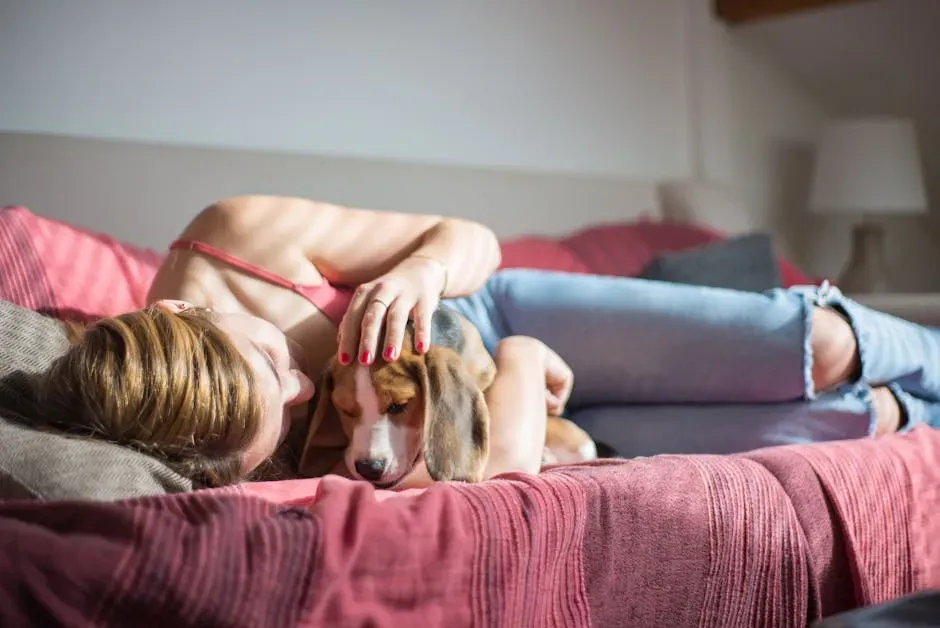
Dogs often show their love through physical affection, especially cuddling. An emotionally attached dog will be the first to initiate a cuddle session, snuggling with you on the couch or curling up at your feet while you work. The distinction matters. A dog that tolerates affection is different from one that seeks it out. When they’re the one nudging your hand or pressing against your leg, that’s genuine emotional need.
A dog that leans against you, cuddles, or lays by your side is indicating deep emotional security. They may push their body into yours to solicit affection. Physical closeness is a comfort behavior, not just affection. When your dog presses into you, they’re not just being sweet. They’re self-regulating. You’re what makes them feel okay.
#7. They Sleep as Close to You as Physically Possible
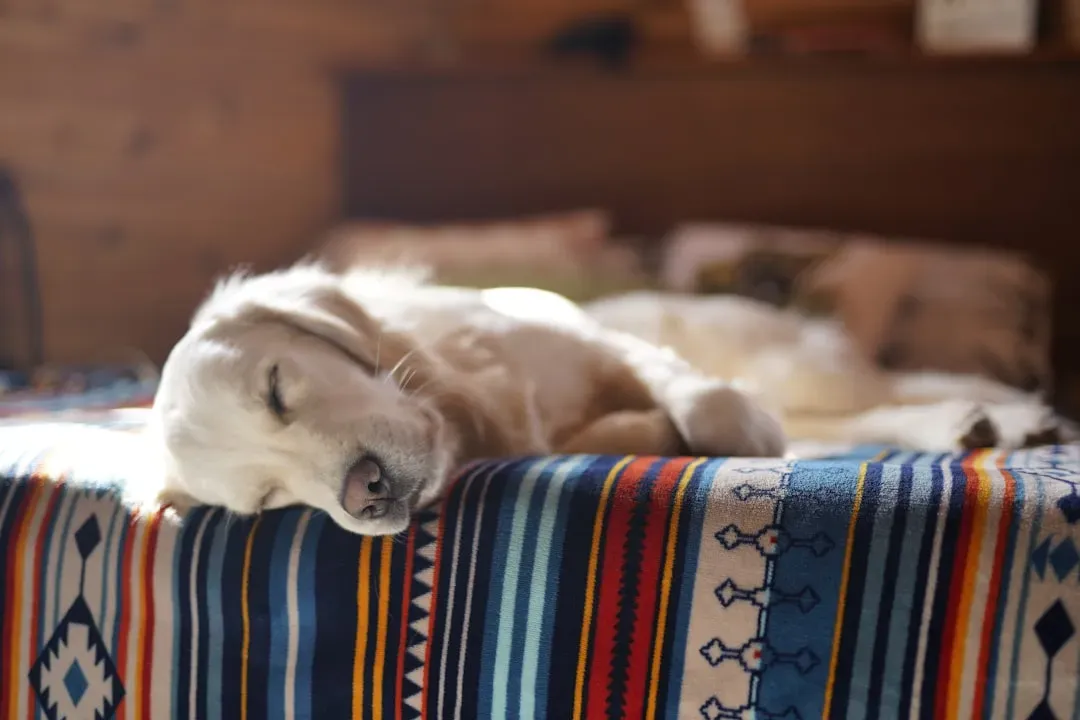
In the wild, canines are at their most vulnerable when they sleep. To maximize their safety, members of the pack will sleep with their backs facing each other and their noses facing out, creating a safe little circle. If your dog chooses to sleep with you or next to your bed, this means they see you as a trusted member of their pack. Sleep is the ultimate act of trust for a dog, and where they choose to do it says everything.
When a dog sleeps belly-up next to you, it means they trust you completely. This vulnerable position shows that the dog feels safe and comfortable in their owner’s presence, signifying a deep bond. Choosing to sleep close to you is a powerful sign of trust and emotional attachment. In canine psychology, sleeping proximity equals security. That sprawled, snoring, completely unguarded dog beside you? That’s what total trust looks like.
#8. They Bring You Gifts, Especially Their Favorite Things

Some dogs express their attachment by bringing you toys or other items as gifts throughout the day. This behavior is similar to how a mother dog might bring food to her puppies, showing that they want to provide for you. When your dog trots over with their prized squeaky toy or a sock they’ve been guarding all morning, they’re not just playing. They’re offering you something that matters to them.
Coming to you with their prized possessions is a sign of trust. Your dog sees you as a leader or alpha, willing to share what they most treasure. It can also be an invitation to play, showing they enjoy and value your companionship. It’s a small ritual, but a meaningful one. They’re saying, in the clearest way they know how, “this is precious to me, and so are you.”
#9. They Try to Comfort You When You’re Upset
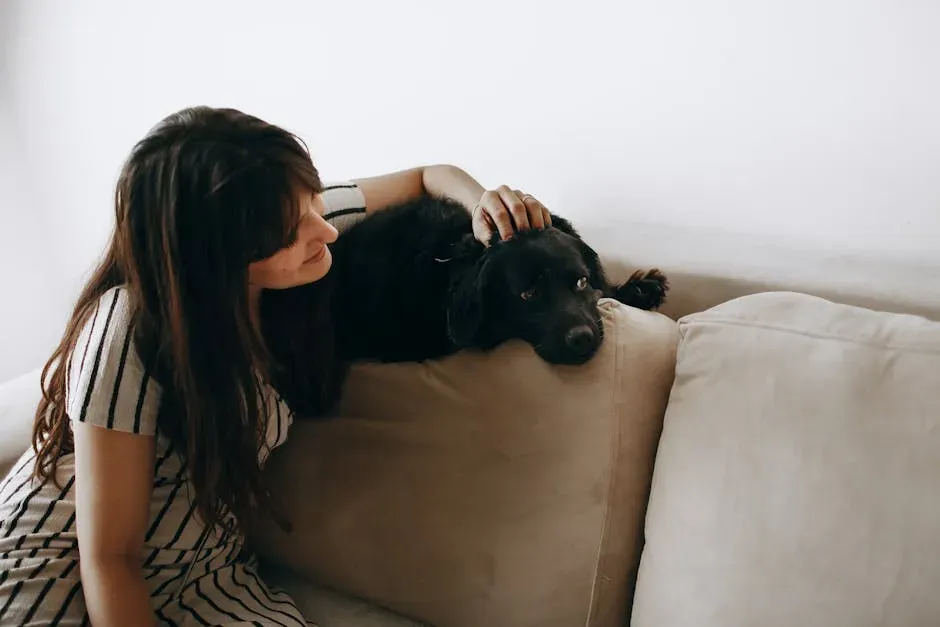
Emotionally attached dogs are highly intuitive and can often sense when you’re feeling joyous, stressed, or upset. They may respond by staying closer to you or trying to comfort you. This ability to empathize with your emotions demonstrates a deep bond and understanding. Most dog owners have experienced this firsthand: a hard day, a quiet cry, and suddenly a warm head pressed against your knee without invitation.
Dogs with strong emotional attachments will be very in tune with their pet parent’s emotions. They can pick up on feelings of anxiety or sadness and will try to provide comfort by nuzzling or licking your face. A truly bonded dog is surprisingly attuned to your feelings. If you’re sad, stressed, or anxious, your dog may become subdued or seek to comfort you. They can’t fix things, but they show up anyway. That counts for a lot.
#10. They Guard You, Not Just the House
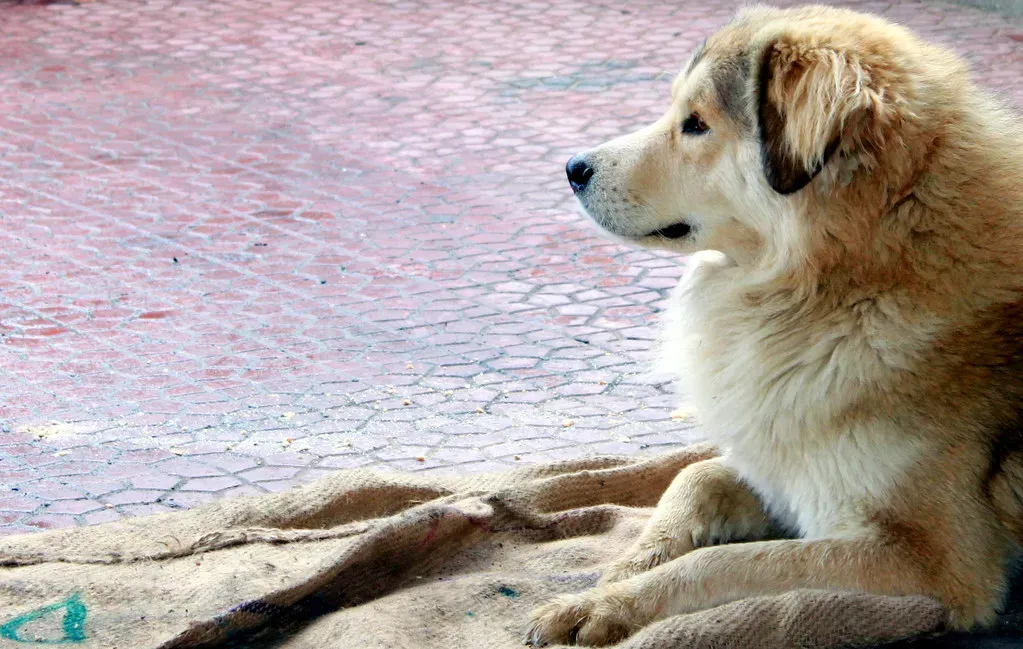
When dogs feel a strong bond with their human companions, they may display guarding behaviors. This could include positioning themselves between you and potential threats or getting defensive when strangers approach. This protective behavior stems from their loyalty and attachment to you. It’s worth noting the difference: a dog guarding their territory is different from a dog placing themselves between you and an unfamiliar person. The second is personal.
Some dogs may push between you and other dogs or people, squeeze into your lap, or try to hog attention when someone else approaches. This behavior is a clear sign that your dog relies on you emotionally and feels safest when you’re fully engaged with them. Emotionally attached dogs can sometimes view other people or pets as “competition” for your attention. It can occasionally edge into nuisance territory, but at its core, it’s the clearest declaration of devotion they have.
#11. They Look to You First in Unfamiliar Situations
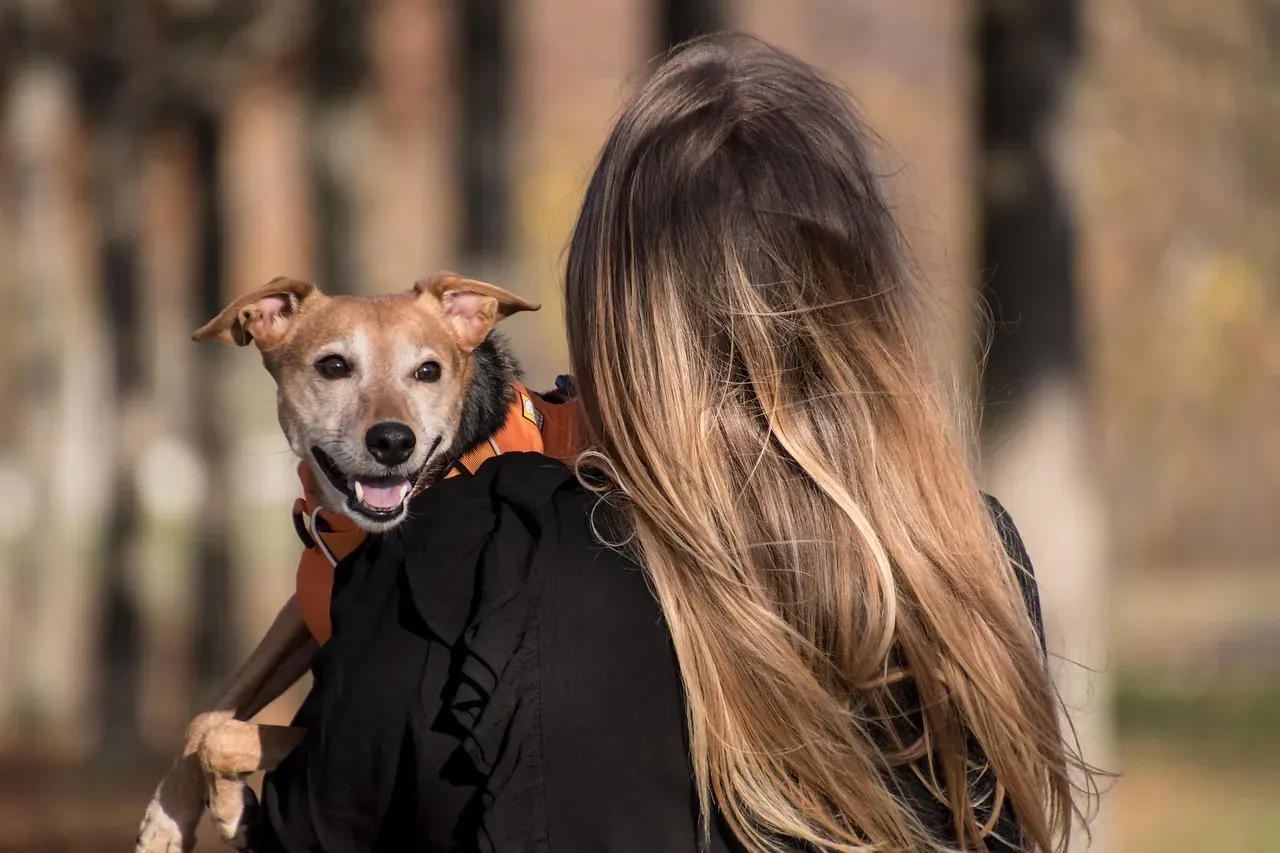
Attached dogs often check your reactions in uncertain situations. You become their emotional compass. This is one of those signs that’s easy to miss unless you’re watching for it. At a new place, around a new person, or when a strange sound happens, the dog doesn’t figure it out independently. They look at you first, and then decide how to feel about it.
This is one of the strongest indicators of emotional attachment. When frightened, anxious, or uncomfortable, emotionally attached dogs instinctively turn to their human. Dogs seek safety where they feel most secure, and for attached dogs, that safe place is you. You’re not just their favorite person. You’re their reference point for reality.
#12. They Snuggle Your Belongings When You’re Not Around
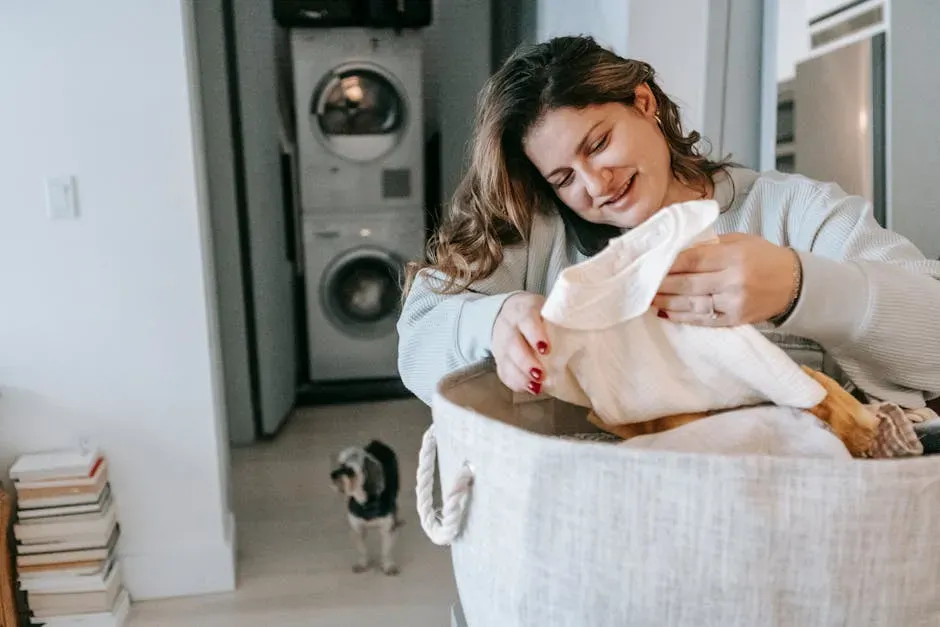
Dogs who are attached to their owners are also very attached to their scent, and may snuggle up with their belongings, particularly extra-stinky ones like clothing and shoes. From a dog’s perspective, scent is one of their primary means of communication, and your belongings communicate home, attachment, and love. If you’ve ever come home to find your dog curled up on your dirty laundry pile, now you know exactly what that means.
Dogs also show their affection by laying on the clothes of their loved ones, which puts into context why pets are often found sitting on piles of laundry. Your scent is a presence even when you’re absent. For a dog who has made you their emotional world, wearing something of yours in your absence is the closest thing they have to having you there. It’s a small, quiet kind of longing.
#13. They Show Visible Anxiety When They Sense You’re Leaving
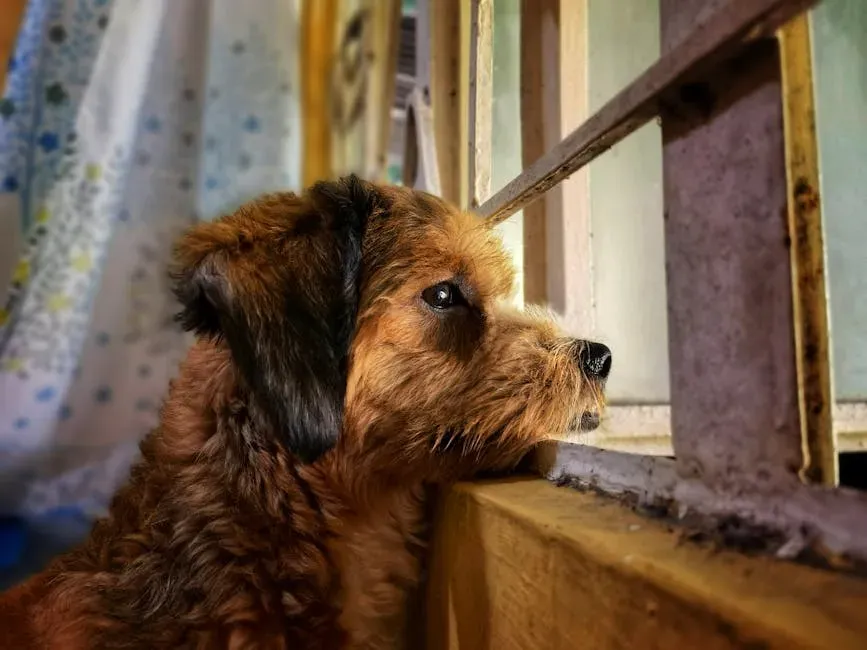
Some dogs begin to feel anxious while their guardians get ready to leave. A dog might start to pace, pant, and whine when he notices his guardian applying makeup, putting on shoes and a coat, and then picking up a bag or car keys. The routine you barely register has become a deeply significant signal to them. They learn your departure rituals faster than you learn theirs.
Most dogs with strong emotional attachment try to remain close to their owners, follow them from room to room, and rarely spend time outdoors alone. They often begin to display anxiety as soon as the owner prepares to leave. Slight signs like whining or pacing as you leave can indicate deep attachment. It reflects their desire to be near you and discomfort when apart. It’s not misbehavior. It’s grief in miniature, every single time.
#14. They Relax Completely and Only Fully in Your Presence
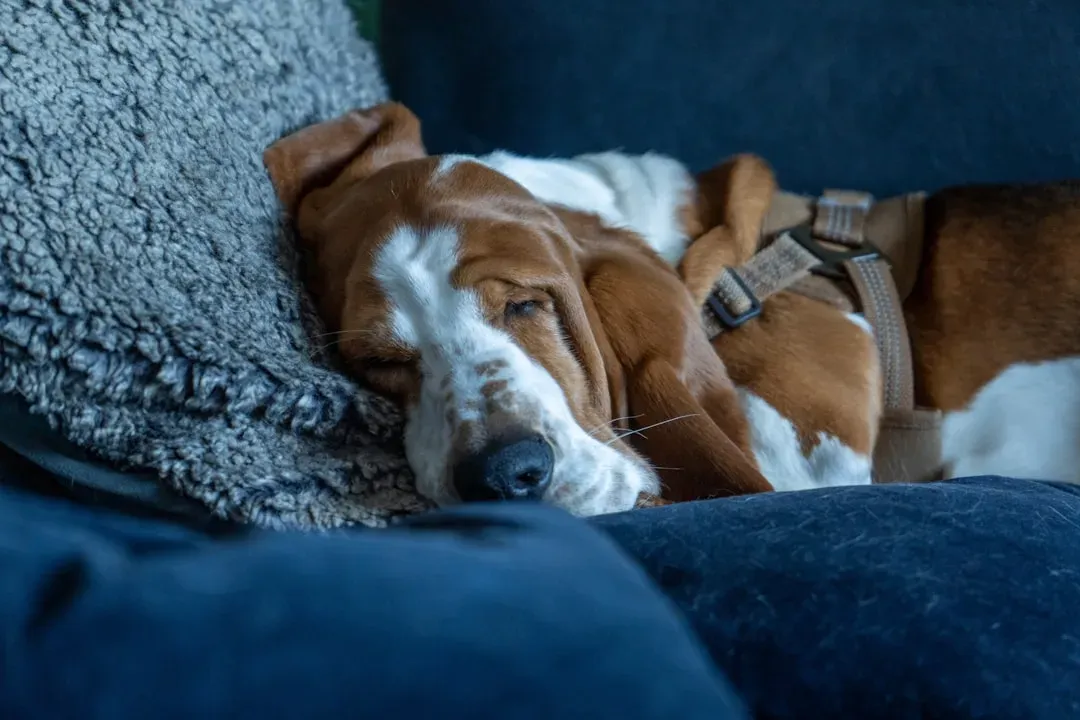
A dog with relaxed body language that lays down and takes a nap by your side is showing you how much they trust you and how much they like being close to you, another sign of a strong bond. It sounds simple, but the ability to fully let go of tension is a deeply specific kind of trust. Not every dog does it with every person. When they do it with you, it means something.
A bonded dog seeks your company, maintains eye contact, follows you, relaxes in your presence, and responds eagerly to your return. Their body language, including relaxed posture, soft eyes, and a wagging tail, signals they view you as their trusted person and secure base. When your dog follows you, seeks comfort from you, watches you closely, and relaxes deeply in your presence, these are not random behaviors. They are signs of trust, safety, and emotional bonding. Your dog isn’t just living with you. They’re emotionally connected to you.
What It All Really Means
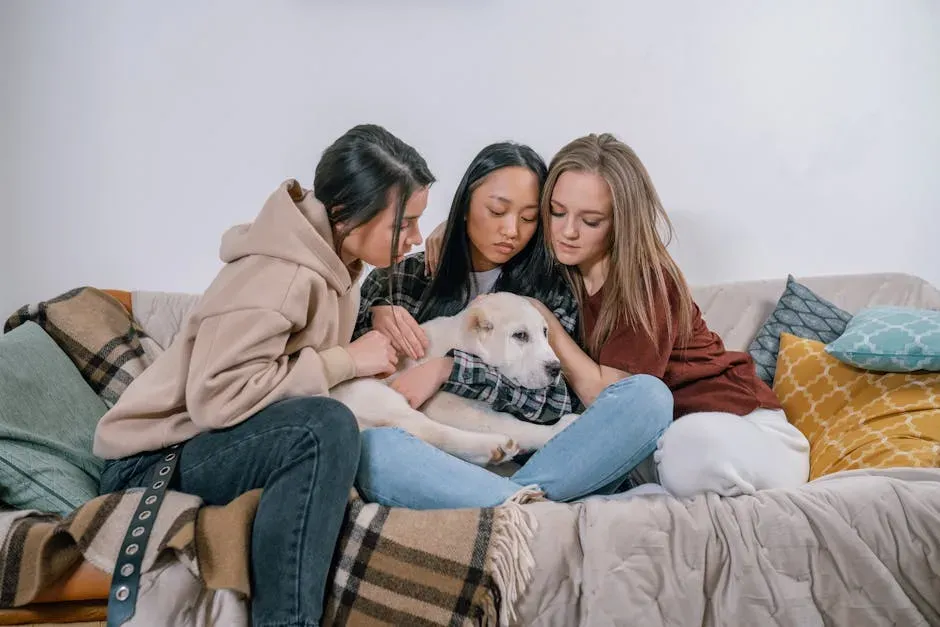
There’s something genuinely remarkable about the fact that another species can form this kind of bond with us. Not out of obligation, not out of training alone, but out of something that looks and functions a great deal like love. Many dogs are natural emotional support animals, always ready to lend a paw or cuddle when you need some extra love. That bonding goes both ways, and some dogs are naturally reliant on their humans for emotional support.
The signs in this article sit on a spectrum. Some are sweet; a few edge toward patterns worth gently addressing with a vet or trainer if they cause real distress. It’s important to distinguish between healthy bonding and anxiety-driven dependency. Extreme distress when alone, destructive actions, excessive vocalization, and panic-like symptoms indicate anxiety, not just attachment. Emotional attachment is positive. Anxiety is not.
For most dogs, though, these signs are simply the language of a relationship they’ve invested everything in. You were chosen. Not by accident, not by default. A dog who did so deliberately, through a thousand small moments of trust they decided were worth giving. That’s not nothing. That’s probably one of the most unconditional things you’ll ever be offered.


