
14 Small Moments a Dog Stores From an Ordinary Tuesday and Never Lets Go
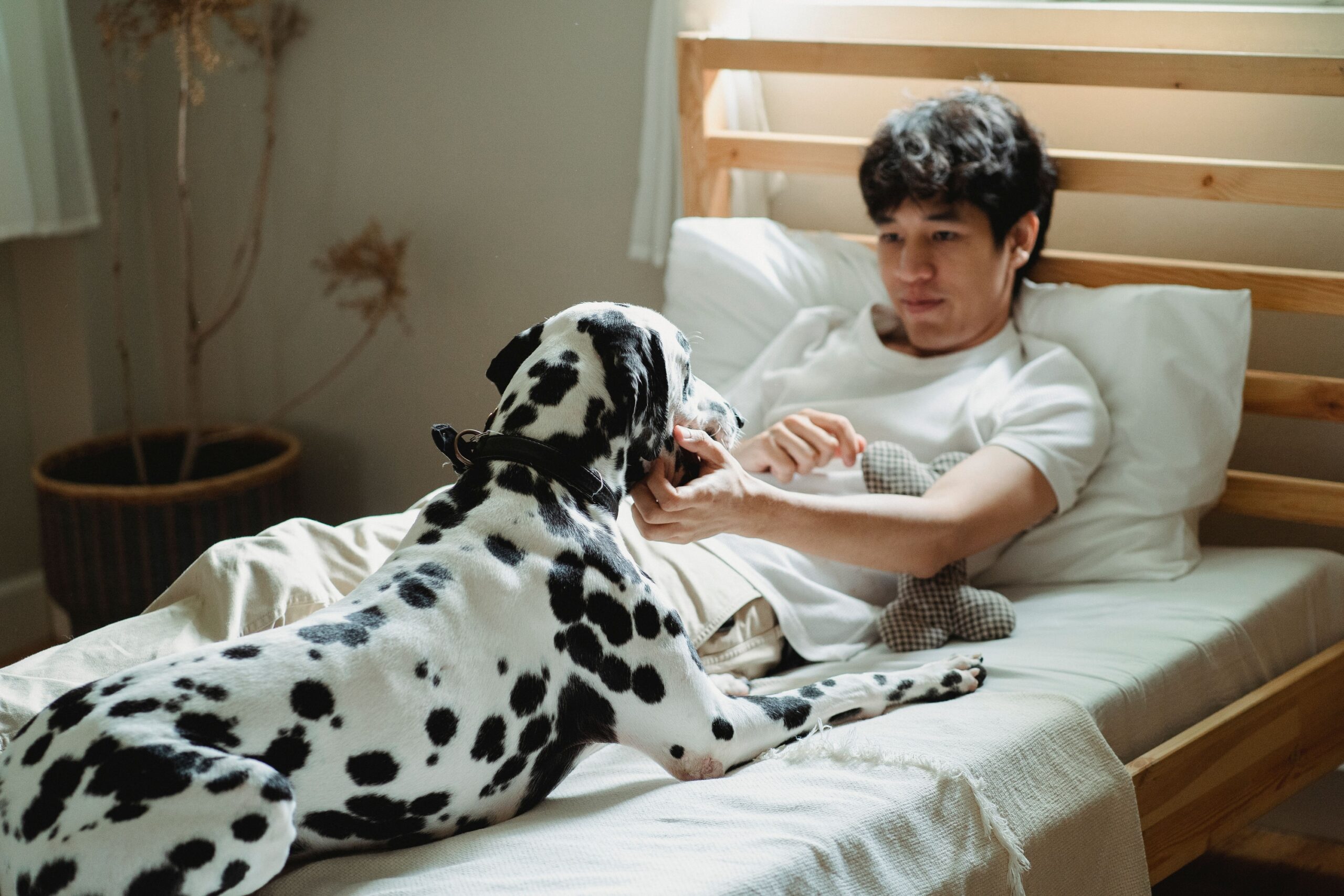
Everyone assumes their dog only remembers the big stuff – the vet visits, the fireworks, the day you brought home a new baby or a new couch that smelled like strangers. Meanwhile, the actual research on dog cognition keeps saying something almost embarrassing for us humans: dogs are quietly filing away the boring parts. The rustle of your sheets. The way your voice changes at 7 a.m. The three extra seconds you let them sniff a fence post.
None of it looks like memory the way we picture it – no home movies playing in a dog’s head. It’s something stranger and more physical: emotional residue attached to sound, smell, and rhythm, stored and replayed for years. Here are 14 forgettable little seconds from a completely average Tuesday that your dog is probably never letting go of.
#1 – The Exact Second You First Stir in Bed
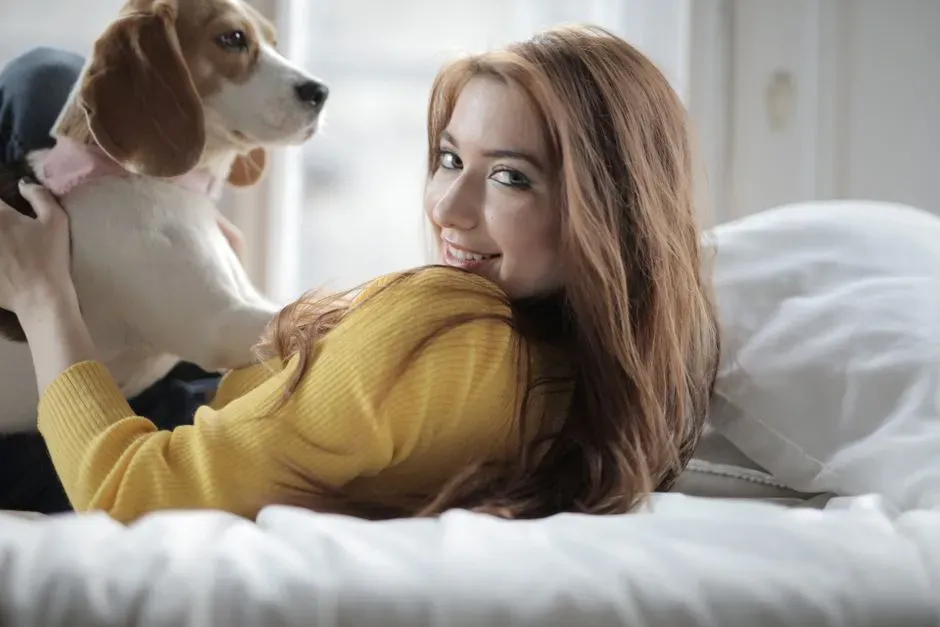
To you, it’s just waking up. To your dog, that first rustle of sheets is the starting gun of the entire day. Dogs are obsessive pattern-readers – they know the click of your alarm, the shape of your sigh, even the specific weight of your feet hitting the floor before you’re fully conscious.
That pattern becomes a promise: good things are coming. It’s not really about breakfast. Somewhere in their wiring, your dog has linked your existence in the morning to safety itself – which is why some dogs lie there just watching you sleep, waiting for the exact moment you “come back” to them for the day.
#2 – The “You Chose Me Over Your Phone” Eye Contact
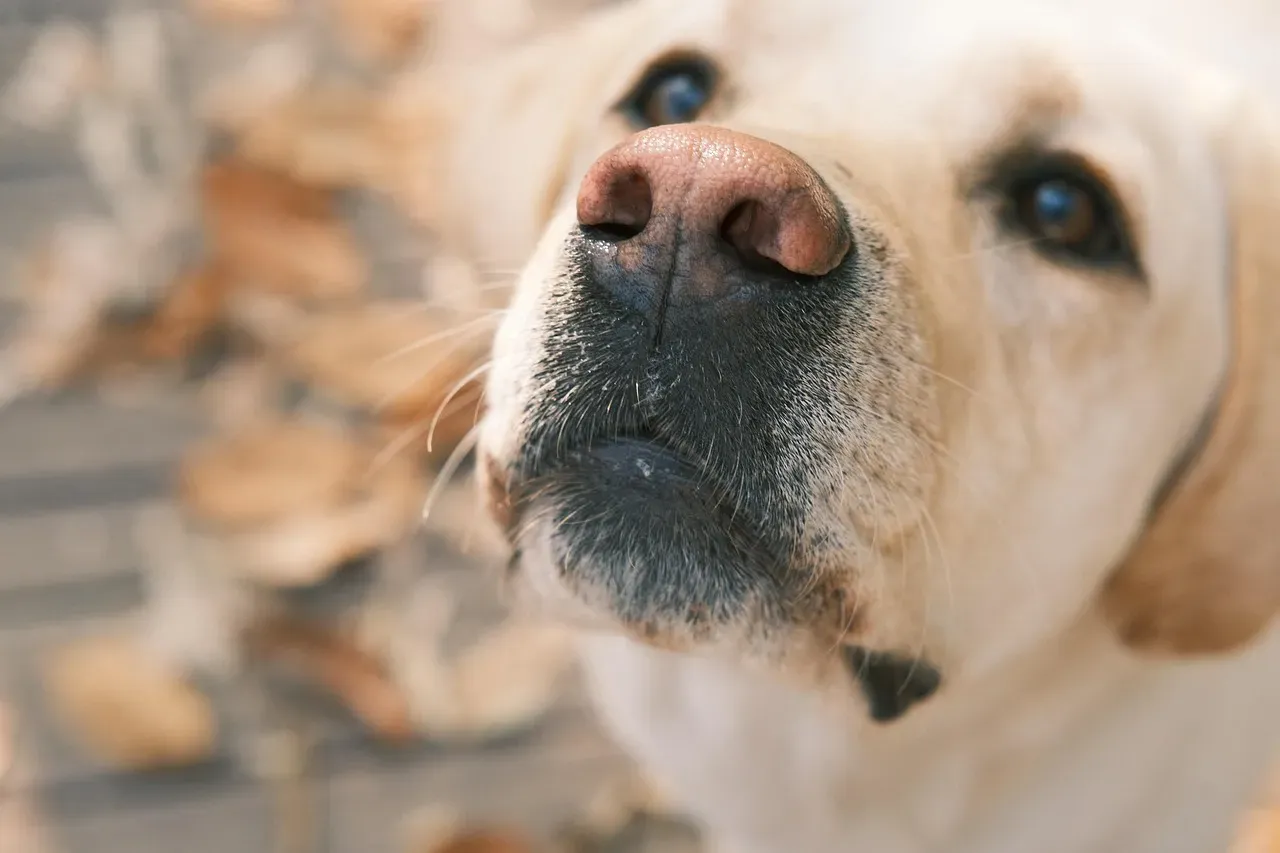
One of the most underrated moments in a dog’s day is the second you finally put the phone down and actually look at them. Not a glance on the way to the fridge – real, direct eye contact. Mutual gazing between dogs and humans has been shown to raise oxytocin in both species, the same hormone tied to the bond between a parent and child.
You can watch the shift happen in real time: ears soften, blink slows, a little sigh escapes as they flop closer. That’s not random affection. That’s a dog quietly logging proof that, for ten uninterrupted seconds, they mattered more than the glowing rectangle. Stack enough of those seconds up over the years, and you’ve got a private archive of “I am loved,” built entirely out of moments most people never even notice giving.
#3 – The Way Your Voice Changes for Their “Good Morning”
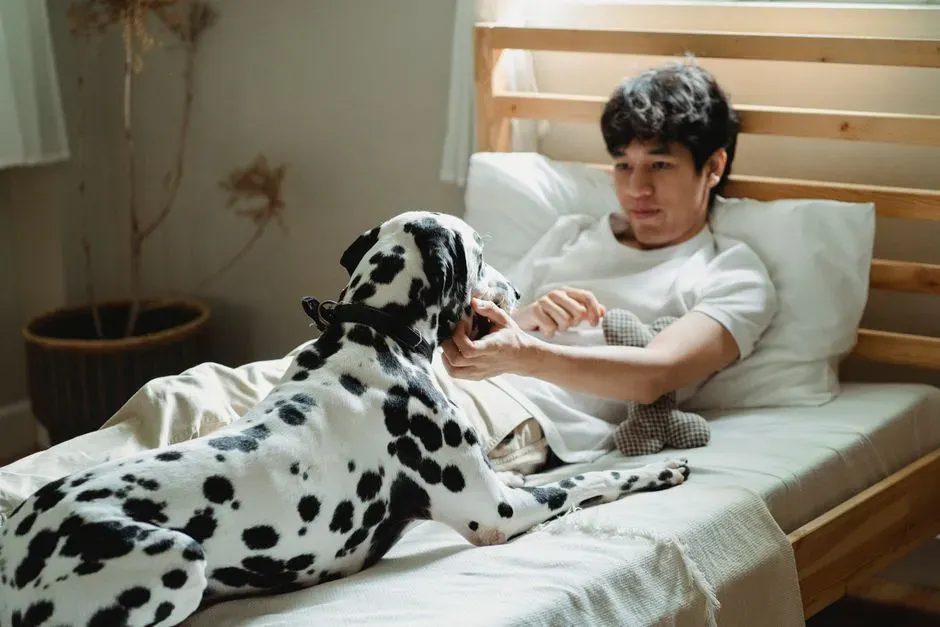
Here’s an unpopular opinion: the cringey baby-talk voice you use for your dog isn’t silly – it’s one of the most powerful tools you own, and they absolutely remember it. Studies on dog-directed speech show dogs tune in harder and respond faster to that higher, sing-song tone than to flat, normal conversation.
That first goofy “heyyyy, buddy” of the morning does more than greet them – it stamps the whole day as safe. Your dog isn’t decoding the words; they’re cataloging the emotional flavor underneath them. Stressed and clipped, or warm and playful? Years later, even a dog with fading hearing will still perk up at that exact cadence, because to them it simply means: my person is here, and the world is okay.
#4 – The Overlooked Sniff Stop You Tried to Rush
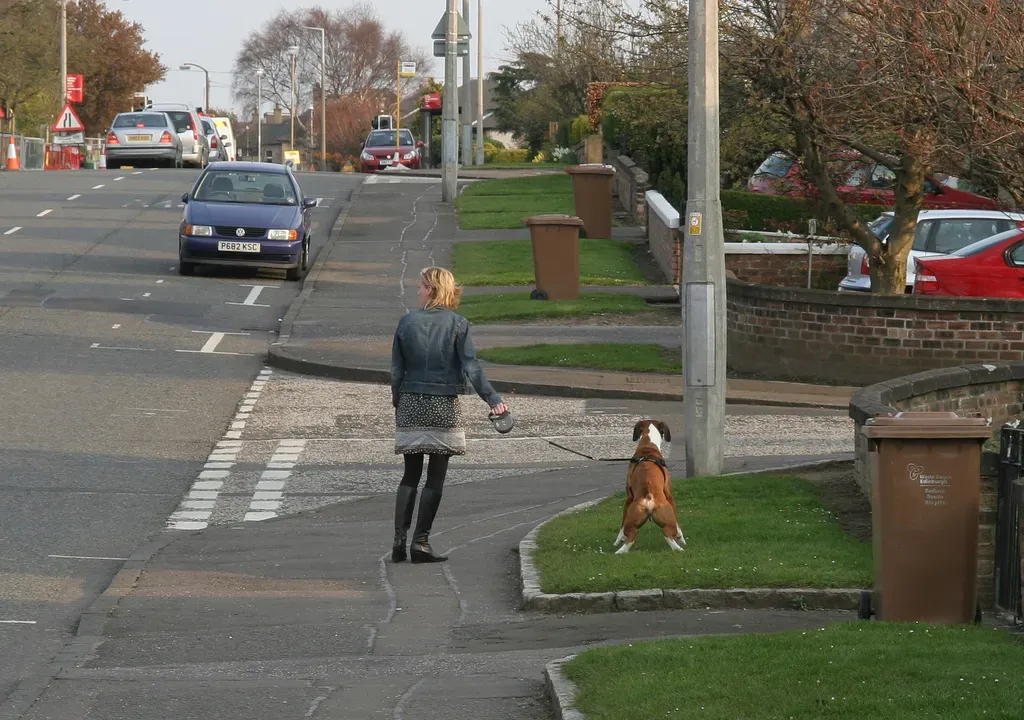
Most people think the walk itself is the point. It isn’t – the real payload is in the sniff stops you keep trying to cut short. A 20-minute walk with three unhurried sniff breaks is more mentally satisfying to a dog than 40 minutes of brisk power-walking, because every sniff is your dog updating a live scent map of the neighborhood: who passed by, what cat came through, what’s changed since yesterday.
Fast Facts
- Dogs have up to 300 million scent receptors in their noses, compared with roughly 6 million in humans.
- The part of a dog’s brain devoted to analyzing smell is estimated to be up to 40 times larger, proportionally, than a human’s.
- A dog’s overall sense of smell is thought to be somewhere between 10,000 and 100,000 times stronger than ours.
- That’s why a “quick sniff” at a lamppost is really a full data download for your dog.
When you let them linger at that one specific lamppost instead of yanking the leash, you’ve just told them their curiosity matters. Some trainers compare it to letting a person check their phone for news – except it’s better, because it’s theirs. And on the Tuesday you stood there shivering in light rain just to let them finish? That oddly specific kindness sticks.
#5 – The Random Treat You Gave With Zero Strings Attached
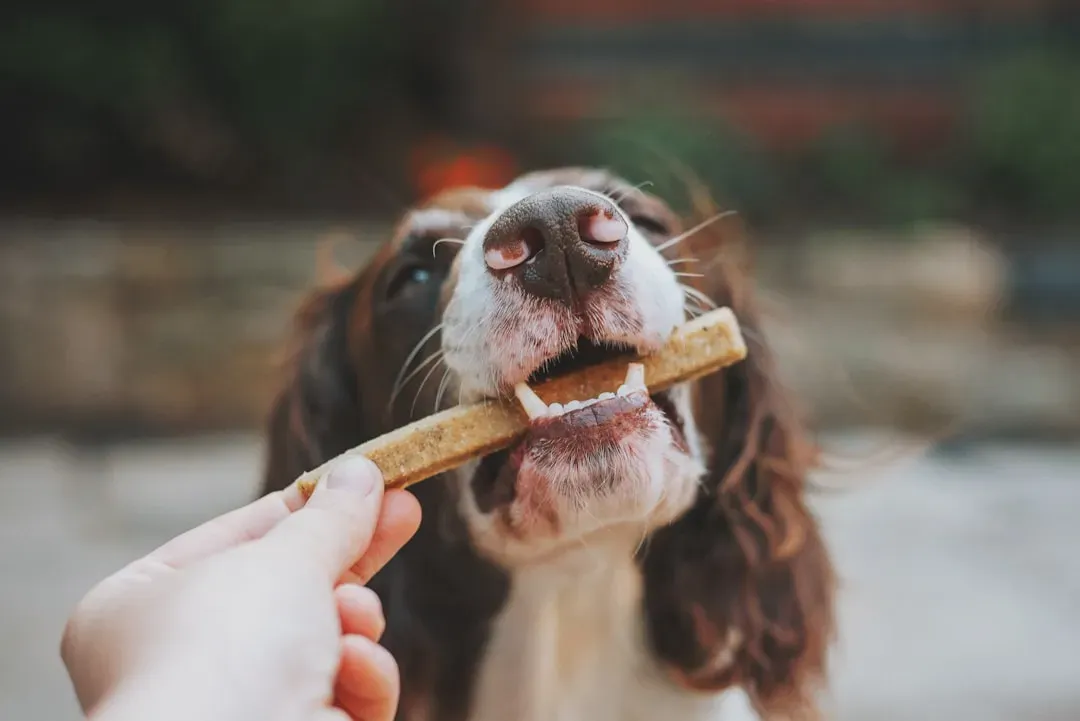
Strict trainers will tell you every treat must be earned. But plenty of behavior professionals quietly admit that a truly no-strings-attached treat, dropped during a calm, unremarkable moment, builds a different kind of trust. Picture your dog lounging quietly, not begging, not performing – and you walk by, drop a piece of kibble, murmur “just because,” and keep moving.
For a dog constantly decoding patterns and transactions, that randomness is oddly comforting. It suggests the world isn’t only ever a negotiation. Many dogs live in a state of low-grade “performance mode” all day, so one spontaneous reward for simply existing can feel like a small holiday in their nervous system – one they’ll quietly hope for again in that same spot.
#6 – The Moment You Came Back After Slamming the Door
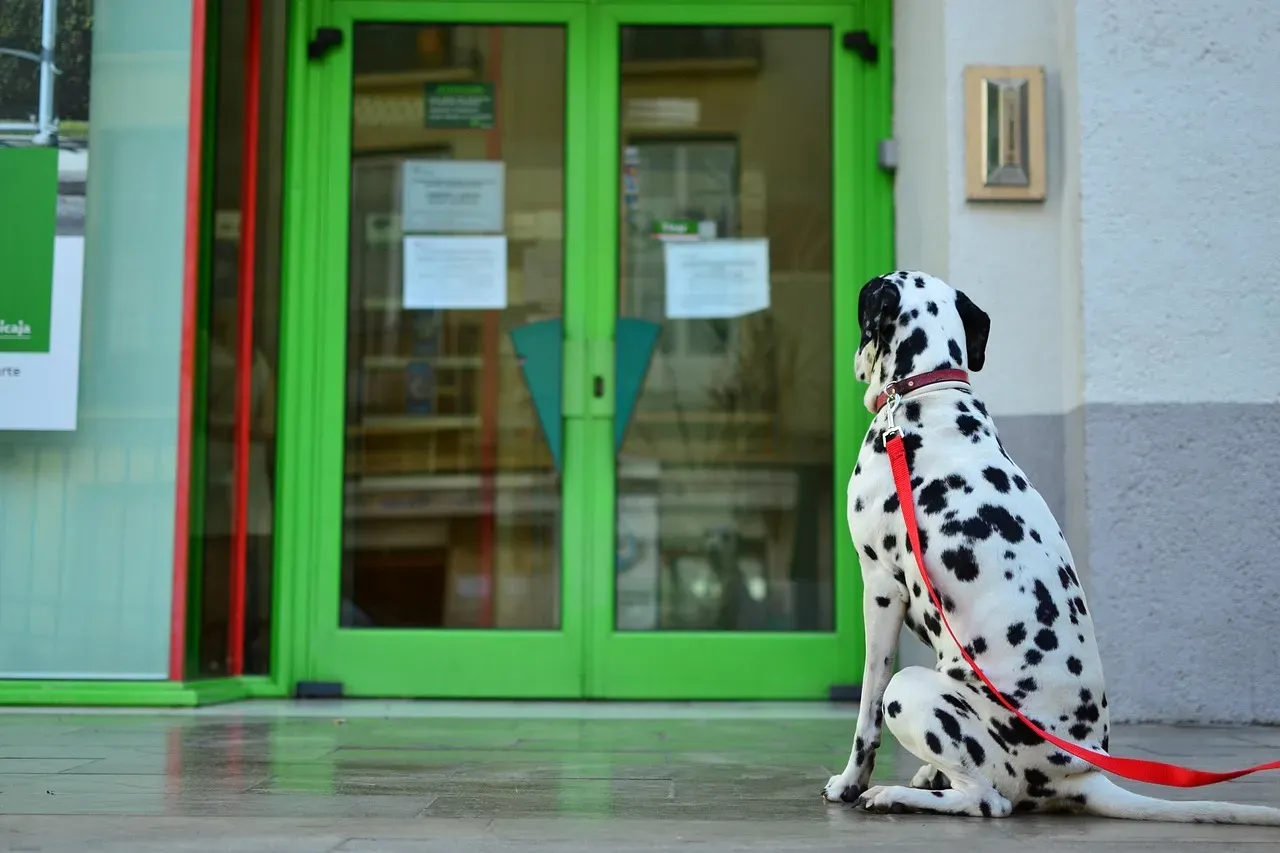
You remember being late for work. Your dog remembers the exact second the door slammed and the house went silent. Separation is one of the most emotionally loaded parts of a dog’s day, and the sequence around it – door, footsteps, keys, silence – gets filed with surprising precision.
At a Glance
- Research suggests roughly 8 out of 10 dogs find it genuinely hard to cope when left alone.
- About half of dogs struggling with separation don’t show any obvious outward signs, which is why owners often miss it.
- Common visible signs include following you to the door, whining, or restless pacing before you even leave.
So the Tuesday you were halfway to the car, panicked about forgetting your keys, and burst back through the door? That was a full plot twist for your dog: they left, but then they came back, fast. If you paired that re-entry with a calm greeting instead of chaos, you may have quietly reshaped their entire internal script about goodbyes – proof, stored deep, that losing you isn’t always forever.
#7 – The Midday Sunspot Nap You Quietly Protected
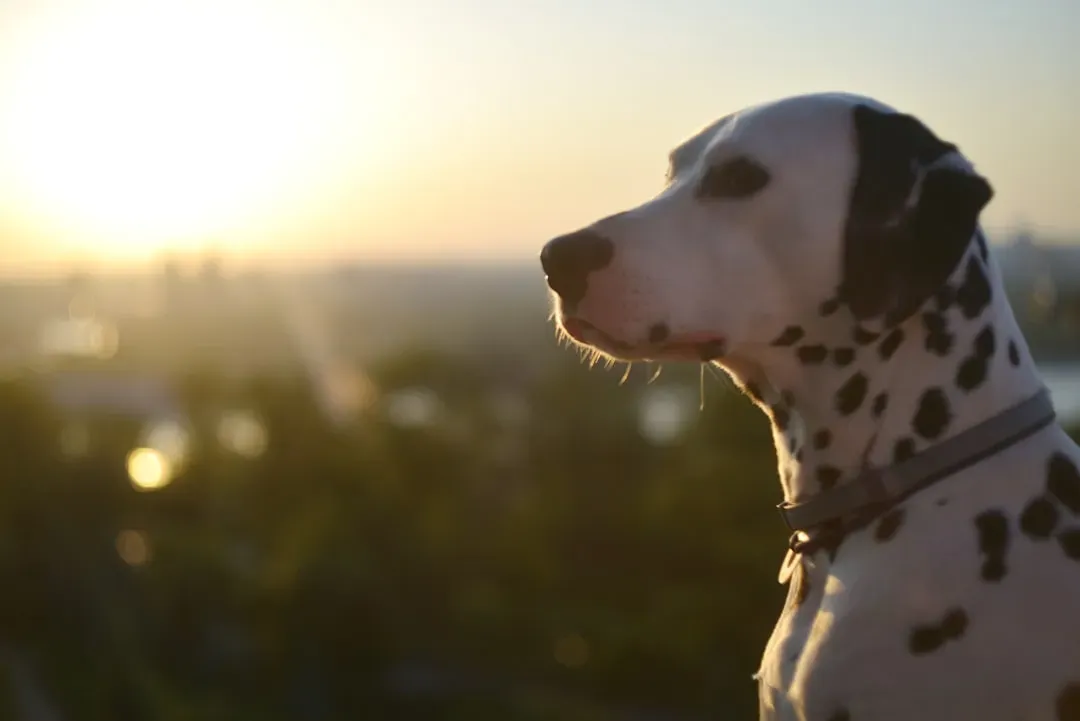
There’s a small, sacred ritual in most dog households: the midday sun puddle. Your dog finds that one warm rectangle on the floor, circles twice, and collapses with a sigh that sounds like their whole system is rebooting. The Tuesday you tiptoed around them instead of vacuuming past or nudging them aside was, from their side, a deep safety deposit.
Dogs tie physical comfort directly to a sense of environmental safety. When you close the curtain a little slower or move your laptop instead of disturbing them, you’re saying: your peace matters here. Over time that spot becomes their secure base – and that boring, sunlit, utterly un-photogenic nap becomes one of the purest memories of home they’ll ever store.
#8 – The Silly Voice You Used for Their Toy
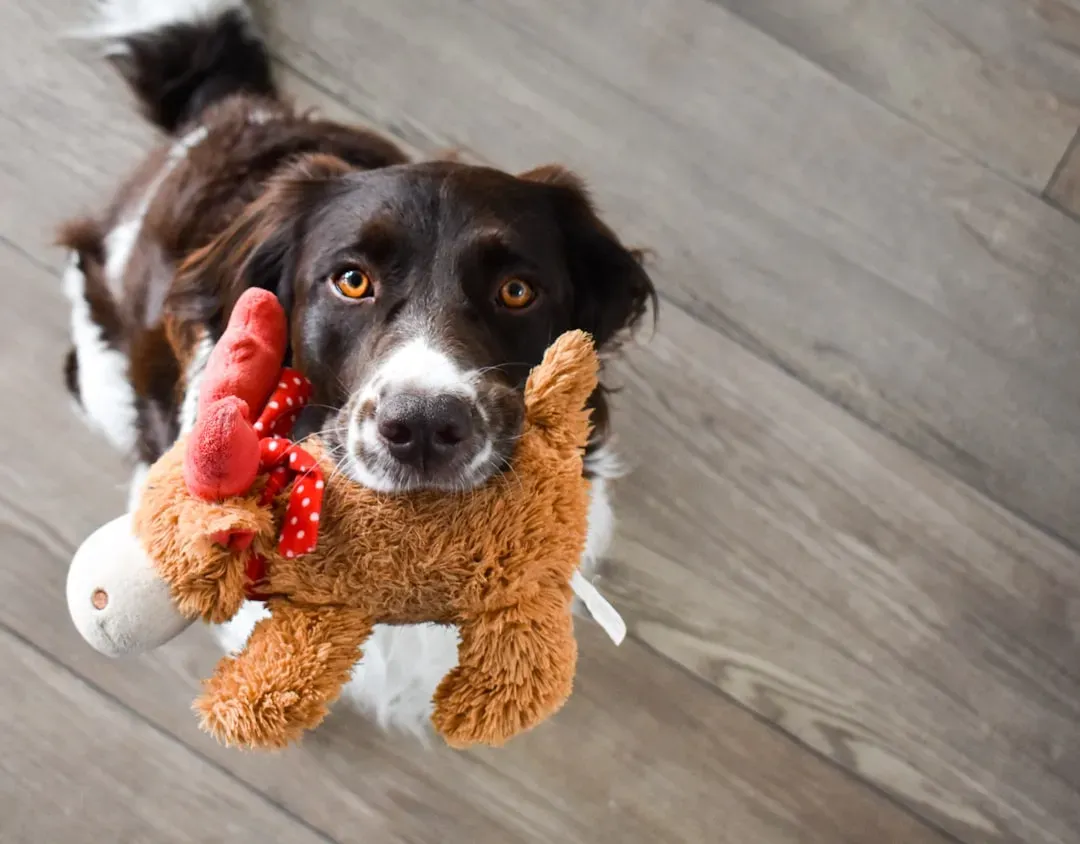
A lot of people secretly give their dog’s favorite toy a voice – the crinkly fox that “complains,” the tennis ball that “begs” to be thrown. It feels ridiculous out loud, but your dog is absolutely tracking it. When you grab that battered plush and say, “Ohhh no, don’t squeeze me again!” in full drama-voice, they don’t understand the words – they lock onto the predictable, joyful ritual underneath them.
That toy plus that voice equals playtime with their person, full stop. The one evening you were extra animated – falling over dramatically, laughing hard, repeating the toy’s “catchphrase” – plants an emotional flag that outlasts the toy itself. Long after it’s been thrown out, that same vocal pattern can trigger a flash of pure, uncomplicated joy.
#9 – The Quiet Check-In When You Noticed They Were Off
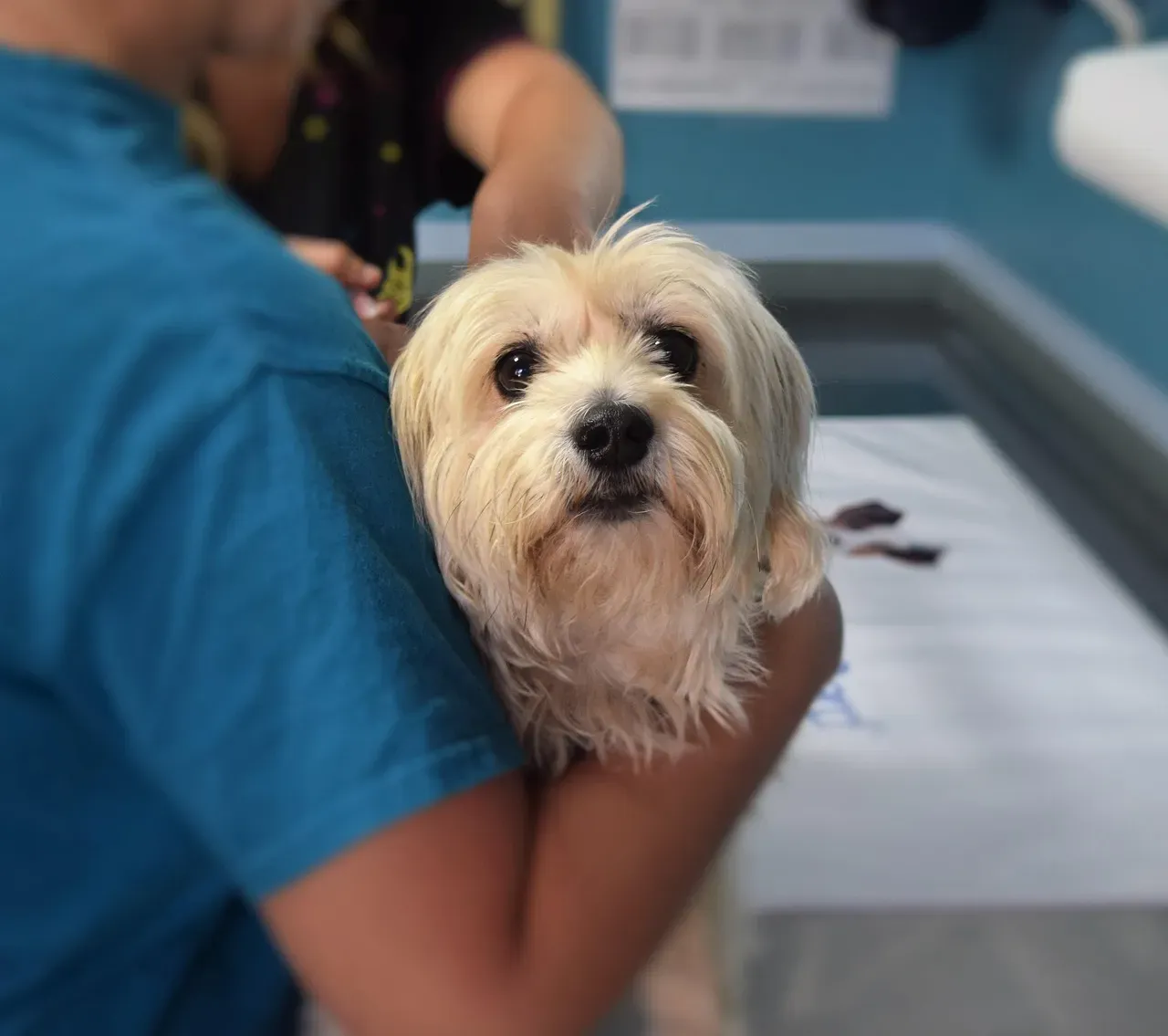
Most people remember the big vet visits and obvious limps. Dogs remember something smaller: the Tuesday afternoon you just knew something was off before anyone else noticed. Maybe they hesitated before jumping on the couch, or their wag looked a little flat. You paused your show, got down on the floor, and gently ran your hands along their body – paws, ribs, eyes – quietly asking, “You okay?”
Worth Knowing
- Dogs descend from wild ancestors for whom showing weakness could be risky, so many instinctively downplay pain.
- Subtle discomfort often shows up as small shifts, not drama: a changed sleep position, a skipped jump, less interest in a favorite toy.
- A calm, attentive owner who checks in without panic teaches a dog that discomfort is safe to reveal, not something to hide.
Even if you found nothing wrong, that careful scan becomes a stored pattern: when I feel strange, my human investigates instead of ignoring it. Dogs are painfully sensitive to when we’re rushed or dismissive, so the one time you weren’t can quietly shape how honestly they show you pain later – sometimes the difference between limping sooner or hiding it entirely.
#10 – The “Shared Snack” That Turned Into a Ritual
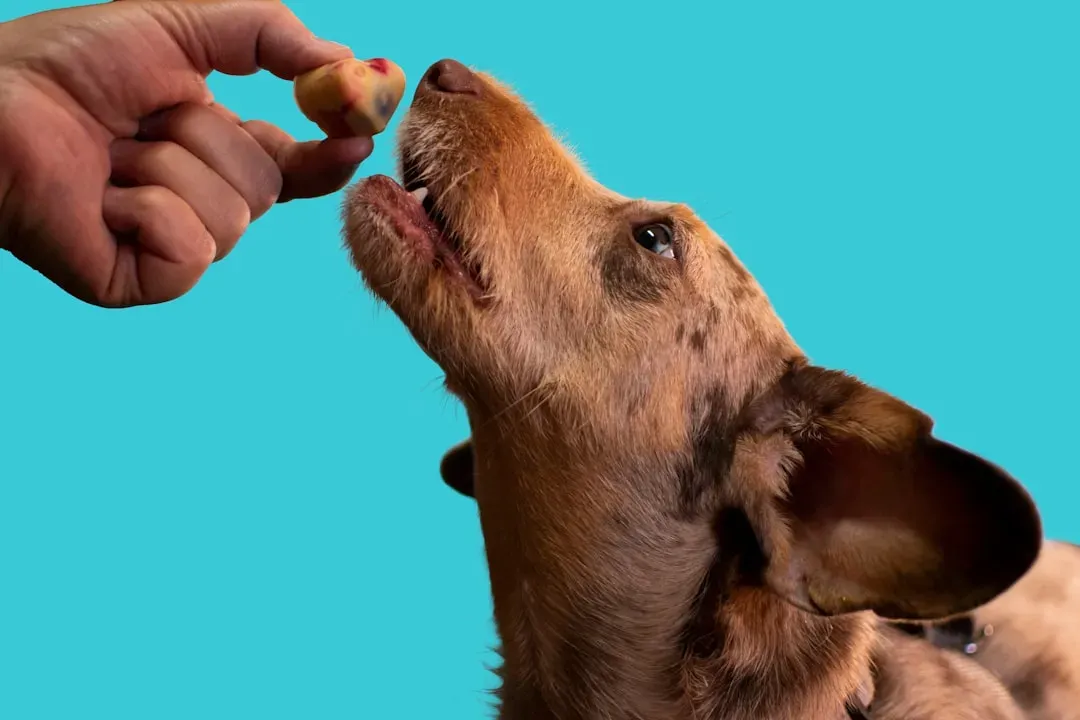
Nutrition experts won’t love this one, but nearly every dog has had a contraband taste of human food. What makes it unforgettable is the day it stops being an accident and becomes a ritual – the corner of toast that “just happened” to fall, followed by your amused “oops, look at that,” and an enthusiastic clean-up crew of one.
Repeat that enough – every Tuesday, every lunch break – and you’ve built a deep, scent-anchored memory. Dogs are wired to that kind of sensory recall; the smell of peanut butter or eggs can instantly flip them back to that first shared bite. Table manners aside, from the dog’s side it reads simply: there was a day my human and I shared food like packmates. That hits a different, older part of the brain than any store-bought treat ever will.
#11 – The Storm You “Sat Through” Together
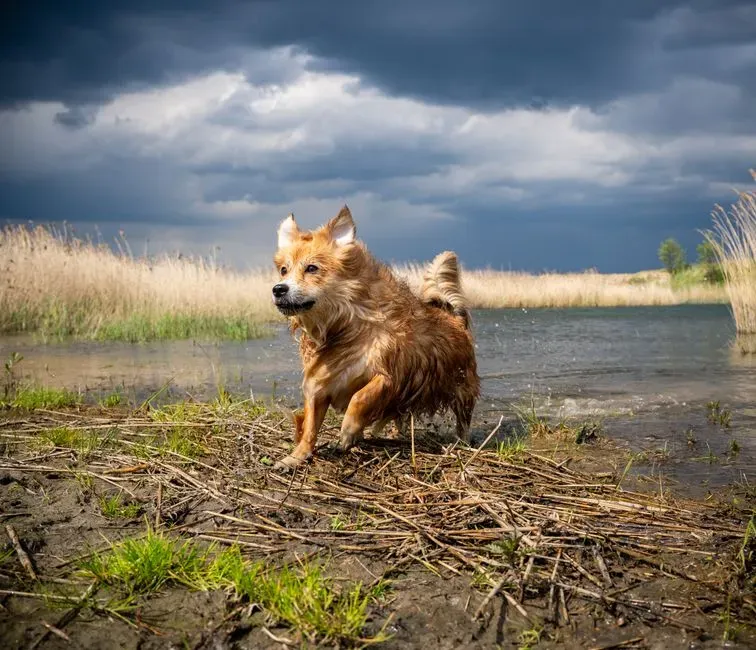
Weather is background noise to you. To a dog, a storm is a full sensory event – thunder, pressure drops, strange smells riding the wind, all stacking into real anxiety. The Tuesday you noticed the first low rumble and chose to sit on the floor beside them, maybe with white noise on or your voice pitched low and steady, becomes a landmark in their emotional history.
You’ll remember that storm as “the one with the power flicker.” They’ll remember that you didn’t shoo them off or shut them in a crate alone – you became part of how they survived it. For sensitive dogs, enough of these moments can genuinely rewire panic into manageable concern, right down to remembering which specific hiding spot you respected instead of dragging them out to “comfort them properly.”
#12 – The Car Ride That Didn’t End at the Vet
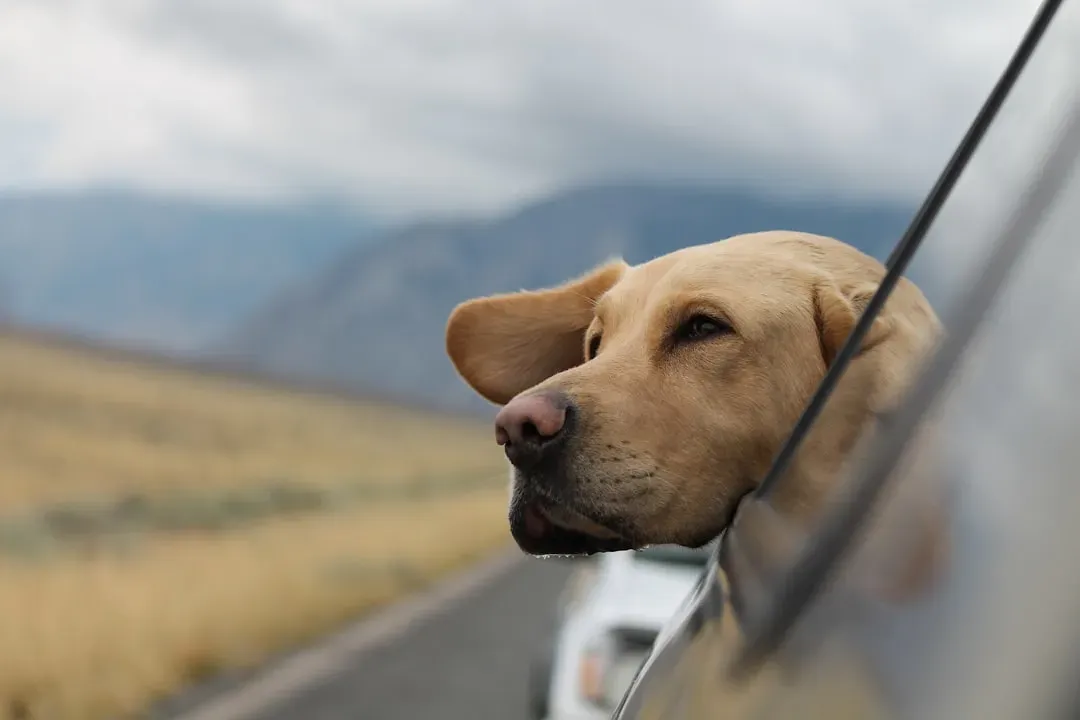
Ask any dog who dreads the vet and the pattern is brutal in its clarity: harness, car, familiar route, sharp smells, cold table. That’s exactly why one random Tuesday car ride that doesn’t end in needles can be genuinely life-changing. Maybe it was a loop to the park, a drive-thru pup cup, or just windows-down music with no destination at all.
Quick Compare
- The Vet-Only Pattern: harness on, straight drive, sharp antiseptic smell, cold table, needle – fear stacks with every repeat.
- The Surprise Joyride: harness on, winding route, park smells or fries, windows down, no needle – fear gets a competing memory.
- The Long-Term Effect: one good ride doesn’t erase the fear, but it proves the car isn’t a guaranteed trap.
Suddenly the car stops being a guaranteed portal to fear. That memory – wind in fur, your off-key singing, the smell of fries – rewires the equation: sometimes the car means adventure, not dread. Dogs store sequences, not explanations, so one surprise joyride can punch a real hole in a fear pattern that’s been building for years.
#13 – The Nighttime “One More Pet” Before Lights Out
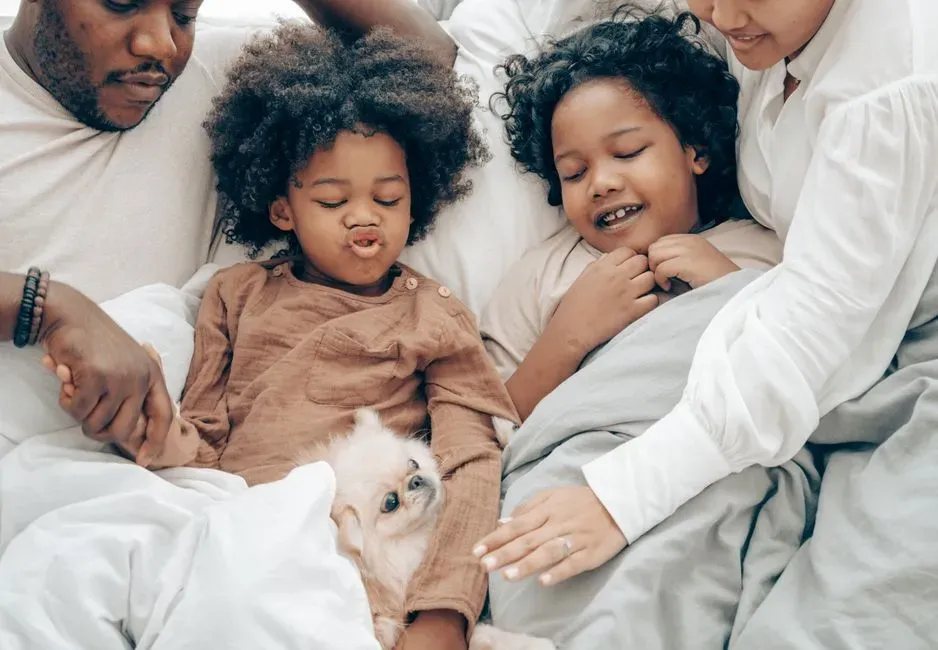
Bedtime is memory gold for dogs. After a long, forgettable Tuesday, the last sixty seconds before lights out often carry disproportionate emotional weight. Maybe they’re already curled up when you suddenly remember you never really connected today – so you get up, walk over in the dark, kneel down, and give them one slow, deliberate head rub, telling them they’re a good dog with nobody watching and nothing to gain.
From their side, that’s enormous. It breaks the assumption that affection only happens on the couch or during play, and quietly says: even when the day is over, I’m still thinking about you. Dogs don’t do guilt the way we do, but they track rhythms of connection with startling precision – which is why that one unexpected tuck-in can outlast almost everything else that happened that day.
#14 – The Completely Ordinary Minute You Matched Their Pace
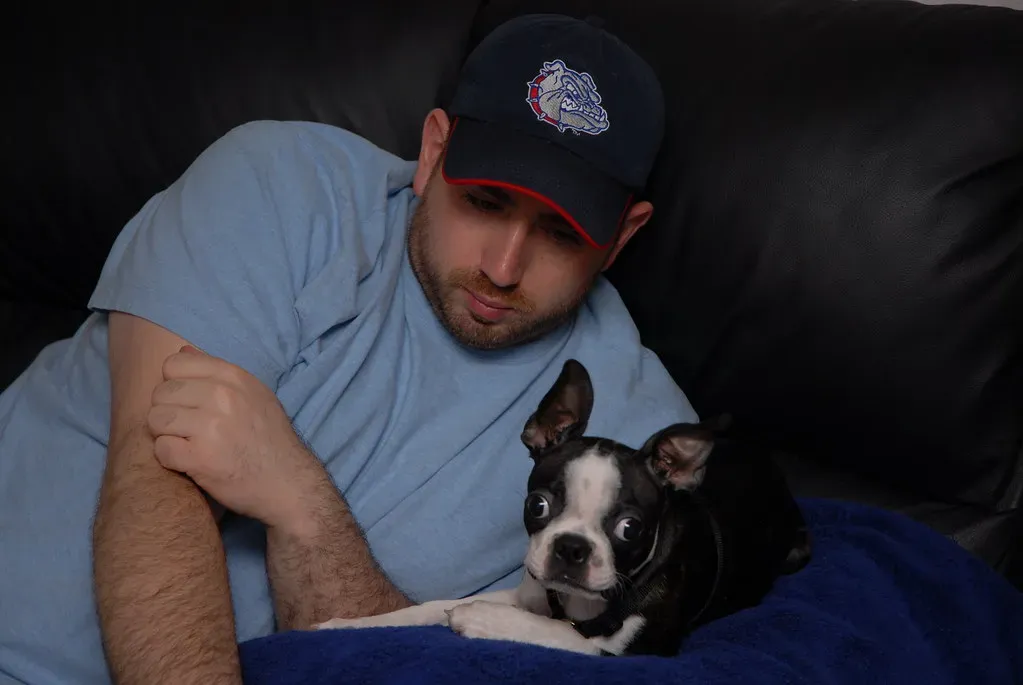
This might be the quietest, most devastating one on the list: the moment you finally slowed down. Not for training, not for photos – just because. Maybe it was a random Tuesday evening, and instead of scrolling or rushing, you sat on the floor and simply breathed at your dog’s rhythm, matching their sighs, their stillness, their gaze out the window at nothing in particular.
Dogs are our link to paradise. They don’t know evil or jealousy or discontent.
Milan Kundera
Dogs live closer to the present than we ever will, and when we finally meet them there, it lands hard. No commands, no performance, no agenda – just shared space. It’s the kind of moment you’ll forget by tomorrow morning, and the kind your dog’s nervous system may hold onto for years as quiet proof that simply being with you is enough.
If you’ve been waiting for the big vacation, the perfect training session, or some dramatic rescue-story moment to define your bond with your dog, you’re looking in the wrong place. Your dog is already building their entire emotional world out of your worst, most forgettable Tuesdays – the stir in the bed, the rushed sniff you didn’t rush, the voice you use at night when no one’s listening.
Most people treat these seconds like background noise. They’re not. To a dog, they’re the whole soundtrack, playing on repeat for a decade or more. You don’t need to turn your life into a dog-centric production – you just need to notice how much you already matter in the moments you assumed didn’t count, and lean into them on purpose. Which one on this list hit closest to home? That flicker of recognition is exactly how deep this actually goes.