
14 Things a Vet Nurse Notices About a Dog That the Owner Has Stopped Seeing
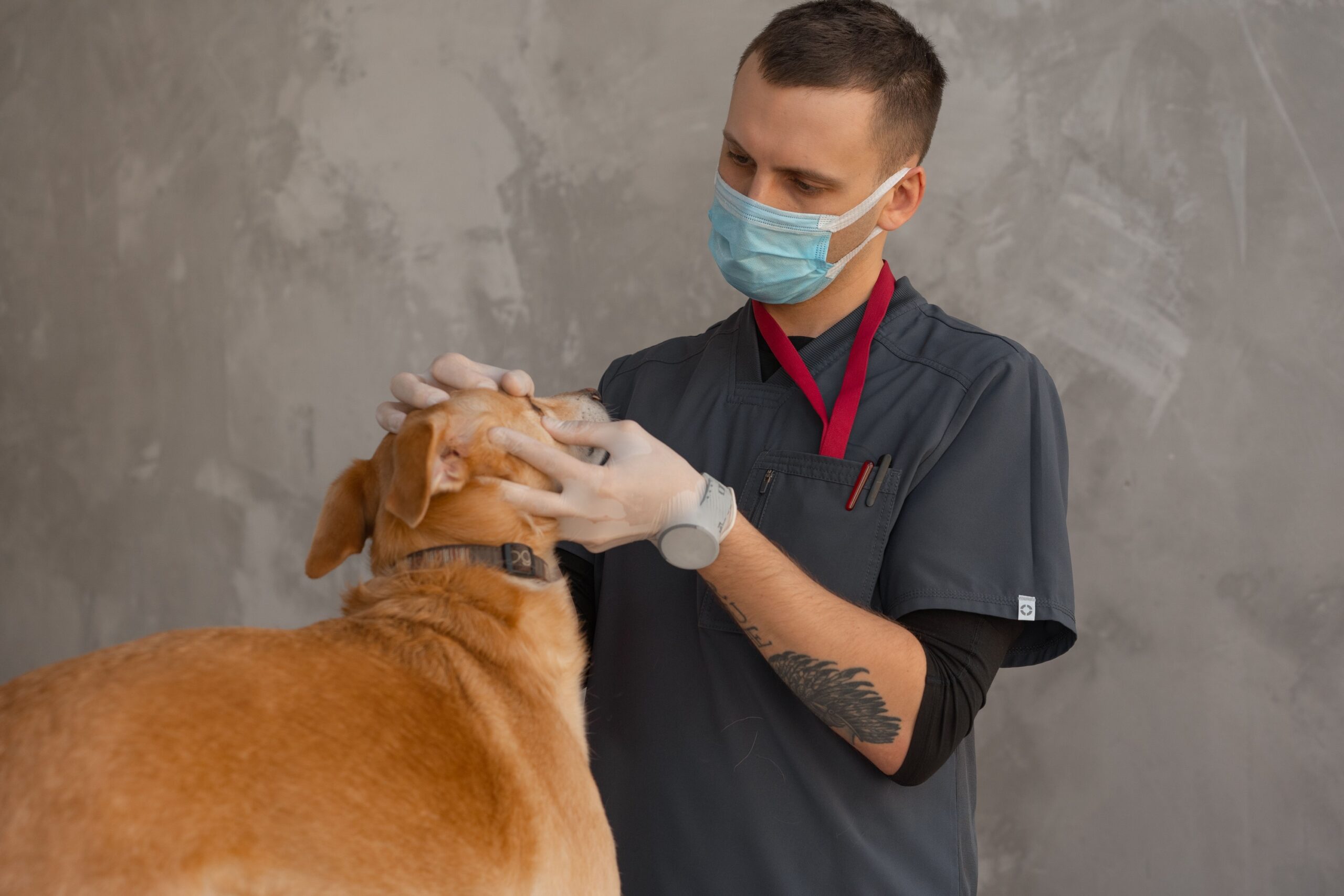
Your dog trots through the clinic door wagging like nothing’s wrong. To you, it’s just another checkup, maybe a shot, maybe a nail trim. To the vet nurse standing at the front desk, your dog has already told her half the story before you’ve even said hello.
Here’s the strange part: you see your dog every single day, and that feels like an advantage. It isn’t. Vet nurses see dogs in flashes, months apart, and that distance is exactly why they catch what you’ve stopped noticing. Below are 14 things they clock the second your dog walks in, and the reasons why those “quirks” you’ve normalized might be worth a second look.
#1 – That “Just Getting Older” Slowness
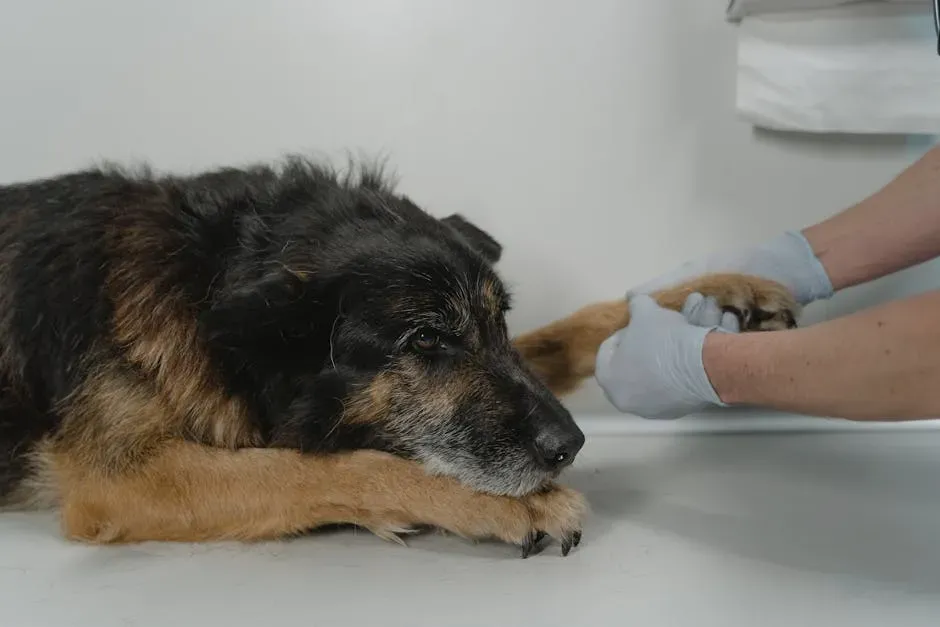
Most owners chalk it up to age the moment their dog starts slowing down. Vet nurses know that “old” is often just code for “uncomfortable.” The way your dog steps off the scale, hesitates before the exam table, or takes a few stiff steps before loosening up says more than any owner realizes.
You see that same dog every day, so you quietly adapt: shorter walks, more couch time, no more fetch. A nurse sees him twice a year and spots the mobility drop instantly. That slowness you’ve stopped noticing is often early arthritis, joint pain, or an injury nobody caught in time.
#2 – The Coat That’s “Always Looked Like That”
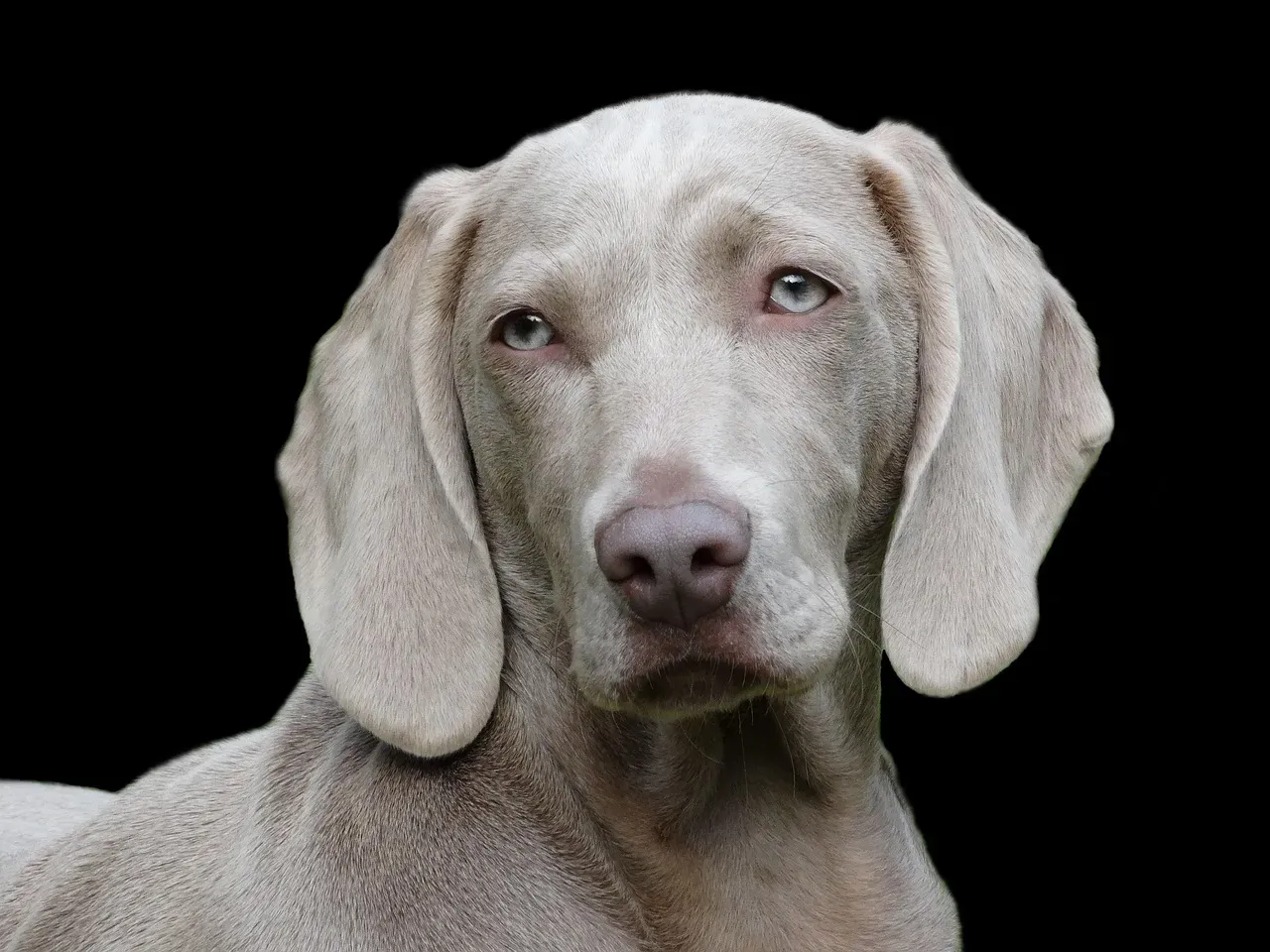
You get used to how your dog looks in photos. Vet nurses get used to what a genuinely healthy coat feels like under their fingers. Over time, people stop seeing that the shine has faded, the fur’s gone greasy, or it’s thinned along the back and tail.
A nurse runs her hands through that same coat and immediately catches what you missed: flea dirt, tiny scabs, localized heat, a strange yeasty texture. Thin hair on the sides gets thyroid added to the mental checklist. To you, the coat “has always been like that.” To her, it’s quietly screaming that something changed.
Worth Knowing
- Dull or greasy shine instead of natural luster
- Thinning fur along the back, tail, or flanks
- Small scabs or flea dirt hidden near the skin
- Localized heat or tenderness when touched
#3 – The “Normal” Doggy Smell That Really Isn’t
Nose blindness is real, and most owners lose the ability to smell their own dog after a while. Vet nurses never get that luxury. That corn-chip smell on the paws isn’t “cute Frito feet” – it’s usually yeast overgrowth. A sour, musty smell around the ears is a classic early infection, especially in floppy-eared dogs.
Nurses are trained to separate yeasty odors from bacterial ones, and both from the sharp, fishy smell of anal gland trouble. You think your dog just needs a bath. She’s quietly noting that the baths have probably been masking something chronic for a long time.
- Yeasty (sweet, sour)
- Bacterial (sharp, rotten, metallic)
- Anal gland (fishy, pungent, unmistakable)
#4 – That Slightly Red Eye You Swear “Just Shows Up in Photos”
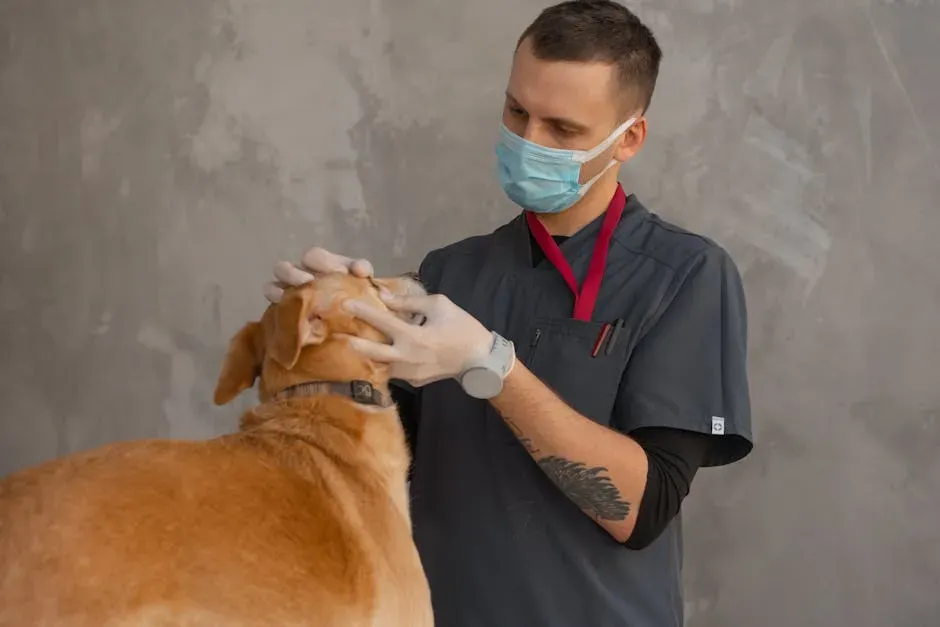
Most owners don’t lean in close enough to really study their dog’s eyes. Vet nurses do it in seconds, almost on instinct. Redness in the whites, a faint cloudiness in the lens, a subtle blue tint under the wrong lighting – those are the details owners wave off as camera flash.
What looks like “allergies” can actually be the start of dry eye, glaucoma, uveitis, or early cataracts. A squint in one eye, extra blinking, avoiding bright light – nurses take all of it seriously, because eye disease can turn painful fast. Owners talk about cute puppy dog eyes. Nurses see pressure building behind them.
#5 – The Micro-Limp You Only See on Video
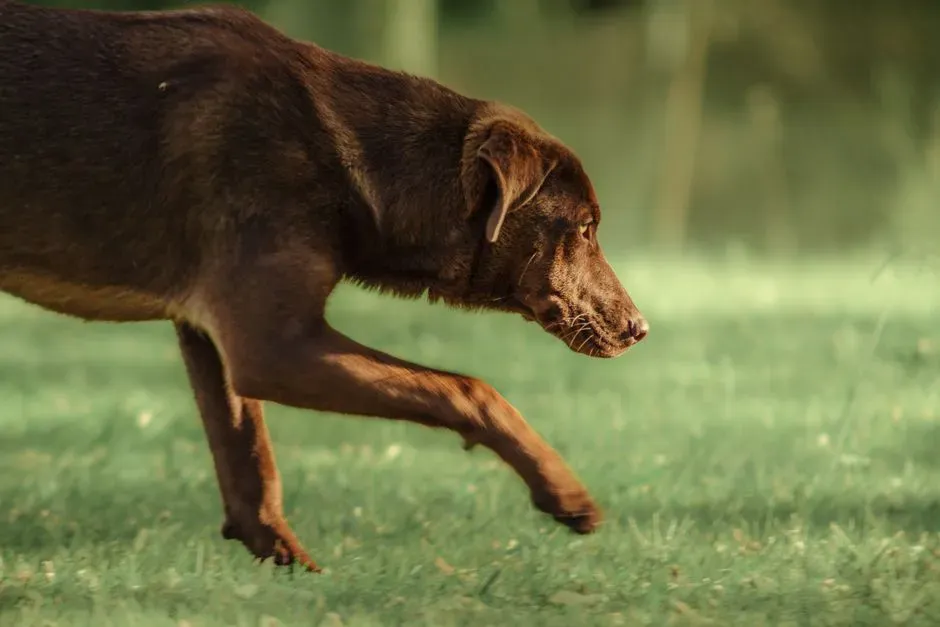
Most owners only notice lameness when it’s dramatic – a leg held up, a yelp, a flat refusal to walk. Vet nurses notice the micro-limp, the one that never makes it into conversation. As your dog crosses from the waiting room to the exam table, she’s already watching every stride.
A slightly shorter step, a tiny head bob, hips swaying a little too far to one side – that’s an early warning for cruciate damage, hip dysplasia, or joint disease. To you, that’s just how he’s always walked. By the time you say, “he only limps after a long walk,” she’s already logged the whole pattern.
Fast Facts
- Shorter stride on one side
- Slight head bob with each step
- Hips swinging wider than normal
- Stiffness that eases after a few minutes of moving
#6 – The “He’s Just Being Stubborn” Face
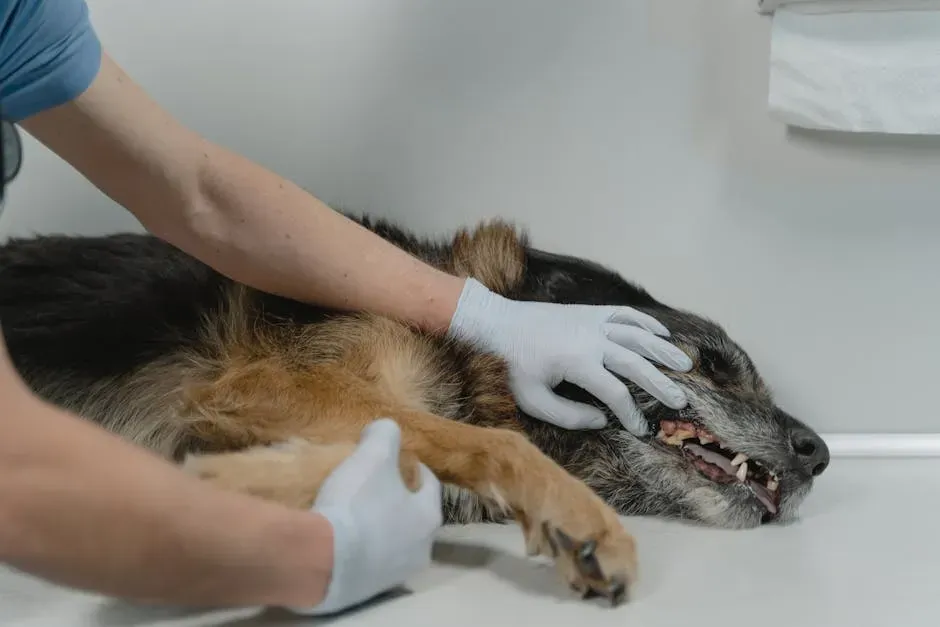
Owners read changes in expression as mood. Vet nurses read them as discomfort, anxiety, or nausea. Tight facial muscles, a furrowed brow, constant lip licking, yawning that has nothing to do with sleepiness – these are a dog’s version of a wince.
The dog who “suddenly got grumpy” might have a headache, dental pain, or chronic nausea he has no other way to express. There’s a real difference between a relaxed pant and a tension pant, where the mouth pulls back and the body won’t settle. Owners call it drama. Nurses hear a dog trying desperately to say something hurts.
#7 – The “Annoying” Cough You’ve Tuned Out
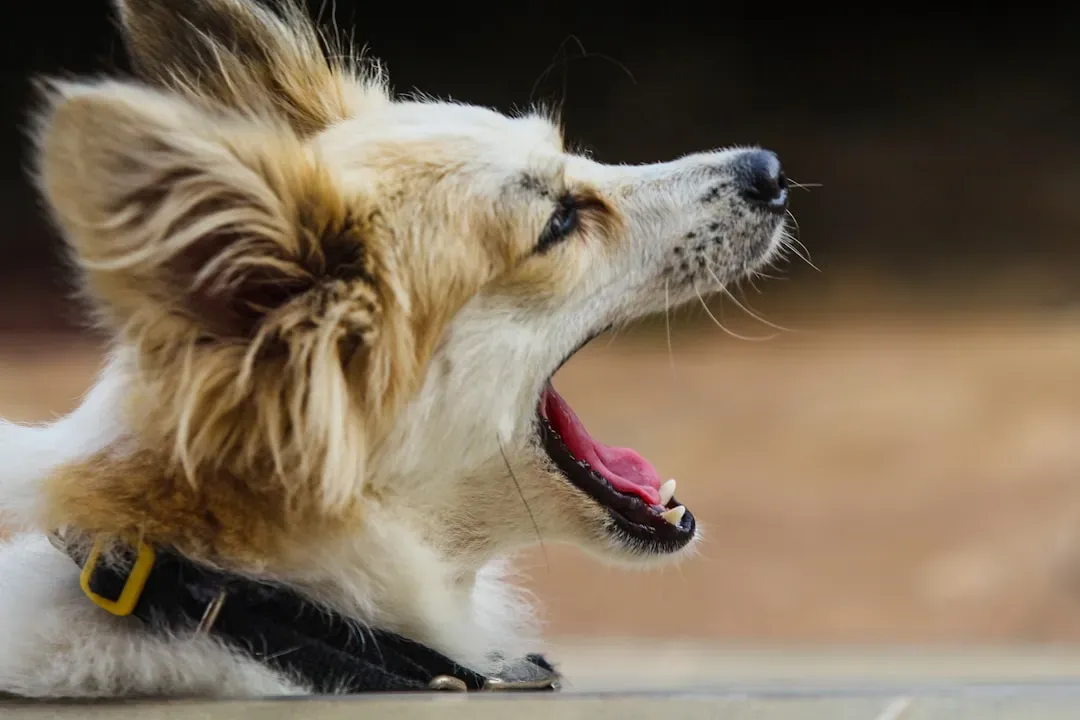
A little cough after drinking, a soft hack when excited, an occasional reverse sneeze – owners write these off as quirks. Vet nurses clock the tone, frequency, and timing, because each one points somewhere different.
A dry, honking cough suggests a collapsing trachea. A wet, gurgly one raises concern for fluid or infection. That throat-clear when your dog stands up after a nap might be early heart disease. By the time you mention, “he’s been doing this weird noise for a while,” she’s likely already timed three separate episodes in her head.
- Coughing more at night: heart or lung compromise
- Coughing after drinking: airway or structural issue
- Reverse sneezes increasing: allergies or nasal irritation
#8 – The “He’s Always Been This Size” Weight Creep
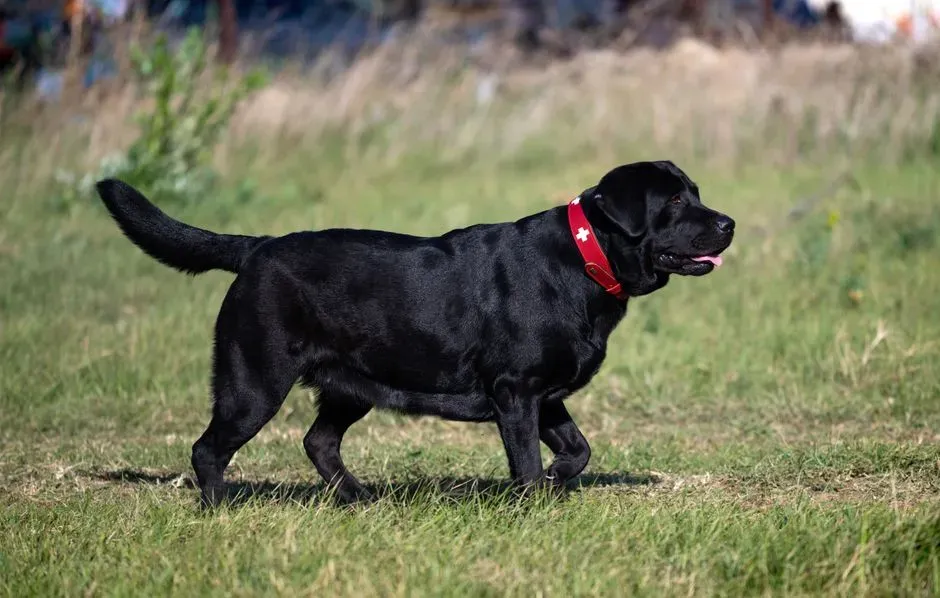
Weight change almost never happens overnight, which is exactly why owners miss it. Vet nurses have the chart and the eye to catch what daily life hides. You insist he’s always been chunky. She reads the record and sees a steady 5 to 10 percent gain since the last visit – a significant jump for a dog’s frame.
Extra weight isn’t just a cute look; it drags in arthritis, diabetes, and breathing trouble. Unnoticed weight loss in an older dog gets the opposite excuse – “thinning out with age” – when it can actually signal kidney disease or cancer. You see your dog every day and adjust. She sees him twice a year and sees the trend line.
Quick Compare
| Change on the Chart | What It May Signal |
|---|---|
| Steady weight gain | Arthritis risk, diabetes, breathing strain |
| Sudden weight loss | Kidney disease, cancer, dental pain |
| 5-10% shift either way | Enough to flag in the medical record |
#9 – The “He’s Just Picky Now” Food Behavior Shift
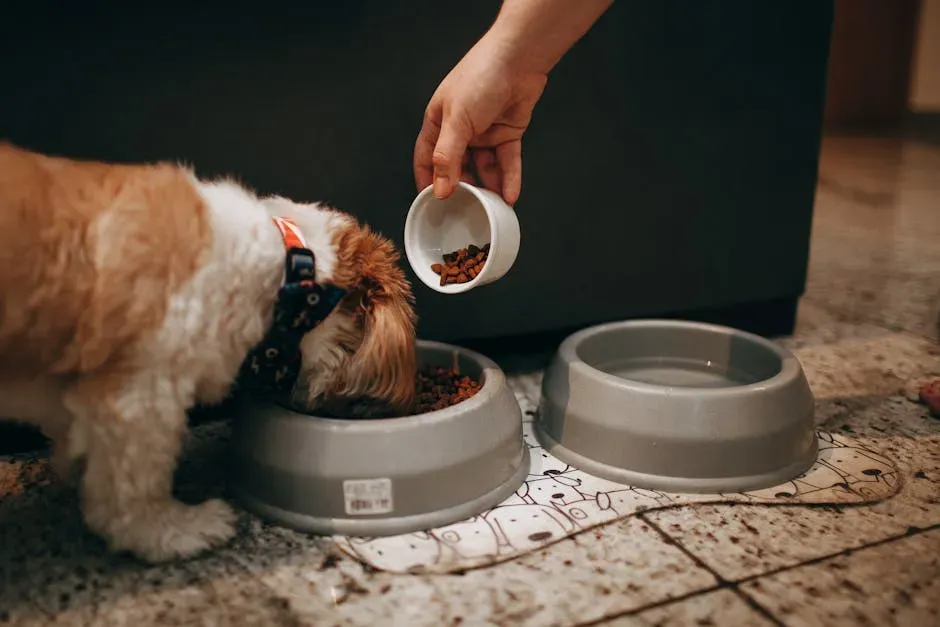
When a dog who used to inhale his food suddenly turns picky, most owners blame boredom with the brand. Vet nurses assume pain, nausea, or anxiety until proven otherwise. “He walks away from the bowl and comes back later” sounds like a throwaway line to you. To her, it’s a clue worth chasing.
Dental pain, GI discomfort, a sore neck that makes lowering the head uncomfortable – dogs rarely become fussy without a reason. Owners keep switching brands, convinced it’s taste. She’s already thinking about the mouth, the belly, the spine.
- Eating slower but still acting interested
- Dropping kibble from the mouth
- Chewing only on one side
- Suddenly wanting softer food
#10 – The “He’s Always Drunk a Lot” Water Bowl Story
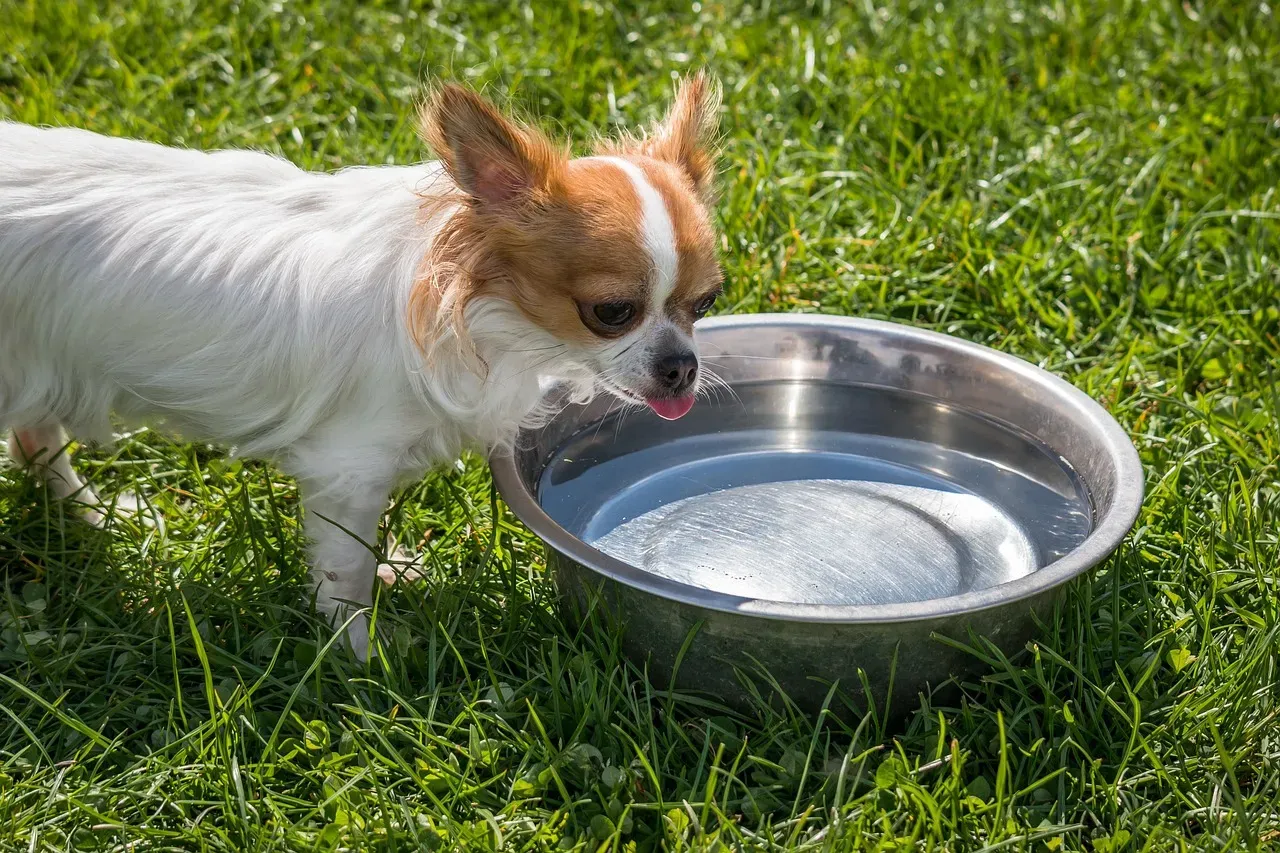
Water habits are one of the most overlooked clues in a dog’s health, and vet nurses are almost obsessive about them. You stop noticing how often you refill the bowl. She hears that you’re filling it multiple times a day, or that your dog now asks to go out at night, and kidney disease, diabetes, or Cushing’s jump straight to mind.
Increased thirst and urination, or the opposite – tiny amounts of dark urine – are real internal alarms, not personality traits. Owners chalk nighttime accidents up to old age. Nurses know old age isn’t a diagnosis; it’s the label people reach for when they’ve missed the actual reason.
#11 – The “He’s Just Grumpy With Age” Personality Change
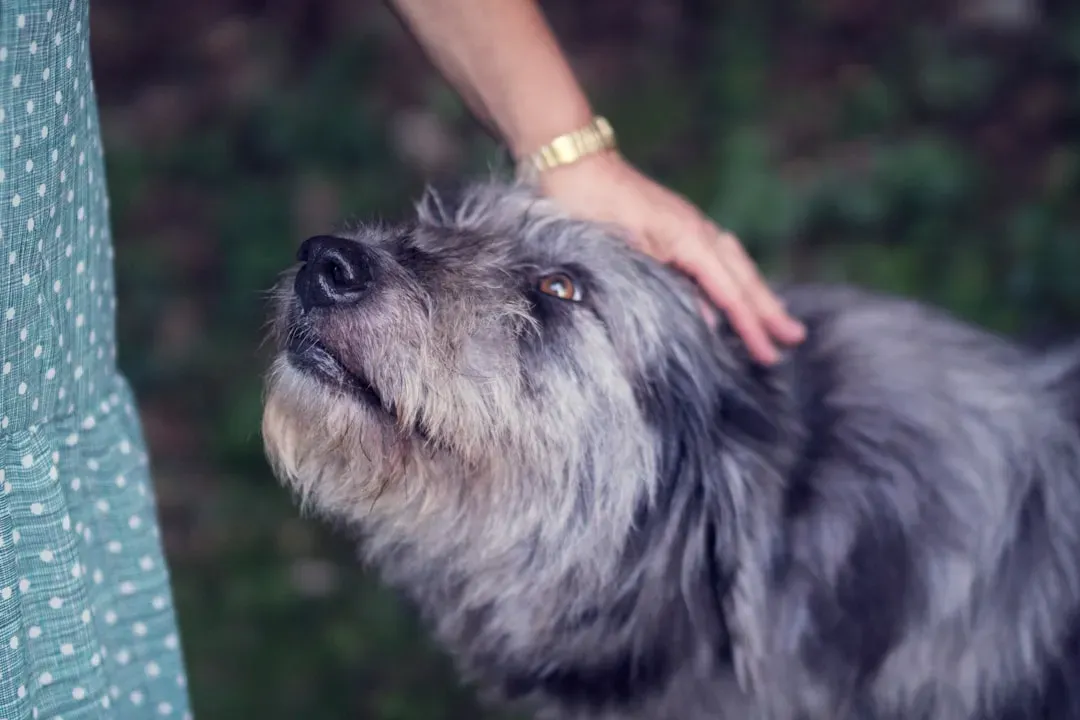
This is the one that shocks owners most, and vet nurses see it constantly. A dog who loved being brushed now growls when you touch his back. The social butterfly starts hiding when guests arrive. Owners frame it as “he’s just cranky now.” Nurses translate it as: something hurts, or he no longer feels safe in his own body.
Chronic pain, cognitive decline, anxiety, and low-grade illness almost always show up first as a personality shift, long before any obvious symptom appears. The story you tell – “he’s just over it now” – combined with how he reacts to handling in the exam room, often paints a very different picture. A bad attitude is very often just pain nobody named yet.
#12 – The “He’s Always Been Like That With Strangers” Stress Load
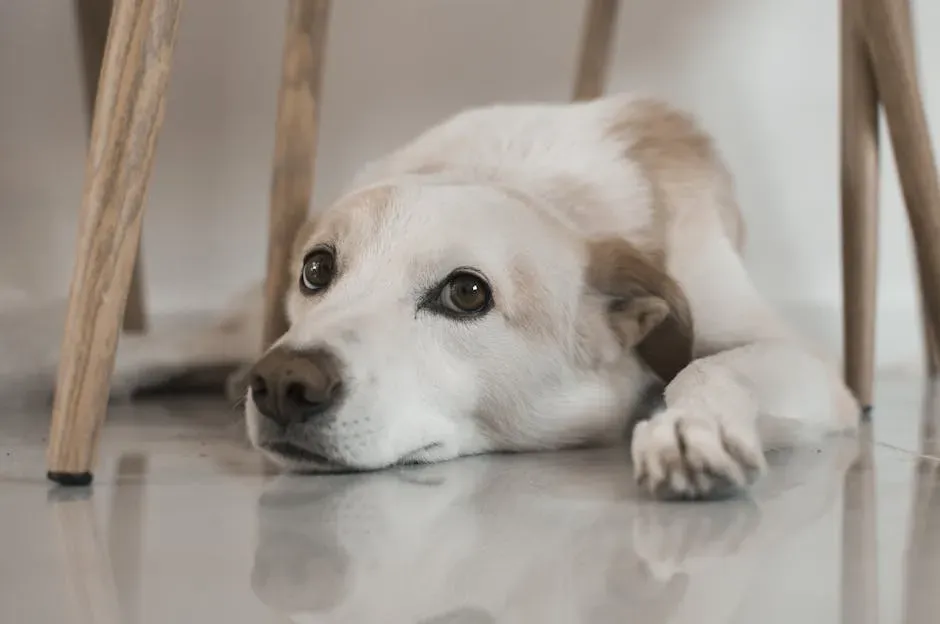
Owners consistently underestimate how stressed their dog actually is, especially at the vet. Nurses can read it from across the parking lot. Panting, pacing, refusing treats, showing the whites of the eyes, freezing solid – these aren’t quirks. They’re real, measurable distress.
Owners say, “he’s dramatic, he hates vets,” then miss the same signals happening at home. What matters is that chronic, unrecognized anxiety doesn’t stay emotional – it shows up as skin problems, GI issues, and urinary trouble down the line. Owners call it personality. Nurses call it a health issue in disguise.
At a Glance
- Panting or drooling with no heat or exercise involved
- Refusing treats they’d normally grab instantly
- Whale eye – showing the whites while otherwise still
- Freezing in place instead of moving away
#13 – The “Dog Breath” You’ve Stopped Smelling
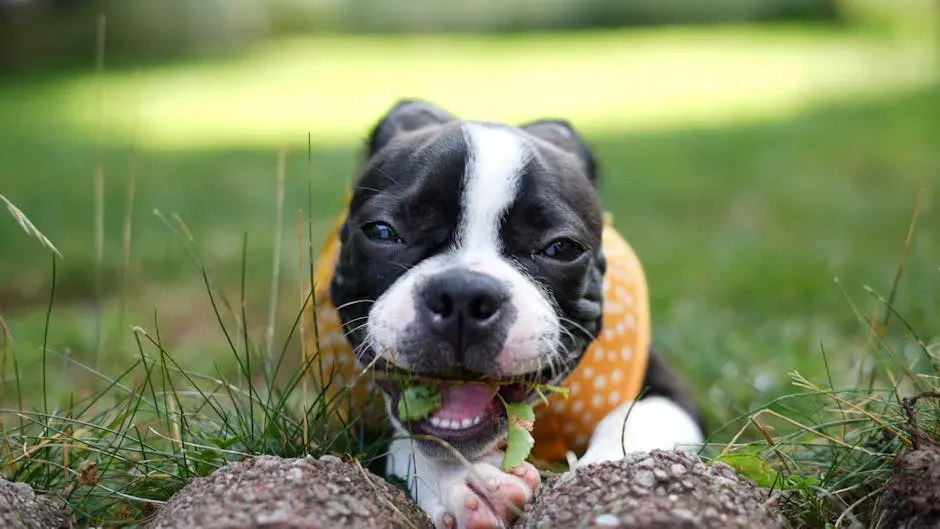
“His breath has always been bad” might be one of the most dangerous sentences a vet nurse ever hears. Most people assume dog breath is just dog breath. Nurses know bad breath almost always means disease – usually dental, sometimes far worse.
Inflamed gums, tartar buildup, loose teeth, even a painful abscess at the root – these are often obvious the second your dog opens his mouth. You’ve simply stopped noticing because you turn your head away out of habit. Drooling, pawing at the mouth, avoiding hard treats – that’s your dog’s only vocabulary for “my mouth hurts,” and owners usually wait until he stops eating entirely before taking it seriously.
- Gum color: pale, bright red, or blue-tinged
- Tongue and inner cheeks checked for ulcers or growths
- Swelling over the muzzle or under the eye
#14 – The Tiny Change Pattern You’ve Stopped Seeing Altogether
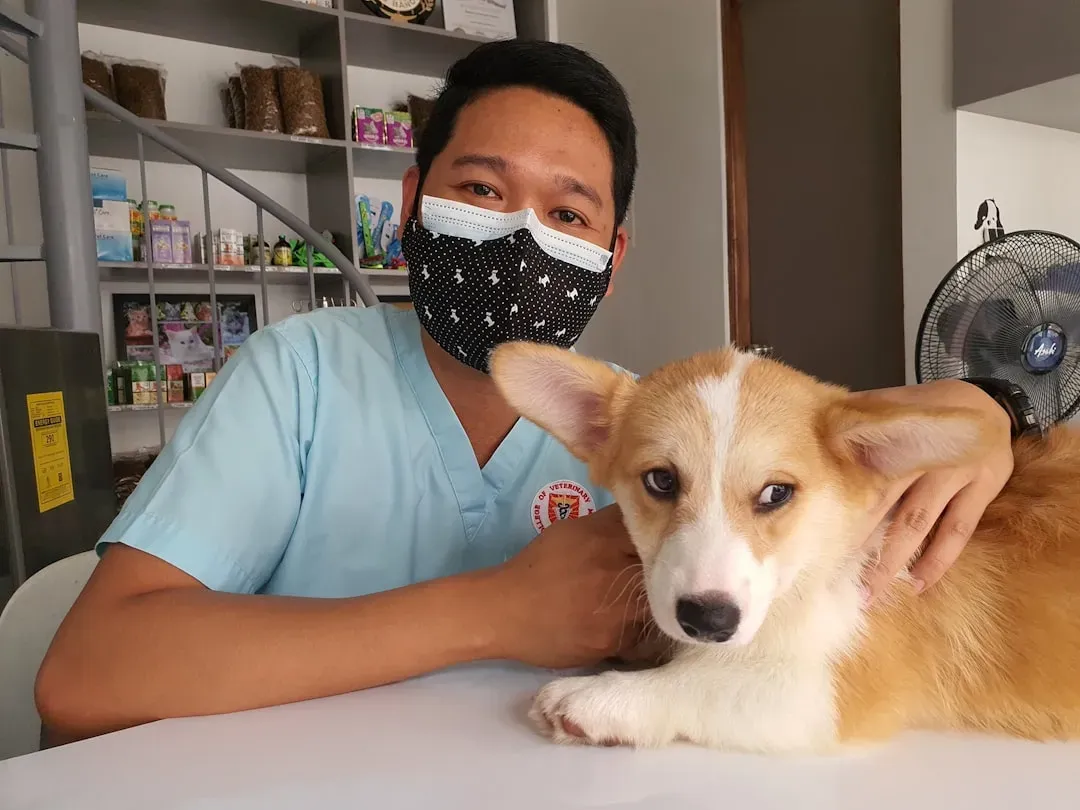
The most powerful thing a vet nurse notices isn’t one symptom – it’s the pattern of tiny changes you’ve quietly adapted to over months or years. Your dog jumps on the couch less. He sleeps in a different position. He doesn’t quite meet you at the door with the same enthusiasm anymore. He needs more reminders to come when called.
Each shift is small enough to rationalize on its own, so you adjust without realizing it: you buy stairs for the bed, stop playing fetch, let him sleep more. To you, that’s just life happening. To a nurse who only sees your dog in snapshots every six to twelve months, those tiny shifts add up to one loud story – pain, organ disease, cognitive decline, or chronic stress that’s been building quietly the entire time.
Here’s the uncomfortable truth: by the time most owners say, “he’s just getting older,” a vet nurse has usually been clocking the warning signs for a while already. The slower walk, the duller coat, the new smell, the weight creep, the personality shift, the cough you’ve tuned out – none of it is really about age. Age is just the backdrop that makes those missed changes feel forgivable.
I’ll say the unpopular part out loud: loving your dog and truly seeing your dog are two different things, and daily familiarity is precisely what blinds good owners to slow decline. The dogs who age comfortably usually aren’t the lucky ones – they’re the ones whose people stayed suspicious of “normal.” So ask yourself honestly which of these fourteen things you’ve quietly written off, and consider saying it out loud at the next appointment instead of after it’s too late to matter.