
15 Daily Habits That Decide Whether a Dog Settles or Stays on Edge
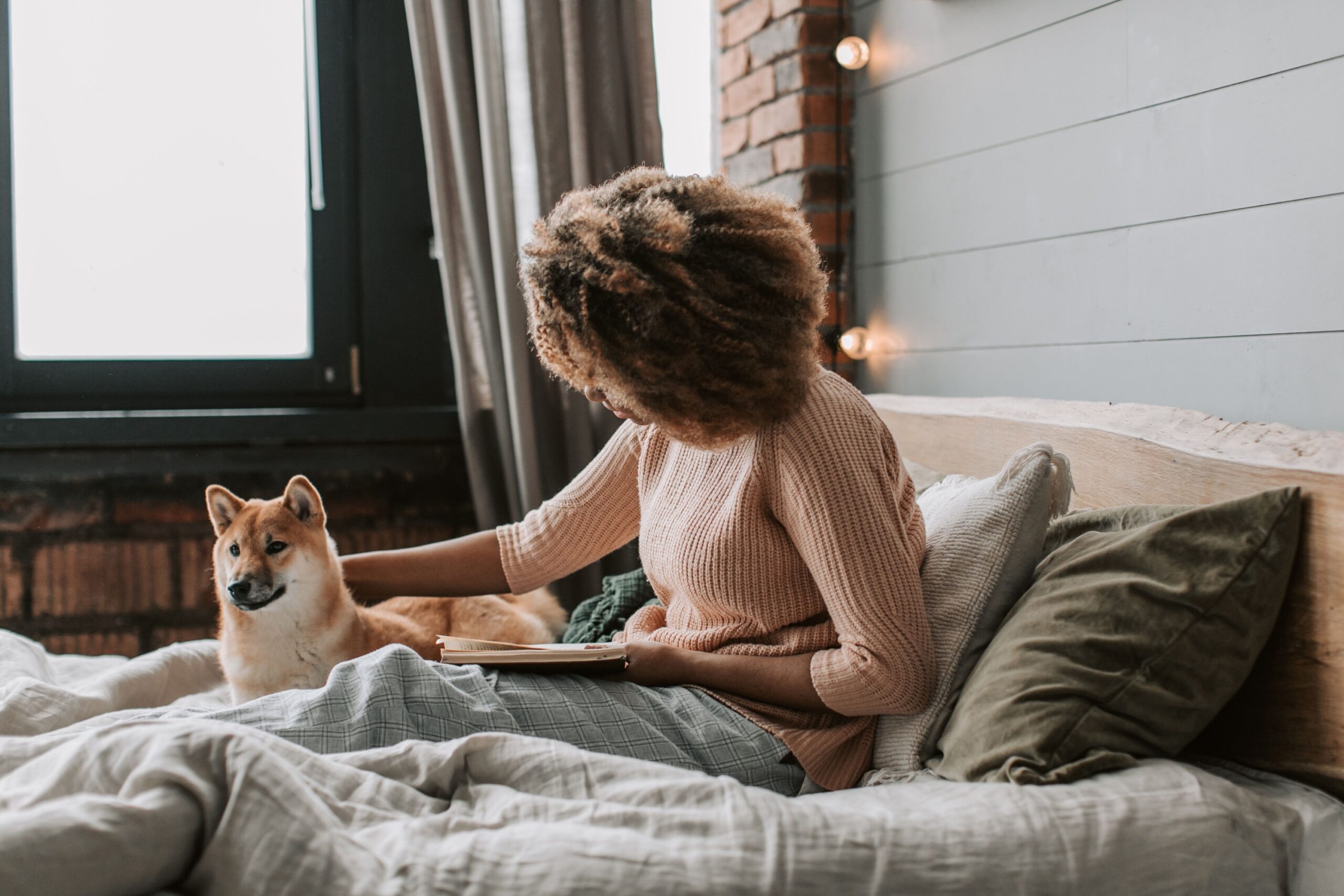
You already suspect it’s not about commands. Two dogs, same breed, same genetics, raised a few blocks apart from each other – one flops onto the couch like a sandbag the second you sit down, the other paces the hallway and flinches at the mail truck, unable to settle even after a two-mile walk. Vets rarely explain why. Trainers rarely explain why. The real answer is buried in the boring, repeatable stuff you do without even noticing: the wake-up time, the way you handle the doorbell, the ten seconds before you reach out to pet them.
None of it is dramatic. None of it costs money. But stacked together, day after day, these fifteen habits quietly decide whether your dog’s nervous system spends its life braced for impact or finally, fully exhales. Some of them will sound familiar. A few will probably make you wince.
#1 – Inconsistent Wake-Up Times (Your Hidden Stress Switch)
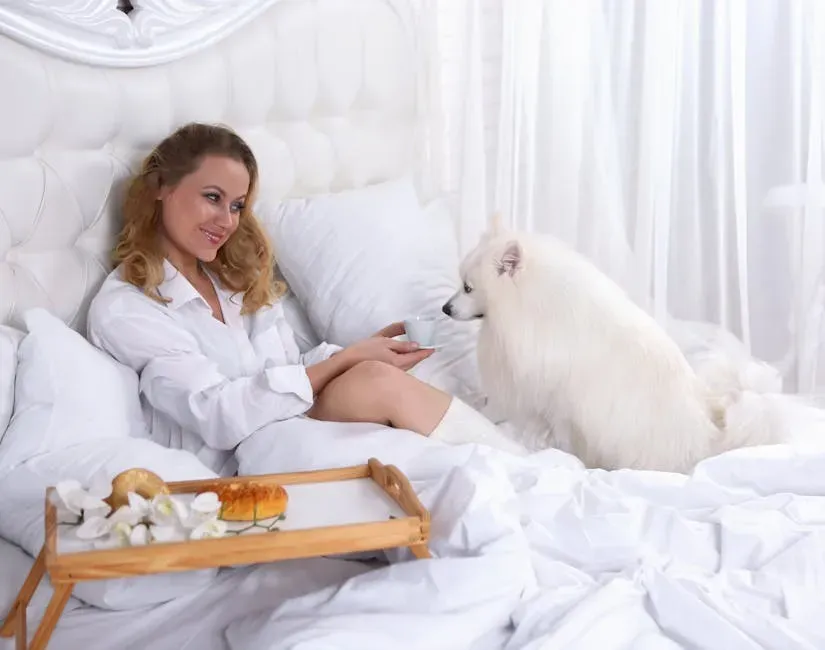
Your dog’s day starts the second you open your eyes. If that moment keeps moving – 6 a.m. one day, 10 a.m. the next, a rushed dash outside followed by an hour of nothing – their nervous system never gets to settle into a pattern. Dogs read routine as safety, and chaos in the morning reads as danger, even when nothing dangerous is actually happening.
Dogs thrive on predictable rhythms; erratic mornings quietly keep them on high alert. Cortisol, the stress hormone, climbs with uncertainty, and a lot of “anxious” dogs are really just living in permanent jet lag because their humans never settled on a rhythm. The fix isn’t a military schedule – it’s a rough window you actually keep.
- Decide a 1–2 hour daily wake-up window and stick to it.
- Keep the first few minutes low-key – no shouting, no wrestling, no frantic greetings.
#2 – Skipping Proper Morning Movement (Not Just a Quick Pee)

Opening the back door for five minutes while you check your phone isn’t exercise – it’s a bathroom break with a view. Most owners think their dog “went out,” when really their dog just got confirmation that boredom is still the plan for the day.
Under-exercised dogs often look hyper or naughty, when they’re actually chronically under-stimulated and frustrated. Structured movement – sniffy walks, changing terrain, a few minutes of simple cues – drains mental energy in a way a rushed sidewalk shuffle never will. Twenty to forty minutes of purposeful walking in the morning can rewire an entire day, and letting them sniff is how they read the news and discharge tension.
- A few minutes of loose leash walking practice.
- Simple cues like sit, down, or touch, rewarded with treats.
#3 – Free-Feeding vs. Structured Meals (Control vs. Constant Guessing)

Leaving food out all day feels generous, but it quietly keeps a lot of dogs on edge. Dogs are pattern-hunters, and when food shows up at roughly the same times, their nervous system learns that good things come predictably – no scanning, no begging, no guessing required.
Grazing can disrupt digestion, sleep, and training, and it removes one of your strongest tools for emotional stability: predictable mealtimes. Free-fed dogs often fuss over bowls or seem oddly disinterested at mealtime, then overreact at random triggers later. Feed in 1–3 set meals depending on age and health, and calmly ask for a simple behavior – a brief sit, a hand target – before the bowl goes down. It’s not dominance, it’s clarity, and within days many dogs seem less clingy and more able to actually rest between meals.
Quick Compare
- Free-feeding: food out all day, no clear pattern, more fussiness at the bowl.
- Structured meals: 1–3 set times daily, predictable rhythm, calmer mealtime behavior.
- Free-feeding: harder to notice appetite changes or early health issues.
- Structured meals: easy to spot when something’s off, plus built-in training moments.
#4 – Constant Background Noise (TV, Music, Chaos)

A lot of people leave the TV or music on “for company,” assuming it comforts their dog. Sometimes it does. But for plenty of dogs, constant noise is like living next to a freeway – the brain never gets true quiet.
Every sudden commercial, door slam on a show, siren, or burst of laughter is another small spike of adrenaline. Over time that baseline arousal adds up, especially in sound-sensitive breeds, who end up startling easily and struggling to settle at night. White noise or soft, consistent tracks can mask unpredictable outside sounds without bombarding your dog – but the real gift is building in silent stretches where the house is genuinely calm. Watch closely during those windows; many dogs will finally sink into the deep, twitchy REM sleep their body has been begging for.
#5 – Touching and Petting on Their Terms… or Yours?
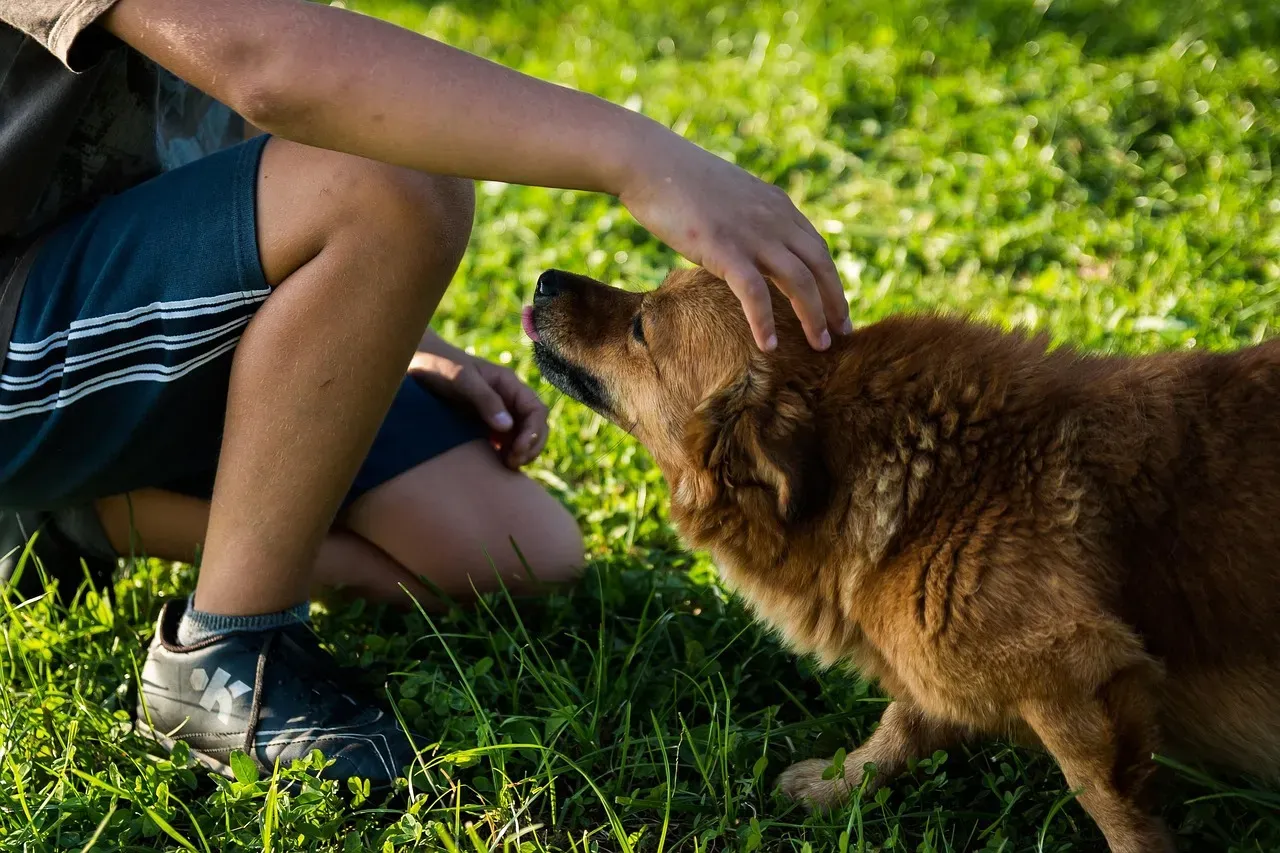
Most people pet their dogs purely when they feel like it – walking by, reaching down, patting the head. It looks affectionate, but for some dogs it’s an intrusion they’ve simply learned to tolerate. Dogs forced to accept constant, uninvited touch may appear tolerant, yet remain internally tense and hyper-vigilant.
Flip the script: offer affection instead of imposing it. Pause before reaching. Does your dog lean in and soften? That’s a yes. Do they turn away, lick their lips, or freeze slightly? That’s a no, or at least a not-right-now. Ironically, once humans start actually listening, many “aloof” or “needy” dogs become more secure and affectionate – because touch finally becomes safe and predictable instead of something that just happens to them.
#6 – Zero Decompression Time After Stressful Events

Here’s a habit almost nobody talks about: what you do in the 24–72 hours after a stressful event can make or break a dog’s ability to settle. Vet visit, grooming, a dog park scuffle, fireworks, a move – owners often try to force things back to “normal” immediately, dragging the dog to busy places or inviting guests over, hoping exposure will smooth it out.
Instead, the dog’s nervous system stays red-lined, and that’s when the out-of-nowhere snapping, pacing, or strange new fears show up. Dogs need recovery time, just like people do after a rough week – quiet walks in low-traffic areas, fewer visitors, and extra sleep without guilt attached to it. Ignoring that recovery window is common, and it’s one quiet reason some dogs seem permanently on edge no matter how much training they’ve had.
#7 – Lack of Clear House Rules (Gray Areas Breed Anxiety)
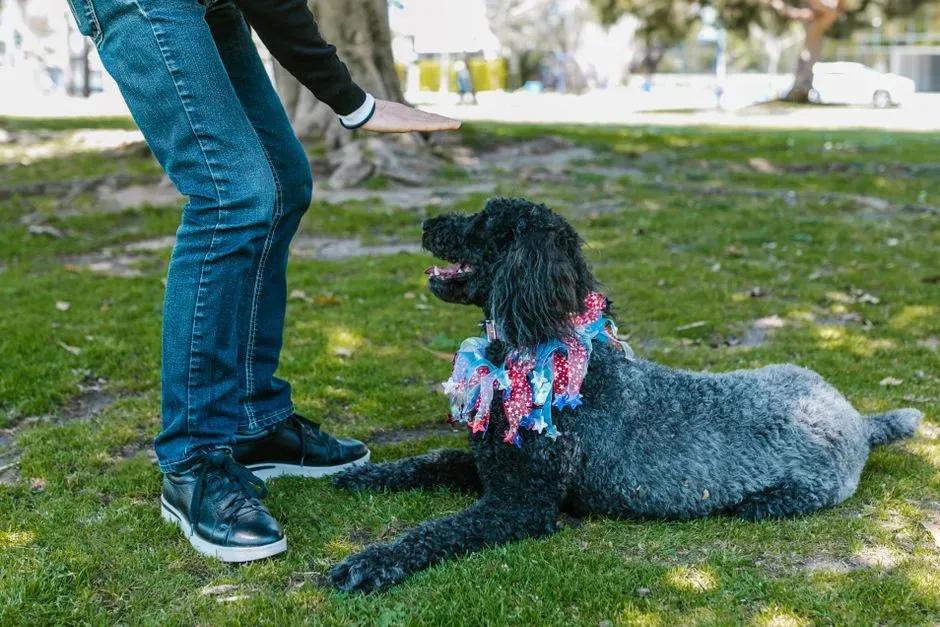
Everyone talks about boundaries for kids but wings it with dogs. One day the couch is fine, the next day it’s a crime scene. Jumping is cute at ten pounds and offensive at sixty. Begging sometimes earns steak, other times a scolding – and inconsistent rules are one of the fastest ways to create an anxious, second-guessing dog.
They’re not being stubborn; they genuinely can’t predict what happens next, and dogs relax when the world feels logical. Decide which spaces are always off limits, how greetings always work, and what the calm, consistent consequence is when a rule gets broken. Yes, it’s work – for you. But a dog who actually knows the rules can stop scanning and scheming and just live, while homes with kind but flaky rules often end up with the tensest dogs in the neighborhood.
#8 – No “Do Nothing” Training (Dogs Aren’t Born Knowing How to Chill)
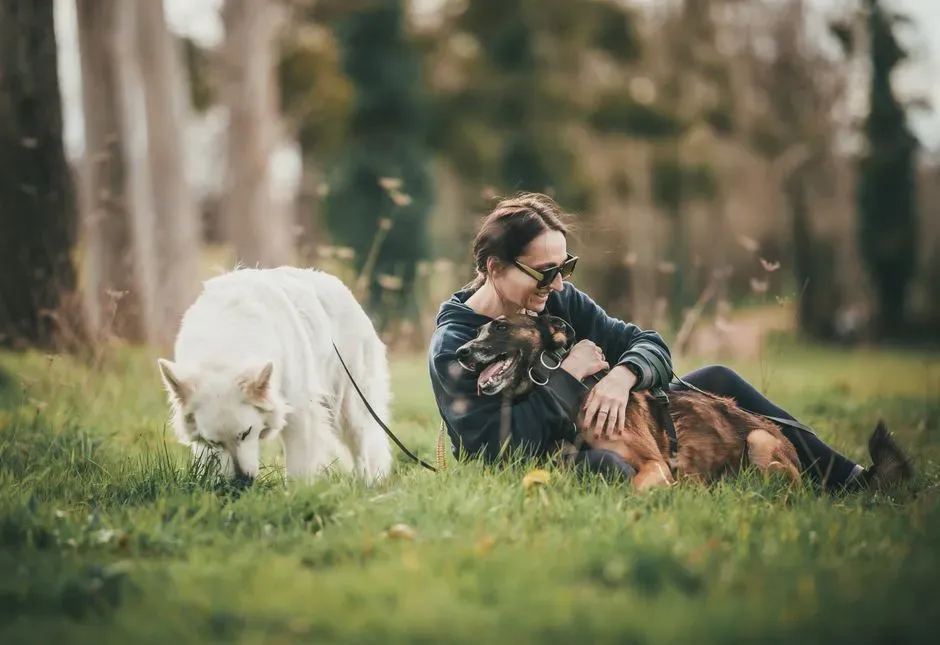
Owners pour hours into tricks and heelwork but skip the one skill that actually decides whether a dog can settle: doing absolutely nothing. Most dogs are never taught how to relax in stimulating environments – we just expect it, then label them “overexcited” when they spin, bark, or chew because life got boring.
“Do nothing” training is deceptively simple. Sit with your dog on leash in a low-key spot, reward calm glances and loose body language, and ignore mild fidgeting instead of nagging them. Over time their brain learns that resting is a behavior that pays off. Five to ten minutes a day of this can radically shift a dog’s default state – it’s not cruel, it’s the life skill every dog living indoors actually needs.
#9 – Chaos at the Door (The Daily Adrenaline Blast)
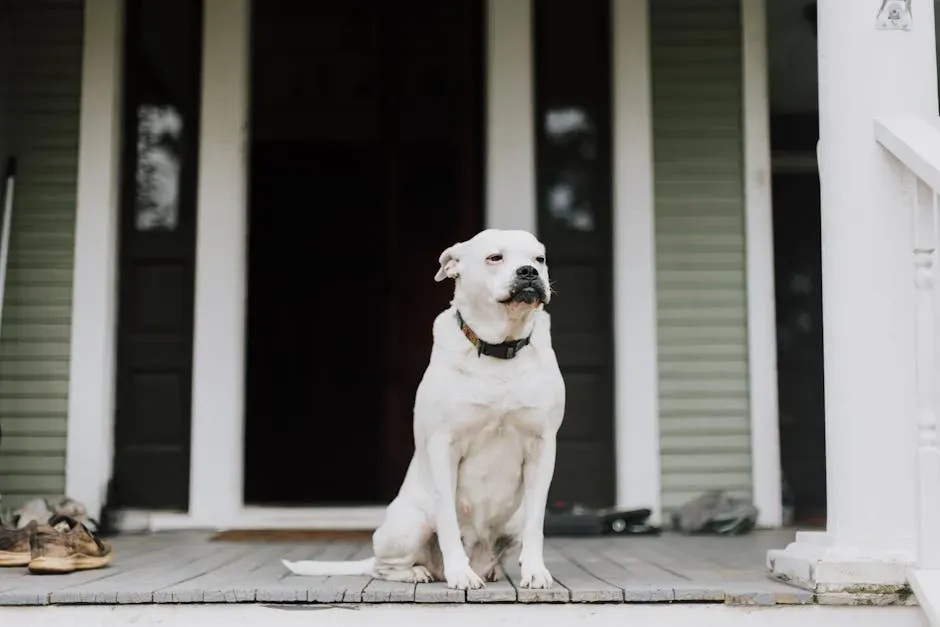
Most homes rehearse a mini panic attack multiple times a day: doorbell rings, dog explodes, humans yell or physically wrestle the dog away from the door. The entryway becomes a cue for mayhem, not calm – and the worst part is that it’s fully trained. Every package, pizza delivery, and visiting friend rehearses the exact behavior you hate.
Fixing it is a daily habit shift, not a one-time drill. Knock or ring, calmly guide your dog to a mat, and reward them there while a “guest” enters – repeated without real guests until the whole pattern gets boring. Dogs that know exactly what to do when the door triggers stop reacting like bouncers running on espresso, and a calm threshold can turn the front of your house from a combat zone into neutral ground.
Worth Knowing
- Doorbell chaos is almost always trained through repetition, not just “how dogs are.”
- Practice sessions work best without real guests until the routine feels boring to your dog.
- A consistent mat or spot near the entry gives your dog a job instead of a meltdown.
- Calm greetings at the door often carry over into calmer greetings on walks too.
#10 – Overreliance on Dog Parks and High-Energy Play
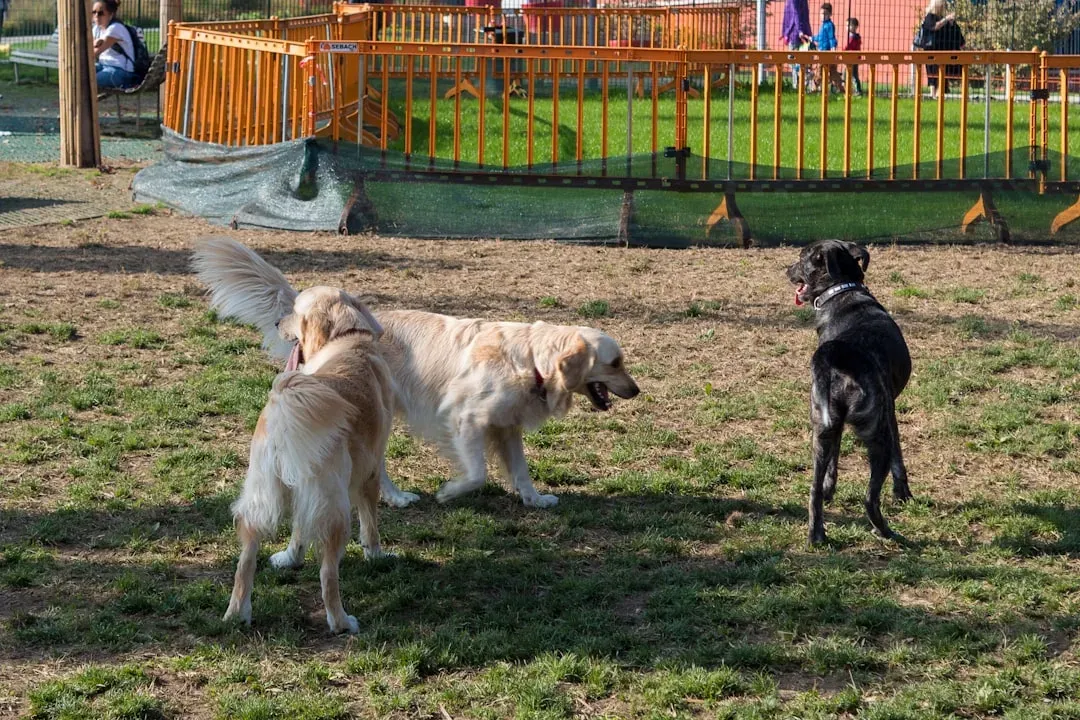
This one sparks arguments, but it needs saying. Many owners use dog parks and wild fetch sessions as their primary outlet, then wonder why their dogs can’t settle. Constant high-arousal play teaches the nervous system one lesson – life is about being lit up, chased, and slammed with adrenaline – and then we drag that same dog into a quiet apartment and expect an instant off-switch.
This doesn’t mean dog parks are evil or fetch is banned. It means they’re a tool, not a lifestyle. Most dogs benefit from a mix of lower-intensity sniff walks, solo puzzle work, and short, controlled play bursts with real breaks built in. If every outing is a rave, your dog will act like they just left one – amped, vocal, edgy – but when owners dial back the chaos and add more structured calm, plenty of “sociable but crazy” dogs become friendlier and more relaxed at the same time.
#11 – Ignoring Subtle Body Language (Early Warnings You Keep Missing)
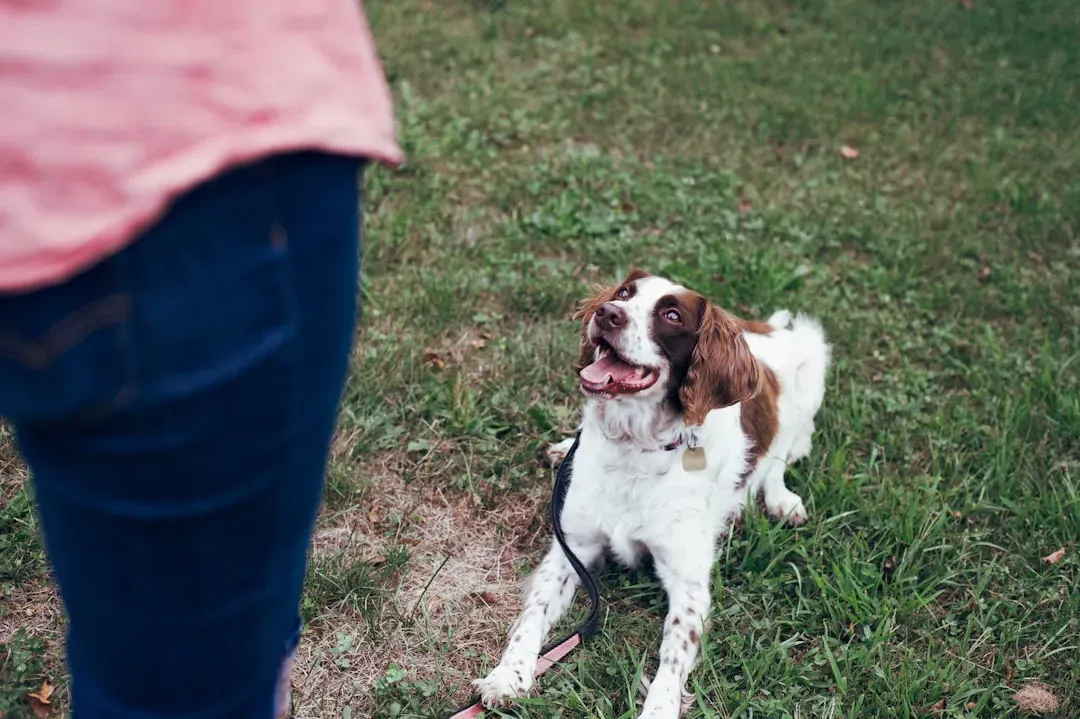
Most people only respond once a dog shouts – growling, barking, snapping. The whispers come first. Lip licking, yawning out of context, turning the head away, whale eye, paw lifting – these are early signs your dog is uncomfortable or overloaded, and when they get missed or dismissed (“oh, he’s fine, he loves kids!”), the dog learns that subtle signals simply don’t work.
Some dogs shut down after that; others learn to skip straight to the big reaction. Your daily habit should be scanning, not guessing – noticing the averted gaze from a stranger’s hand, the slight stiffening during a hug – and intervening early by creating space or changing the situation. That tells your dog, I see you, I’ve got you. The myth that a “good” dog puts up with anything is one of the cruelest ideas we’ve ever normalized about them.
#12 – Sleep Debt and Constant Disturbances
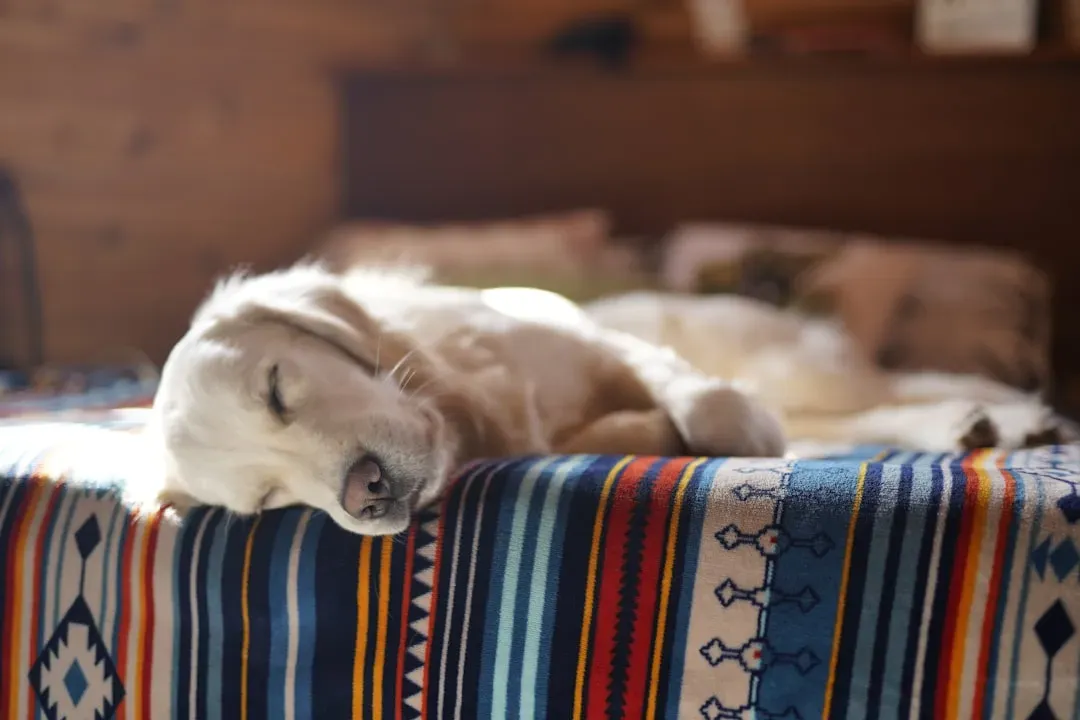
People are always surprised by this one, but it’s one of the biggest hidden factors: most pet dogs don’t get enough uninterrupted sleep. Adult dogs often need 12–14 hours in 24, and puppies or seniors may need up to 18 – and that doesn’t mean just lying nearby while kids scream and people keep touching them.
Fragmented sleep raises stress hormones in dogs the same way it does in humans, and a chronically sleep-deprived dog is jumpy, irritable, and far more likely to overreact to small things. Give your dog a quiet, off-traffic resting spot where nobody disturbs them, and aim for at least a couple of one-to-two-hour deep rest blocks during the day. Plenty of owners insist their dog is just “high drive” when really the dog is simply exhausted – and once that sleep debt gets repaid, even intense breeds show a strikingly different version of normal.
At a Glance
- Adult dogs: roughly 12–14 hours of sleep in 24 hours.
- Puppies and senior dogs: up to 18 hours may be needed.
- Deep, restorative sleep happens in longer, uninterrupted blocks – not scattered naps.
- Aim for at least one or two quiet, one-to-two-hour rest windows during the day.
#13 – Training Only When Things Go Wrong
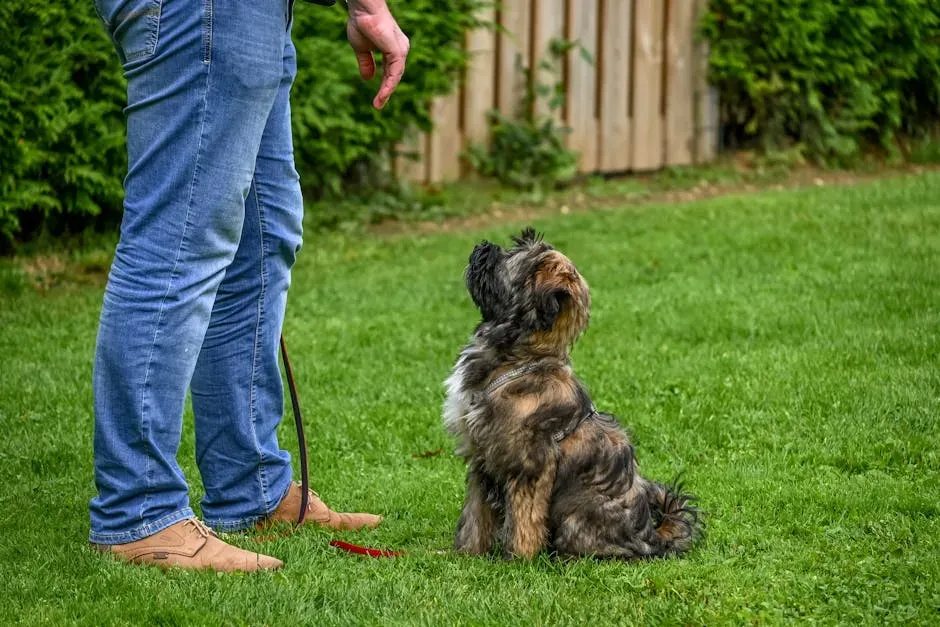
Most households do what amounts to firefighting training – practicing behaviors only when the dog is already wound up, guests are arriving, or chaos has already hit. This teaches the dog that cues are associated with stress and frustration, not clarity and success. “Sit” only means something when there’s a delivery guy at the door; no wonder dogs blow off cues they’ve only ever heard poisoned with bad timing.
Flip the script and train most of the time when you don’t actually need it – two to five minutes, a few times a day, in boring contexts like your hallway or a quiet living room. Pay generously not just for performance, but for calm, thoughtful responses. Then when real life throws a curveball, you’re drawing from a bank account that’s full instead of empty, and a dog who sees training as a clear, rewarding language can finally relax into it.
#14 – Not Building Any Predictable Alone-Time Routine
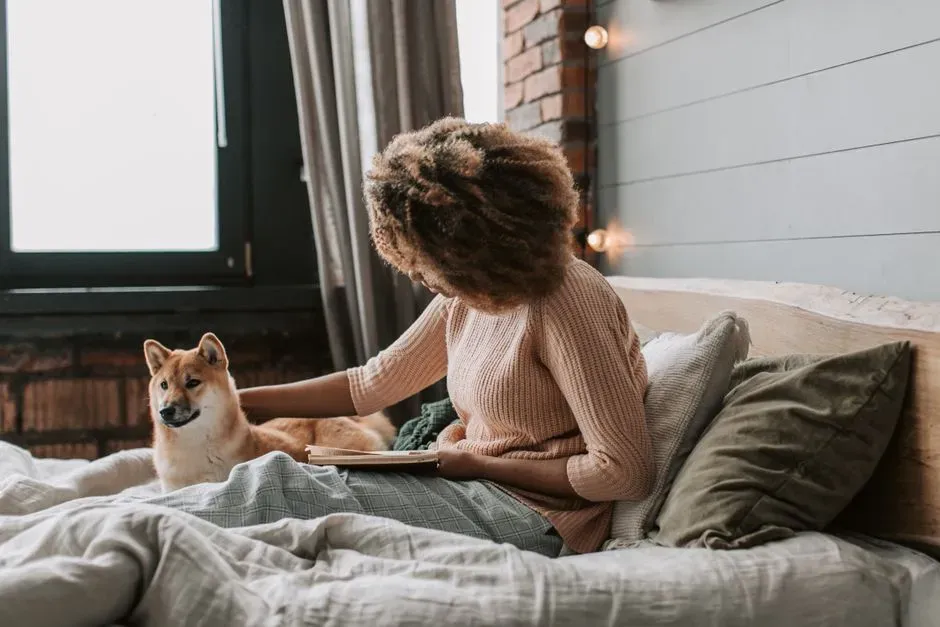
We talk constantly about separation anxiety but rarely about the daily habits that create or prevent it. Dogs who are never gently taught how to be alone often live in a state of quiet panic every time you reach for the keys. Some owners smother their dog with constant presence; others swing to sudden long absences with zero preparation – both keep the dog’s system braced about departures and returns.
Daily micro-sessions change everything: step out for 30 seconds, then two minutes, then five, building up gradually. Make exits and entries boring, not dramatic reunions, and save a long-lasting chew or stuffed toy for solo time only. The trend of “I never leave my dog because I love them” can be just as damaging as constant long absences – independence isn’t abandonment, it’s a life skill, and skipping it is one reason so many dogs hover, whine, and never fully settle.
Fast Facts
- Start alone-time practice in seconds, not minutes – 30 seconds is a real starting point.
- Gradually build toward two minutes, then five, then longer stretches.
- Boring exits and entries teach dogs that departures aren’t a big event.
- A chew or stuffed toy reserved only for solo time adds a positive association.
#15 – Your Own Emotional Weather (The Habit Nobody Wants to Admit)
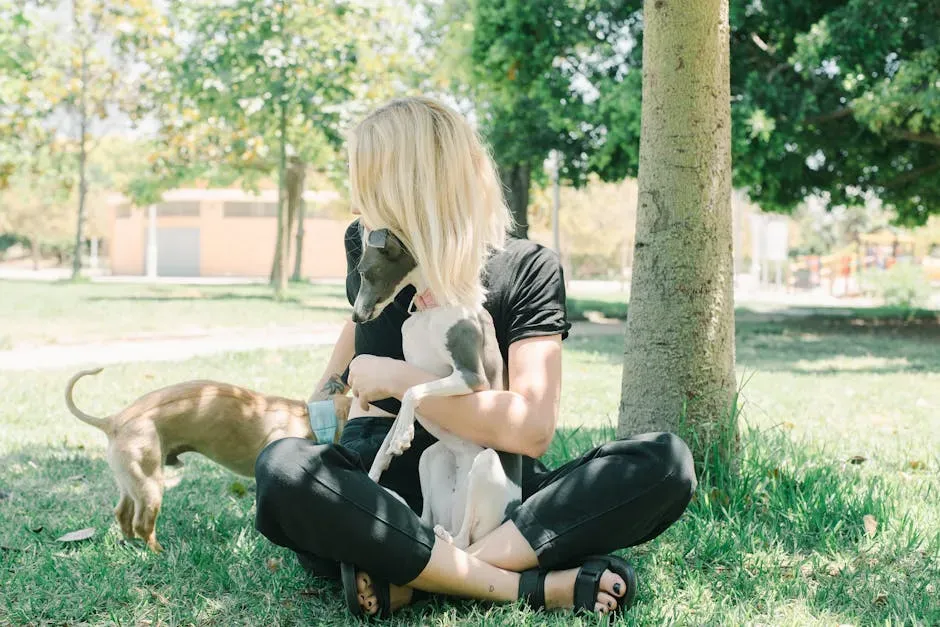
This is the uncomfortable one: your daily emotional state is probably the biggest factor in whether your dog settles or stays on edge. Dogs are expert pattern readers. They notice the clenched jaw during a work call, the raised voice on the phone, the rushed morning panic, the constant scrolling and half-attention – we preach calm energy while living like a frantic notification with legs.
The habit here isn’t a fancy protocol, it’s a daily choice to build brief pockets of real calm. Five minutes of slow breathing while you casually pet your dog. A deliberate choice not to shout when you drop something. A rule that walks are phone-free. Dogs whose humans radiate impatience and tension rarely feel truly safe, no matter how many toys or trainers you throw at the problem – which is exactly why some of the chillest dogs on the planet live with unfancy people who simply move through life a little slower.
The Bottom Line
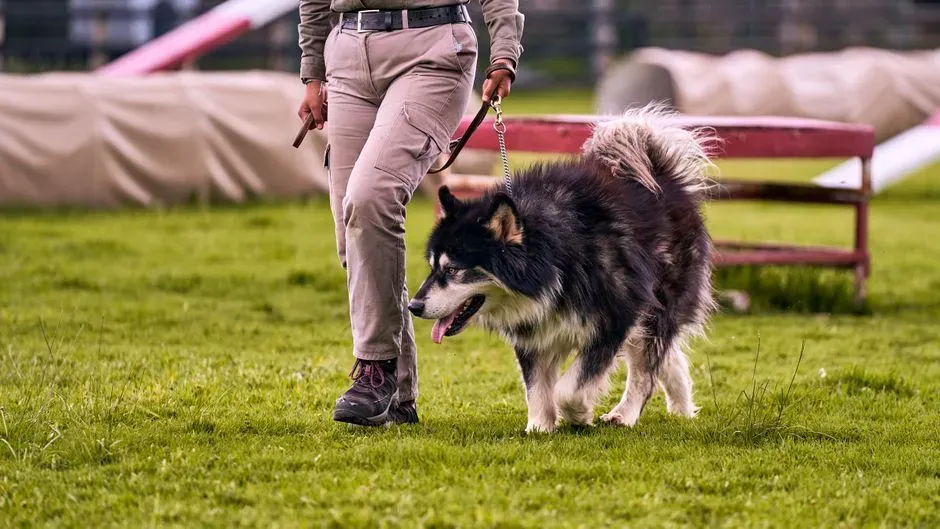
When a dog can’t settle, we rush to labels – dominant, spoiled, rescue baggage, bad breeding. In reality, most edgy dogs are telling the story of their household’s habits, not their personal flaws. Erratic routines, over-arousal disguised as fun, ignored body language, sleep debt, door chaos, and human stress all stack like bricks on a nervous system that never asked for any of it.
The uncomfortable truth is that calm is a lifestyle, not a command. You don’t buy it in a harness or a treat pouch – you rehearse it in a hundred small, boring choices every single day. Some people will insist their dog is “just like that” because it’s easier than changing themselves. Others will quietly fix the wake-ups, the walks, the rules, the recovery time, and watch a supposedly problem dog slowly exhale for the first time.
Dogs are not our whole life, but they make our lives whole.
Roger Caras
Which camp are you in – and what daily habit in your own home do you already know needs to change first?