
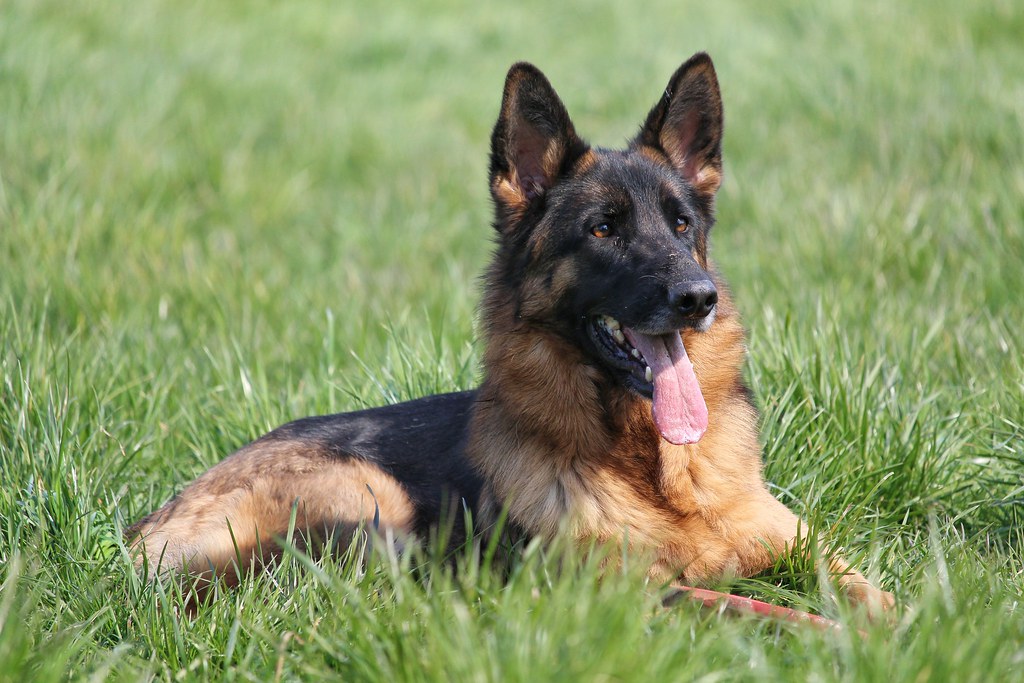
Many households look for a dog that joins daily life with warmth and loyalty yet handles time alone without distress. Some breeds naturally strike this balance through their history and temperament.
They tend to enjoy family activities while showing enough self reliance to avoid constant attention seeking. The following breeds illustrate this combination in different ways.
Labrador Retriever
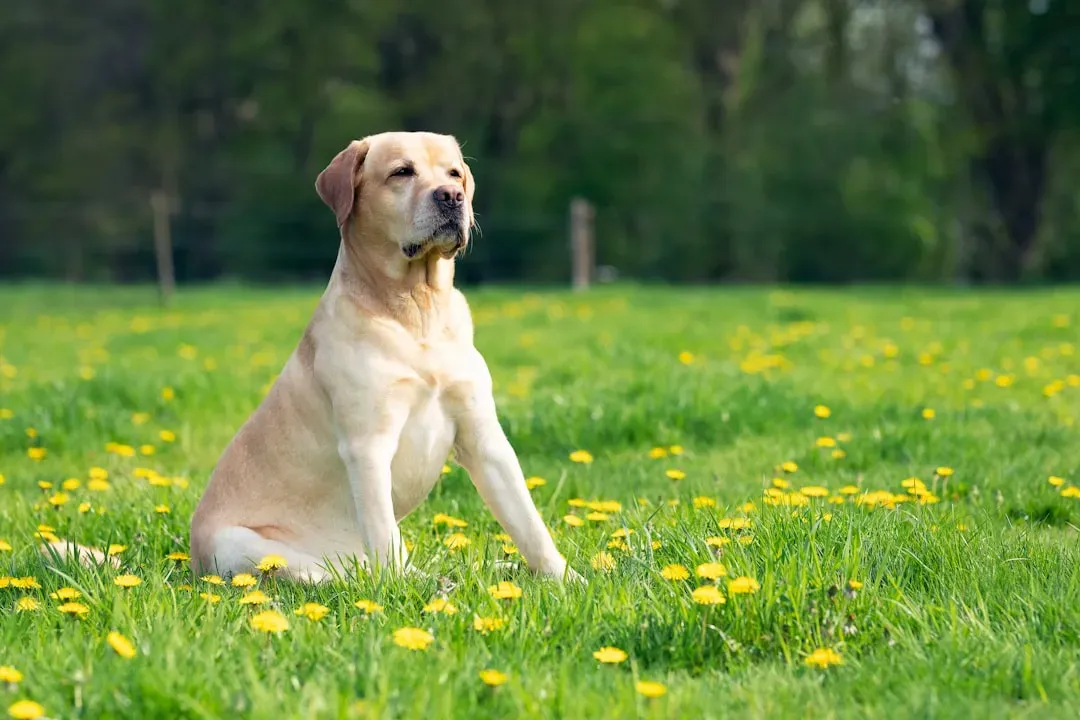
The Labrador Retriever builds close ties with family members through its eager participation in games and outings. This breed often greets everyone with enthusiasm yet settles calmly when left with a toy or chew. Its working background gives it the ability to focus on tasks rather than cling to people all day.
Owners frequently note that Labs remain friendly without demanding nonstop interaction. They adapt well to routines that include both together time and independent periods. Training helps reinforce their natural composure around the house.
Golden Retriever
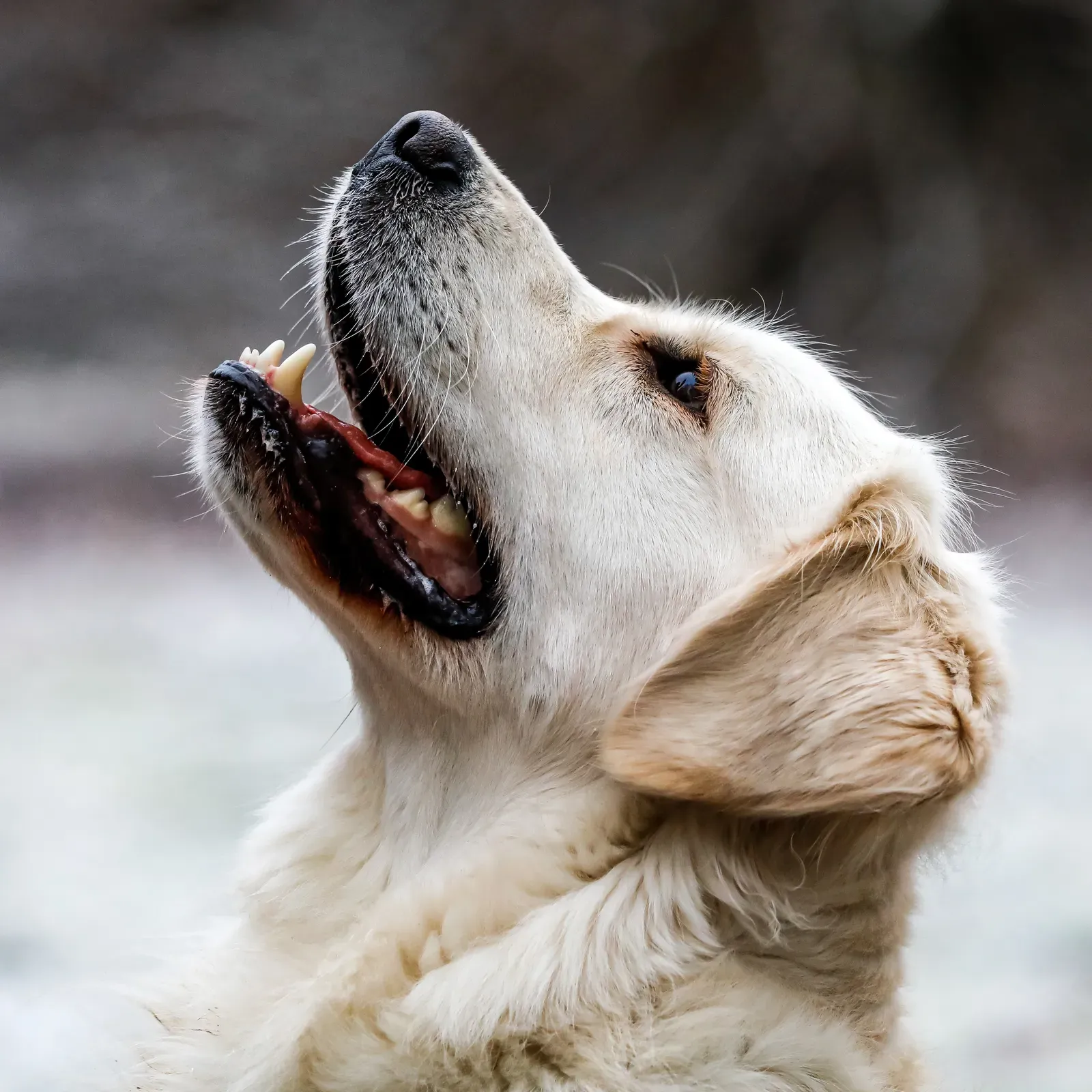
Golden Retrievers form steady attachments to their people through shared activities like walks and play. Their gentle nature makes them reliable companions for children and adults alike. At the same time they carry an independent streak that lets them rest quietly when the household is busy.
This breed rarely shows signs of separation anxiety when properly introduced to alone time as puppies. They often entertain themselves with a favorite ball or bone. Families appreciate how Golds stay affectionate without becoming intrusive.
German Shepherd
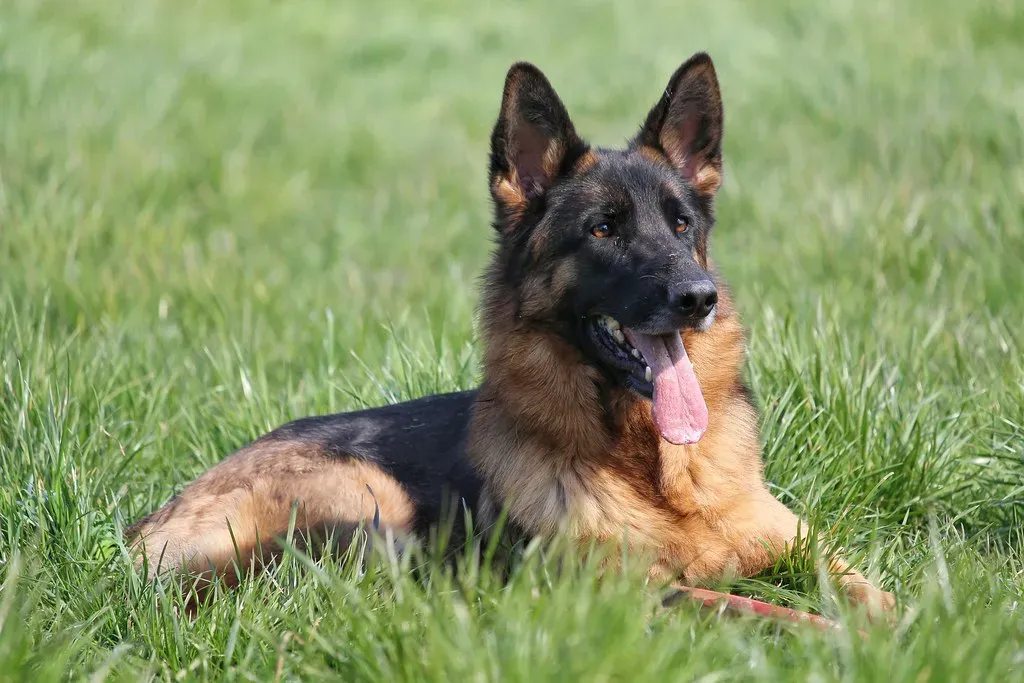
German Shepherds develop strong protective bonds with their families while maintaining a composed demeanor. Their intelligence allows them to learn household rules quickly and respect boundaries. These dogs often watch over the home yet remain content during periods of solitude.
Early socialization supports their ability to balance loyalty with self sufficiency. They thrive on mental stimulation that keeps them occupied without needing constant human presence. Many owners find them steady partners in both active and quieter moments.
Beagle
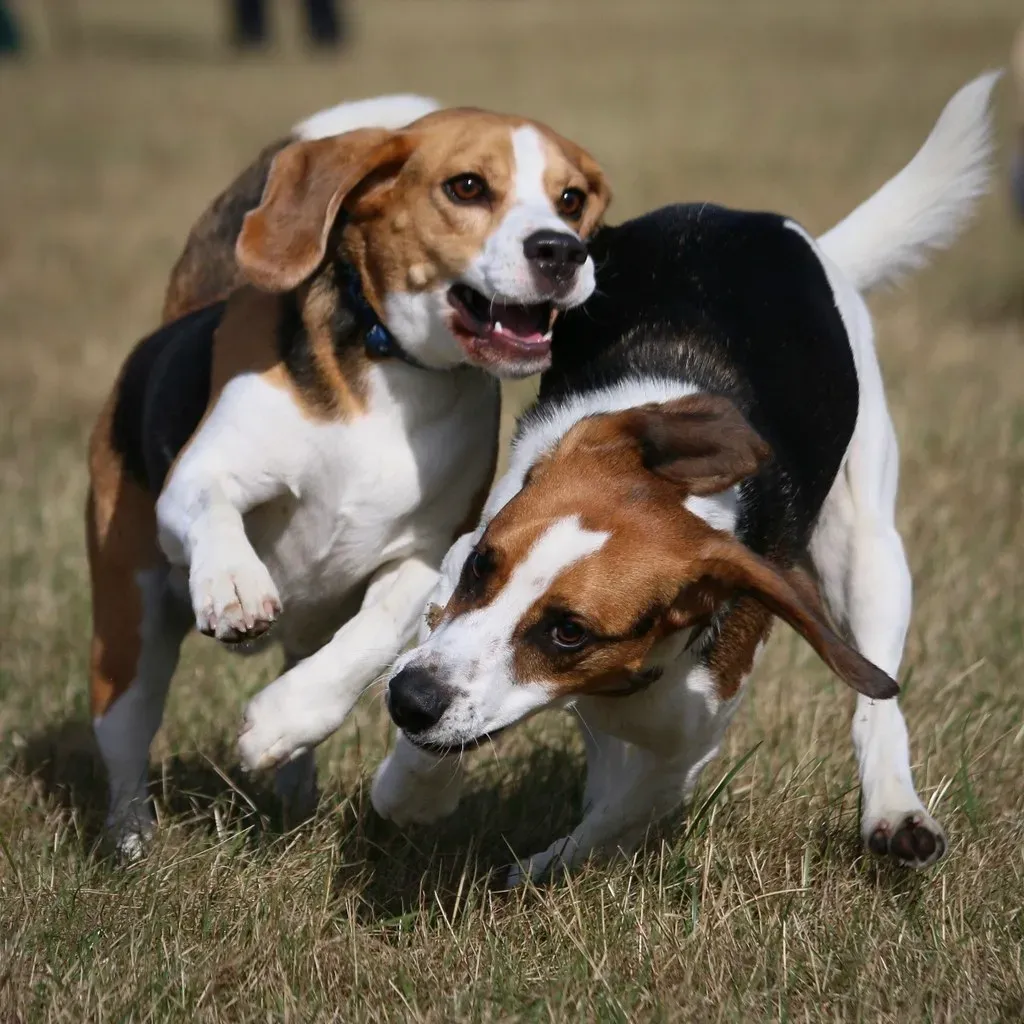
Beagles create warm connections through their playful curiosity and love of scent work. They enjoy family time outdoors but can also follow their nose around the yard independently. Their pack oriented history supports group living without excessive neediness.
This breed handles short absences well when given appropriate outlets for energy. Beagles often amuse themselves with toys or exploration once settled. Their cheerful disposition adds lightness without overwhelming demands.
Boxer
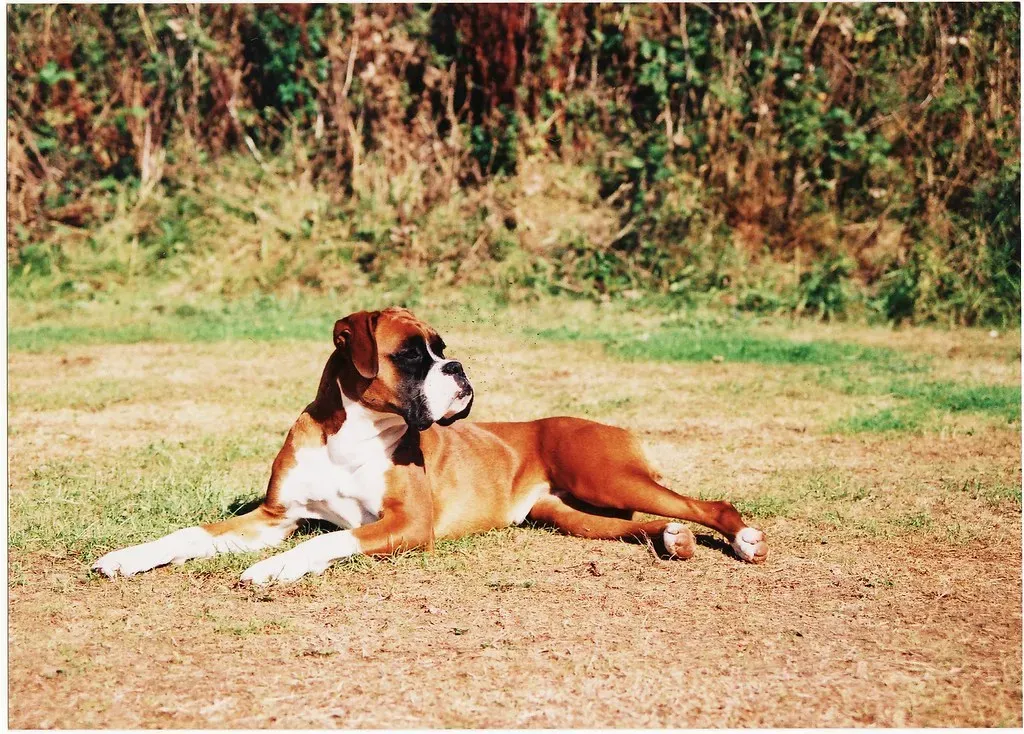
Boxers form lively yet grounded relationships with family members through their expressive faces and energetic play. They stay close during evenings but possess enough confidence to rest alone during the day. Their muscular build and alert nature make them good watchdogs without constant shadowing.
Proper exercise routines help channel their vitality so they remain relaxed at home. Boxers typically respond well to training that encourages calm independence. Families value their blend of affection and self possession.
Standard Poodle
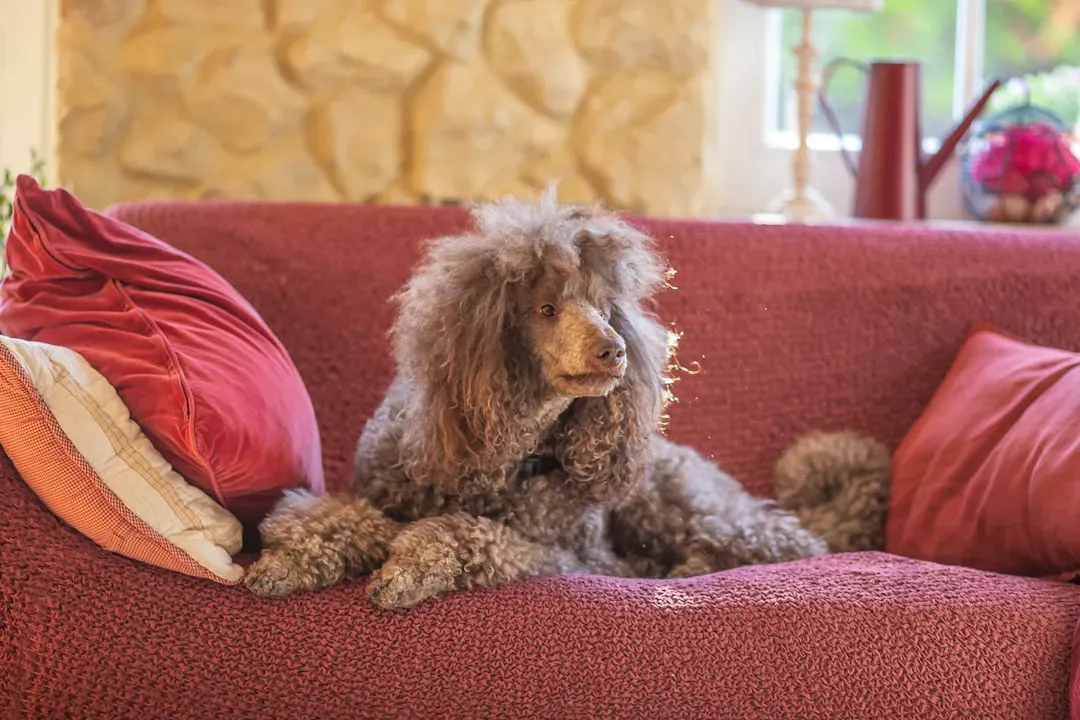
Standard Poodles develop thoughtful bonds with their households through their high intelligence and adaptability. They participate eagerly in training sessions and family events yet manage time alone with ease. Their hypoallergenic coat and versatile energy levels suit many lifestyles.
This breed often occupies itself with puzzle toys or quiet observation when people are occupied. Early exposure to varied routines builds their resilience. Owners report steady companionship without clingy behavior.
Siberian Husky
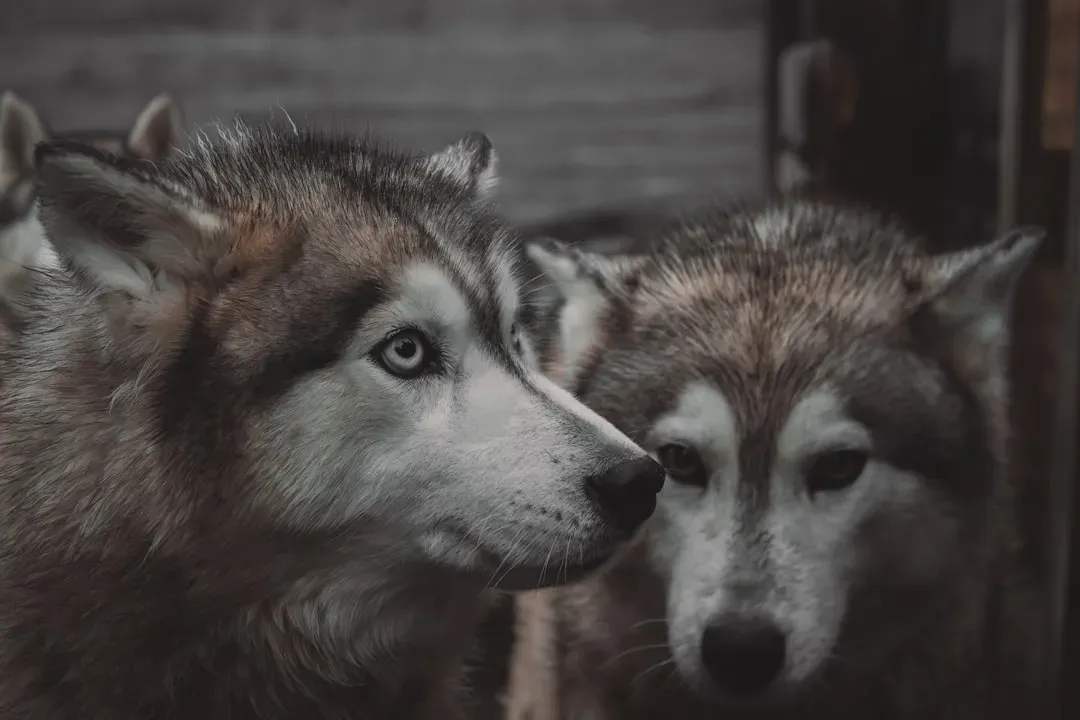
Siberian Huskies create enduring family ties rooted in their sled dog heritage of teamwork. They enjoy group activities but retain a strong independent streak that prevents over attachment. Their thick coat and endurance suit active households that provide both exercise and downtime.
Huskies frequently entertain themselves with digging or running in secure spaces. They respond best to consistent leadership that respects their autonomy. Many families find them affectionate yet self directed companions.
Australian Shepherd
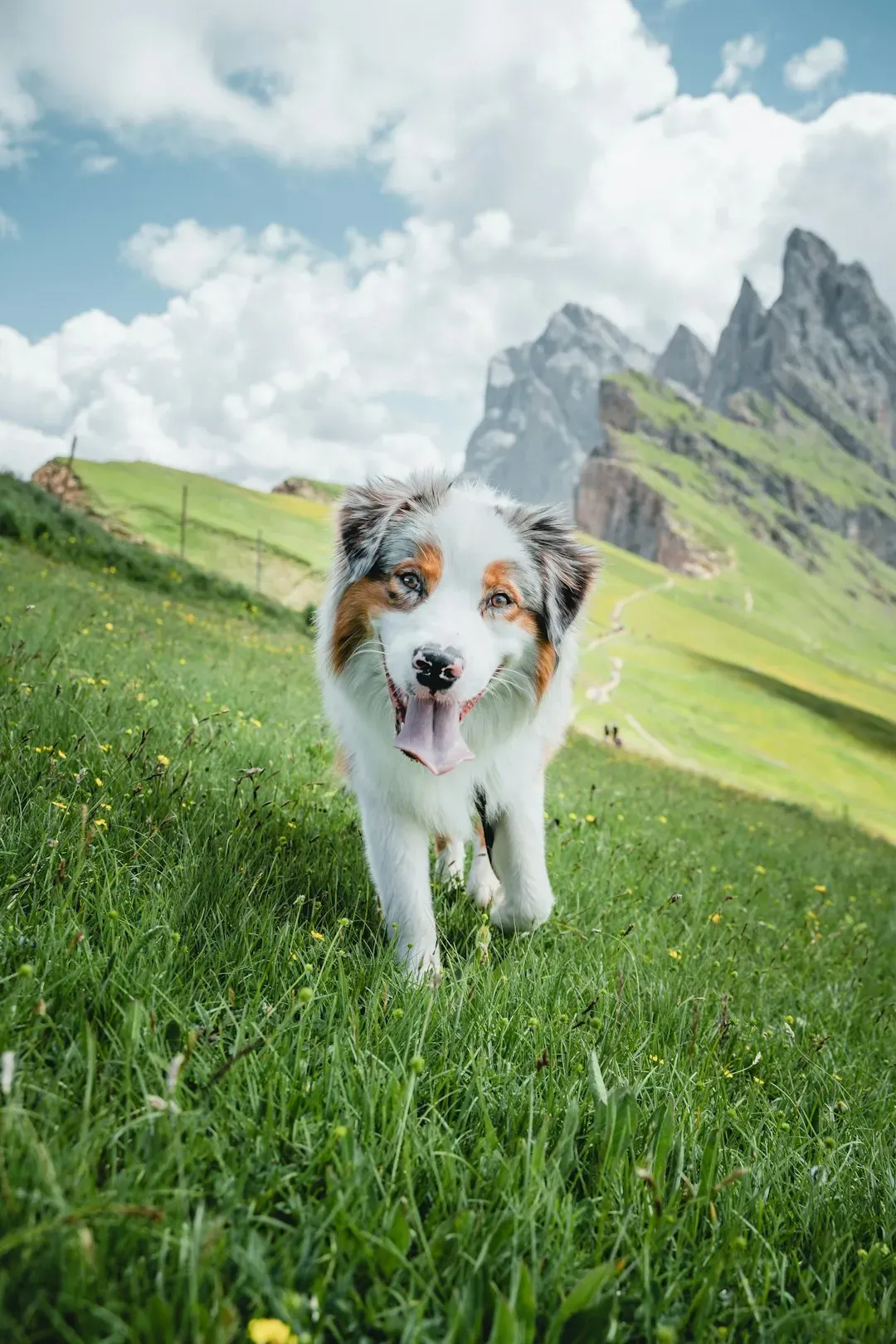
Australian Shepherds build focused connections with their people through herding instincts and quick learning. They stay engaged during family chores or hikes but can settle independently afterward. Their alert eyes and agile bodies reflect a breed comfortable with both direction and self management.
Mental tasks like agility or puzzle games keep them content during alone periods. This breed rarely demands constant petting once its needs are met. Owners appreciate their loyalty paired with practical independence.
Rottweiler
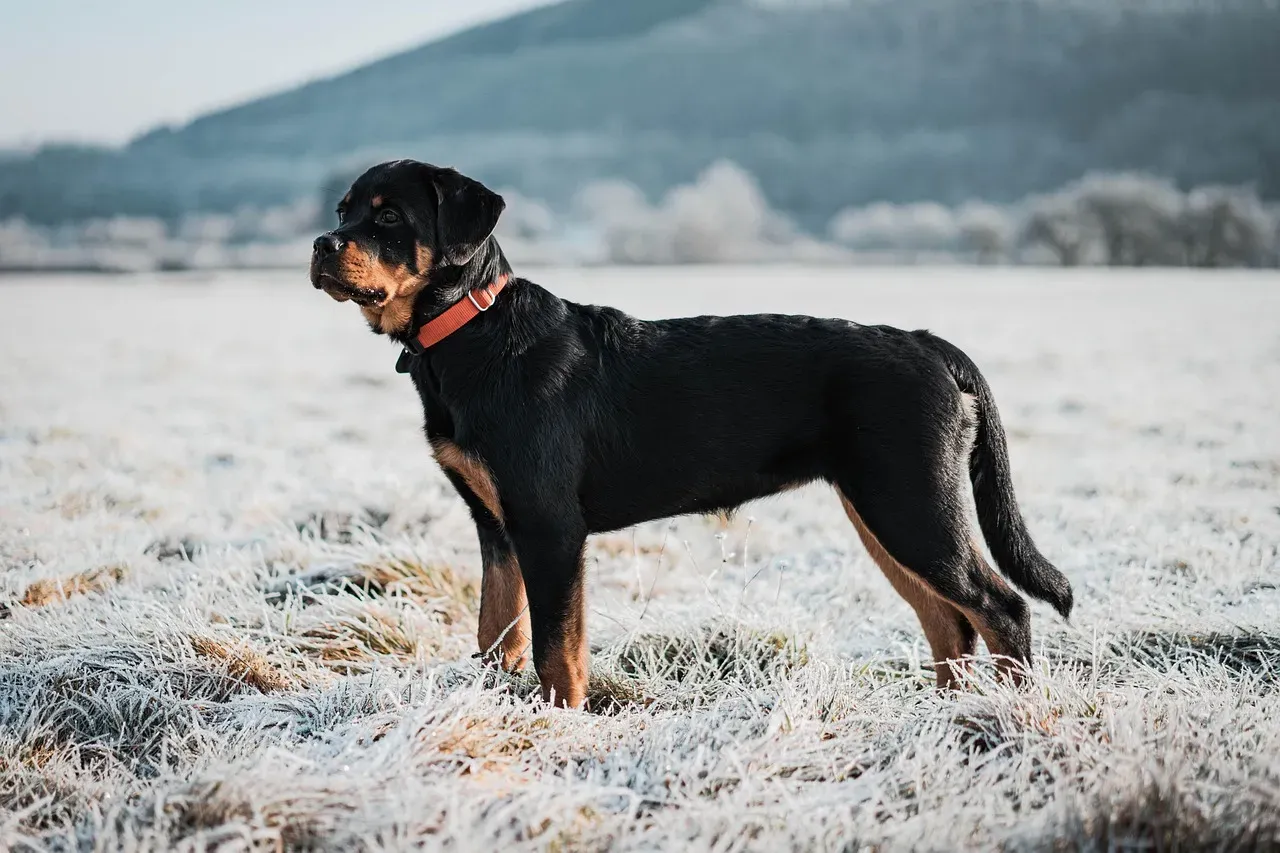
Rottweilers form deep protective bonds with family while displaying calm confidence in daily life. They watch over the home with quiet vigilance yet accept periods of solitude without distress. Their strength and loyalty make them steady presences rather than needy ones.
Early training reinforces their natural composure and respect for household rhythms. Rottweilers often rest contentedly when given a designated space. Families value their blend of affection and self assurance.
Border Collie
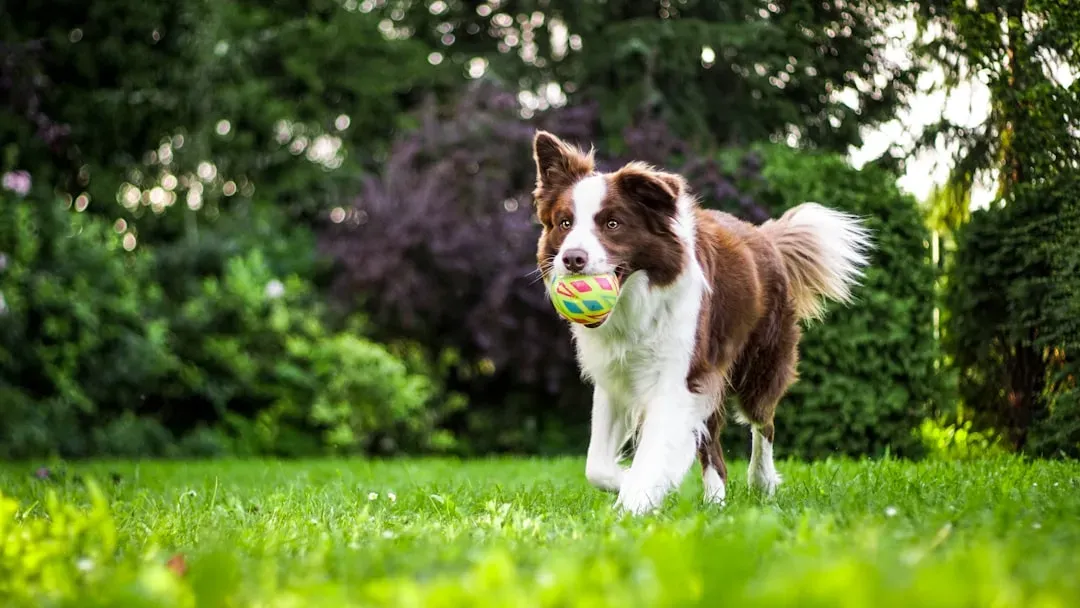
Border Collies develop sharp family connections through their remarkable focus and work ethic. They join in games and tasks with intensity but channel energy into independent problem solving when alone. Their herding background supports both group cooperation and self direction.
Providing structured activities prevents boredom and encourages balanced behavior. This breed handles alone time well once accustomed to routines. Many households enjoy their intelligence without constant supervision needs.
Bulldog

Bulldogs create steady family attachments through their laid back charm and affectionate nature. They enjoy short bursts of play followed by long naps that demonstrate their independent streak. Their sturdy build suits households seeking a calm yet loyal presence.
This breed rarely shows separation issues when introduced gradually to alone time. Bulldogs often amuse themselves with a chew or simple toy. Owners note their reliable companionship without excessive demands.
Dalmatian
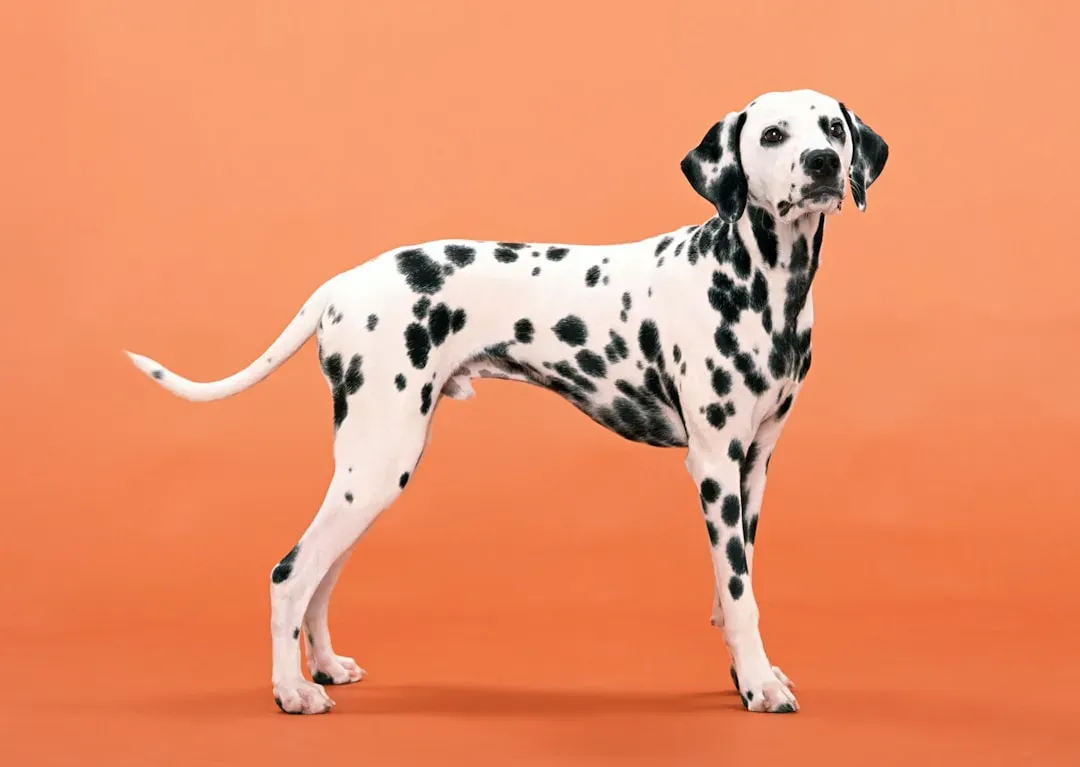
Dalmatians form energetic bonds with active families through their history as carriage dogs. They participate in runs or games with enthusiasm yet possess the stamina to rest independently afterward. Their spotted coat and alert demeanor add visual interest without clinginess.
Regular exercise helps maintain their composure during quieter hours. Dalmatians respond well to training that builds confidence in solitude. Families appreciate their lively yet self contained personality.
Great Dane
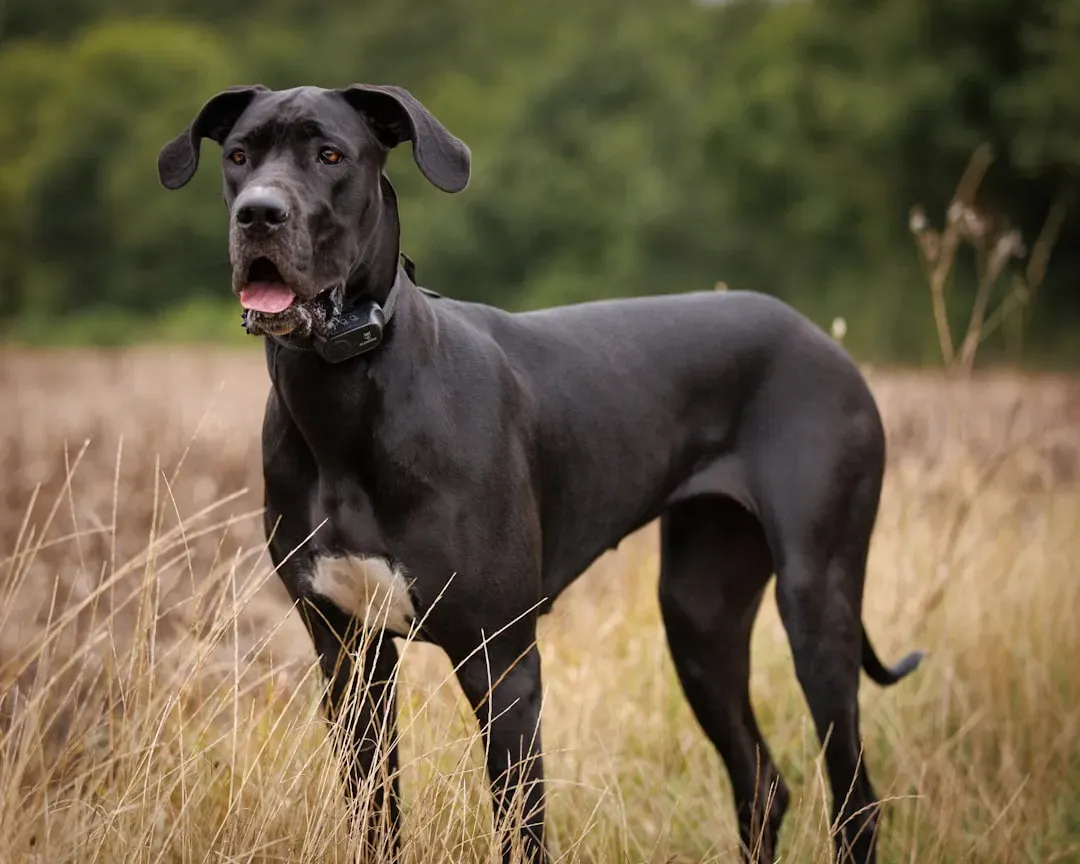
Great Danes develop gentle family ties despite their imposing size through their affectionate and patient temperament. They stay close during relaxed evenings but manage alone time with surprising ease. Their calm nature suits larger homes where space allows independent movement.
Early socialization supports their ability to remain composed without constant interaction. Great Danes often choose their own resting spots when the household is busy. Owners value their loyalty paired with quiet self reliance.
Corgi
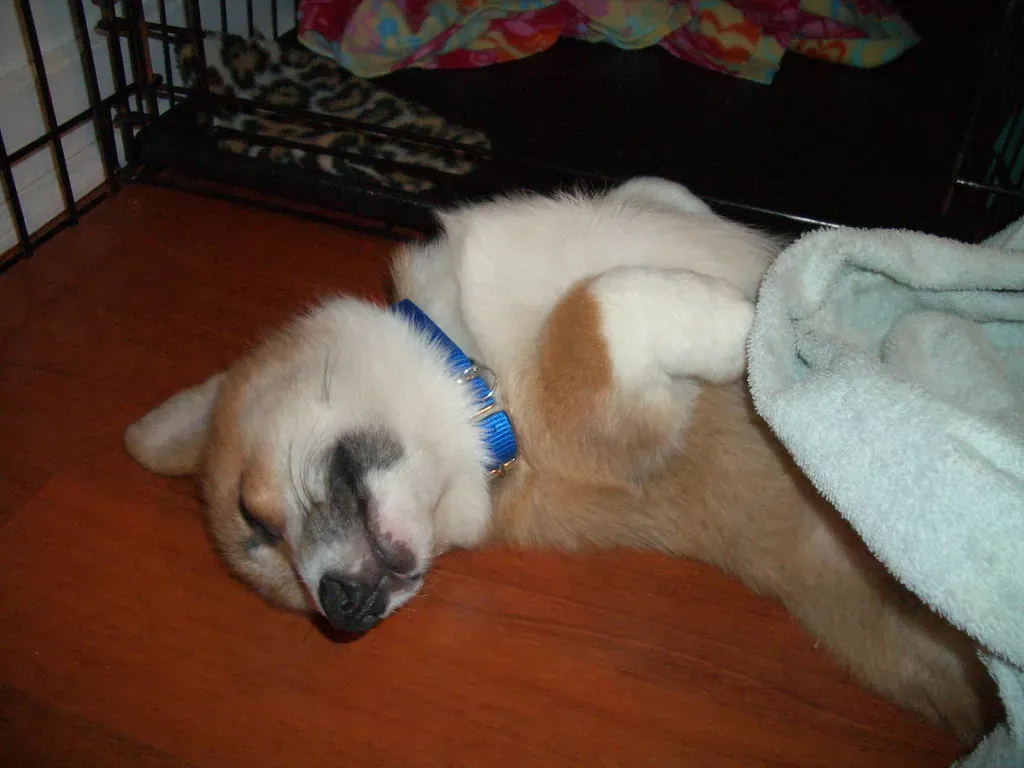
Corgis build strong family connections through their herding heritage and cheerful outlook. They enjoy following family members during chores yet entertain themselves with short bursts of activity. Their compact size makes them adaptable to various home environments.
This breed handles brief absences well when provided with mental stimulation. Corgis rarely become overly attached once routines are established. Many families find them engaging without overwhelming presence.
Mastiff
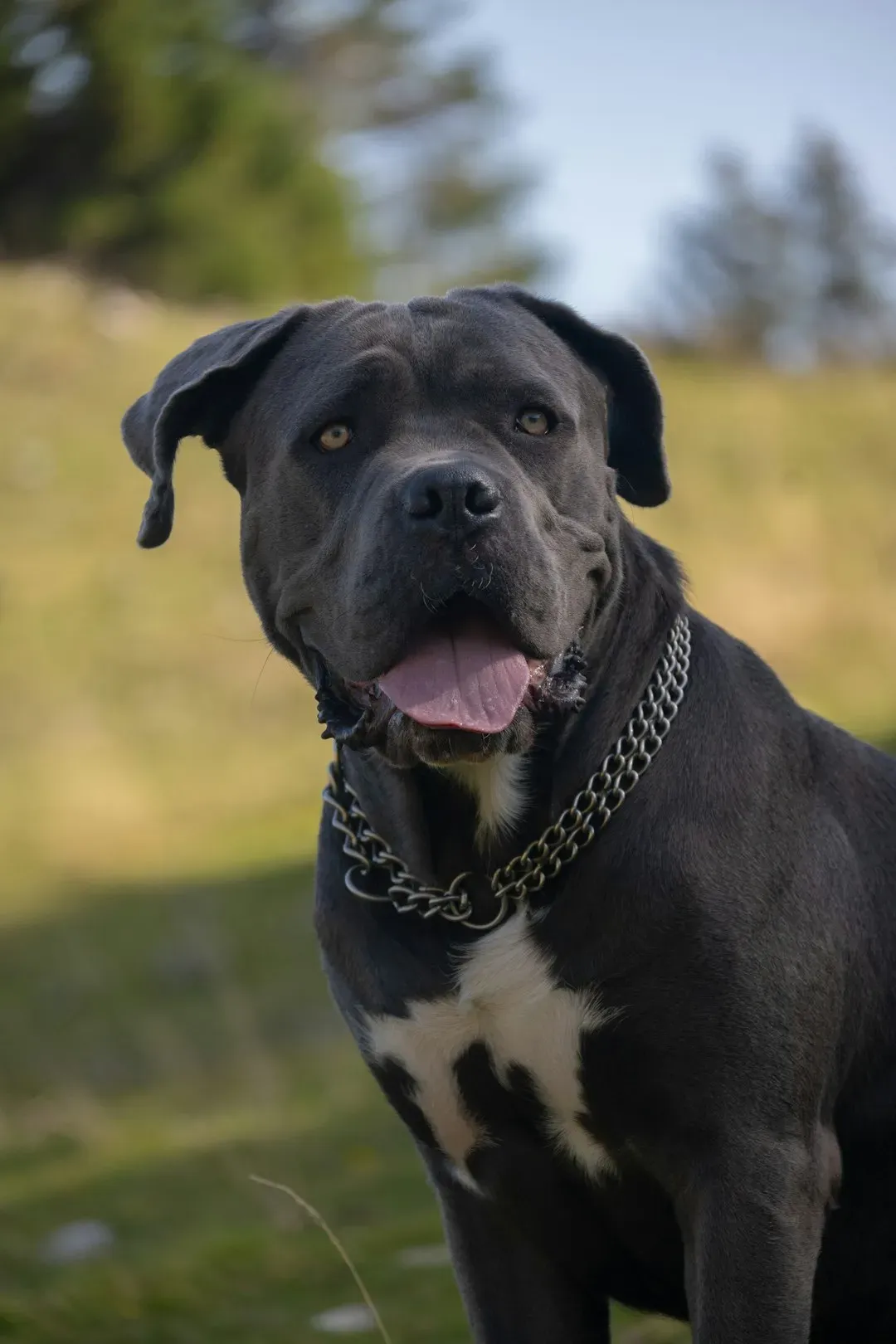
Mastiffs form protective yet understated bonds with their households through their gentle giant reputation. They watch over family members with quiet dignity and accept periods of solitude without complaint. Their massive frame requires space but also encourages independent resting habits.
Consistent training reinforces their natural calm and respect for boundaries. Mastiffs often settle into a favorite corner when left alone. Families appreciate their steady loyalty without constant need for attention.
Finding the Right Fit
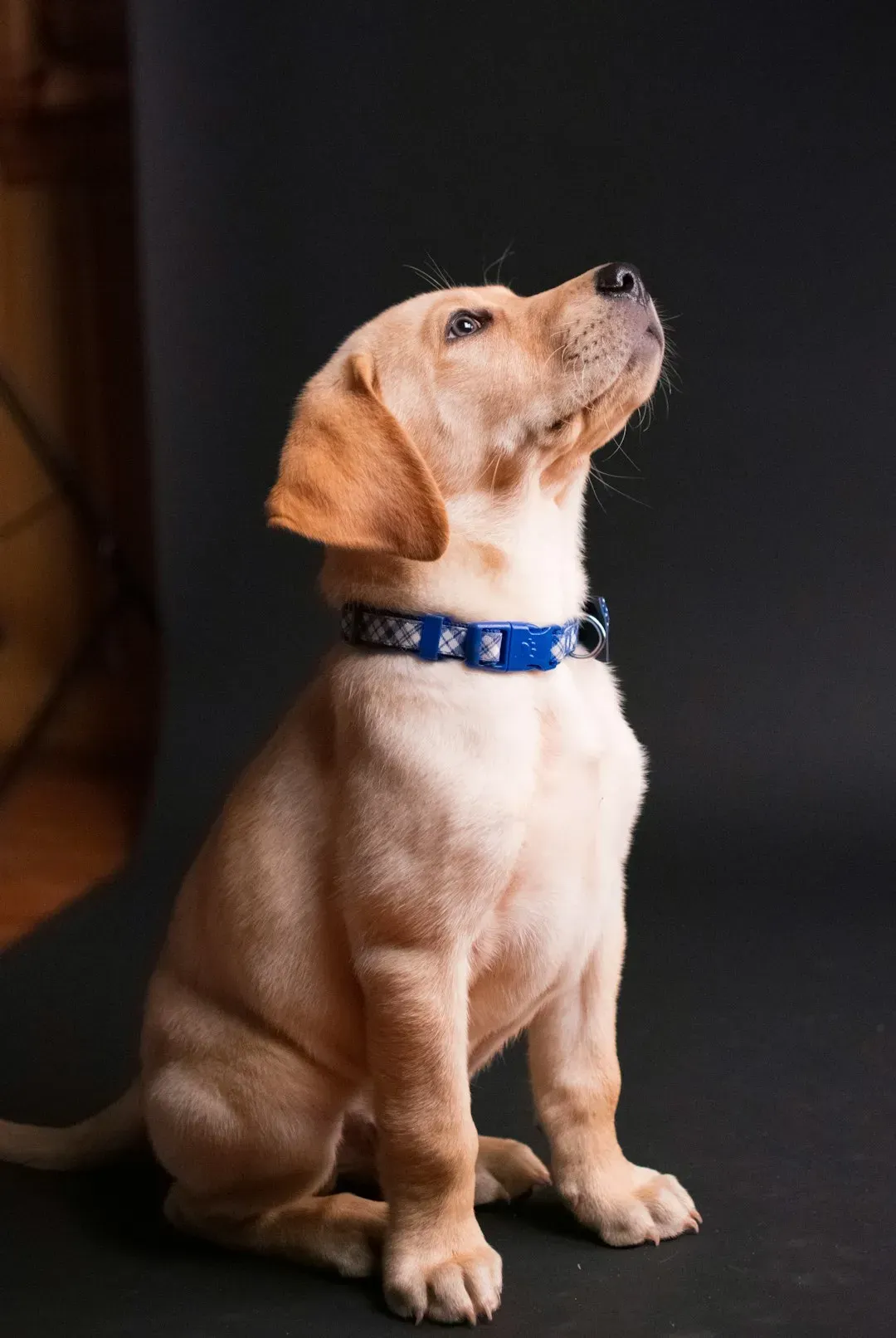
Selecting a breed involves matching energy levels, space, and daily routines to the dog’s natural traits. Each of these options offers companionship that supports family life while allowing breathing room for everyone involved.
Responsible breeders and early training play key roles in developing balanced behavior. Prospective owners benefit from observing adult dogs in similar settings before deciding.
Ultimately the best match grows from understanding both the breed’s tendencies and the household’s realities. A well suited dog becomes a steady presence that enriches daily life without creating unnecessary strain.


