

Some dogs are just total lovebugs—they crave companionship and don’t do well when left alone for too long. These affectionate breeds can get anxious or even destructive if they feel lonely or bored. Whether it’s following you from room to room or waiting by the door, they just want to be close. In this guide, we’ll introduce 15 dog breeds that need extra quality time and share simple ways to keep them happy, even when you’re away. If you’re a homebody or have lots of love to give, one of these clingy (and lovable) pups might be your perfect match!
Labrador Retriever: The Social Butterfly

Labrador Retrievers are renowned for their boundless energy and affectionate personalities. They thrive on attention, playtime, and being included in family activities. When left alone, their friendly nature can quickly turn to sadness and even destructive behavior. Labradors may chew, dig, or bark excessively if they feel abandoned. To keep them happy, provide interactive toys, schedule regular exercise, and consider doggy daycare if you’ll be gone for extended periods. Labradors love learning new tricks, so puzzle toys and training sessions can also help stave off the loneliness blues.
Border Collie: The Workaholic Companion

Border Collies are often described as the Einsteins of the dog world, but their intelligence comes with a price—they need constant mental stimulation. Being left alone can make them anxious and stir up nervous habits. These dogs often bond deeply with their humans and can become distressed without company or a job to do. Keeping a Border Collie happy means providing challenging toys, agility exercises, and a structured daily routine. If possible, arrange for a dog walker or friend to visit during long absences, and always offer plenty of praise and attention when you’re home.
Australian Shepherd: The Herding Heart

Australian Shepherds are loyal, energetic, and highly social. Bred to be with their flock (which now means you and your family), they often develop separation anxiety when left alone. Their busy minds and need for activity make solo time especially tough. To help, try rotating toys to keep things fresh, use treat-dispensing puzzles, and make sure they get plenty of vigorous exercise before you leave. Training sessions and obedience games can help burn off extra energy and reassure your Aussie that they are loved and valued.
German Shepherd: The Guardian Who Misses You
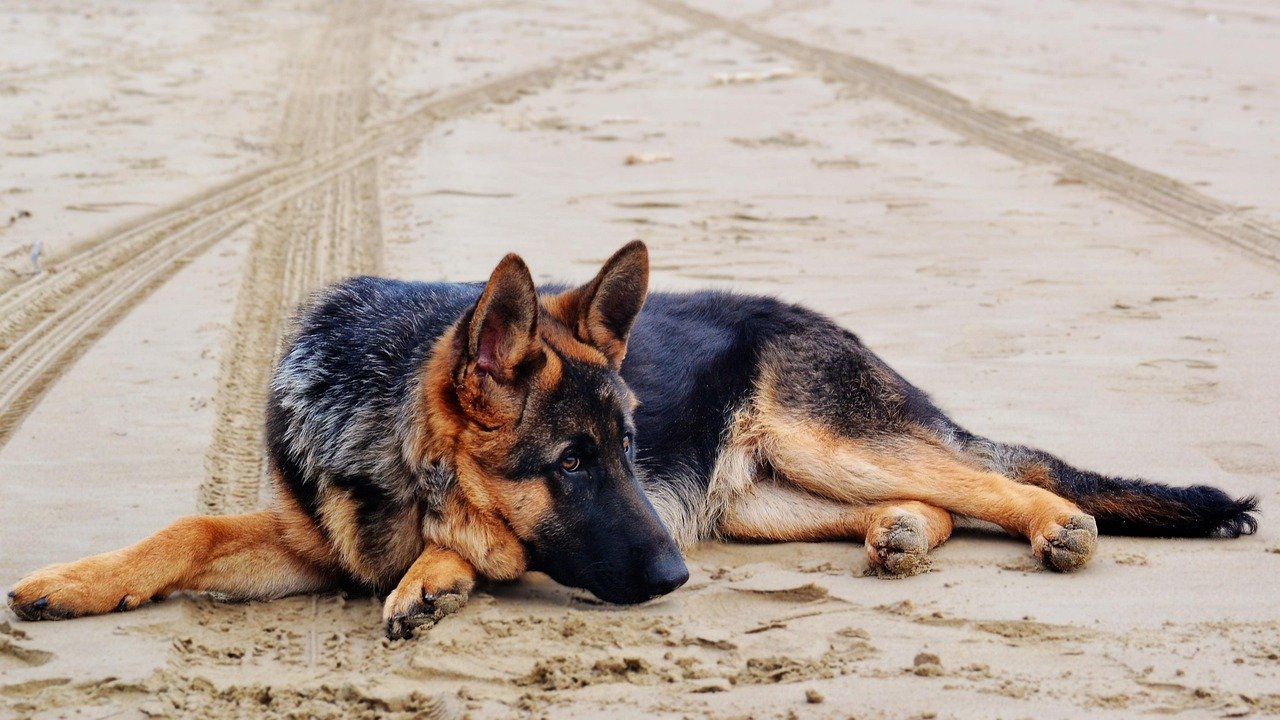
German Shepherds are fiercely loyal and protective, forming strong attachments to their people. Their devotion can make alone time seem unbearable. Left on their own, they may become anxious, vocal, or even destructive. To keep a German Shepherd content, establish a predictable routine and gradually increase the time spent alone to build their confidence. Leaving behind items that smell like you—a worn T-shirt or blanket—can provide comfort. If possible, arrange playdates with trusted friends or neighbors to break up their day.
Vizsla: The Velcro Dog
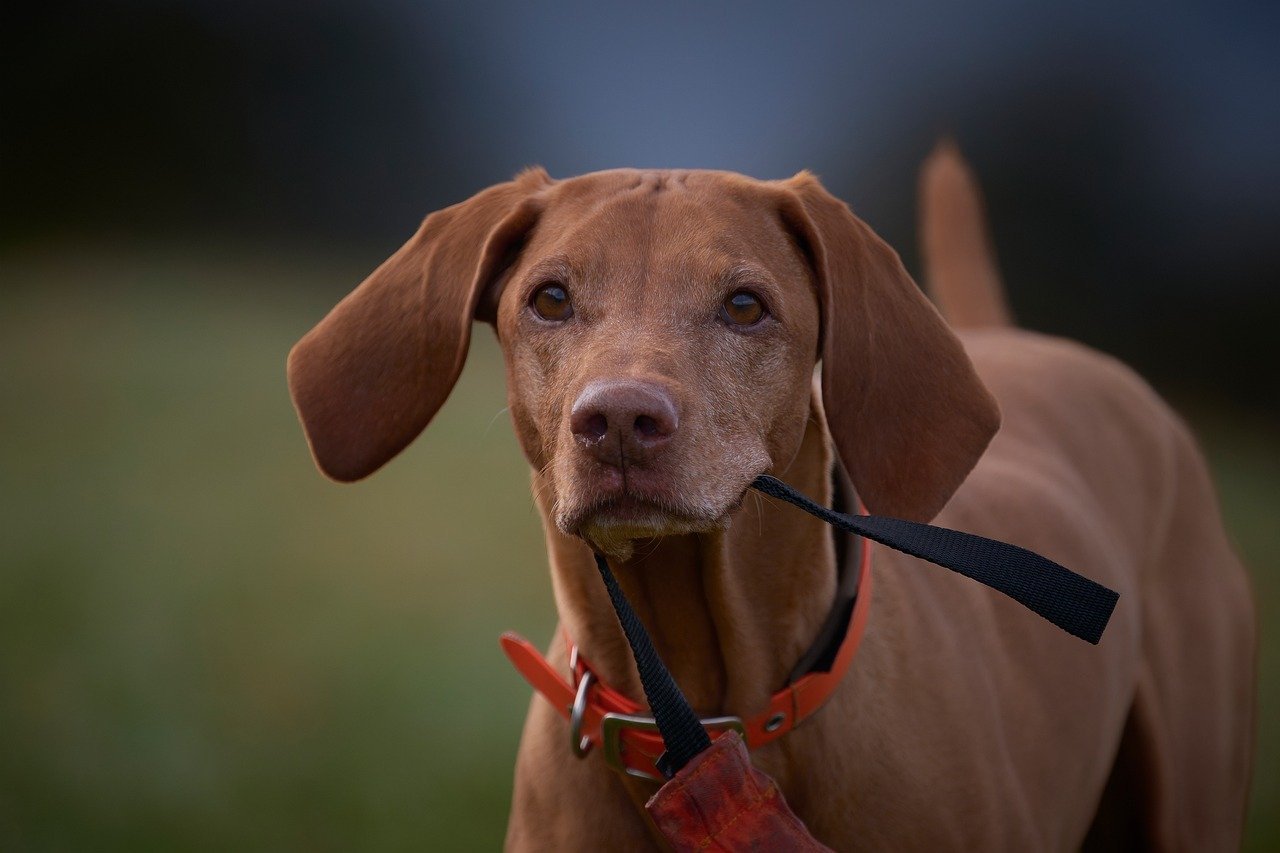
Affectionately called “Velcro dogs,” Vizslas never want to be far from their loved ones. Their deep attachment means they can become distressed or depressed when left solo. Loneliness in Vizslas often leads to pacing, whining, or attempts to escape and find you. To ease their anxiety, try to minimize time spent alone, or provide a furry companion if your lifestyle allows. Enrichment activities like scent games or hide-and-seek help keep their clever minds busy, and regular walks or runs can tire them out before you leave.
Cavalier King Charles Spaniel: The Sensitive Sweetheart

Cavalier King Charles Spaniels were bred to be lapdogs, and they take their role seriously. These gentle souls thrive on companionship and struggle with being left alone for long stretches. When lonely, they may bark, chew, or even fall into a sadness that’s hard to shake. Keeping a Cavalier happy means including them in as much of your daily life as possible. If you need to be away, consider a pet sitter, or leave calming music on to soothe them. Soft, plush toys can offer comfort, and a regular schedule helps them feel secure.
Italian Greyhound: The Elegant Cuddler
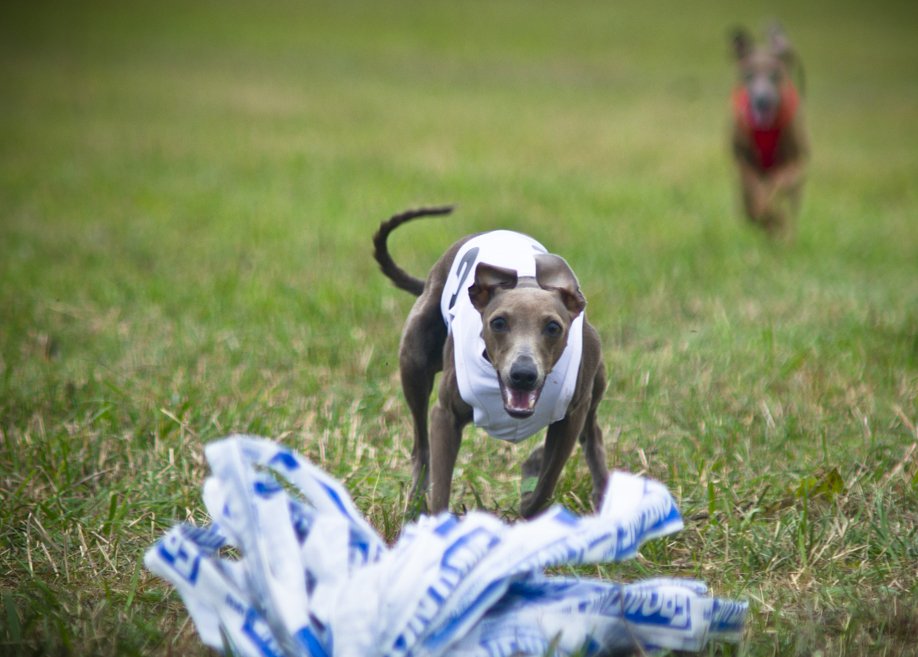
Italian Greyhounds are sensitive and affectionate, often following their humans from room to room. Time alone can make them nervous and prone to stress behaviors like shaking or excessive barking. Their delicate nature means they benefit from gentle routines and lots of reassurance. To ease their loneliness, offer cozy blankets or heated beds to mimic the warmth of human touch. Toys with your scent and interactive treat puzzles can help, and hiring a dog walker or neighbor to check in during the day is a great idea for these elegant companions.
French Bulldog: The Charming Clown

French Bulldogs may have a reputation for being easygoing, but they are incredibly people-oriented. They form tight bonds with their families and can feel lost without company. Loneliness can lead to stubbornness or mischievous antics, such as chewing shoes or scratching at doors. To keep your Frenchie happy, provide chew toys, rotate their playthings regularly, and offer plenty of cuddles when you’re together. Doggy playdates and short walks can help expend their energy and keep loneliness at bay.
Jack Russell Terrier: The Spirited Explorer

Jack Russell Terriers are energetic, clever, and thrive on interaction. When isolated, their boredom can quickly lead to mischief—think digging, barking, or inventing escape plans. These little dynamos need both physical and mental stimulation, so puzzle feeders, agility activities, and challenging toys are essential. Schedule regular play sessions and, if possible, set up a safe outdoor space for supervised exploration. For longer absences, a pet sitter or trusted friend can help keep your Jack Russell’s world interesting and full of fun.
Papillon: The Adoring Sidekick

Don’t let their small size fool you—Papillons have big hearts and even bigger attachments to their people. These dogs thrive on attention and can become anxious or withdrawn when left alone. Their expressive faces and quick movements reveal how much they miss you. To keep a Papillon content, provide soft toys, set up a sunny window perch for entertainment, and use interactive games to stimulate their minds. They love learning new tricks, so regular training sessions can boost their confidence and ease separation stress.
American Eskimo Dog: The Playful Performer
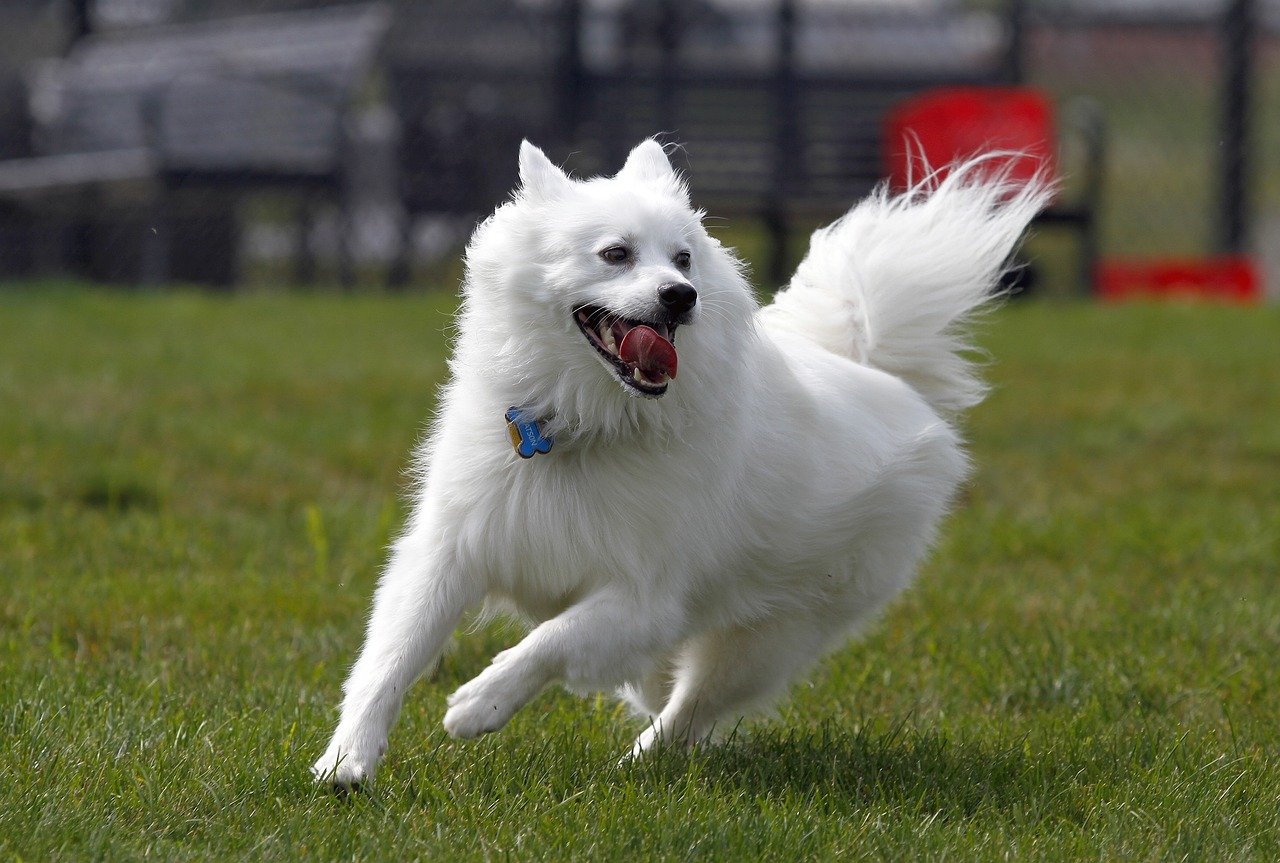
American Eskimo Dogs are social, intelligent, and always ready to entertain. They can become bored or anxious when left alone, leading to barking, digging, or other attention-seeking behaviors. These dogs need a variety of activities to occupy their time—think rotating toys, puzzle games, and even safe chew treats. A consistent routine helps them feel secure, and regular interaction with family members or other friendly dogs can keep their spirits high. If you have to be away, a doggy daycare is a fantastic way for them to burn off energy and make new friends.
Staffordshire Bull Terrier: The Loyal Shadow

Staffordshire Bull Terriers are famously loyal and crave the company of their human pack. When left alone, they may express their frustration through chewing or vocalizing. These dogs are happiest when included in daily activities, whether it’s a long walk, a play session, or simply lounging by your side. To prevent loneliness, provide robust chew toys, leave on some background noise like the TV or radio, and stick to a regular schedule. Arranging playdates with other dogs can also help satisfy their need for companionship.
Golden Retriever: The Gentle Friend
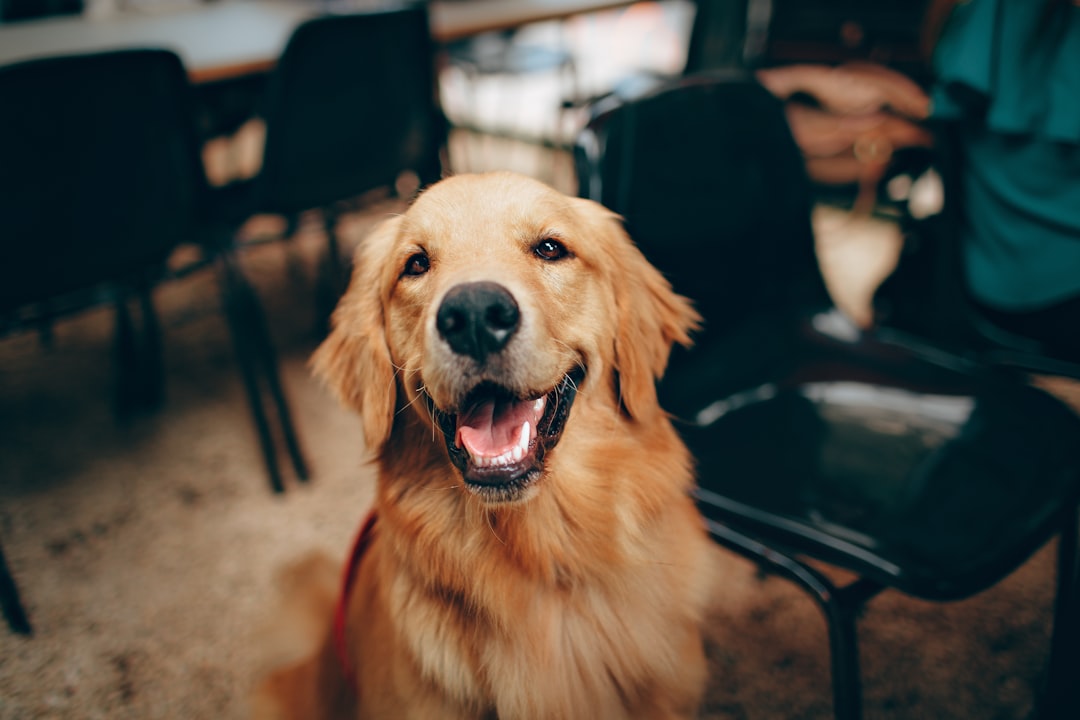
Golden Retrievers are the epitome of friendly, loving dogs. Their social nature means they dislike being alone for long periods and can become anxious or destructive when left behind. Goldens thrive on quality time with their people, so be sure to include them in family activities whenever possible. To keep them happy, leave behind interactive toys, consider doggy playgroups, and provide plenty of affection before you go. Training sessions and long walks can help burn off their energy and reassure them of your love.
Bichon Frise: The Cheerful Companion
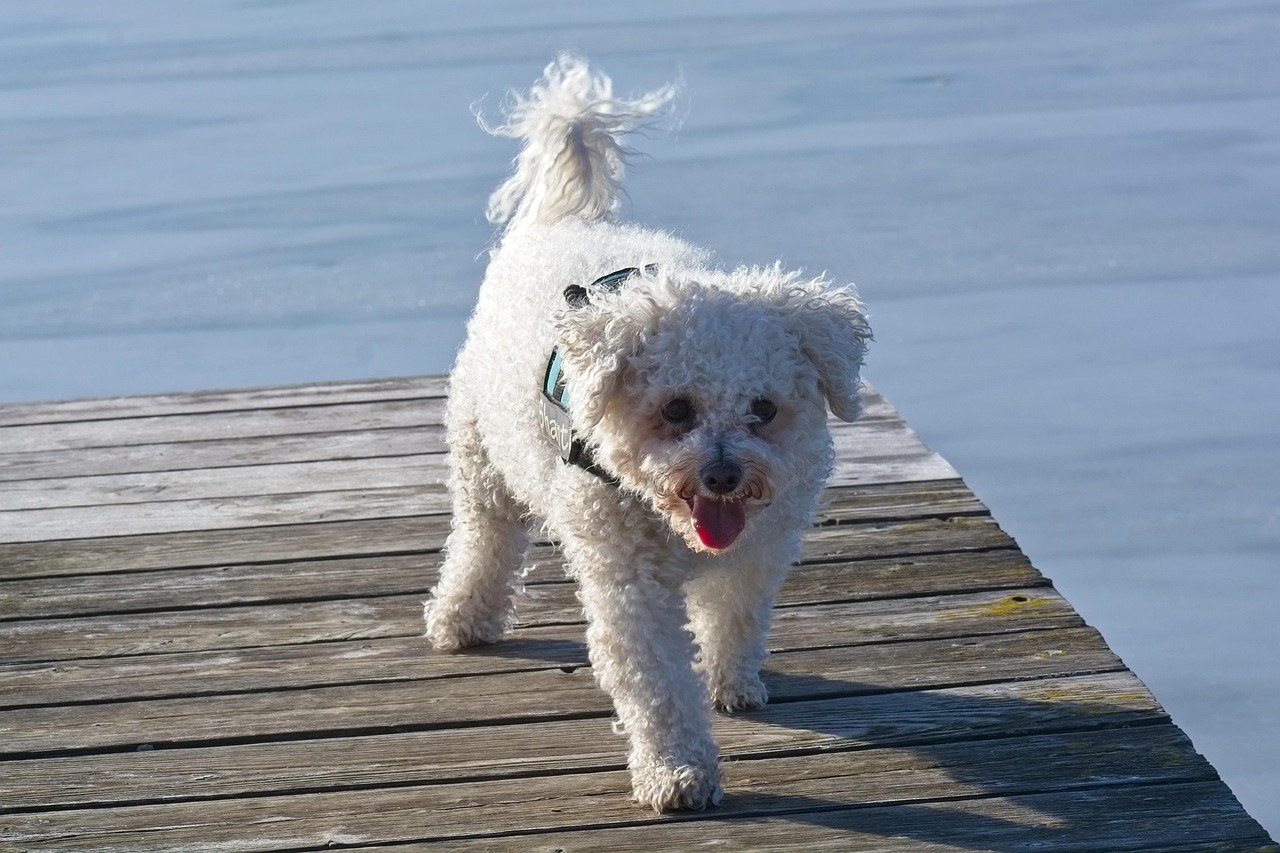
Bichon Frises are cheerful, affectionate, and love being the center of attention. They often struggle with separation anxiety, displaying behaviors like whining, chewing, or soiling the house when left alone. To make absences easier, create a cozy, familiar space with their favorite toys and bedding. Puzzle feeders, music, and regular visits from friends or family members can help break up the day. Bichons appreciate a reliable routine and plenty of cuddles when you return home.
Cocker Spaniel: The Devoted Family Member

Cocker Spaniels are affectionate, gentle, and thrive on being part of the family. Alone time can make them feel vulnerable and stressed, often leading to barking or chewing. To help ease their worry, stick to a predictable routine, provide comfort items like soft blankets or stuffed animals, and offer lots of positive reinforcement for calm behavior. Regular playtime, social outings, and even scent-based games can help keep your Cocker Spaniel’s spirits high, ensuring they always feel loved and included.
If your pup falls into the “can’t stand to be alone” category, don’t worry—there are plenty of ways to keep them content. From interactive toys to doggy daycares and plenty of cuddle time, a little effort goes a long way. These breeds might be extra needy, but their love and loyalty are totally worth it. Give them the attention they crave, and you’ll have a happy, well-adjusted best friend by your side.


