
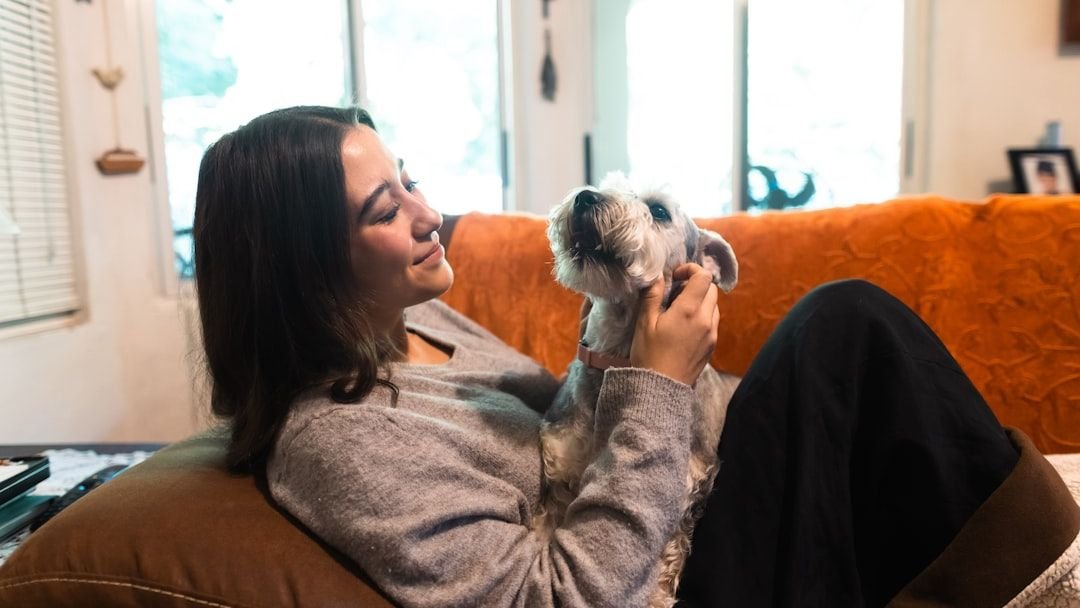
You probably got a dog because you wanted a buddy, not a living room ornament. But some breeds take that bond so seriously that even a quick coffee run can turn into a full-blown emotional crisis for them. These are the dogs who follow you to the bathroom, stare at you from across the room, and act like you’ve been gone for months when you only took the trash out.
Not every clingy dog is “bad” or “too needy” – many were literally bred to work side by side with humans all day. When those same dogs end up spending hours alone in a modern apartment, their brains and hearts struggle to cope. If you are thinking about getting one of these breeds, or you already live with one, understanding how much they hate being alone is one of the kindest things you can do for them.
1. Labrador Retriever
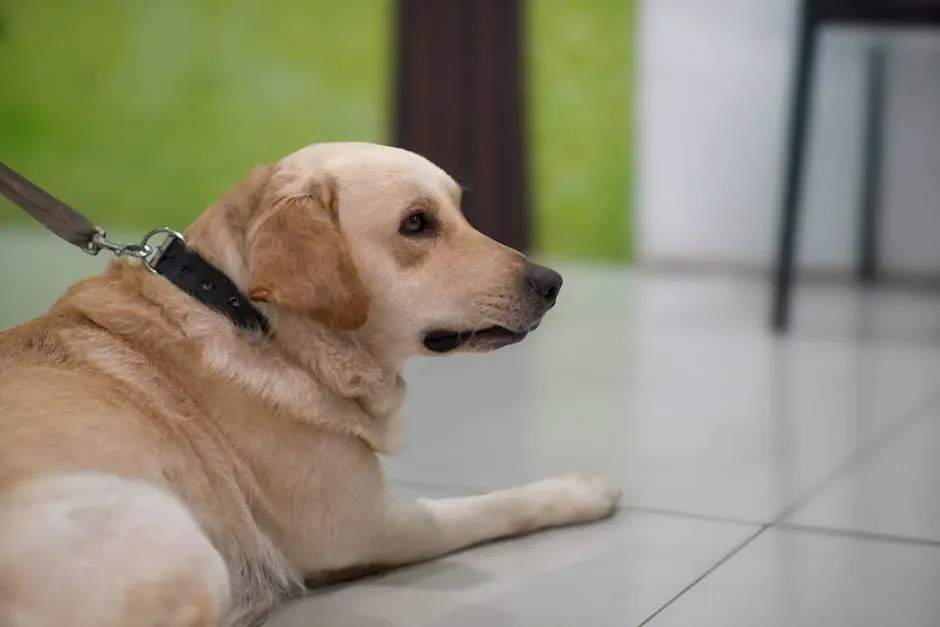
You might picture Labs as easygoing family dogs who roll with anything, but when it comes to being left alone, many of them really do not cope well. Labradors were bred to work right alongside hunters, jumping out of boats, retrieving birds, and constantly taking cues from people, so being suddenly left in a quiet house can feel like a total sensory and emotional crash for them.
Because they are clever, energetic, and often still very puppy-like even when fully grown, a bored, lonely Lab can become destructive fast. You may notice things like chewing furniture, counter surfing, whining at the door, or pacing if you duck out for “just a bit.” If you live with a Lab, you need to treat alone-time management as seriously as exercise and food: think dog walkers, daycare, frozen puzzle toys, and gradually teaching your dog that short separations are safe and predictable.
2. Golden Retriever
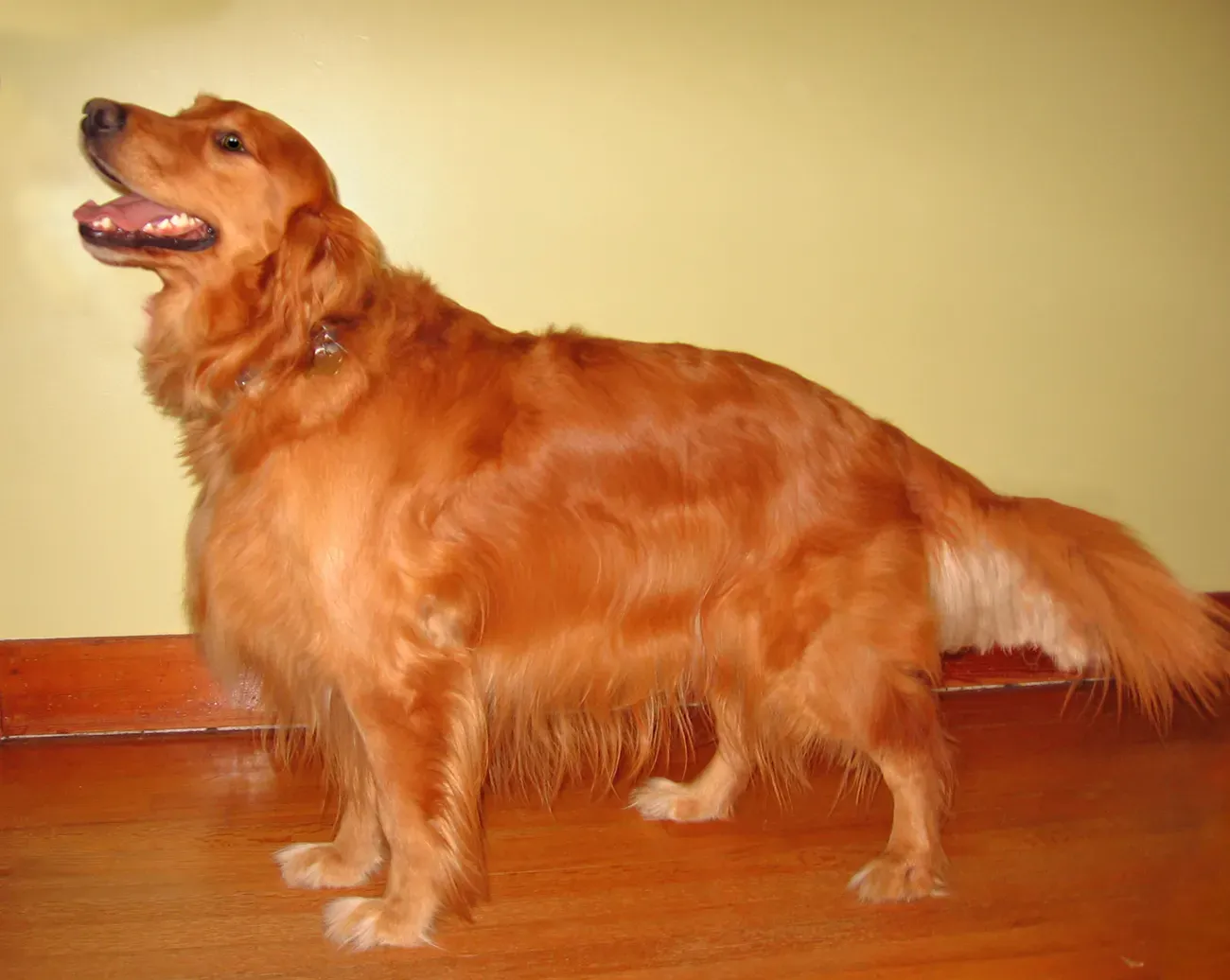
Goldens are the emotional sponges of the dog world; they soak up your moods, your routines, and your attention like nothing else. That big smile and constant tail wag come from a deep desire to be part of your every move, which is why being left alone can hit them harder than you might expect from such a “chill” breed. They often bond intensely with their main person and struggle when that person walks out the door, even for a short errand.
When a Golden is uncomfortable with alone time, you might see shadowing behavior before you leave, heavy panting, pacing, or even attempts to follow you out. If this sounds like your dog, you will want to build in structure: short, positive practice separations, predictable goodbye and hello routines, and safe spaces loaded with enrichment rather than just walking out and hoping for the best. For many Goldens, even an hour alone goes better when they have had a good mental workout and some calm interaction with you beforehand.
3. Border Collie
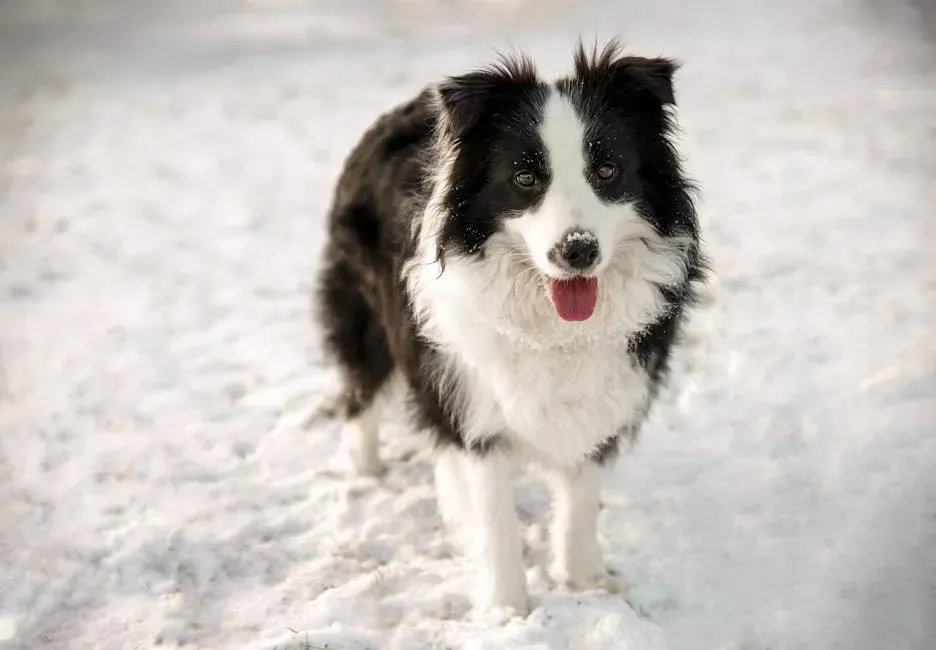
If any breed proves that intelligence can be a curse without the right lifestyle, it is the Border Collie. These dogs were bred to think, problem-solve, and watch living creatures all day long, which means a silent, empty house can feel like sensory deprivation. When you pair that with their intense work ethic and attachment to their handler, you get a dog that often finds solo downtime deeply frustrating.
Left alone too long or too abruptly, a Border Collie may invent their own “job,” and you might not like it: herding the cats, shredding pillows, barking at every distant sound, or pacing obsessively. If you share your life with one, you need a plan that goes beyond a quick walk: puzzle feeders, scent games, a dog sport class, and someone to break up alone time can make the difference between a relaxed dog and a stressed one. This is not a breed you can reliably leave for an hour without prepping their brain and body first.
4. Australian Shepherd
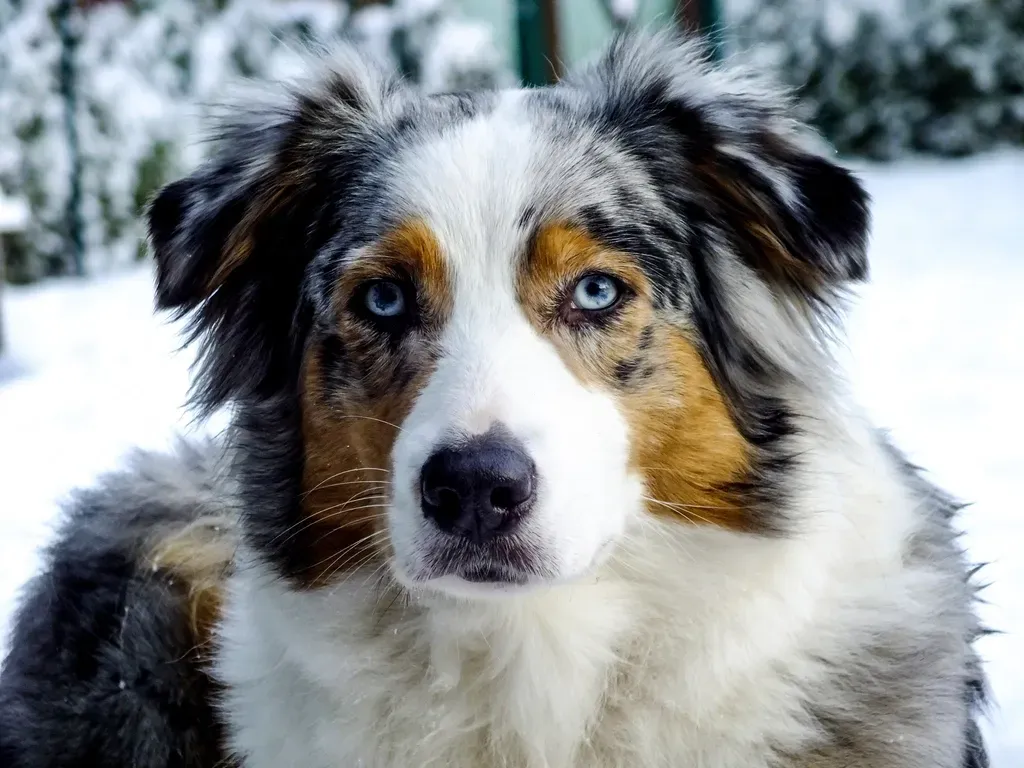
Australian Shepherds are another classic example of a dog designed to work as a partner, not as a decoration. They were meant to help manage livestock, read your body language, and make decisions on the fly, all while staying glued to their person. Take that dog and drop them in a modern home where you suddenly vanish for an hour or two, and it is no surprise they often develop separation issues.
You may see your Aussie circling doors, vocalizing, or “arguing” with you as you get ready to leave, as if begging you to change your mind. To help them handle short separations, you almost have to treat it like training for a sport: slow progress, lots of rewards, and clear routines. Things like food puzzles, safe chews, and having a friend or sitter on standby can go a long way, but the real key is accepting that this breed was never meant to be alone for big chunks of the day.
5. German Shepherd
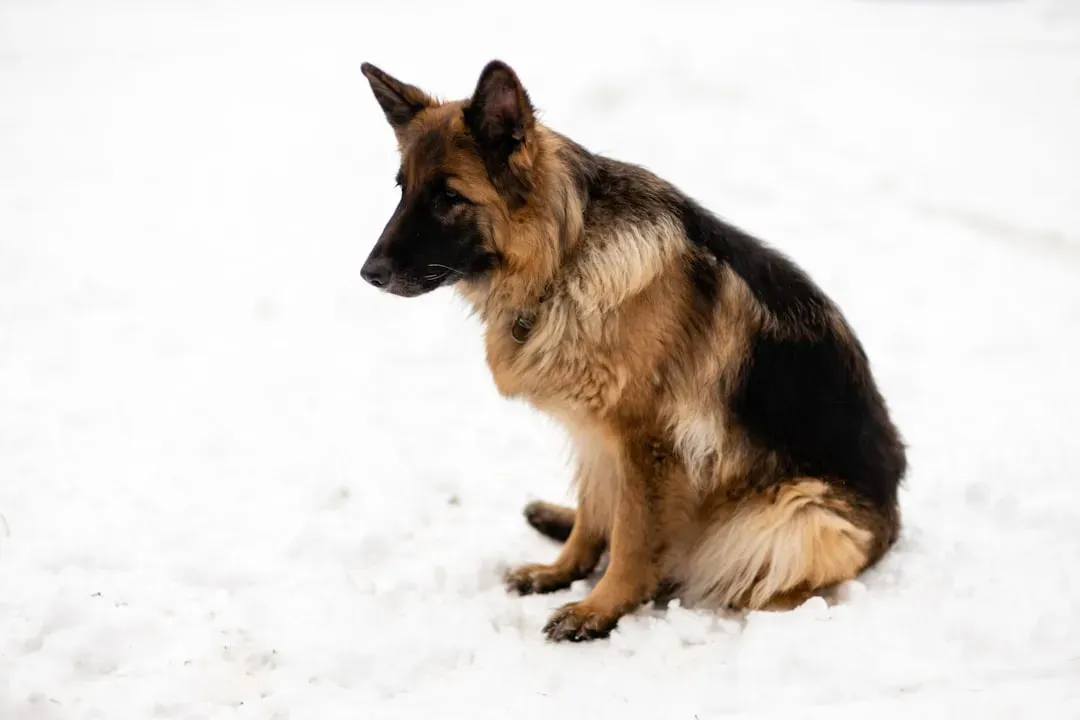
German Shepherds are often praised for their loyalty, and that loyalty can cut both ways when it comes to being left alone. Many of them form a tight, almost velcro-like bond with one or two people in the household, and once that bond is in place, sudden absence can make them anxious and hyper-alert. They may patrol the house, bark at every sound, or sit glued to the door you walked out of.
This breed is also very sensitive to changes in routine and environment, which means “I’ll just be an hour” can still feel like a big deal if your dog is not used to it. If you have a German Shepherd, you will want to train calm independence early: teaching them to settle on their own bed when you move around, practicing very short exits, and always pairing your departures with something they love. Without that foundation, even brief alone time can turn into a stressful event for both of you.
6. Vizsla
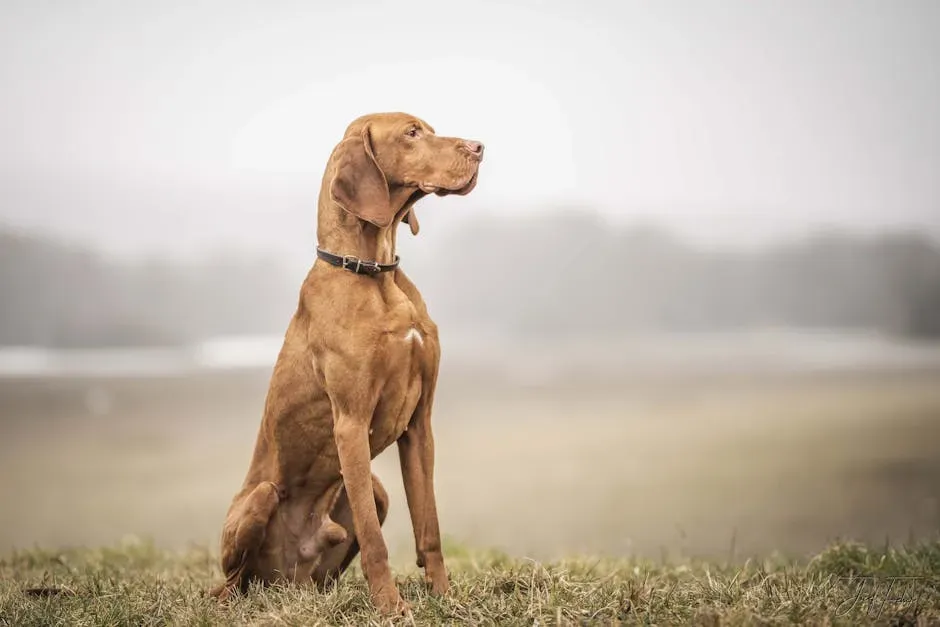
The Vizsla has nicknames that all point to the same truth: this is a dog that wants to be on you, not just near you. They were bred as close-working hunting dogs, staying within sight and often within touching distance of their person all day in the field. When you take that kind of dog and leave them alone at home, it can feel as if you have suddenly turned the volume on their life down to zero.
Many Vizslas show their distress through whining, scratching at doors, or intense excitement when you return, as if they have been holding their breath. To set them up for success, you need to normalize short separations from the very beginning, not wait until the dog is already distressed. That might mean using baby gates so they are sometimes in another room while you are home, setting up extra help for days when you will be gone, and treating alone-time training as a core part of owning the breed rather than an optional add-on.
7. Italian Greyhound

Italian Greyhounds might look delicate and calm, but emotionally they can be extremely attached and sensitive. These little dogs often choose one person and glue themselves to them, following them from room to room and reacting strongly when that person disappears. That level of attachment can make even an hour alone feel dramatic and scary for them.
When they are uncomfortable being left, you might notice trembling, whining, pacing, or frantic greetings when you come back. If you live with an Iggy, you will want to focus on gentle confidence building: short, non-eventful departures, cozy safe spaces, and plenty of mental enrichment that rewards calm behavior. They tend to do best in homes where someone is around a lot of the day or where you can rely on sitters, friends, or family to prevent long stretches of solitude.
8. French Bulldog
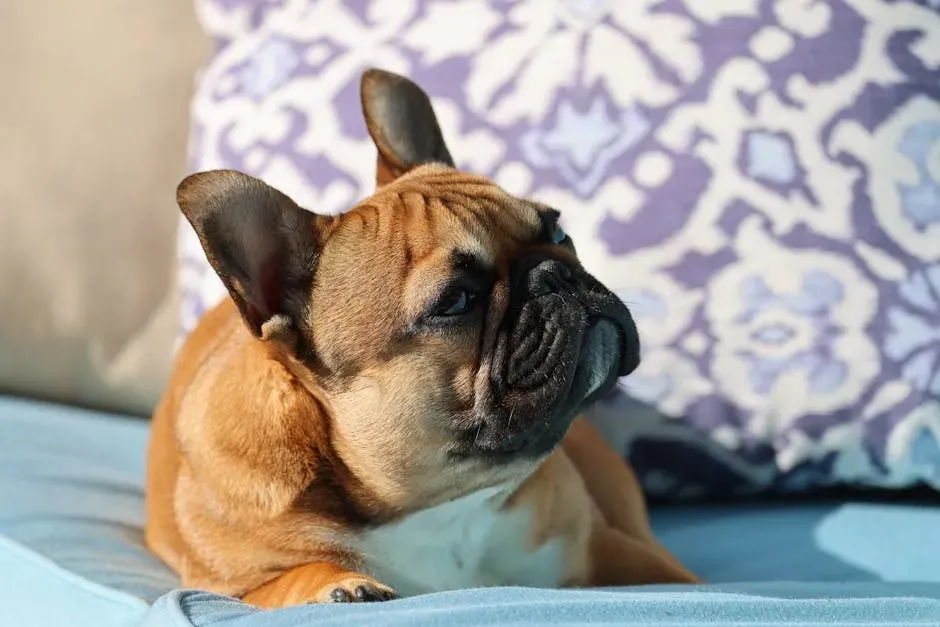
French Bulldogs are often described as little clowns, but behind the silliness is a dog that usually wants constant company. Many Frenchies are bred and raised as companion animals first and foremost, which means their expectations are simple: they want to be where you are, when you are there. Leave them alone suddenly, and some will panic, cry, or search the house for you in obvious distress.
On top of the emotional side, Frenchies can struggle with breathing and temperature regulation, so if loneliness drives them to heavy panting or frantic activity, it is not just sad; it can become a health concern. To protect both their hearts and their bodies, aim for short, calm separations while you are still at home, gradually building confidence before you ever leave for longer periods. If your schedule is unpredictable or you are gone a lot, things like daycare, trusted neighbors, or professional sitters are not luxuries for a Frenchie – they are almost requirements.
9. Cavalier King Charles Spaniel
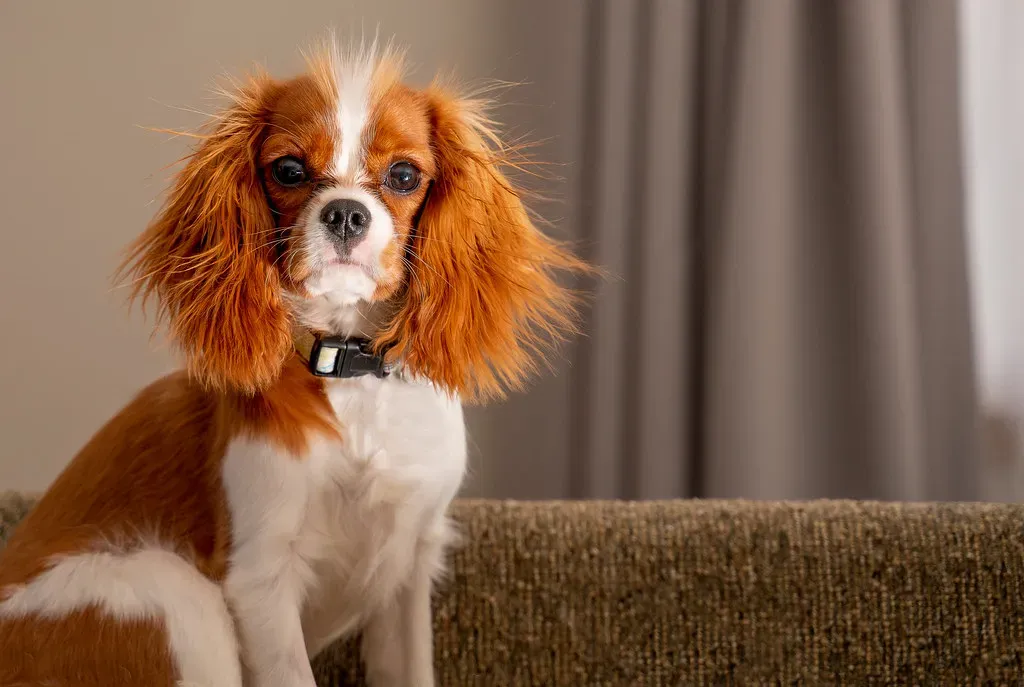
Cavaliers were literally created to be lapdogs, which means their entire job description is “be with people.” They thrive on physical touch, eye contact, and gentle interaction, and when those things vanish suddenly, many of them feel lost and unsettled. You might see your Cavalier sit by the door you used, whimper quietly, or carry around your clothing for comfort.
This is not usually a breed that channels stress into massive destruction; instead, their distress can look more subtle, which sometimes leads people to underestimate how unhappy they are when left alone. If you share your life with a Cavalier, you should plan your lifestyle around their need for company: regular breaks during your workday, a friend they can stay with, or doggy daycare to avoid long empty hours. Teaching them to be okay in another room while you are home, then building up to short actual departures, can help them feel safer even during brief absences.
10. Bichon Frise
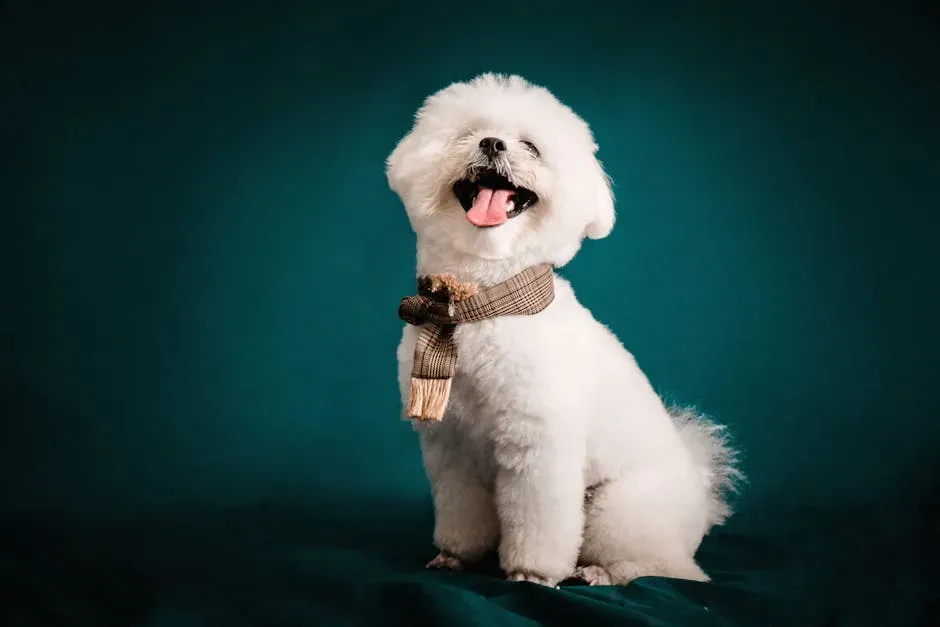
The Bichon Frise is another breed that has a long history as a cheerful companion, often living very closely with humans in small spaces like ships or royal courts. That history shows up today as a strong desire to be near you at all times, watching what you are doing and joining in whenever possible. When you suddenly vanish, a Bichon can go from bubbly to anxious surprisingly quickly.
Some Bichons express that stress through barking, especially in apartments where every hallway noise suggests you might be back. Others might pace, scratch, or become clingier over time because they do not trust that you will always return. To help them handle even short stretches alone, you will want routines, safe and cozy confinement if needed, and plenty of positive associations with your leaving, like special chews or food puzzles that only appear when you walk out the door.
11. Jack Russell Terrier (and Similar High-Energy Terriers)
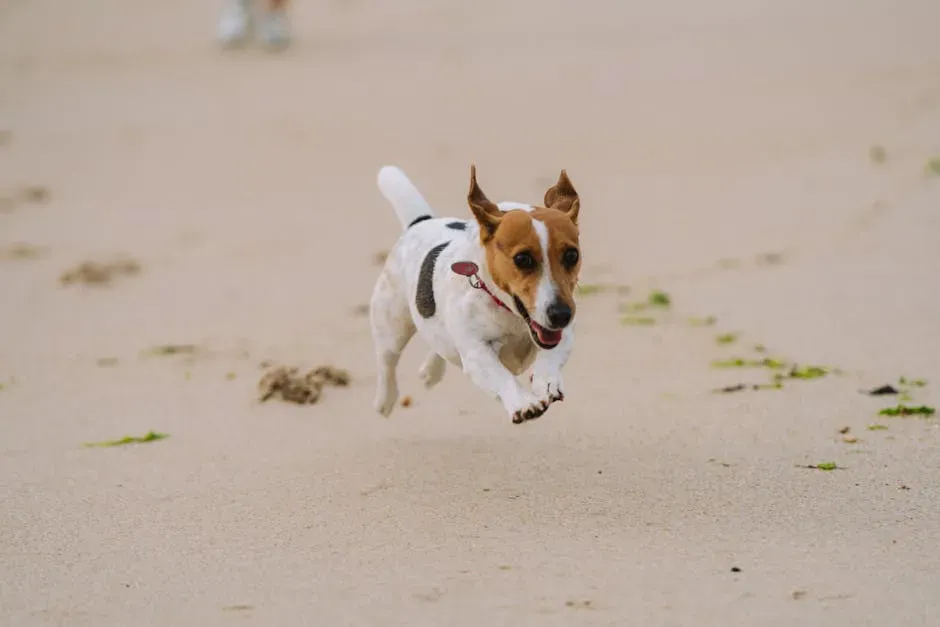
Jack Russell Terriers look small, but emotionally and mentally they are anything but low-maintenance. Bred to hunt and flush out prey, they are intense, high-drive dogs who often want to be right in the middle of whatever is happening. When life suddenly goes silent because you stepped out for an hour, many Jack Russells get frustrated, restless, and anxious.
That combination of energy and frustration can turn into problem behaviors quickly: obsessive barking, scratching at doors, or chewing their way through anything that seems interesting. If you live with a Jack Russell or a similar working terrier, you need more than a quick walk before you leave; you need games that tap into their hunting instincts, mental puzzles, and a plan to break up their alone time. Training them to settle and nap between bursts of activity is just as important as teaching them to sit or stay.
12. Beagle
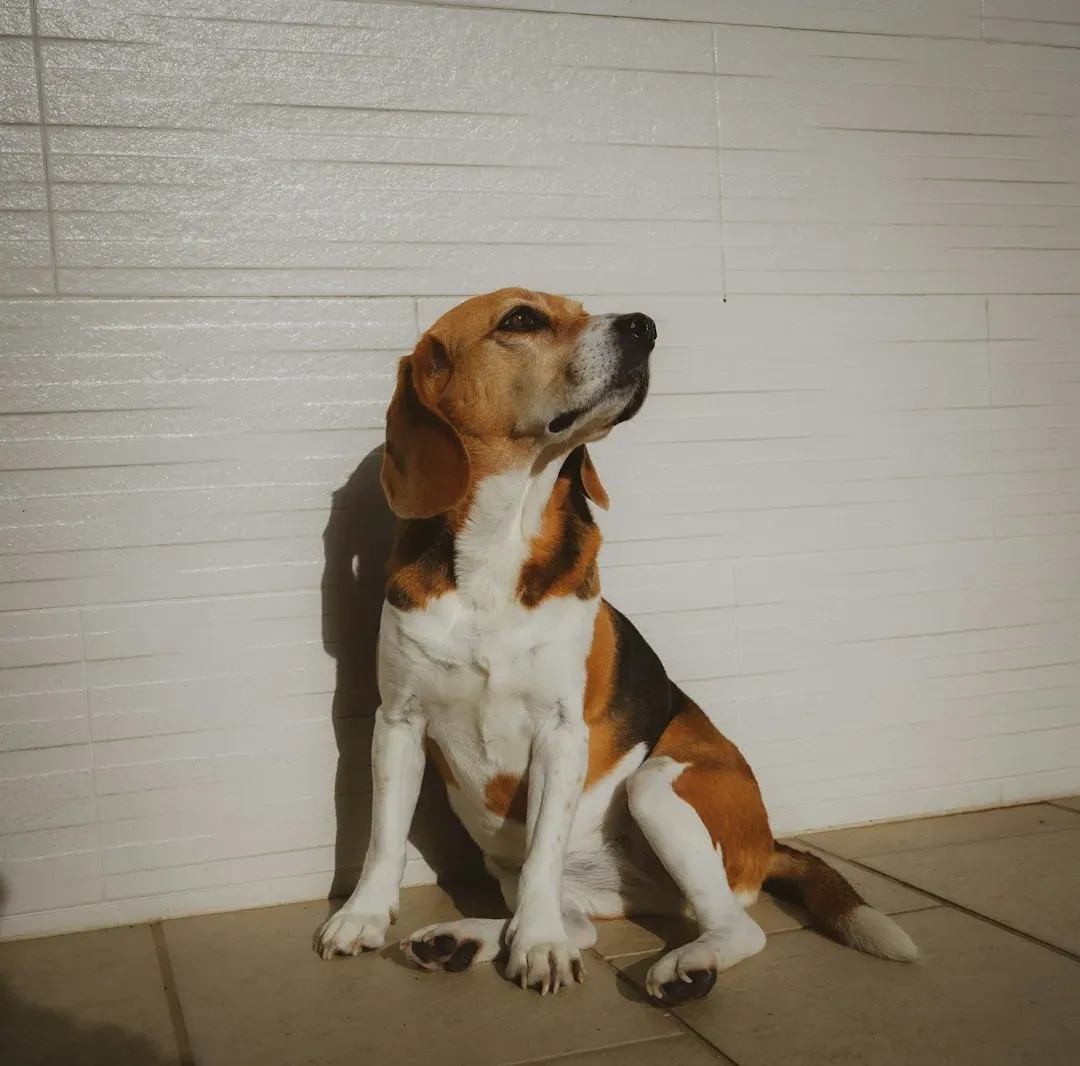
Beagles were bred to work in packs, following scent trails with other dogs and humans for long periods. Being part of a group is built into their wiring, so being left alone in a quiet house can feel very unnatural. You might hear your Beagle voice their displeasure loudly, using that famous hound howl that carries through walls and across neighborhoods.
Even if your Beagle seems relaxed at first, many of them struggle when alone-time becomes a daily habit without enough mental and social stimulation. You can help by keeping their noses busy with scent games, hiding treats around the house, and arranging for doggy friends or walkers to break up the day. Beagles usually do best in households where someone is home a lot or where they can have the company of another well-matched dog rather than spending long hours in total isolation.
13. Toy Poodle
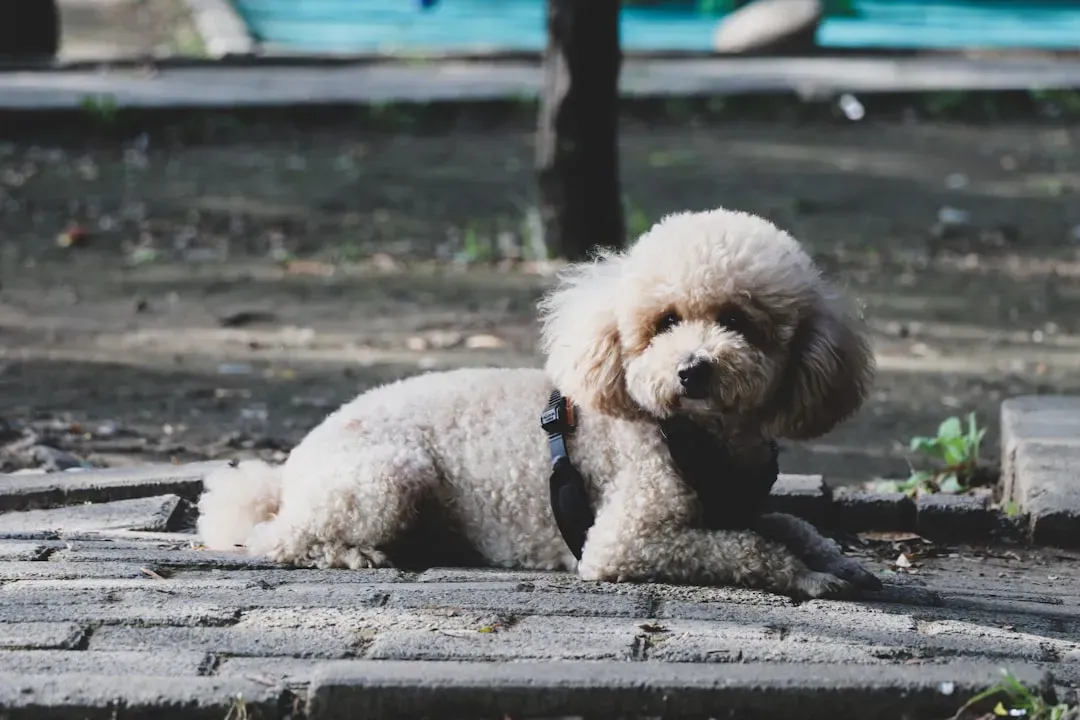
Toy Poodles are often underestimated because of their size, but they are sharp, observant, and emotionally tuned in to you. They notice tiny changes in your routine, and they often latch onto one person as their main anchor. When that anchor walks out the door, some Toy Poodles experience real anxiety, even if they try to hold it together at first.
You might see clinginess before you leave, vocalization when you pick up keys, or over-the-top excitement when you come back, all signs that your dog is not actually relaxed about the whole situation. Since Toy Poodles are also prone to stress-related stomach and skin issues, chronic anxiety from being left alone is more than just sad; it can affect their health. Building independence gently – short departures, rewarding calm behavior, keeping your goodbyes low-key – is essential if you want your Poodle to be comfortable even when you are gone for a little while.
14. American Pit Bull Terrier and Similar Bully Breeds

Many bully-type dogs, including dogs often labeled as Pit Bulls, are deeply people-oriented and thrive on physical closeness. They are frequently described as big lapdogs for a reason: they want to be touching you, leaning on you, or at least keeping you in sight as much as possible. When you disappear unexpectedly, they can feel abandoned and stressed, especially if they have any history of instability or rehoming.
Because these dogs bond so strongly, they may protest with vocalizing, door scratching, or restless pacing, and over time that can evolve into full-blown separation problems if you do not address it. If you live with a bully breed, you should prioritize stability and routine: regular exercise, predictable departures and returns, and structured alone-time training. They often do best when you treat them like an emotional partner who needs reassurance and practice being independent, rather than assuming their tough exterior means they are fine with long hours alone.
15. Maltese
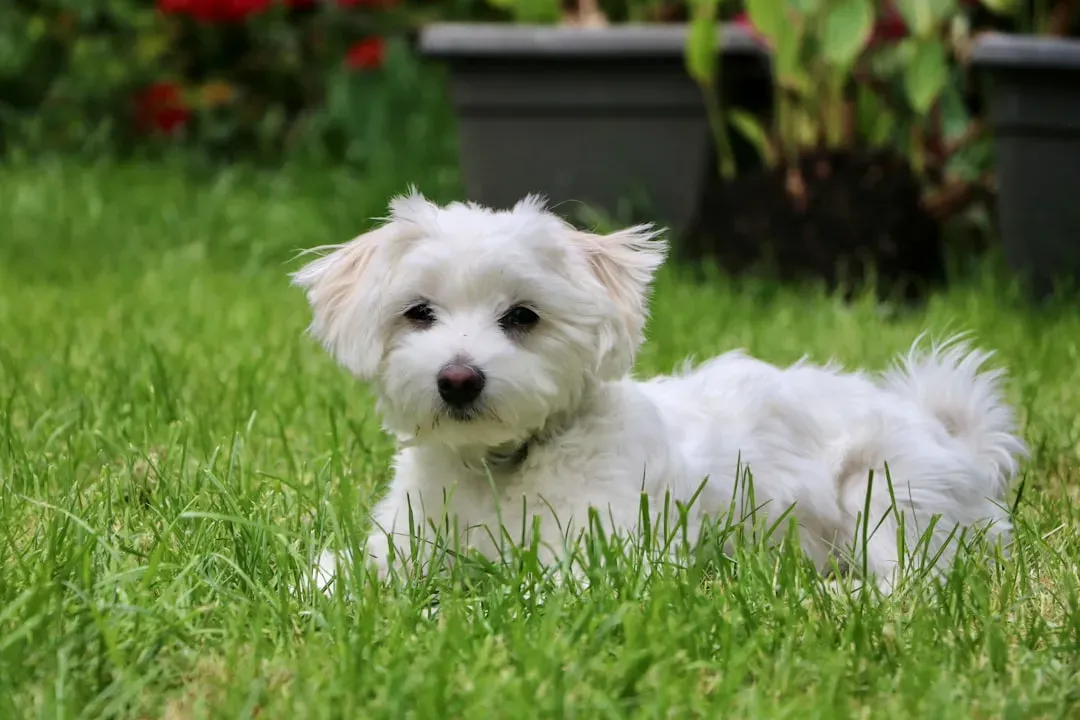
The Maltese is another classic companion breed that was never meant to spend long stretches without human contact. These tiny dogs thrive on gentle handling, soft voices, and being kept close, whether that is on your lap, next to you on the couch, or trailing behind you around the house. Because of this, even a short absence can feel huge to them, especially if they have not been taught that alone time can be safe.
Maltese dogs often show their distress subtly at first: restlessness, whining, or becoming extra clingy when you are home as if they are scared to let you out of their sight. To help them, you need to create positive rituals around leaving, use cozy dens or crates if they find them comforting, and give them special activities that only happen when you are gone. They generally do far better in homes where there is a lot of daily interaction and very limited time spent alone rather than in a lifestyle with long workdays and no backup plan.
Conclusion: Choosing and Caring for a Breed That Hates Being Alone
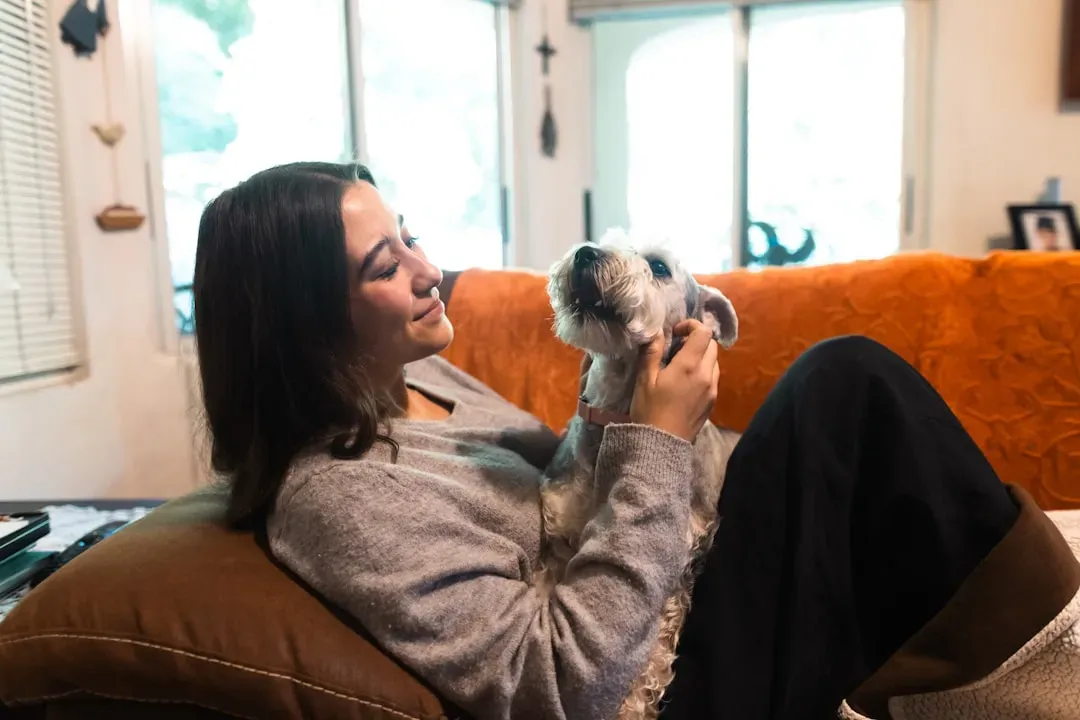
If you see your own dog in these descriptions, it does not mean you chose the “wrong” breed or that you are failing them; it simply means you are sharing your life with a dog that was built for closeness, not solitude. These dogs are often some of the most affectionate, funny, and deeply connected companions you can have, but they come with a non-negotiable requirement: they need you, or at least a stand-in for you, to be present much of the time. Ignoring that need rarely ends well for either side.
The good news is that with planning, support, and a bit of creativity, you can shape a life where your dog has company, mental stimulation, and a sense of safety even when you step out the door. That might mean dog walkers, daycare, trusted friends, home offices, or simply more thoughtful training around independence. If you are willing to meet them halfway, these “never leave me” breeds will repay you with loyalty and love that is hard to describe. Knowing that, does an hour alone still sound as harmless as it used to?


