
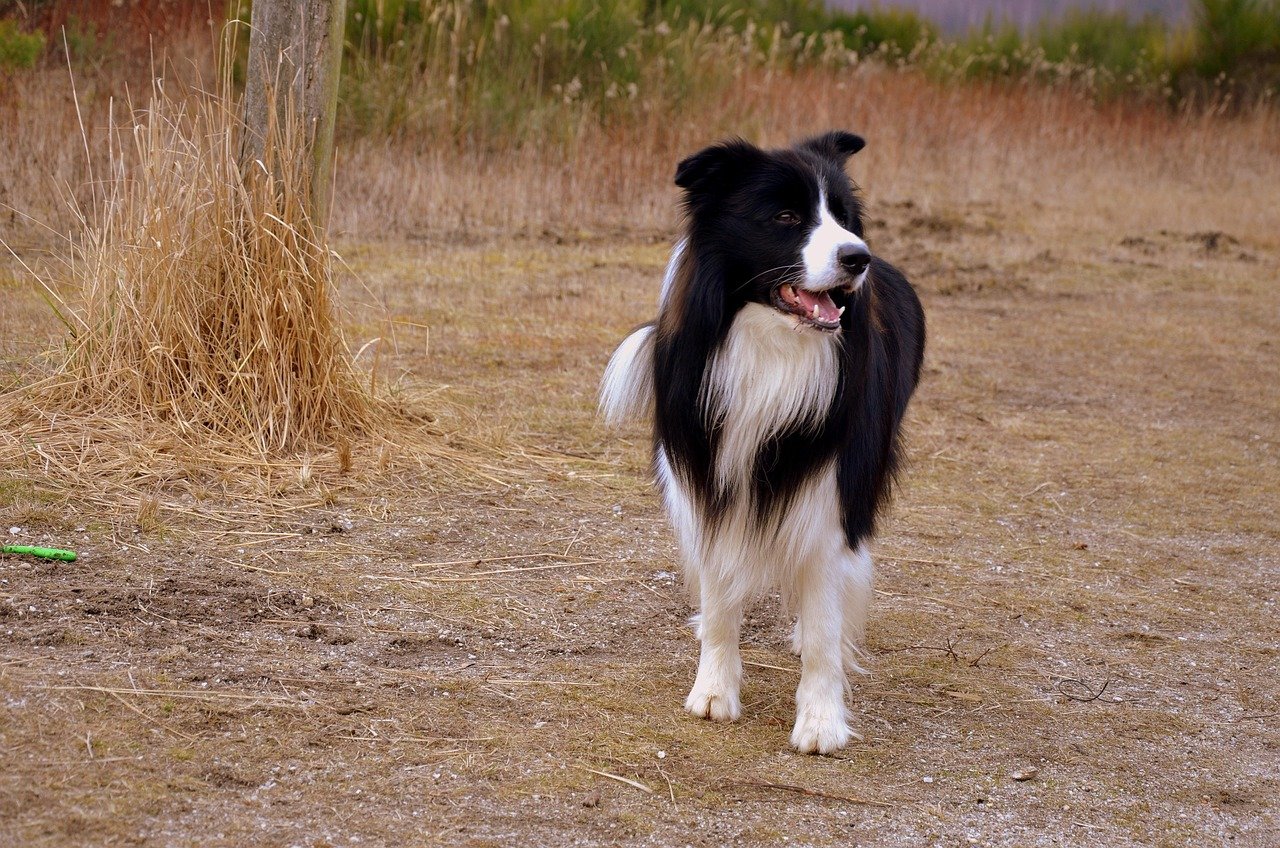
Have you ever watched a herding dog at work and felt a sense of awe, seeing them dart, crouch, and command entire flocks with just a glance? Herding breeds are among the most captivating dogs on the planet, their instincts running deep and their behaviors shaped by centuries of partnership with humans. These remarkable canines aren’t just pets; they’re brilliant problem-solvers, tireless workers, and loyal companions whose habits can be downright astonishing. If you’re a dog lover, prepare to be amazed by the unique and sometimes quirky habits that set herding dogs apart from the pack!
The Legendary Eye Stare
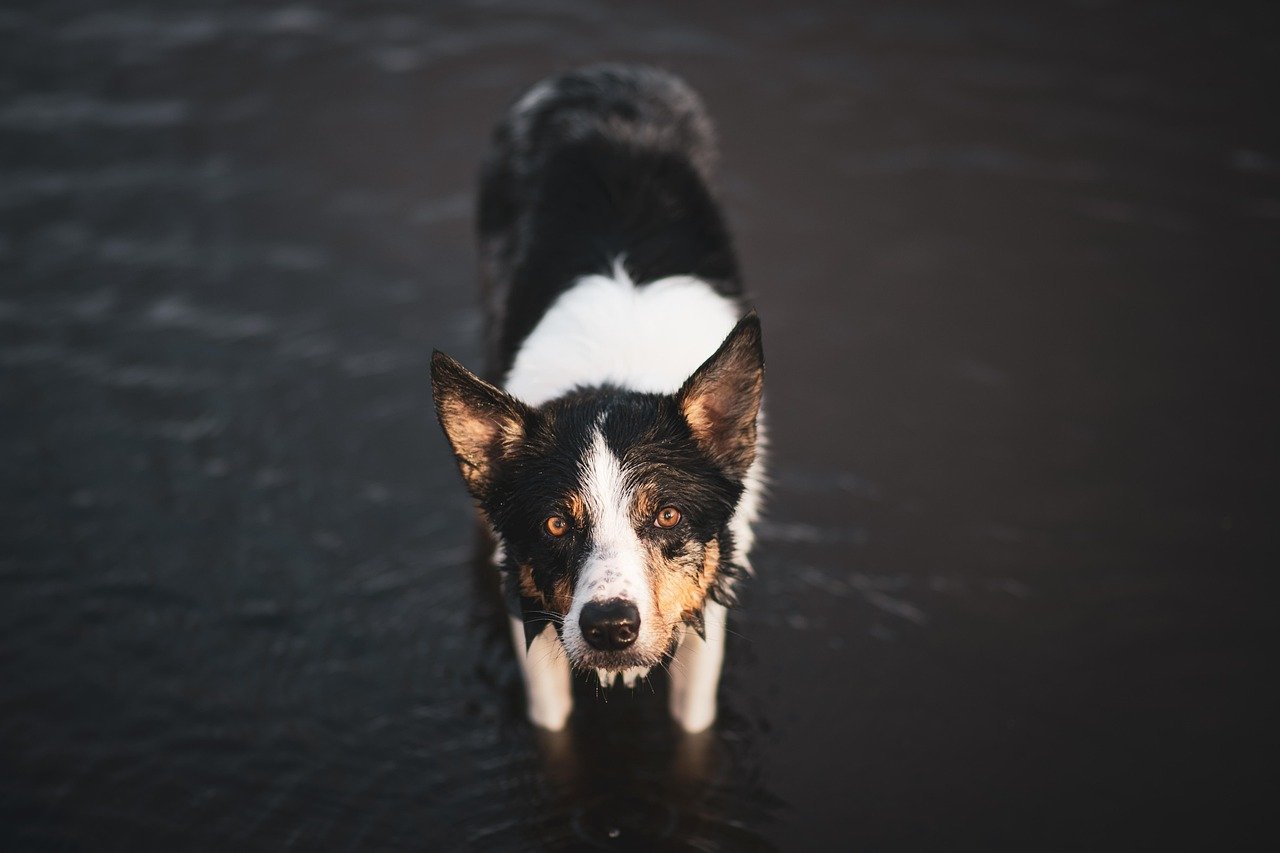
Herding dogs were bred for sharp instincts, quick thinking, and a strong desire to work alongside humans—and those traits still shine through in their everyday behavior. From intense focus and strategic movement to surprising bursts of energy and loyalty, these breeds are full of unique habits that reflect their working roots. Whether you live with a Border Collie, Australian Shepherd, or another herding breed, understanding their fascinating quirks can help you connect with them on a deeper level.
One of the most striking habits of herding dog breeds is their intense “eye.” This isn’t just a simple glance—it’s a piercing, focused stare that seems to freeze sheep (or even people!) in their tracks. Border Collies are especially famous for this mesmerizing look, which is used to control and direct livestock with minimal movement. This behavior is a mix of instinct and learned skill, honed over generations to manage herds efficiently. Even in a household setting, herding dogs may use “the eye” on other pets or family members, often to hilarious effect. Owners sometimes find themselves the subject of this hypnotic gaze when it’s dinnertime or playtime. It’s both startling and endearing, and it’s one of the clearest signs you’re dealing with a true herding breed.
Crouching Like a Cat
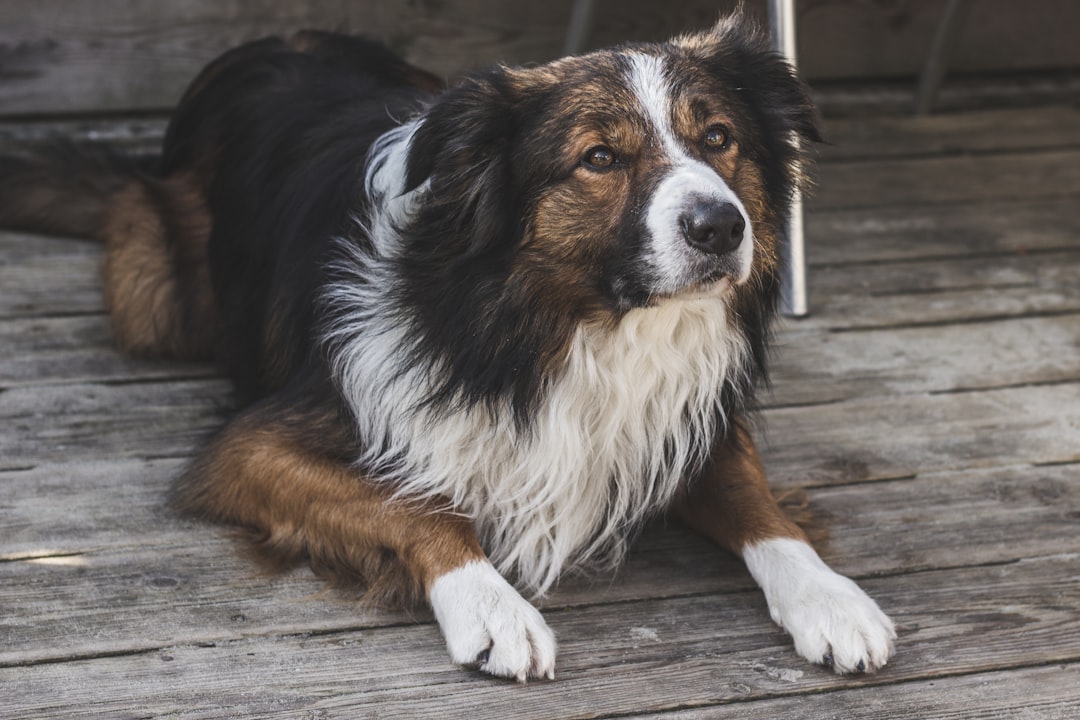
Have you ever seen a dog move as stealthily as a cat? Many herding dogs, especially Border Collies and Australian Kelpies, display a distinctive crouching posture when stalking or approaching their “herd.” This low, creeping walk allows them to appear less threatening and to surprise livestock, making it easier to direct movement. At home, this habit might show up during playtime, as your herder slinks across the floor before pouncing on a toy. The crouch is part of their DNA, a throwback to their working ancestors who needed to blend into the landscape and move quietly. It’s a behavior that never fails to captivate dog lovers, highlighting the blend of power and grace that makes herding breeds so special.
Circling the Herd
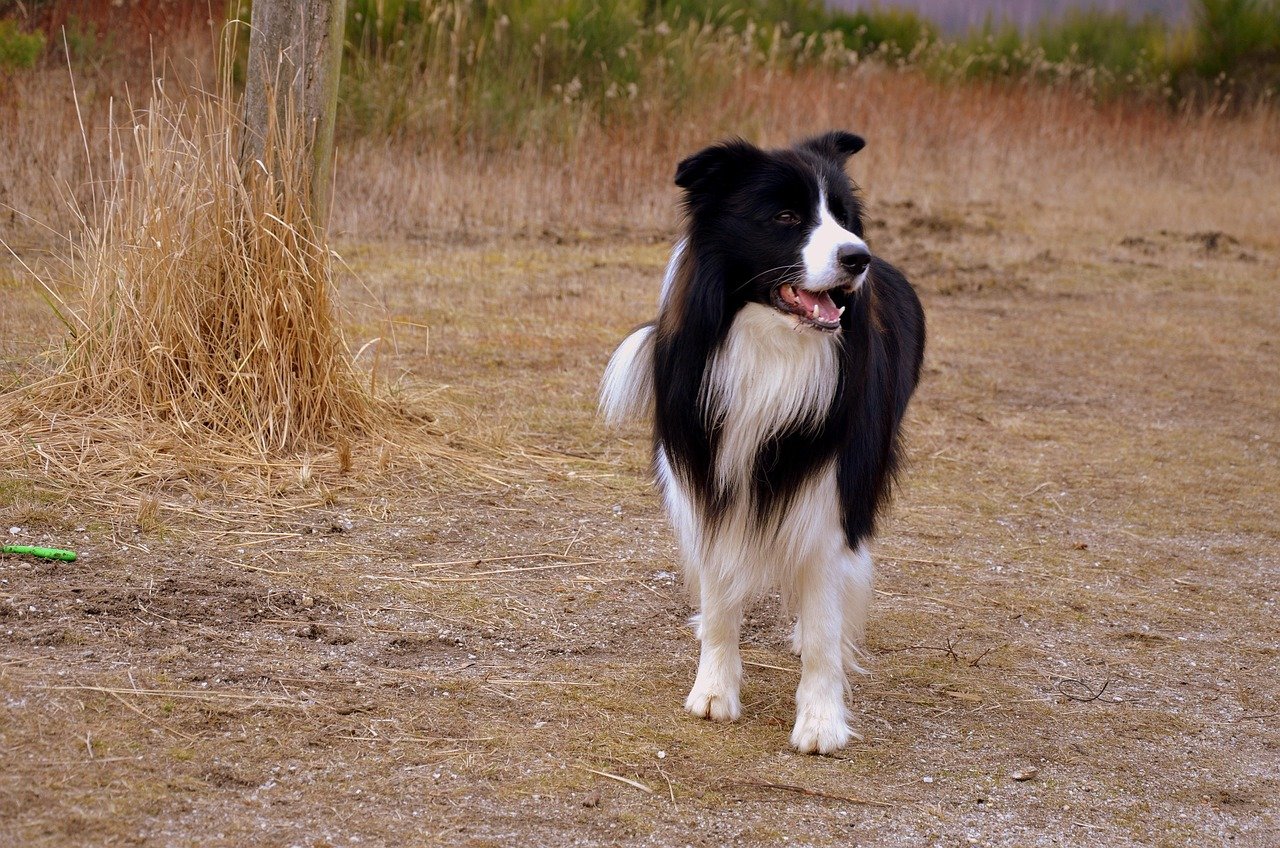
Another fascinating habit is the instinct to circle. Herding dogs are experts at running in wide arcs around their flock, positioning themselves just right to guide animals where they need to go. Even without sheep or cattle, these dogs often circle children, other pets, or even groups of adults at picnics or parties! It’s an amusing and sometimes bewildering sight for those unfamiliar with herding breeds, but for the dogs, it’s all about control and safety. Circling helps them keep the “herd” together and moving as a unit. This age-old behavior is a testament to their intelligence and dedication, showing how deeply their working instincts are woven into everyday life.
Nipping at Heels
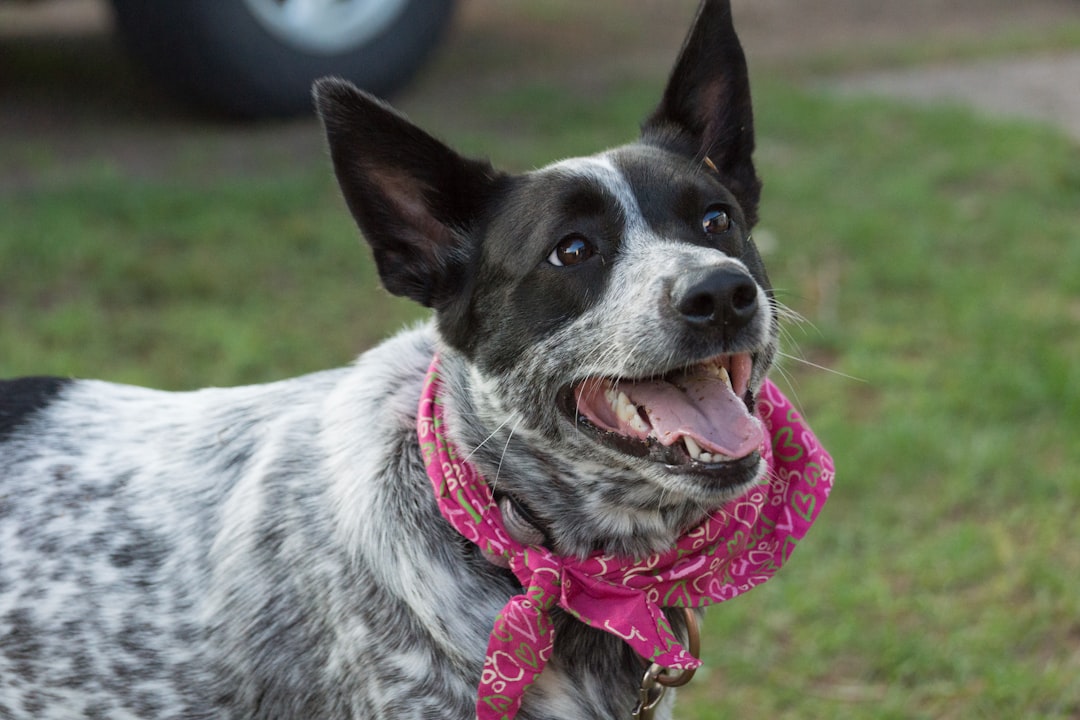
One habit that surprises many new herding dog owners is heel-nipping. While it might sound alarming, this is a natural, non-aggressive behavior bred into many herding breeds, such as Corgis and Australian Cattle Dogs. In the field, a gentle nip at the ankles encourages livestock to move in the right direction. When brought into the home, this can translate to playful nips at running children or adults. While training can minimize this behavior, it’s important to understand that it stems from their herding heritage. For these dogs, nipping is communication, not aggression—a quirky reminder of their working roots.
Barking as a Tool
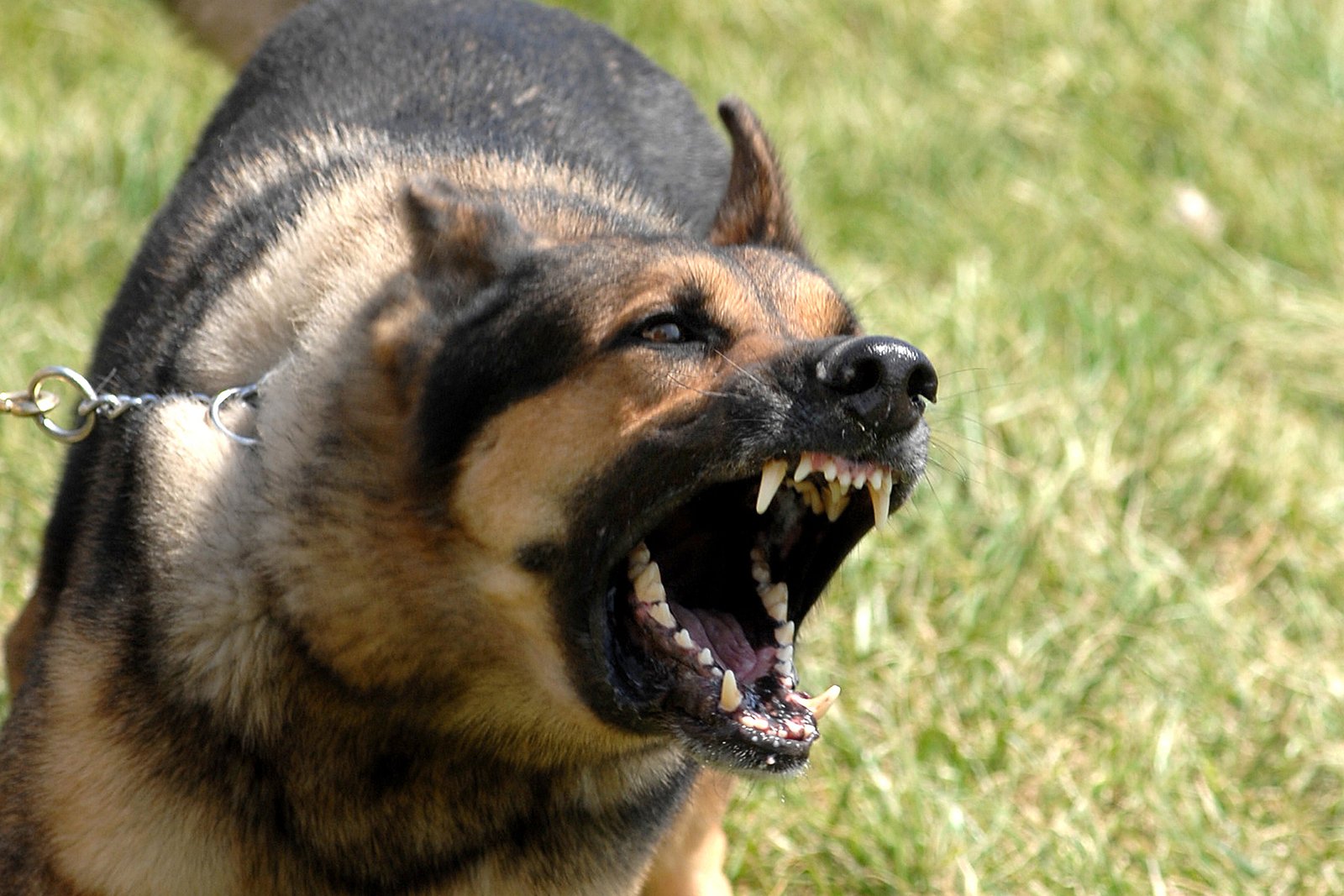
Herding breeds are known for their strategic use of barking. Unlike some dogs that bark out of boredom or fear, herders bark with purpose. Breeds like Shetland Sheepdogs and Collies use their voices to alert, guide, and even motivate livestock. At home, this can mean barking when they sense disorder or when trying to get the family moving. Their barks are often sharp and insistent, meant to be noticed and obeyed. While this habit can be challenging for some owners, it’s a vital part of what makes these dogs such effective workers. Their vocalizations are less about noise and more about action—a true herding dog trademark.
Shadowing Their People
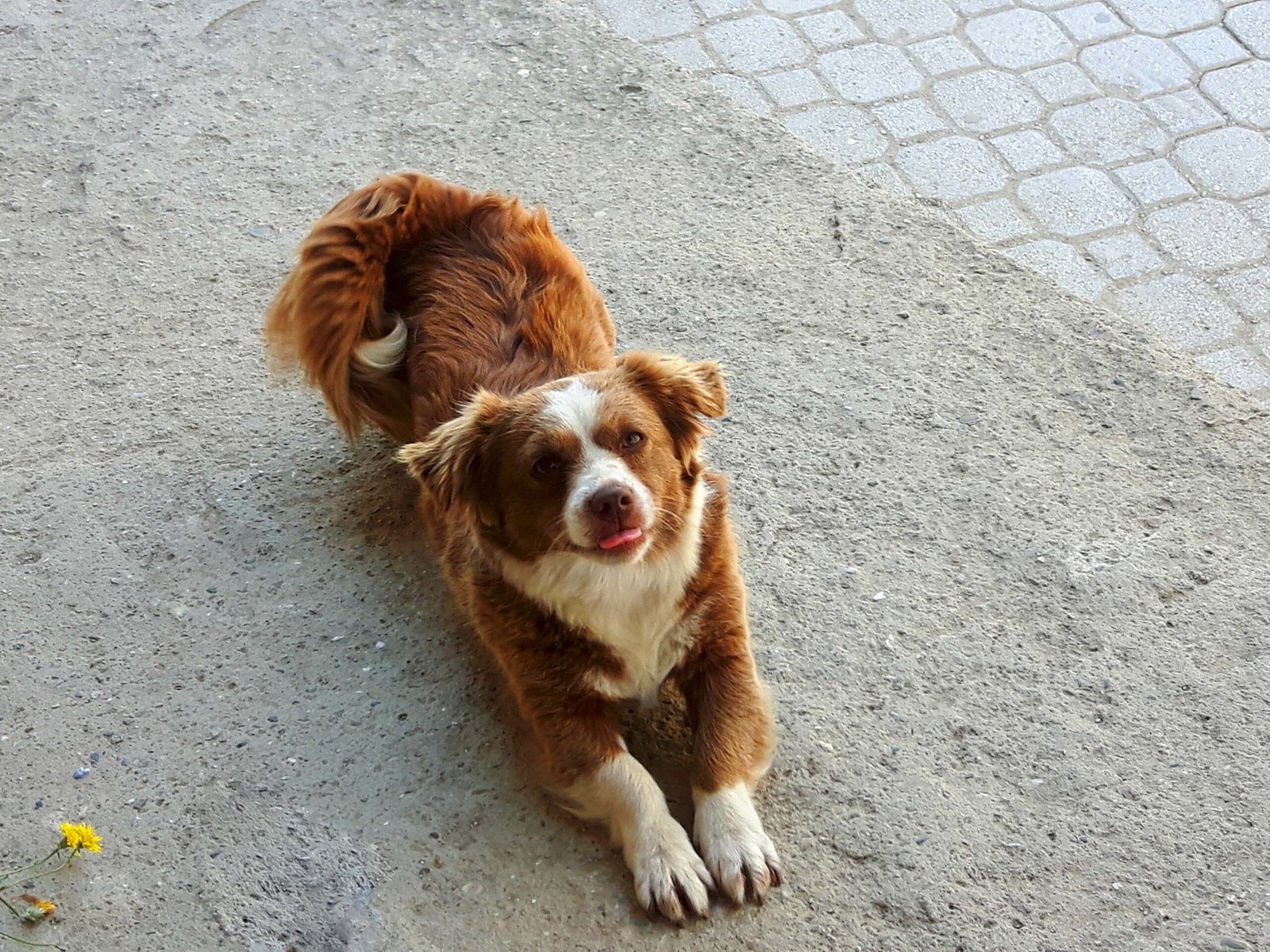
Herding dogs form incredibly strong bonds with their humans, often choosing one person as their “flock leader.” This leads to the endearing habit of shadowing, where the dog follows their favorite person from room to room, always keeping a watchful eye. This behavior is rooted in their instinct to keep the herd together and safe. While it’s sweet, it can also be intense—herding dogs don’t like to be left out of family activities! If you’ve ever tripped over a loyal pup glued to your heels, you know just how dedicated these dogs can be. Their devotion is unwavering, making them some of the most loyal companions you’ll ever meet.
Obsessive Toy Gathering
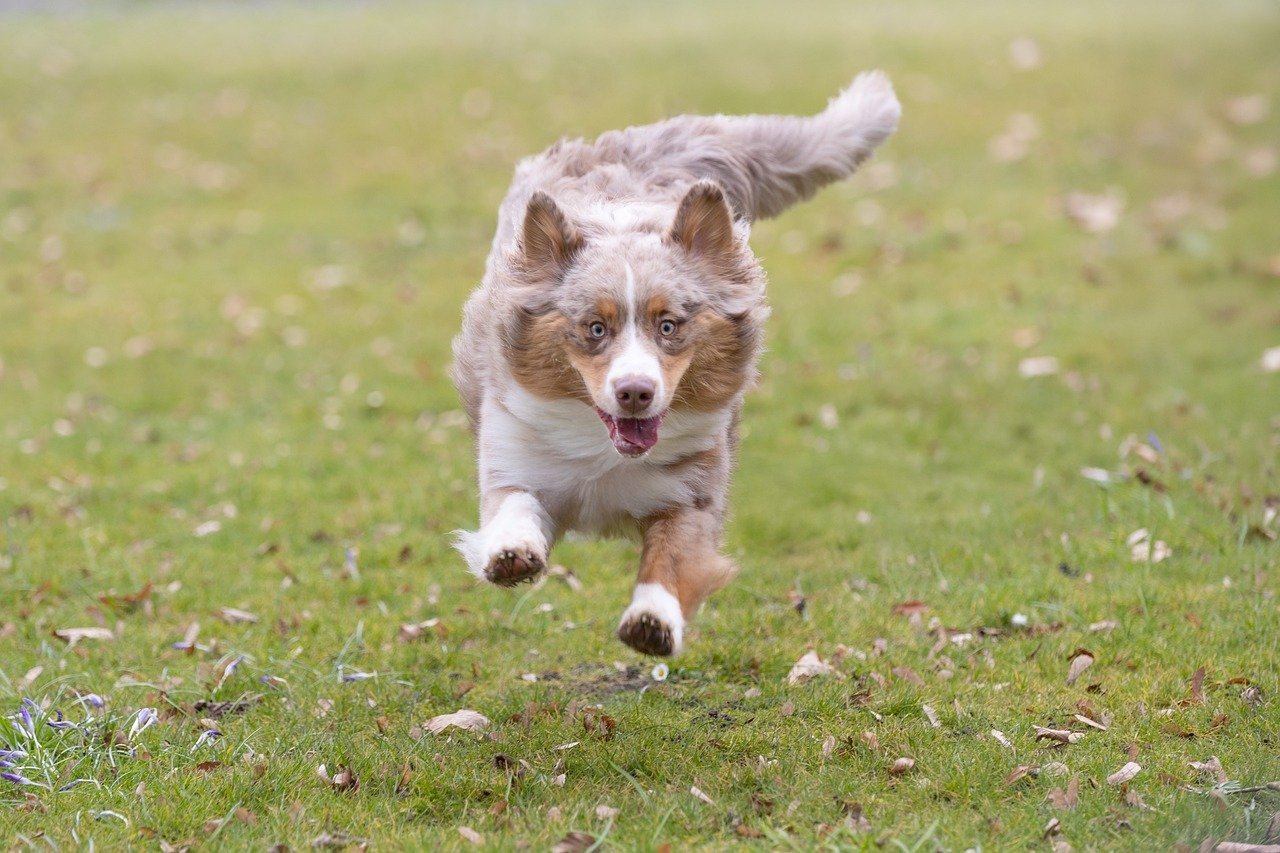
Many herding breeds have a quirky obsession with gathering toys, shoes, or even socks into neat piles. This is a direct reflection of their instinct to gather and organize—except in the absence of sheep, household items become the next best thing! Owners often find their living rooms transformed into makeshift corrals, all thanks to their dog’s relentless organizing. This habit is both amusing and impressive, showing off their problem-solving skills. It’s not uncommon to see a herder systematically collecting every ball in the yard and bringing them to one spot, as if assembling a flock. Their need to gather is a window into their working past, and a daily source of laughter for their families.
Constant Vigilance
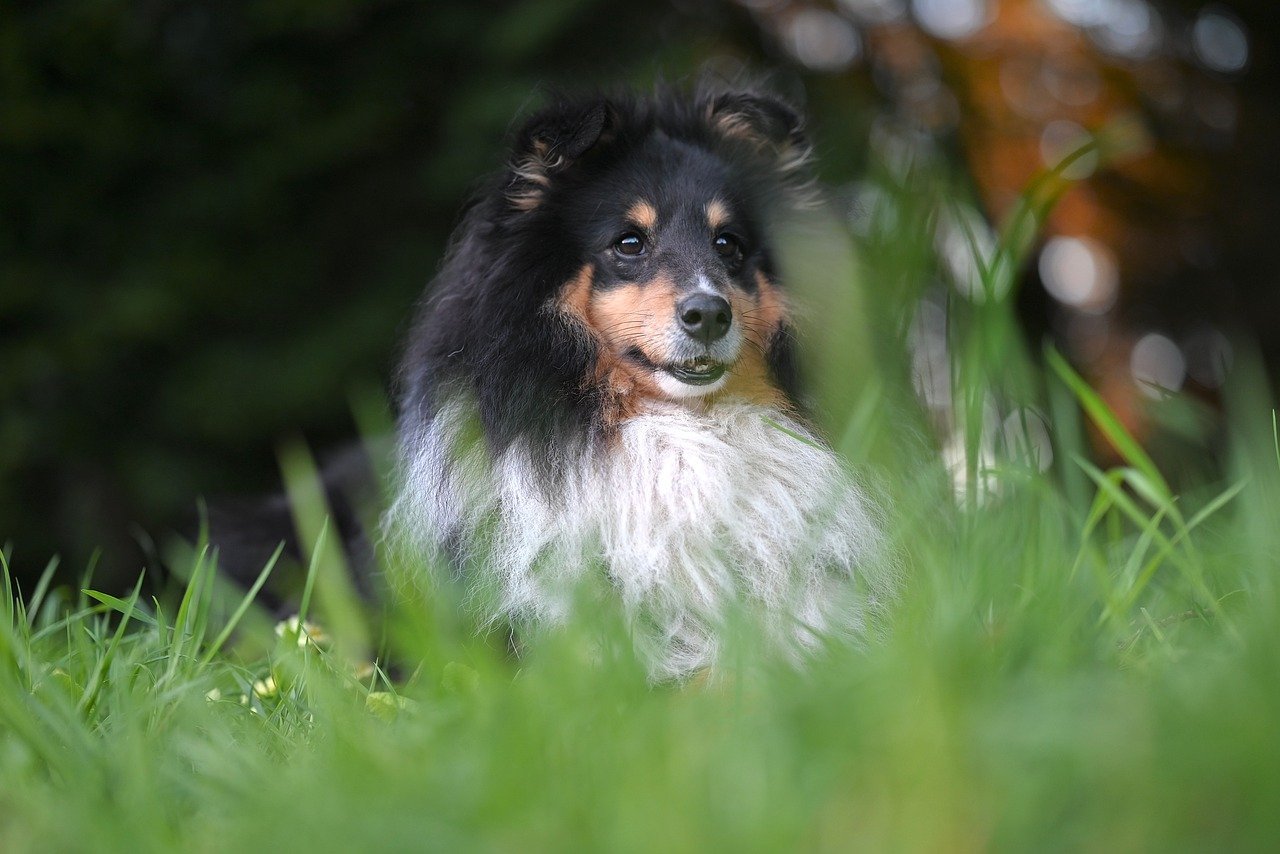
Herding dogs are always on alert. Whether in the field or at home, they scan their environment for any sign of disorder or danger. This constant vigilance is part of what makes them such effective workers, but it also means they can be quick to react to strange noises or newcomers. Some breeds, like the Belgian Malinois, are renowned for their watchful nature and are often used in security roles for this very reason. Owners quickly learn that nothing escapes the notice of a herder—they’re the ultimate sentinels, always ready to sound the alarm or spring into action. Their attentiveness is comforting, a silent promise that they’re always on guard.
Herding Other Animals
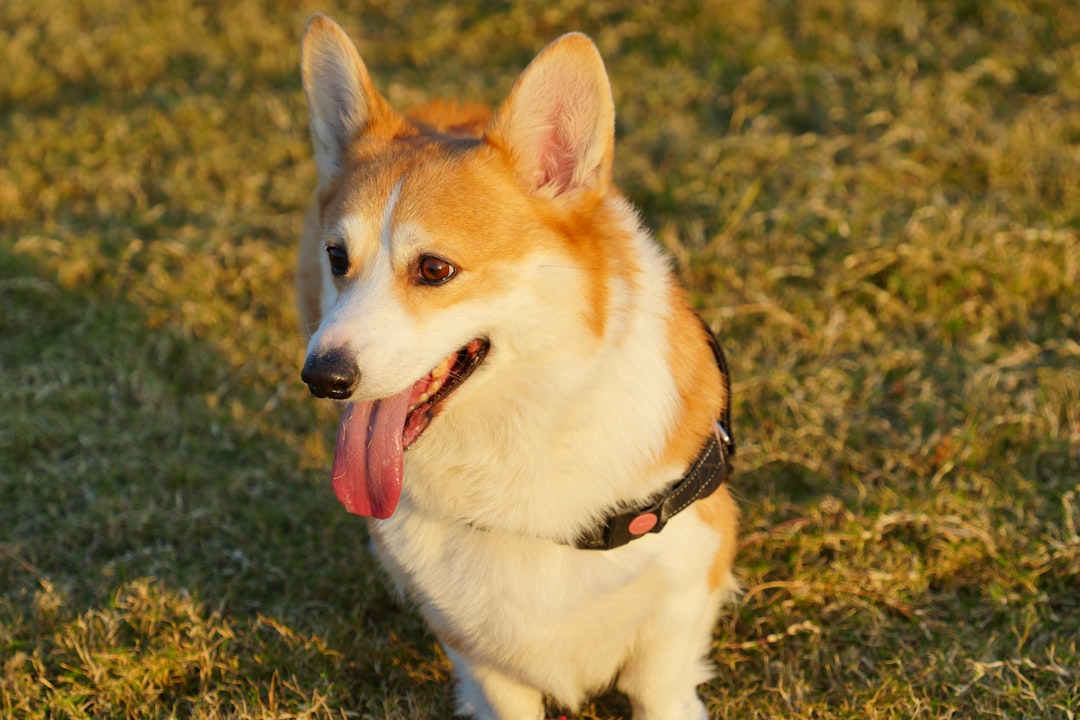
If you have cats, chickens, or even hamsters, you might notice your herding dog trying to “herd” them. This habit can be both amusing and a bit chaotic! The instinct to gather and control movement is so strong that it often extends beyond livestock to any moving creature. Some dogs gently nudge or guide smaller animals, while others may circle or bark to get them in line. While this behavior usually isn’t harmful, it’s a clear sign of their working roots. It’s proof that herding is more than a job—it’s who they are, right down to their core.
Problem-Solving Geniuses
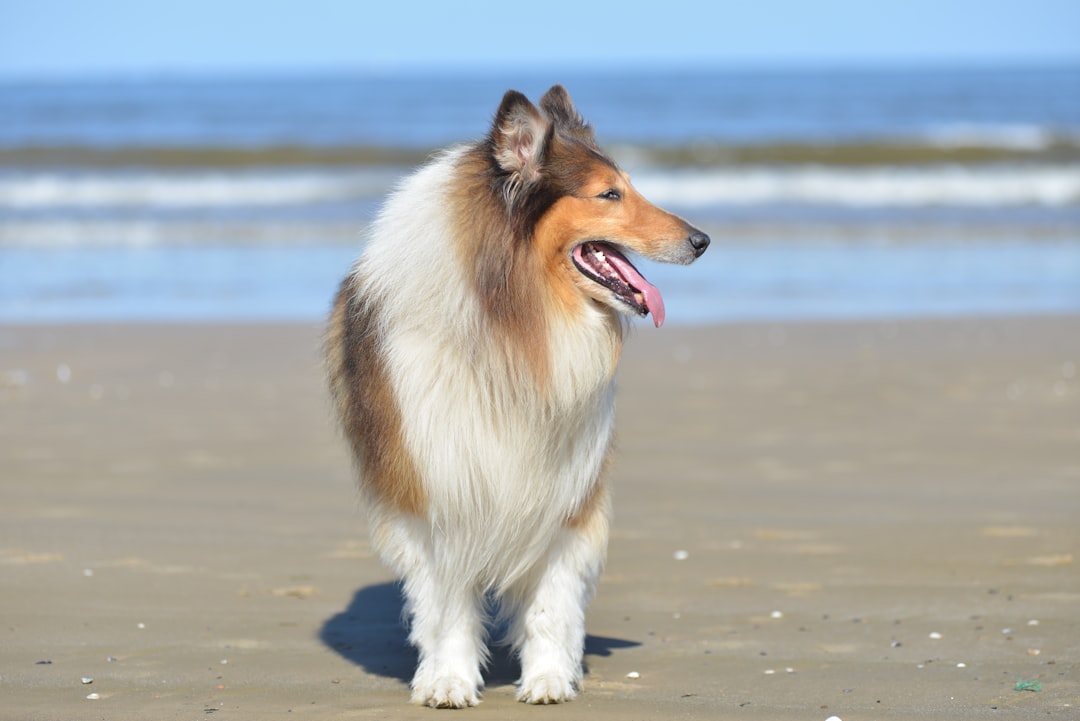
Herding dogs are among the most intelligent breeds, and it shows in their incredible problem-solving abilities. Whether figuring out how to open a gate, reach a favorite toy, or complete a new trick, these dogs thrive on mental challenges. Owners often find themselves outsmarted by their clever companions, who seem to anticipate commands and solve puzzles with astonishing speed. This trait makes them highly trainable but also means they need regular mental stimulation to stay happy. Watching a herding dog at work is like watching a master strategist, always thinking two steps ahead.
Chasing Moving Objects
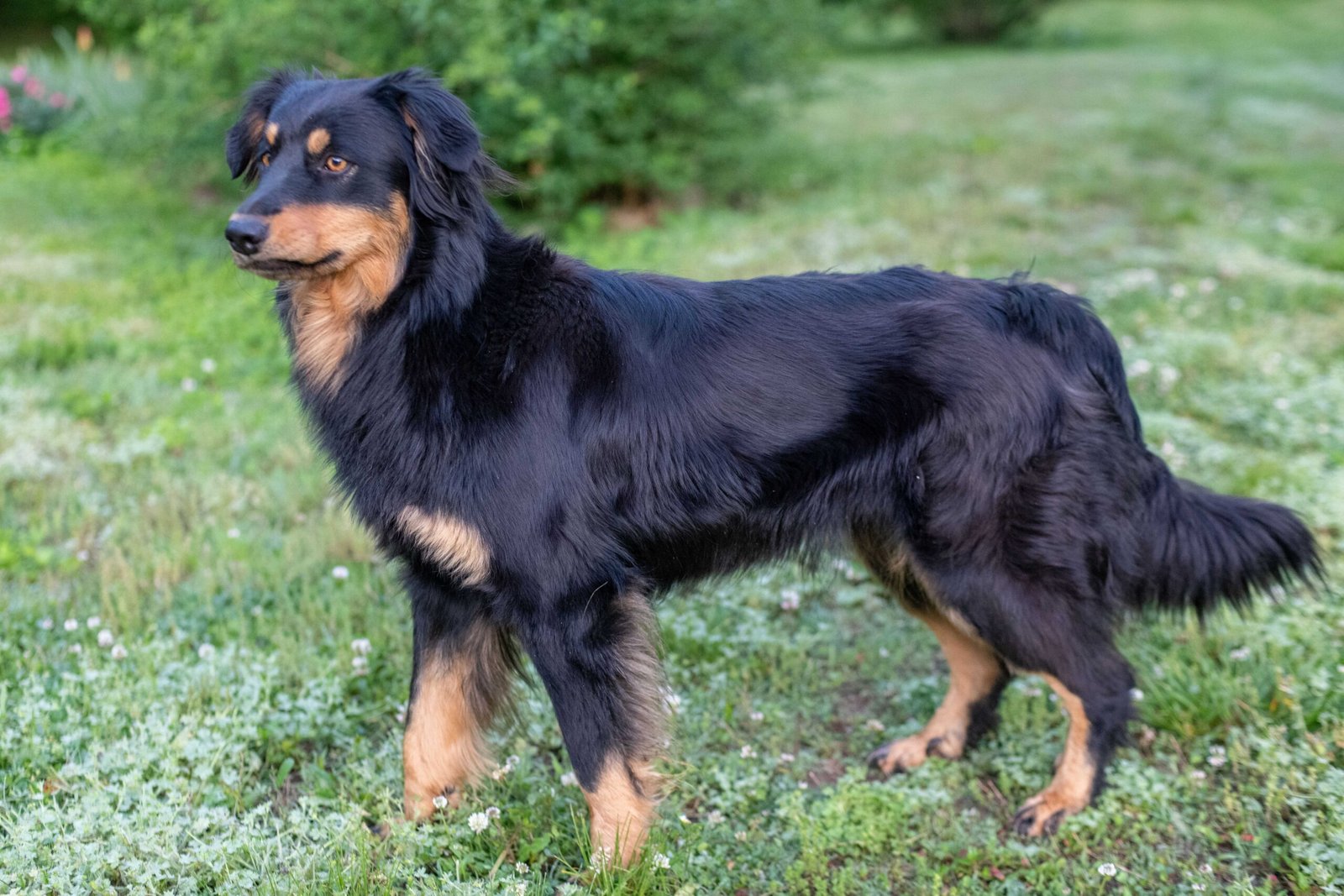
Few things excite a herding dog more than a moving object. Cars, bicycles, joggers, or even leaves blowing in the wind can trigger their instinct to chase and control. This habit can be both entertaining and a little nerve-wracking for owners, especially in busy areas. The urge to chase is a leftover from their days of rounding up animals, and it’s often irresistible. Training and plenty of exercise can help channel this energy in positive ways, like agility or fetch. Their love of movement is infectious, making them perfect partners for active owners who love to play.
Organizing Family Activities
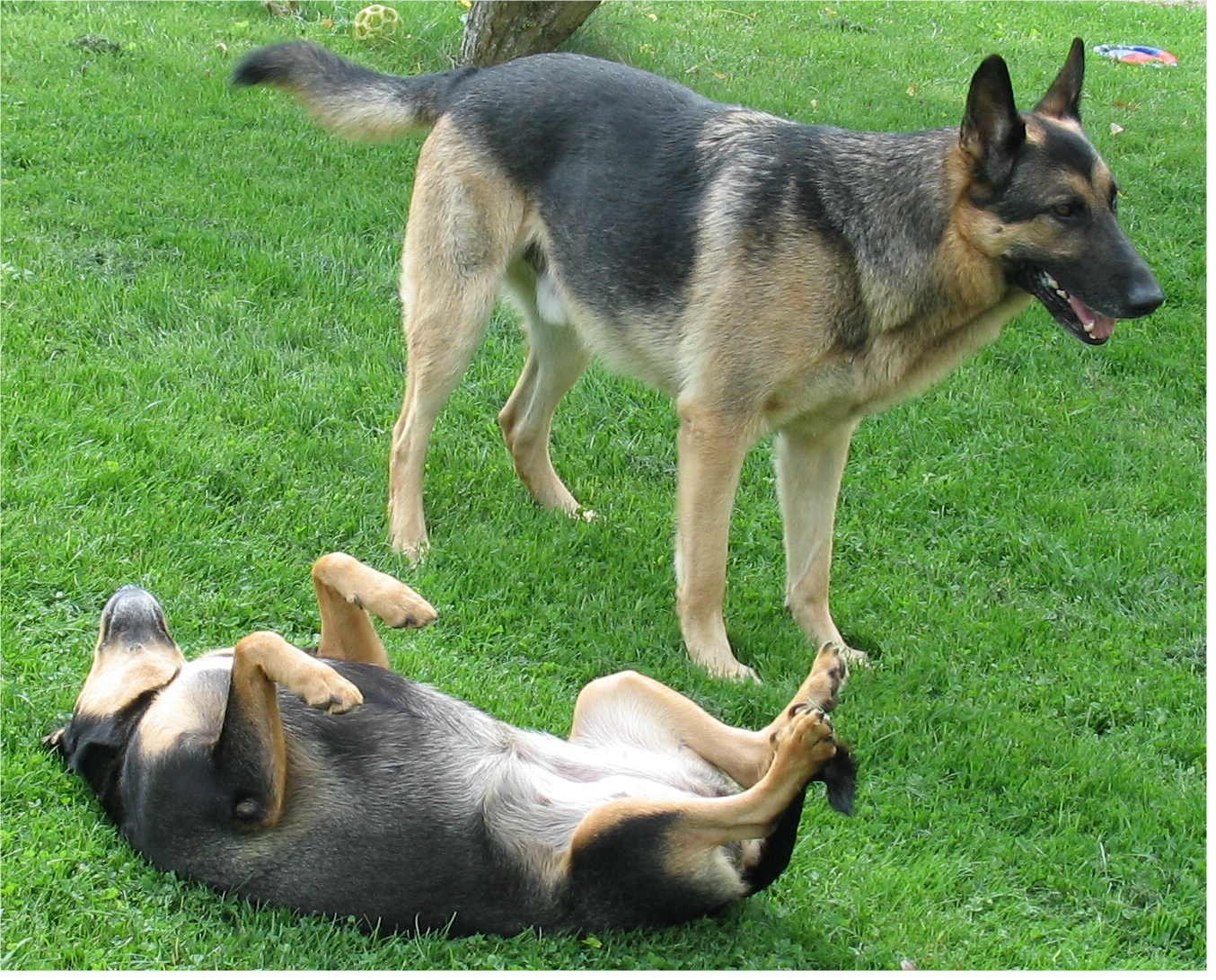
It may sound funny, but herding dogs often try to “organize” their human families. Some will nudge everyone into one room, bark when people are scattered, or try to gather children during outdoor play. This habit is a clear transfer of their herding skills to domestic life—everyone must be accounted for! Owners who pay attention will notice their herder acting as the unofficial family coordinator, ensuring no one is left behind. This sense of responsibility is both touching and impressive, a daily reminder of their working heritage.
Unyielding Energy and Stamina
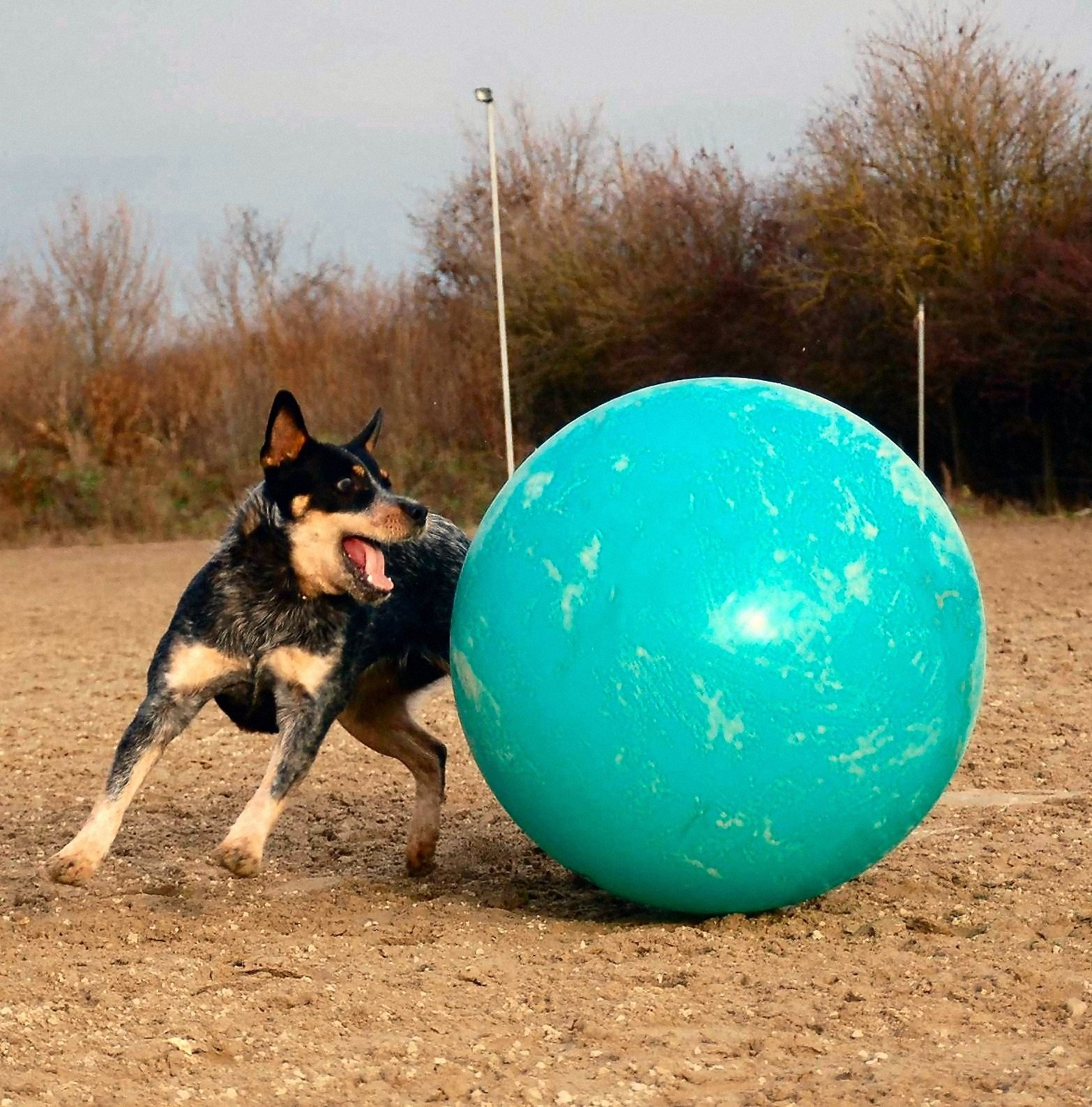
Herding breeds are famous for their boundless energy and tireless stamina. Originally bred to work all day, these dogs need plenty of physical activity to stay healthy and happy. Without enough exercise, they can become restless or even destructive, channeling their energy into less desirable habits. Owners quickly learn that a tired herding dog is a happy dog—long walks, runs, and play sessions are a must. Their zest for life is contagious, inspiring their families to get outdoors and stay active. If you’re looking for a dog that will motivate you to move, a herder is the perfect choice.
Sensitivity to Human Emotions
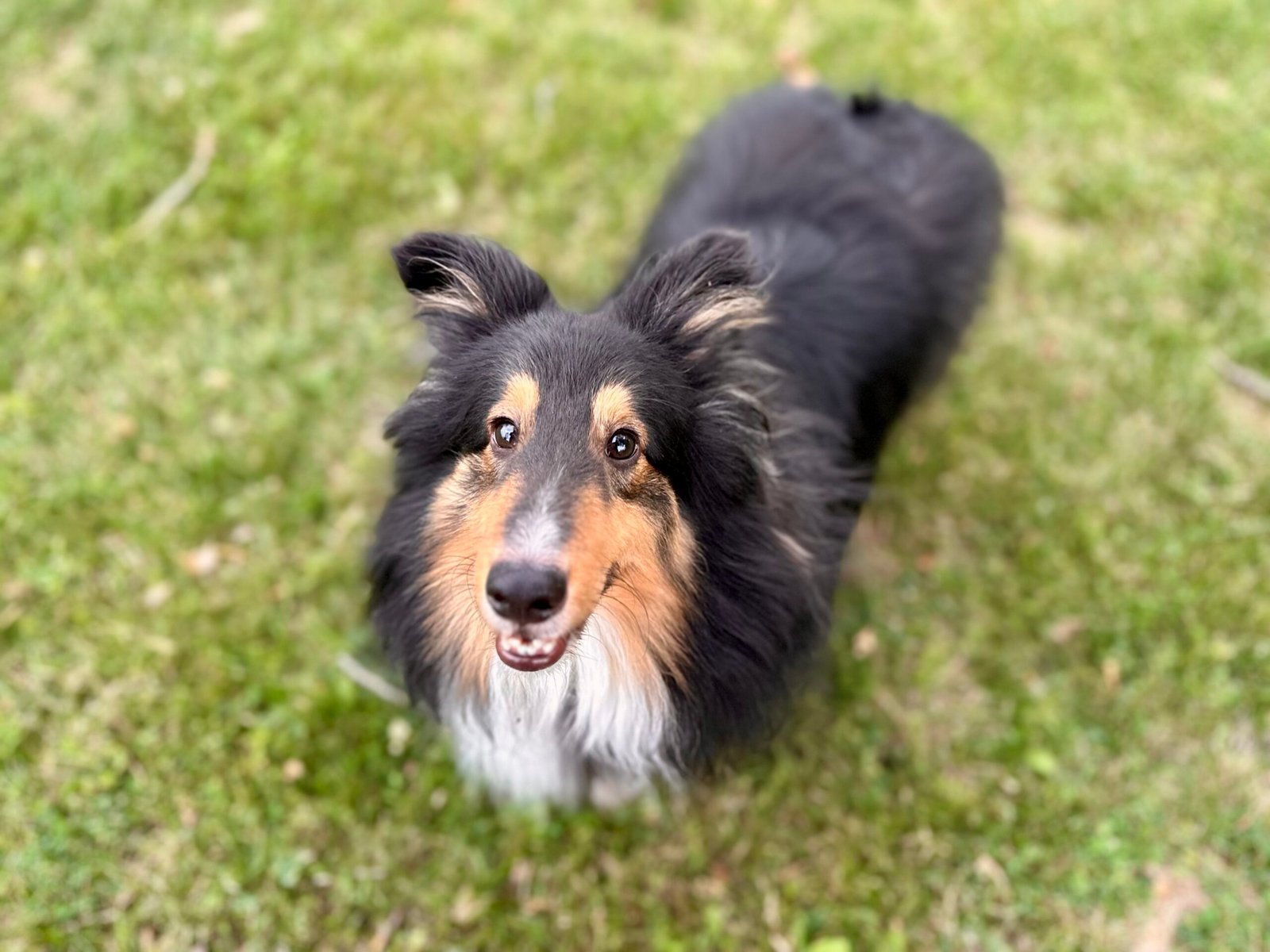
Herding dogs have an uncanny ability to pick up on human emotions. They seem to know when their people are sad, anxious, or upset, often offering comfort with a nuzzle or a quiet presence. This sensitivity is part of what makes them such beloved companions. Their strong bonds with their families mean they’re always tuned in, ready to offer support or celebration as needed. Owners often describe their herding dogs as “emotional barometers,” always responding to the mood in the house. This empathy is a beautiful reminder of the deep connection between humans and dogs.
Inventing Their Own Games
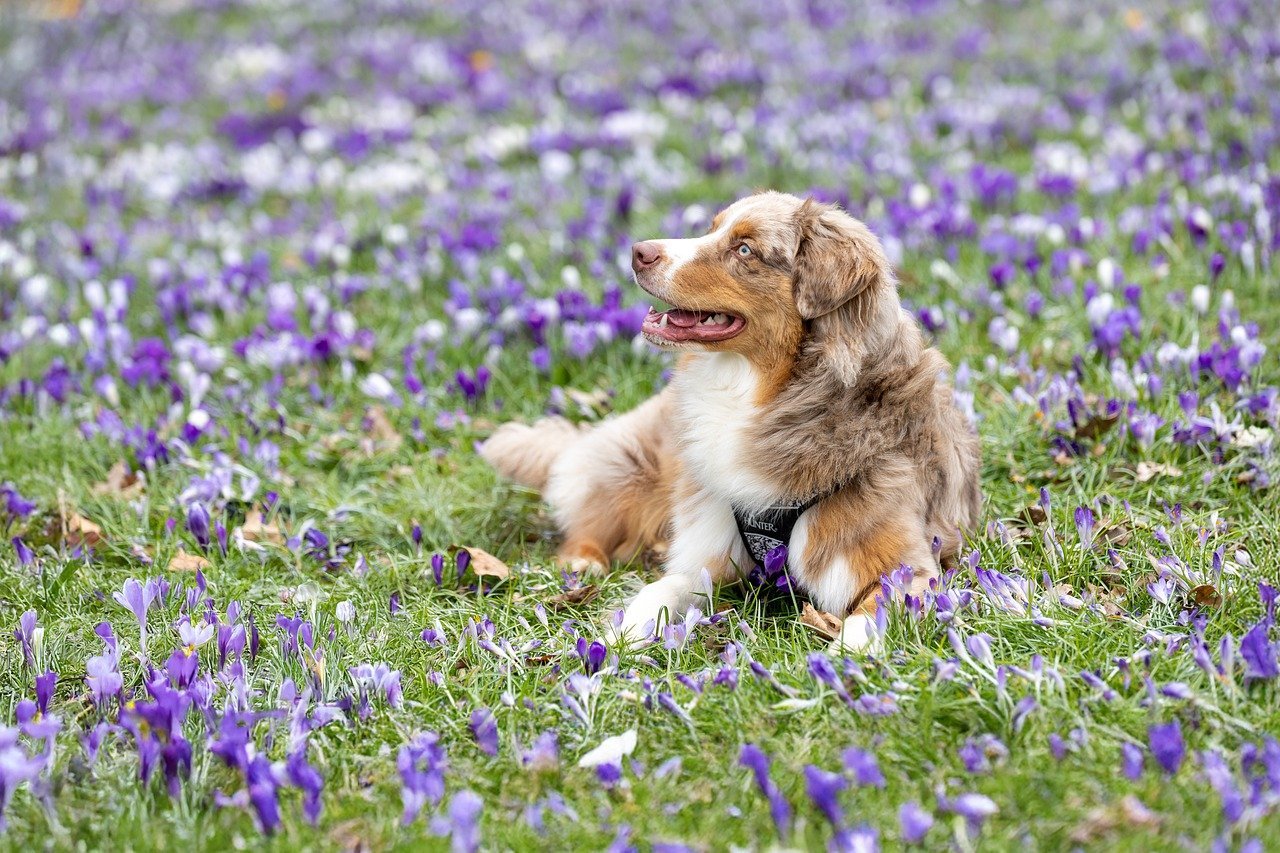
When herding dogs don’t have livestock to manage, they use their creativity to invent games and challenges for themselves. Some will create elaborate routines with toys, while others may devise clever ways to get your attention or start a play session. This inventiveness is a sign of their intelligence and desire for mental stimulation. Owners often find themselves drawn into these games, laughing at their dog’s antics and marveling at their resourcefulness. Living with a herding dog means never being bored—they’re always up for a challenge and ready to make everyday life a little more fun.
Herding dogs are more than just energetic companions—they’re natural problem-solvers with instincts honed over generations. Their unique habits, from circling and nipping to laser-focused attention, offer insight into their rich working heritage and deep desire to be useful. By recognizing and channeling these behaviors in positive ways, you can build a stronger bond and provide the mental and physical stimulation these incredible dogs truly thrive on.


