
15 Moments a Dog Carries From the Morning Straight Through to Bedtime
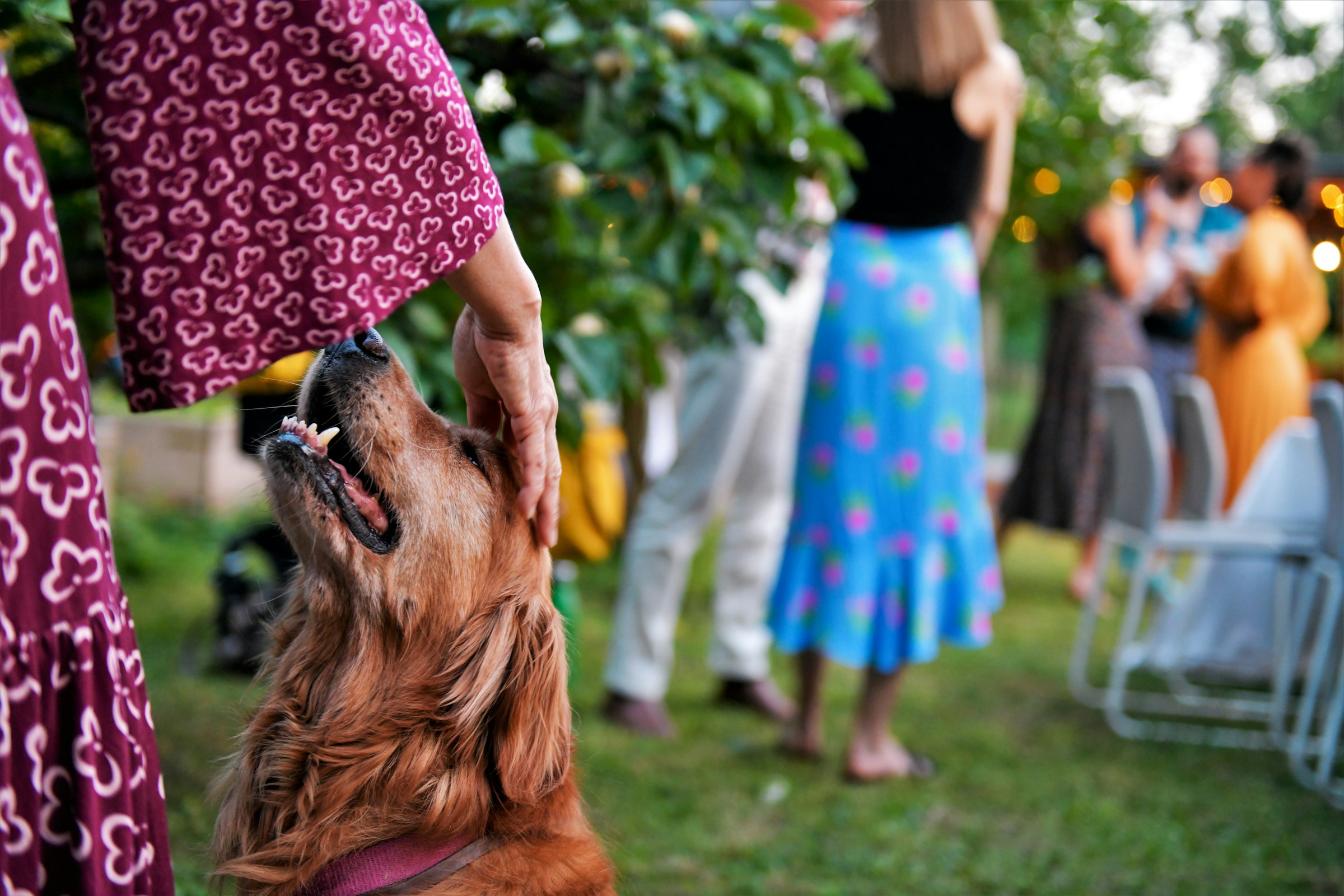
Most people assume dogs live in a permanent state of “now” – no memory, no baggage, just tail wags and squirrel obsession. That’s a comforting myth, and it’s wrong. Dogs actually carry emotional residue from the morning all the way into how deeply they sleep at night, down to their heart rate and where they choose to curl up.
That rushed walk. That snapped “hurry up.” That extra thirty seconds of eye contact over coffee. Your dog is quietly filing every one of those moments away, and by bedtime they’ve all added up to either a dog who melts into sleep or one who paces the hallway at 10 p.m. Here are the 15 moments vets, trainers, and longtime dog owners say your dog is carrying with them, whether you notice or not.
#1 – The First Eye Contact Sets the Emotional Weather
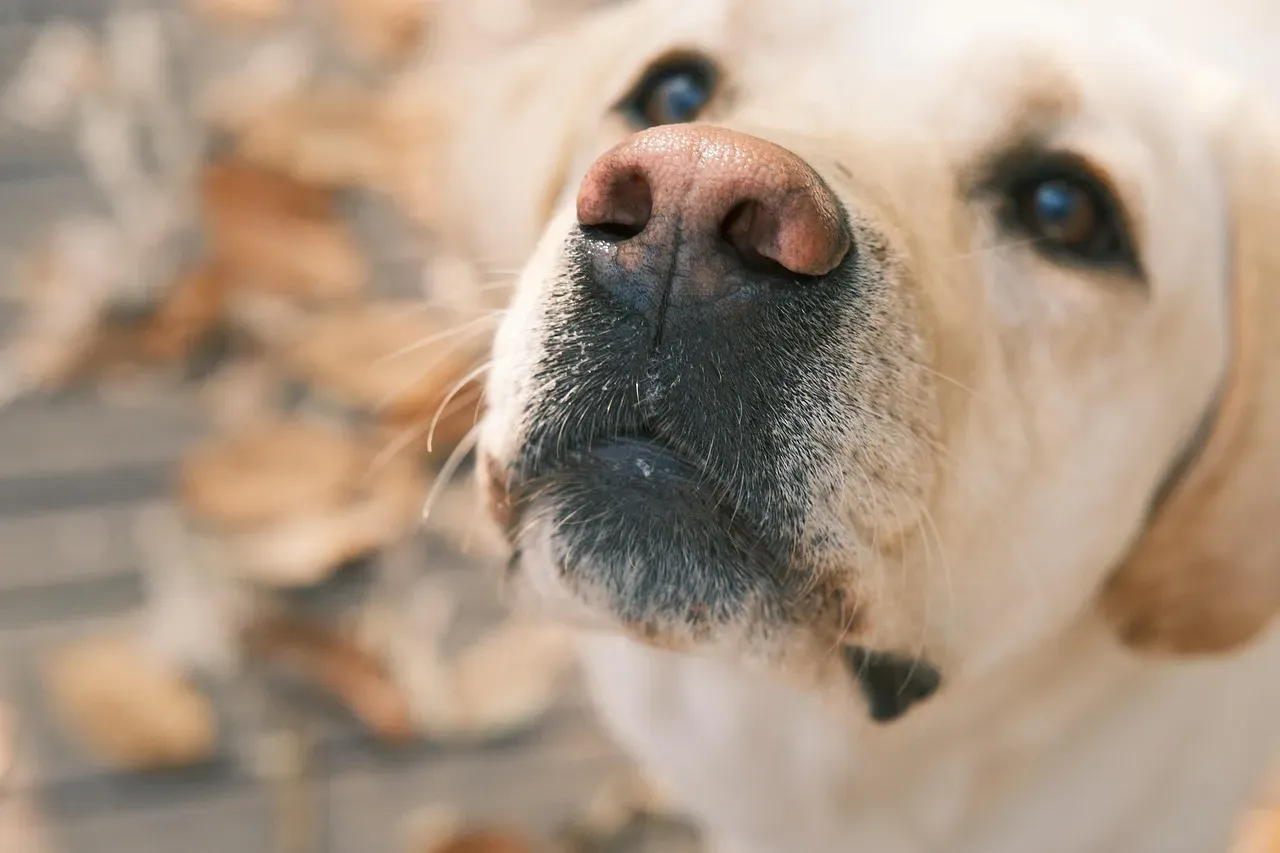
The very first second your dog locks eyes with you in the morning isn’t just “cute.” It’s a data download. Dogs are expert face readers – they scan your eyebrows, jaw tension, and voice tone to decide one thing: is today safe?
If you’re smiling, soft-voiced, and responsive, you’ve told their nervous system, “You’re okay.” That sense of safety doesn’t vanish – it colors the rest of the day like emotional background music. Roll past them mumbling at your phone instead, and they notice that too. Silence is still information.
Dogs who consistently get real eye contact in the morning tend to show looser tails, softer eyes, and easier settling later on. Many owners only notice their dog’s anxiety at night, without realizing the tone was set in the first 30 seconds after the alarm.
Fast Facts
- Dogs scan eyebrows, jaw tension, and vocal tone before anything else in the morning.
- A calm first glance acts like a safety signal that lingers for hours.
- Ignoring your dog at wake-up still communicates something – silence reads as information.
#2 – The First “Good Morning” Touch Sticks All Day
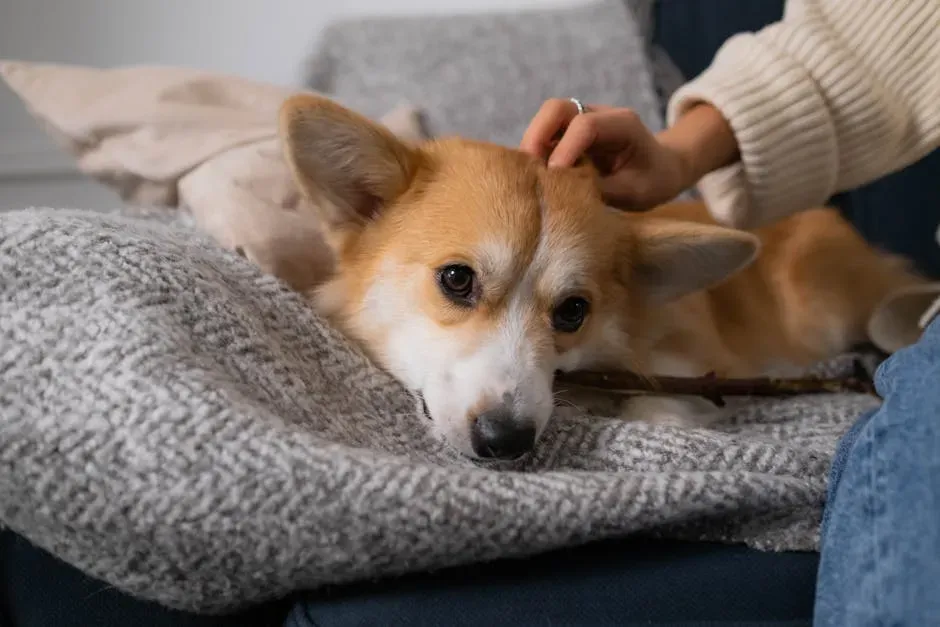
Your dog remembers exactly how your hand felt the first time it landed on their fur that day. Long, slow strokes? A quick distracted pat? Or worse – no contact at all? That first touch acts like a reset button for the bond, telling your dog, “You and I are still a team.”
This isn’t sentiment, it’s chemistry. Physical affection paired with a calm voice measurably lowers cortisol in dogs. Skip that moment and you may see clinginess or over-the-top greetings later – what people dismiss as “velcro dog” behavior is often just a dog trying to get back to the baseline that should have happened at 7:00 a.m.
A 15-second full-body rub in the morning can shape their evening behavior more than a random treat at 8 p.m. Everyone obsesses over the right kibble. The dog is craving consistent contact.
#3 – The Morning Bathroom Break Shapes Trust
That first quick dash outside isn’t only about emptying a bladder – it’s a trust exercise. When your dog wakes up needing to go and you respond quickly, you’re proving, “I hear what your body needs.” That reliability becomes a quiet contract your dog leans on all day.
When owners repeatedly delay that first potty break, dogs may start pacing, whining, or having accidents – not out of spite, but because their body’s urgency keeps colliding with human inconsistency.
- A calm, unhurried early potty trip reduces reactivity later.
- Dogs who are rushed or yanked during that first outing tend to scan and pull more on afternoon walks.
Your tone at 7:15 a.m. – “Hurry up, let’s GO!” versus “Take your time, I’ve got you” – echoes every time your dog steps onto grass the rest of the day.
#4 – The Breakfast Bowl Is a Daily Trust Test
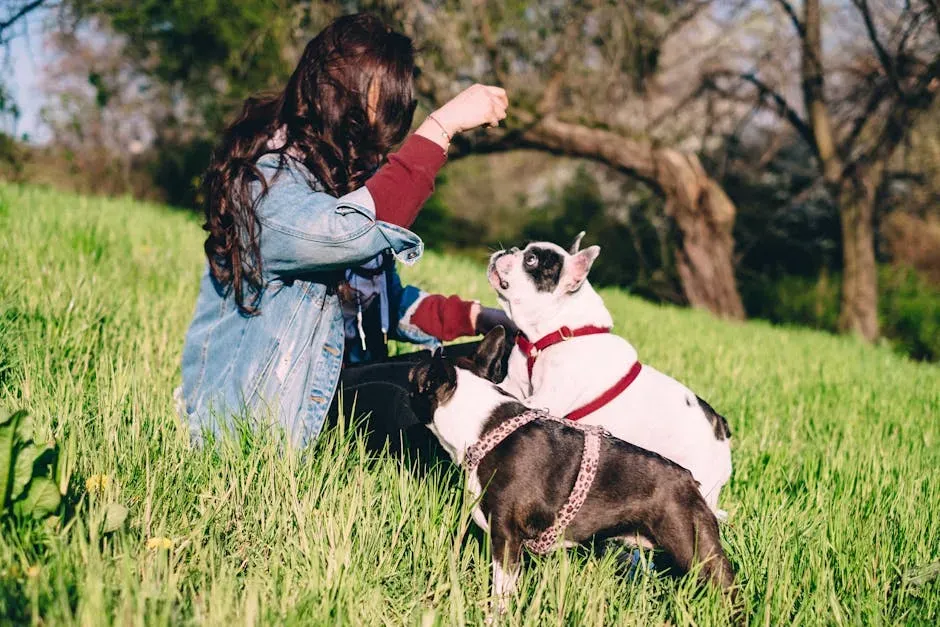
People fixate on what’s in the bowl, but your dog is just as tuned into how you deliver it. Tossed down while you scroll your phone, or delivered with a brief, focused moment – a sit, a “thank you,” a name cue? Food time is when your dog is most motivated and most impressionable, which makes it incredibly sticky in their memory.
Dogs link your feeding behavior to your reliability overall. Consistent mealtime rules make dogs calmer and clearer about boundaries later. Chaotic, shifting rules – sometimes sit, sometimes not – produce low-grade confusion that shows up as pushiness at night: pawing, begging, whining.
A dog that eats from a calm, predictable human is more likely to settle peacefully after dinner. A dog that eats from a rushed, distracted human may be full – but not emotionally fed. That unease doesn’t burn off. It follows them onto the couch at 9 p.m.
#5 – The “Leaving the House” Scene Replays at Night
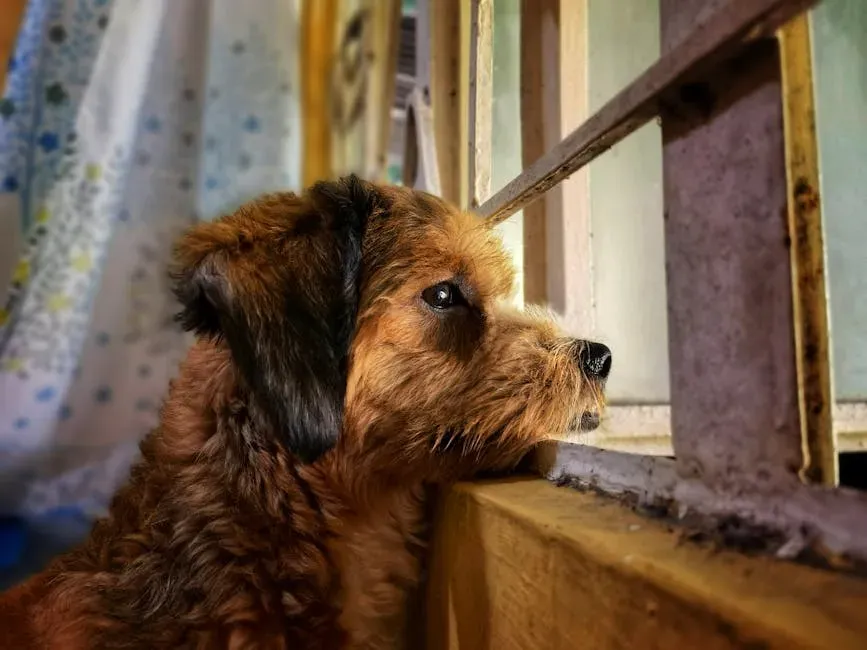
The moment you grab your keys, put on shoes, or close the door is one of the loudest experiences in your dog’s emotional day. Separation anxiety doesn’t start when you’re already gone – it starts with the script you’ve unintentionally written around leaving. A dramatic goodbye, a silent vanishing act, or a quiet, boring routine with the same phrase and a food puzzle waiting?
Here’s the part people underestimate: dogs replay that leaving moment when the house calms down at night. Random whines at 10 p.m., an over-the-top greeting when you stand up from the couch, a dog that shadows you room to room – that’s often leftover emotional static from a morning exit that felt confusing.
- Predictable, boring exits
- Predictable, boring returns
Dogs who get both tend to sleep deepest. Big, dramatic send-offs feel loving to humans, but they can wire a dog into constant anticipation.
#6 – The First Walk Sets Their Sensory Volume
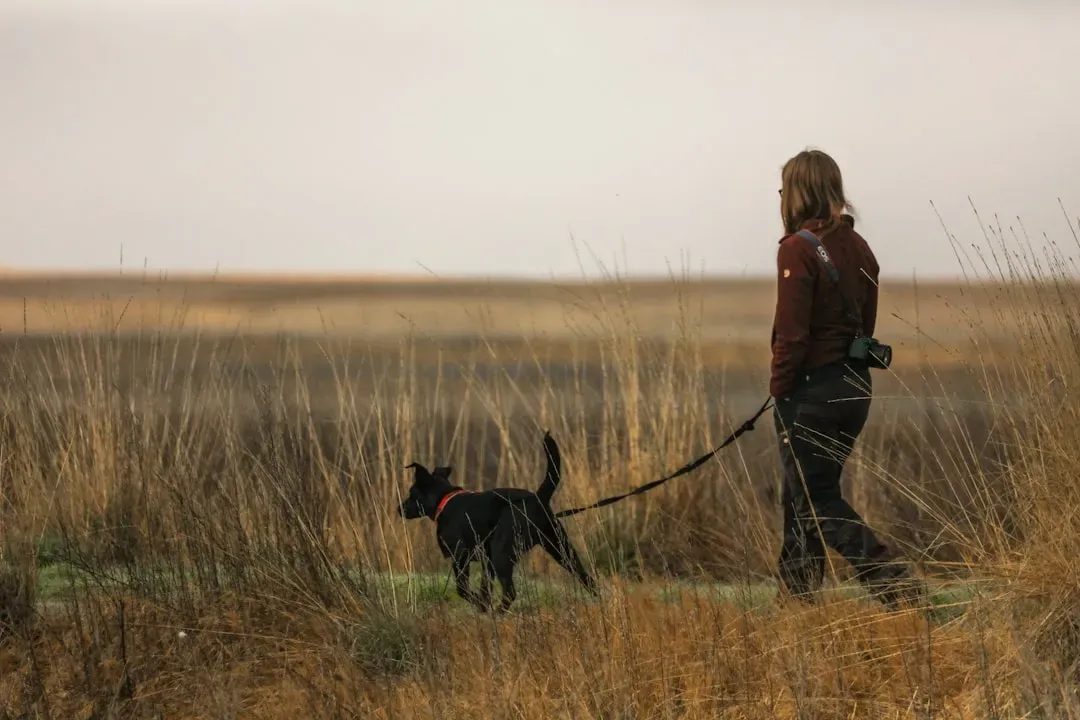
That morning walk – five minutes or 45 – is how your dog calibrates the volume knob on their nervous system. High-arousal ball throwing, frantic sniffing, and yanking before 9 a.m. is basically a triple espresso for their brain, and owners then wonder why the dog is wild all evening.
A more balanced morning routine looks different:
- A few minutes to sniff in peace
- Some simple training sprinkled in – sits, name recognition, a casual heel
- Calm praise instead of shrieking excitement
This builds a nervous system that can actually turn off later. Dogs who only experience “go-go-go” in the morning often have no concept of how to downshift at night – their day started as a race and no one ever waved the checkered flag.
Quick Compare
- High-Arousal Morning: frantic fetch, yanked leash, zero downtime, hype-voice praise.
- Balanced Morning: a few sniff breaks, light training reps, calm praise, a clear stop point.
#7 – The Midday Absence Builds Up Like Static
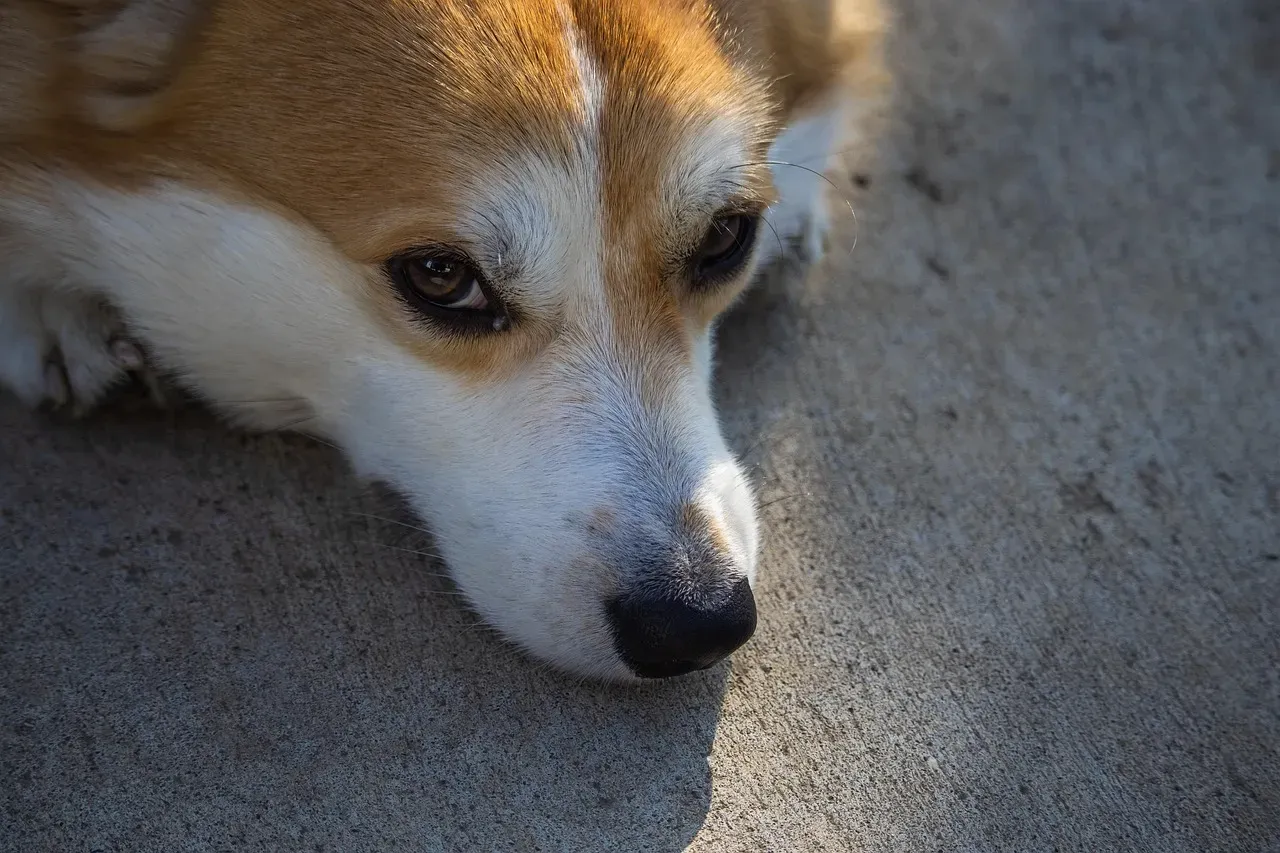
For many dogs, late morning and afternoon are mostly about waiting. Waiting for you to come back. Waiting for a walk. Waiting for anything to happen. What fills those hours – enrichment or boredom – doesn’t just pass the time. It builds pressure.
Dogs left with nothing to do – no chew, no puzzle, no view, no safe window perch – often greet the evening like a shaken soda can being opened. People falsely read that nighttime explosion as “bad behavior” instead of accumulated frustration.
A dog that’s been mentally engaged even a little – a frozen Kong, a sniff mat, a safe chew – tends to arrive at 6 p.m. in a completely different headspace. They’ve used their brain, not just their bladder. If afternoons are a sensory desert, don’t expect nights to be peaceful.
Worth Knowing
- A frozen Kong or lick mat can turn 20 idle minutes into calm mental work.
- A safe window perch gives bored dogs something to focus on besides the clock.
- Rotating chews and puzzle toys prevents the “nothing left to do” afternoon slump.
#8 – The “Welcome Home” Greeting Rewrites Their Day
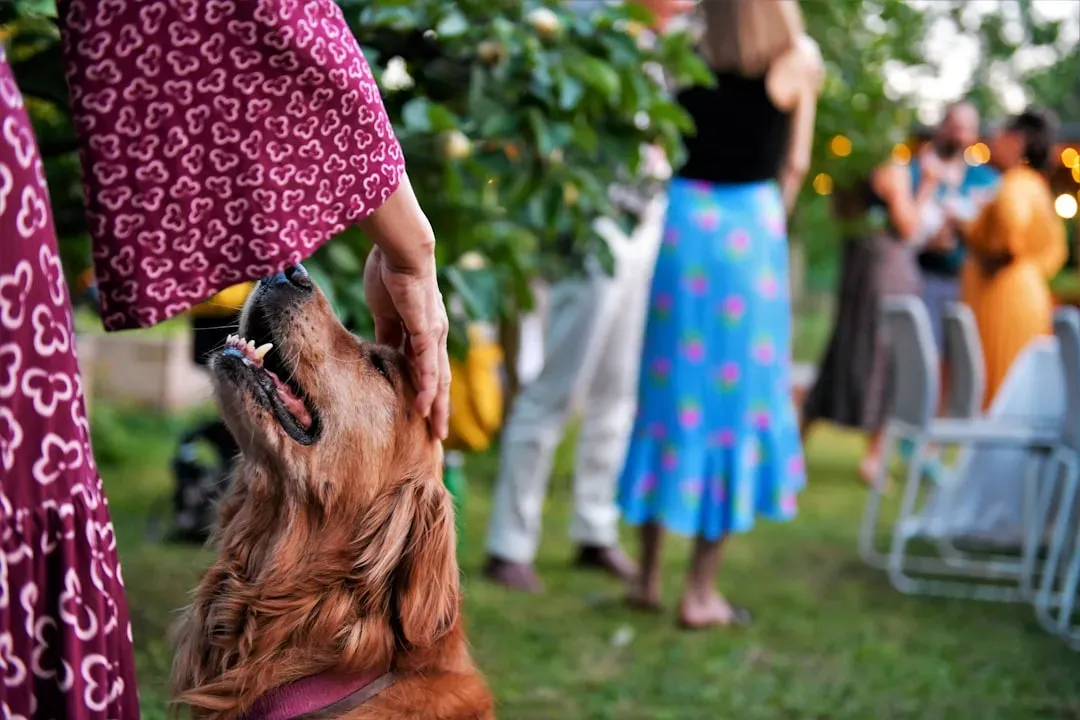
Your return is one of the most emotionally charged moments in your dog’s life. They’ve got hours of bottled-up feeling with exactly one outlet: you. The way you handle those 30-60 seconds doesn’t just affect their mood – it actually rewrites their memory of the whole day.
Calm, warm, consistent greetings teach, “You were safe the whole time, and now we reconnect.” Explosive, chaotic greetings teach, “Every reunion is a crisis.” Kneel down, give 60 seconds of focused touch and soft words, and you anchor their whole nervous system.
- Predictable verbal cues on entry – “Hi, buddy, sit,” then contact
- Being allowed to calm down instead of being pushed away
Dogs who get both tend to show far less clinginess at night. Yelling “DOWN!” while your dog leaps and claws your clothes only teaches them that mayhem is the only way to get your attention.
#9 – The Late-Day Play Session Decides Their Nighttime Energy
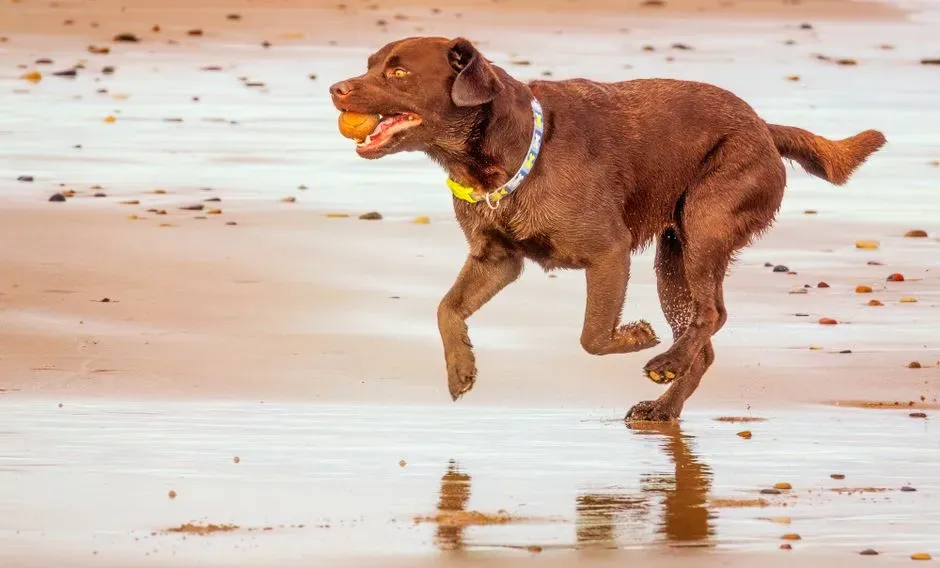
By late afternoon, your dog is carrying everything – morning vibes, midday boredom or enrichment, greeting intensity. This is the pivot point. The play session here doesn’t just “tire them out.” It decides whether bedtime will be peaceful or wired.
A wild, no-rules game of fetch in a cramped hallway right before dinner can spike adrenaline that lingers for hours. A structured, stop-and-go game with built-in pauses does the opposite – it teaches your dog how to ramp up and ramp down.
- Short bursts of tug or fetch
- Frequent “breaks” with a sit or down
- Calm praise instead of screamed hype
Dogs who only ever practice full-throttle play often struggle to shut their brains off at night because they’ve never rehearsed the off switch. They fall asleep from collapse, not calm, and wake easier at every sound.
#10 – The Dinner Bowl Echoes the Breakfast Message

Dinner isn’t separate from breakfast in your dog’s mind. It’s a callback episode. Whatever pattern you set in the morning – chaotic, rushed, or calm and clear – gets replayed, sometimes amplified, at night. Ignore begging all day and then cave at dinner, and you’ve just trained 12 hours of persistence into your dog.
- A dog fed on a predictable schedule tends to pace less at bedtime.
- A dog whose portions and timing constantly shift is more likely to scavenge and counter-surf in the quiet hours.
And here’s the controversial opinion: free-feeding often creates more anxiety, not less, because it removes the clear ritual of “we eat together, and then we’re done.” Dogs are pattern-seekers. A dinner with a clear start and end feels like closure, not an open tab on their hunger.
#11 – The Couch Cuddle Is a Relationship Report Card
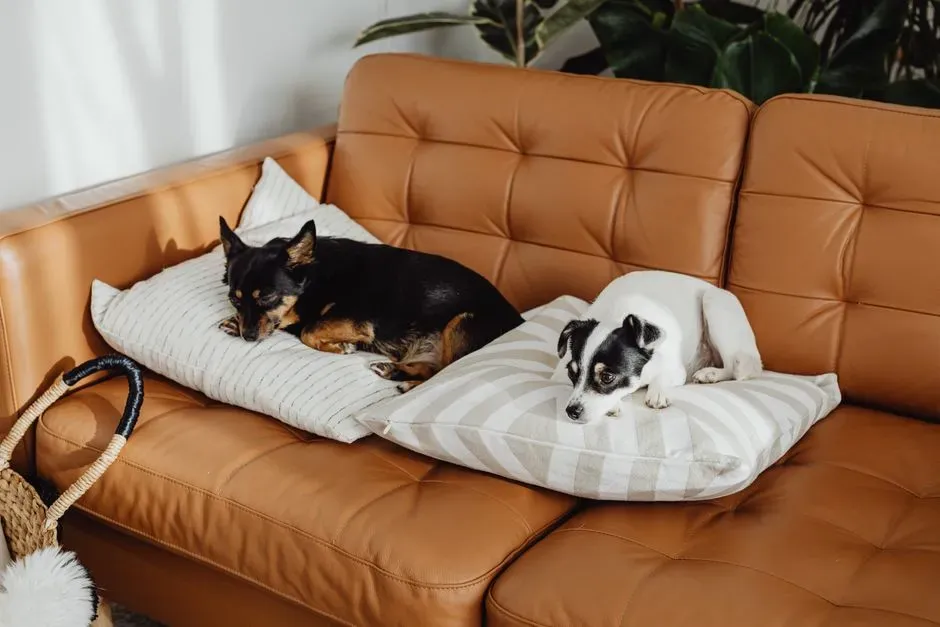
The moment you finally sit down – TV on, phone in hand, dog hovering – is when a surprising truth surfaces: how your dog positions themselves around you is a live report card on the entire day. Do they slam into you like they’re starving for touch? Circle anxiously? Hover at a distance but keep watching? Or curl up loosely with slow blinks and sighs?
None of that is random. Dogs who felt seen, touched, and mentally worked earlier tend to settle quickly without demanding constant contact, and slide into deep, twitchy REM sleep near you. Dogs who were ignored or hyped up all day often use the couch as a protest zone or a last-ditch connection grab.
If your dog only truly relaxes once you’re finally horizontal and still, they may have been quietly waiting all day for you to become “emotionally available.” The couch isn’t just furniture. It’s feedback.
#12 – The Last Trip Outside Controls Their Nighttime Security

That final bathroom break before bed is more meaningful than most people realize. Dogs don’t think in clock time, but they absolutely know “after this, the house goes dark and quiet.” A rushed, annoyed “come on, just go!” can make the yard feel unsafe. A calm, unhurried last outing says, “The night isn’t scary.”
- Are you scanning your phone with one hand and tugging the leash with the other?
- Do you yank them back from every rustle or shadow, teaching them the night is dangerous?
Dogs who feel rushed during the last outing often wake more easily, startle at small noises, or resist going out the next evening. Dogs given a few extra minutes to sniff and settle before coming in tend to walk back inside looser, not braced. A nightly battle at the back door usually isn’t stubbornness – it’s last night’s emotion, remembered.
#13 – The Bedtime Check-In Is Their Emotional Anchor
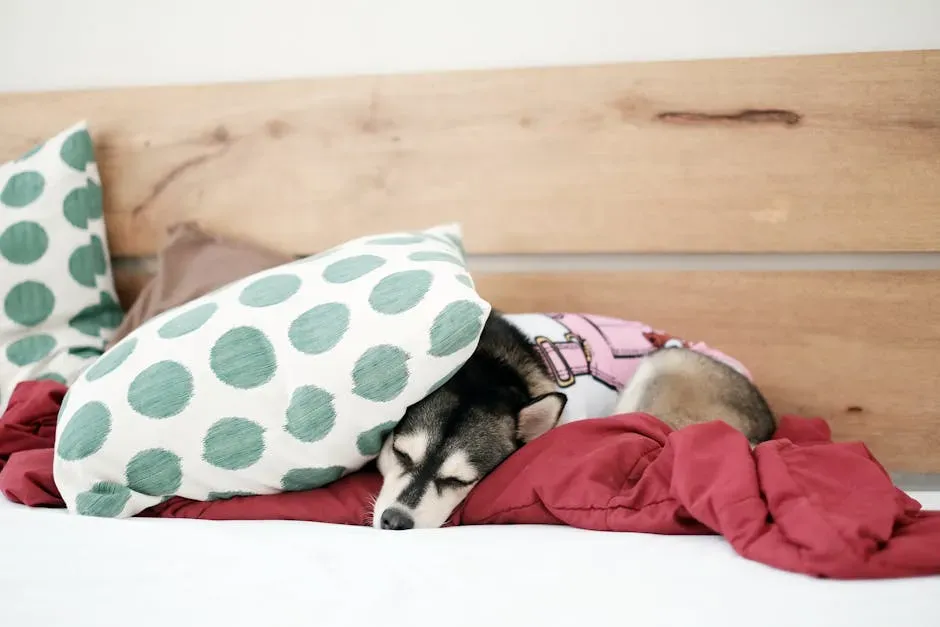
Right before you sleep, there’s a small, easy-to-miss moment – you glance at your dog in their bed, they flick an ear or open an eye, maybe you give a last scratch behind the ear. That micro-interaction is an anchor point in their 24-hour loop.
Dogs that get a predictable, gentle check-in at night often show less separation distress over time, even when they sleep in another room. You’ve taught them the day has a soft landing, and they weren’t forgotten. Owners who skip this entirely often have dogs that pace, reposition repeatedly, or hop up at every small sound – as if waiting for closure that never came.
One or two sentences in a low, consistent tone – “Night, buddy. See you in the morning” – plus a calm touch can do more for long-term emotional stability than the fanciest bed on the market.
At a Glance
- A consistent nightly check-in signals “the day is complete.”
- Dogs with this ritual tend to show fewer pacing or repositioning episodes.
- It costs nothing extra – no gear, no upgrade, just a repeated tone and touch.
#14 – Where You Allow Them to Sleep Shapes Their Whole Narrative

This is where opinions explode, but here’s the blunt truth: where your dog sleeps matters far less than whether the rule is consistent. Some of the calmest, most secure dogs sleep in their owner’s bed. Some of the most anxious ones do too. The real difference isn’t “bed vs. floor” – it’s clear expectation versus constant negotiation.
If your dog is allowed on the bed only sometimes – depending on your mood, your partner’s mood, or how guilty you feel – that inconsistency bleeds into the entire day. They spend waking hours testing and pleading for access because the rule is foggy.
- “I sleep in my crate with the door open.”
- “I sleep on this specific bed beside yours.”
- “I always sleep at the foot of the human bed.”
Whichever version it is, dogs who know it every single night carry noticeably less low-grade anxiety overall.
#15 – How Long It Takes Them to Drift Off Is the Real Truth

The most honest feedback on your entire relationship with your dog isn’t how excited they are to see you, or how many tricks they know. It’s this: how long does it actually take them to fall asleep at night? Not just flopping down – full-body release. Loose jaw, twitchy paws, a deep sigh, slow breathing.
Dogs carrying unresolved tension from the day – confusing rules, a harsh tone, no real connection – take longer to drop into that deep state, or keep popping back up at every sound.
- Spins endlessly before lying down
- Pops up every time you shift
- Needs constant contact to stay asleep
That’s the emotional load from the day, unprocessed. The dog that circles once, huffs, flops, and is out in minutes is quietly saying, “Today made sense. I felt safe. We’re good.” Bedtime is where everything you did – every rushed sigh, every soft laugh, every consistent cue – finally shows its hand.
The Bottom Line
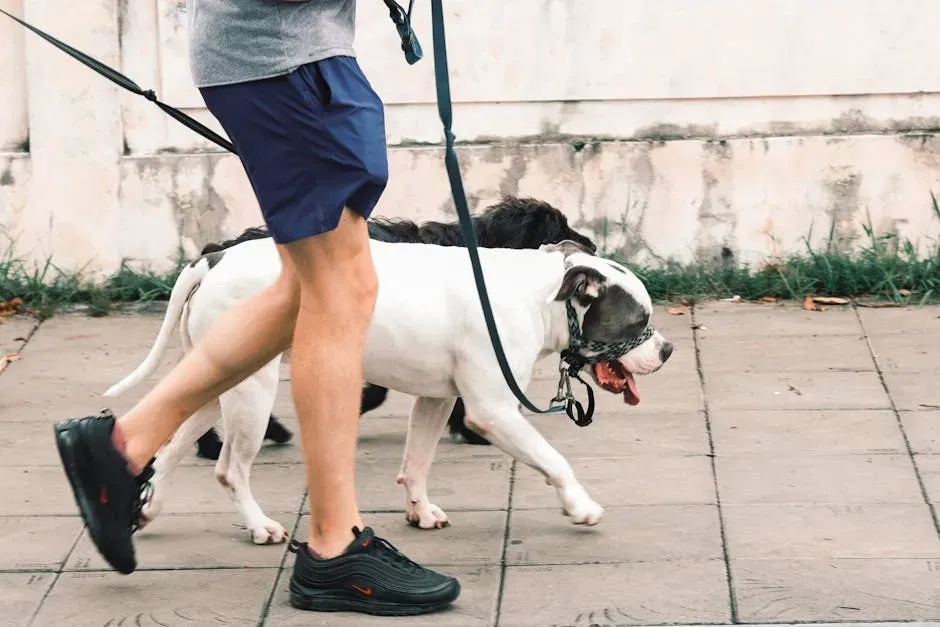
The comforting myth is that dogs live only in the moment. The uncomfortable truth is they live in a chain of moments you create, from the first eye contact over the alarm clock to the last hand on their head before lights out. Morning neglect doesn’t disappear at noon – it resurfaces as pacing at 10 p.m. A chaotic greeting doesn’t stay at the front door – it echoes in how long it takes them to slip into deep sleep.
We love to blame breed, energy level, or “rescue trauma,” but a lot of what we label as problem behavior is just our own daily patterns reflected back at us in a furry mirror. If that stings a little, good – it means you’re paying attention.
Here’s my honest take: you don’t need a new dog, a new bed, or a miracle supplement. You need to fix the first five minutes of your day, because your dog is already keeping score. Did we miss a moment your dog obviously carries from sunrise to lights-out? Say it in the comments – noticing it is usually the first step to changing it.