
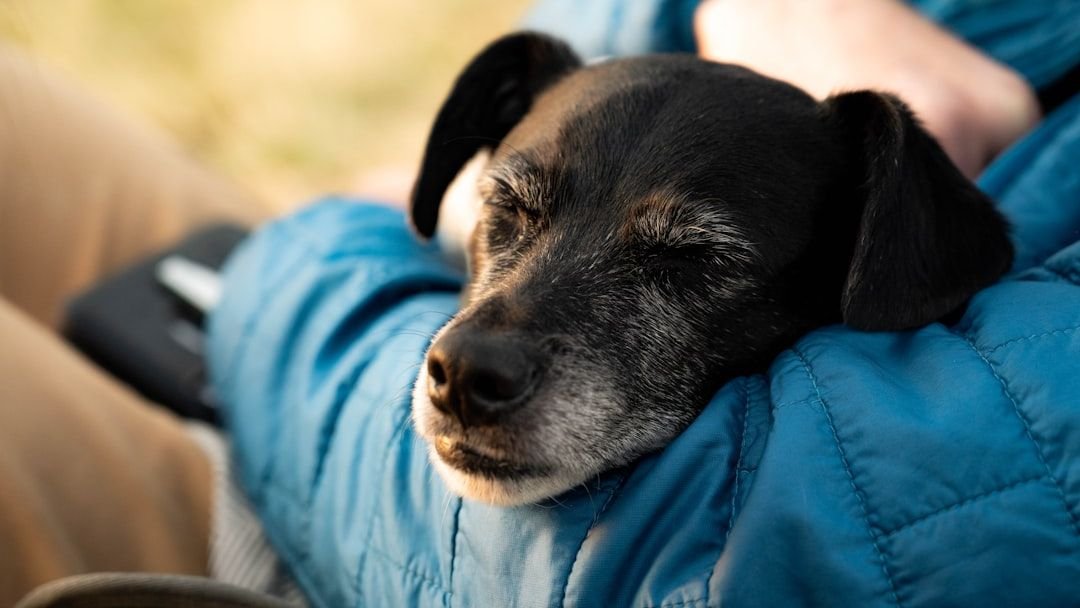
There’s a particular kind of quiet that settles into life with an older dog. The house still feels full, the routine still holds, yet something is softer now. Slower. The sprint to the door has become a trot. The boundless energy of puppyhood has given way to something more contemplative, more present.
Caring for an older dog is a deeply emotional experience that intertwines joy, love, patience, and heartache. As our canine companions age, they rely on us more than ever to navigate the challenges of their golden years. For many pet owners, this stage of a dog’s life is both rewarding and bittersweet, reminding us of the fleeting nature of time and the profound bond we share.
The thing is, we don’t always notice it while it’s happening. We’re busy. Life moves fast. Senior dogs move slowly, and that gap is where so many precious moments slip away unnoticed. Here are 15 of them worth paying close attention to while you still can.
The Slower Walk Around the Block
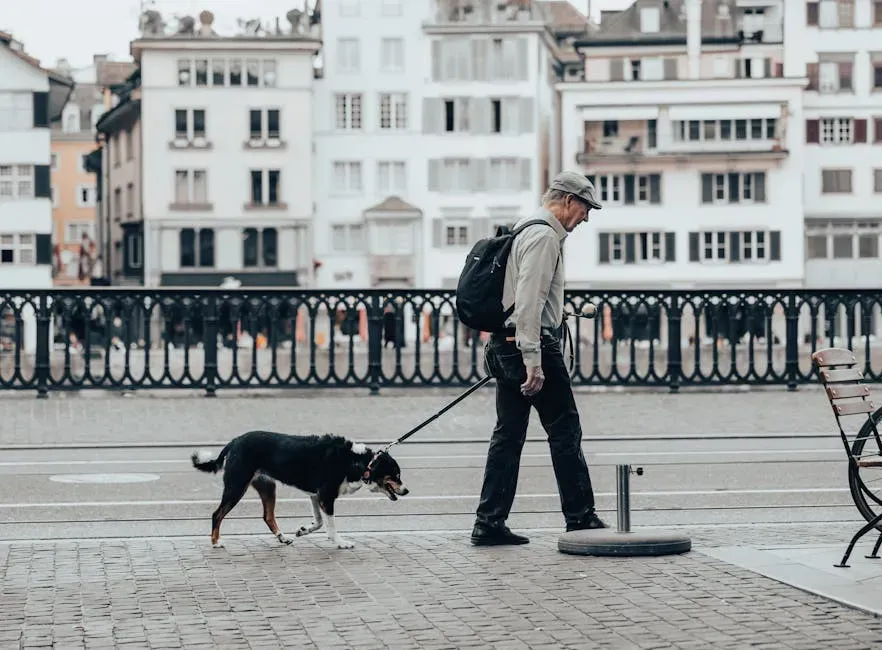
What used to be a brisk, pull-on-the-leash lap around the neighborhood has become something more deliberate. Your dog stops more, sniffs longer, and seems to take real satisfaction in standing still in a patch of sunlight. It can feel like an inconvenience until you realize it isn’t.
Older dogs want to be with us more and be right by our side. When we pay attention to senior dogs and go at their pace, we are able to slow down and appreciate the little things, like enjoying a walk or treasuring the company of those we love. The walk isn’t slower because it’s less meaningful. It may actually be the most meaningful walk you’ve ever taken together.
The Morning Greeting That Takes a Little Longer
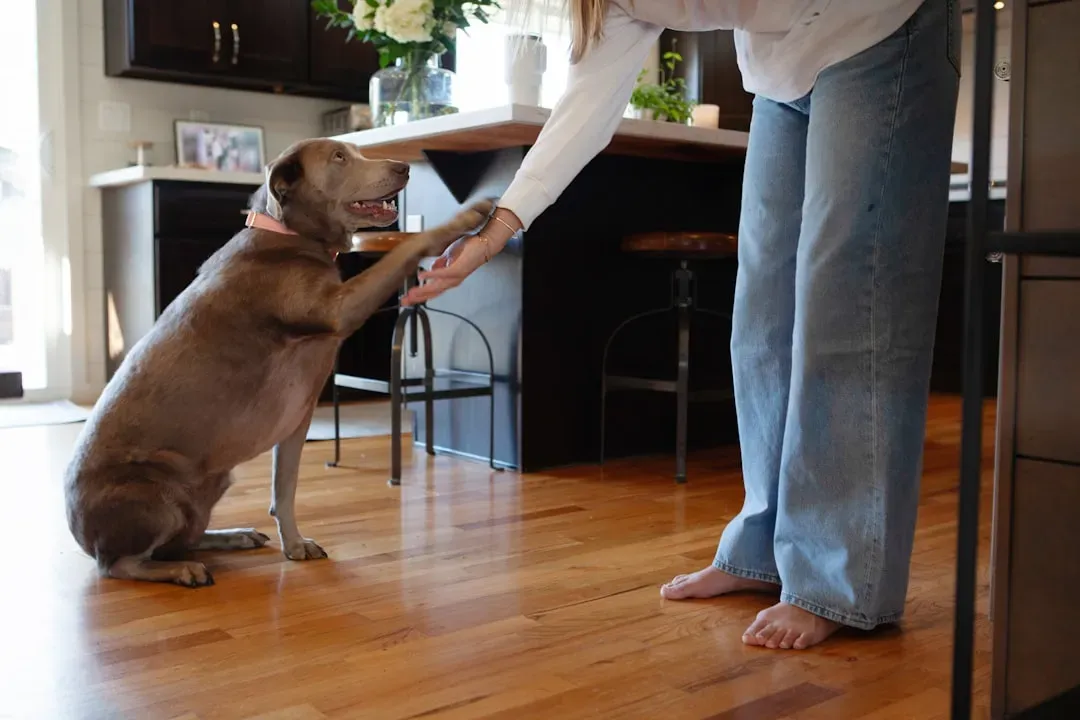
A little extra sleep, slower greetings at the door, and less interest in toys they once loved. For many pet parents, these moments are easy to brush off as “just aging,” but subtle shifts in behavior are often the earliest signs that something deeper is happening beneath the surface. The morning greeting is one of those shifts.
Where a younger dog practically bounces off the walls at your appearance, an older dog may take a moment to gather themselves before padding over. That careful, deliberate approach toward you carries its own kind of weight. It takes more effort now. That makes it worth more, not less.
Watching Them Dream
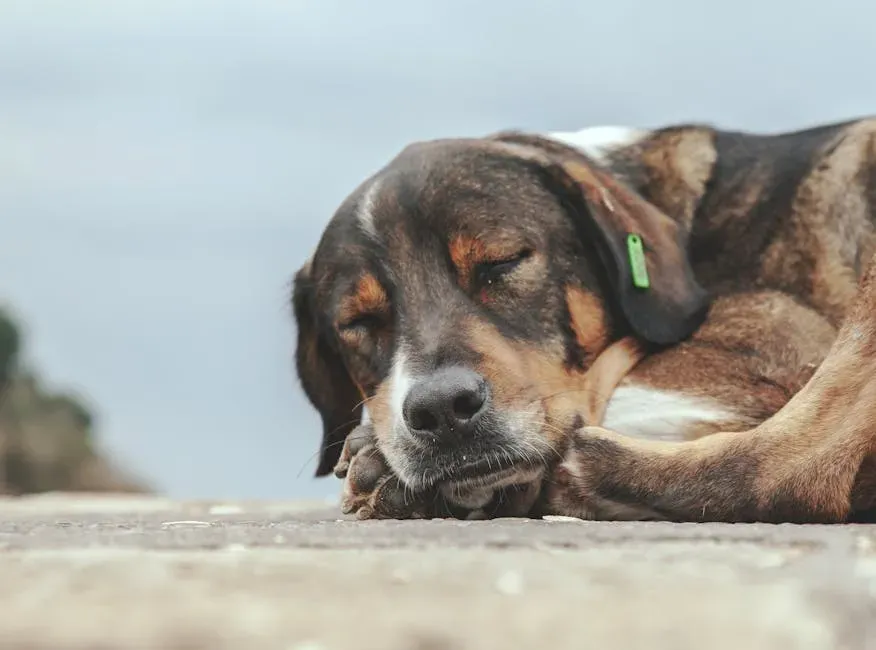
Senior dogs sleep more deeply and more frequently than they did in their younger years. If you’ve ever paused to watch an old dog twitch, sigh, or softly whimper during a dream, you’ve glimpsed something remarkably tender. The paws might paddle. The nose might quiver.
Moments of quiet connection, like a head resting gently against your knee or a slow, contented sigh, are precious memories we cherish. A sleeping senior dog is one of the most peaceful sights in a home. It deserves a moment of your full attention rather than a distracted glance from across the room.
The Eyes That Have Seen Everything With You
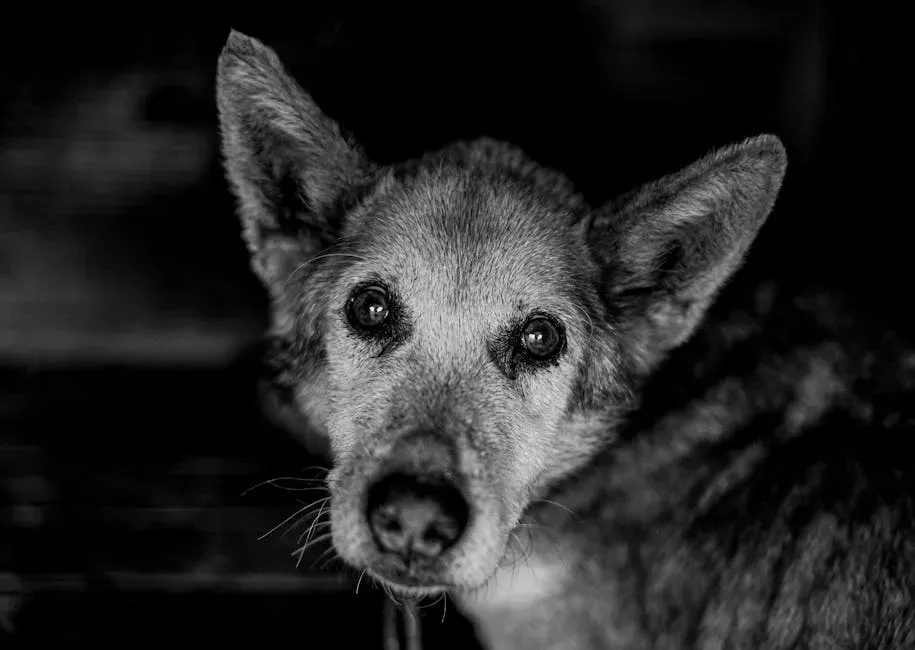
As they age, our dogs often suffer a decline in functioning. Their memory, their ability to learn, their awareness and their senses of sight and hearing can all deteriorate. Yet even with cloudy eyes, there is still unmistakable recognition when they look at you.
Those eyes have watched you through bad days, good news, quiet evenings, and chaotic mornings. They’ve softened as your dog has gotten older, but they still find you in a crowded room. Sit with that for a moment. Really look back.
The Effort It Takes to Settle In
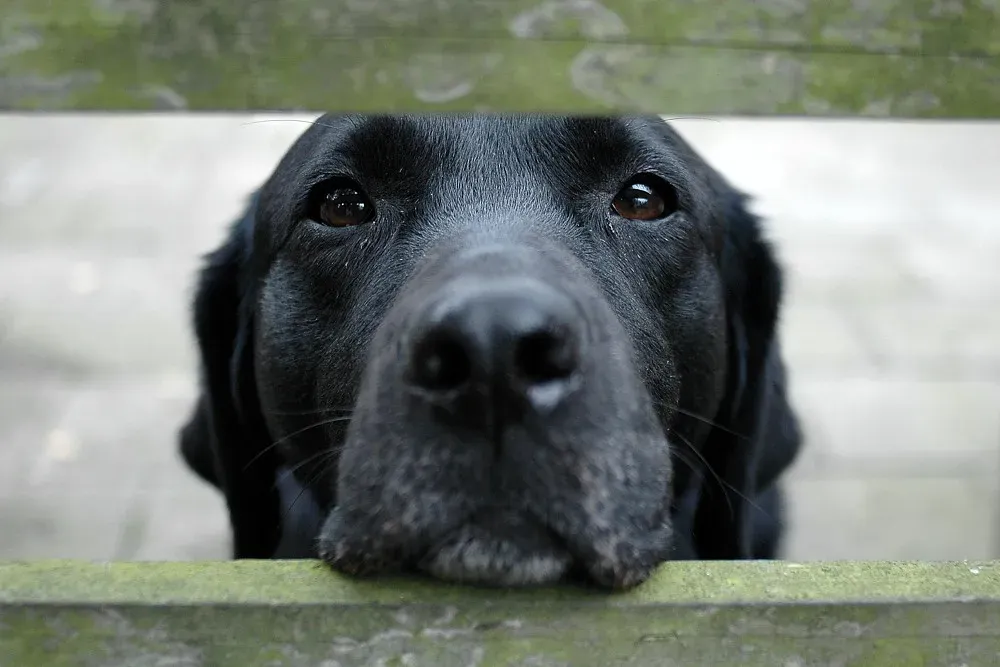
As dogs age, you might notice they seem stiff when getting up from a nap or hesitate before jumping onto the couch to sit beside you. The old fluid leap onto the sofa has become a careful, step-by-step process, sometimes with a groan. It can be easy to miss how much effort that simple act now requires.
Pain from arthritis is often overlooked and it can manifest as various behaviors. It’s often difficult to tell how much pain they are in until they are treated appropriately. Once they’ve settled in, they stay. That spot beside you is still where they want to be, no matter the cost to get there.
A Favorite Toy Rediscovered
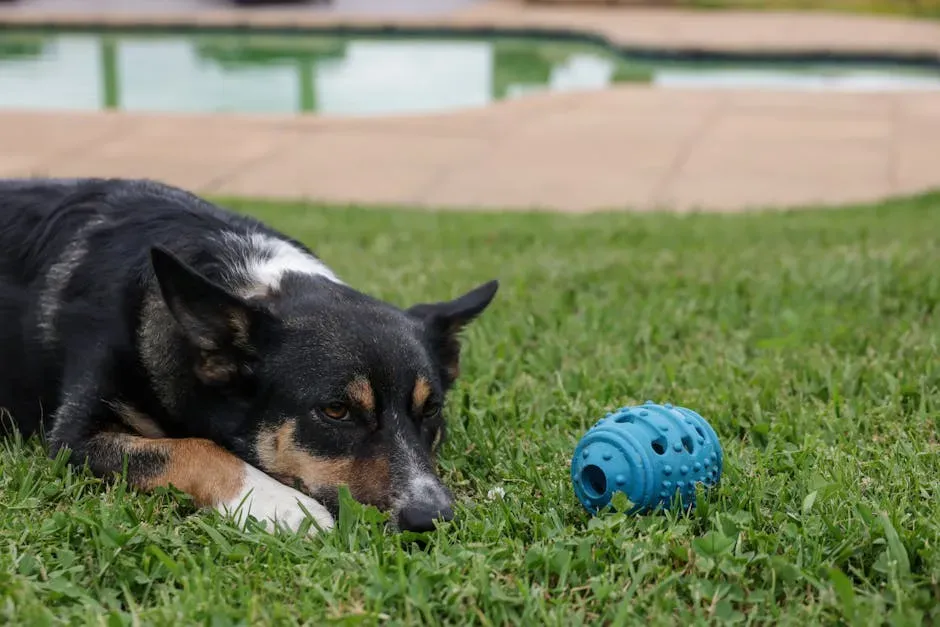
A little extra sleep, slower greetings at the door, and less interest in toys they once loved. For many pet parents, these moments are easy to brush off as “just aging.” So when your senior dog picks up an old toy and carries it around the house, it stops you in your tracks.
There’s something almost heartbreaking and joyful at once about watching an older dog rediscover a beloved toy. They may not chase it the way they once did, but the interest, the spark, is still there. Don’t scroll past that moment. Put the phone down.
The Clinginess You Didn’t Expect
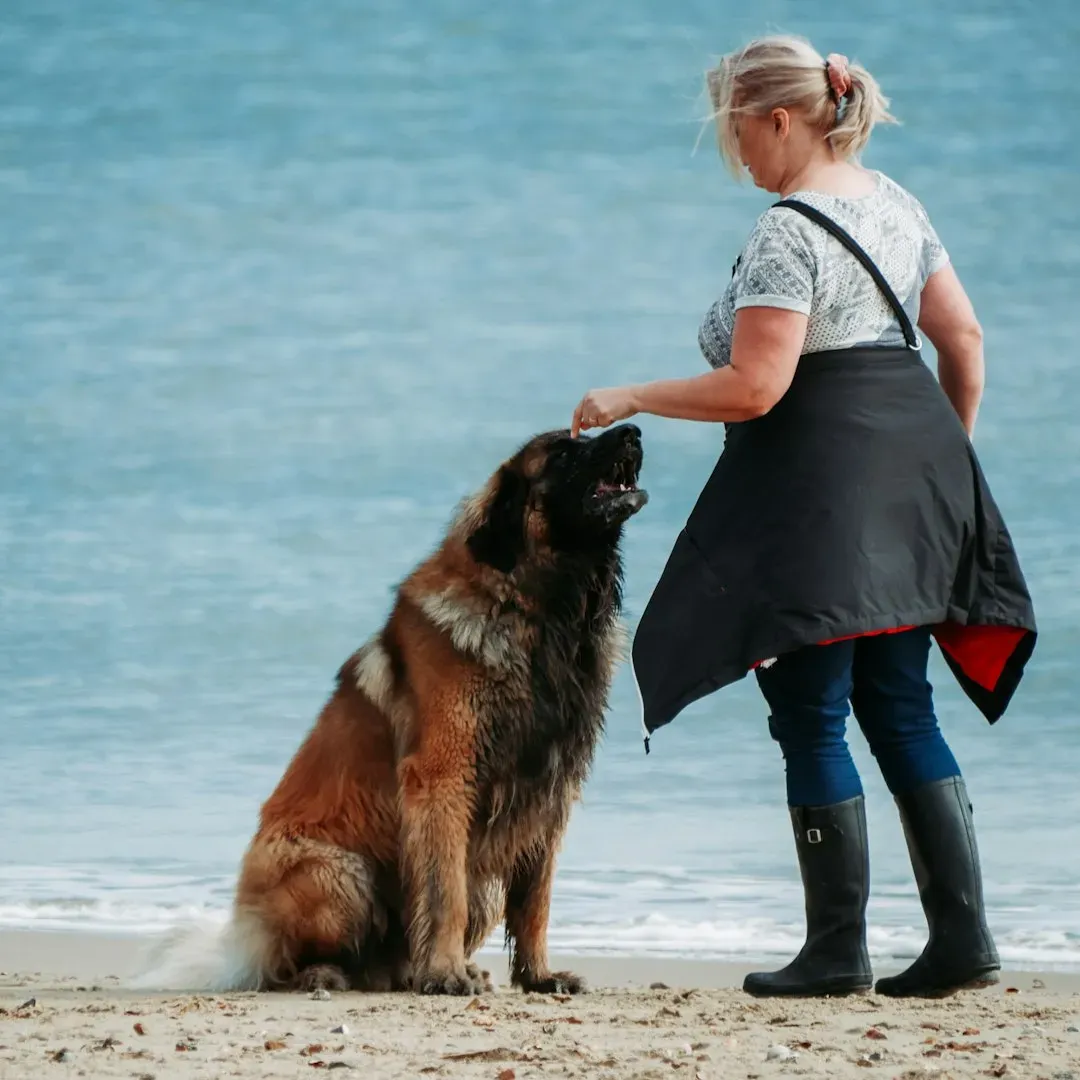
Some common concerns reported by guardians of aging dogs include increased sensitivity and irritability, increased fear of unfamiliar pets and people, decreased tolerance of touch and restraint, increased following and desire for contact, and increased anxiety when left alone. The clingy older dog can feel like a lot when you’re trying to move through your day.
Step back from the inconvenience for a moment. Your dog is seeking reassurance from the one constant in their world: you. Responding with empathy and understanding is key to helping your dog feel safe and secure. That nudge at your ankle, that determined following from room to room, is an act of love. Receive it as one.
The First Meal They Eat Slowly
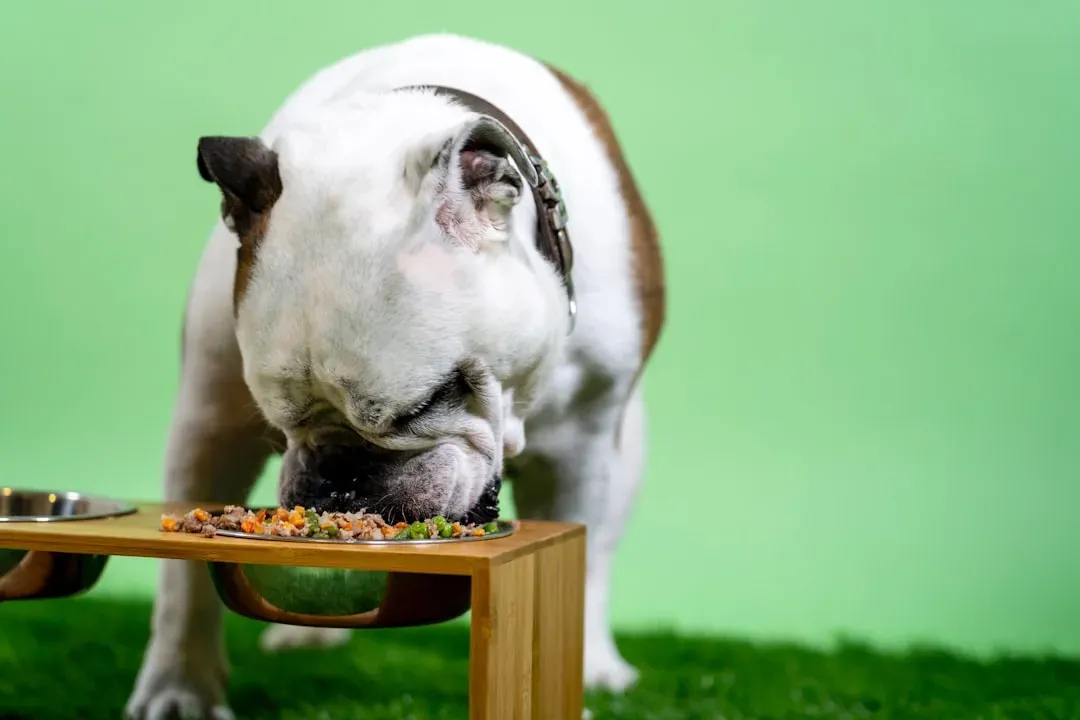
Pet parents might notice these changes as shifts in appetite, unexplained weight gain or loss, lower energy levels, or a general sense that your dog just does not seem quite like themselves. A changed relationship with food is one of the more telling signs of aging, and it deserves gentle attention.
The dog who once inhaled their bowl in seconds now eats carefully, sometimes pausing mid-meal. It may be dental sensitivity, it may simply be slower metabolism, but it marks a shift. The most important thing you can do as part of senior dog care is to keep their brain and body moving, and to make sure they’re getting the right nutrition and are staying hydrated. Schedule a visit with your veterinarian as soon as you notice even the most subtle changes in your dog’s appearance or behavior.
Sitting Together in Comfortable Silence
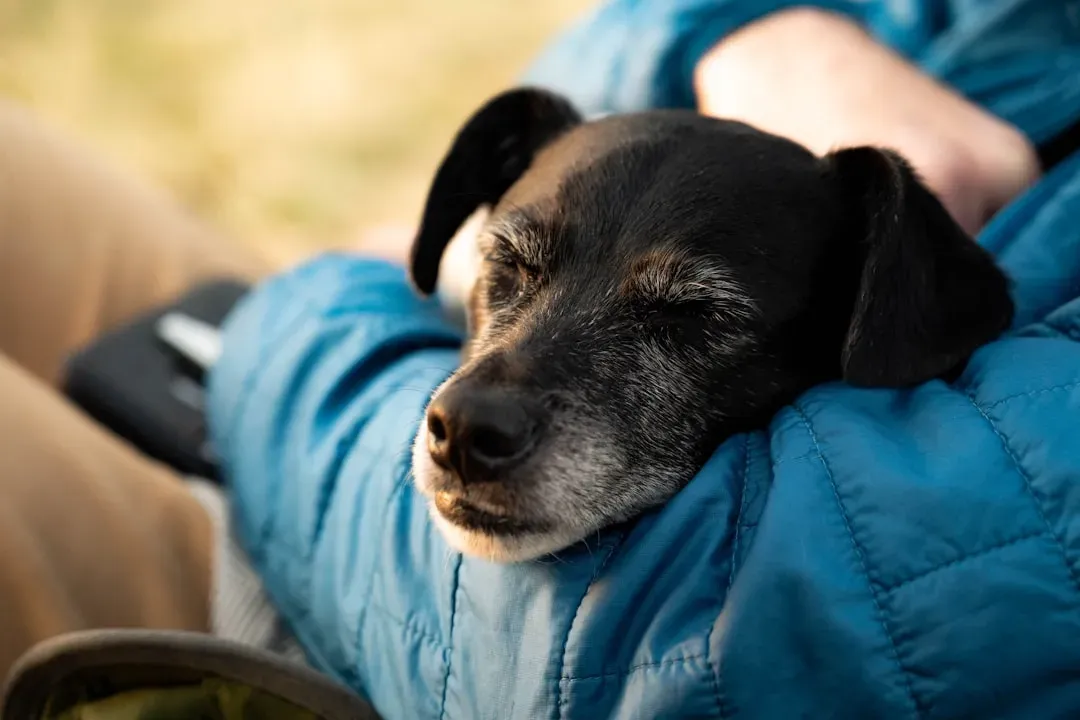
There’s a quality of companionship that only comes with years. A senior dog doesn’t need entertainment or stimulation from you every moment. They’re content to simply occupy the same space, breathing quietly, heads resting, nothing demanded from either of you.
Your love is free and can be given in abundance, but it’s priceless to your pup. Special time together, even if it’s just cuddling on the couch, is what happy senior dogs cherish most. That shared silence is not an absence of connection. It may actually be its deepest form.
When They Still Try to Protect You
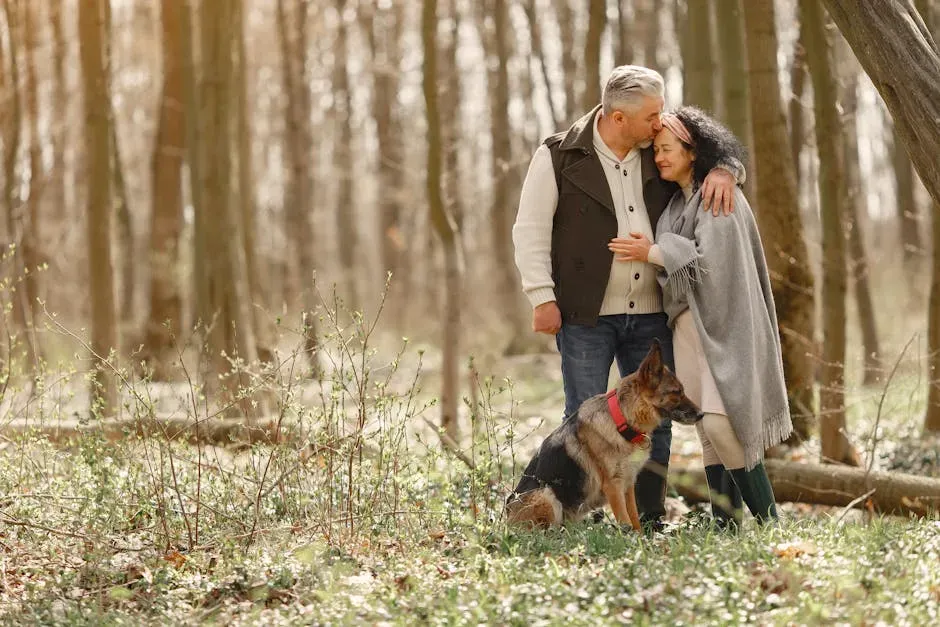
Despite stiff joints and slower reflexes, an older dog will still position themselves between you and something that worries them. They still bark at the unfamiliar sound at the door. They still turn to face the stranger on the street. The protective instinct doesn’t retire.
Older dogs have a special way of touching our hearts. They’ve been by our side through life’s ups and downs, offering unwavering loyalty and unconditional love. Watching an old dog summon that loyalty one more time is quietly extraordinary. Notice it. Honor it.
The Confusion That Breaks Your Heart a Little
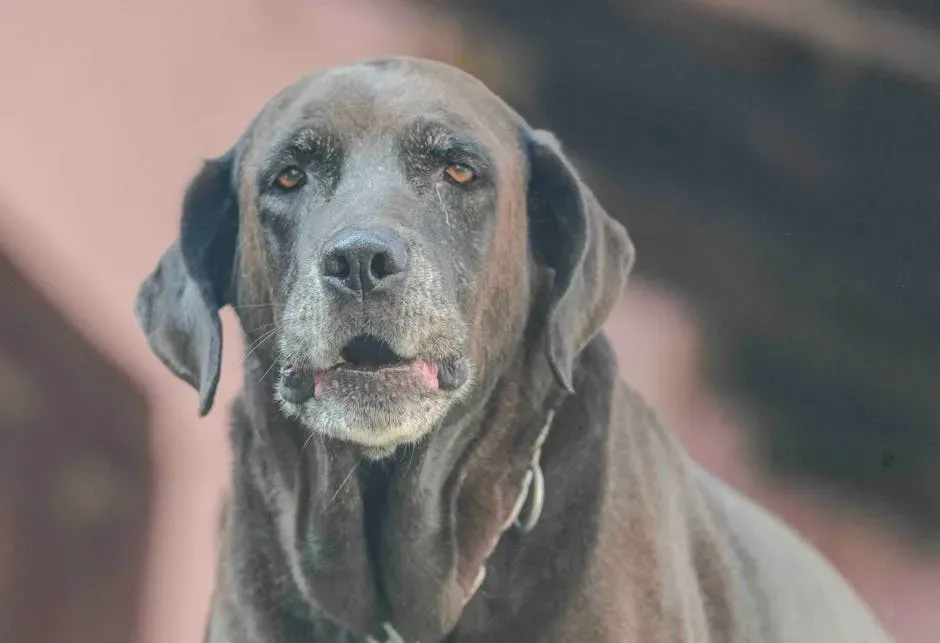
Older dogs can develop canine cognitive dysfunction (CCD), sometimes called “doggie dementia,” linked to age-related changes in the brain. Dogs living with CCD may seem confused in familiar places or forget routines they once knew well. Some senior dogs may wander without a clear purpose, appear disoriented, or have trouble settling down and sleeping through the night.
Witnessing this for the first time is genuinely difficult. Your dog may stand at the wrong side of a door or look around a room they’ve known for a decade as if seeing it fresh. Changes in a dog’s memory, senses, and mobility can affect how they interact with their surroundings. Take a moment to imagine life from your dog’s perspective to better understand the challenges they face. Patience in those moments is a profound form of care.
The Last Time They Play Like a Puppy
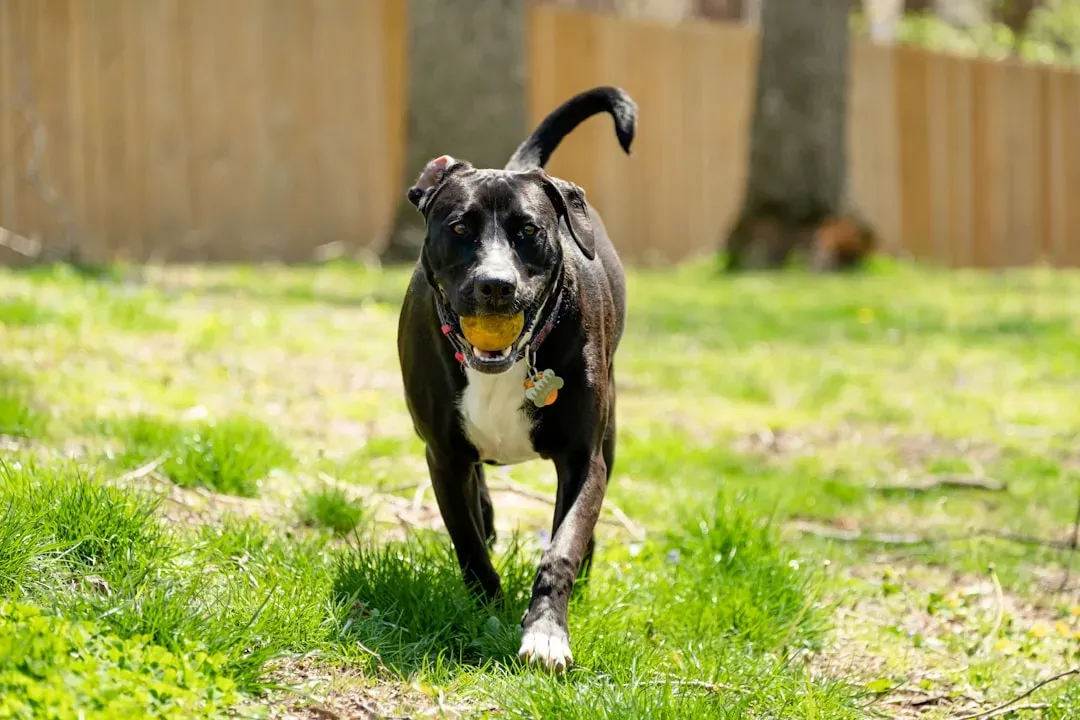
It happens without warning. One afternoon, your gray-muzzled dog catches a burst of something younger, something ancient in them, and for a few seconds they play with the kind of wild abandon you haven’t seen in years. A pounce. A spin. A gleeful roll in the grass.
You won’t know it’s the last time until later. Every good day with an older dog is a blessing. Those sudden bright flashes of youthful energy are among the most precious things a senior dog offers. If you catch one, stop whatever you’re doing. Be completely there for it.
Grooming Time as Quiet Care
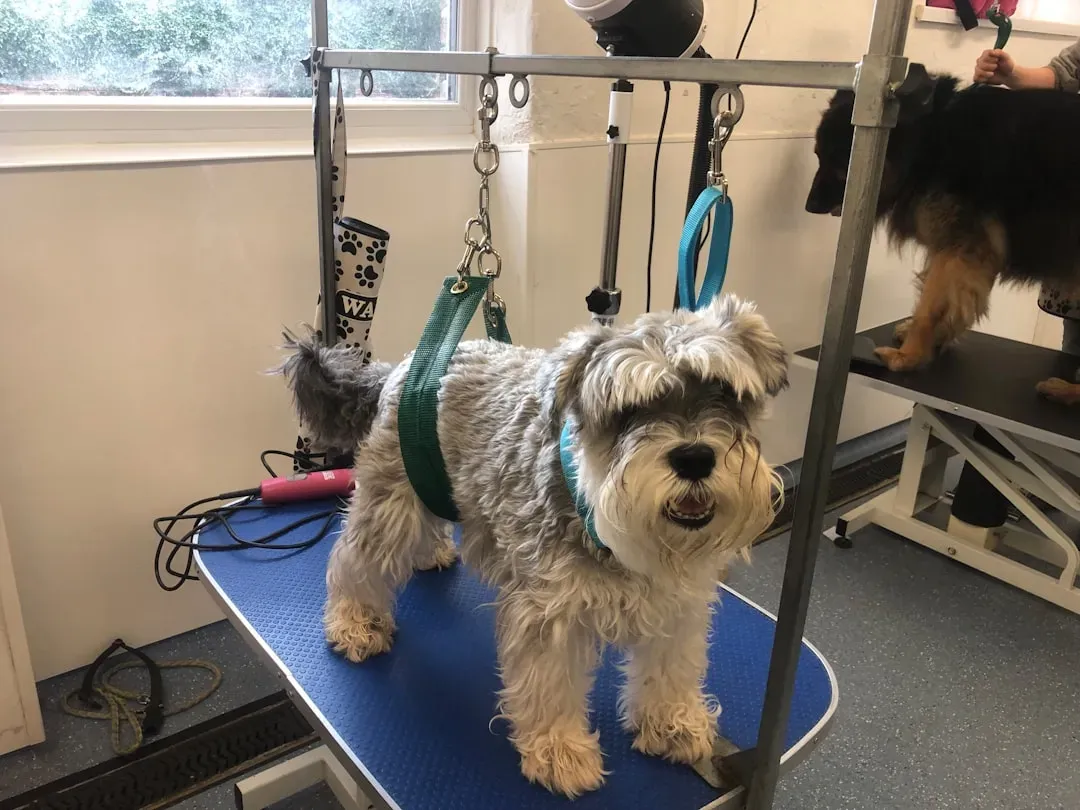
Regular grooming is important as dogs age because they can develop more matting with less activity. Senior dogs can also start to struggle to reach all areas on their body, and therefore not groom themselves as much. What used to be a quick brush-through becomes something more deliberate, more intimate.
Running a brush slowly along an older dog’s coat, checking for anything new, watching their eyes close with something close to contentment, these are small rituals that carry real meaning. Brushing your dog while they roll in the grass and settle beside you is a form of closeness that doesn’t need words. Don’t rush through it.
The Night They Sleep Closer Than Usual
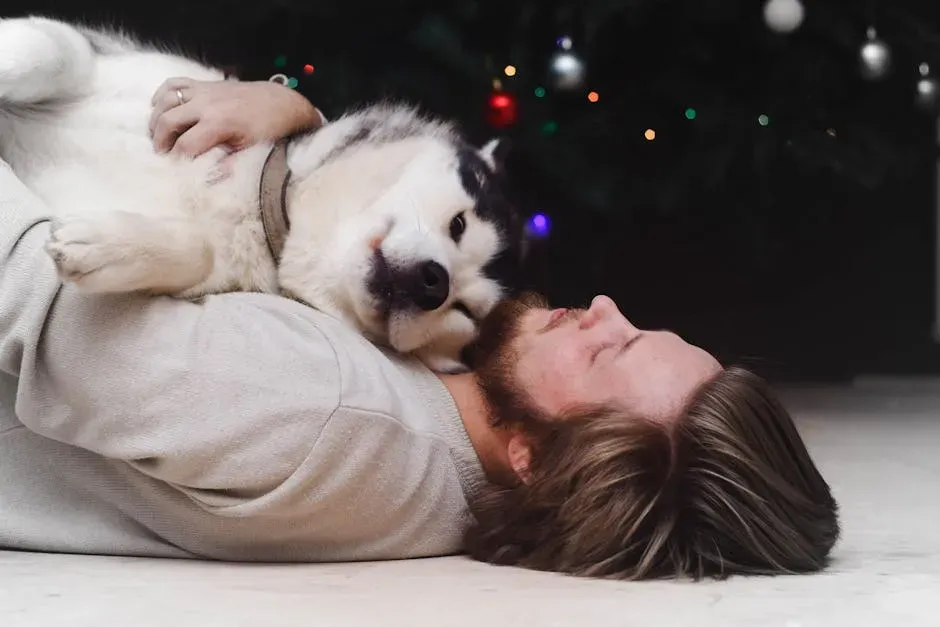
With their days and nights sometimes mixed up, dogs will tend to be active and awake at night, while sleeping most of the day. Signs such as anxiety, whining, or pacing in the middle of the night can be an indication of confusion. On other nights, though, something different happens entirely.
Your dog simply gravitates closer to you in the dark. Not anxious, not restless. Just near. Small changes to the environment can make a big difference in how your dog moves, rests, and enjoys the space they are in. Letting them sleep close, adjusting your space to accommodate theirs, is one of the quieter ways love shows itself in these years.
The Goodbye at the Door That Might One Day Be the Last
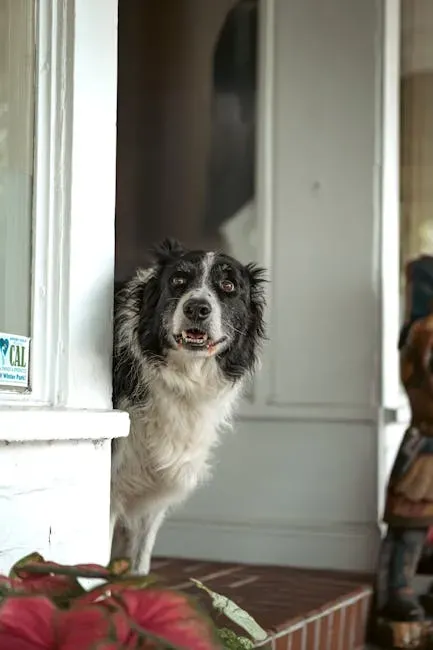
Every morning you leave, your senior dog watches from the doorway or the window. Maybe they used to follow you to the car. Now they stand and watch. That image, an older dog framed in the doorway, gray around the muzzle, patient and still, is one that tends to stay with people long after everything else has faded.
Dogs are with us for only a fraction of our lives. We love our dogs so much. It’s so important to love them and give them our time and attention before they are gone. Turn around one extra time. Look back. The door will still be there. So will they, for now.
Conclusion
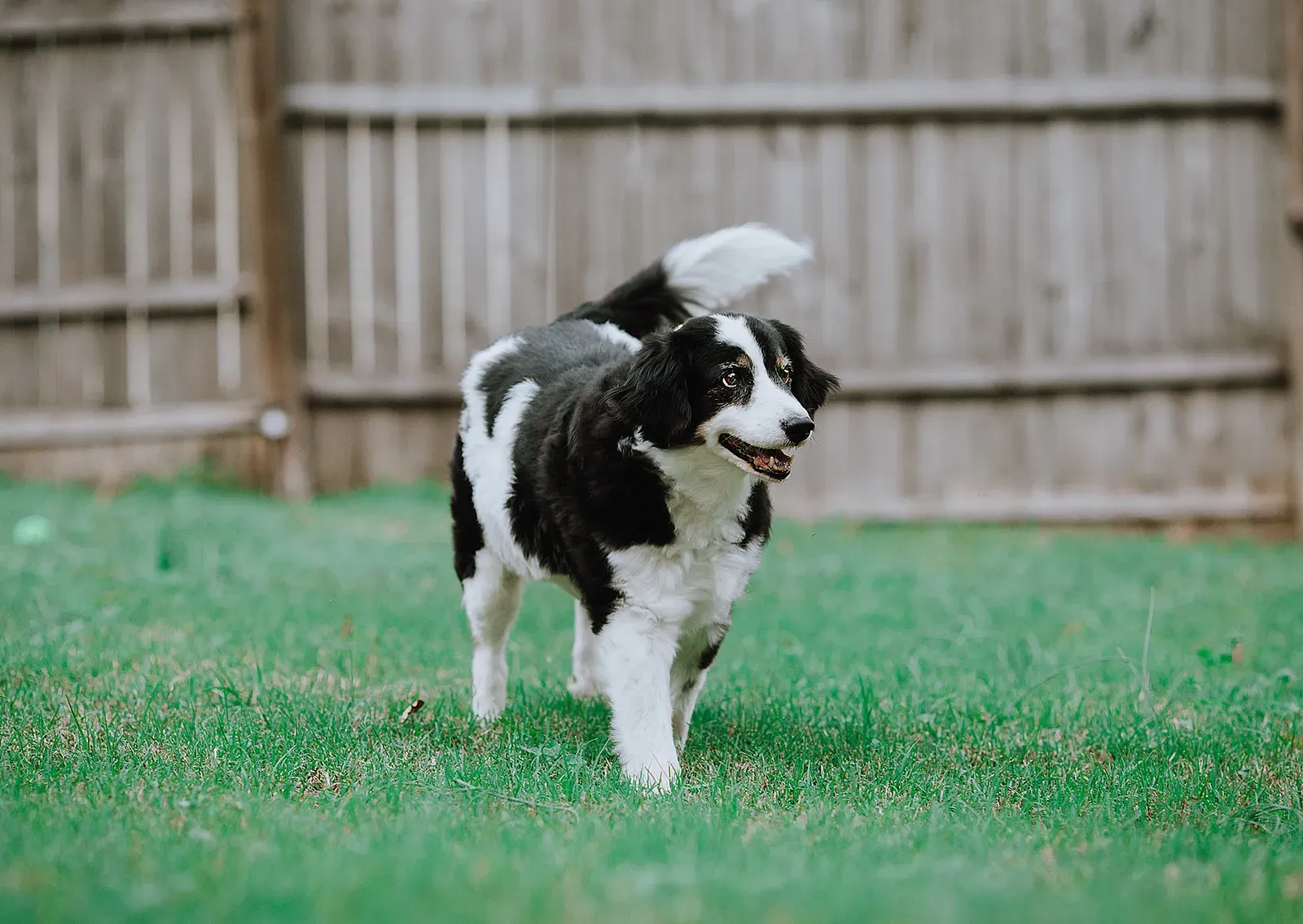
Senior dogs don’t ask for much. They ask for the same things they’ve always asked for: your presence, your patience, and the reassurance that they still belong. Caring for an older dog is a journey filled with love, challenges, and profound emotional growth. It’s a reminder of the beauty and fragility of life, and the importance of cherishing every moment with those we hold dear.
While caring for an older dog certainly has its difficult times, the joyful moments make it all worthwhile. Every day with our dog is a gift, an opportunity to enjoy life together. The moments listed here are not grand events. They are small, ordinary, easily overlooked. That’s precisely why they matter.
The gray muzzle, the careful steps, the eyes that still find yours across the room. None of it lasts forever. Most of the things worth holding onto never do. Pay attention now, while you still have the chance to.


