
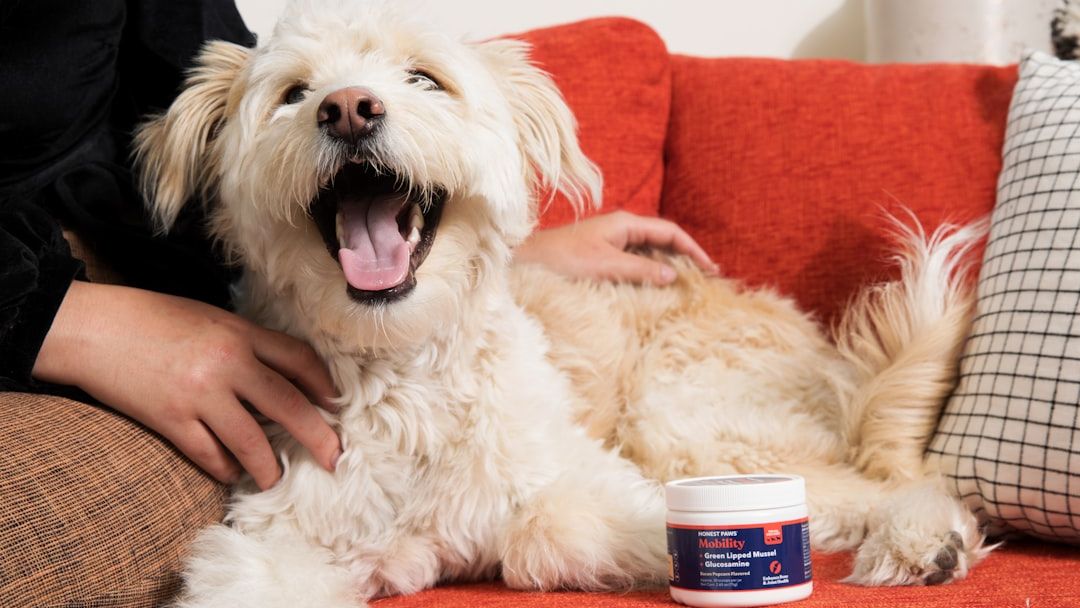
There’s nothing quite like the bond between a dog and their person. They greet you at the door like you’ve been gone for years, even if it was just a trip to the mailbox. They curl up beside you on your worst days without asking why. So when that energy starts to shift, when the tail wags slower or the eyes seem a little dimmer, it can feel like the ground is moving beneath your feet.
Recognizing the signs that your dog may be nearing the end of their life is one of the hardest and most loving things you’ll ever do as a pet parent. It’s not about accepting defeat. It’s about giving your best friend the dignity, comfort, and presence they deserve in their final chapter. So take a deep breath, keep reading, and know that you are not alone in this.
1. They’ve Lost Interest in Food and Water
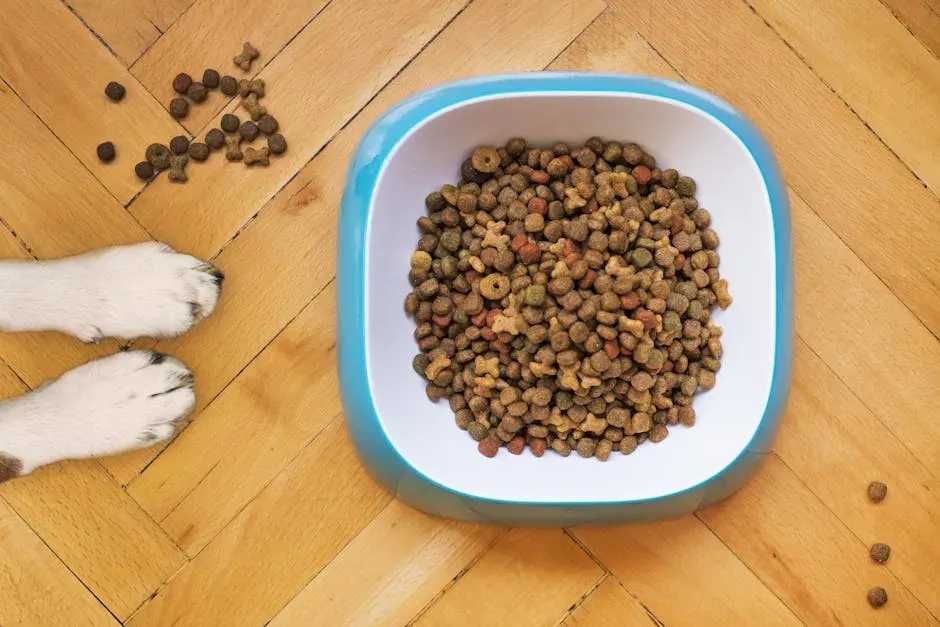
Loss of appetite is one of the most common signs that a dog may be dying. As older dogs approach the end of their time, their bodies start shutting down, including their digestive system. As a result, they might refuse to eat or become fussy with certain foods. Honestly, if your pup used to sprint to their food bowl and now just walks past it without a glance, that’s worth paying close attention to.
Pets may lose interest in food or water as vital organ functions begin to shut down. Your dog may be reluctant to approach their food bowl but continue to take treats, or they may stop eating altogether. Try warming up their food to enhance the smell, or offer gentle, easy-to-digest options like bone broth. If refusal persists, talk to your vet about palliative options.
2. Extreme and Unexplained Weight Loss
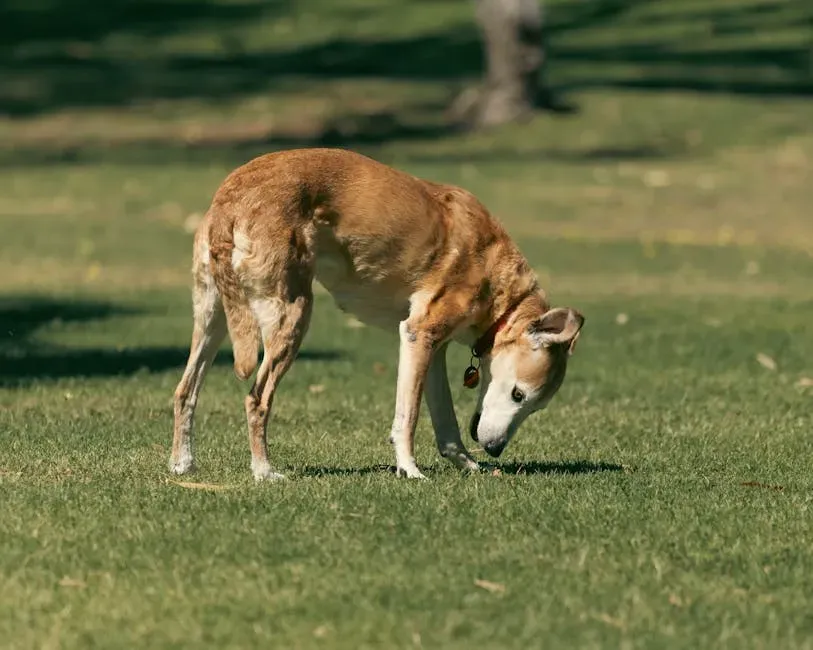
While weight loss is common in older dogs, extreme or rapid weight loss can be a sign that a dog is nearing the end of life. Extreme weight loss can occur from not eating or changes in their metabolism due to certain conditions. It can be heartbreaking to notice your dog’s once-sturdy frame looking fragile and thin almost overnight.
Weight loss is very common in senior dogs and will start well before the end of life. Part of this is a normal aspect of the aging process: as the dog gets older, the body becomes less efficient at digesting protein, which causes a loss of muscle mass. If there is a loss of muscle mass around hips and spine, and loose and sagging skin due to fat loss, you can focus on giving your dog a high-calorie diet if they can still eat. Consult your vet for supplements to keep them nourished.
3. Labored or Irregular Breathing
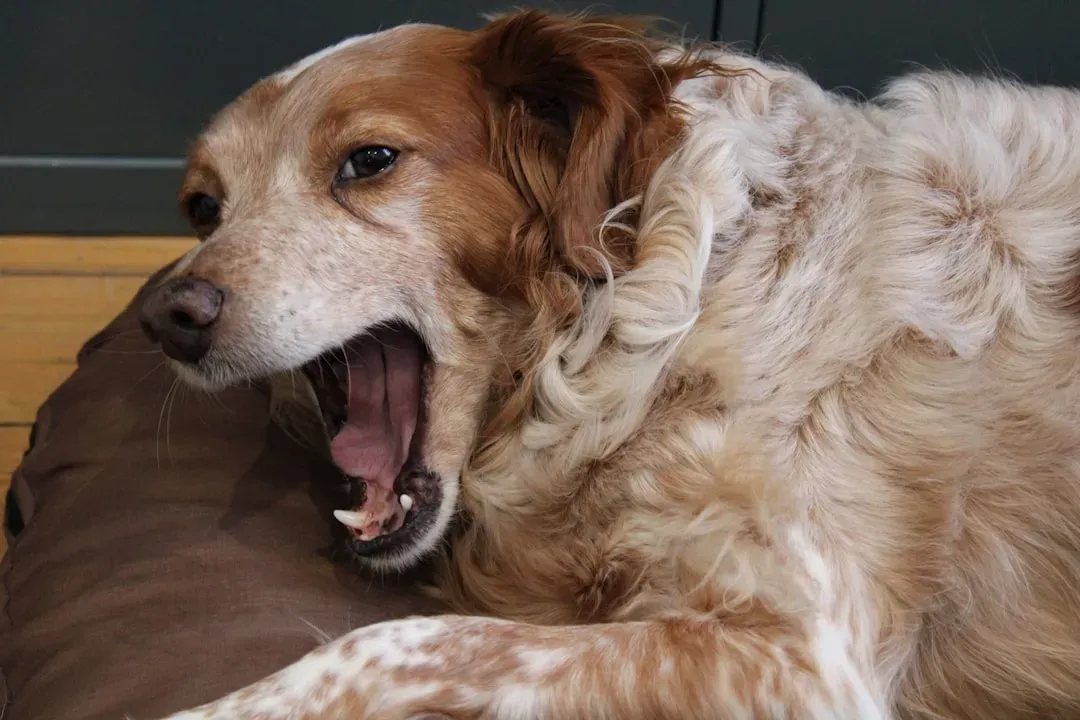
Irregular, shallow, or labored breathing is a warning sign that a dog may be dying. Particularly in a pet’s final hours, a gasping breath pattern known as agonal breaths may occur. Think of it like this: the body is working harder and harder just to keep the basics going, like a car engine sputtering on empty.
Dogs may start panting even while at rest, develop a cough, or have increased difficulty drawing a normal breath. This can be secondary to heart failure, respiratory diseases, cancer, or a metabolic disease such as diabetes, kidney failure, or liver or adrenal gland disorders. If you notice any of these breathing changes, contact your vet right away. Do not wait on this one.
4. Extreme Lethargy and Sleeping Through Everything
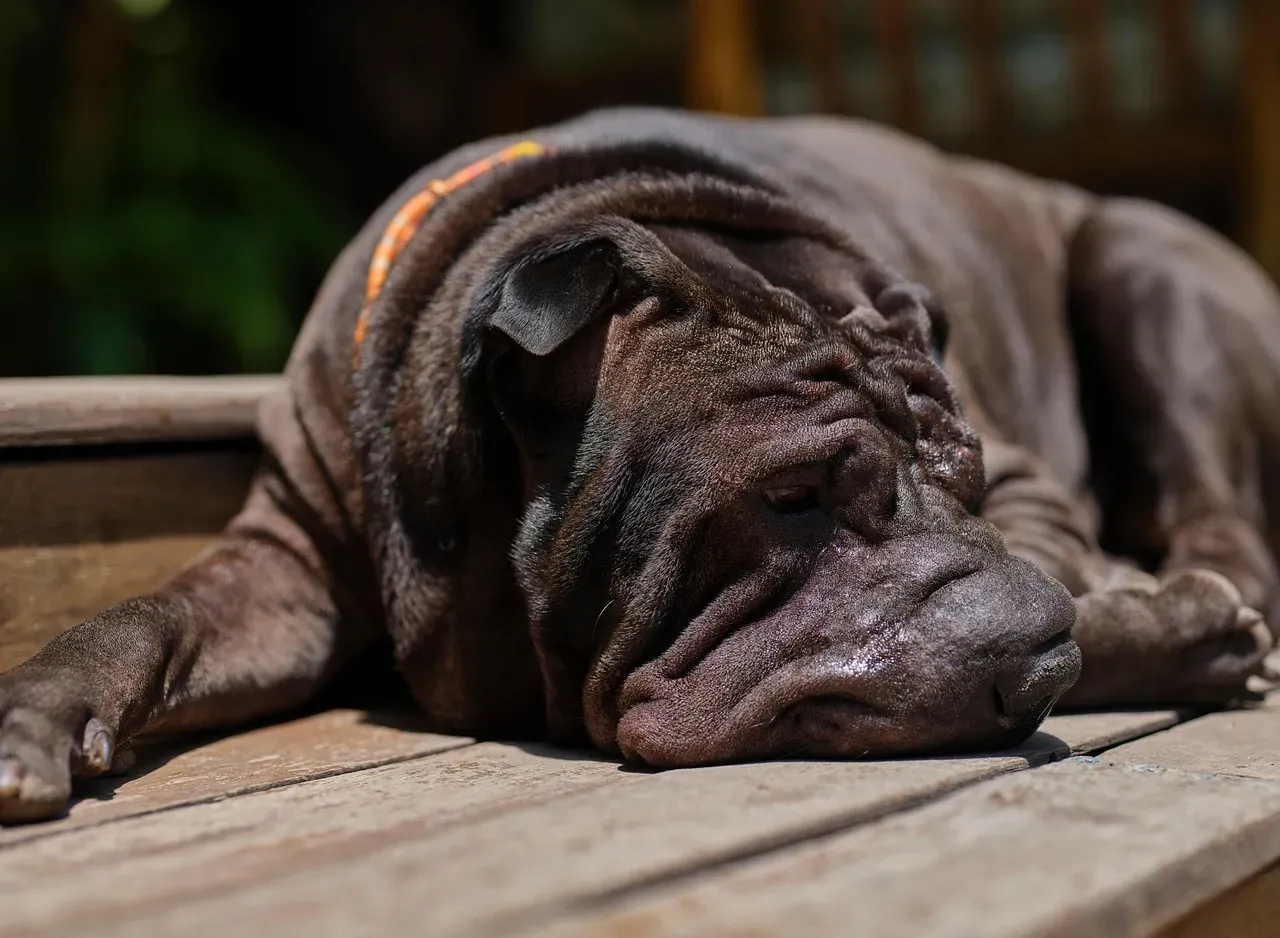
Dogs sleep a lot as it is, so when they become lethargic at the end of their life it can be quite noticeable. If your dog no longer wakes at normal intervals or snoozes through meal times, it could be a sign that their health is failing. We’re not talking about lazy Sunday naps here. This is different, a kind of heaviness that’s hard to describe until you see it.
Senior dogs sleep a lot. As your dog nears the end of their life, they will sleep more and more and will tire more easily. They may also opt to stay home on their dog bed instead of going on walks and outings like they used to. Make sure they have a soft, comfortable resting space they can access without having to climb or jump.
5. Withdrawal and Social Isolation
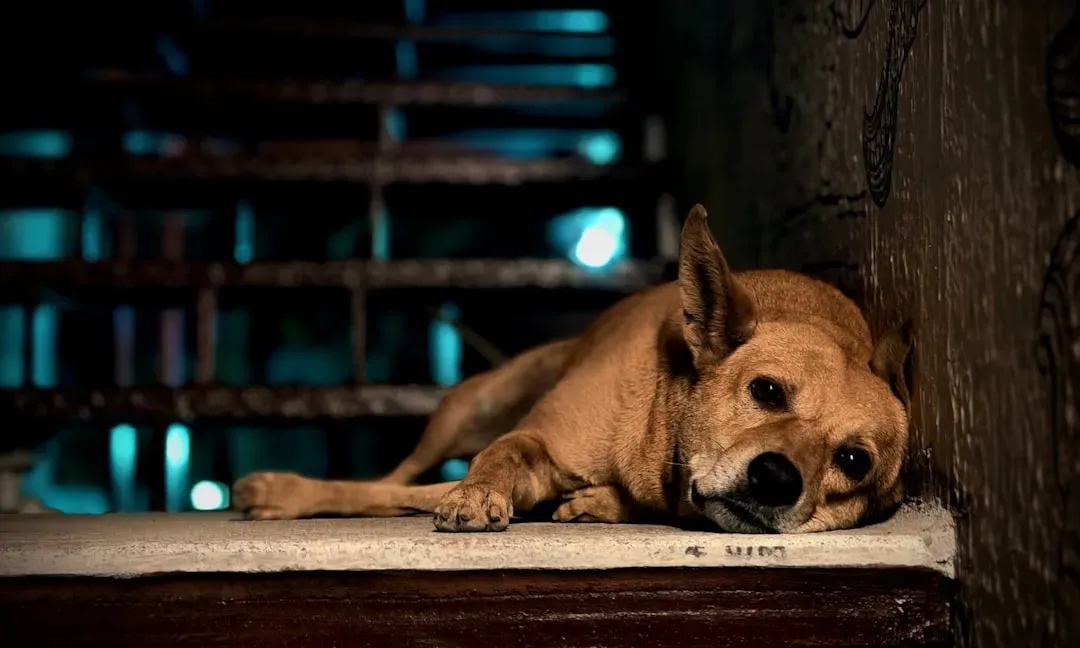
If your dog isolates themselves and avoids interaction with family, this can be a sign they’re preparing for the end. Respect their need for space while staying nearby to observe them and provide for their basic needs as well as comfort. It can feel personal when your dog retreats from you, but it’s not rejection. It’s instinct.
Sometimes the clearest sign that your dog is dying is their detachment from their favorite humans. It could be as subtle as heading to bed early while the family is still together in another room, or it could be more dramatic, like hiding in a closet or underneath the porch. Follow their lead, offer gentle presence, and keep the environment calm and quiet.
6. Unusual Clinginess or Seeking Extra Comfort

Here’s the thing: not every dog pulls away at the end. Some do the exact opposite. A dog nearing the end of its life may become very quiet, clingy, or want to hide away in a corner or under furniture. They might stop eating, show little interest in toys or walks, and mostly sleep. Some dogs seek extra cuddles, while others prefer to be left alone, and both responses are completely normal.
Dogs who don’t feel well may become more clingy, anxious, or restless, while others may seek alone time in unusual places in the home or yard. If your dog is suddenly shadowing your every move, glued to your side in a way they’ve never been before, take it as an invitation. Sit with them. Let them feel safe with you near.
7. Loss of Mobility and Coordination
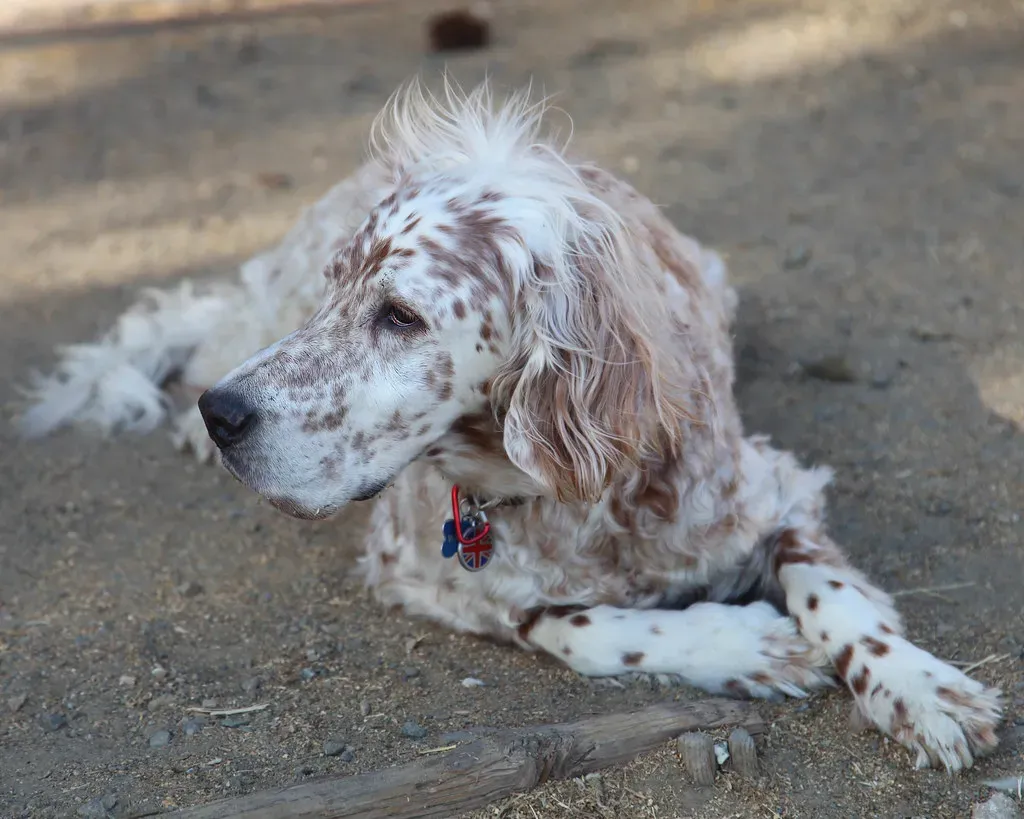
Decreased mobility is a common symptom of aging and will steadily get worse. This may be due to pain from arthritis or other injuries, loss of muscle mass causing a decrease in strength, or unsureness because of declining vision. Changes in mobility often start subtly, with the dog trotting after a ball instead of running, gradually progressing to not being able to jump on furniture or into the car, struggling with stairs, and having trouble getting up after a nap.
Between the loss of muscle mass and the malfunction of proprioceptive nerves, coordination will decline. The dog may struggle with steps and navigating obstacles, or slip on non-carpeted surfaces. Some dogs stumble or have trouble placing their feet correctly when walking. Lay down non-slip rugs, use a support harness for walks, and move their food and water to easier-to-reach spots.
8. Incontinence and Loss of Bladder or Bowel Control
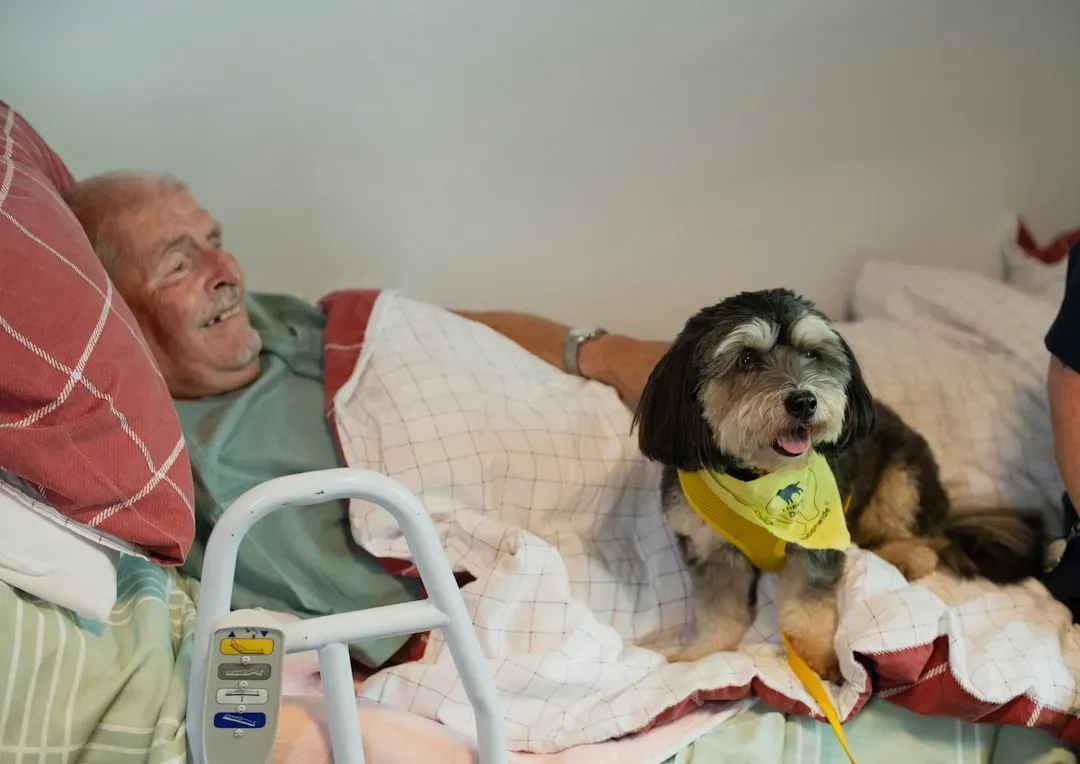
Urine incontinence and fecal incontinence are both common dog dying symptoms. Dogs may be physically unable to rise from their beds to go outside, or they may have musculoskeletal and neurological deterioration that affects their urethral and anal sphincters. If your perfectly house-trained dog is suddenly having accidents, please don’t scold them. They’re not misbehaving. Their body is simply letting go.
When dogs lose control of their bodily functions despite having always been house-trained, it often indicates declining health. They might seem confused or distressed about these accidents, or may not even notice them happening. Dogs normally abhor messes in their resting areas and inside their home. Keep their area clean and comfortable not only for sanitary reasons but also to retain your dog’s sense of dignity.
9. Cognitive Confusion and Disorientation

In the later stages of life, some dogs may experience cognitive decline, commonly referred to as canine cognitive dysfunction syndrome or “doggie dementia.” Symptoms include disorientation, confusion, changes in sleep patterns, decreased responsiveness, and altered social behavior. While it is not directly life-threatening, it can significantly impact your dog’s quality of life. Imagine waking up and not knowing where you are in your own home. That’s what this can feel like for them.
Some pets become mentally disoriented as they decline, which may reflect serious cognitive dysfunction or a health condition affecting the brain. Affected pets may pace, stare, vocalize, develop anxiety, or seem lost in their once-familiar home. Medication and sticking to a routine can sometimes help these pets, although the behaviors can be distressing for pet owners too. Providing a soothing home environment can benefit both you and your pet.
10. Unmanageable Pain and Visible Discomfort
If your dog is in pain, it may remain hidden or become reluctant to interact with the family. Your dog may seem to be panting more than usual or trembling. You may also notice other signs of pain like irritability, restlessness, or aggression. Pain in dogs is sneaky like that. They’re wired to mask it, so by the time it’s obvious, it’s often been building for a while.
Discomfort from an illness or condition can become more noticeable in a dying dog. Signs of pain include limping, trembling, vocalizing, panting, or flinching, depending on the source of the pain. Some pets may isolate themselves to cope and hide their signs of pain, while others show obvious distress. Pain that cannot be controlled with medications or other treatments is a strong indication that it’s time to consider euthanasia.
11. Changes in Body Temperature
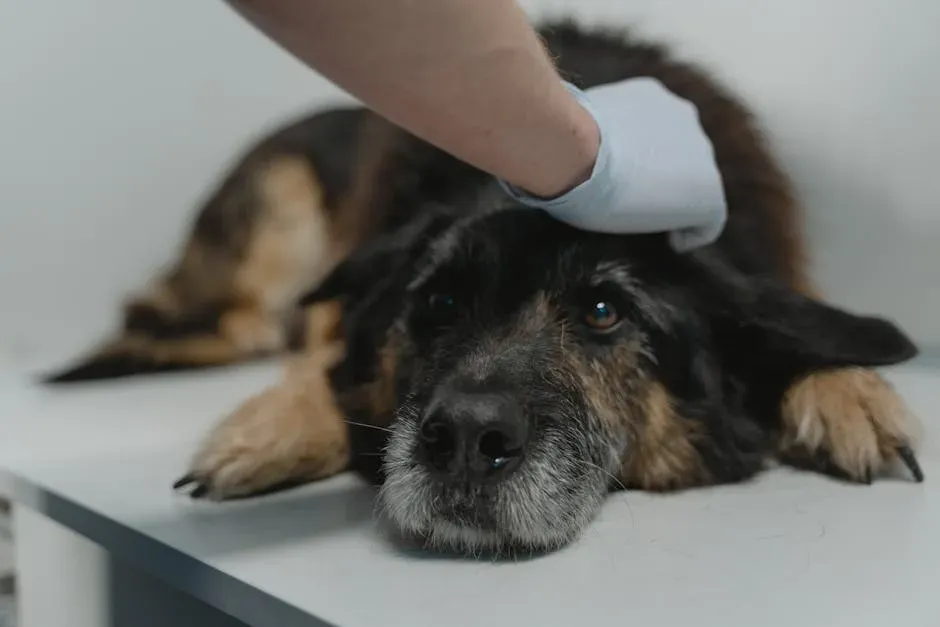
If your dog is sick, aging, or near the end of life, you may notice they get hotter or colder than they used to. These temperature changes are due to hormonal changes that can make it difficult for your dog’s body to regulate temperature. A good way to check is to gently feel their ears, paws, and belly. Cool extremities can be an early signal that circulation is slowing down.
A dying pet’s body may develop cardiovascular shock, causing poor circulation and low blood pressure. The pet may become cold or appear pale or bluish from lack of oxygen. These changes indicate the end is very near. Keep a soft, warm blanket nearby and a pet-safe heating pad if needed. Warmth and comfort are everything at this stage.
12. Dull Eyes and a Faded Expression
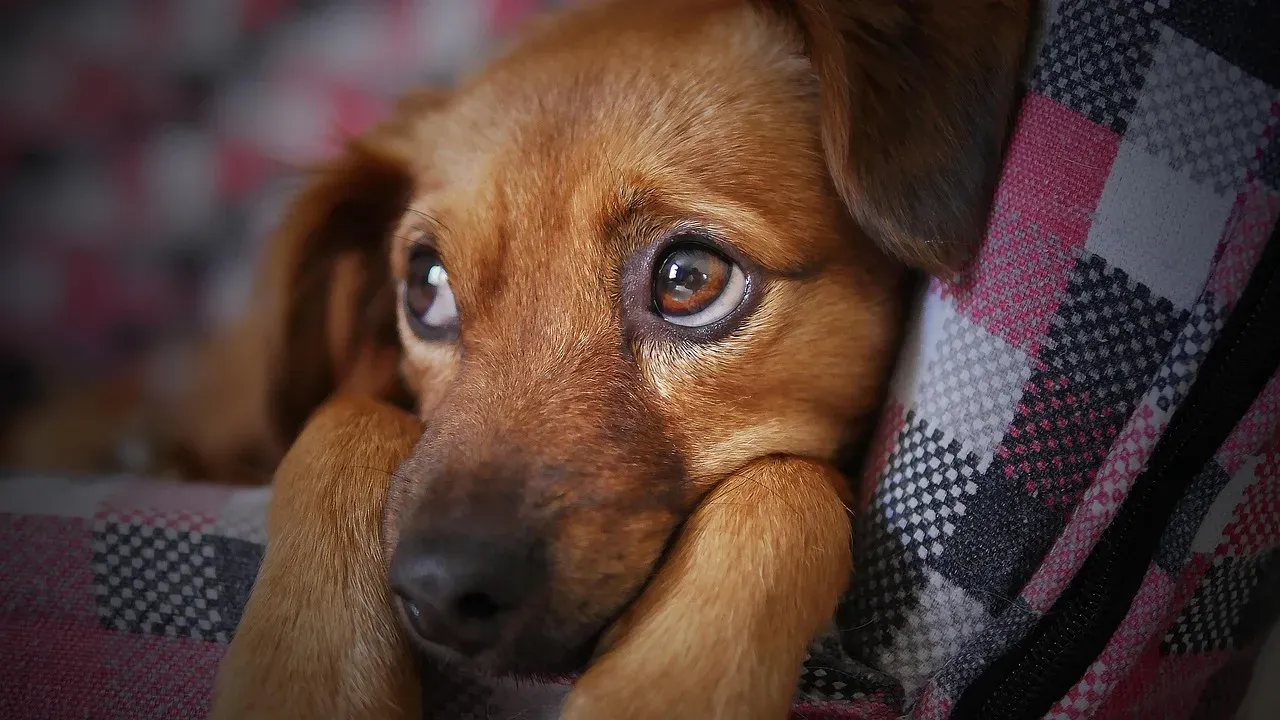
I think most dog lovers will tell you the same thing: you can feel a change in your dog’s eyes before you can explain it. By itself, dull eyes may be a sign of age or an eye condition; however, when taken together with other signs, it could mean something more. That sparkle, that bright, eager alertness that greets you every morning, starts to soften and fade.
What families are often seeing are physical changes from illness, like muscle loss that makes the eyes look sunken or pain that creates tension in the face. These are medical signs, not a goodbye glance. It’s hard to say for sure what’s happening behind those eyes, but staying present and calm is the greatest gift you can give your dog in this time.
13. Changes in Coat, Skin, and Overall Appearance
An aging dog’s coat might become thinner, drier, or more brittle. Additionally, you might notice changes in their skin, such as dryness, lumps, or sores that take longer to heal. These physical changes are often signs of the body’s slowing ability to repair itself. It’s as though the body is quietly redirecting its energy elsewhere, away from the surface.
Due to decreased hygiene and grooming behavior, your dog’s coat may also look dull or unkempt. Near the end of life, dogs may be in too much pain or discomfort to groom. Gentle brushing, if tolerated, can be wonderfully soothing for both of you. It’s a small act of care that carries enormous weight.
14. Depression and Disinterest in Favorite Things

Depression is a common side effect of dying. Maybe your dog has lost interest in treats or toys, or no longer runs to the door to greet you when you get home. Fatigue, pulling back from social situations, and lack of interest in their favorite things all indicate depression and could mean that the end is drawing near. That beloved tennis ball sitting ignored in the corner tells a quiet, heartbreaking story.
Veterinarians often encourage their clients to make a list of their pet’s five favorite things, such as eating, going for walks, chewing bones, etc. When a sick or elderly dog can no longer do three or more of these things, it is time to consider an end-of-life plan. This is actually a helpful, practical tool. It shifts the focus from fear to quality of life, which is exactly where it should be.
15. The Body Simply Stops Responding to Treatment

As your dog’s body wears out, they may stop responding to treatments and medications that had previously kept them happy and healthy. A dog with arthritis may require additional pain medications, or a dog with diabetes may require seemingly endless insulin dose changes. A dog with cancer may continue to lose weight and deteriorate despite treatment and appetite stimulants to keep them eating well. This is often the most telling sign of all.
A dog nearing the end of life often shows symptoms including significant appetite loss, extreme lethargy, difficulty maintaining balance, respiratory changes, and disinterest in activities. These signs, especially when occurring together and progressively worsening, suggest it may be time to consult with your veterinarian about euthanasia options. Choosing comfort over cure, at a certain point, is not giving up. It’s the deepest form of love.
What You Can Do: Being Present Is Everything
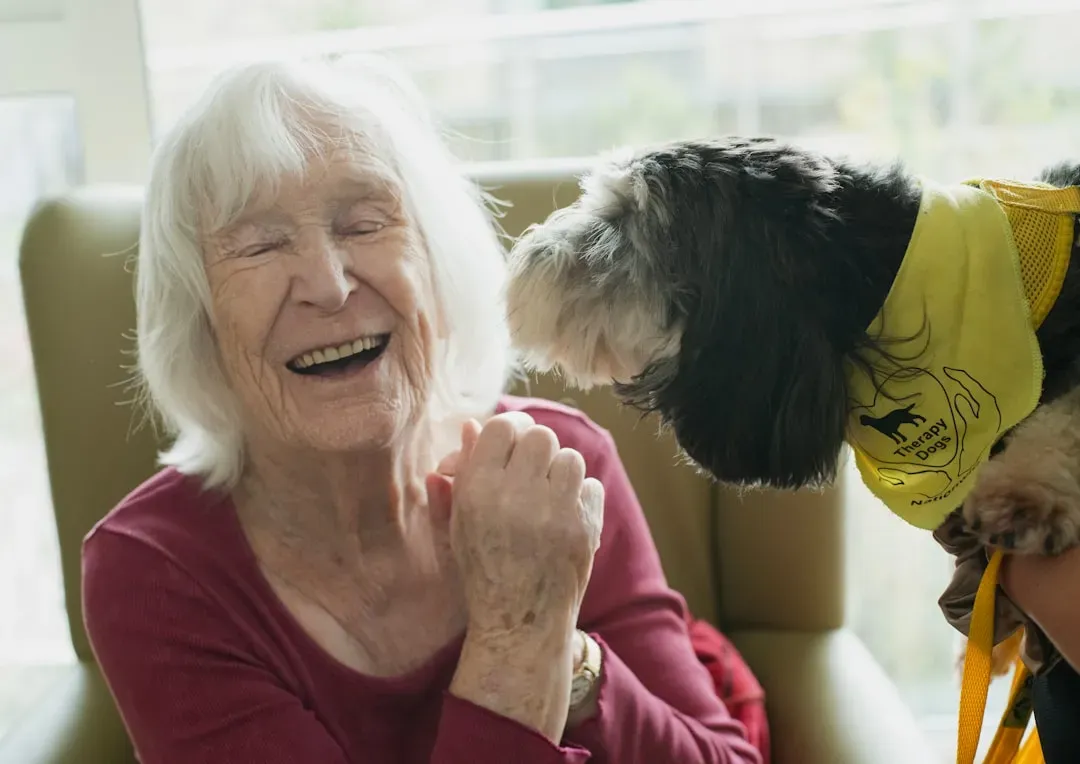
When , the most powerful thing you can offer is your presence. If your dog has a favorite blanket, toy, or an item of clothing that smells like you, keep those nearby to comfort them. Spending as much time as possible with your dog will not only give them the emotional support and comfort they need, but it will also allow you to watch for signs of discomfort or anxiety.
Keep them company or leave them alone depending on their preferences. Stick to your usual routines as much as possible so your dog has a schedule that they are familiar with and enjoys. If long walks are no longer an option, spend that time sitting together instead. Routine, familiarity, and your voice, those things matter more than any treatment ever could in these final days.
Recognizing these signs and making end-of-life decisions for your dog is never easy, but it’s an act of love. You don’t have to face this alone. Lean on your vet, reach out to pet loss support groups, and be gentle with yourself through every wave of grief that comes.
Final Thoughts: Love Them Through Every Moment
Watching a dog approach the end of their life is one of the most tender, difficult, and sacred experiences in the human-animal relationship. The signs are rarely loud or sudden. They whisper to you in the way your dog looks up at you a little slower, or how their food bowl stays full a little too long. Pay attention. Trust your gut.
Many pet parents seem to sense when something is off with a pet’s overall energy or expressions. Trust your gut as a pet owner, especially if other signs of dying are present or your pet has a diagnosis that makes dying more likely. You know your dog better than anyone in the world.
Their whole life, they asked for nothing but your love and your time. In their final chapter, that’s still all they need. Give it freely, without reservation. Because at the end of every good life, the greatest comfort in the world is simply knowing that someone who loves you is right there beside you.
What signs have you noticed in your own dog? We’d love to hear your story in the comments below. You might just help another dog parent feel a little less alone tonight.


