
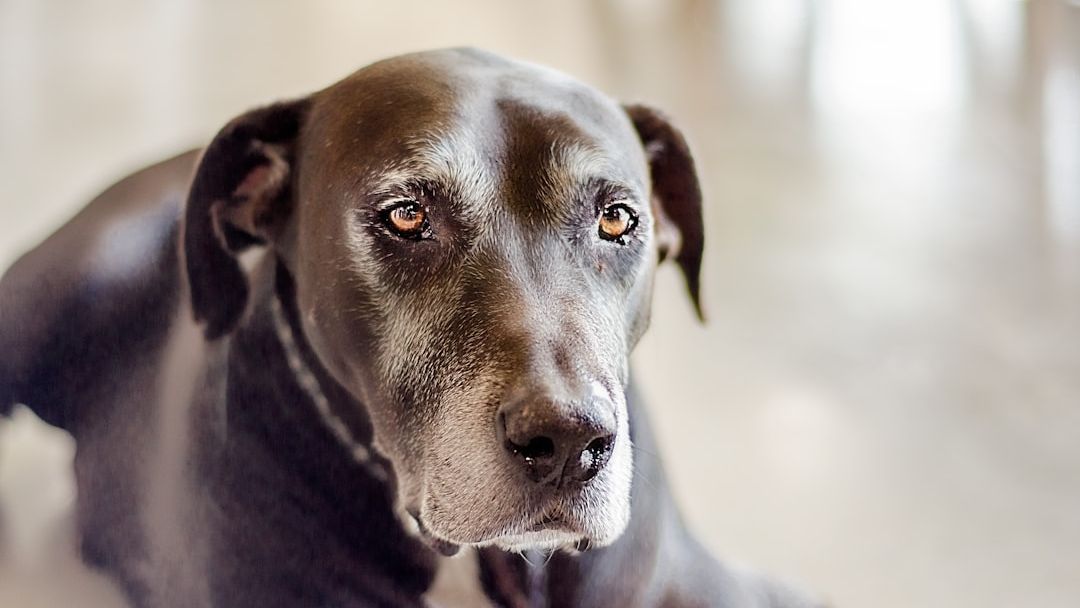
#1: The Slow, Stiff Start to Every Morning
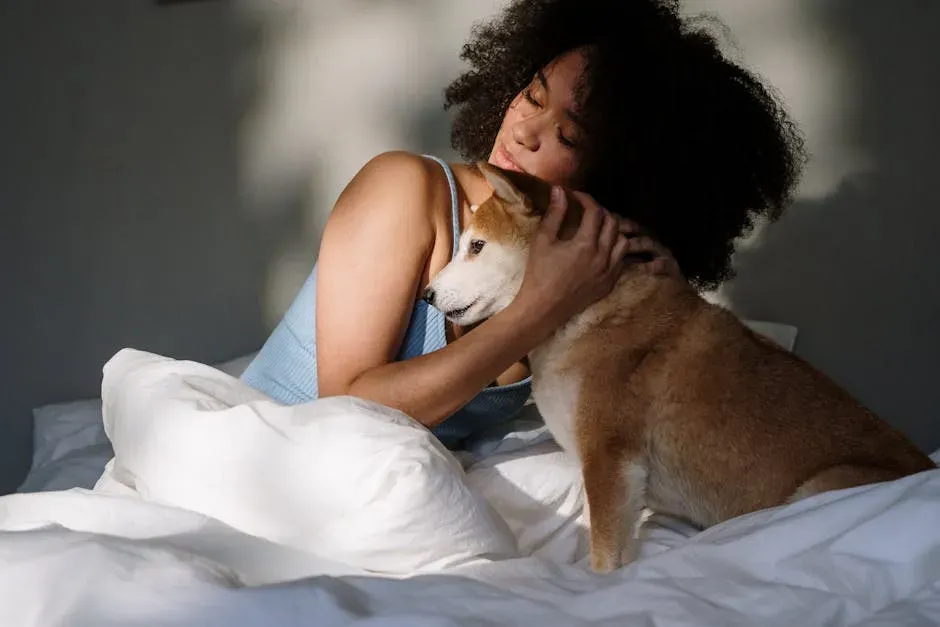
You’ve probably noticed your senior dog taking a little longer to get going after a nap or a full night’s sleep. Most owners chalk it up to age. Most typically, the first sign of pain is when your dog shows a bit of stiffness when first getting up after resting, and in early stages, that stiffness will diminish quickly with activity as they “warm up.” That improvement with movement is exactly what makes this sign so deceptive.
A dog that wakes up from sleep stiff and takes several minutes to loosen up is a common presentation of joint discomfort. This often improves with movement, which can make owners underestimate how significant it is. If you’re watching your dog wobble for the first five minutes of every morning, that’s not just “being old.” That’s a pattern worth taking to your vet.
#2: Hesitating Before Jumping or Climbing
Watch how your dog moves from lying down to standing, or how they navigate getting into the car or onto furniture they used to jump onto easily. Hesitation, a slower pace, or a changed approach to these movements often signals joint discomfort. That pause before the leap isn’t thoughtfulness. It’s your dog calculating whether the pain is worth it.
A senior dog who suddenly hesitates at the stairs, refuses to jump onto their favorite couch, or avoids the food bowl may be struggling with joint pain, dental discomfort, or an internal condition affecting their comfort. The fact that they still attempt it sometimes fools owners into thinking everything is fine. It isn’t. They’re simply managing discomfort the only way they know how.
#3: Suddenly Not Greeting You at the Door
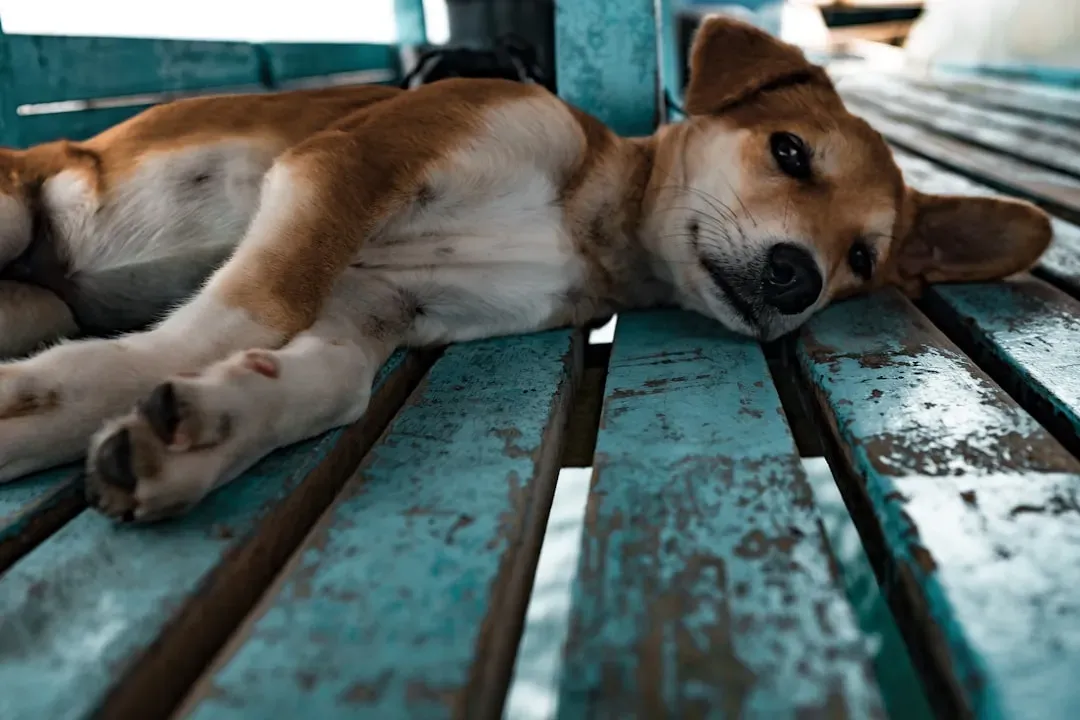
Dogs that are in pain may be less social. If your dog previously came to greet you every time you walked through the door, and is now not doing so, pain could be the cause. It’s easy to interpret this as mood or personality change. It’s actually one of the most quietly telling signs something is wrong.
A dog that’s hurting may become withdrawn or less interested in interaction. A dog that used to greet you at the door and now stays on their bed isn’t necessarily being stubborn – they may be managing discomfort by staying still. Moving hurts. Staying put doesn’t. That calculation plays out every single time your dog decides not to get up.
#4: Flinching or Pulling Away From Touch
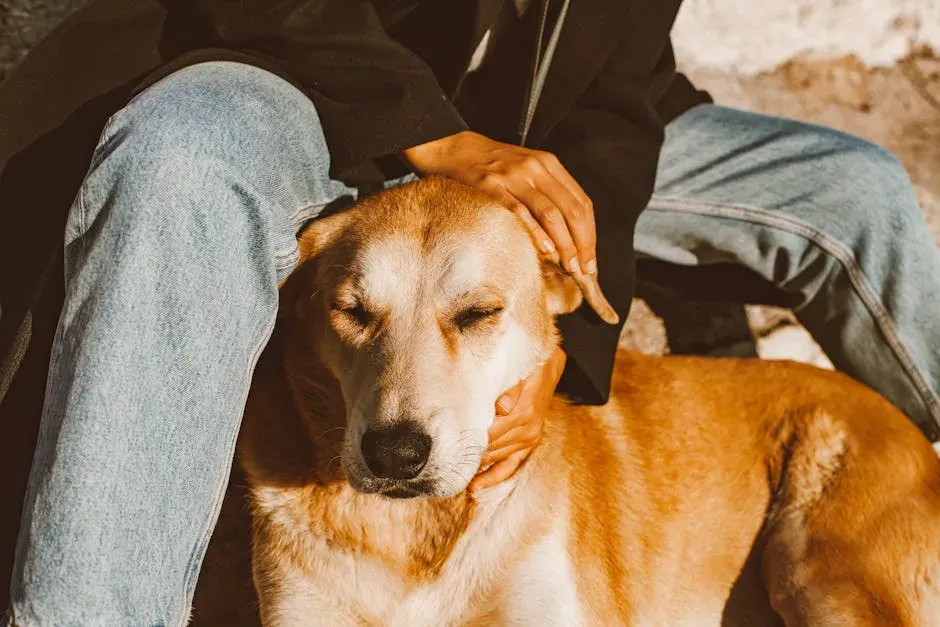
A dog with no pain issues should cheerfully accept the handling of all body parts. When a senior dog starts flinching away from pets in certain areas, or tenses up when you run your hand along their back or hips, that reaction is meaningful. If touching your dog in certain areas leads to resistance, it can be a sign of pain. A healthy dog will happily accept handling and should have no problem if you run your hands all over their body.
Pain of any kind, but particularly the chronic pain associated with osteoarthritis, can become generalized so that the dog feels discomfort even in areas of the body far from the arthritic joints. When this happens, dogs become more sensitive in all areas of their body, and even being combed or brushed can feel painful. Your dog isn’t being dramatic. Their whole nervous system is on edge.
#5: Refusing to Be Groomed
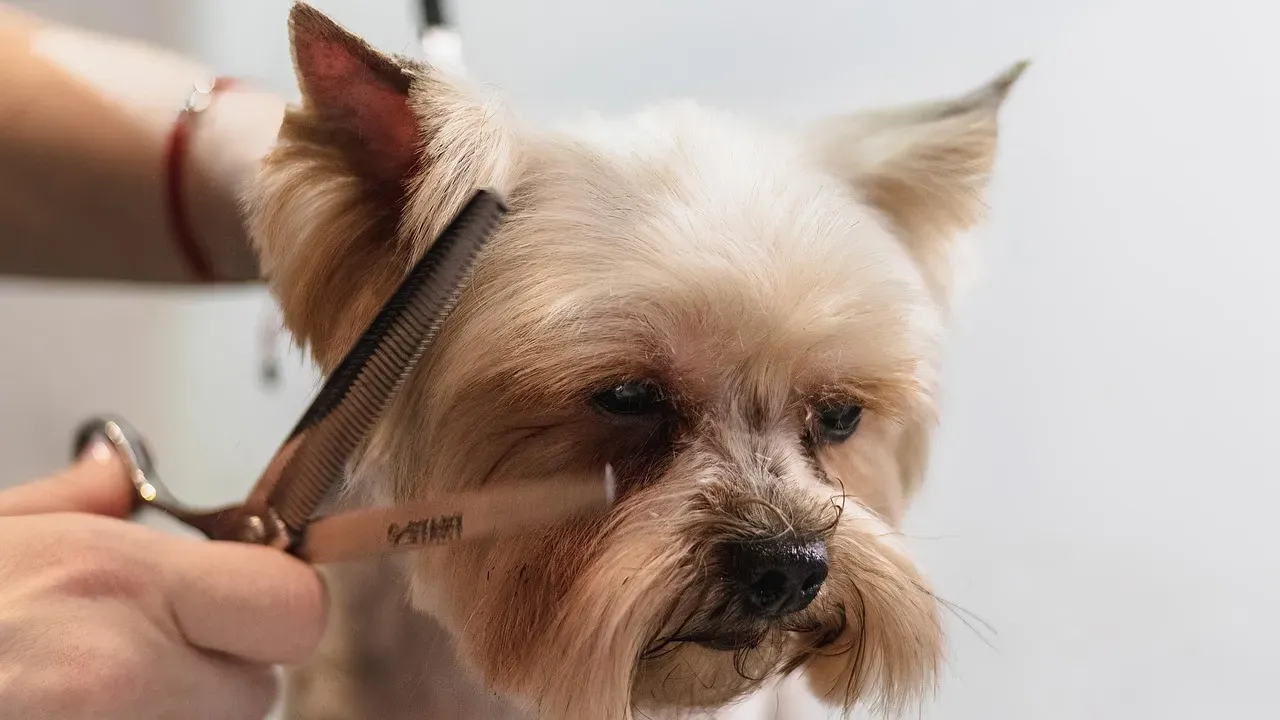
An often-overlooked sign of pain in dogs is a reluctance to be brushed, combed, or otherwise groomed. A dog who used to love a good brushing and now snaps, squirms, or walks away is communicating something specific. If your senior dog is showing reluctance to be groomed, it could be due to pain. Chronic pain can cause the dog to avoid things they might have enjoyed previously, and pain can become generalized such that the dog experiences discomfort and becomes more sensitive during brushing or combing sessions.
These dogs often develop dandruff and those that have medium or long hair commonly develop mats in their coat and can have urine or fecal stains on their hind end. If your dog’s coat has noticeably declined in quality and they’re resisting your help, don’t dismiss it as stubbornness. It’s worth a closer look.
#6: Eating More Slowly or Walking Away From the Bowl
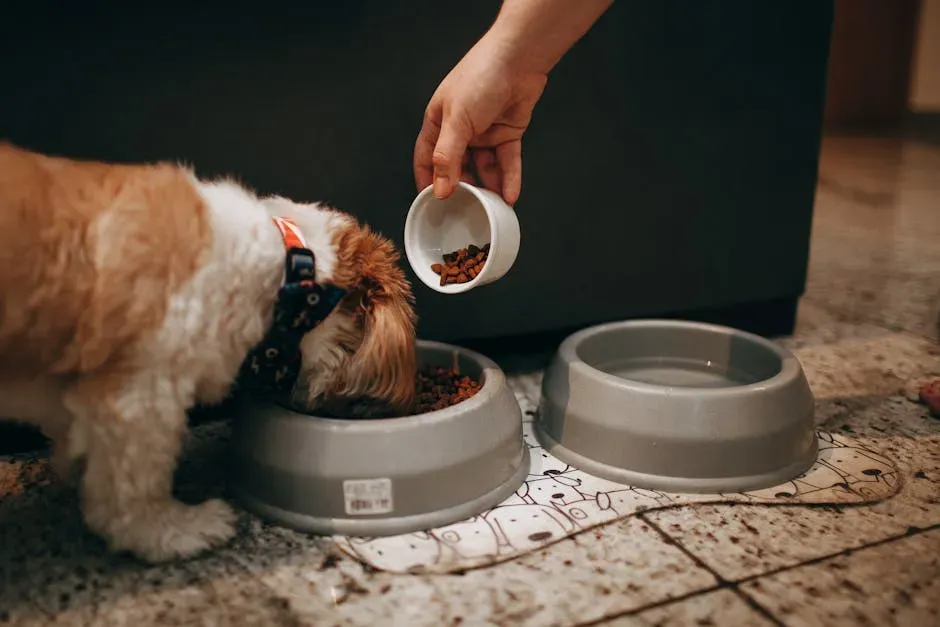
Another sign that your dog might be in pain is a change in their eating and drinking habits. This could manifest as a loss of appetite or difficulty chewing or swallowing, especially if your dog shows interest in food but then walks away without eating much. This pattern – interest followed by retreat – is particularly telling.
Reduced appetite is a common sign of pain, particularly when dental disease is involved. Many pet owners assume their senior pet is simply becoming “picky,” when in reality, eating has become painful. Dental pain is one of the most underdiagnosed sources of discomfort in older pets, and it can have a significant impact on overall health and quality of life. Check your dog’s mouth if you can do so safely, and schedule a dental exam with your vet if eating behavior has recently changed.
#7: Restless Sleep and Constant Position Changes at Night

Older dogs naturally sleep more, but pain causes restless sleep, frequent position changes, or difficulty settling. If your dog is up repeatedly through the night, circling, or lying down only to get up again within minutes, it’s not insomnia in the human sense. They simply can’t find a position that doesn’t hurt. If your dog has to get up several times a night to rearrange themselves, is pacing and panting, asking to go out, or vocalizing, then something is wrong.
A dog in pain is not capable of sitting or lying comfortably. They may seem restless or shift their bodies often when trying to get comfortable. Watch their sleeping behavior over a few nights. A dog who wakes up the household multiple times a week trying to settle is likely hurting, and that pattern deserves veterinary attention sooner rather than later.
#8: Increased Panting at Rest
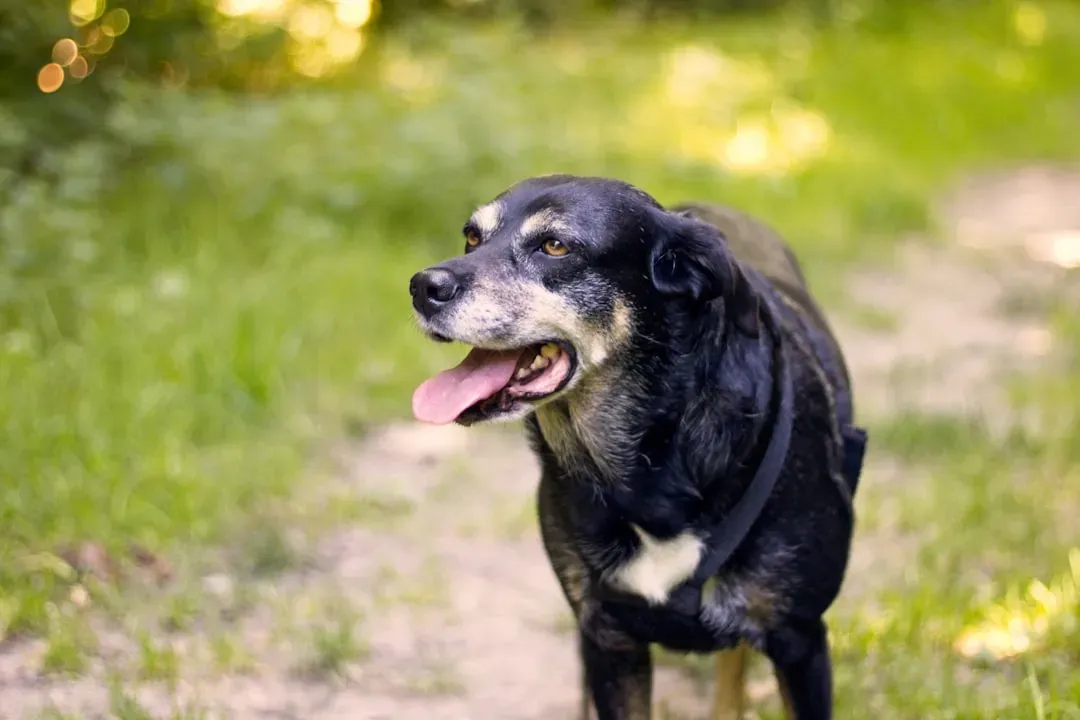
Increased panting at night or during the day is one of the more common changes seen in senior dogs. This can mean several different things – pain, nausea, anxiety, being too warm, or even dementia. When the temperature is fine and your dog isn’t post-exercise, that panting has to come from somewhere. Pain is one of the most frequent culprits.
Shallow, faster breathing at rest – particularly in a dog that isn’t hot or anxious – can be a sign of discomfort. It’s a subtler indicator but worth noting if it appears alongside other signals. Panting is the body’s way of managing stress, and chronic pain creates constant internal stress. If your senior dog pants regularly when they should be relaxed, take note.
#9: Uncharacteristic Irritability or Growling
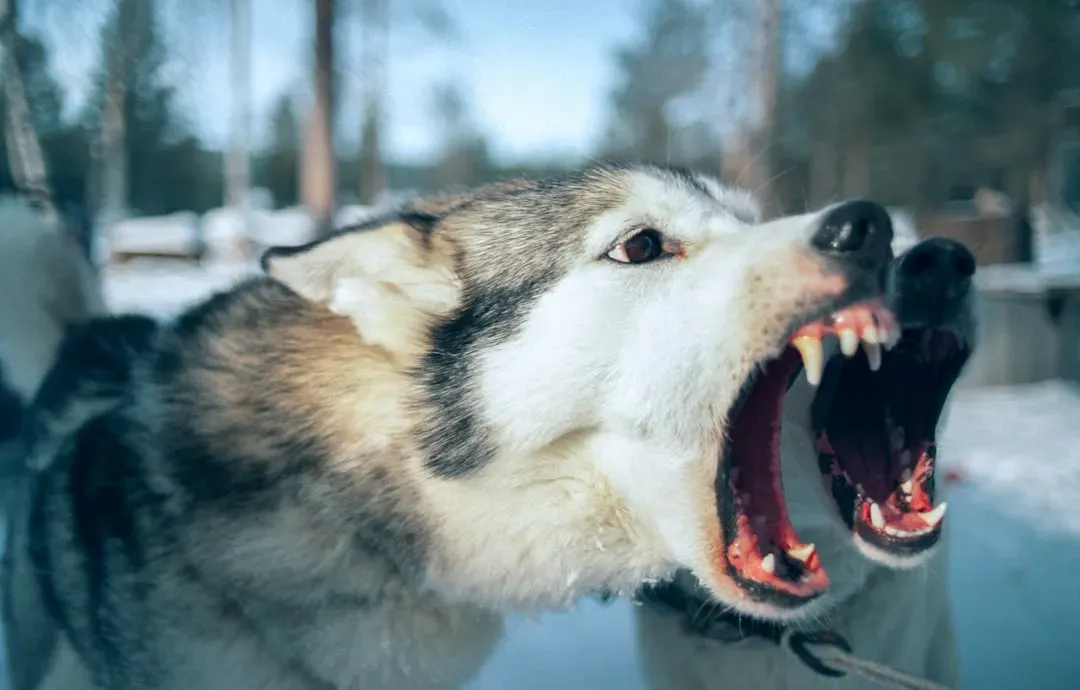
A dog in pain tends to behave differently than what’s usual for them. Just like us, dogs tend to be crankier when they are experiencing pain. A dog who snaps at a child they’ve always loved, or growls when approached by a housemate they’ve lived with for years, is not becoming aggressive without reason. Pain changes temperament. Dogs may also be less social or even aggressive towards other pets they have previously gotten along well with.
Growling and biting incidents when one area is touched may indicate that the dog is experiencing pain in that region. This reaction is actually your dog’s most direct form of communication. They’re telling you, as clearly as they can, that something hurts. Punishing that growl or dismissing it as “grumpiness” misses the message entirely.
#10: Shifting Weight or Altered Posture
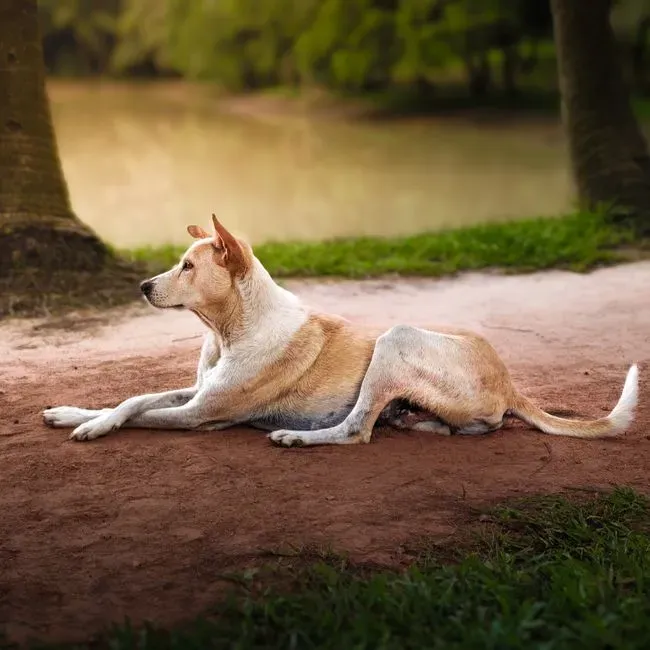
A dog carrying their weight differently – shifting it forward to take pressure off the hips, for example – is often compensating for discomfort somewhere. A hunched back can indicate spinal or abdominal issues. These postural changes happen gradually, which is part of why owners miss them. The dog looks “a bit different” one day, and weeks later it’s become their new normal.
We can look for changes in posture and gait, which can often be quite specific for pain. Changes in posture like a “tucked” abdomen or “hunched” back usually indicate pain. Stand back and really look at your dog from the side occasionally. A shift in how they hold themselves, even a small one, often reflects something they’ve been quietly dealing with for some time.
#11: Subtle Changes in Facial Expression
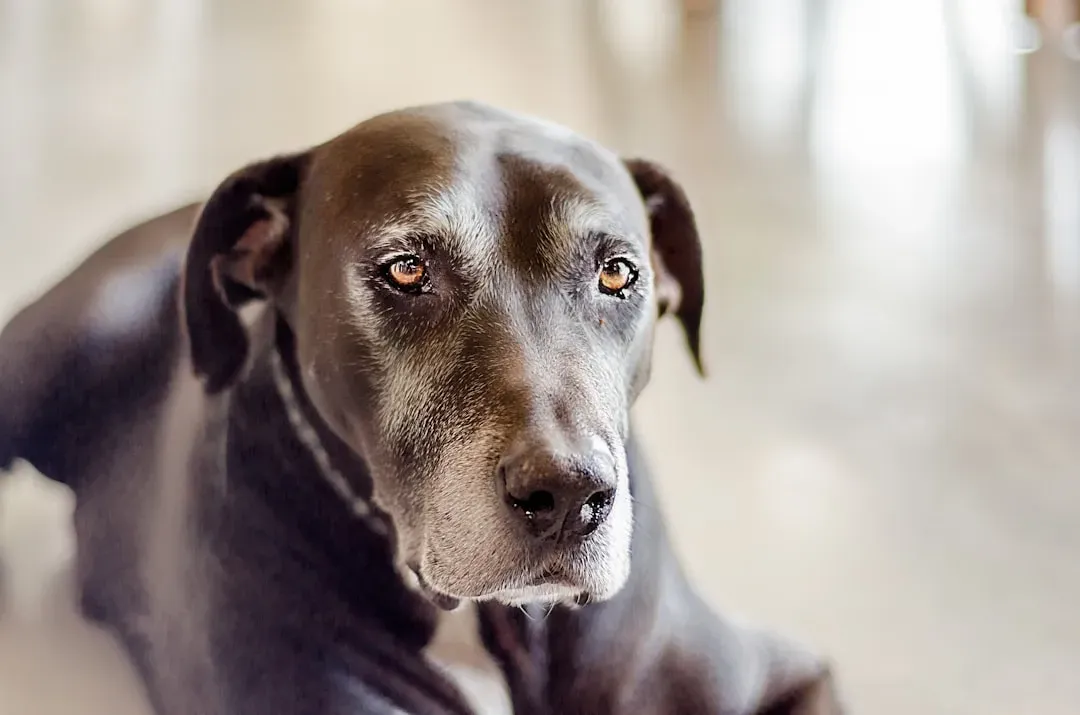
Watch for subtle facial cues. Squinting, partially closed eyes, flattened ears, or a tense jaw can all indicate that your senior pet is experiencing pain. These expressions are easy to miss if you’re not specifically looking for them, which is why regular at-home check-ins are such an important part of senior pet care.
Partially closed eyelids and the appearance of being half asleep – possibly due to lack of sleep because of difficulty getting comfortable – along with growling when people or other pets approach are also known indicators. Most of us look at our dogs every day without truly studying their faces. Spend a quiet moment looking at your senior dog’s expression. A tense, pinched look around the eyes and mouth often tells a story that their body language doesn’t fully reveal.
#12: Obsessively Licking or Chewing One Spot
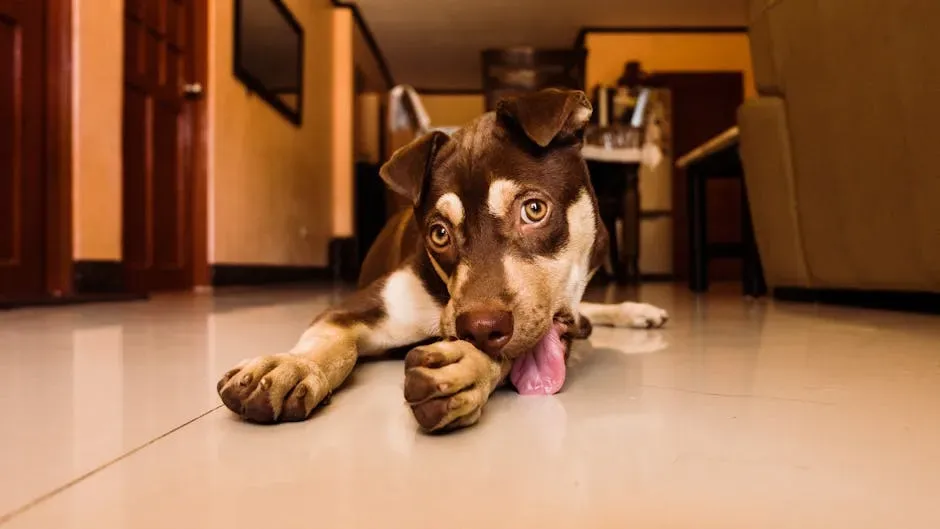
Dogs in pain might lick, bite, or scratch specific body parts more frequently. This could be an attempt to soothe themselves. If you notice these behaviors, especially localized to one area, it’s essential to consult your vet. This self-directed behavior is easy to mistake for a skin problem or a habit, but localized, repetitive licking in a senior dog deserves to be investigated for an underlying pain source.
Licking obsessively at areas of the body that are painful, or chewing at painful areas and removing hair and damaging the skin, are recognized signs worth taking seriously. Dogs can’t rub an aching spot or apply heat to sore joints. Licking is their version of that. When it’s persistent and focused, it’s pointing directly to the place that hurts.
#13: Constipation or Indoor Accidents
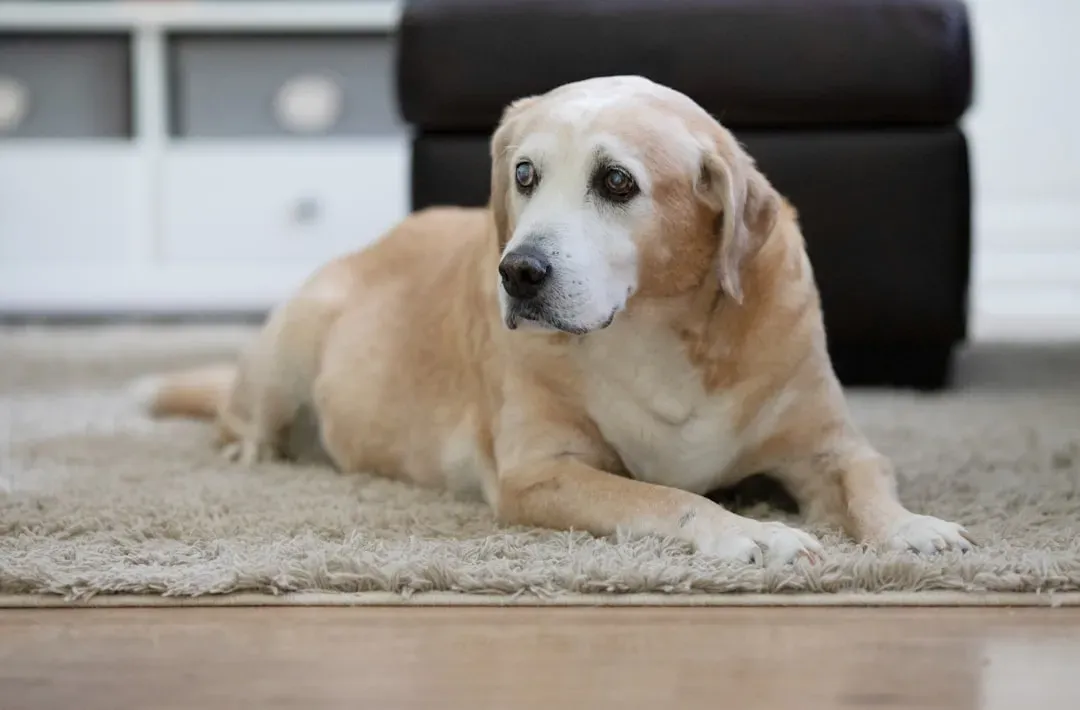
Not only is it important for health, but also for a senior’s dignity, to be able to have a bowel movement and urinate normally. Having accidents in the house, constipation, diarrhea, and leaking urine are all signs that something is wrong. Sometimes constipation can actually be a sign of hip or back pain, as dogs have to posture very precisely for a bowel movement to happen, and if it hurts too much to do this, the feces just build up. This can then lead to fecal incontinence in the house.
Some dogs in pain have lapses in house training because it is uncomfortable to get up to go outside and/or painful to get into a position to urinate or defecate. They may hold in urine or stool for so long that they have accidents. If your well-trained senior dog is having indoor accidents after years of clean behavior, don’t scold them. Get them to a vet. Their body is failing them, not their training.
#14: Declining Stamina on Walks
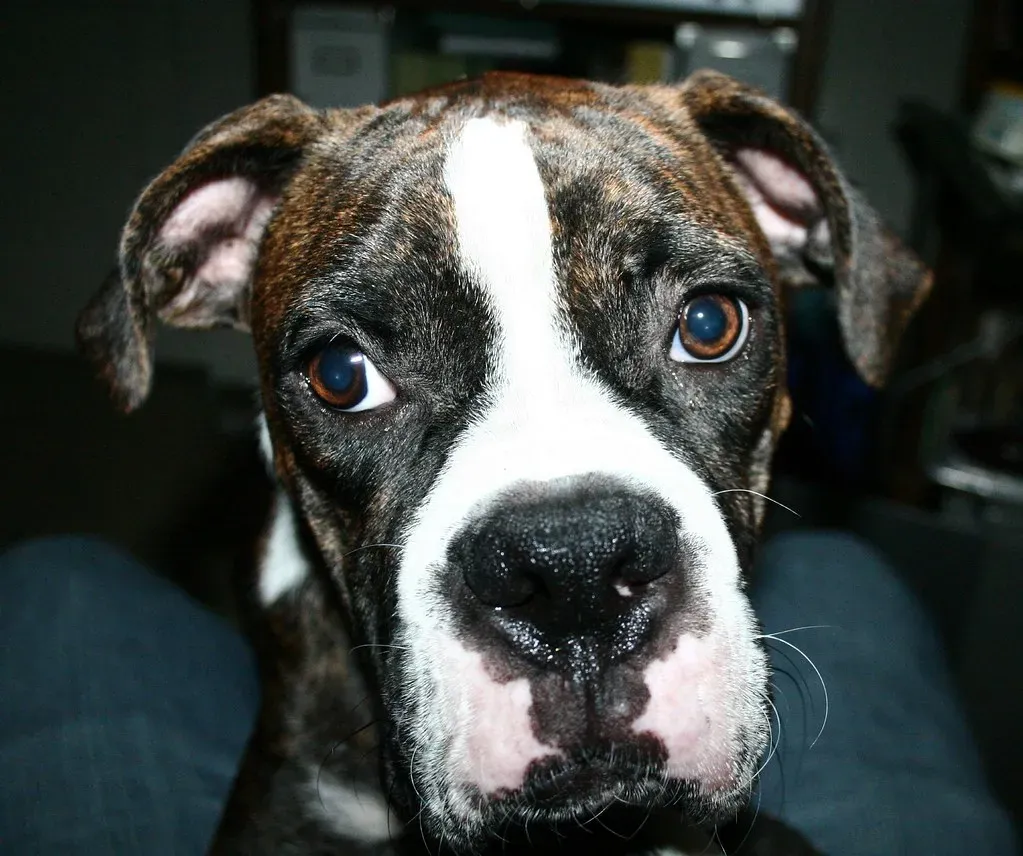
Decreased stamina on walks or while playing is often misinterpreted as a sign of old age. There may be several explanations for diminished stamina, including metabolic diseases such as hypothyroidism or heart disease. Pain, particularly from chronic conditions like osteoarthritis, is one of the most common culprits. The walk that used to take 30 minutes now ends in 10, and your dog is lagging behind instead of pulling ahead.
Often, once a dog’s pain is treated, the owners notice a return to activities previously abandoned and generally higher energy levels. That’s the detail that matters most here. If reduced stamina were purely about age, pain treatment wouldn’t reverse it. When treating the pain brings your dog back, it confirms they were hurting all along. Reluctance to go on walks, play fetch, or climb stairs is easy to dismiss as normal aging, but it often reflects that those activities have become difficult.
#15: Withdrawing to Be Alone
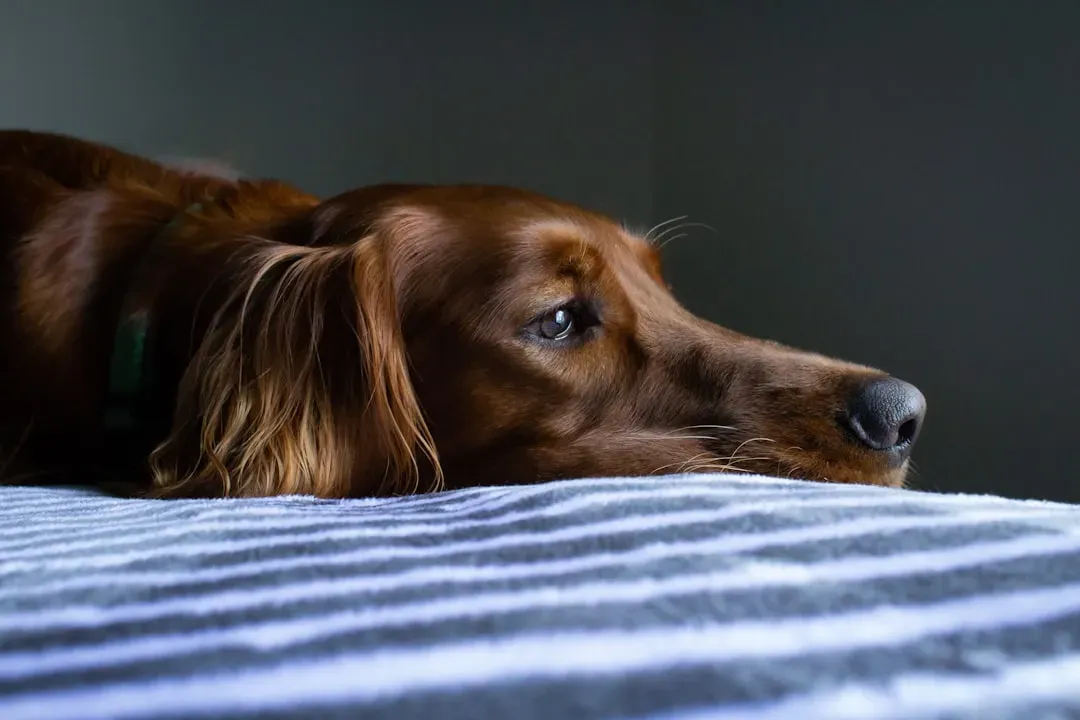
Withdrawal from the family is a definite warning sign that something is very wrong, and often the culprit is some form of pain. A dog who seeks out quiet corners, hides under beds, or stops participating in family life hasn’t suddenly become antisocial. In the wild, showing weakness invites danger. Even our domesticated dogs carry this ancient instinct, meaning they will often go to great lengths to appear comfortable – even when they’re not. This stoic nature is especially pronounced in older pets, whose pain tolerance may have built up gradually over years of managing low-grade discomfort.
Silent pain in dogs is a type of pain that develops gradually over time, with subtle signs like slower or less fluid movements and the loss of enthusiasm for activities. Dogs often do not show vocal signs of their silent pain, even when it is severe. Withdrawal is perhaps the saddest sign on this list because it looks, on the surface, like your dog simply doesn’t want to be around you anymore. In reality, they’re managing something alone because they don’t know how else to ask for help.
What You Should Do Right Now
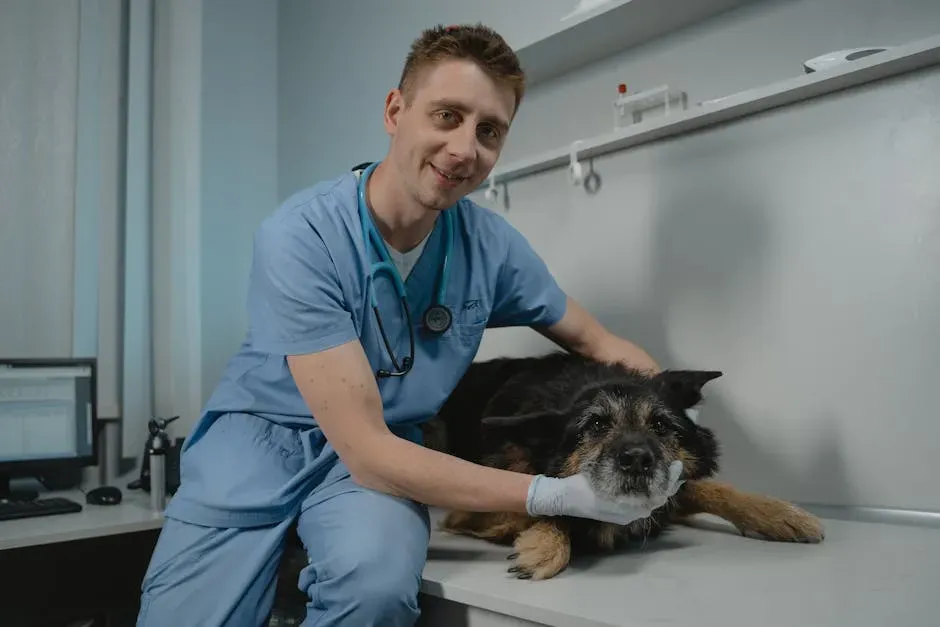
Here’s an opinion worth stating plainly: we often wait too long. We normalize changes in our senior dogs because we love them, because we don’t want to overreact, and because it’s genuinely hard to distinguish normal aging from pain. The challenge with older dogs is distinguishing normal aging from pain. Many owners accept changes that actually indicate treatable discomfort. That distinction matters enormously, because treatable discomfort left untreated becomes suffering.
If you take your senior dog to a veterinarian as soon as the symptoms begin, they can begin treatment early and potentially have a better outcome. There are many more options for pain control today than there were twenty years ago, ranging from nutritional supplements, injectable joint supplements, pain medications, and canine rehabilitation techniques. The options available now are genuinely impressive. The hardest part is deciding to seek them out.
Dogs are instinctively inclined to mask discomfort, a trait rooted in survival instinct. By the time a dog is obviously uncomfortable, they’ve often been managing it for some time. Watching for subtle behavioral shifts is more reliable than waiting for obvious signs. Your senior dog is communicating constantly. These 15 behaviors are not quirks or personality changes. They’re a language, and learning to read it is one of the most important things you can do for the animal who has never once doubted you.


