
The Way the Tail Sits and Moves
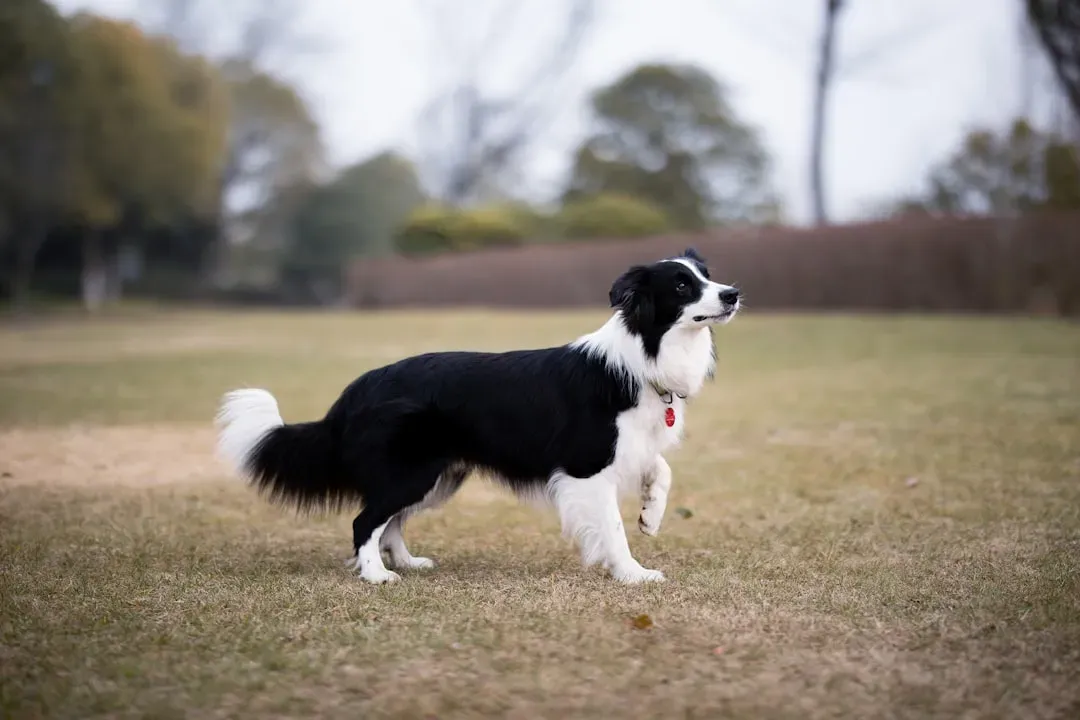
A tail held high and stiff often signals alertness or mild tension rather than outright aggression. Trainers note whether the wag stays loose and full or stays tight at the base. This distinction helps them gauge how comfortable the dog feels in the space.
Low or tucked tails tell a different story about possible fear or past experiences. A trainer watches for any sudden changes in that position when someone new enters the room. Those shifts give early clues about what might trigger the dog later.
Ear Placement and Subtle Twitches
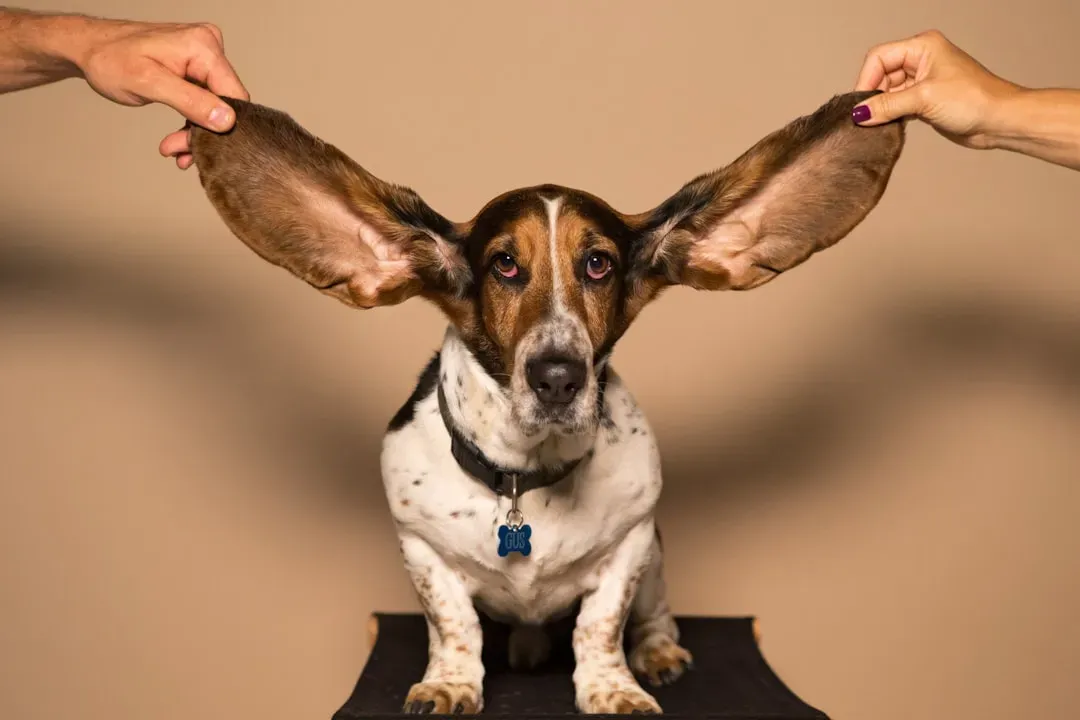
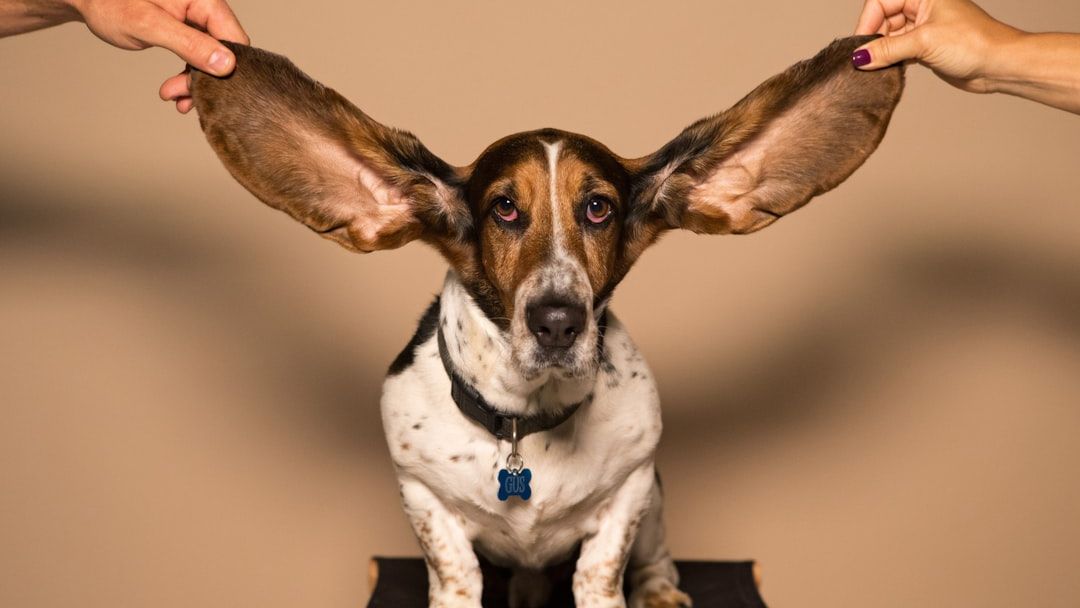
Ears pinned back against the head usually point to discomfort or a desire to avoid conflict. Forward ears can mean curiosity or readiness to engage. Trainers track how quickly those ears move in response to voices or movements around them.
Small twitches often appear before bigger body language changes. A dog whose ears stay neutral tends to stay open to new interactions. This detail helps trainers decide how much space to give at the start.
Eye Contact Patterns
Direct stares can feel challenging while quick glances away often show politeness or mild stress. Trainers notice whether the dog holds a soft gaze or looks away when approached. The duration and quality of that eye contact matter more than most owners realize.
Blinking slowly sometimes signals an attempt to calm the situation. A dog that avoids eyes entirely may need more time to settle. These patterns help trainers read the dog’s current emotional state without forcing interaction.
Overall Body Tension or Relaxation
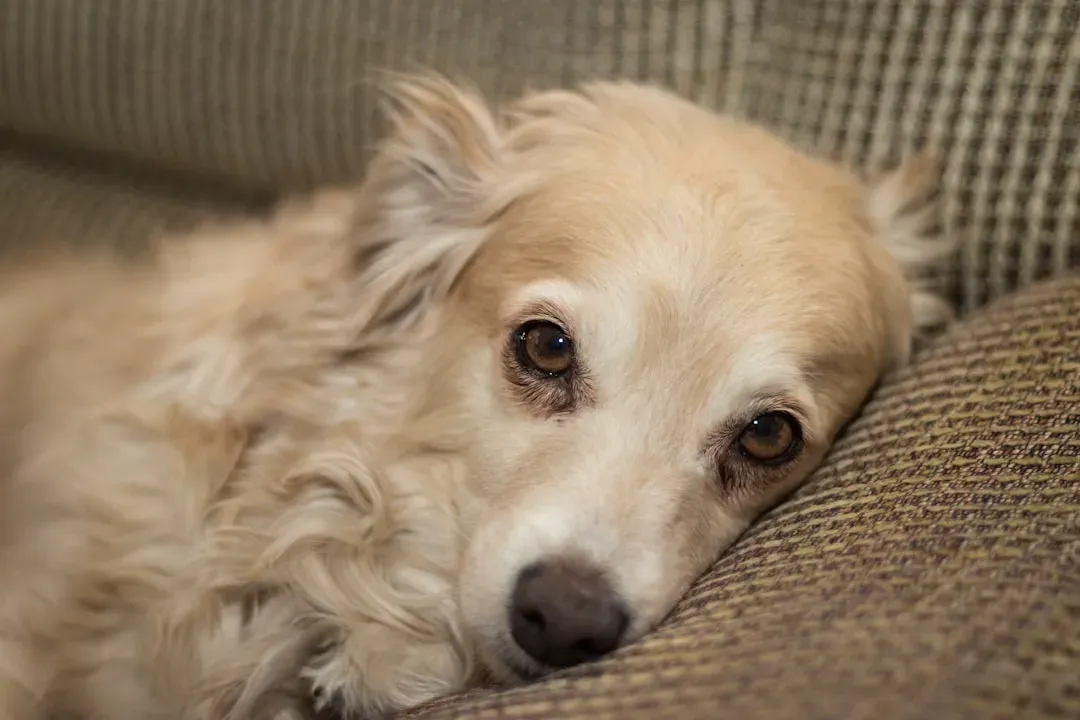
A dog that stands with weight evenly distributed usually feels secure. Tight muscles along the back or shoulders suggest the animal is on guard. Trainers look for any trembling or freezing that appears when the room gets busier.
Relaxed dogs often shift their weight naturally and let their bodies move freely. Tension shows up in small ways like a raised head or locked legs. Spotting this early lets trainers adjust their own energy to match.
How the Dog Approaches New People
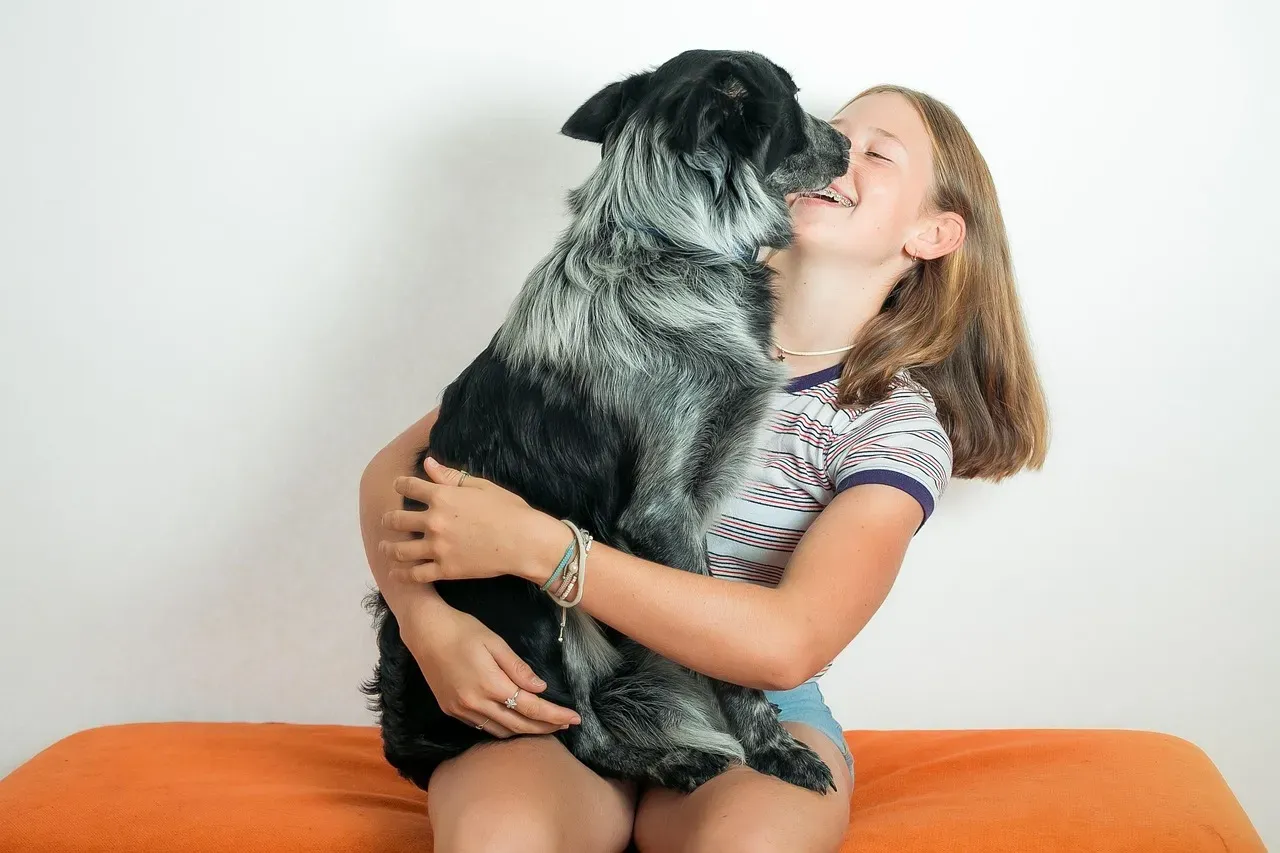
Some dogs rush forward with loose body language while others circle at a distance first. Trainers observe whether the approach includes sniffing or hesitation. The speed and direction of movement reveal confidence levels quickly.
A dog that stops short and watches from afar may need reassurance before coming closer. Those who lean in for contact tend to be more socially open. This first approach sets expectations for the rest of the session.
Reaction to Sudden Sounds or Movements
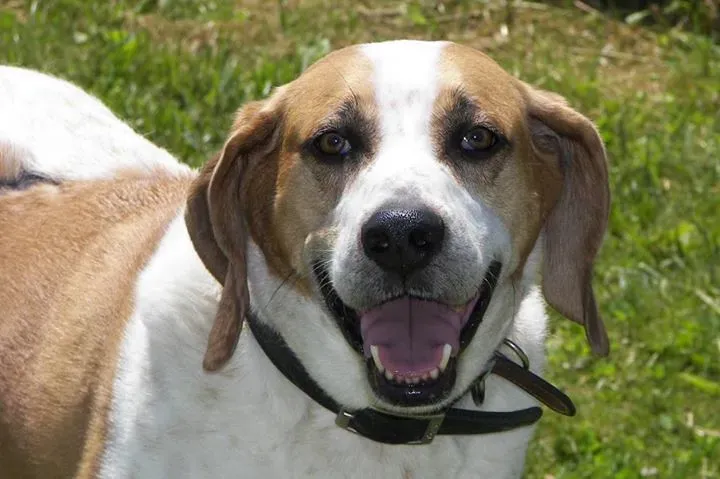
A sharp noise can cause ears to flick or the whole body to orient toward the source. Trainers note how long it takes the dog to return to normal after the distraction. Quick recovery usually means better resilience in new environments.
Startle responses that linger suggest the dog might need extra support during training. Some dogs freeze while others investigate the sound right away. These reactions give insight into how the dog processes novelty.
Sniffing Behavior and Focus
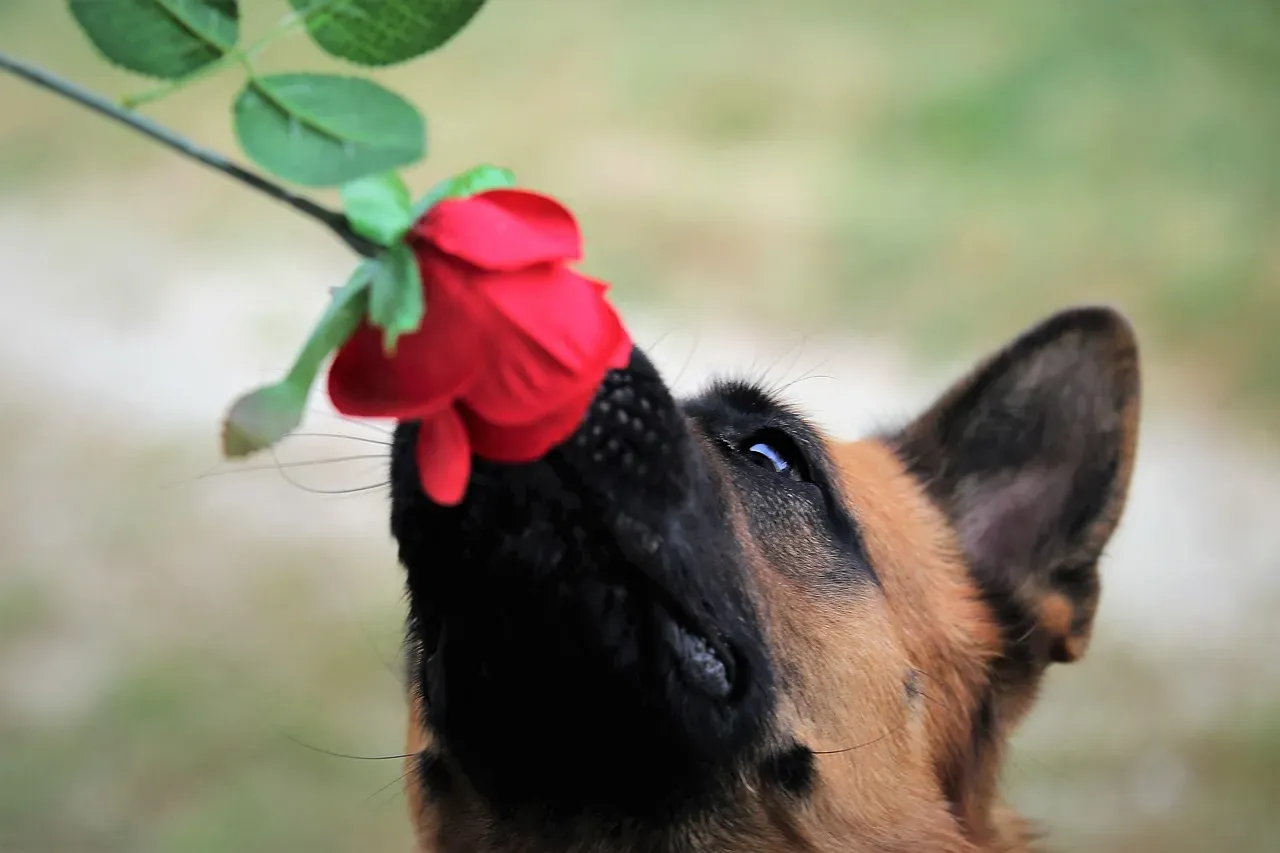
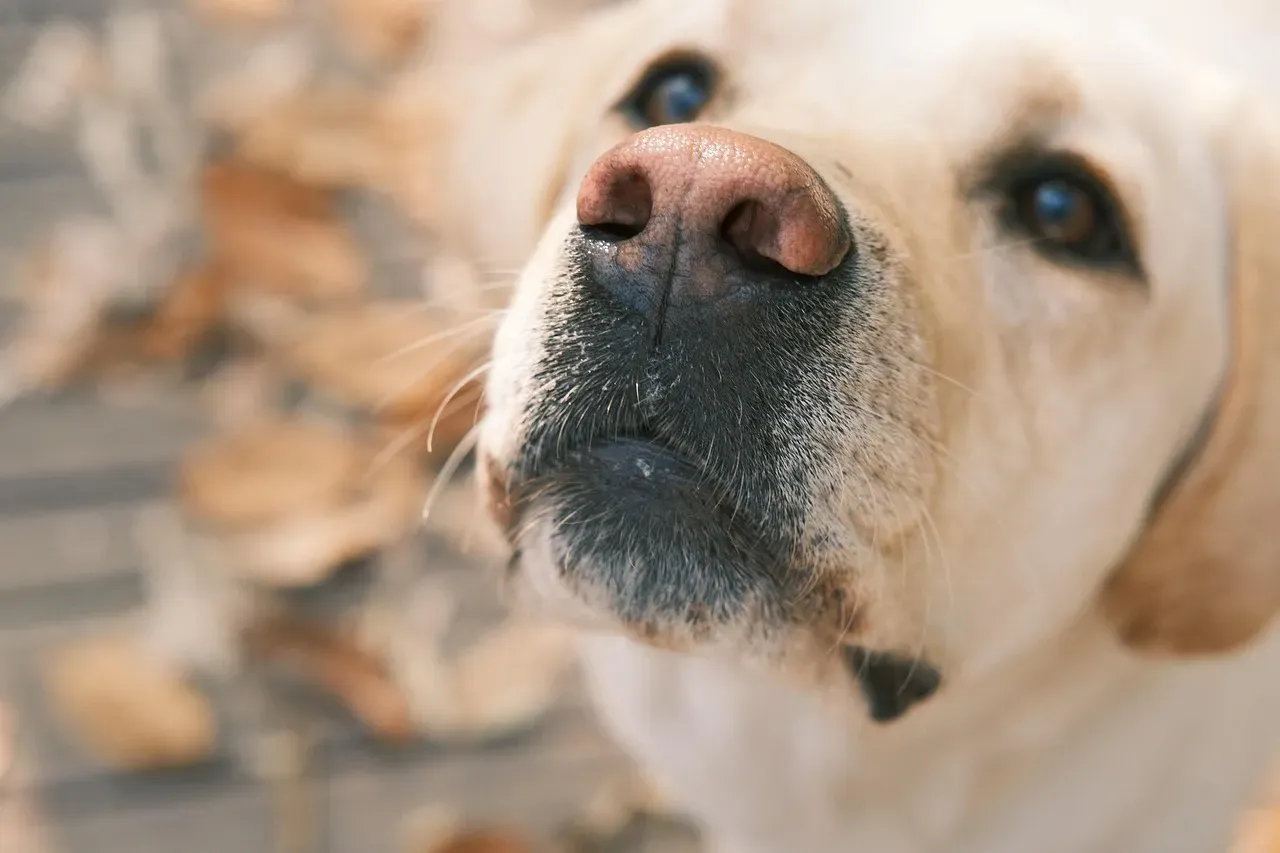
Intense sniffing around the floor or furniture often serves as a calming activity. Trainers watch whether the dog sniffs people or objects first when entering a space. This choice shows where the dog feels safest gathering information.
Overly frantic sniffing can indicate stress rather than curiosity. A balanced pattern of sniffing and checking back with the handler points to good social skills. Trainers use this to decide how much freedom to allow early on.
Stress Signals Like Yawning or Lip Licking
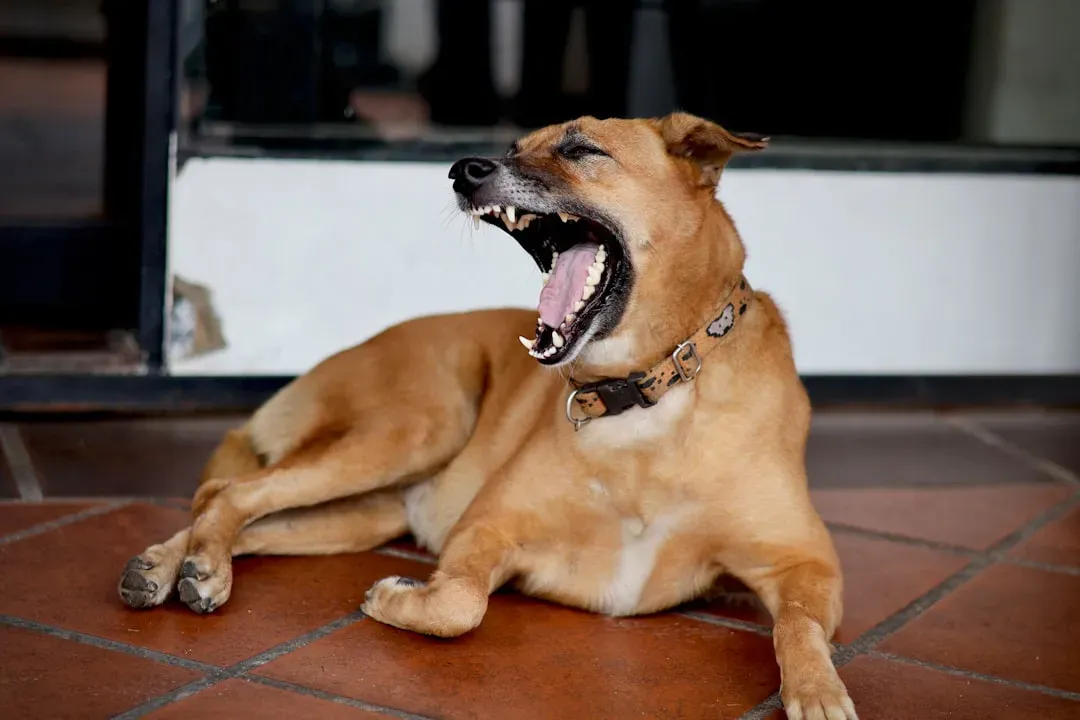
Yawning in the absence of tiredness often works as a displacement behavior. Lip licking without food nearby can signal mild anxiety. Trainers count how frequently these appear during the first interactions.
These signals rarely stand alone and usually combine with other cues. A dog that yawns after every new person meets tends to need slower introductions. Recognizing the pattern helps prevent escalation later.
Raised Hackles Along the Back
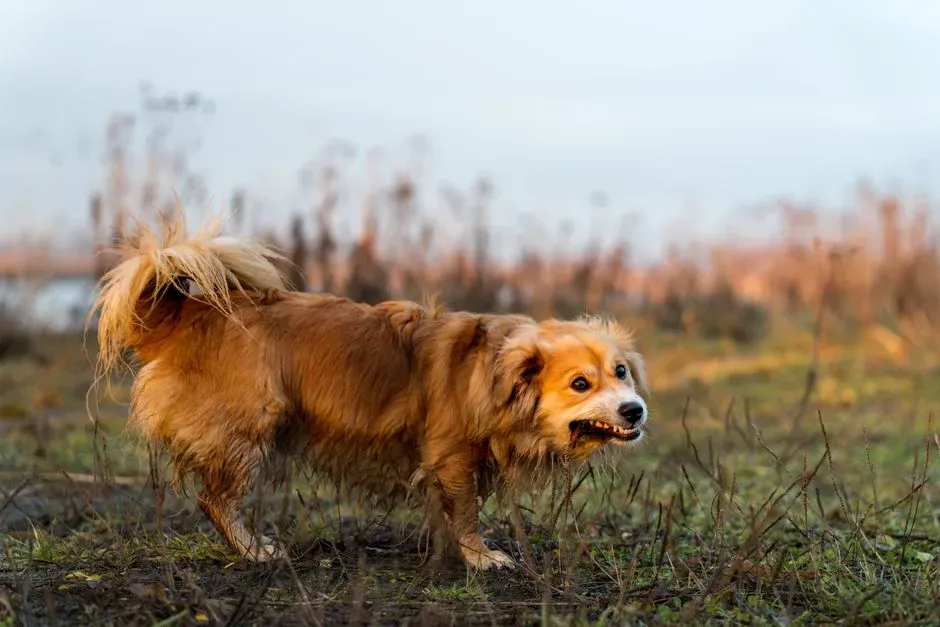
Hackles that stand up along the spine reflect arousal rather than a fixed mood. Trainers note whether the hair stays raised or settles quickly. The location of the raised area can also point to specific triggers.
Some dogs show this response to excitement while others show it during uncertainty. Watching how the hackles move helps trainers separate play drive from fear. This detail shapes the pace of early training steps.
Paw Lifts or Weight Shifts
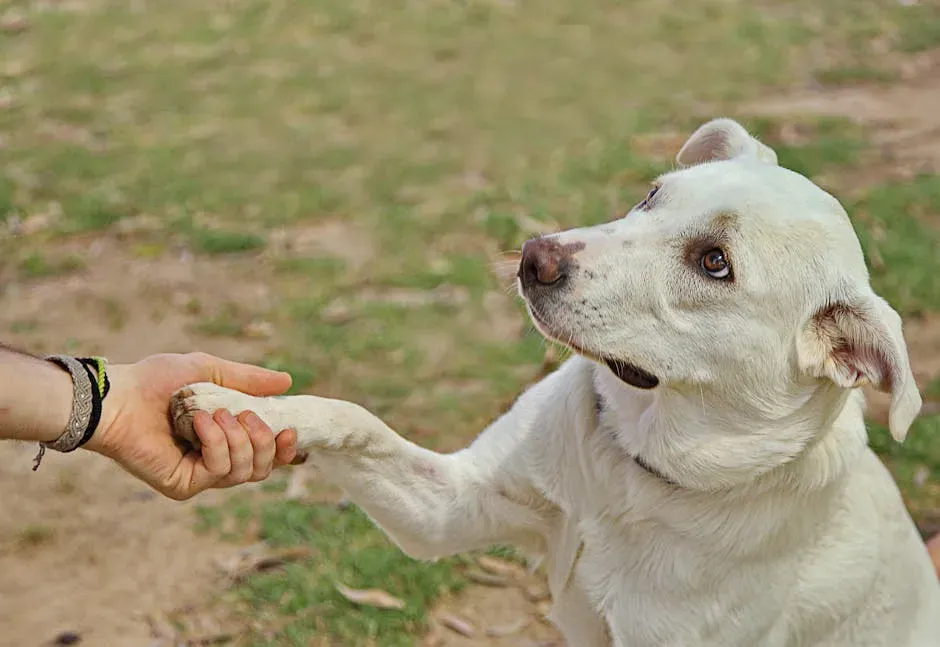
A lifted paw sometimes appears when a dog feels uncertain about the next move. Trainers watch for repeated weight shifts from one side to the other. These small adjustments reveal internal conflict before it becomes obvious.
Dogs that keep all paws planted tend to feel more grounded in the moment. Frequent paw lifts can mean the dog is processing a lot of new information. Trainers adjust their approach based on how often these movements occur.
Vocalization Style and Timing
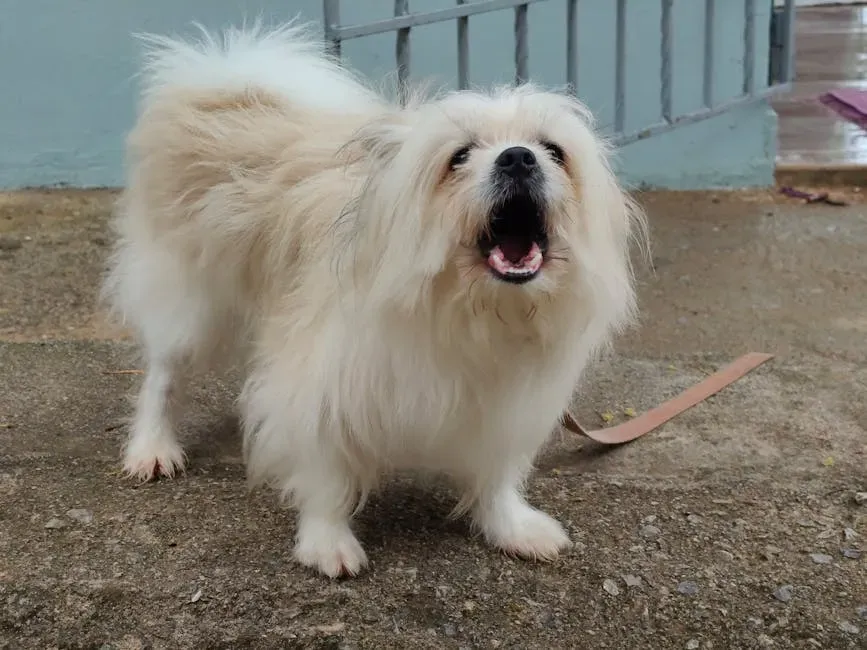
Soft whines or low growls carry different meanings depending on the body language that accompanies them. Trainers listen for the pitch and duration of any sounds the dog makes. Timing matters because vocalizations right after a new stimulus often signal discomfort.
Barking that starts and stops quickly usually differs from sustained barking. A quiet dog does not always mean a relaxed one. These vocal clues help trainers understand what the dog is trying to communicate.
Interaction With the Owner or Handler
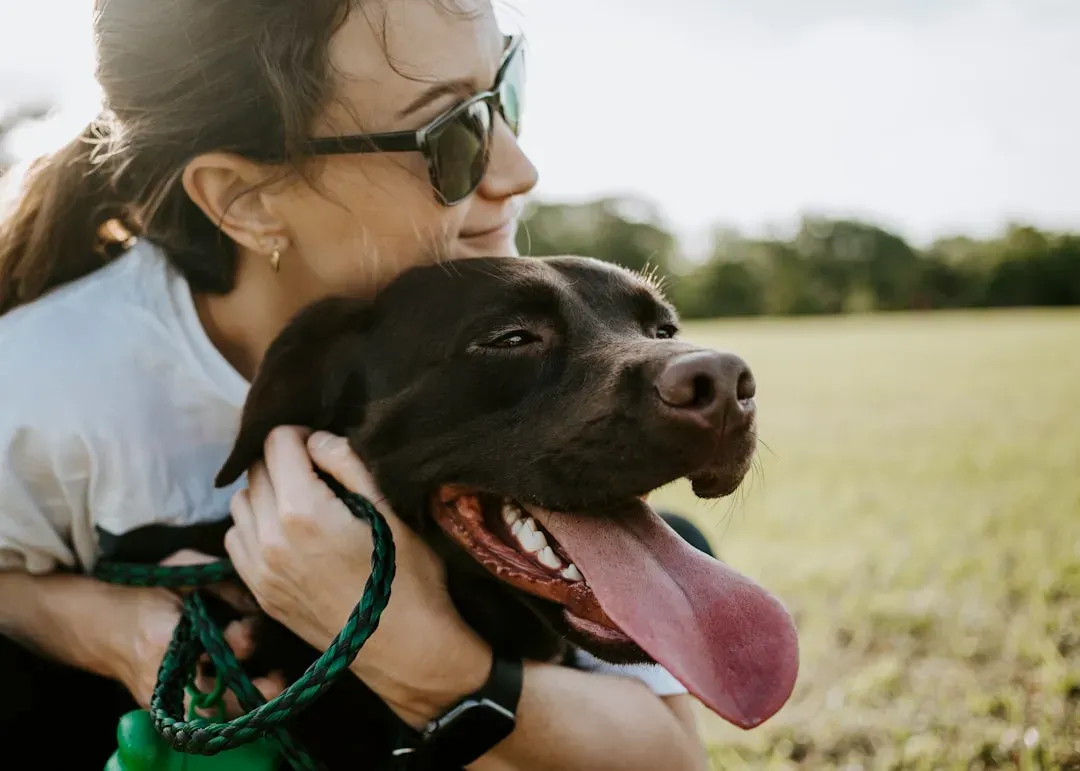
How a dog checks in with its person reveals the strength of their bond. Trainers notice whether the dog looks to the owner for guidance or ignores them. This dynamic influences how training will progress in the early stages.
Dogs that lean against their handler often seek reassurance. Those who stay independent may need more structured guidance. The first minutes show whether the team already works well together.
Interest in Toys or Treats
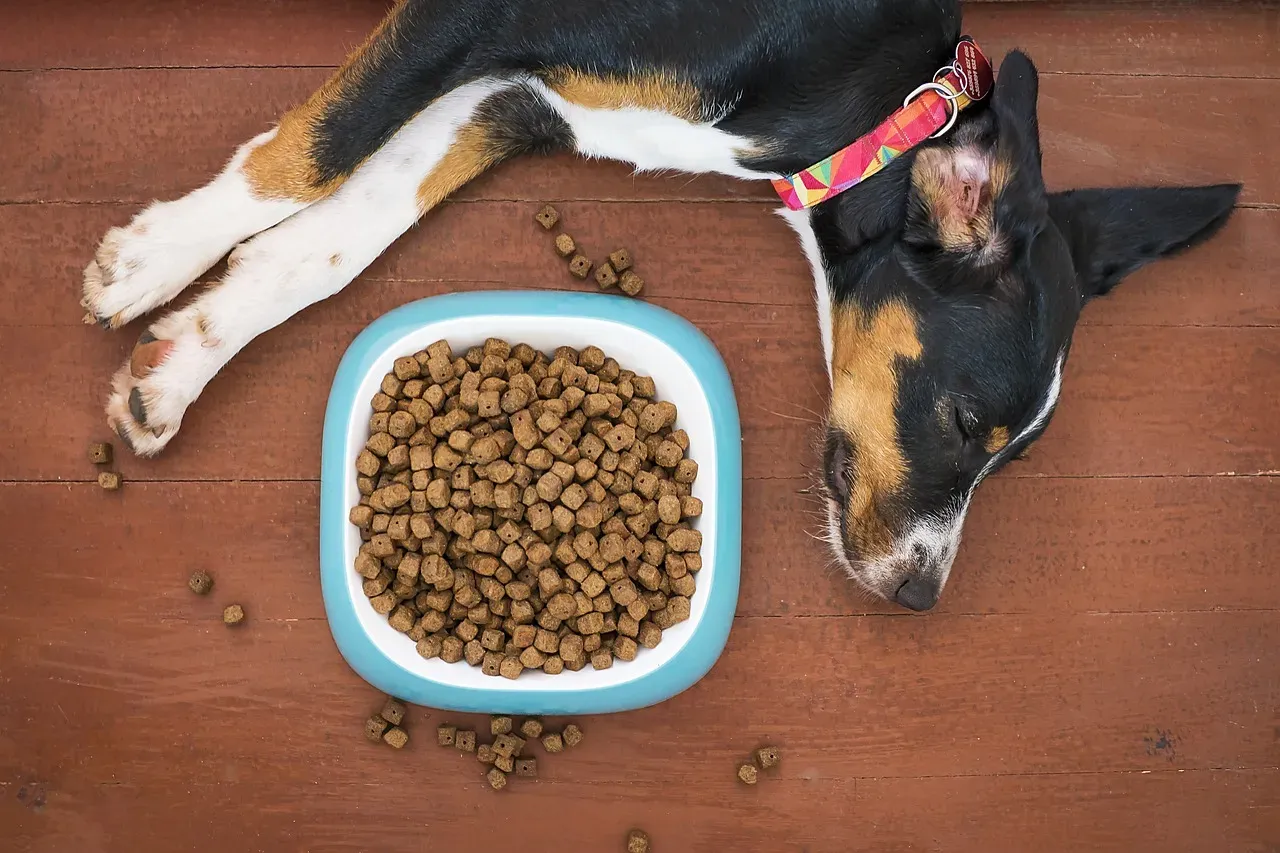
A dog that accepts treats gently usually feels comfortable enough to engage. Refusal or frantic grabbing can point to higher arousal levels. Trainers observe whether the dog stays focused on food or quickly loses interest.
Toy play in the first minutes shows play drive and confidence. Some dogs need time before they accept anything offered. This response helps trainers choose the right motivators from the start.
Breathing Rate and Panting Patterns
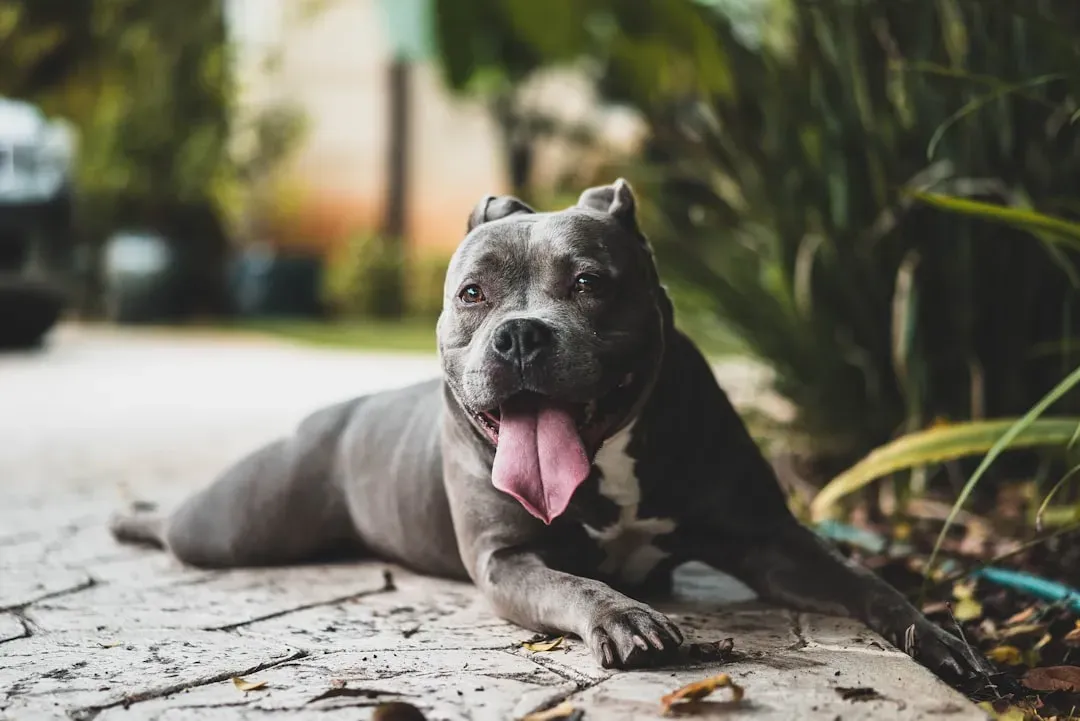
Heavy panting without physical exertion often signals stress or excitement. Trainers listen for changes in breathing when the environment shifts. Steady, quiet breathing tends to accompany calmer dogs.
Rapid breathing that slows down during the session shows the dog settling. Persistent fast breathing may require a break or different approach. These physical signs give trainers an ongoing read on the dog’s state.
General Energy Level and Movement Style
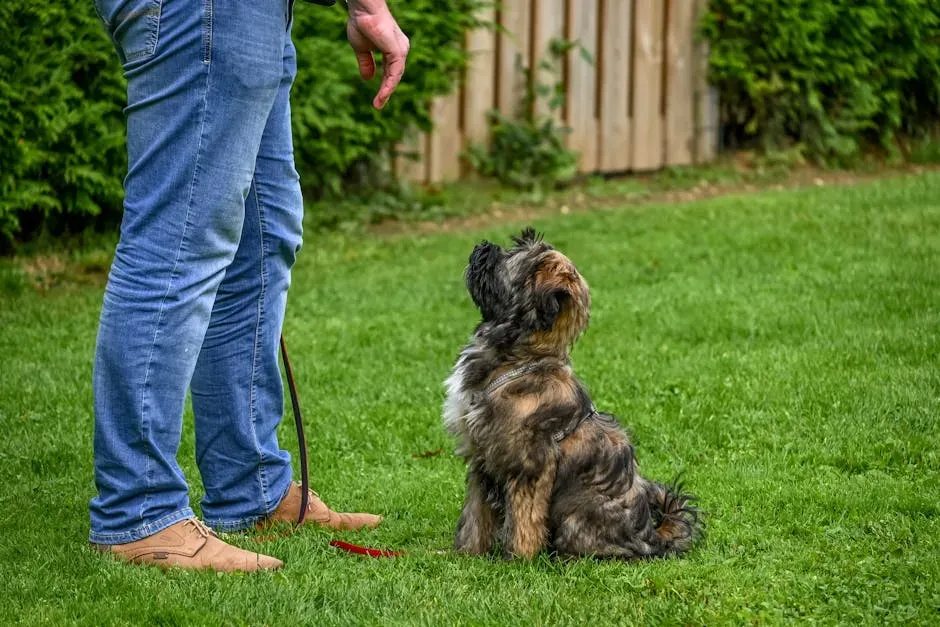
High energy dogs move with purpose and cover ground quickly. Lower energy dogs tend to pause and observe before acting. Trainers match their own pace to the dog’s natural rhythm right away.
Erratic movement can indicate overstimulation while smooth, deliberate steps suggest focus. The overall energy sets the tone for how much structure the session needs. Trainers use this observation to keep the dog engaged without overwhelm. Understanding these quiet signals changes how people connect with their dogs over time. Trainers who notice them early build trust faster and avoid common missteps. The real value lies in paying attention consistently rather than waiting for problems to grow.


