
Have you ever tossed a stick into a lake and watched a dog leap in with pure, contagious joy? There’s something magical about seeing our canine companions splash, swim, and play in water. For some breeds, water isn’t just fun—it’s part of their DNA. Whether you’re a seasoned dog lover or a new pup parent, discovering which breeds truly adore water can be both heartwarming and incredibly helpful. But loving water is just one side of the coin; knowing how to safely let your furry friend indulge in their aquatic passions is just as important. Let’s dive into 18 dog breeds born to swim, paddle, and play, and learn how to keep their tails wagging safely in every splash.
Labrador Retriever
Some dogs were practically born with a splash! From powerful swimmers to puddle jumpers, certain breeds are naturally drawn to water and thrive when given the chance to dive in. Whether it’s a lake, pool, or ocean, these water-loving pups find joy and exercise in every drop. But with fun comes responsibility—knowing how to keep your dog safe around water is just as important as letting them enjoy it.
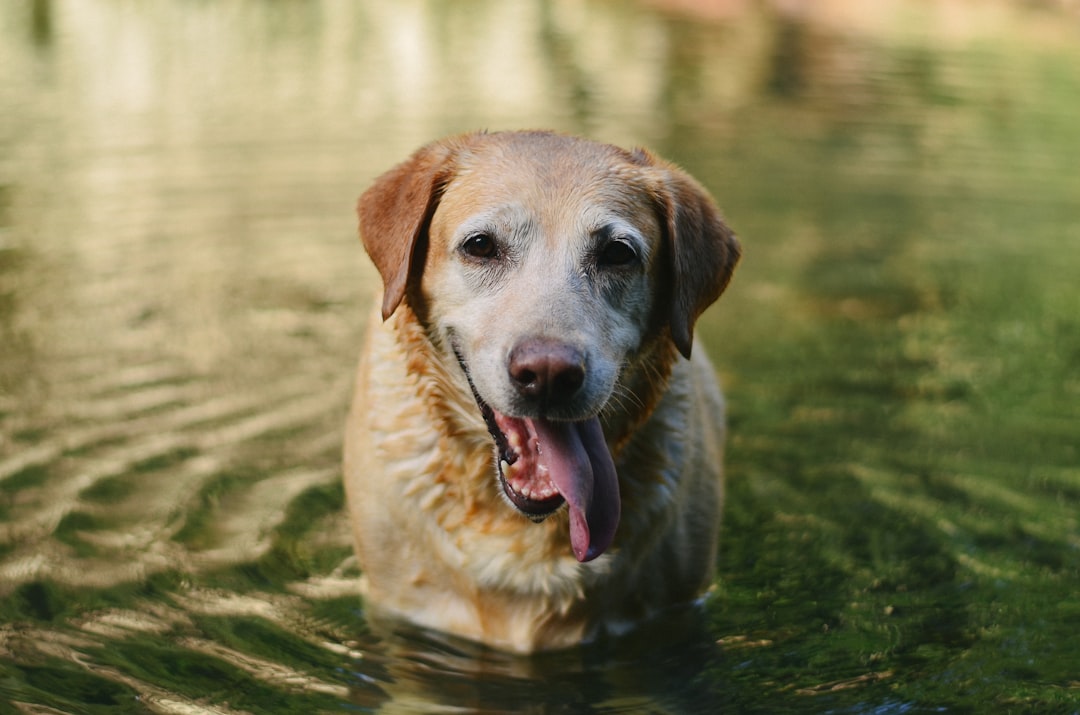
The Labrador Retriever is perhaps the poster child for water-loving dogs. Originally bred to help fishermen retrieve nets and fish from chilly waters, Labs have a natural affinity for swimming. Their webbed feet and water-resistant double coat make them superb swimmers. Labs often approach water with unbridled excitement, diving in headfirst. If you’re planning a lake day, a Lab is sure to be your most enthusiastic swimming buddy. Safety-wise, always keep an eye on your Lab’s stamina; they can overdo it with all the excitement. Bring fresh water so they’re not tempted to drink from lakes or pools, which can sometimes be unsafe.
Golden Retriever
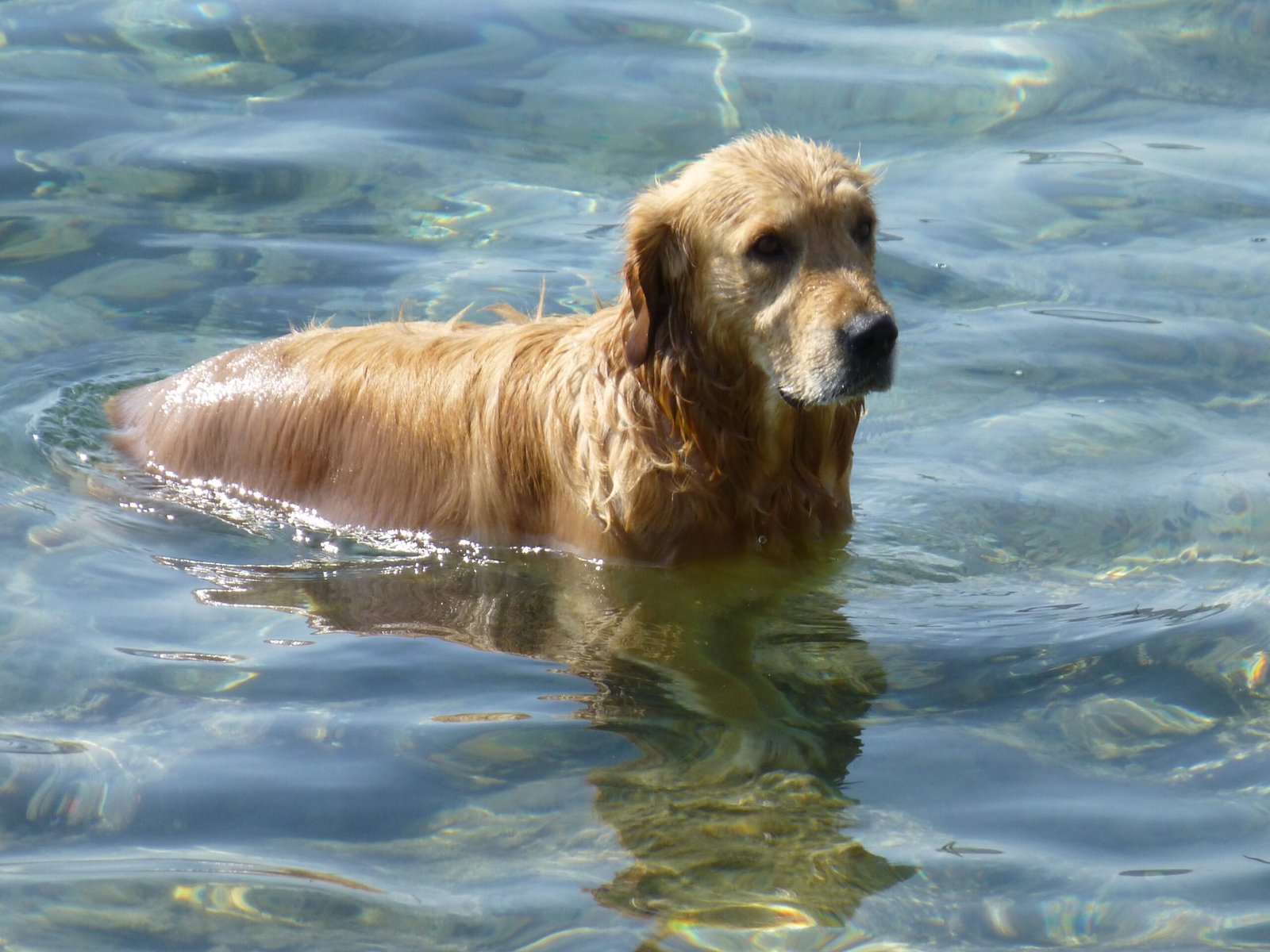
Golden Retrievers are famous for their gentle nature and love for the outdoors, but did you know they’re also natural swimmers? Their soft, water-repellent coats help them glide through water effortlessly. Whether it’s a backyard pool, a river, or the ocean, Goldens are usually the first to jump in. They adore playing fetch in water, making them perfect companions for beach trips. To ensure they stay safe, always rinse off their fur after a swim to remove chlorine or salt, and keep their ears dry to prevent infections.
Portuguese Water Dog
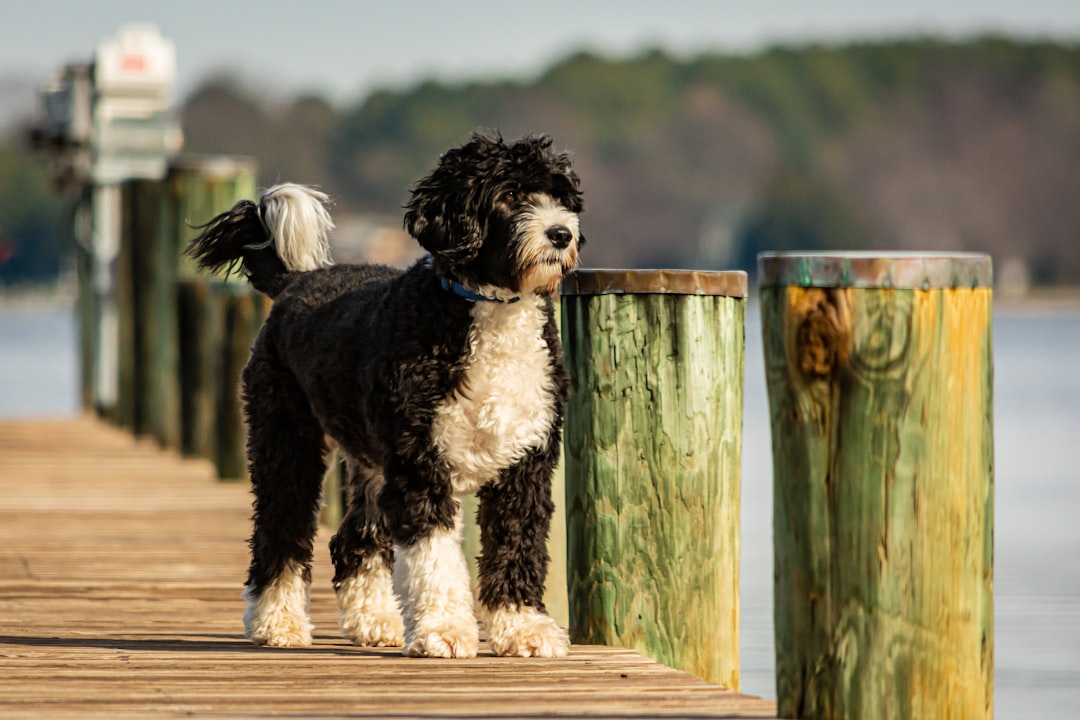
The Portuguese Water Dog was bred for a life at sea, helping fishermen with tasks like herding fish into nets or retrieving lost tackle. Their curly, waterproof coats and strong, muscular bodies make them exceptional swimmers. These dogs are full of energy and thrive when given a job to do, especially in water. When swimming with a Portuguese Water Dog, make the experience stimulating by throwing floating toys or involving them in games. Always supervise their water activities, as their zest can lead them far from shore if you’re not careful.
Nova Scotia Duck Tolling Retriever
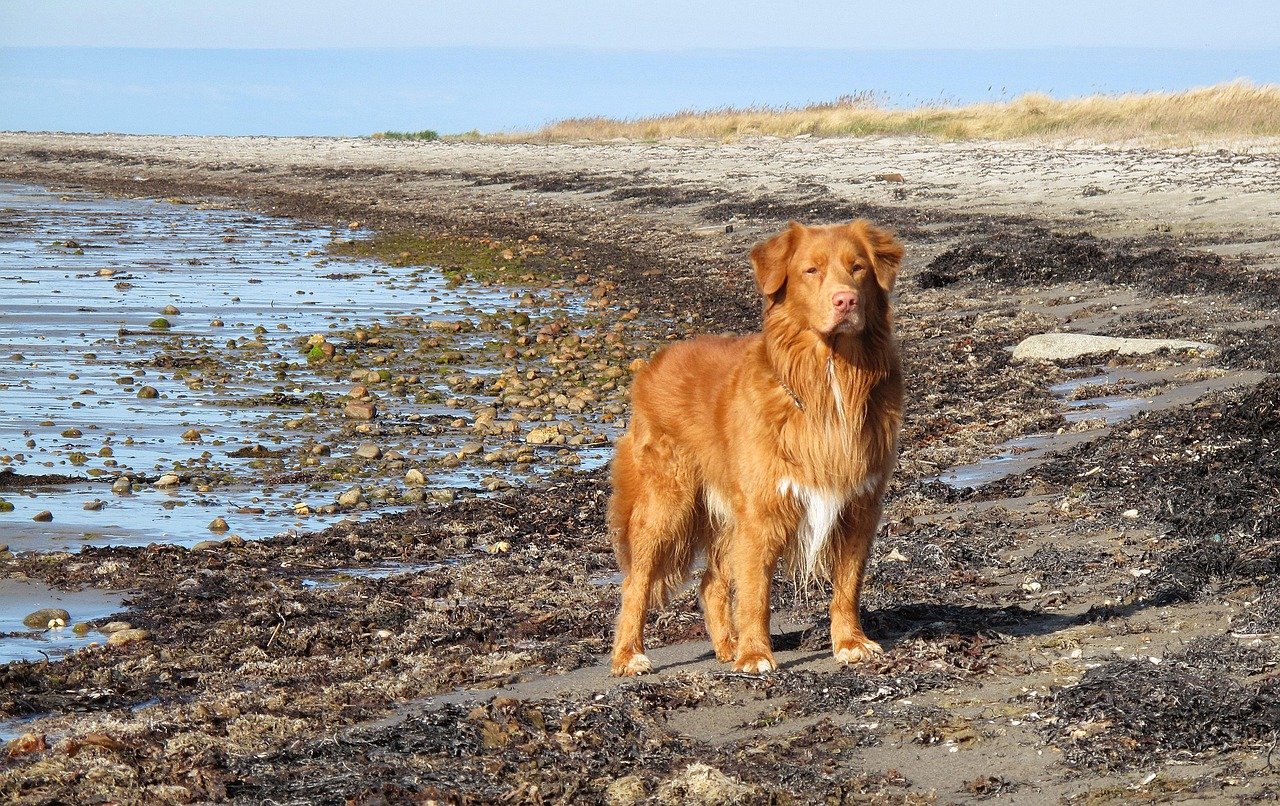
Small but mighty, the Nova Scotia Duck Tolling Retriever was developed to lure and retrieve waterfowl. Their playful demeanor and boundless energy make them water enthusiasts. Their thick, double-layered coats keep them warm even in chilly waters. These dogs delight in splashing and diving, often showing off their agility and speed. For safety, it’s wise to introduce them to new bodies of water slowly and watch for strong currents, as their curiosity can sometimes put them at risk.
Chesapeake Bay Retriever
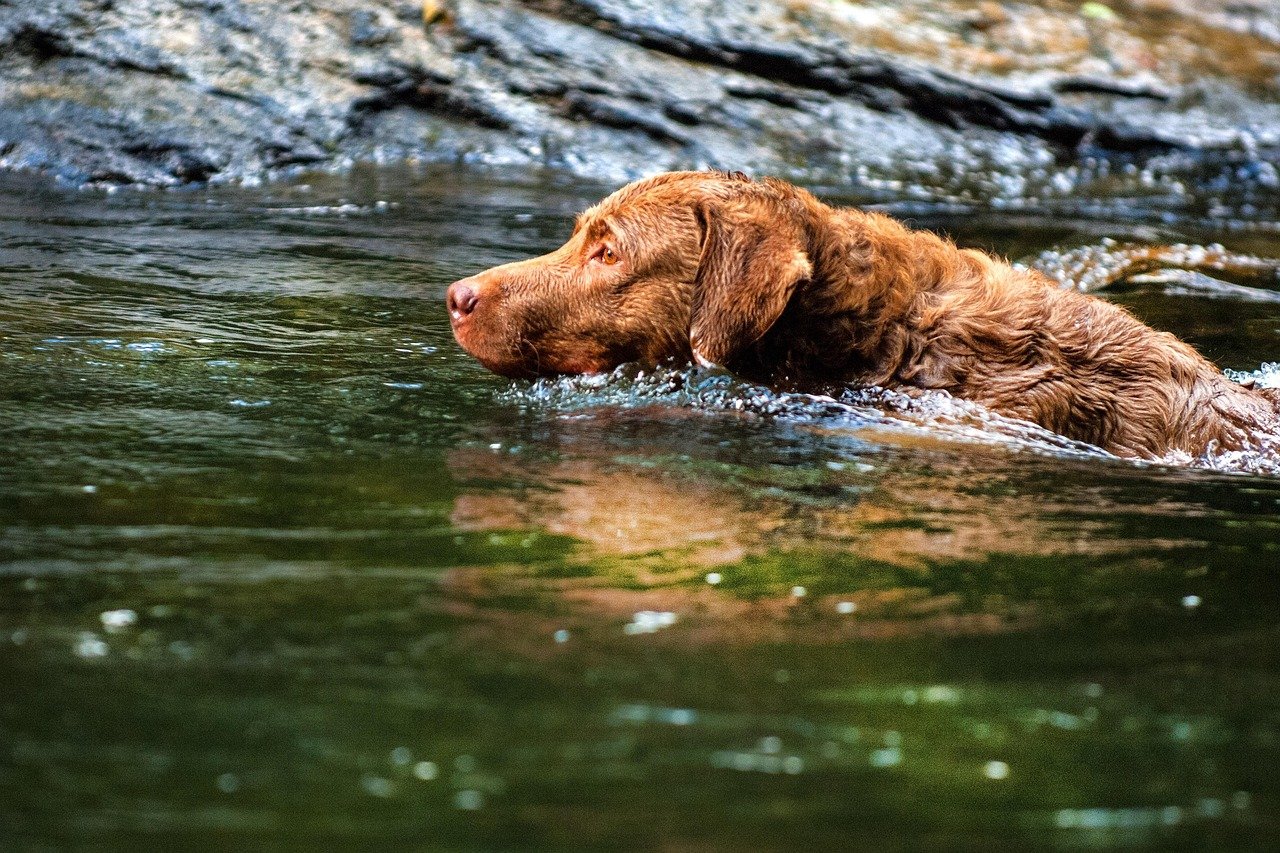
The Chesapeake Bay Retriever, or “Chessie,” was bred to retrieve ducks in icy Maryland waters. Their dense, oily fur and powerful build equip them for swimming in rough conditions. Chessies are known for their determination—they’ll power through waves and chilly temperatures to retrieve just about anything. To keep your Chesapeake Bay Retriever safe, provide a brightly colored life vest if you’re near deep water or boating. Make sure to offer breaks so they don’t get too cold or tired, especially during cooler months.
American Water Spaniel
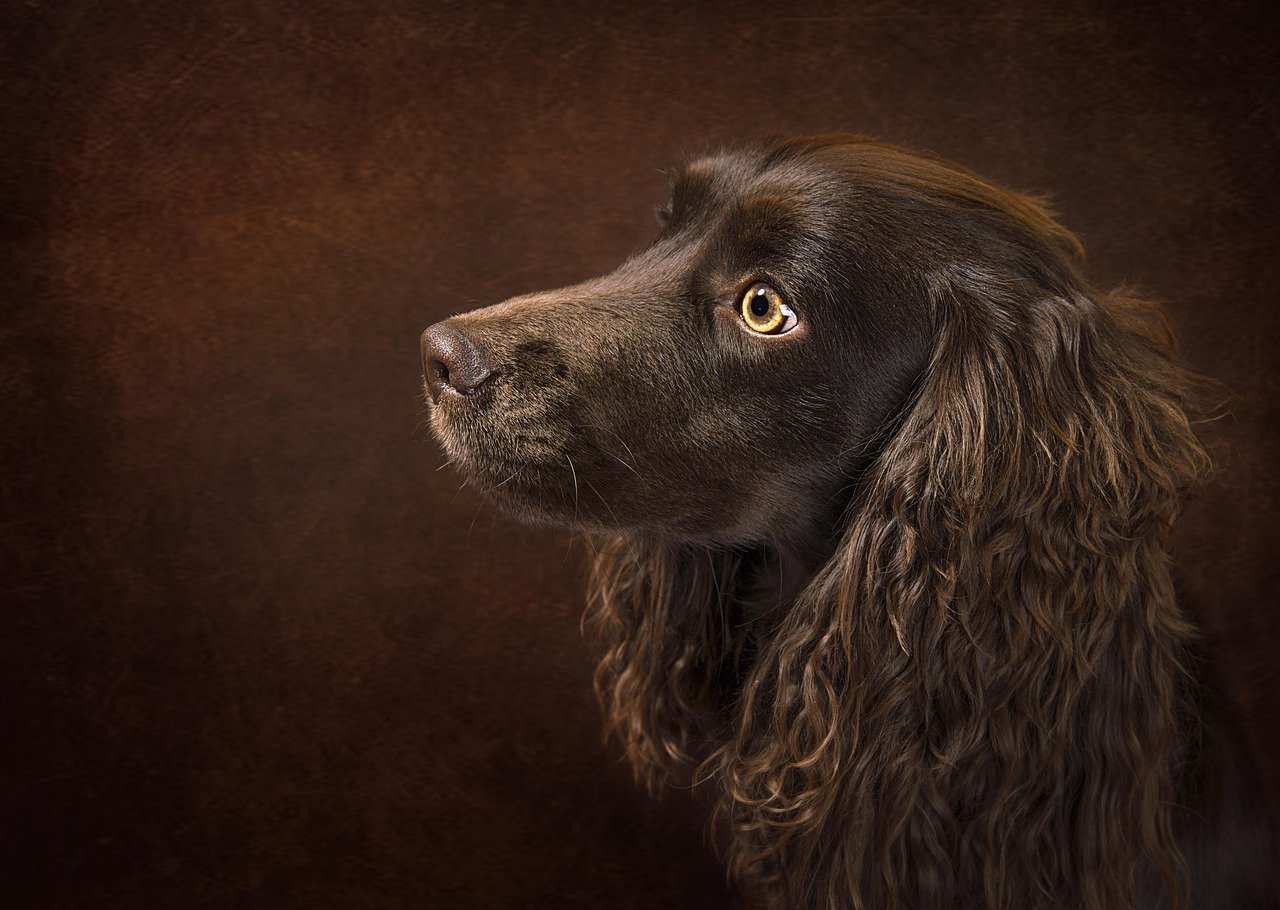
The American Water Spaniel is a lesser-known breed but stands out for its love of swimming. With webbed toes and a waterproof coat, this energetic dog is happiest when splashing around lakes or rivers. They’re also gifted retrievers, making fetch games in water especially fun. Because of their smaller size, be mindful of water depth and temperature. Always check for hazards like sharp rocks or strong currents before letting your American Water Spaniel take the plunge.
Irish Water Spaniel

With its curly, liver-colored coat and rat-like tail, the Irish Water Spaniel is instantly recognizable. These dogs were bred specifically for retrieving in water, and their boundless enthusiasm for swimming is legendary. They move gracefully through water and are known for their stamina. After water play, it’s important to thoroughly dry their curly coats to prevent matting. Also, clean their ears regularly, as their floppy ears can trap moisture and lead to infections.
English Springer Spaniel

English Springer Spaniels are well-known hunting dogs that adore water. Their medium-length coats offer some water resistance, and their athleticism helps them power through ponds and streams with ease. Springers love chasing after toys or birds in water, often leaping with joyous abandon. Keep a close watch on your Springer while swimming, especially in unfamiliar locations, as their prey drive can sometimes lead them to venture too far. Always ensure their recall is strong before letting them off-leash near water.
Flat-Coated Retriever
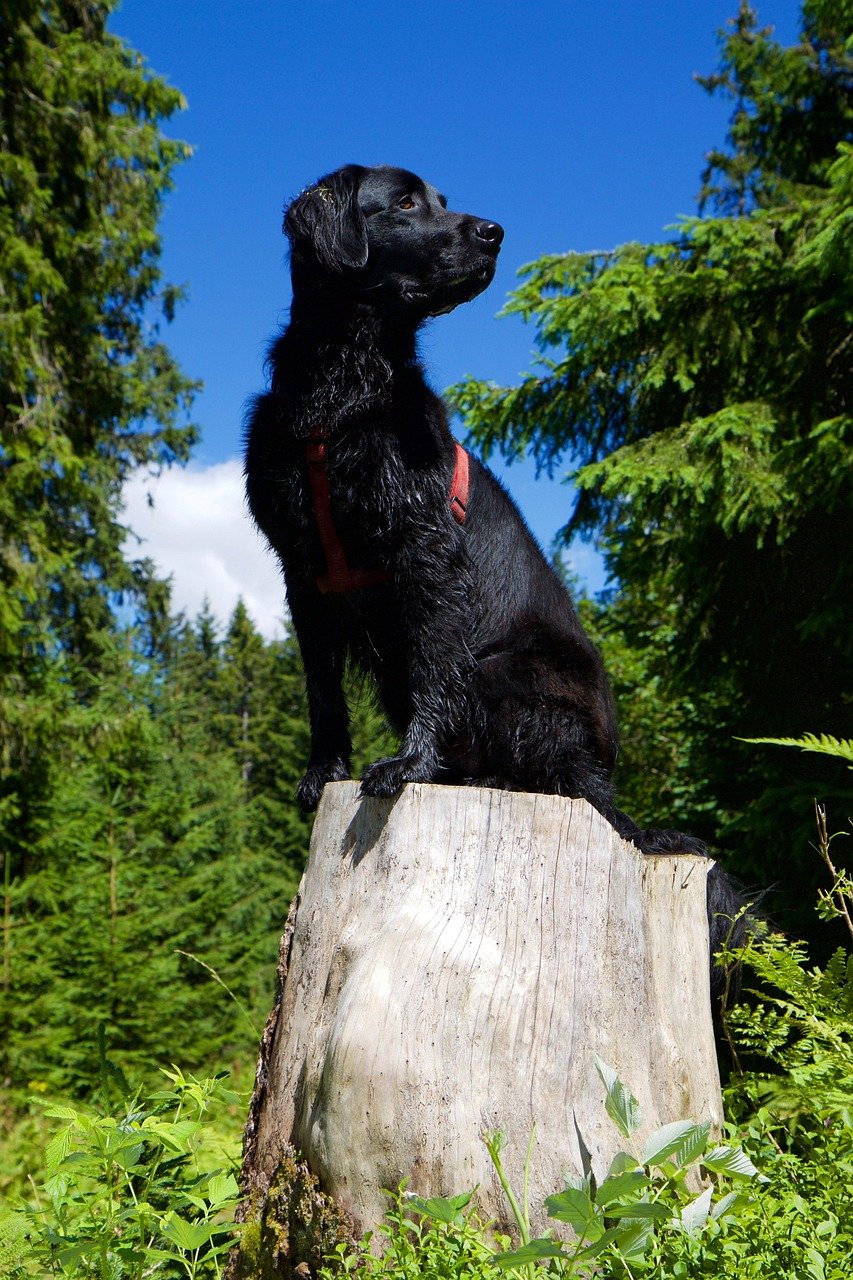
The Flat-Coated Retriever is a cheerful, high-energy breed that simply can’t resist water. Their long, silky coats offer some water protection, and their playful personalities make them excellent companions for swimming. They’ll often carry toys or sticks in their mouths while paddling around. Flat-Coats need regular exercise, and water games are a wonderful way to meet this need. When swimming in rivers or lakes, always look out for blue-green algae or debris that could harm your dog.
Standard Poodle
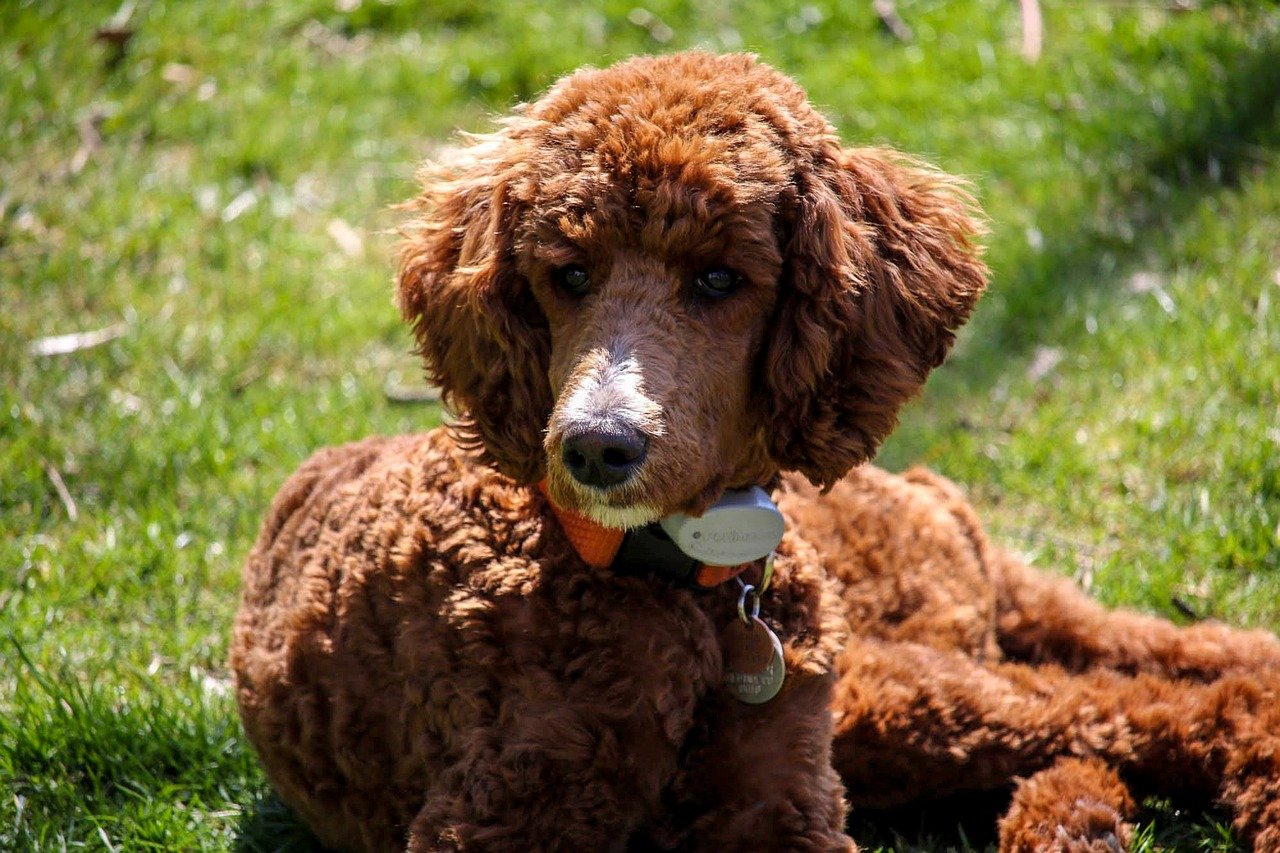
Many people are surprised to learn that the elegant Standard Poodle was originally bred as a water retriever. Their curly coats are more than just stylish—they provide insulation and keep the dog buoyant in water. Poodles often love swimming and can be taught to retrieve objects from the water with ease. After swimming, rinse your Poodle’s coat to remove chlorine or salt, and gently brush out any tangles. Always supervise them around water, especially if they’re new to swimming.
Barbet
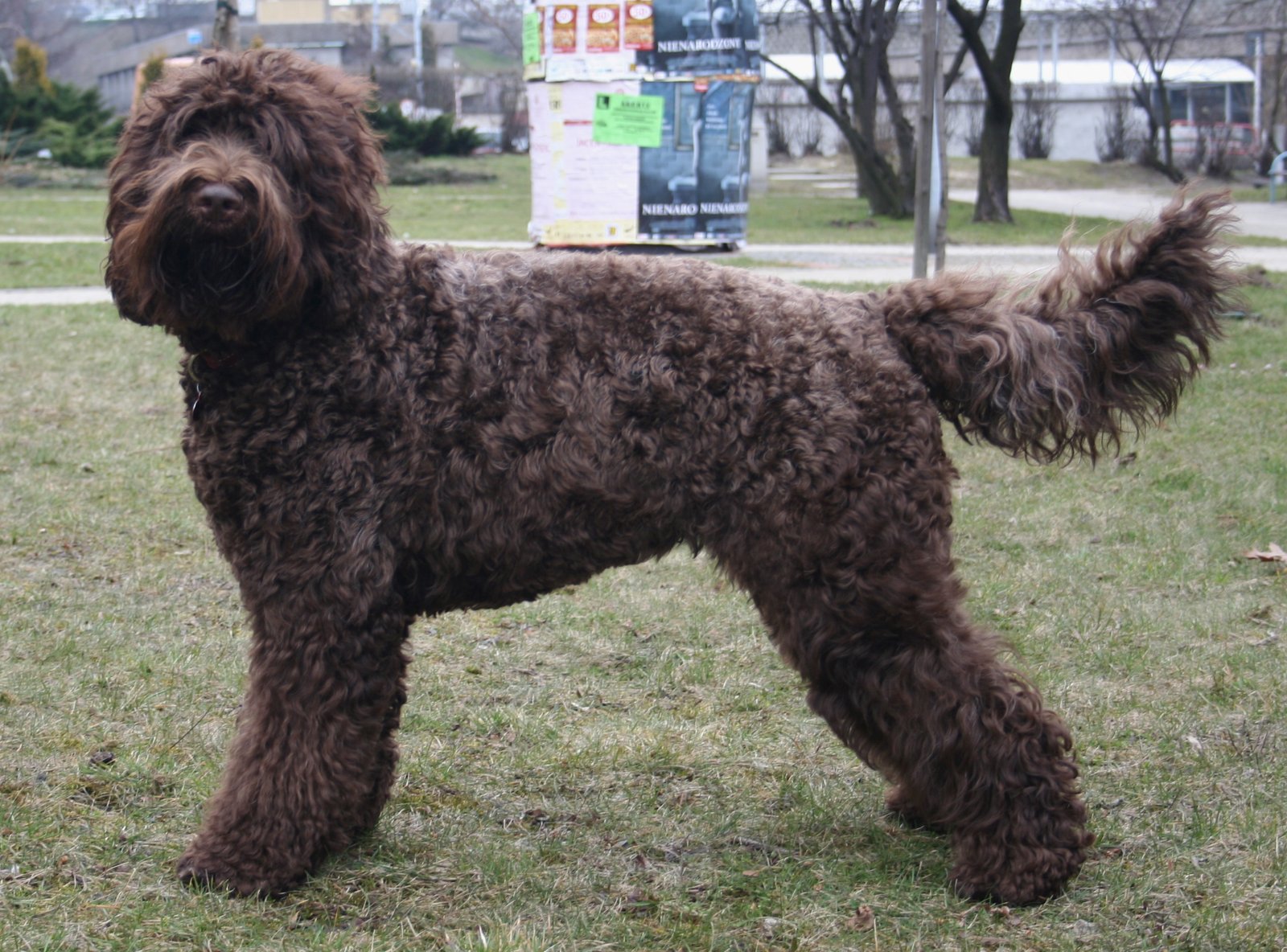
The Barbet, a rare French water dog, is built for aquatic adventures. With a dense, curly coat and lively personality, Barbets thrive in lakes and ponds. They are natural retrievers and adore family water games. Due to their thick fur, it’s important to dry them thoroughly after swimming to prevent skin issues. Regular grooming will also help keep their coat in good condition. Always introduce new water environments gradually, so your Barbet feels safe and confident.
Newfoundland

The Newfoundland is a gentle giant with an amazing knack for water rescue. Their massive webbed paws and thick double coat equip them for swimming long distances, even in cold water. Newfoundlands have been known to save lives by pulling people to safety. If you have a Newfoundland, give them plenty of supervised opportunities to swim. Because of their size, monitor their activity to prevent exhaustion, and always use a strong leash near busy areas.
Curly-Coated Retriever
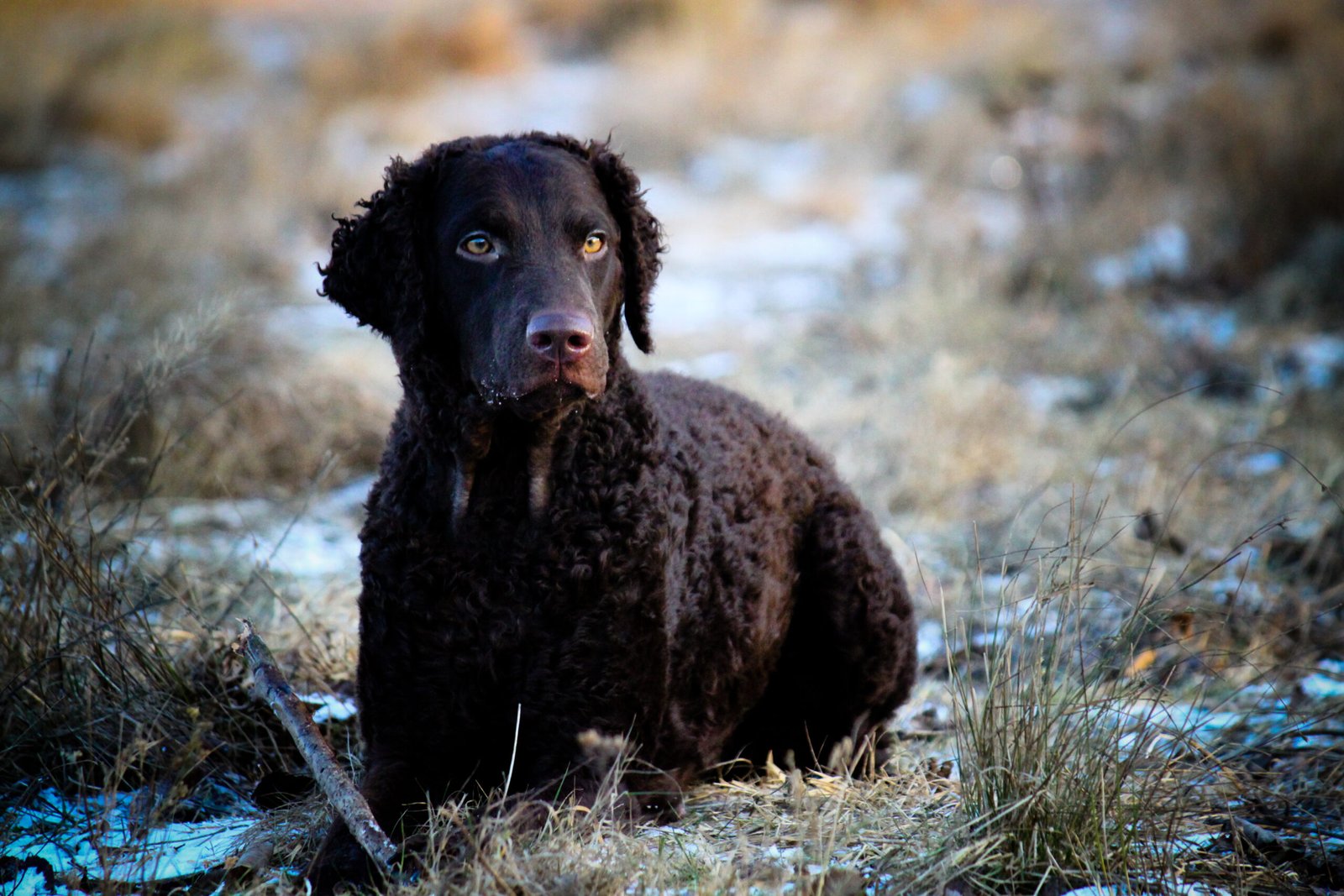
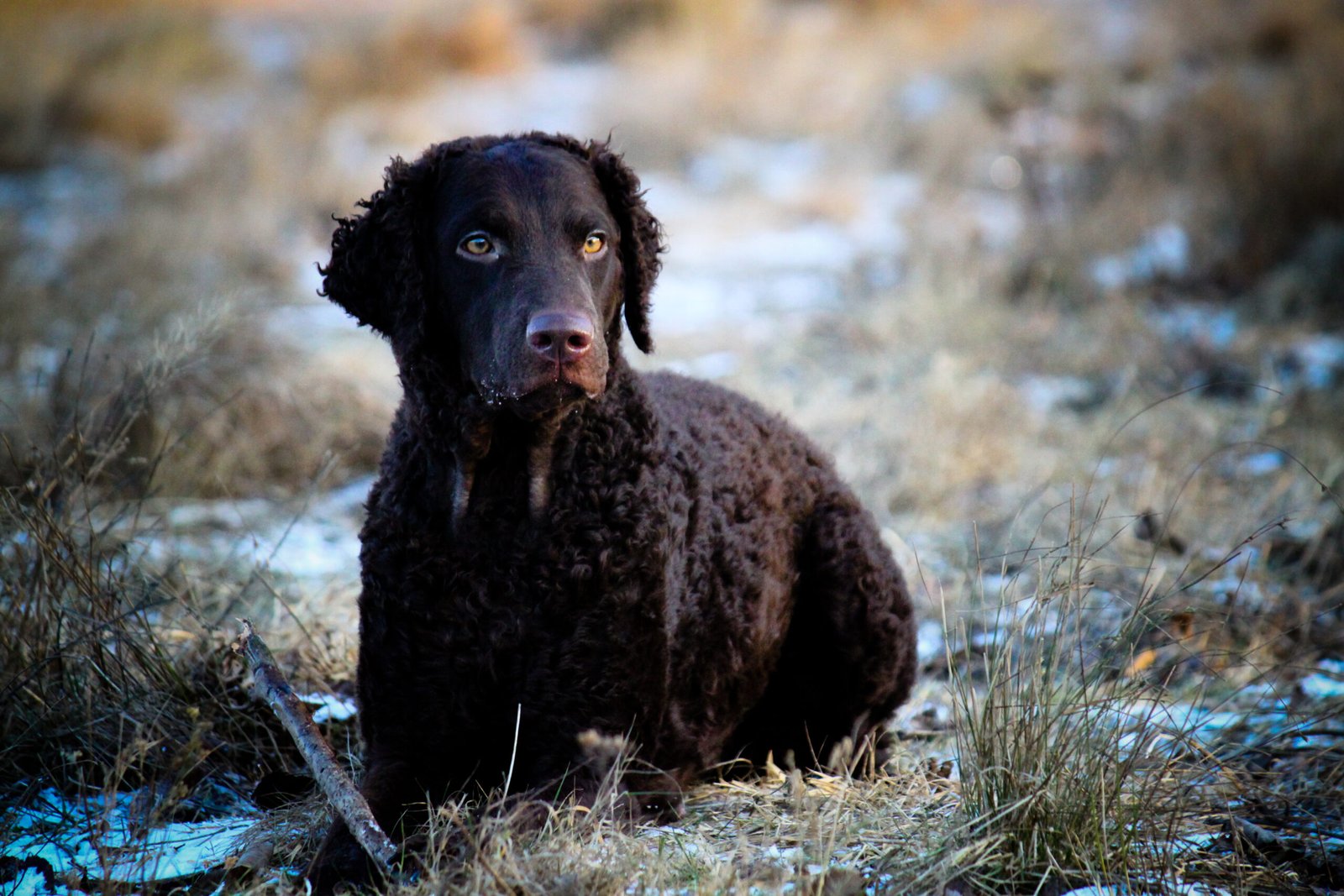
With a coat of tight, water-resistant curls, the Curly-Coated Retriever is uniquely suited for swimming. They are intelligent, energetic, and have a strong retrieving instinct. Curlies enjoy a good challenge, so water games that require problem-solving or agility are especially fun for them. After swimming, check their coat for debris and dry them fully. Always be mindful of water temperature, as even thick-coated dogs can get chilled if they swim for too long.
Boykin Spaniel

The Boykin Spaniel, South Carolina’s state dog, is a compact, energetic breed bred for flushing and retrieving game from swamps and lakes. Their love for water is matched only by their loyalty to their owners. Boykins are quick learners and excel at dock diving and fetch games in water. Always check the water’s edge for sharp objects or snakes before letting your Boykin jump in. Keep their ears clean and dry after a swim to avoid infections.
Spanish Water Dog
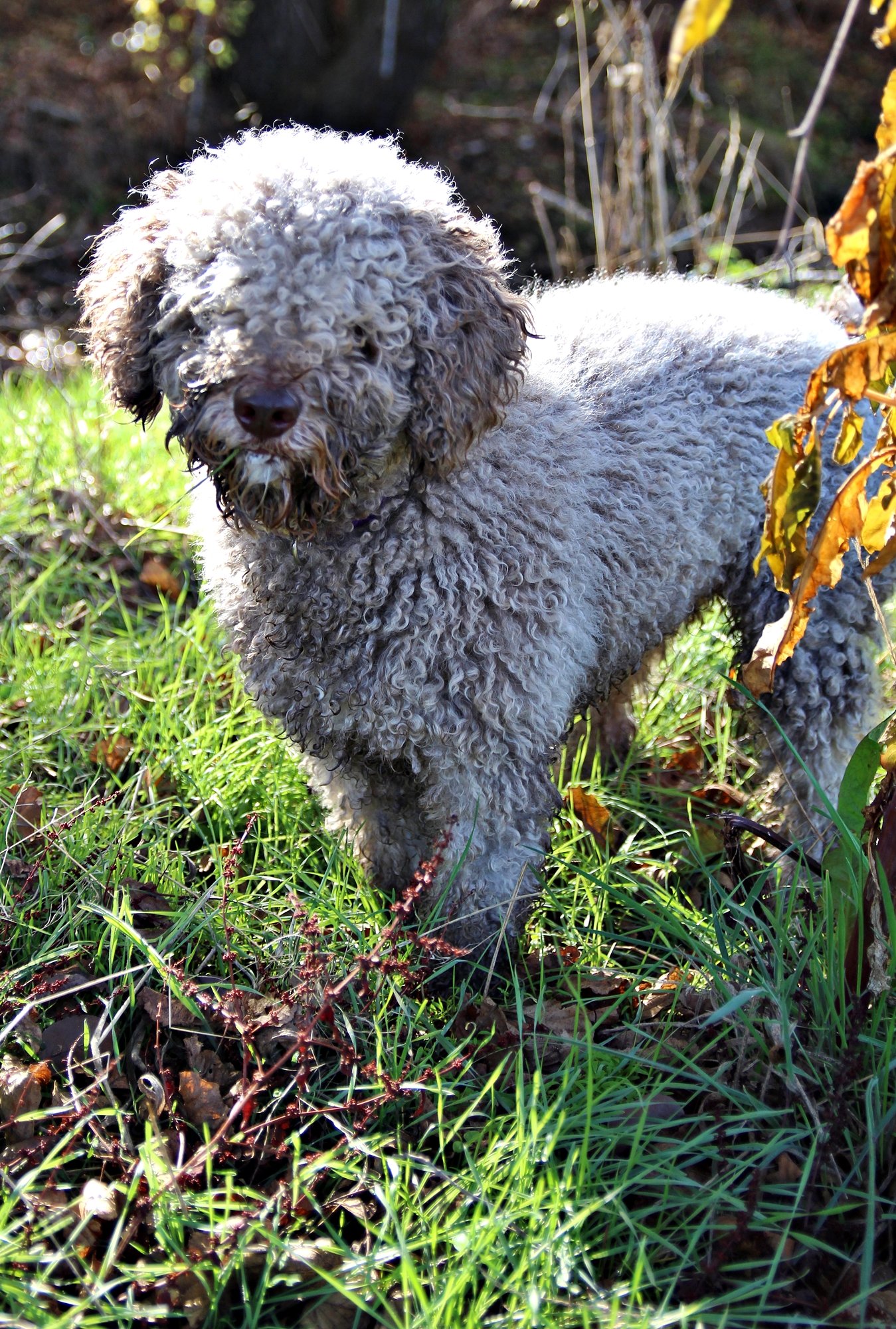
The Spanish Water Dog is a versatile working breed, prized for its intelligence and love of water. Their curly, woolly coats are both protective and low-shedding, ideal for swimming. Spanish Water Dogs are agile and enjoy learning new tricks, making water obstacle courses a great activity for them. As with all curly-coated breeds, regular grooming is vital to prevent matting after swimming. Always introduce them to different water types gradually to build their confidence.
Lagotto Romagnolo
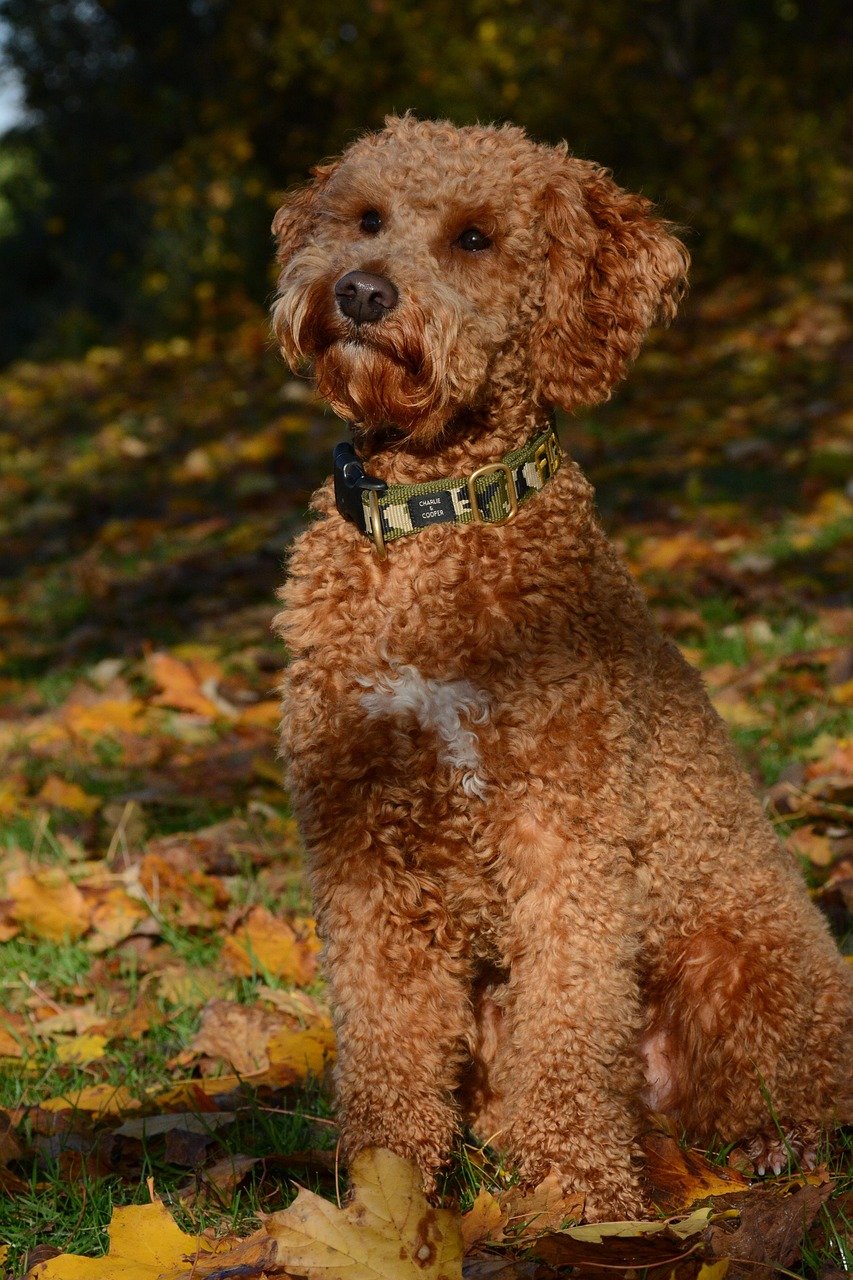
Originally bred in Italy to hunt waterfowl and search for truffles, the Lagotto Romagnolo is a small to medium-sized dog with a dense, curly coat. These dogs are natural swimmers, using their strong legs and high energy to paddle through ponds and lakes. Lagottos enjoy interactive games in water, such as retrieving floating toys. After swimming, rinse and dry their coat thoroughly. Always supervise them near deeper water, as their curiosity can sometimes get the best of them.
American Labrador
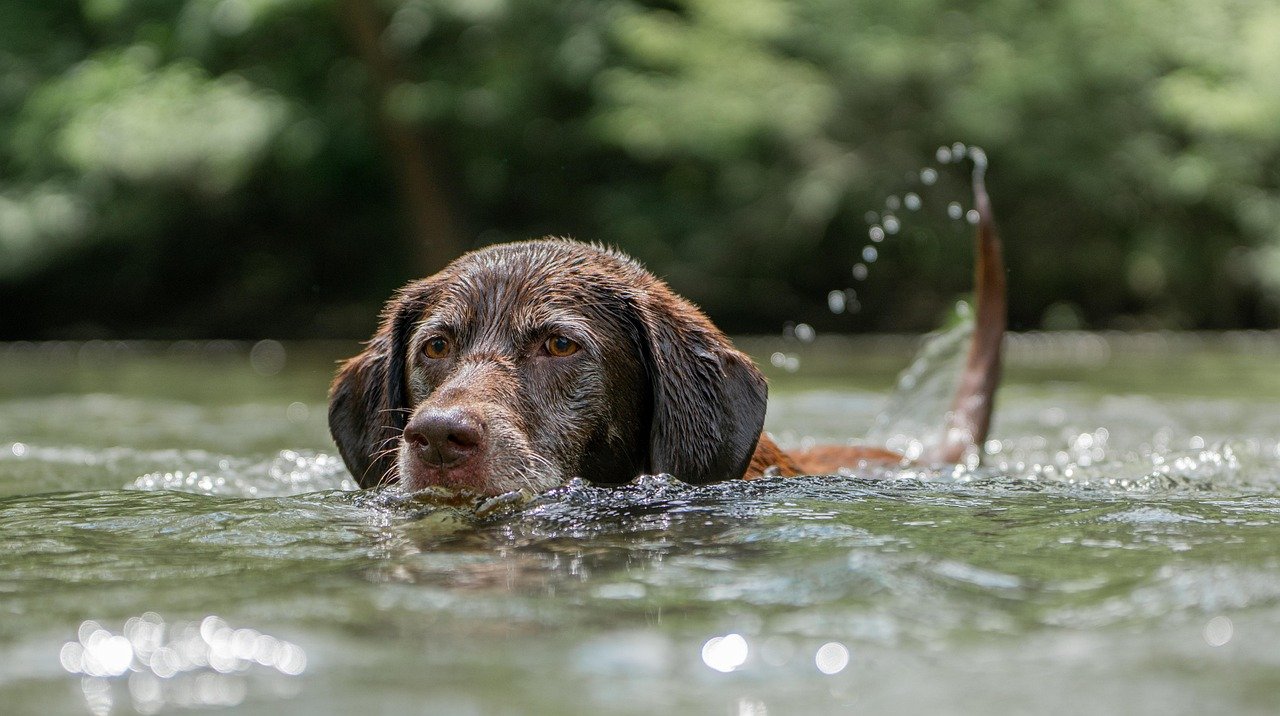
The American Labrador, a variant of the classic Labrador Retriever, is famous for its athleticism and drive. These dogs love the water just as much as their British cousins, often excelling in dock diving and water sports. American Labs are eager to please, making them easy to train for water activities. Always use positive reinforcement and ensure they have a safe entry and exit point from the water. Hydration is key—bring fresh water for them to drink during breaks.
Vizsla
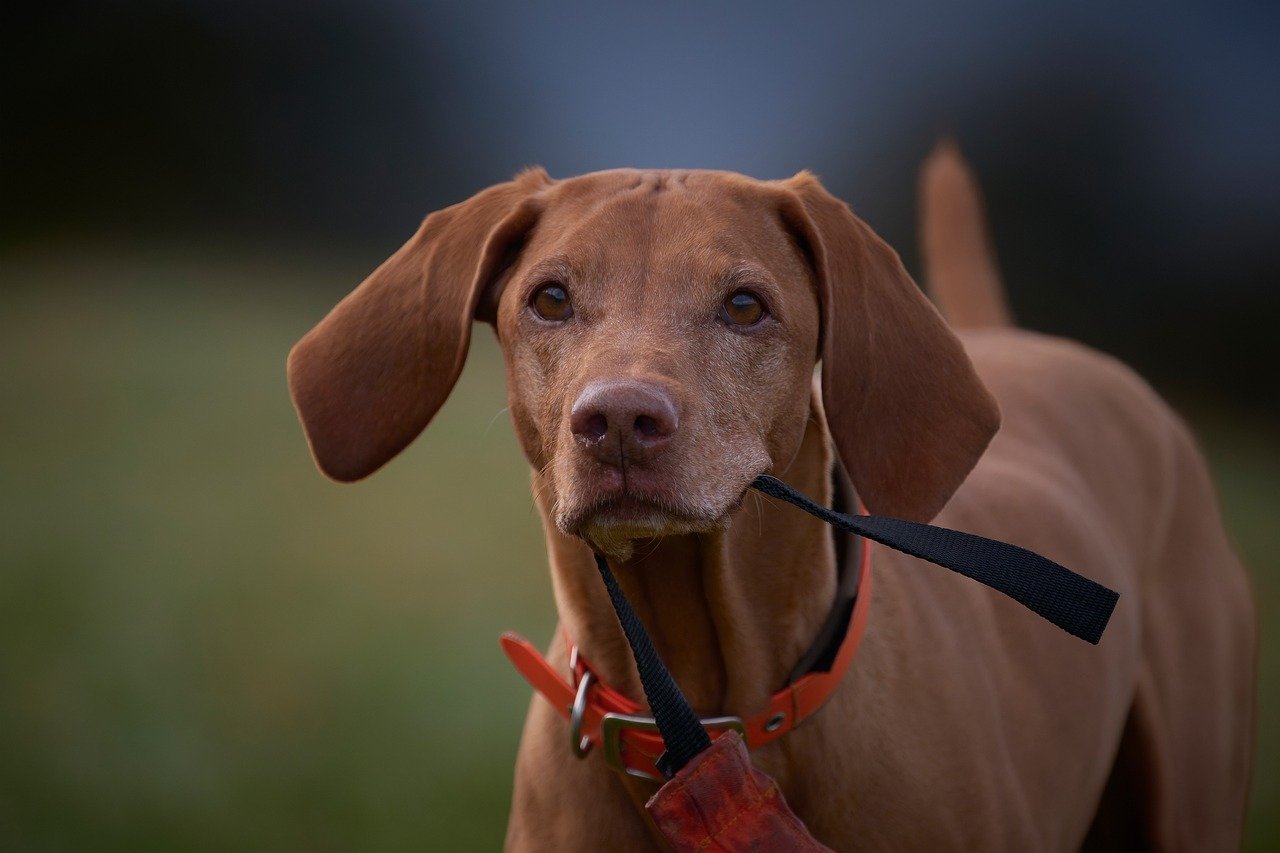
The Vizsla is a Hungarian hunting breed known for its sleek build and boundless energy. While not as fluffy as other water-loving breeds, Vizslas are surprisingly strong swimmers who relish the chance to cool off in rivers and lakes. Their short coats dry quickly, but they lack the insulation of thicker-coated breeds, so keep an eye on them in colder water. Always start with shallow water to build their confidence. Bring along floating toys to make swim time even more exciting.
Each of these breeds brings its own special charm and enthusiasm to the water. With a little preparation and attention to safety, swimming with your dog can be one of life’s most joyful shared experiences. So grab a towel, pack some toys, and let your water-loving friend lead the way into a world of splashes, smiles, and unforgettable moments. Which water-loving breed would you love to make a splash with?


