
There’s a reason some dogs sit by the front door for months after being rehomed – waiting for someone who isn’t coming back. Most people assume dogs are naturally adaptable, that with enough treats and patience, any dog will eventually come around. But for certain breeds, that first bond isn’t just deep. It’s almost irreplaceable. These dogs don’t just love their first owner. They choose them, completely and permanently, in a way that rewires how they see every human who comes after.
Some of the breeds on this list will surprise you. A few are famous for being friendly and social – yet underneath that reputation is a one-person loyalty that shelters and rescue groups quietly struggle with every single day. Whether you’re thinking about adopting a rehomed dog, already own one of these breeds, or just want to understand what’s really going on behind those watchful eyes, what follows is going to hit differently than you expect.
19 – Akita
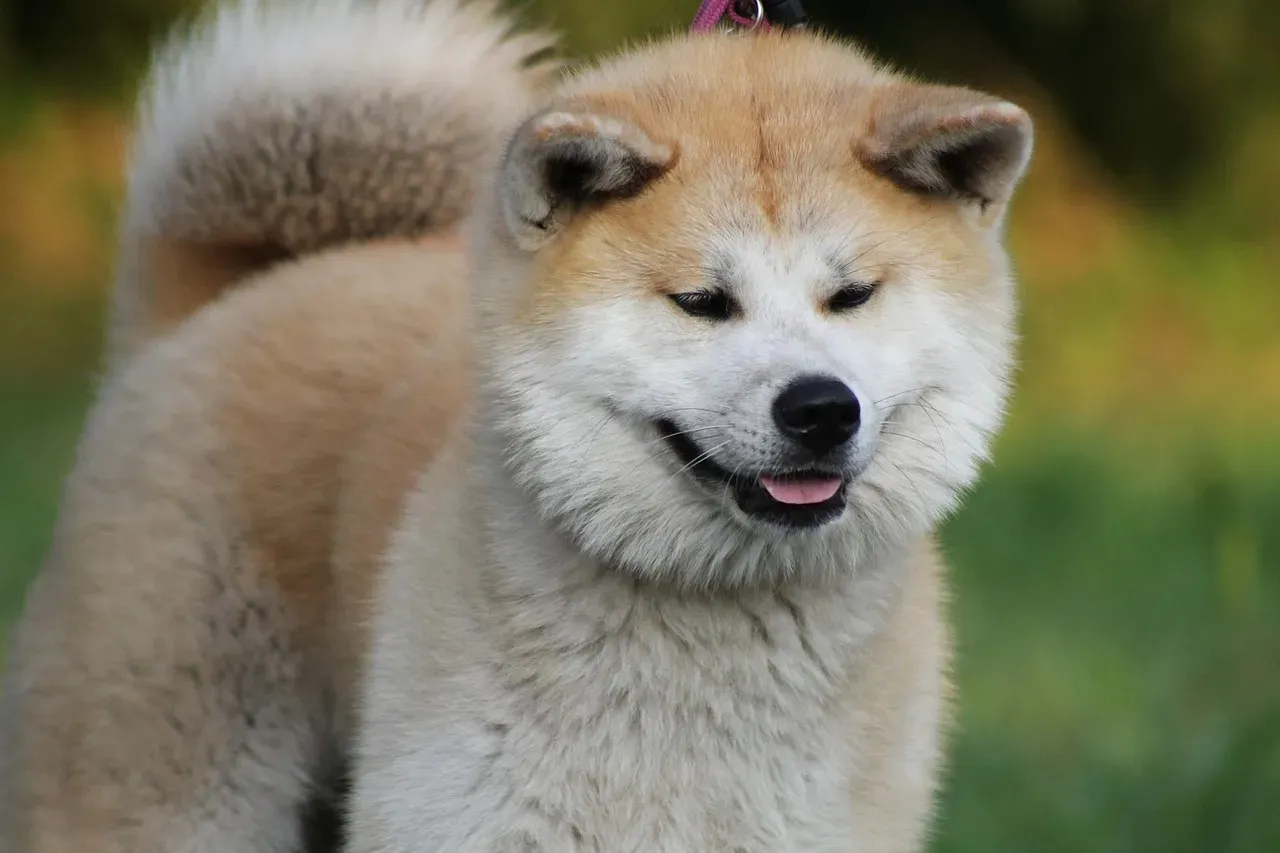
If you’ve ever heard the story of Hachiko, the Akita who waited at a Tokyo train station every day for nearly ten years after his owner died, you already understand something fundamental about this breed. Akitas were developed in Japan as guardian dogs, and that instinct to protect – and to anchor themselves to one person – is baked into their DNA. They are not unfriendly by accident. They are selective by design.
When an Akita bonds with their first owner, that relationship becomes the lens through which they judge every human being afterward. A new owner isn’t just a stranger – they’re an unknown quantity in a world the Akita has already decided to be suspicious of. Rehoming an Akita requires extraordinary patience, consistency, and a genuine willingness to earn trust that may never fully arrive. Many Akita rescue volunteers will tell you plainly: some of these dogs never fully transfer their loyalty. They tolerate. They adapt. But they don’t forget.
Fast Facts
- Originated in the Akita Prefecture of northern Japan; breed history dates to the 17th century
- Designated a national treasure in Japan, where Akita figurines are gifted to newborns as symbols of loyalty and protection
- Helen Keller is credited with bringing the first Akita to the United States
- Not recommended for first-time dog owners – their stubborn willfulness can override even intelligent training instincts
- Requires at least 60 minutes of daily exercise; deeply unhappy as a backyard-only dog
Once an Akita decides you are their person, that decision is for life – theirs, not yours.
Common refrain among Akita breed rescue volunteers
18 – Shiba Inu
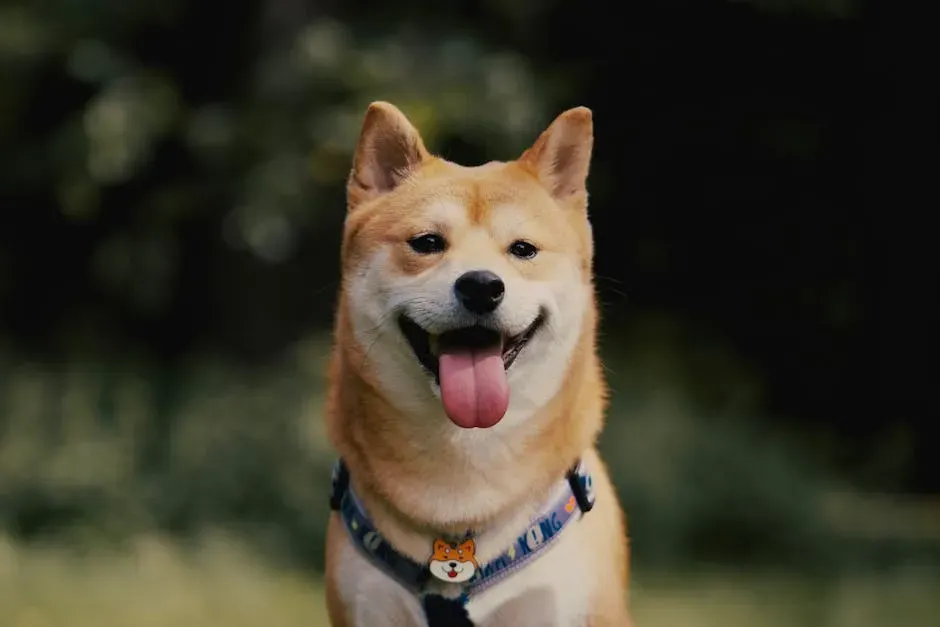
The Shiba Inu has had a global moment thanks to memes and social media, but the internet version of this breed – smiling, goofy, endlessly entertaining – only tells half the story. In real life, Shibas are ancient, deeply self-possessed dogs who share almost nothing emotionally with strangers until they decide otherwise. And with their first owner, that decision has already been made. Everyone else starts from zero.
What makes the Shiba Inu’s loyalty particularly intense is how quietly it operates. They won’t howl at the door or show visible distress the way a Labrador might. Instead, they simply withdraw – becoming unreadable, unresponsive, and emotionally unavailable to new people in a way that can feel like rejection. Rehoming a Shiba Inu mid-life is genuinely hard. They don’t do small talk. They don’t do warm-up periods. Trust, for a Shiba, is earned in geological time.
17 – Chow Chow
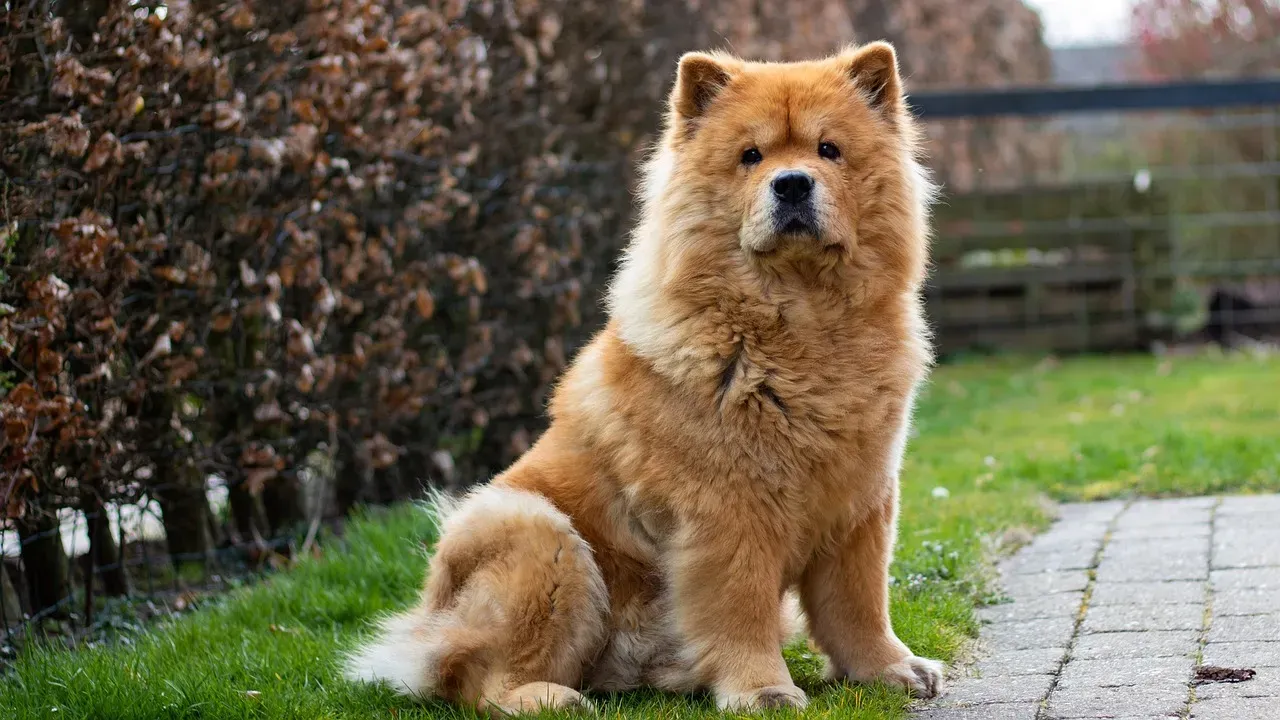
There is a certain kind of dignity to the Chow Chow that people often mistake for arrogance. These dogs move through the world like they’ve already decided what they think of it – and largely, what they think is that most of it isn’t worth their time. But with the person they’ve chosen as their own, that reserve melts into something surprisingly tender. The problem is that “their person” is almost always whoever raised them first.
Chow Chows are notoriously resistant to warming up to new handlers. Trainers who specialize in the breed often describe the process of rebuilding trust after rehoming as less like training and more like diplomacy – slow, careful, and never fully guaranteed. This isn’t stubbornness for its own sake. It’s the echo of a breed that was historically used as guard dogs and hunting companions, where picking the wrong person to trust could genuinely cost them. That ancient instinct doesn’t disappear just because the setting is a suburban backyard.
16 – Basenji
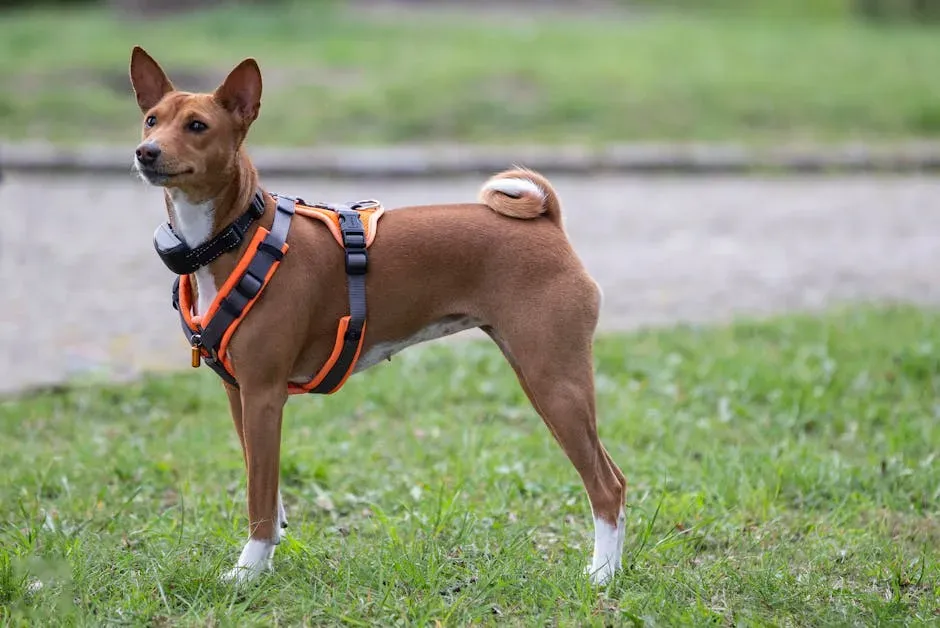
The Basenji is one of the oldest dog breeds in the world – genetically closer to wolves than most modern breeds – and they carry that ancient independence like armor. They don’t bark, which already sets them apart from almost every other domestic dog, and their emotional world operates on a frequency that takes time, stillness, and genuine attentiveness to tune into. Their first owner, who put in that time, is rewarded with fierce, quiet devotion.
A new owner stepping into a Basenji’s life mid-stream faces a formidable challenge. These dogs are not hostile, but they are profoundly skeptical. They will observe a new person for weeks before making any social overture, and even then, the overture is subtle enough that most people miss it. Basenji owners in rescue communities often describe the rehoming process as a long negotiation where the dog holds all the cards. Patience isn’t just helpful here – it’s the only currency that works.
15 – Scottish Terrier
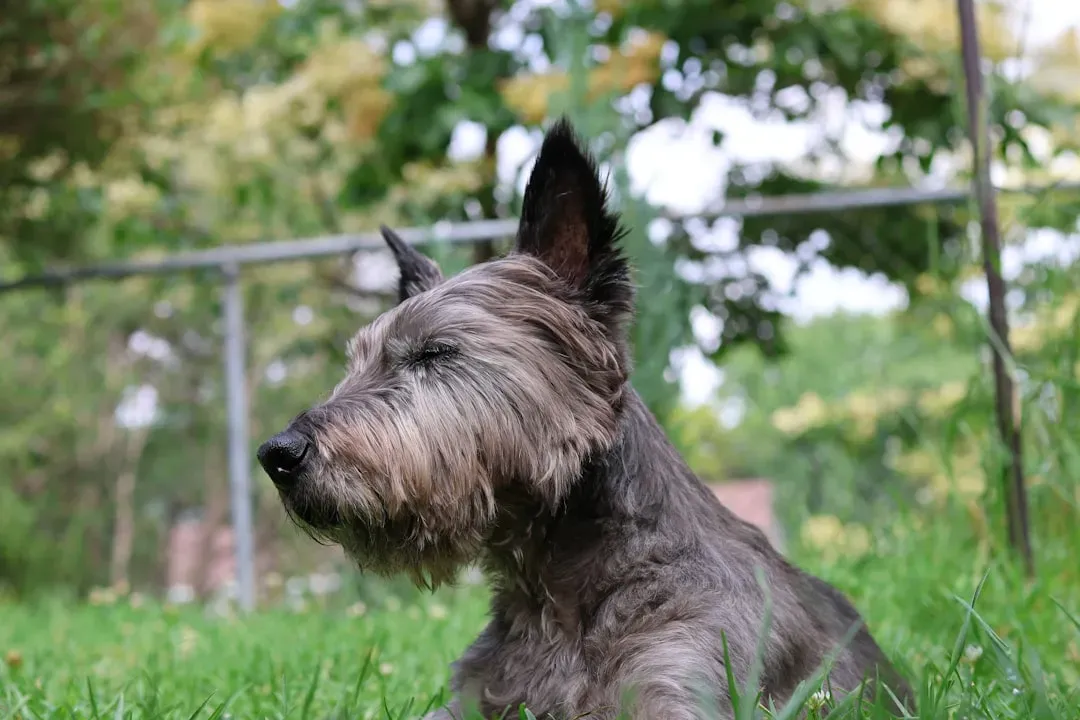
Don’t let the compact size fool you. The Scottish Terrier is one of the most self-determined dogs ever bred, with an inner life that is surprisingly complex and a social circle that is deliberately small. Scotties typically pick one person – maybe two if they’re feeling generous – and the rest of the world is essentially background noise. That selectivity intensifies with age, which means an adult Scottie being rehomed is an especially tough case.
What makes Scotties particularly interesting is how openly they communicate their feelings about new people: with dignified, pointed indifference. They won’t growl or cower. They’ll simply look at you, assess you, and then look away – as if the evaluation has been completed and the results weren’t encouraging. Building a new relationship with a Scottish Terrier after rehoming means accepting that you may spend months being tolerated before you’re actually welcomed. For the right person, that eventual welcome feels like winning something rare.
14 – Chinese Shar-Pei
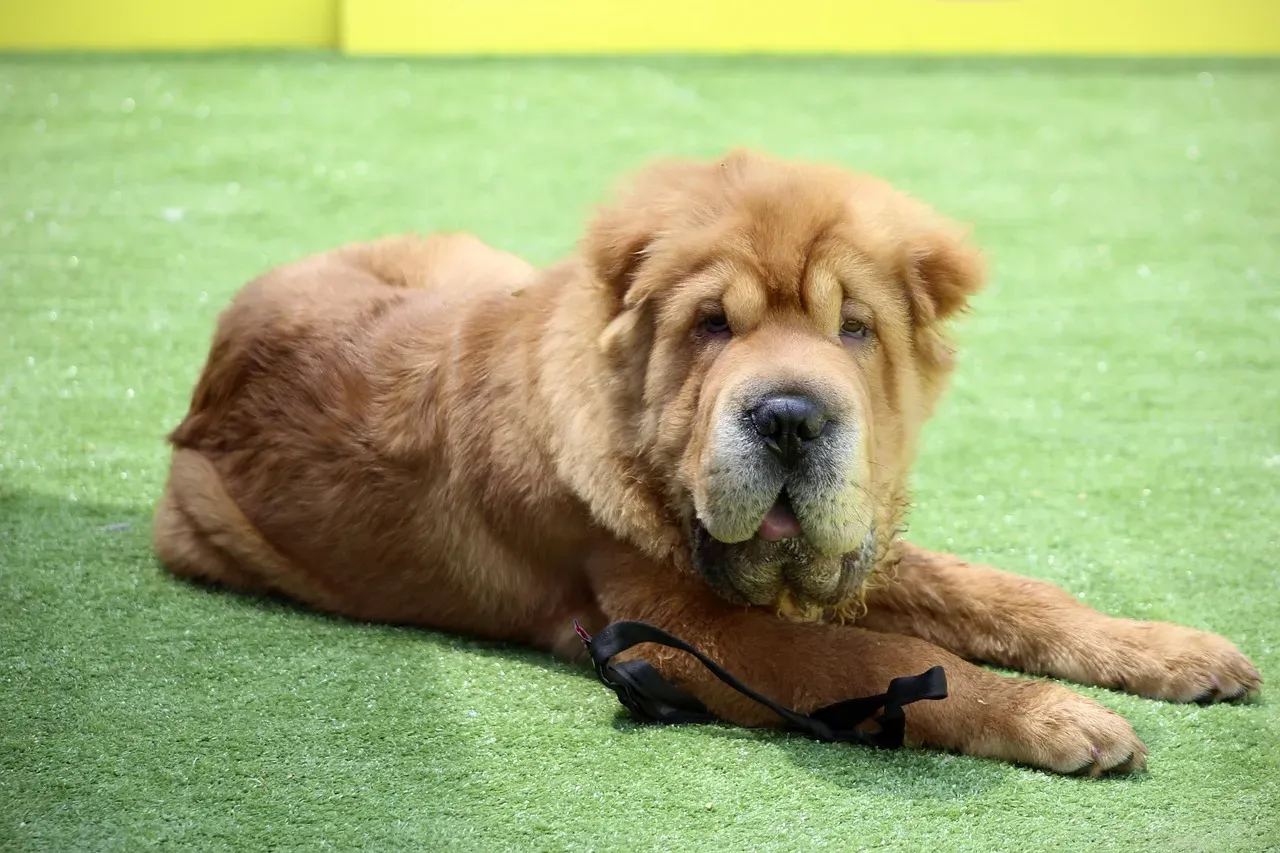
The Shar-Pei’s wrinkled face and ancient appearance aren’t just aesthetically striking – they’re a visual reminder that this is a breed with deep historical roots and an equally deep sense of personal loyalty. Originally bred in China as farm guards and fighting dogs, Shar-Peis developed a wariness toward outsiders that hasn’t softened much over centuries of domestication. They love hard, but only in one direction at a time.
When a Shar-Pei loses their first owner through rehoming, surrender, or loss, the grief is real and behavioral. They may refuse food, become withdrawn, or respond to new family members with a flat, unreadable stoicism that can last for months. Shelter workers who handle Shar-Peis often note that these dogs don’t break down – they shut down. Rebuilding trust requires a new owner who understands that they aren’t replacing someone. They’re starting an entirely different relationship from scratch, on the dog’s timeline, not their own.
At a Glance: What Rehoming Looks Like for These Breeds
- Appetite changes – refusing food for days or weeks is common, especially in Shar-Peis, Vizslas, and Rottweilers
- Withdrawal – dogs become quiet, flat, and unresponsive rather than visibly distressed
- Door-watching – many breeds park themselves near exits, waiting for the person who isn’t coming back
- Behavior regression – housetraining and commands learned under the first owner may temporarily disappear
- Timeline – most breed specialists advise expecting 3 to 12 months before genuine rebonding begins
13 – Pug
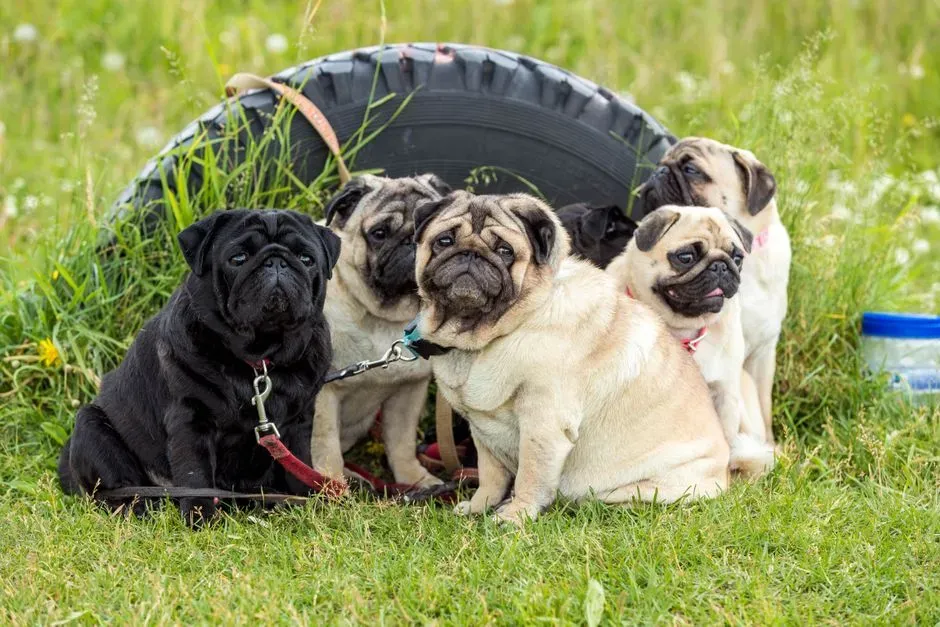
Pugs seem like the least likely candidate for deep, complicated loyalty issues. They’re goofy, sociable, enthusiastic little dogs who will apparently make friends with anyone. But beneath that bouncy social exterior is a dog who has quietly, completely anchored their emotional world to one specific person – and when that person is gone, the cheerfulness can hollow out fast. Pugs are notorious for separation anxiety, and that anxiety spikes sharply when the person they’re separated from is their original owner.
What rehoming a Pug actually looks like in practice can be heartbreaking. A dog who was playful and outgoing with their first family may arrive at a new home subdued, clingy, or restless in a way that seems completely out of character. They’re not being difficult. They’re grieving. The good news is that Pugs, with enough time and consistent affection, do have the capacity to transfer their loyalty – but new owners should be prepared for a longer adjustment than this breed’s friendly reputation suggests.
12 – Chihuahua
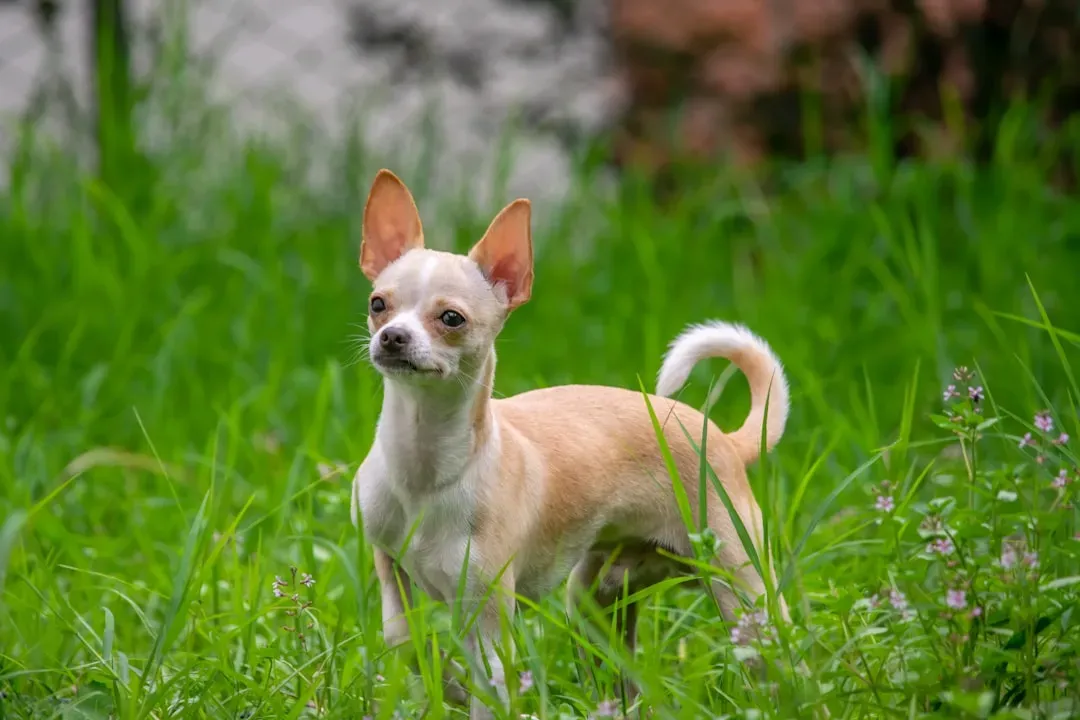
Chihuahuas have a reputation for being snappy and difficult that isn’t entirely fair – because the behavior people label as aggression is almost always loyalty in disguise. These tiny dogs bond with ferocious intensity to their first owner and then spend much of their lives defending that relationship from perceived threats, which in a Chihuahua’s mind can include almost anyone who gets too close. They aren’t mean. They’re fiercely, almost desperately, devoted.
That devotion becomes a real problem in rehoming situations. A Chihuahua who was sweet and gentle with their original family can transform into a defensive, mistrustful animal when placed with strangers – not because something is wrong with them, but because everything that felt right has been removed. Experienced Chihuahua rescuers often warn new adopters: don’t mistake wariness for personality. The dog you’re seeing in week one is not the dog you’ll have in month six. Give them a reason to let their guard down, and they eventually will – but earning that trust takes longer than most people expect from a five-pound animal.
11 – Australian Cattle Dog
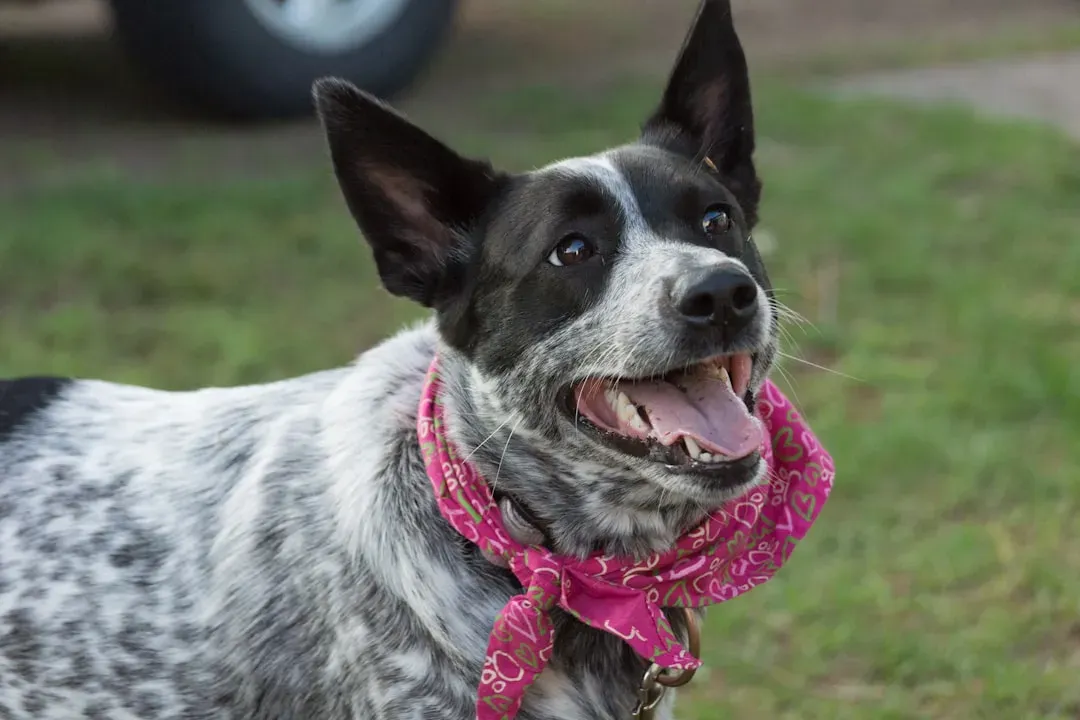
The Australian Cattle Dog – also known as the Blue Heeler or Red Heeler – is one of the most intensely bonded working breeds in existence. These dogs were developed to work long hours in harsh conditions alongside a single handler, moving cattle across enormous distances. That kind of work forges a bond that isn’t casual. It’s structural. The owner isn’t just a companion – they’re the entire operational center of the dog’s world.
When an Australian Cattle Dog is rehomed, that center collapses, and the dog has to rebuild their entire sense of purpose around a new person. That process is slow and sometimes stubborn. Cattle Dogs in new homes often test boundaries, withdraw from affection, or redirect their herding instincts in ways that feel chaotic until a new bond is established. The breed’s intelligence works against them here – they know exactly what changed, and they process that loss in behavioral ways that can challenge even experienced dog owners. But when a Cattle Dog finally commits to a new person, that commitment is every bit as total as the first one.
10 – Border Collie
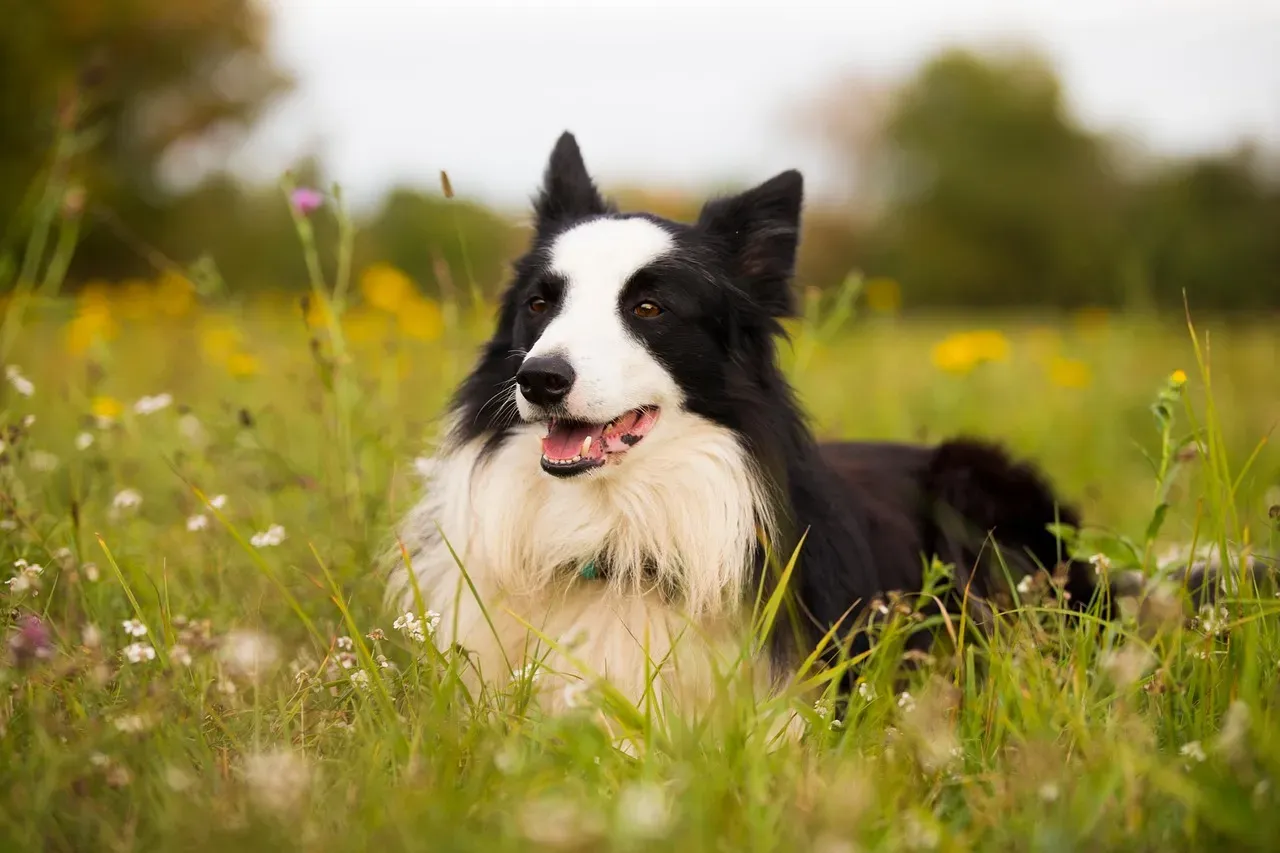
Border Collies are widely considered the most intelligent dog breed in the world, and that intelligence comes with an emotional depth that most people underestimate. These dogs don’t just work with their first owner – they synchronize with them. They learn their handler’s rhythms, signals, moods, and expectations at a level that is almost uncanny. That synchronization is beautiful when everything is stable. When the owner changes, the dog is left running software designed for someone who’s no longer there.
New owners of rehomed Border Collies often describe a strange period of adjustment where the dog seems to be constantly searching – watching the door, scanning the room, performing behaviors that made sense to a previous handler but mean nothing in the new context. It’s not confusion exactly. It’s loyalty without a target. The path forward is patience and structure: giving the Border Collie new problems to solve, new routines to lock into, new reasons to redirect that extraordinary mental energy toward the person standing in front of them now.
Why It Stands Out
- Ranked #1 in Stanley Coren’s The Intelligence of Dogs out of 138 breeds evaluated
- Can learn a new command in fewer than 5 repetitions – most breeds need 25 to 50
- Obeys a known command on the first try with a 95%+ success rate
- Famous Border Collie “Chaser” learned and could identify 1,022 individual objects by name
- That same processing power means a rehomed Collie understands exactly what changed – and grieves accordingly
9 – Dachshund
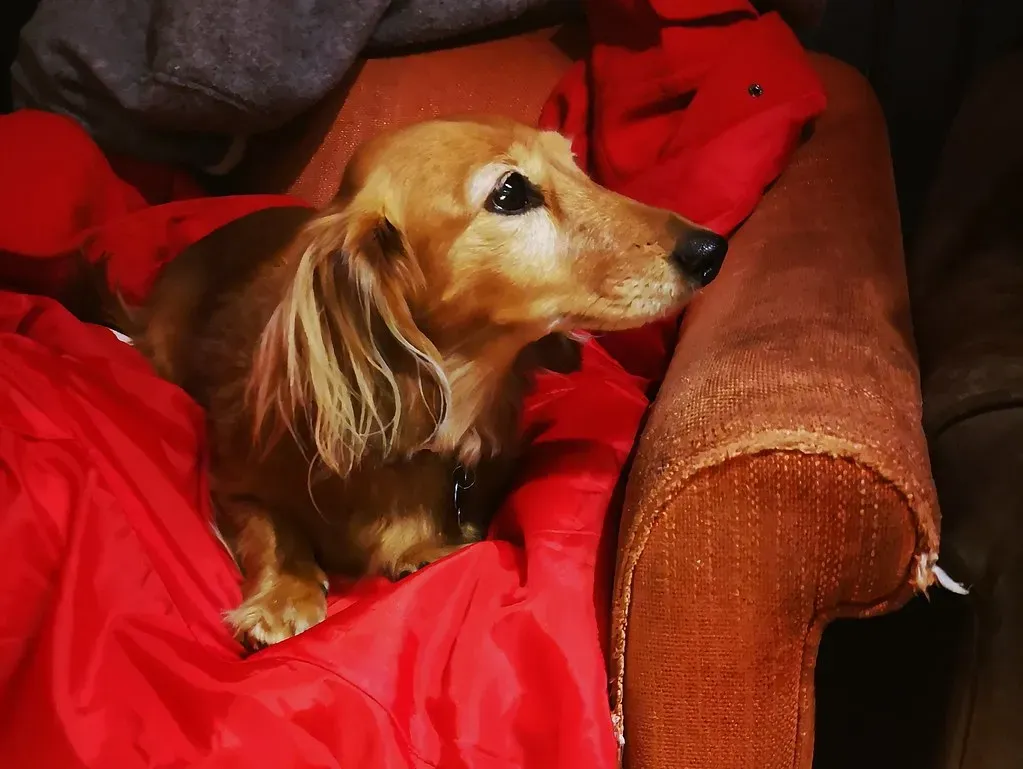
Dachshunds were originally bred to hunt badgers – alone, underground, following a scent deep into a burrow with no handler present. That sounds like independence, and it is, but it’s paired with something surprising: an intense attachment to a specific person above all others. Dachshunds are simultaneously one of the most self-directed breeds and one of the most owner-obsessed. They do what they want – but they want to do it near you, specifically you, and ideally only you.
In rehoming situations, Dachshunds can be quietly devastating to watch. They don’t typically act out dramatically. Instead, they become shadows of themselves – less curious, less playful, less inclined to engage with the world that’s been rearranged around them. Their trademark stubbornness, which is endearing in a stable home, becomes a wall in a new one. Breaking through that wall is possible, but it requires a new owner willing to sit on the floor, speak softly, and let the dog set the pace entirely. You don’t pursue a Dachshund’s trust. You wait for it.
8 – Shih Tzu
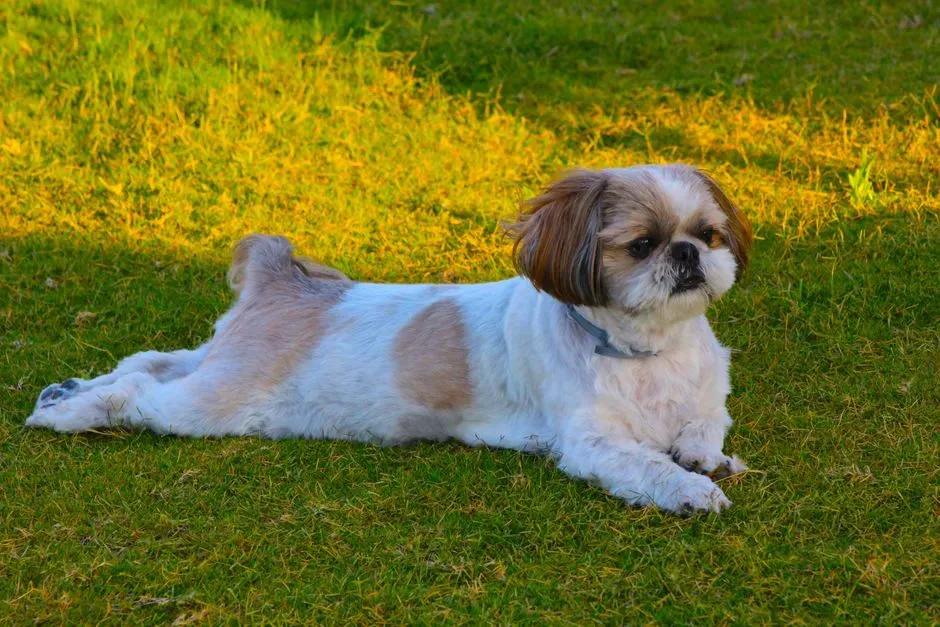
The Shih Tzu was bred for one explicit purpose: to be a companion to Chinese royalty. Not a working dog, not a guard dog – a companion. That purpose is still completely intact thousands of years later. Shih Tzus are engineered, at a deep genetic level, to attach to a person and make that person the center of their emotional universe. When the relationship is good, it’s genuinely beautiful. When that person disappears from their life, the disruption is profound.
What surprises many new Shih Tzu owners is how long the adjustment period can take. Because the breed looks so soft and approachable – the silky coat, the sweet face, the compact little body – people expect an easy transition. Instead, they find a dog who is polite but distant, responsive but not warm, present but somehow not quite there. The Shih Tzu isn’t being difficult. They’re mourning. New owners who understand that and respond with consistency, gentleness, and genuine patience are eventually rewarded with the full depth of what this breed has to offer. But they have to earn it, even when it doesn’t look like it should be this complicated.
7 – Vizsla
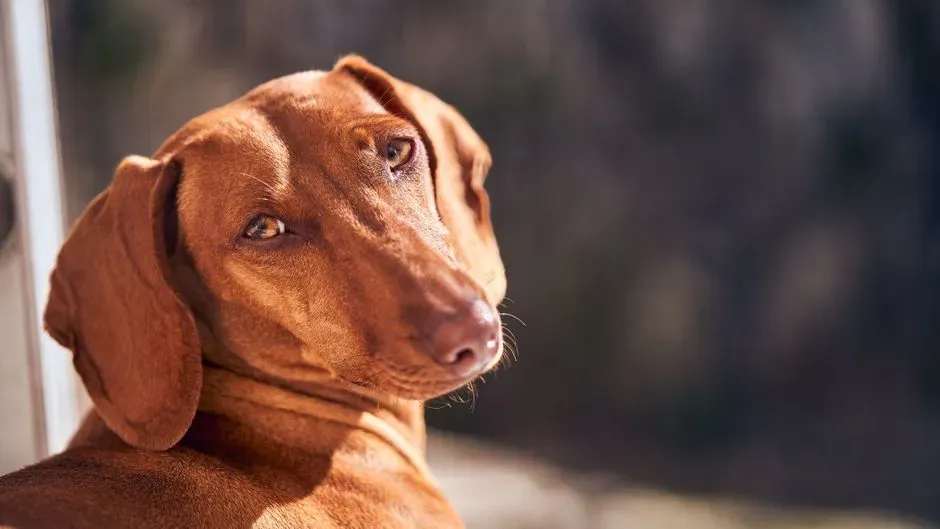
The Vizsla is sometimes called “the Velcro dog” because of how physically and emotionally attached they become to their primary person. This is not a breed that does well with distance – emotional or physical. Vizslas want to be touching you, watching you, following you from room to room, and reading your emotional state with an accuracy that can feel almost psychic. Their first owner becomes their entire social and emotional architecture.
Rehoming a Vizsla is one of the more emotionally demanding experiences in the dog rescue world – for the humans involved. These dogs visibly grieve. They lose weight. They stop engaging. They stand at windows or doors in a way that communicates loss more clearly than any behavior chart could. The breed’s sensitivity, which makes them extraordinary companions in the right hands, becomes a vulnerability in transition. A new owner has to be willing to absorb a lot of need before the Vizsla begins to redirect that need toward them instead of the ghost of who came before.
6 – Doberman Pinscher
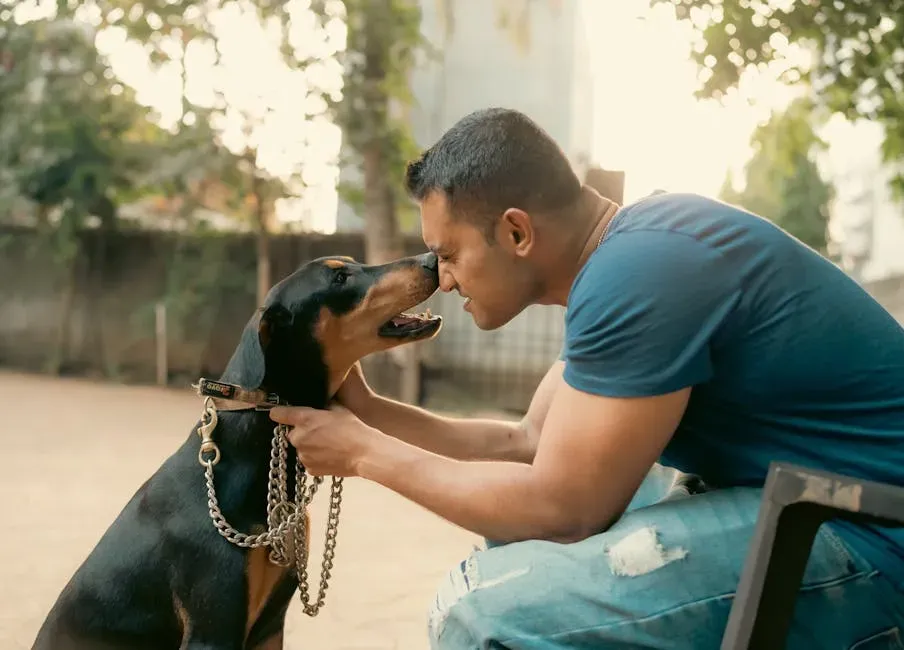
Dobermans have a reputation for being intimidating, but people who actually know the breed describe something different: a dog of almost embarrassing emotional sensitivity who bonds with their first owner at a depth that is genuinely hard to overstate. These dogs track their person’s emotional state constantly. They respond to stress, sadness, and anxiety with a calibrated attentiveness that trainers often describe as reading the room better than most humans do.
That emotional attunement makes rehoming a Doberman complicated in ways that go beyond simple adjustment. A Doberman who has been surrendered may arrive at a new home carrying visible anxiety – pacing, scanning, hypervigilant in a way that looks alarming but is really just a mind designed for deep connection operating without its anchor. New owners who match the Doberman’s intensity with calm, structured affection – who give the dog a clear role, clear boundaries, and consistent presence – are the ones who eventually unlock what this breed actually is: one of the most loyal, loving, and emotionally complex animals you will ever share your life with.
5 – German Shepherd
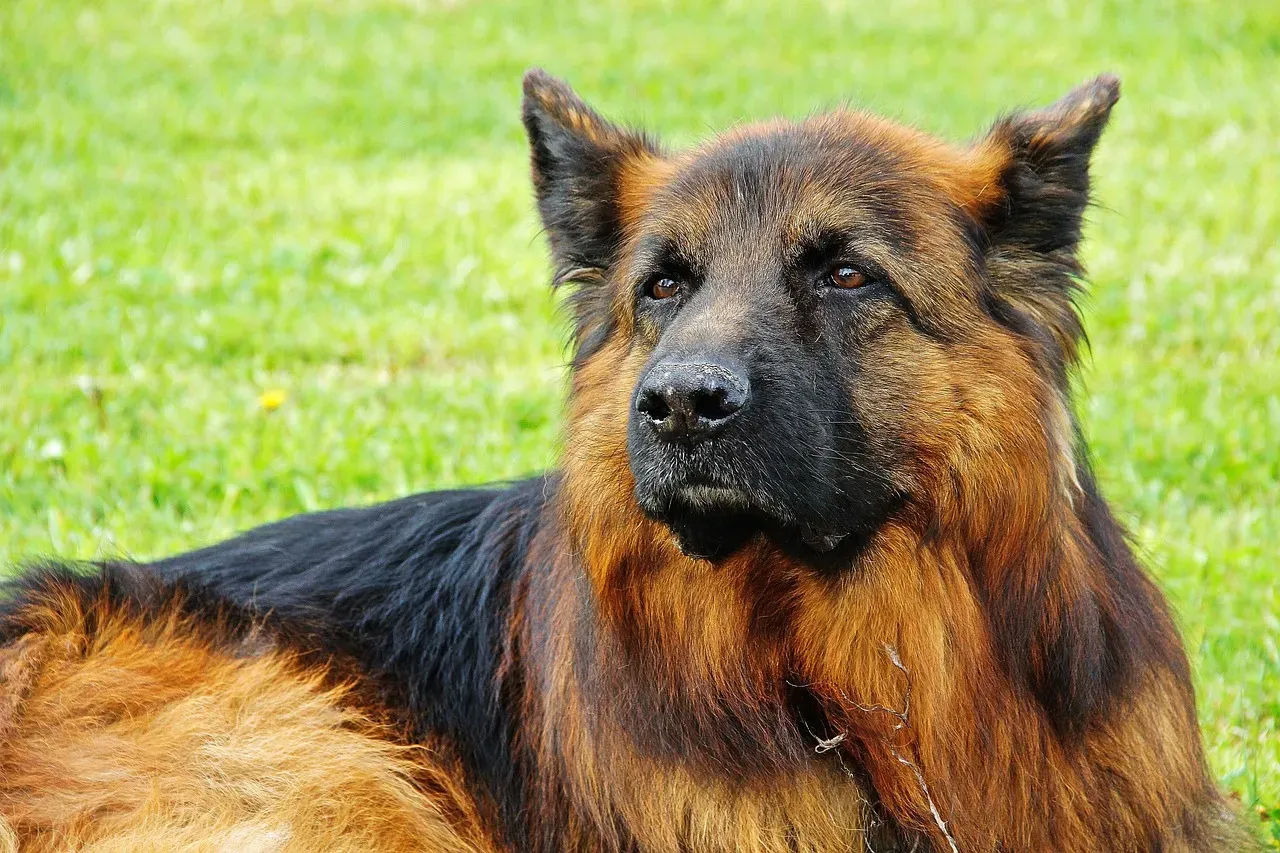
German Shepherds are so associated with loyalty that the word almost feels redundant. Police dogs, military dogs, search-and-rescue dogs – the breed’s entire working history is built on the ability to bond so completely with one handler that the team functions as a single unit. That’s not a metaphor. It’s literally how they’re trained, because it’s literally how they’re wired. The first person a German Shepherd truly works with becomes their north star.
When a German Shepherd is rehomed as an adult, the loss registers as something close to an identity crisis. These are dogs who need a job, a structure, and a person to anchor both to – and losing the person destabilizes everything. New owners often report that a rehomed Shepherd seems to be constantly evaluating them: watching, waiting, testing the edges of the relationship to determine if it’s worth committing to. The answer, when the new owner is patient and consistent, is almost always eventually yes. German Shepherds don’t give up on humans easily. But they don’t hand over their full trust twice without making you prove you deserve it.
4 – Rottweiler
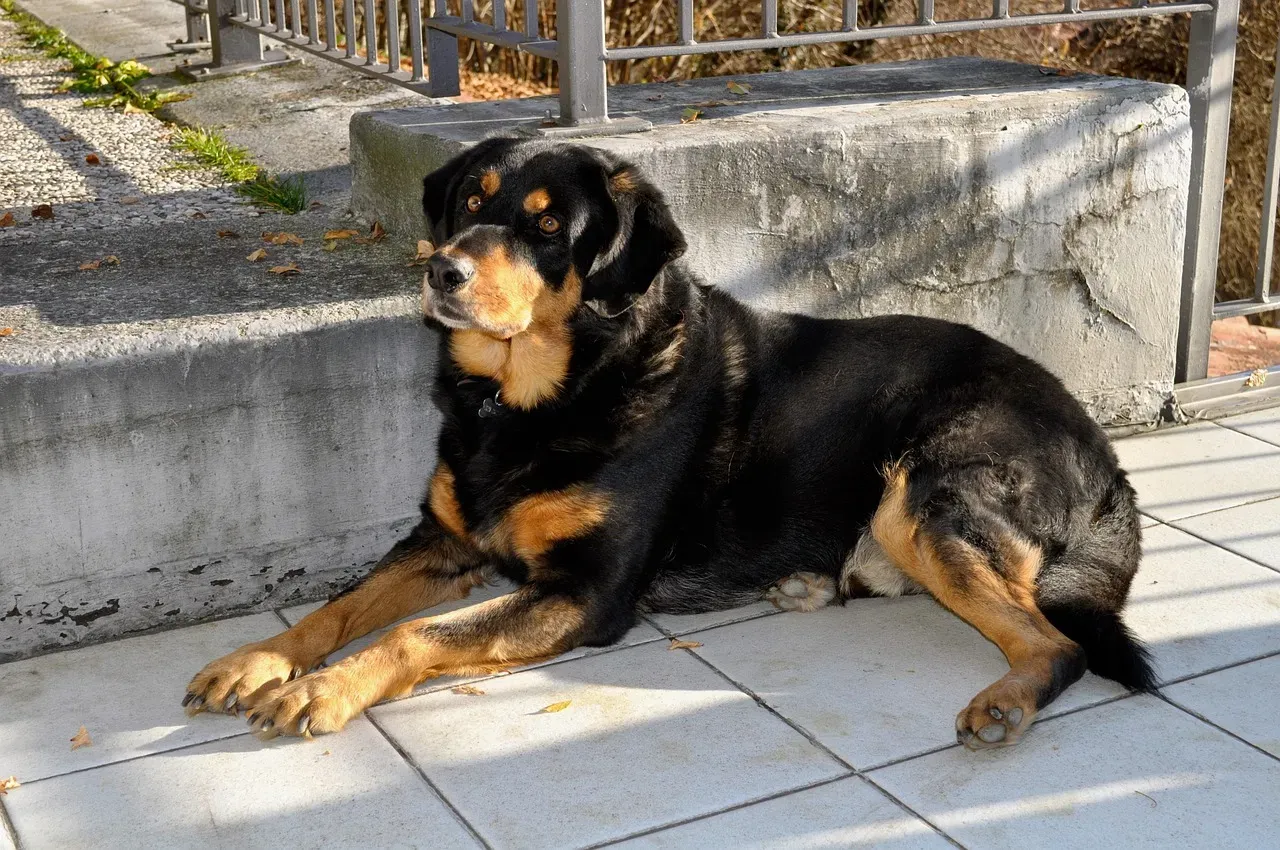
Rottweilers are deeply misunderstood dogs. The media image – powerful, unpredictable, dangerous – obscures what owners actually experience: a dog of enormous emotional warmth who picks their person and then guards that relationship with every fiber of their being. Rottweilers are not aggressive by nature. They are loyal by nature, and loyalty in a 120-pound dog with a protective instinct looks different than it does in a Beagle.
What makes Rottweilers particularly poignant in rehoming situations is how clearly their distress shows. A Rottweiler who has been separated from their first owner can become withdrawn, flat, and uncharacteristically passive – as if the force that animated them has been removed. They need a new owner who isn’t intimidated by their size or their history, who understands that the wariness being projected is grief in a big body, and who is willing to show up with the same consistency and strength that this breed respects above all else. Rottweilers don’t give partial loyalty. It’s all or nothing – and earning the “all” from a rehomed Rottweiler is one of the most rewarding things a dog owner can experience.
3 – Belgian Malinois
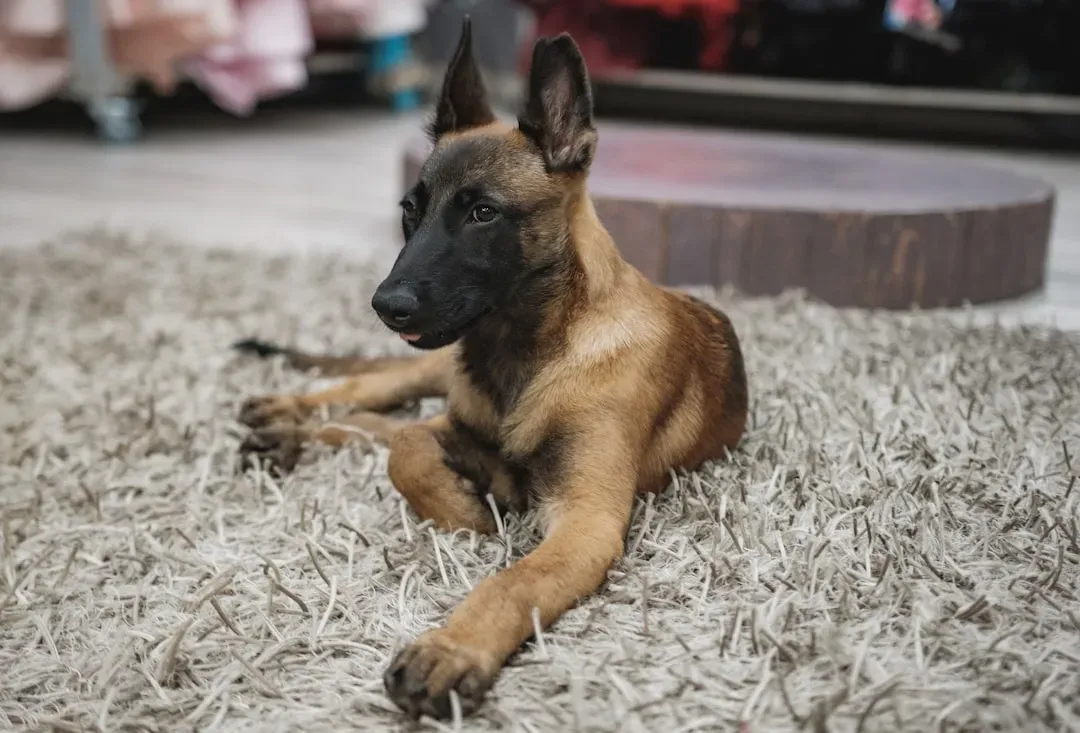
The Belgian Malinois is the breed of choice for elite military and law enforcement units around the world – and that fact alone tells you everything you need to know about their bonding intensity. These dogs are selected specifically because they form attachments so deep, so operationally complete, that they will follow one handler into extraordinarily dangerous situations without hesitation. That’s not training overriding instinct. That’s training working with instinct that was already profound to begin with.
A rehomed Malinois is one of the most challenging transitions in the dog world. This breed operates at a psychological intensity that most domestic environments aren’t built for, and removing their primary bond destabilizes them at a level that requires genuinely expert handling. New owners who take on a Malinois without understanding the breed’s depth often describe feeling like the dog is looking through them rather than at them – searching for someone else. The path forward is relentless consistency, structured activity, and the willingness to become so reliably present that the dog’s nervous system finally accepts that this is home now. It’s a long road. The destination is extraordinary.
Worth Knowing
- Most dogs serving with U.S. Navy SEALs are Belgian Malinois – including Cairo, who assisted SEAL Team 6 in 2011
- Military Malinois are equipped with their own body armor and night-vision goggles for operations
- Handler-dog training bonds take 6 months to 2 years to build – and the preferred outcome is for the handler to adopt the dog after service
- When a K9 Malinois unexpectedly encountered his first handler while on patrol, he “forgot” his training entirely – tail wagging, leaping, completely overwhelmed by the reunion
- Typical weight: 60–70 lbs, making them more compact than German Shepherds and easier to deploy in tandem jumps
2 – Bloodhound
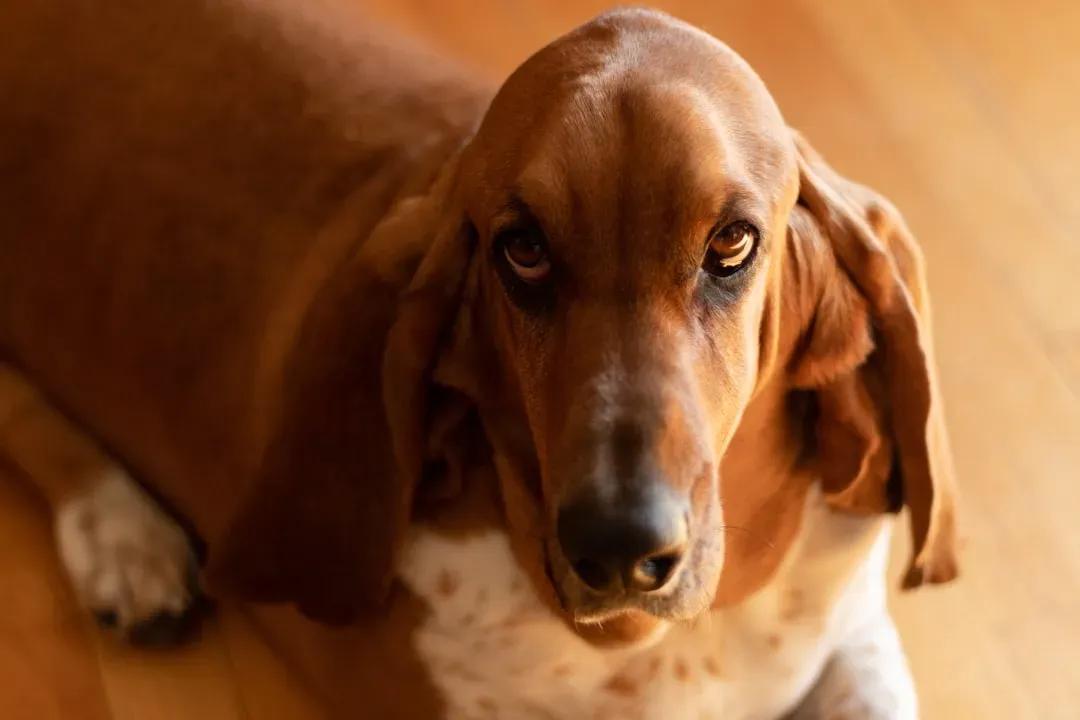
The Bloodhound’s entire existence is organized around following a single thread – one scent, one trail, one mission – with a focus so total that the outside world effectively disappears. That same quality lives in how they love. Bloodhounds are gentle, affectionate, almost comically devoted dogs who attach to their first owner with a slow, thorough completeness that mirrors how they work a scent: patiently, thoroughly, and without distraction.
What makes the Bloodhound particularly affecting in rehoming situations is the combination of their emotional depth and their physical expressiveness. These are not dogs who hide how they feel. A Bloodhound who is grieving the loss of their first owner will show you – in the droop of the jowls, the weight in the eyes, the way they carry themselves through a new space like they’re moving through water. New owners who take the time to understand this breed’s pace, who resist the urge to rush the relationship, and who meet the dog’s gentleness with gentleness of their own are the ones who eventually discover what lies on the other side of that grief: a loyalty so thorough it feels like being truly known.
1 – Czechoslovakian Wolfdog
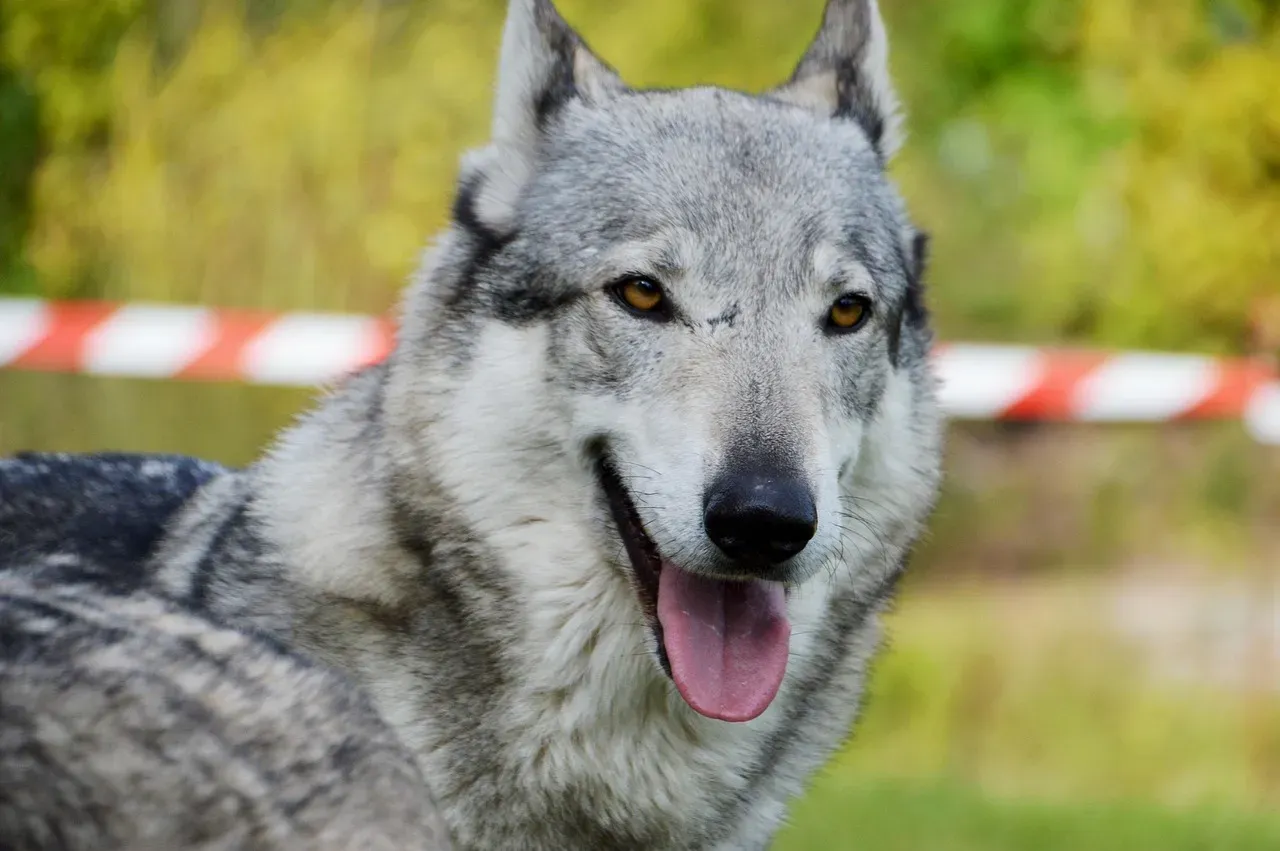
The Czechoslovakian Wolfdog sits at the extreme edge of what we conventionally think of as a domestic dog. Developed in the 1950s by crossing German Shepherds with Carpathian wolves, this breed carries a wildness that has never been fully domesticated – and their bonding behavior reflects that. In the wild, wolves form lifetime pair bonds within their pack. The Czechoslovakian Wolfdog applies that same logic to their first human. That person isn’t just an owner. They are, in the dog’s deepest instinctual understanding, their pack.
Rehoming a Czechoslovakian Wolfdog is not a casual undertaking. These dogs do not generalize affection. They do not extend trust broadly or quickly. When separated from their first owner, they can become profoundly unsettled in ways that look less like behavioral problems and more like an existential crisis – because in their terms, that’s precisely what it is. The people who successfully build new bonds with this breed are almost always experienced, deeply committed, and willing to accept that they may spend a year or more earning a trust that the previous owner received simply by being first. But for those who persist – the payoff is something almost mythological: a bond with an animal that stands at the very edge of wild, who looked at all the options and chose you anyway.
Quick Compare: Loyalty Intensity vs. Rehoming Difficulty
- Czechoslovakian Wolfdog – Wolf-level pack bonding; rehoming is a multi-year project requiring expert experience
- Belgian Malinois – Military-grade handler attachment; needs structured purpose to rebuild trust
- Akita – Deep, permanent one-person bond; may tolerate but never fully transfer loyalty
- Vizsla – Visibly, physically grieves; emotionally fragile in transition but capable of deep rebonding
- Border Collie – Intellectually processes the loss; needs new problems to solve before trust can redirect
- Chihuahua / Dachshund – Small body, enormous loyalty wound; slower to rebuild than their size suggests
The Hard Truth About One-Person Dogs
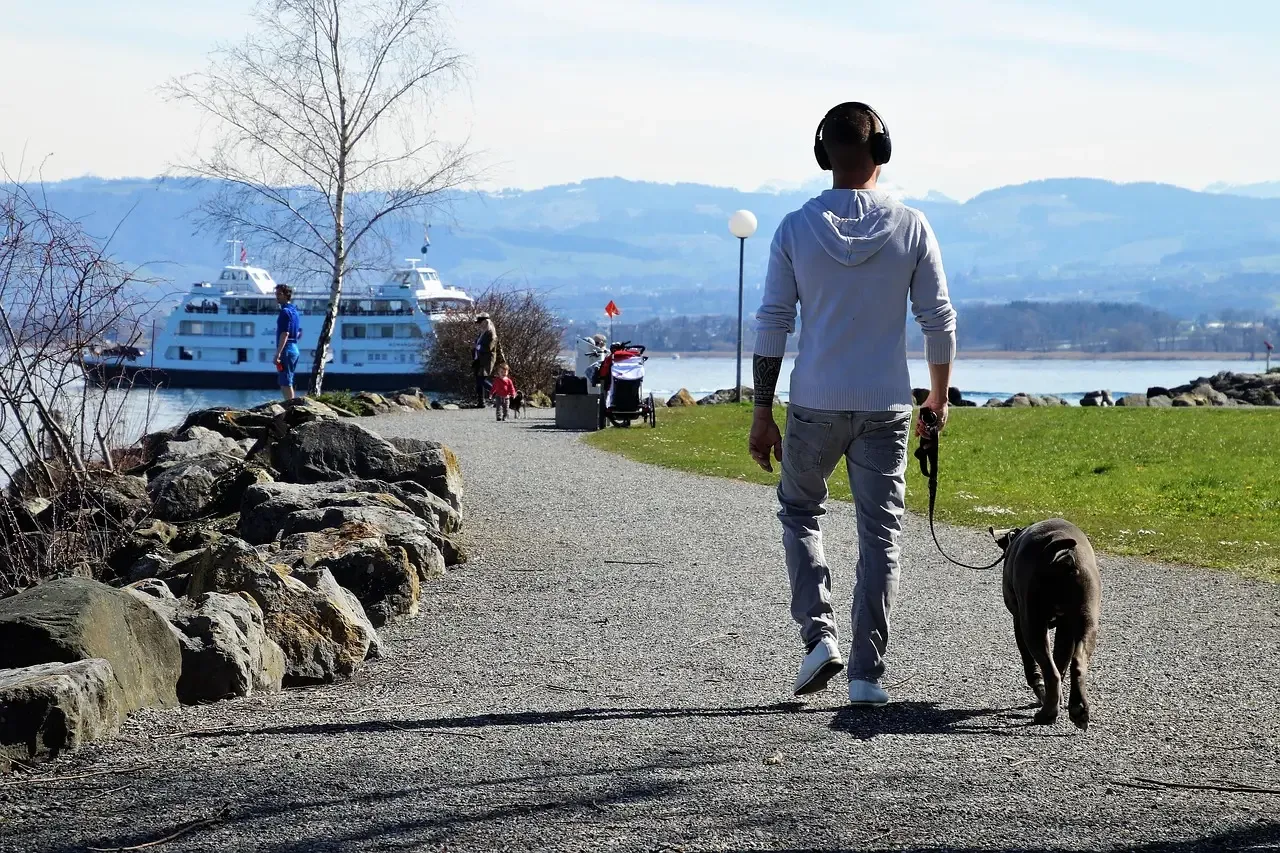
Here’s an opinion worth saying plainly: we don’t do enough to prepare people for what rehoming a deeply bonded dog actually involves. The narrative around dog adoption is overwhelmingly positive – give a dog a loving home, and love is what you’ll get back. And that’s true, eventually, for most dogs. But for the breeds on this list, the gap between “eventually” and “right now” can be months wide and emotionally demanding in ways that catch good-hearted people completely off guard.
These dogs aren’t broken. They aren’t damaged goods. They are animals whose greatest quality – the capacity for profound, total, irreplaceable loyalty – becomes their greatest vulnerability when circumstances change. The world would be a better place for these breeds if more people understood that adopting one of them isn’t just giving a dog a home. It’s making a commitment to earn something that was already given, completely and permanently, to someone else. That’s a profound responsibility. It’s also, for the right person, one of the most meaningful things a relationship with an animal can be.


