
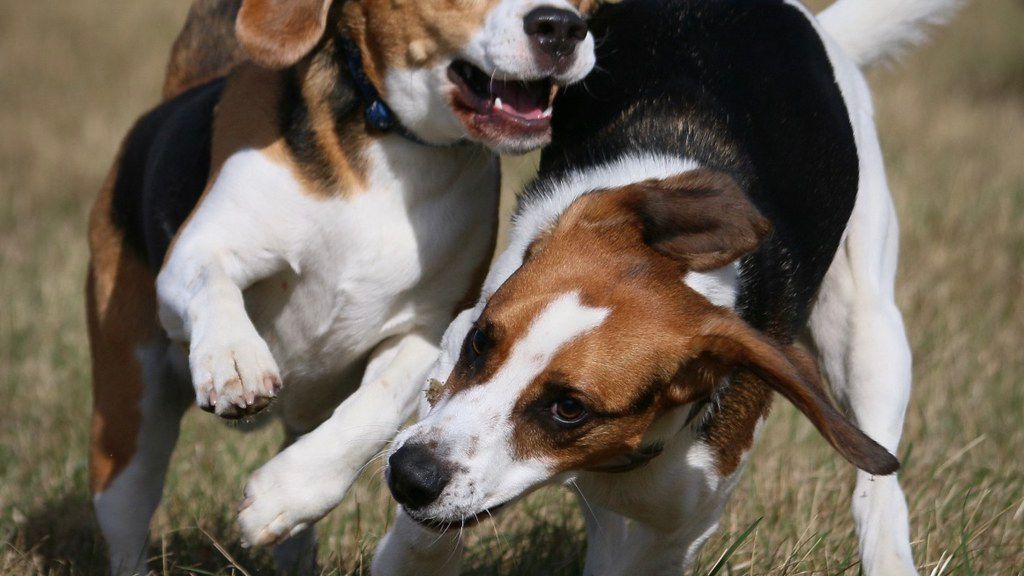
Ten years ago, you couldn’t walk through a dog park, scroll a Facebook feed, or sit in a waiting room without spotting at least three of these breeds. They were the background noise of American dog ownership — so common nobody thought twice about them. Now? Some of these same dogs have all but vanished from front yards and leashes.
It’s not that these breeds got worse. Life got different — smaller apartments, busier schedules, and a new obsession with low-maintenance companions rewired what “popular” even means. Stick around, because a few of these drops will genuinely surprise you, and the reasons behind them say more about us than they do about the dogs.
21. Neapolitan Mastiff
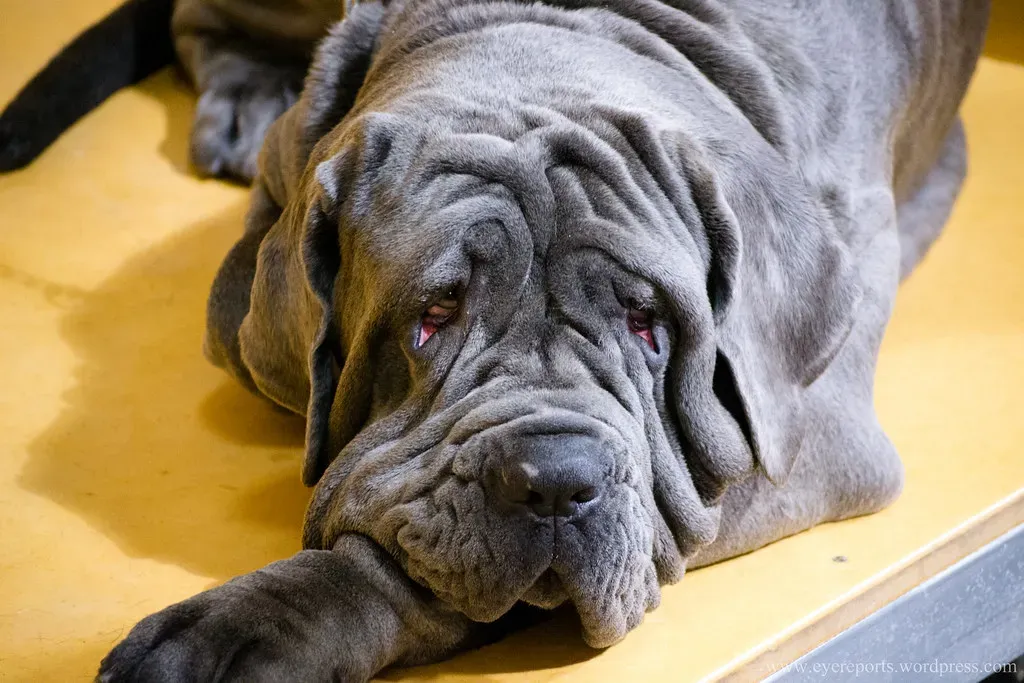
A decade ago, a Neapolitan Mastiff ambling through the dog park stopped conversations cold. Their wrinkled faces, deep jowls, and unhurried gait made them look like they’d wandered out of ancient Rome. Owners loved bragging about the sheer scale of these gentle giants.
That same scale is exactly what’s pushing them out of modern homes. Between the drool-soaked furniture, the joint strain that comes with carrying over 150 pounds, and the sheer space they need, casual dog lovers have backed away. The breed’s ranking sank from 40th place in 2004 to 112th in 2024 — one of the steepest falls on this entire list.
Fast Facts
- Often weighs between 130 and 150+ pounds at maturity
- AKC popularity fell from 40th (2004) to 112th (2024)
- Known for heavy jowls, loose skin, and near-constant drooling
- Originally bred in Italy as a guardian and protector
20. Miniature Pinscher
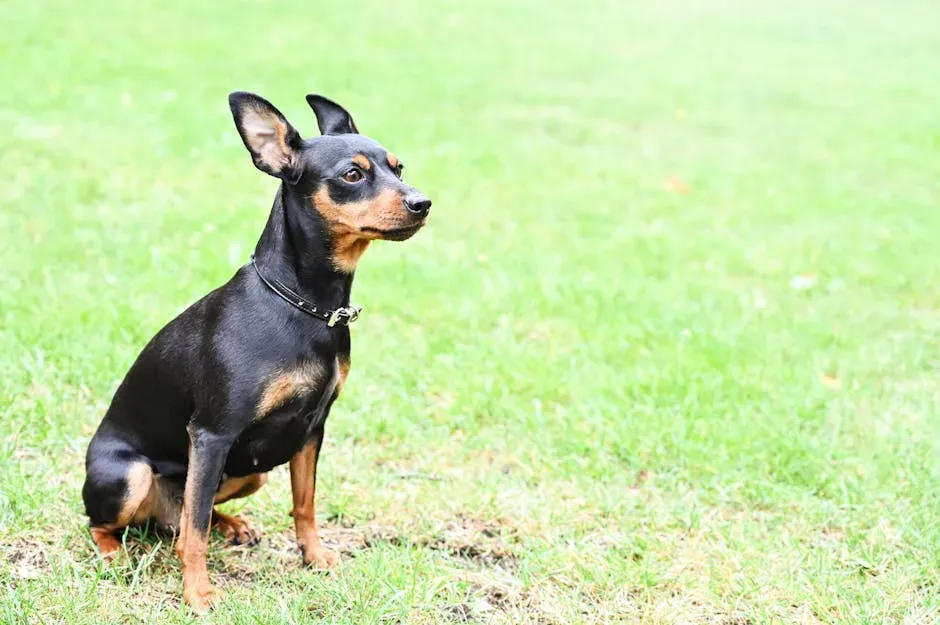
Nicknamed the “King of Toys,” the Miniature Pinscher used to strut through small-dog meetups like it owned the place. Their fearless, almost comically confident attitude packed into a five-pound body made them irresistible to city dwellers who wanted big-dog energy without the big-dog size.
The problem is that fearless attitude doesn’t switch off without serious training. Left unchecked, that boldness turns into nonstop barking and territorial nipping that exhausts even patient owners. The breed dropped from 21st place in 2004 to 68th in 2024 as more people admitted they wanted a lap dog, not a tiny watchdog with an attitude problem.
19. Lhasa Apso
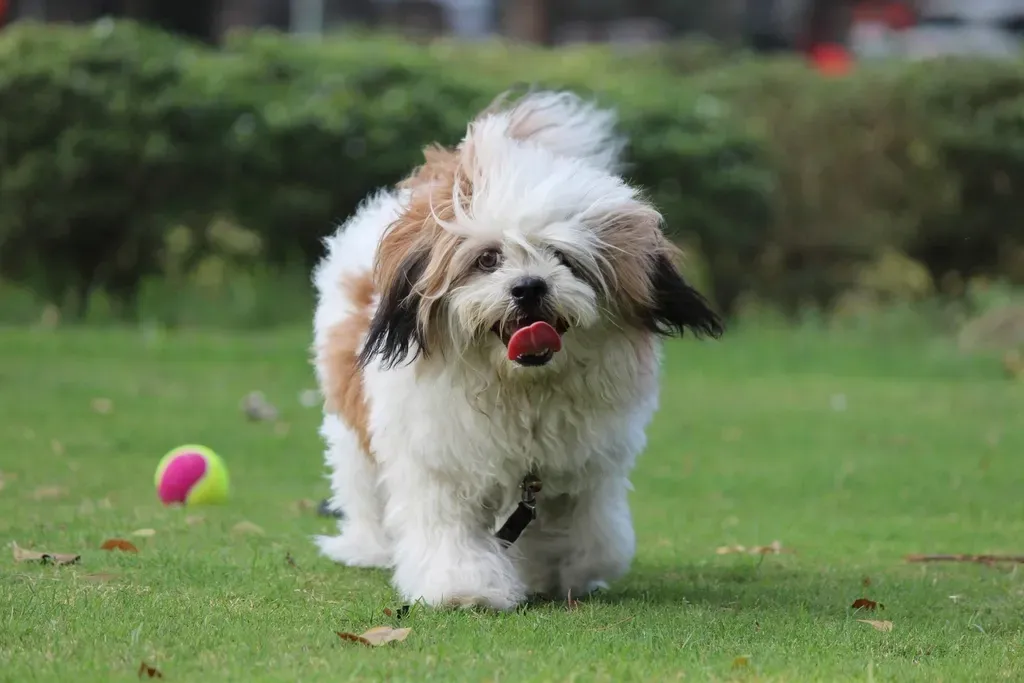
Bred for centuries inside Tibetan monasteries to guard against intruders, Lhasa Apsos brought an air of ancient mystery to suburban households. Their long, flowing coats and alert, almost regal stare made them a favorite for owners who wanted a dog that looked as good as it acted loyal.
But that flowing coat is a daily commitment, not a one-time grooming appointment, and their stubborn independence doesn’t mesh well with hurried modern schedules. Owners who once had time for brushing and patience for their willful streak have thinned out. The breed slid from 39th place in 2004 to 86th in 2024.
18. Pekingese
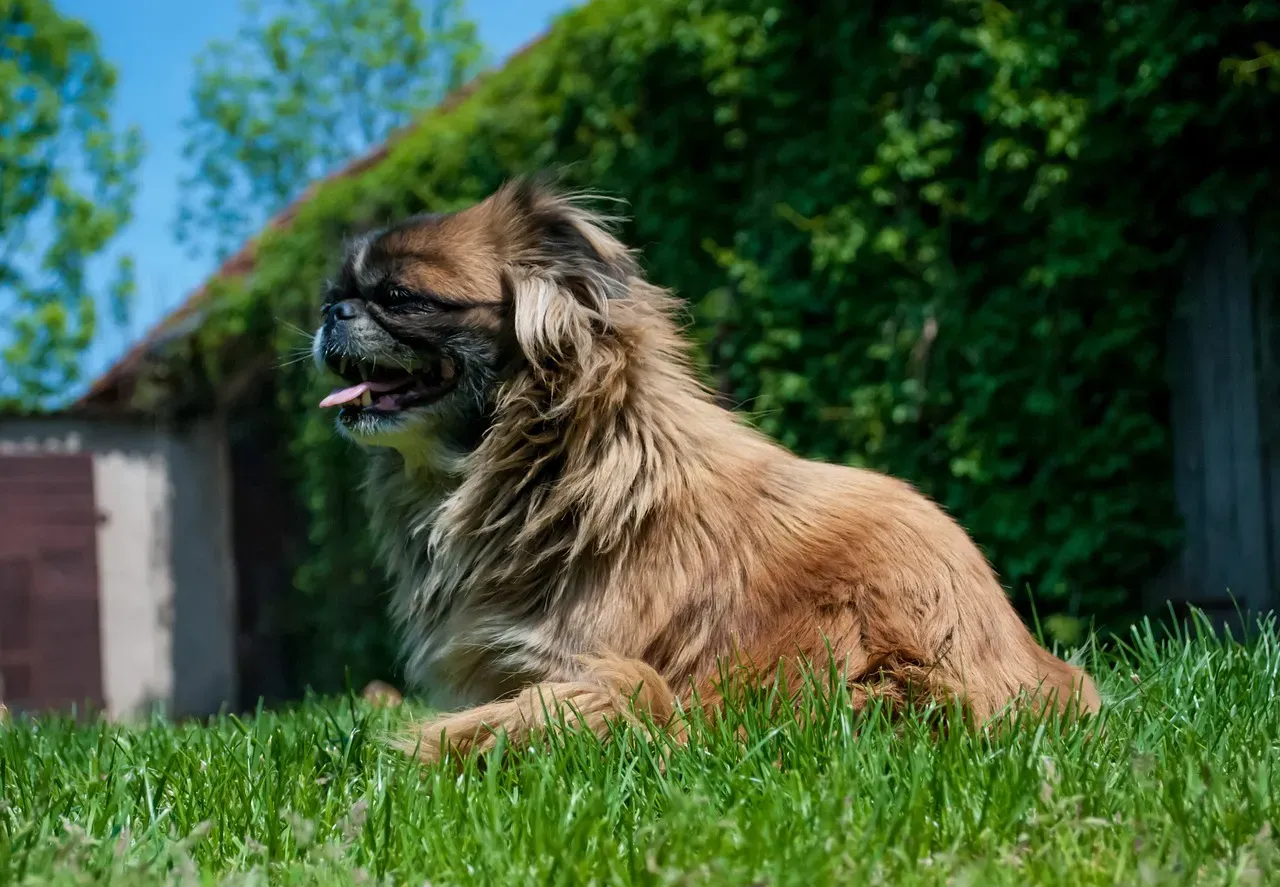
Once kept exclusively by Chinese royalty, the Pekingese carried an unmistakable air of importance into American living rooms. Their flat, expressive faces and confident little strut made them feel like tiny aristocrats who happened to live on your couch.
That same flat face, though, comes with real breathing struggles, and their coat demands constant upkeep to avoid matting. As awareness of brachycephalic health issues has grown, fewer families have been willing to take on the vet bills that come with it. The Pekingese fell from 38th place in 2004 to 80th in 2024.
17. Glen of Imaal Terrier
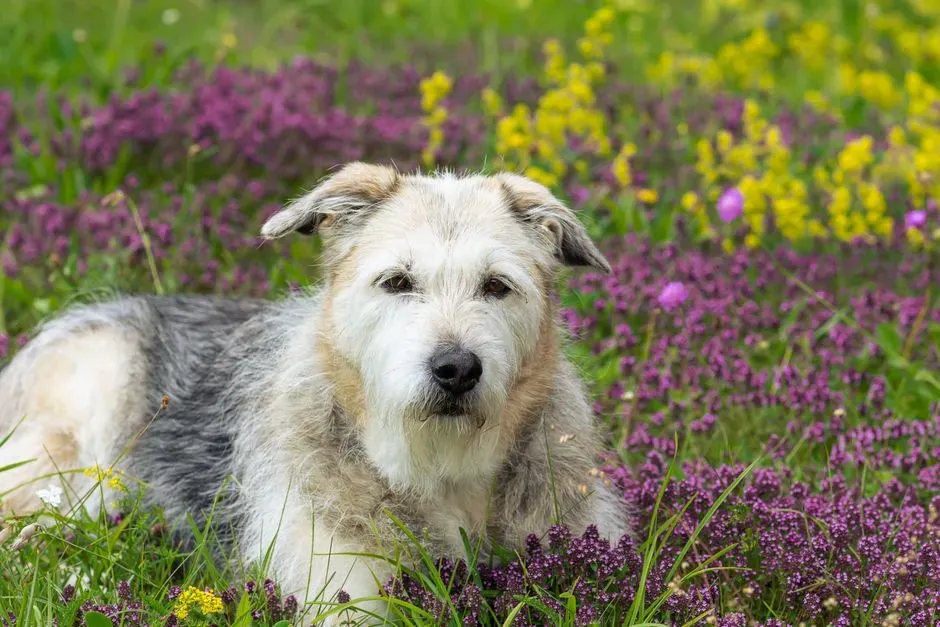
Bred in the rugged Irish countryside to hunt vermin and hold their ground against badgers, Glen of Imaal Terriers carried a scrappy, hardworking charm. A decade ago, their toughness and loyalty made them a favorite among owners who wanted a terrier with real grit.
But that grit comes with a stubborn streak and an exercise requirement that doesn’t fit neatly into apartment living. As more owners traded rural properties for city apartments, this tenacious little terrier lost its footing. The breed dropped from 104th place in 2004 to 142nd in 2024.
16. Welsh Terrier
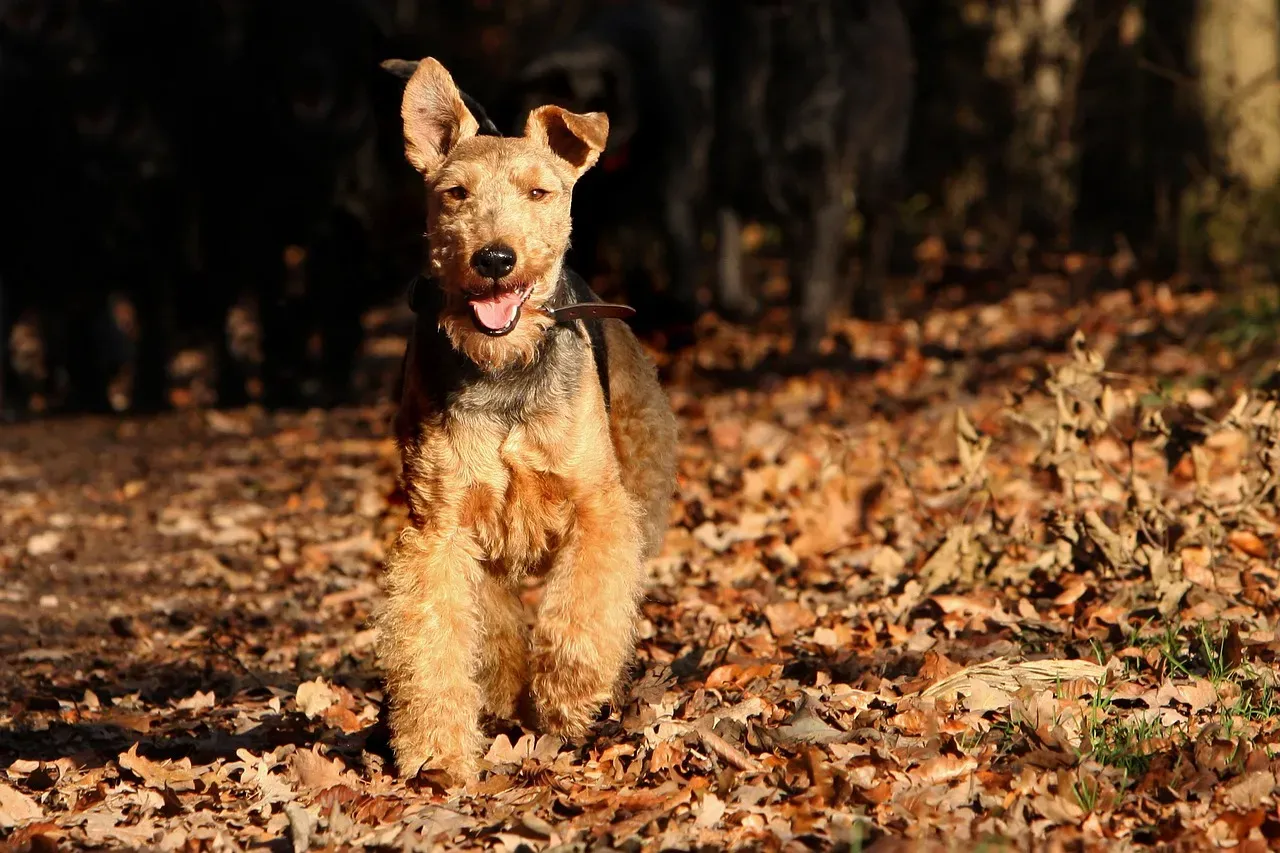
With their wiry coats and spirited, almost mischievous energy, Welsh Terriers used to be a common sight at dog shows and neighborhood walks alike. They carried themselves with a confidence that made them stand out even in a crowd of terriers.
That same spirited energy, though, needs consistent structure and training to stay in check, and a lot of owners underestimated the commitment. Without it, the breed’s stubbornness and prey drive can wear thin fast. Welsh Terriers moved from 88th place in 2004 to 108th in 2024.
15. Chow Chow
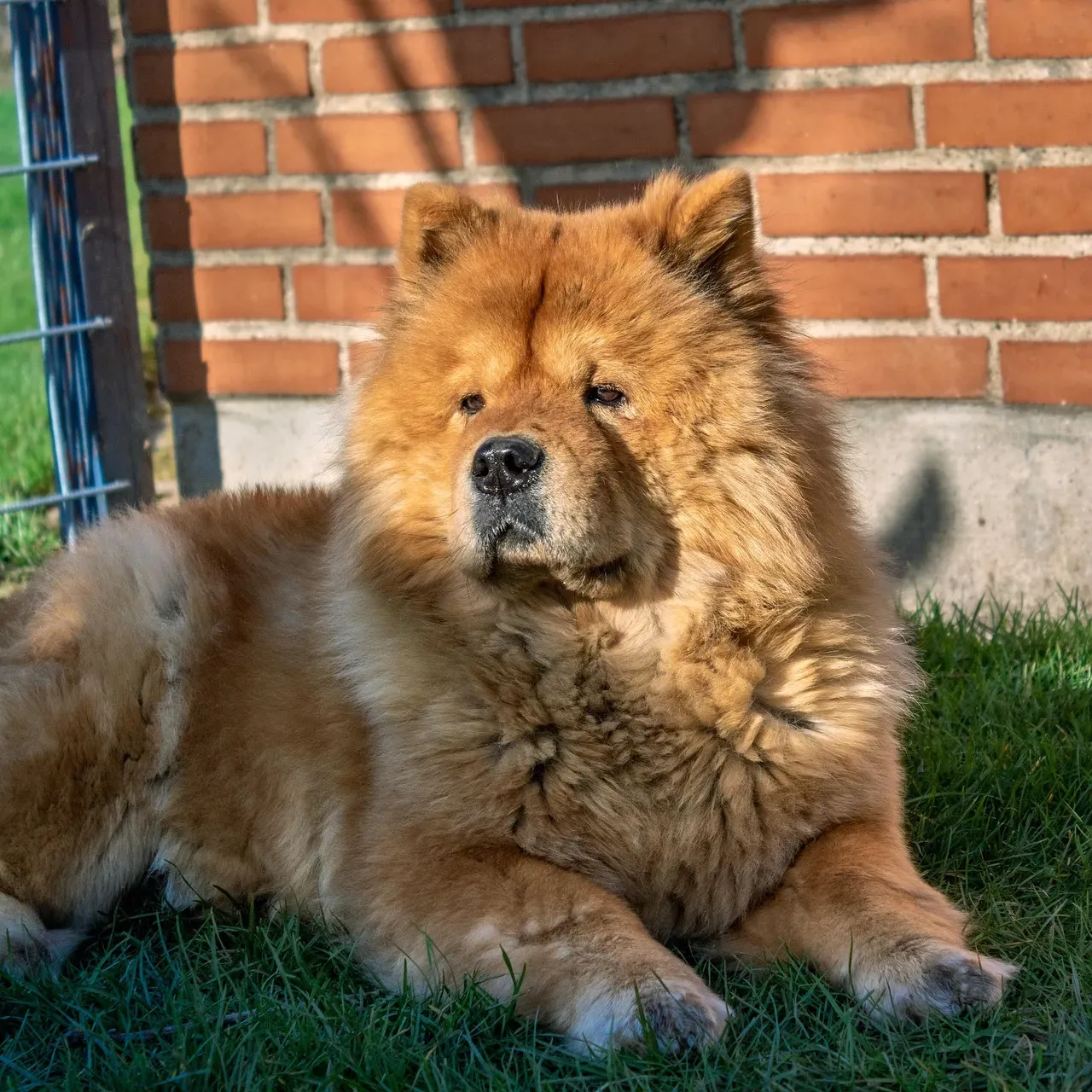
With a mane like a tiny lion and a blue-black tongue nobody could quite explain, Chow Chows were once a walking status symbol. Their aloof, almost cat-like independence made them feel exotic in a world full of eager-to-please dogs.
But that independence can tip into real aggression without careful, early socialization, and their thick double coat sheds constantly. Families with young kids or busy households started looking elsewhere for something more forgiving. The Chow Chow dropped from 61st place in 2004 to 81st in 2024.
14. Bichon Frisé
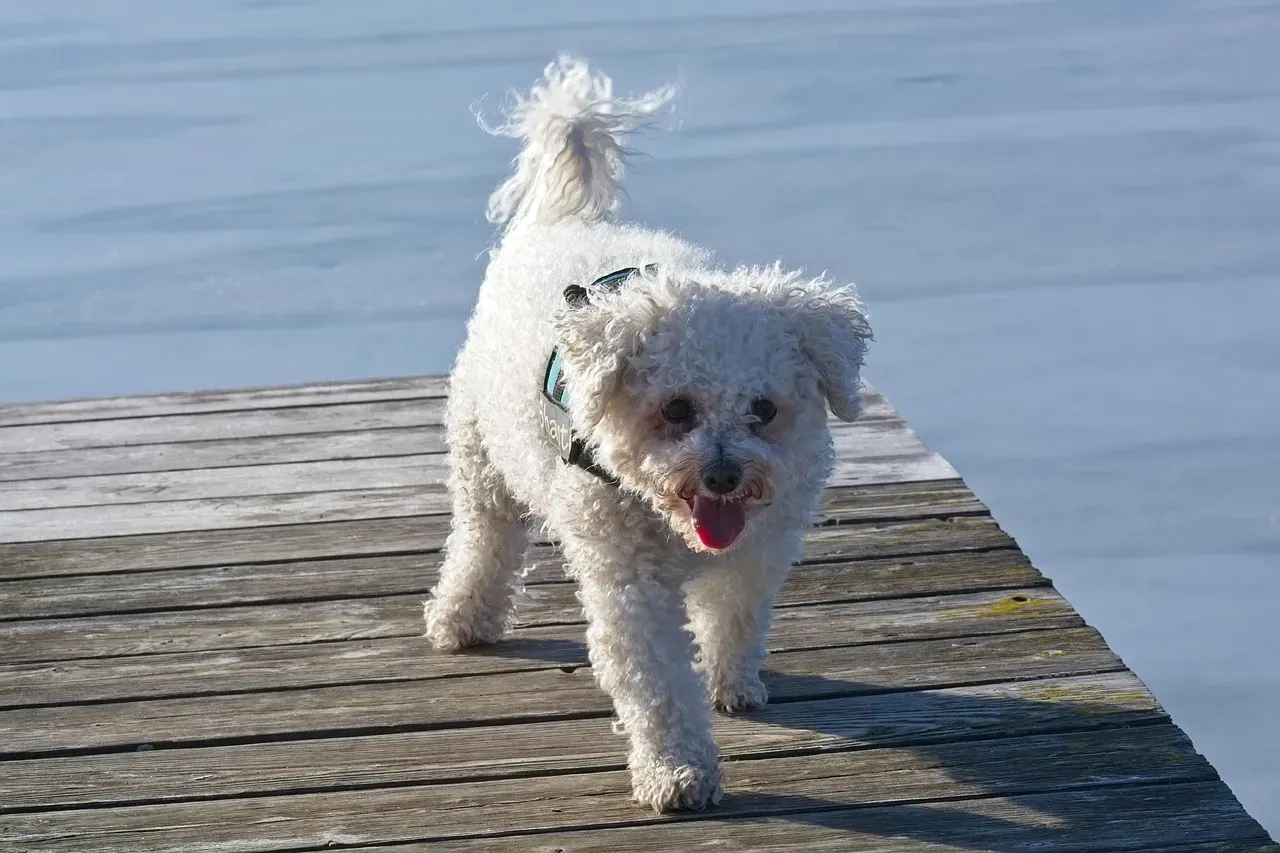
Fluffy, cheerful, and always looking like they just left the groomer, Bichon Frisés were once the go-to family dog for people who wanted a happy, hypoallergenic companion. Their permanently upbeat energy made them feel like a plush toy that actually loved you back.
Keeping that signature powder-puff coat looking that way, though, means grooming appointments that add up fast, and their attachment to their people can curdle into real separation anxiety. As lifestyles got busier, that high-maintenance charm became a harder sell. The breed slipped from 26th place in 2004 to 44th in 2024.
At a Glance
- Curly, hypoallergenic coat typically needs professional grooming every 4 to 6 weeks
- Popularity slipped from 26th (2004) to 44th (2024)
- Bonds intensely with owners, which can fuel separation anxiety
- Small size made them a favorite for apartments and city living
13. Norwegian Elkhound
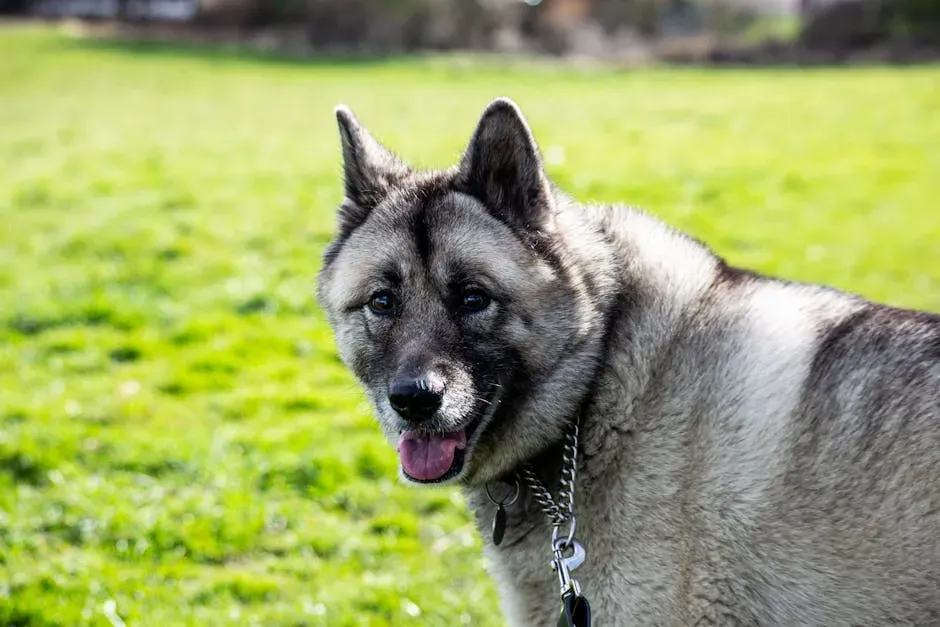
Bred to hunt moose alongside Scandinavian hunters, Norwegian Elkhounds carried a wild, capable energy that made them feel like a piece of untamed nature in your backyard. Their thick, silver-gray coat and confident bark made them memorable at any dog park.
That same working-dog stamina, though, demands serious daily exercise, and their heavy double coat sheds in dramatic seasonal waves. Fewer owners today have the time, yard, or vacuum cleaner budget for either. The breed dropped from 92nd place in 2004 to 109th in 2024.
12. Smooth Fox Terrier
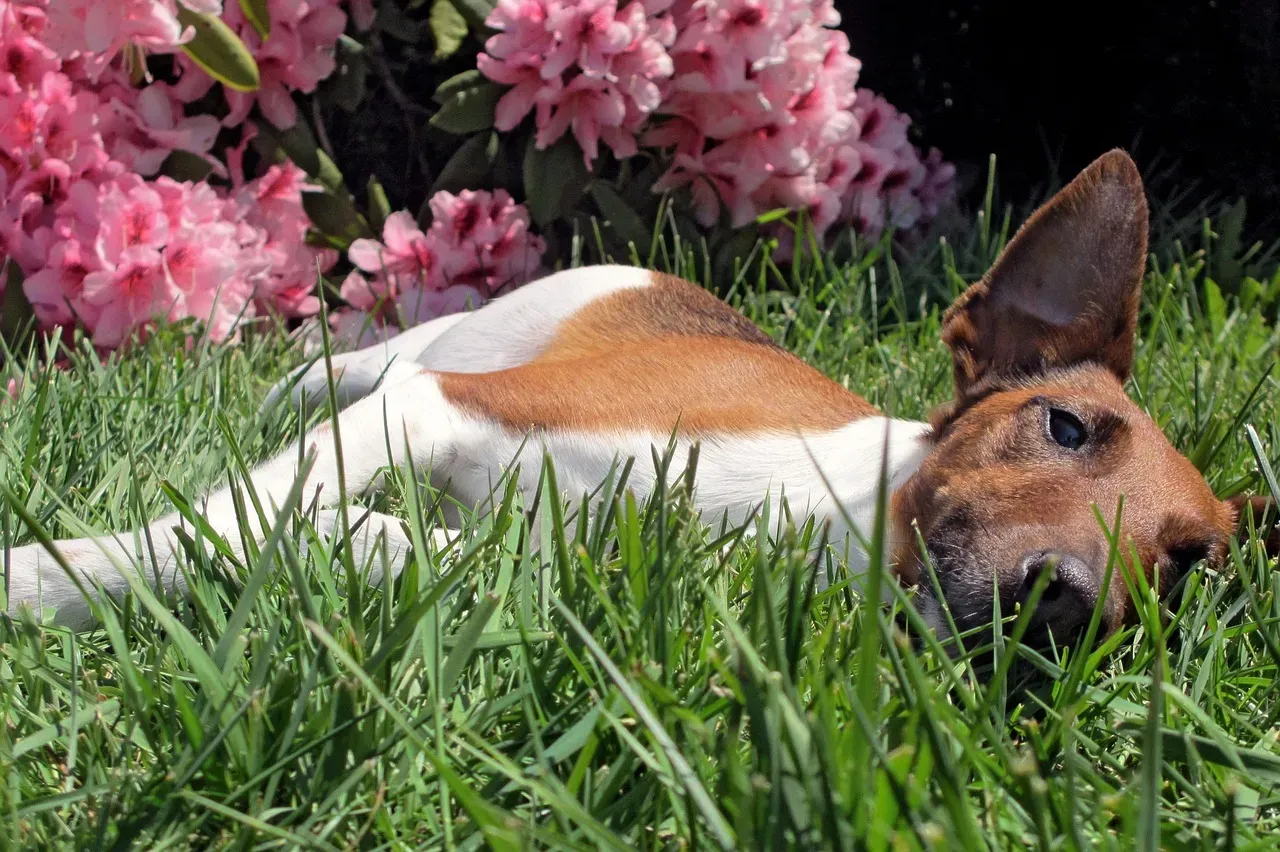
Quick, clever, and always seemingly one step ahead of their owner, Smooth Fox Terriers were once prized by hunters for their sharp instincts. Their compact build and expressive faces made them a favorite well beyond the hunting world.
But that same sharpness translates into a dog who gets bored — and destructive — without constant mental engagement. Modern schedules simply don’t leave room for the level of training and stimulation this breed expects. The Smooth Fox Terrier fell from 103rd place in 2004 to 120th in 2024.
11. Maltese
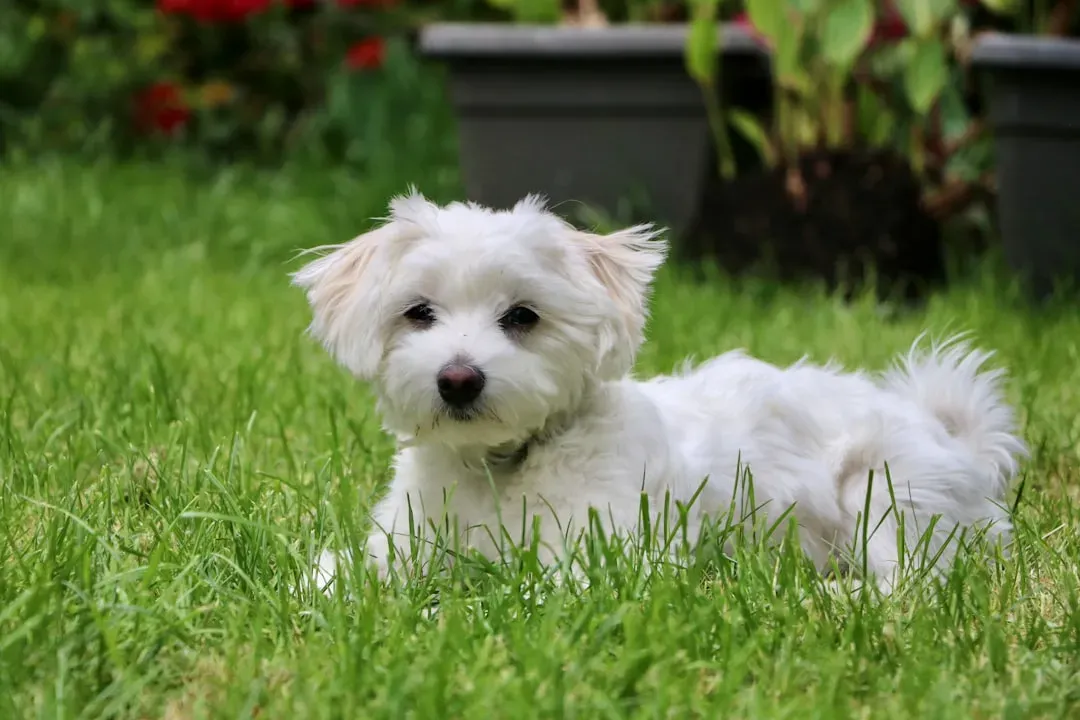
With their silky white coats and confident little trot, Maltese dogs used to be the ultimate city-dweller’s companion. They fit in purses, apartments, and laps alike, and their affectionate nature made them feel like a constant, devoted shadow.
That silky coat, though, mats without daily brushing, and their deep attachment to their owner can spiral into anxious barking when left alone. As more people started working long hours away from home, that intense need for closeness became harder to accommodate. The Maltese moved from 19th place in 2004 to 35th in 2024.
10. Yorkshire Terrier
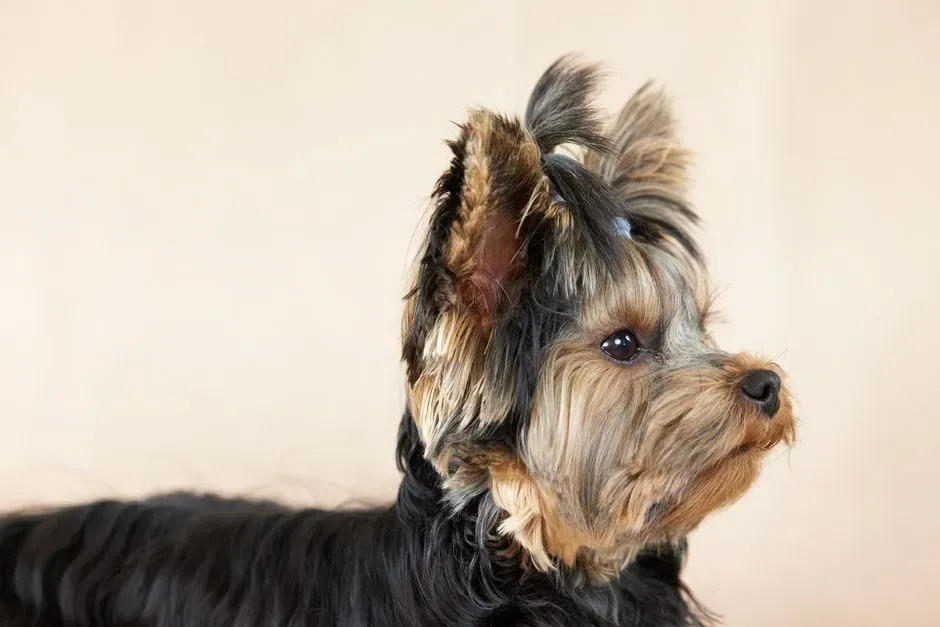
Tucked into designer bags and paraded down city sidewalks, Yorkshire Terriers were basically a fashion accessory with a heartbeat a decade ago. Their silky, floor-length coats and tiny, confident strut made them a status symbol as much as a pet.
But that glamorous coat takes real daily effort to maintain, and Yorkies are prone to dental issues and a fragile trachea that can collapse under rough handling. As designer mixes and lower-maintenance toy breeds flooded the market, the Yorkie’s spotlight dimmed. Plenty of longtime owners still adore them, but far fewer new owners are signing up for the upkeep.
Quick Compare
- Then: A red-carpet status symbol carried in designer bags
- Then: Long, silky coat prized as a show-ring signature
- Now: Owners increasingly favor low-shedding, low-upkeep coats
- Now: Designer crosses like the Yorkiepoo have chipped away at demand
9. Shih Tzu
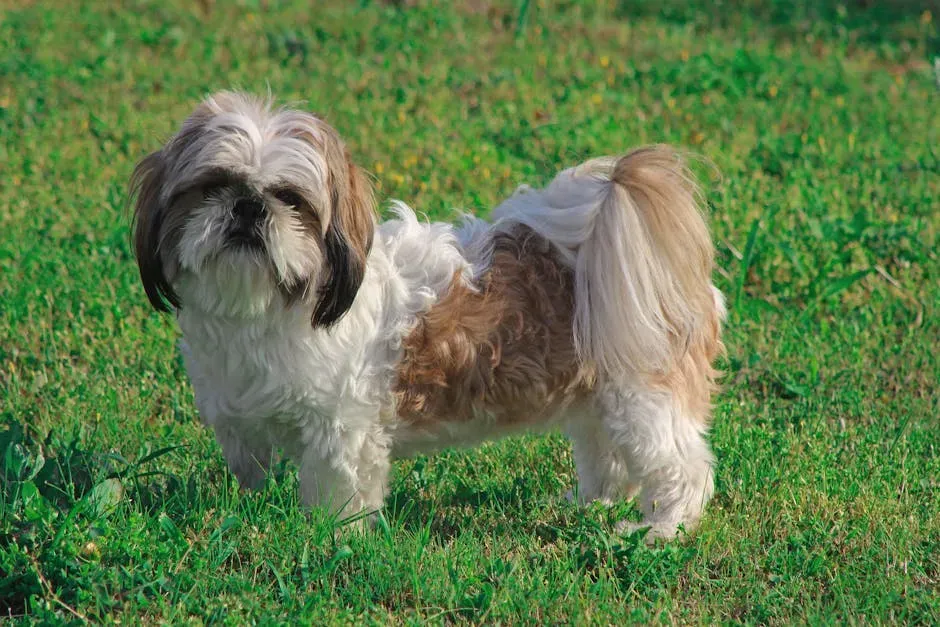
With their flowing coats parted perfectly down the middle and their unmistakably sweet expressions, Shih Tzus used to look like living stuffed animals on every street corner. They were bred for centuries purely to be companions, and it showed in their easygoing, affectionate nature.
That same coat, though, mats within days without dedicated grooming, and their flat faces bring the same breathing and eye issues seen in other short-nosed breeds. As grooming costs climbed and health awareness grew, families started looking for lower-fuss lap dogs instead. The breed hasn’t disappeared, but its once-constant presence has quietly faded.
8. Cocker Spaniel
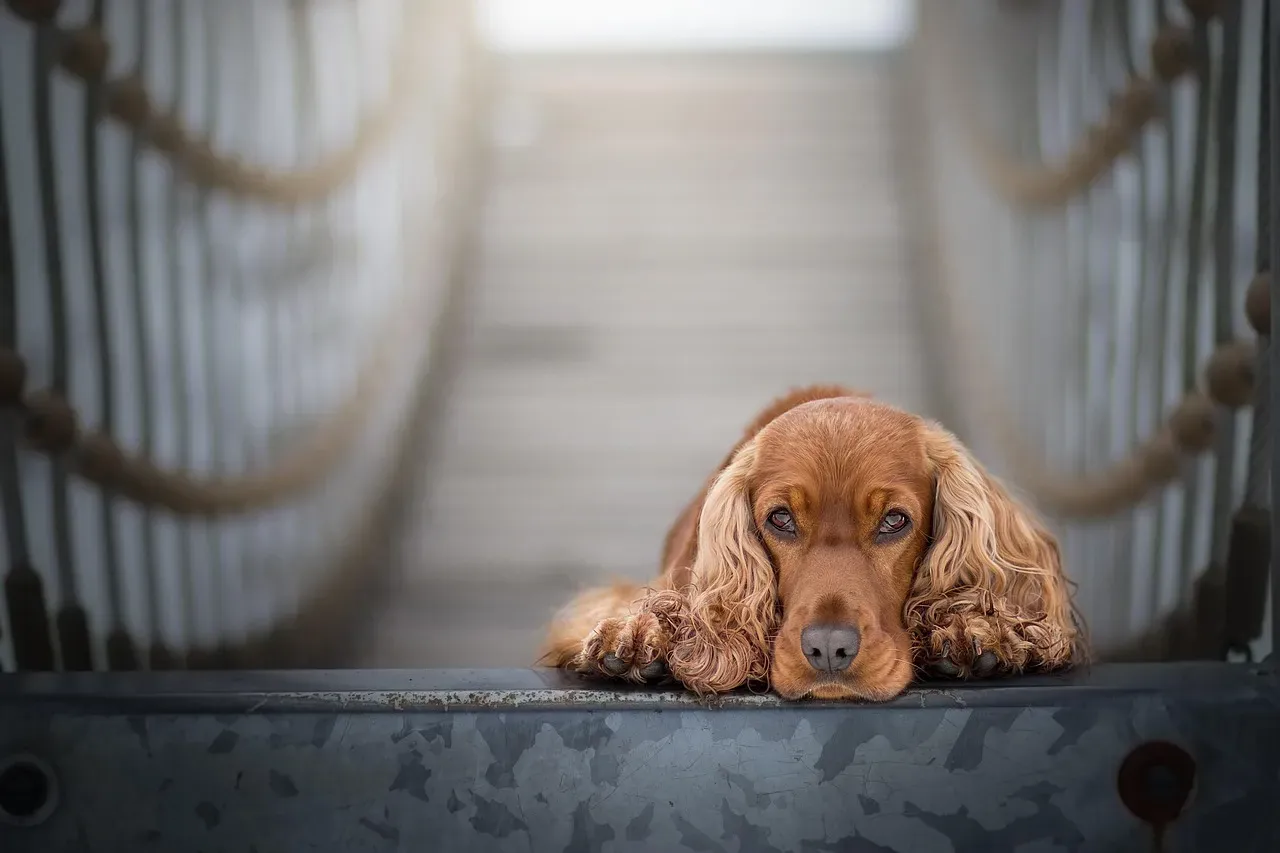
Thanks to Lady and the Tramp and decades of all-American charm, the Cocker Spaniel was once the definition of a family dog. Their silky ears and soulful eyes made them irresistible to anyone looking for a loyal, gentle companion.
Unfortunately, a popularity boom in the 80s and 90s led to rushed, irresponsible breeding that left many Cocker Spaniels with chronic ear infections and unpredictable temperaments. Word spread, and cautious families started choosing other breeds instead. The Cocker Spaniel never fully recovered its old reputation, and its numbers have kept sliding ever since.
7. Beagle
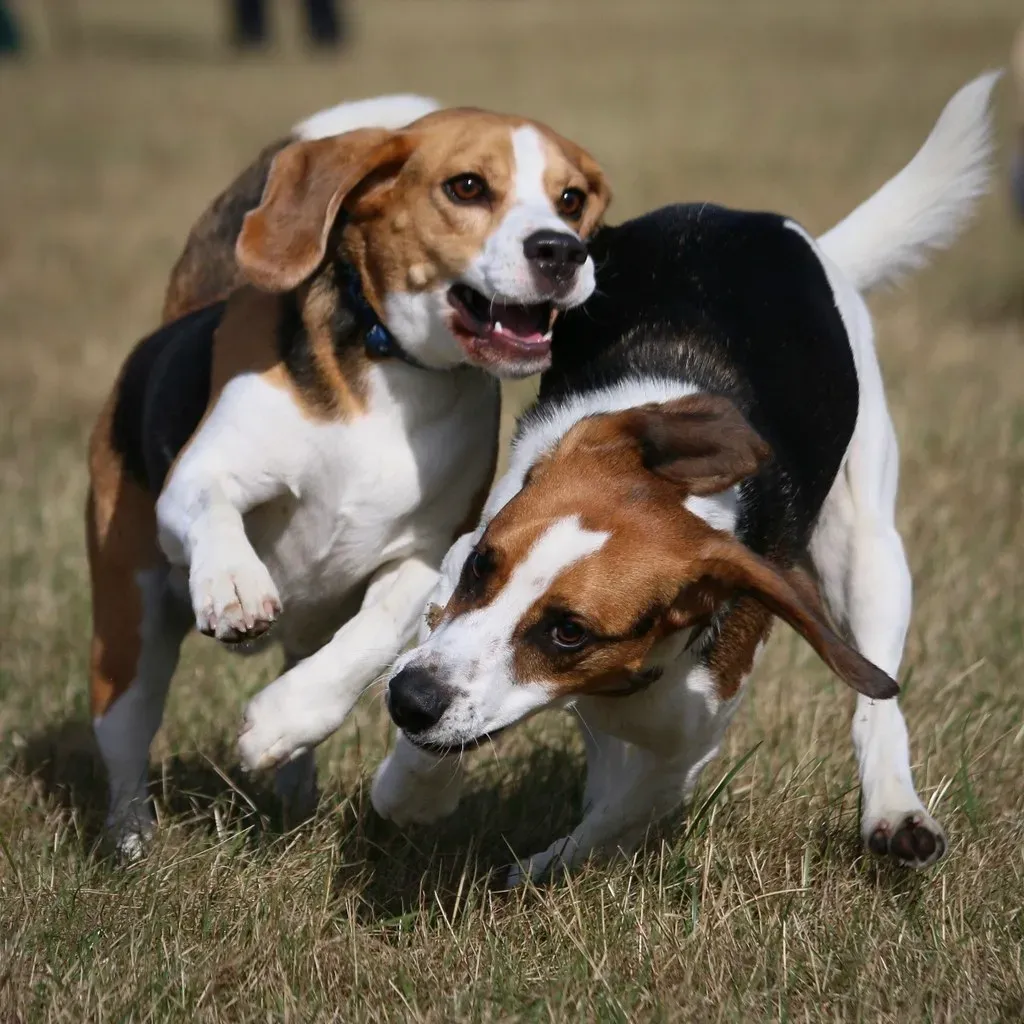
Thanks to Snoopy and a friendly, howling bark that seemed to greet every mail carrier in America, Beagles were once everywhere. Their easygoing nature and compact size made them feel like the perfect all-purpose family dog.
But that nose-driven personality comes with a stubborn streak and a habit of following a scent straight out the front door. As more people traded houses with fenced yards for apartments and condos, that wandering instinct became a genuine liability. The Beagle is still beloved, but it’s noticeably less common than it was ten years ago.
6. Pug
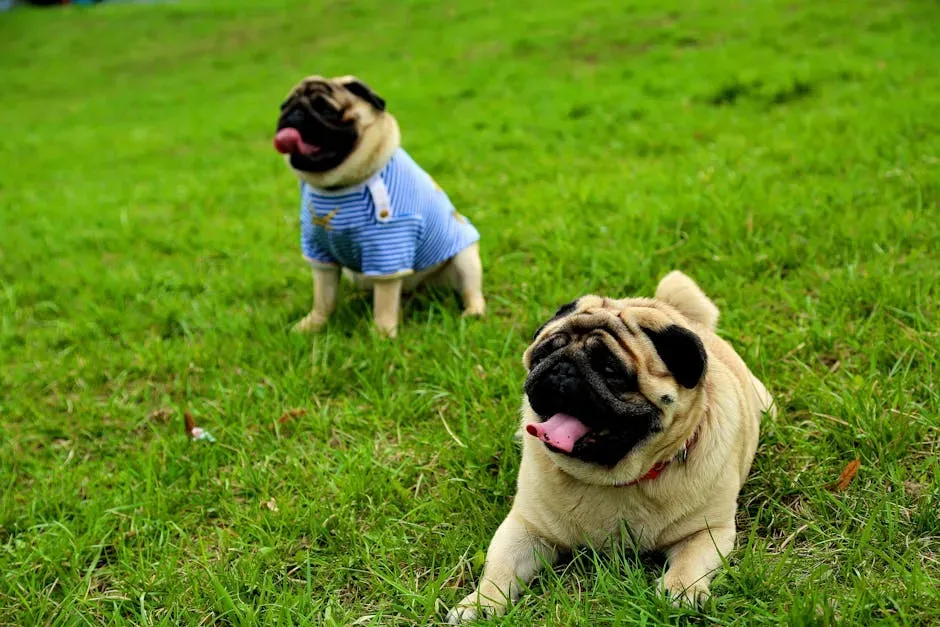
For a while, the Pug was basically the internet’s mascot — wrinkly, snorting, and plastered across every meme, T-shirt, and greeting card imaginable. Their comically expressive faces made them feel impossible to ignore.
But that same flat face causes serious breathing difficulties, and veterinarians have spent the last decade raising alarms about the breed’s health struggles. As that message reached mainstream pet owners, plenty of prospective Pug buyers quietly reconsidered. The breed’s cultural spotlight has cooled considerably as a result.
5. Basset Hound
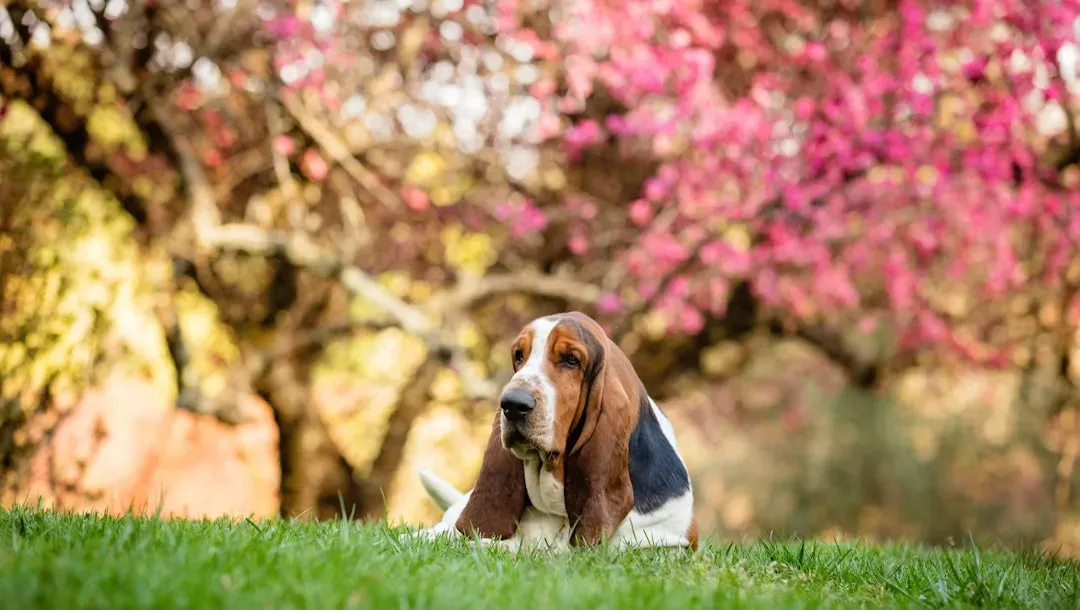
With their droopy ears, mournful eyes, and unhurried waddle, Basset Hounds used to be a fixture in commercials and neighborhoods alike. Their laid-back, good-natured personality made them feel like the friendliest dog on the block.
That same low-slung build, though, comes with serious back problems, chronic ear infections, and a stubborn streak that makes training a real workout. Add in near-constant drool, and a lot of families found the charm wore off faster than expected. The Basset Hound has settled into a much quieter corner of the dog world.
4. Dalmatian
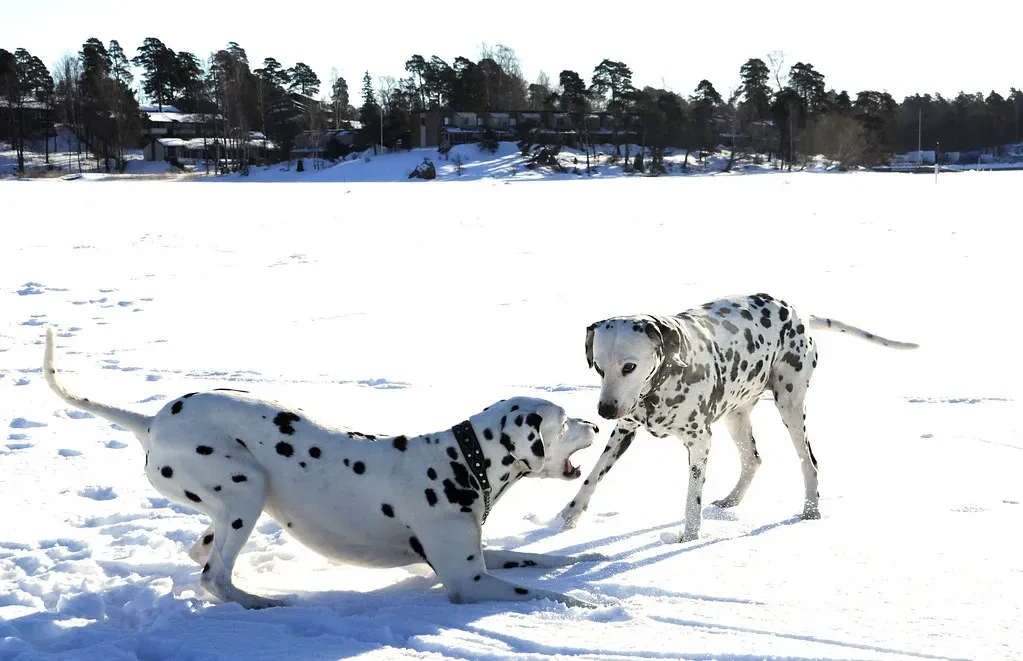
After 101 Dalmatians hit theaters, this spotted breed became an overnight sensation, showing up in yards across the country almost instantly. Their sleek coats and striking pattern made them impossible to miss.
The problem was that most of those new owners had no idea what they were signing up for — Dalmatians are high-energy, prone to hearing loss, and can be unpredictable around small children if not carefully socialized. Shelters saw a wave of surrendered Dalmatians once the movie magic wore off, and the breed’s popularity never fully bounced back. What was once a Hollywood-driven craze is now a cautionary tale in the dog world.
Worth Knowing
- Popularity spiked after both the 1961 animated film and the 1996 live-action remake
- An estimated 30 percent of the breed carries some degree of congenital deafness
- Needs well over an hour of vigorous exercise most days
- Shelters saw notable surrender spikes following each movie’s release
3. Chihuahua
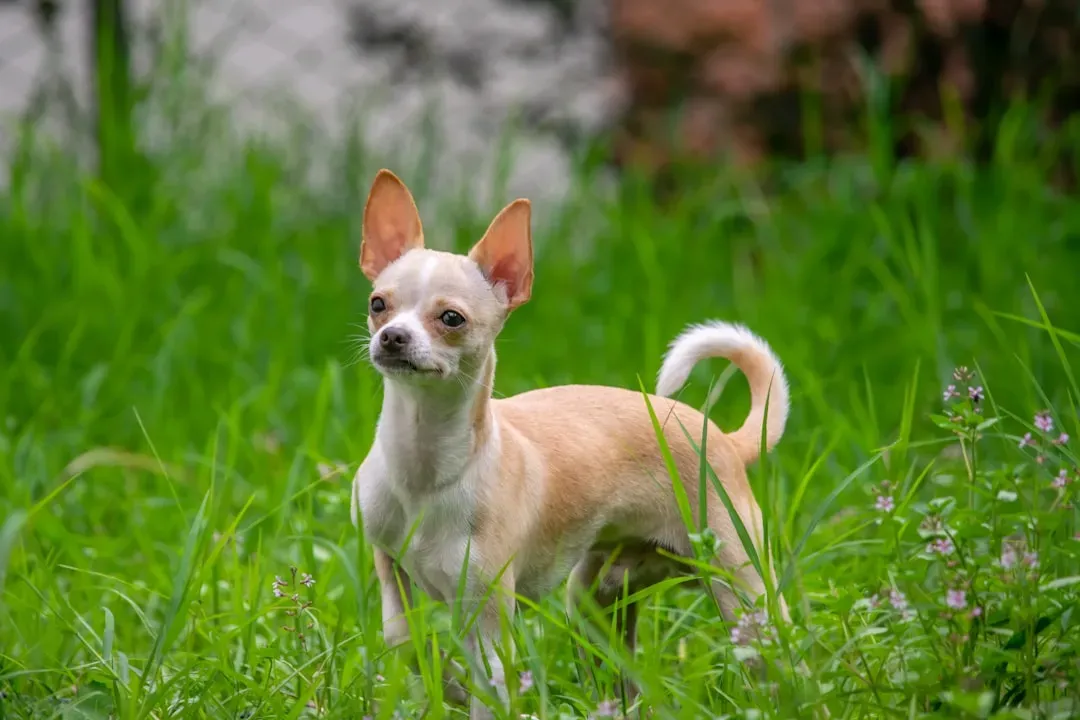
Riding a wave of early-2000s celebrity culture, tiny Chihuahuas tucked into designer handbags became a genuine cultural phenomenon. For a while, it seemed like everyone wanted the smallest dog in the room.
That trend, unfortunately, led to overbreeding, shelter overpopulation, and a reputation for snippy, anxious behavior that wasn’t entirely the breed’s fault. As the fashion-accessory phase faded, so did the demand, and calmer, sturdier toy breeds started taking their place. The Chihuahua remains common in shelters, but far less common as a trendy first pick.
2. Shetland Sheepdog
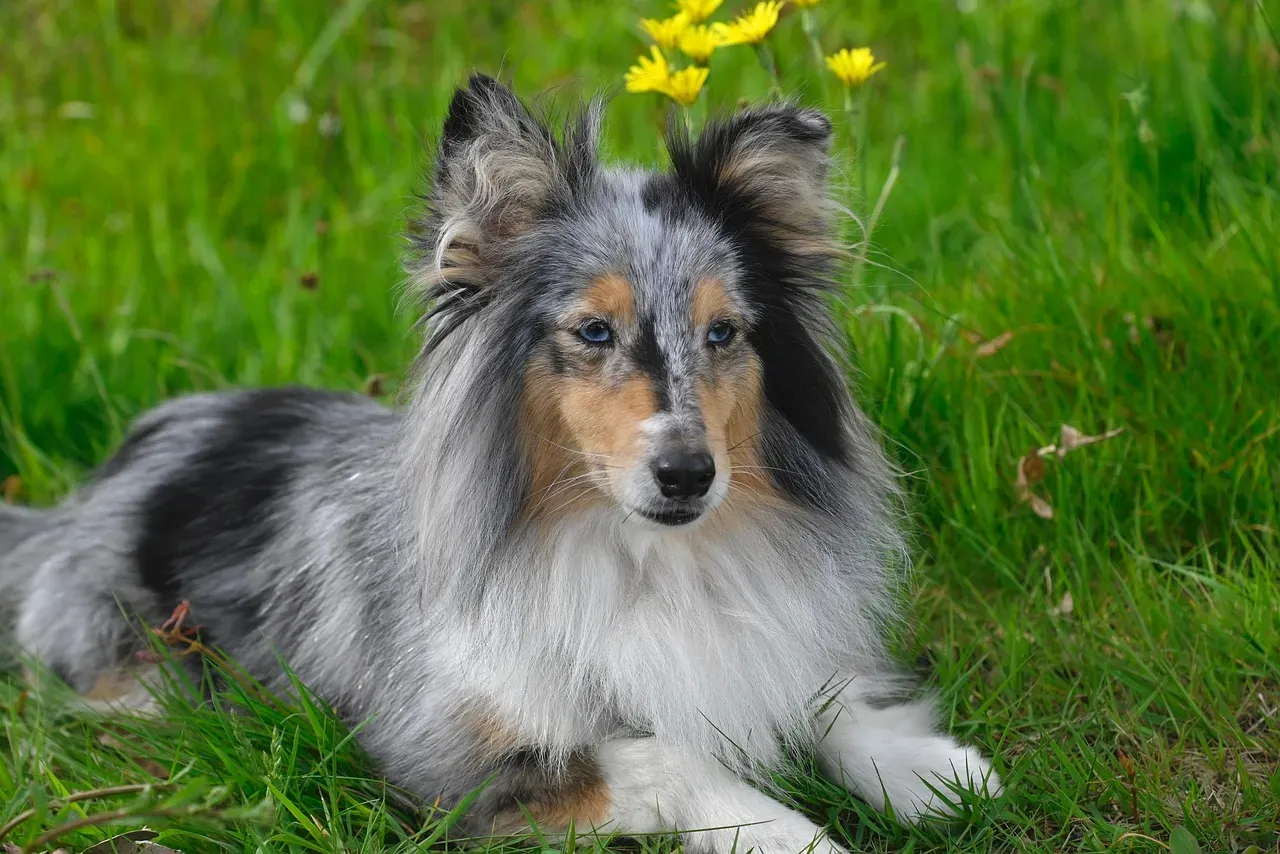
Looking like a miniature Lassie, the Shetland Sheepdog used to be a neighborhood favorite, especially among families who wanted a smart, photogenic dog that excelled at agility and obedience. Their intelligence made them a joy to train and show off.
But that herding instinct doesn’t stay dormant, and Shelties are known for nipping at heels and barking at anything that moves, which doesn’t always sit well with young kids or close neighbors. Combined with heavy seasonal shedding, plenty of owners have quietly moved toward lower-maintenance companions instead. The Sheltie hasn’t disappeared, but its once-constant presence has clearly thinned.
1. Weimaraner
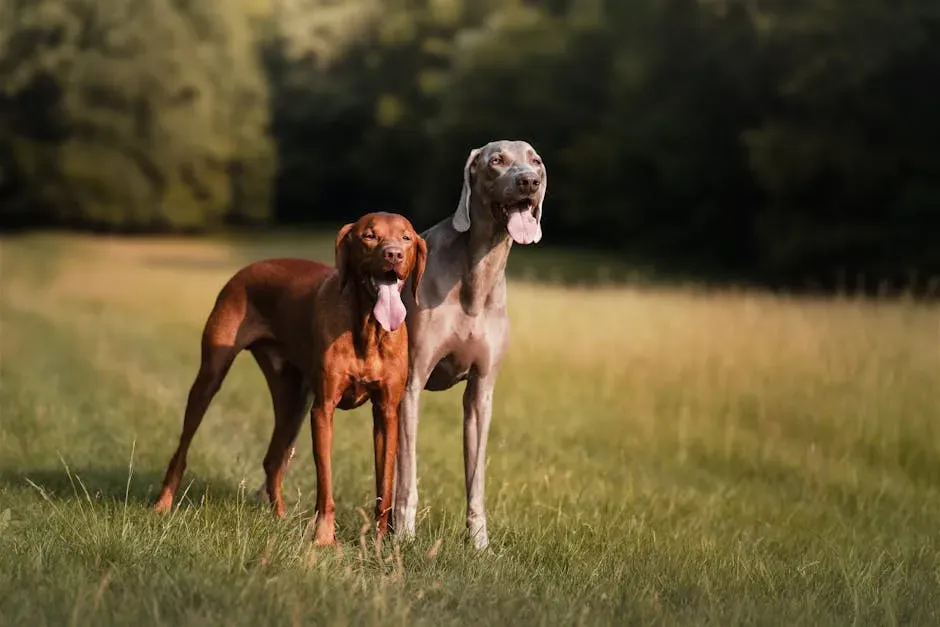
With their sleek silver coats and startling blue-gray eyes, Weimaraners looked like they belonged on a magazine cover — and thanks to photographer William Wegman, they practically did. For years, they were the sophisticated, athletic dog everyone wanted a photo with.
But behind that glamorous look is a dog that needs serious daily exercise and near-constant mental engagement, or it turns destructive fast. Weimaraners are notorious for separation anxiety and chewed-up furniture when left to their own devices, and that reality didn’t match the calm, elegant image everyone expected. Casual admirers backed away once they realized just how much dog was underneath that stunning coat.
Looking back at this list, one thing becomes obvious: none of these breeds failed us. We just got busier, our homes got smaller, and our patience for grooming appointments and stubborn streaks got shorter. Every dog here still has the same loyal heart it always did — we’re the ones who changed what we’re willing to work for.
That’s worth sitting with for a second, especially if you’ve ever felt a little embarrassed walking a breed that’s fallen out of fashion. Popularity charts don’t measure love, and they definitely don’t measure loyalty.
Dogs are not our whole life, but they make our lives whole.
Roger Caras
Maybe the real takeaway from this list isn’t which breeds are fading — it’s how quickly we’re willing to trade real companionship for convenience.


