
24 Things Owners Do on a Walk That Dog Walkers Would Rather Not See
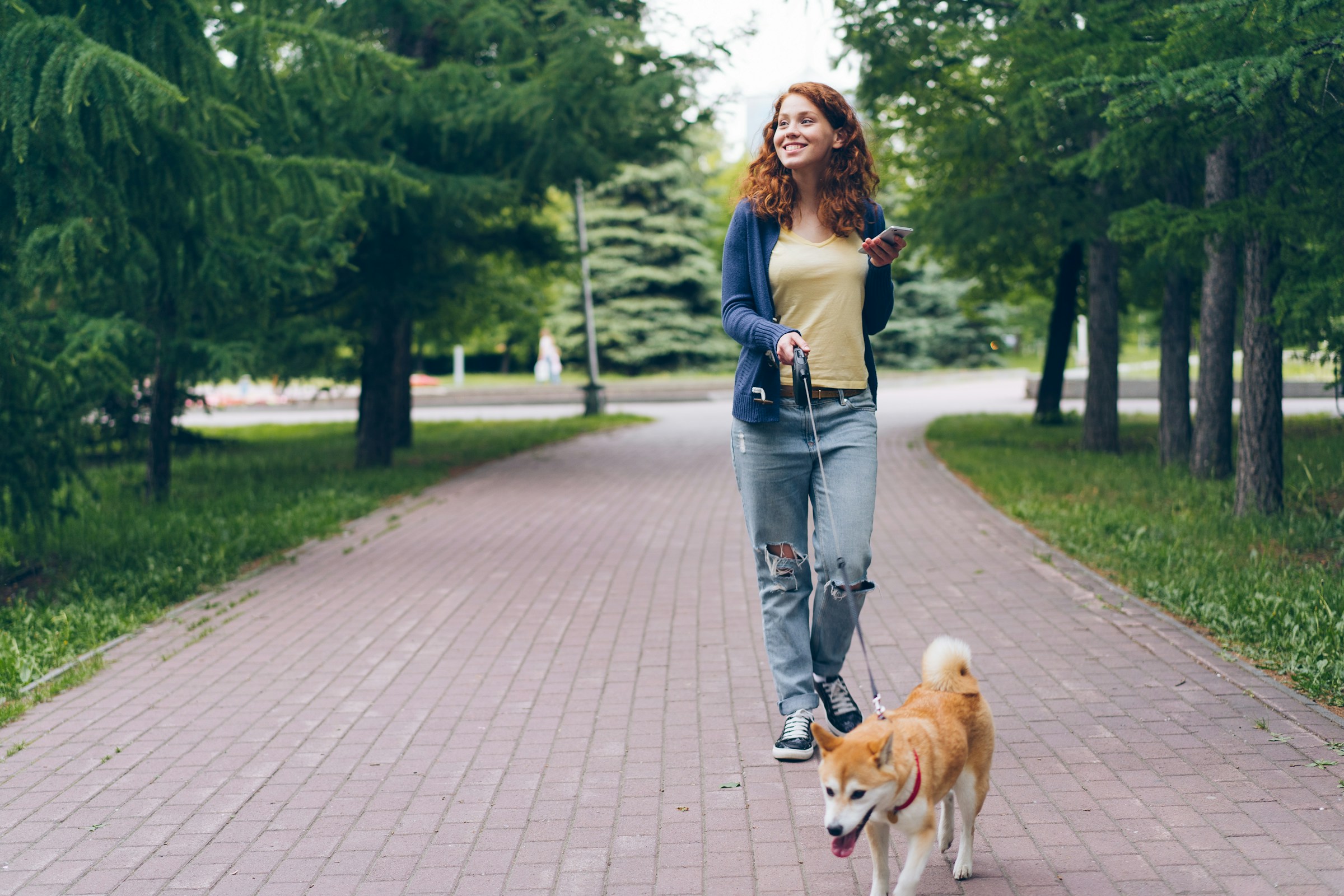
You clip on the leash, step outside, and figure this is the easy part of dog ownership. No training plan, no strategy – just a walk around the block. Professional dog walkers, the ones who watch hundreds of these “simple” walks every single week, know a different story entirely.
What looks cute, normal, or harmless to an owner is often the exact moment a dog is quietly learning to pull, panic, or shut down. Walkers see the pattern play out over and over, across dozens of dogs and neighborhoods, and they rarely say what they’re really thinking. Here are 24 things they wish owners would notice before it becomes a habit that’s much harder to undo.
#1 – Letting the Dog Walk Out the Door First

Dog walkers quietly flinch when a dog blasts out the front door like a cannonball. It looks harmless – “he’s just excited!” – but it teaches one big lesson: doorways mean chaos. Dogs that rush thresholds are more likely to slip leashes, drag people down stairs, or bolt after a squirrel before anyone has their balance.
In multi-unit buildings or busy streets, that “cute” burst can put a dog face-to-face with traffic, delivery carts, or off-leash dogs in seconds. Once a dog rehearses that pattern, it becomes the default, which is why pros usually ask for a pause – sit, wait, then release. It’s not about dominance; it’s about building a dog who stays calm and predictable the second the door opens, especially in an actual emergency.
#2 – Using Retractable Leashes on Busy Streets
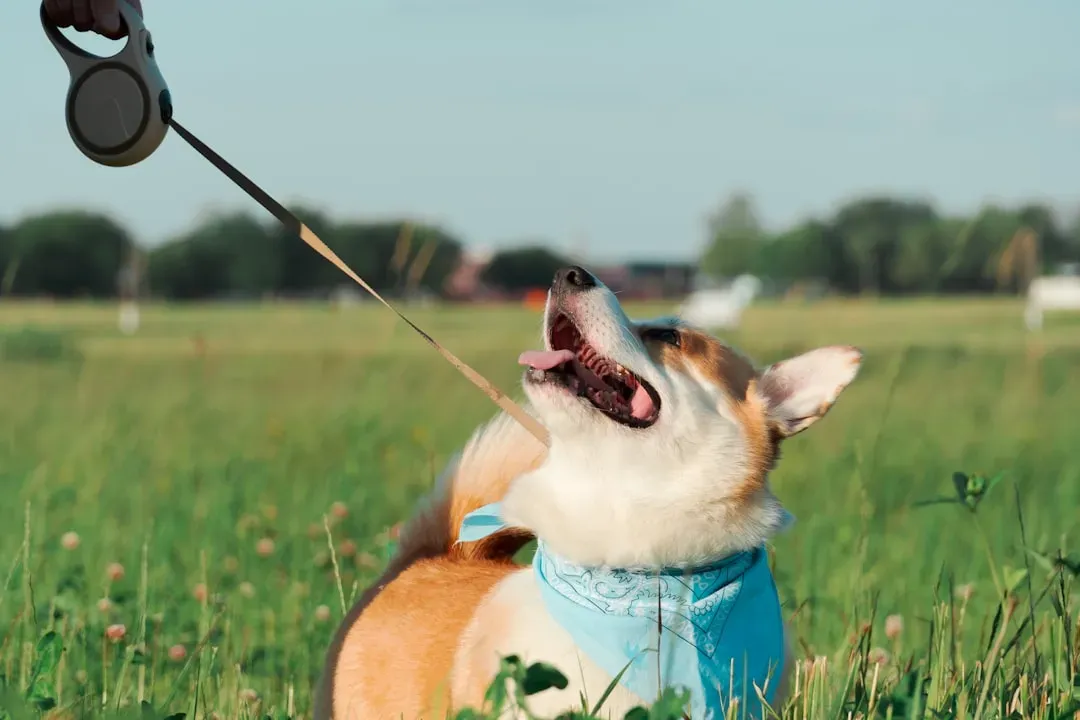
Retractable leashes feel like freedom in a plastic shell – more length, more sniffing, what’s not to love? Ask a dog walker and you’ll get an eye-roll instead. These leashes are one of the most common tools behind tangled legs, rope burns, and terrifying near-misses with traffic or bikes.
The thin cord can snap, the lock mechanism can fail, and the long lead gives you almost zero control if a dog lunges suddenly. Professionals stick to sturdy 4-6 foot leashes on busy streets because they allow fast, clear communication the second something goes sideways. There’s a time and place for a retractable – an empty field, a rock-solid recall – but rush hour on a crowded sidewalk isn’t it.
Quick Compare
- Standard 4-6 ft leash: Best control on sidewalks and quick corrections if a dog lunges.
- Retractable leash: More sniffing room, but a thin cord and slow-locking mechanism can fail under sudden pressure.
- Long line (15-30 ft): Great for recall practice in open, low-traffic spaces – not for city blocks.
- Hands-free leash: Convenient for joggers, but offers less precise control than a handheld leash.
#3 – Encouraging “Say Hi” to Every Dog
Many owners treat walks like social hour: “Go say hi!” “Look, a friend!” They let their dog barrel up to every other dog on the block. It feels friendly and well-socialized, but dog walkers know this is exactly how leash reactivity, frustration, and even fights get rehearsed.
Not every dog wants company, not every dog is safe, and not every owner wants their dog approached – even if yours is “friendly.” Pros aim for calm, neutral passing instead, with no explosive greetings and no last-second leash tension. Let a dog believe every walk is a party, and the moment you can’t let them greet, you get barking, lunging, and whining instead of the polite dog you thought you had.
#4 – Letting the Dog Pull Like a Freight Train
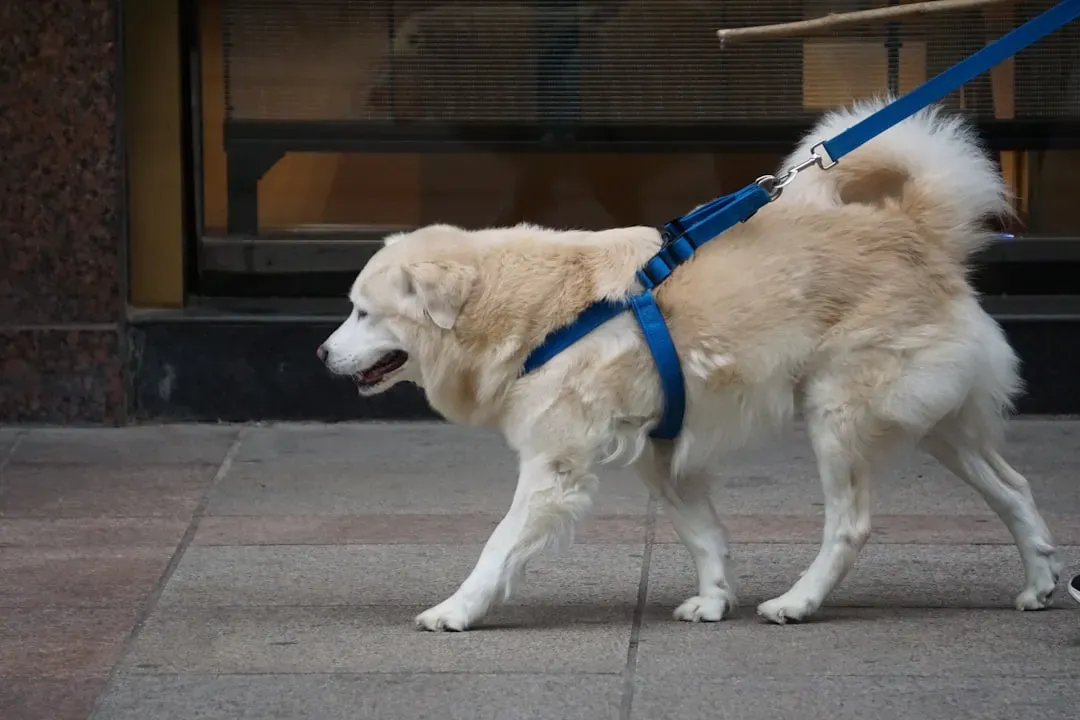
Some owners shrug and say, “He just pulls, that’s how he is.” Dog walkers, who might handle five to ten dogs a day, know pulling is almost never “just how it is” – it’s a habit that’s been unintentionally rewarded one step at a time. Every inch forward while the dog drags the leash is a payment: pulling works, so pulling continues.
Over time, that turns into aching shoulders, injured backs, and dogs who are literally stronger than the person holding them. Professionals often use structured walking – short leash, rewards for checking in, a hard stop the second the leash goes tight. It’s not marching like a soldier; it’s teaching a dog that tension gets them nowhere, which matters most the day they’re inches from traffic or a set of stairs.
#5 – Wandering While Staring at a Phone
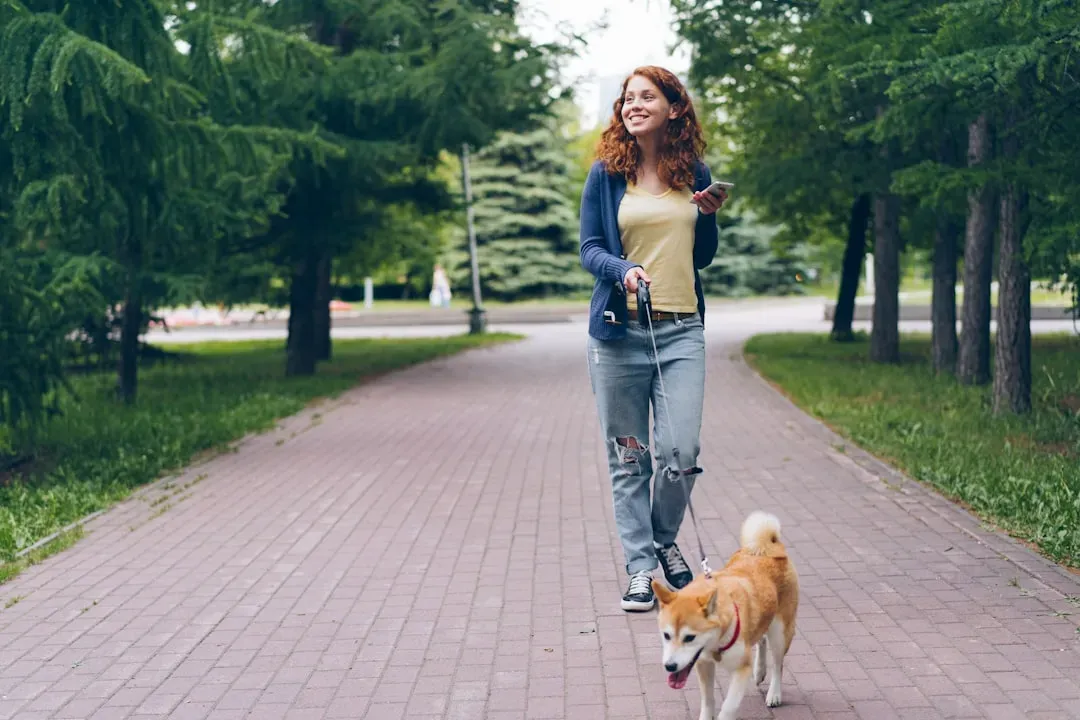
A shocking amount of dog-walking time is spent with the owner’s eyes glued to a screen. Scroll, scroll, scroll – meanwhile the dog is wrapped around a pole, vacuuming chicken bones off the sidewalk, or beelining toward a reactive dog. Most “out of nowhere” incidents weren’t actually out of nowhere; the human just wasn’t looking.
Missed warning signs are the real problem, not bad luck. Pros keep their heads on a swivel, scanning for off-leash dogs, dropped food, or anything that might spook the dog, so they can calmly redirect before anything blows up. Checking out mentally also means missing the tiny, gold-star moments – eye contact, a loose leash, a good choice – that are exactly what training is built on.
#6 – Sniffing the Wrong Places at the Wrong Times
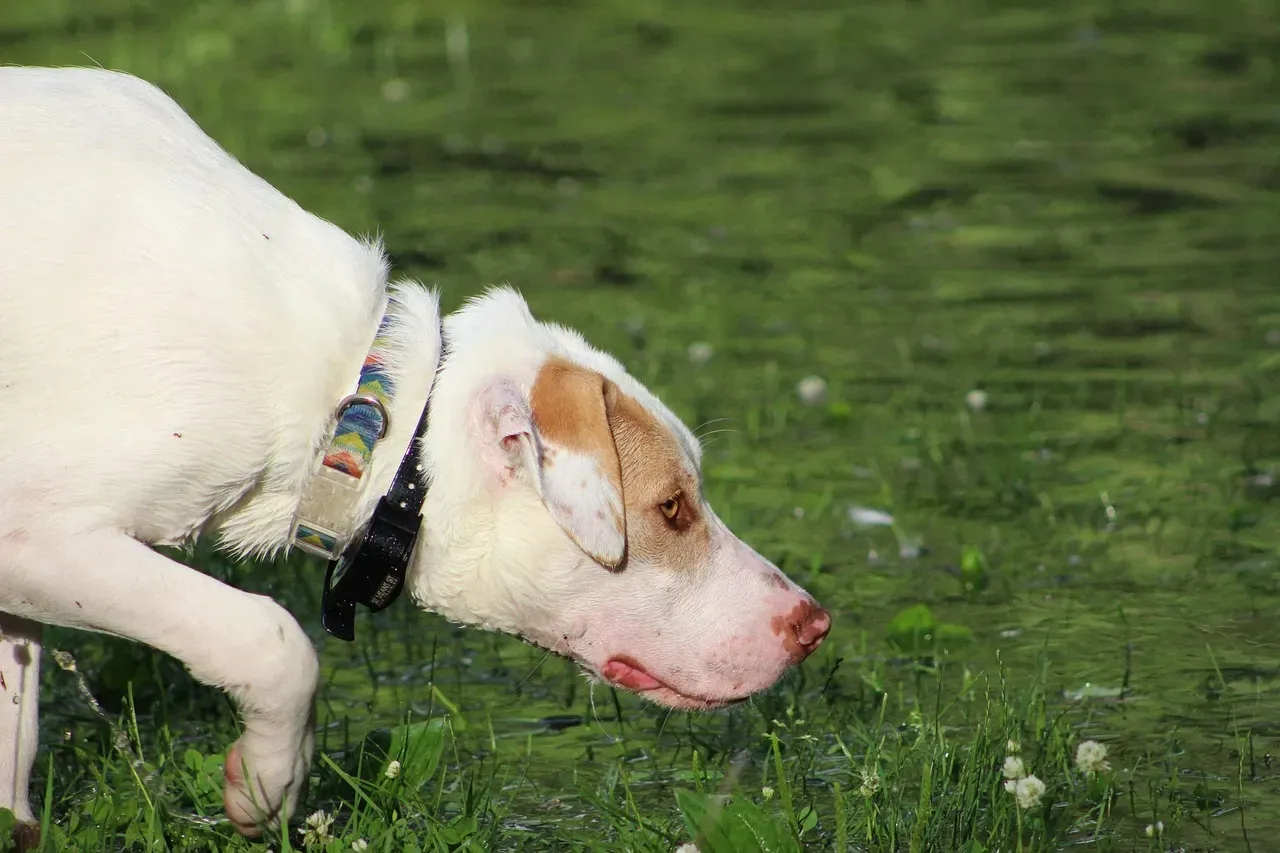
Walkers actually love letting dogs sniff – a slow “sniffari” is mentally enriching. The problem isn’t sniffing, it’s where and how. Plenty of owners let their dog bury its face in an overflowing trash can or a gutter full of broken glass, then yank them away from a harmless patch of grass where slow sniffing would’ve been perfect.
Owners often insist “he never eats anything” seconds before their dog gulp-swallows something questionable off the ground. Pros try to flip the script: generous sniffing in clean, low-risk spots, and a firm no in sketchy corners and trash piles. That fast trip from curiosity to an emergency vet visit is more common than most owners realize.
#7 – Forcing Dogs to Interact with Strangers
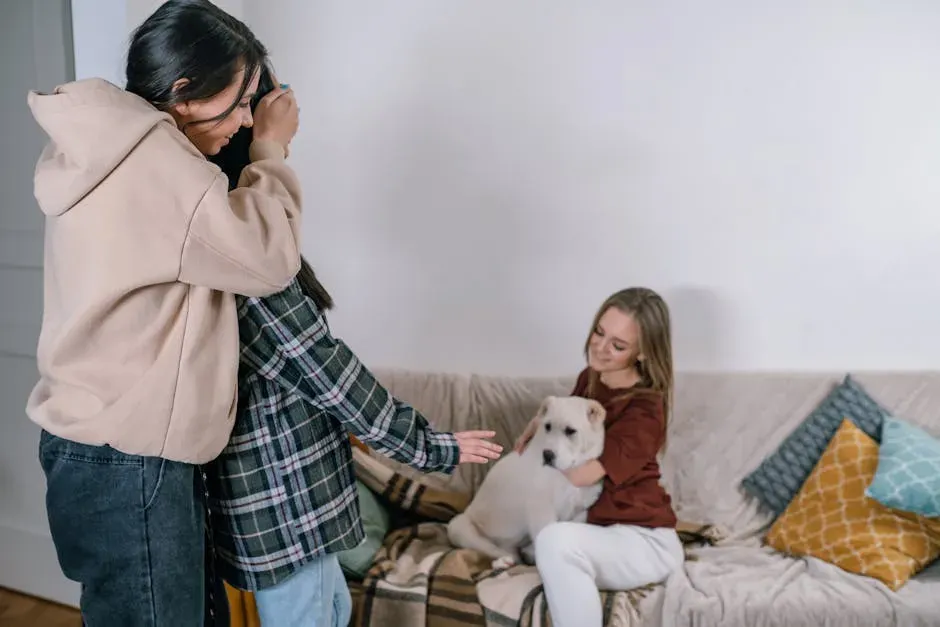
“He loves kids!” “Go give her a kiss!” A lot of owners push their dogs into interactions they never actually chose. Walkers catch the subtle signals owners miss – lip licking, head turns, a frozen body, a tucked tail – a dog that looks “fine” while silently begging to leave.
When owners override those signals, dogs slowly learn that humans won’t protect their space, even when they ask. Professionals often step in as the dog’s advocate instead: “We’re going to skip pets right now, thanks,” especially with grabby toddlers or strangers who rush in squealing. Dogs who are allowed to say no, ironically, tend to grow more confident and social over time – because they’ve learned their handler actually has their back.
#8 – Using Harsh Corrections for Normal Dog Behavior
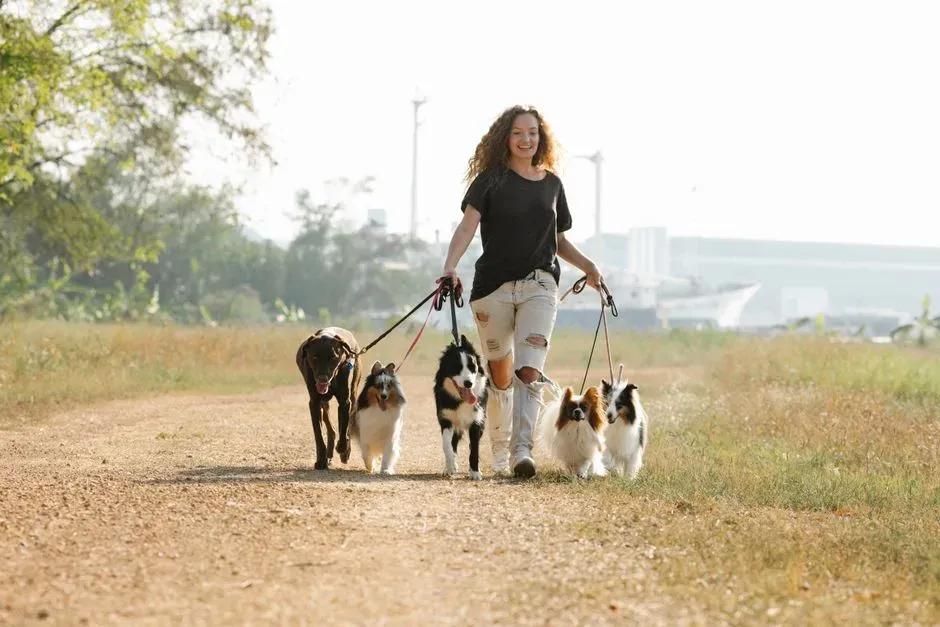
Barking once at a skateboard, sniffing too long, getting excited at another dog – these are normal dog reactions. Yet plenty of owners snap the leash hard, shout “NO!” inches from the dog’s face, or jerk a choke chain for anything mildly inconvenient. Dog walkers see the fallout: anxious, shut-down dogs afraid to offer any behavior at all.
Overcorrection doesn’t teach calm – it usually just teaches fear. Pros manage distance and reward better choices instead: looking away from a trigger, walking past without lunging, checking in with the handler. Randomly punishing a dog for simply feeling something on a walk isn’t training, it’s venting, and long-term it can turn a normal dog into a genuinely reactive one.
#9 – Walking Dogs on Collars That Clearly Don’t Fit
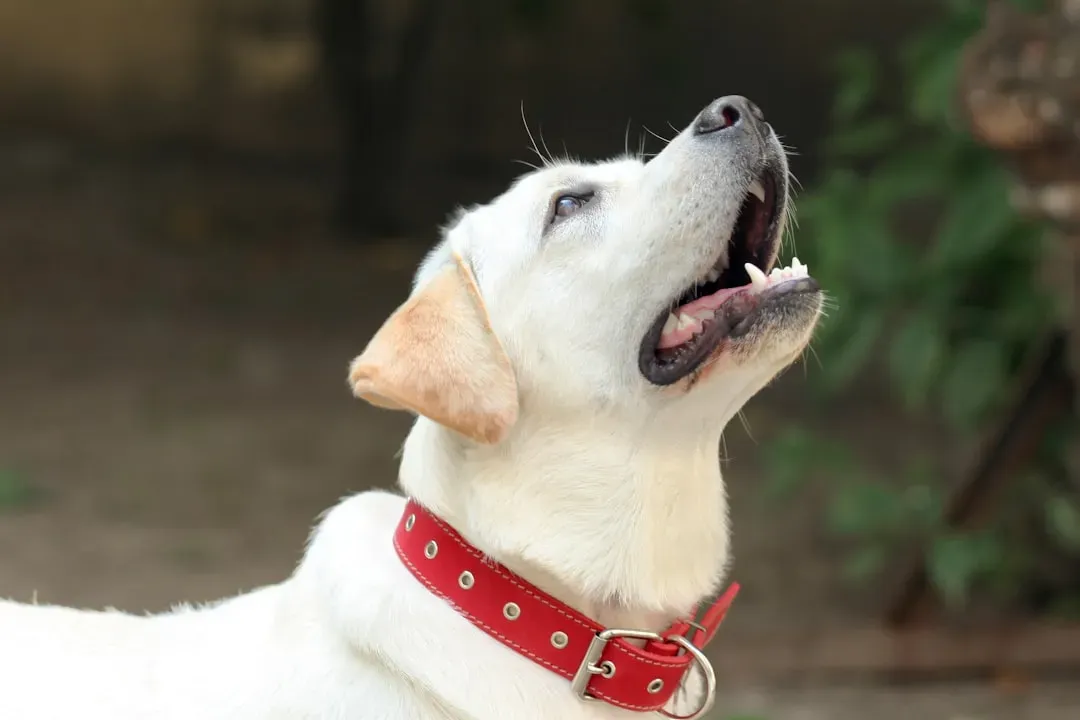
Far too many owners clip a leash to a loose flat collar that can slip right over the dog’s head with one hard backward pull. Nobody notices the problem until a squirrel appears, the dog panics, and the collar is suddenly dangling on an empty leash. Walkers have watched this exact slow-motion nightmare play out more times than they’d like to admit.
A slipped collar can turn into a “lost dog” poster and a full-blown panic in about four seconds. Pros prefer snug collars that can’t pop off, secure harnesses with two attachment points, or martingale collars for known escape artists. The fix is usually a fifteen-dollar gear upgrade – cheap insurance against the worst afternoon of your life.
Fast Facts
- A collar that slips over the head is one of the most common ways dogs get loose on walks.
- Martingale collars tighten slightly under pressure, making them a popular choice for narrow-headed breeds.
- Harnesses with front and back attachment points give handlers more steering control than a single clip.
- A properly fitted collar should allow two fingers to slide underneath – snug, not tight.
#10 – Letting the Rules Change Every Single Day
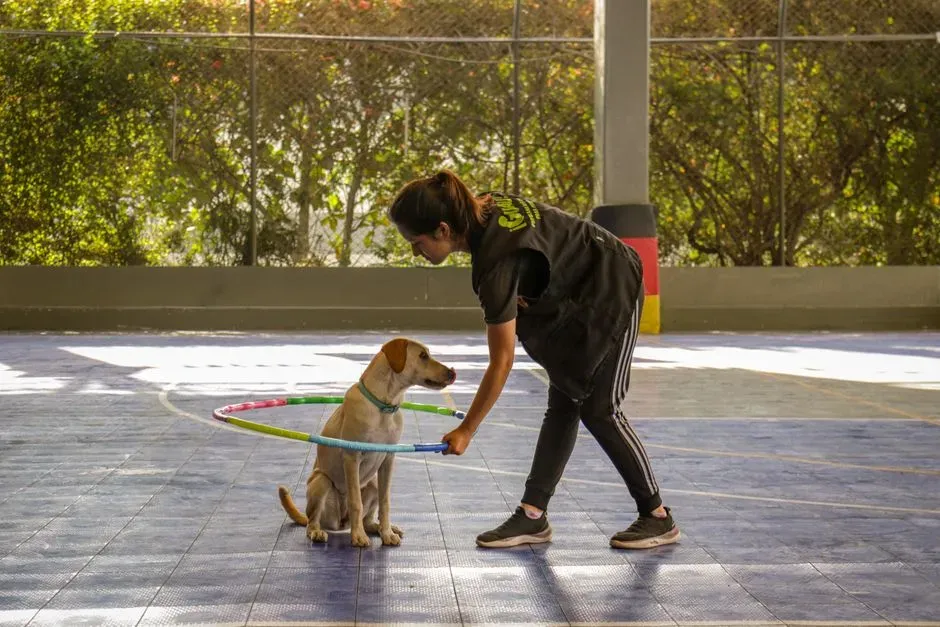
Many owners run walks on completely inconsistent rules. Some days the dog is allowed to zig-zag, pull toward every tree, and bark at passing dogs. Other days, when the owner is stressed or running late, it’s suddenly all “NO!” and “HEEL!” and “STOP IT!” – and from the dog’s perspective, the rules are just random, so they keep trying everything.
Dog walkers then show up to a confused dog who has no idea what today’s expectations even are. Pros usually settle on one structure and stick to it – a focused stretch first, then a decompression sniff, then a calm return home. Dogs don’t need perfection from their humans, but they thrive on knowing what today actually looks like.
#11 – Ignoring Weather and Surface Conditions
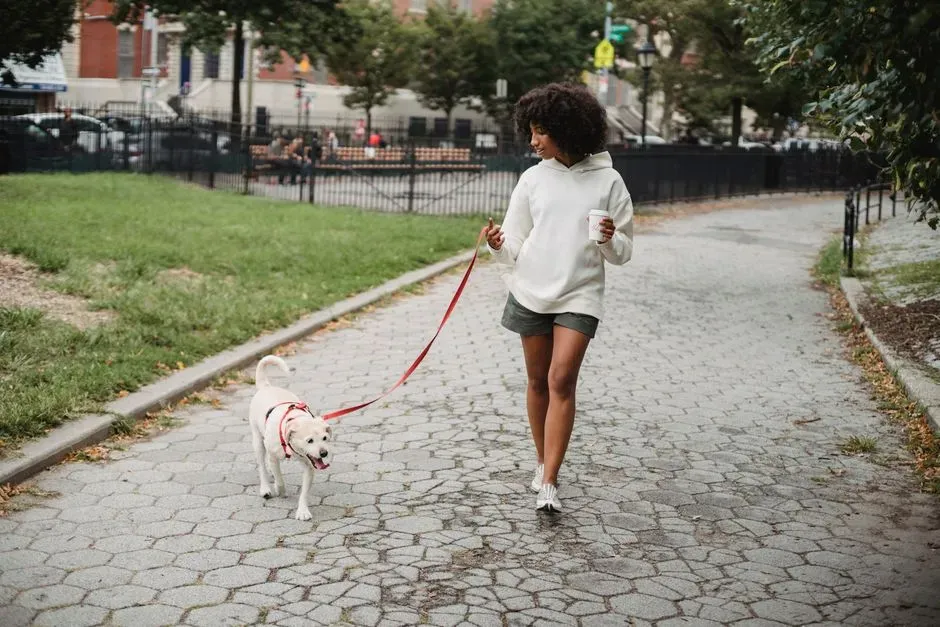
On scorching days, owners will chirp “he needs his exercise!” and drag their dog down blacktop hot enough to fry an egg. Dog walkers see the limping, the lifted paws, the panting that’s gone from normal to alarming – while owners underestimate how fast heat, ice, or road salt can actually damage paws and lungs.
Most owners never bother with the simple hand test on asphalt before deciding it’s safe to walk on. Pros walk earlier or later in extreme heat, stick to grass and shade, and reach for booties or protective balm on salted winter sidewalks. Dogs don’t complain out loud – they just suffer quietly and lick their paws later.
#12 – Talking Nonstop but Never Actually Listening
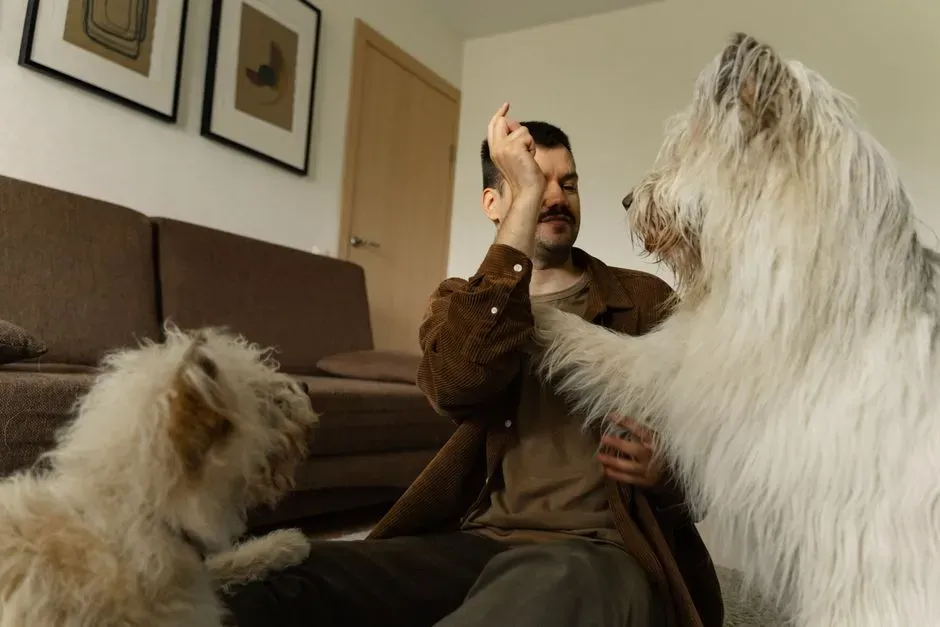
There are owners who narrate the entire walk: “No, stop, come on, this way, heel, no, leave it, sit, sit, SIT.” It becomes constant background noise, and eventually the dog tunes out every word of it. Dog walkers watch this happen and know exactly why: a cue repeated 500 times a walk without consequence or reward simply stops being a cue.
A word used too often loses its meaning entirely, no matter how loudly you say it. Pros pick their moments instead, marking the good stuff – eye contact, a loose leash, ignoring a distraction – and keeping corrections rare and clear. Silence is a training tool most owners never use, and it’s exactly what makes a well-timed “yes” or “good” actually land.
#13 – Letting Dogs Off-Leash Where Leash Laws Still Apply
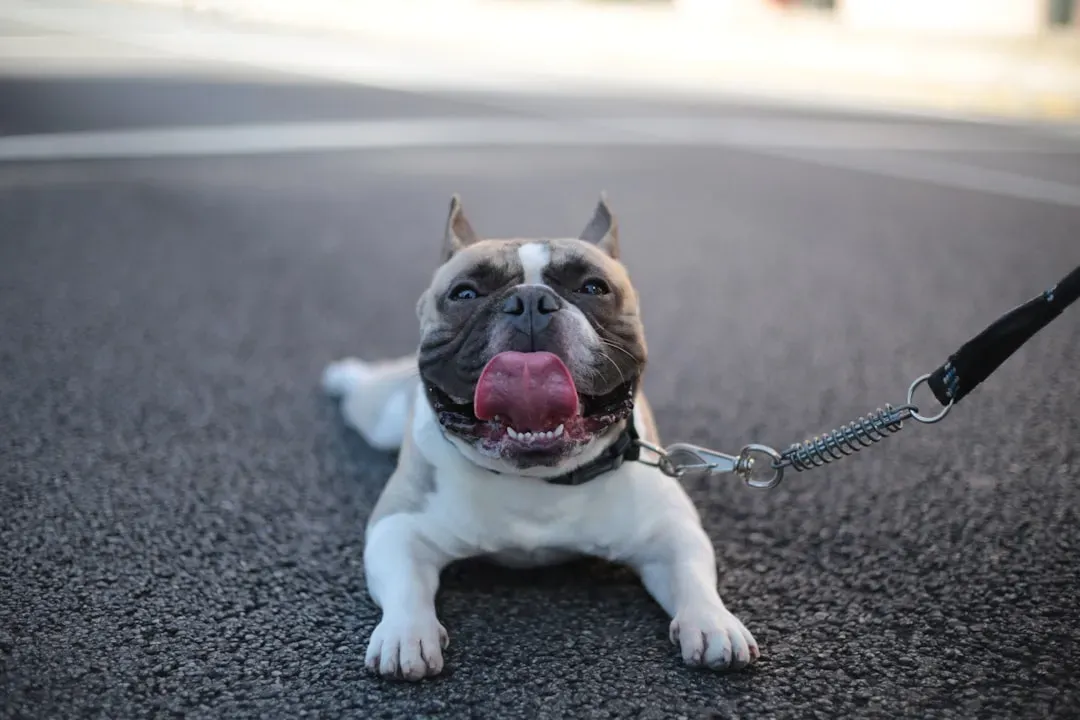
There’s always that one line – “don’t worry, he’s friendly!” – right as an off-leash dog barrels toward a leashed one. Dog walkers hear it daily, and they’ve stopped believing it means what owners think it means. Leash laws exist precisely because not every dog, human, or situation on that sidewalk is actually safe.
Your friendly dog can still terrify a reactive one, knock over a child, or provoke a dog that isn’t friendly at all. Pros keep dogs leashed everywhere except designated, safely enclosed spaces, partly because their own liability is on the line if a client’s dog gets hurt. Off-leash entitlement is one of the most common things walkers complain about privately – and rarely say to your face.
#14 – Using Walks Only to “Burn Energy”
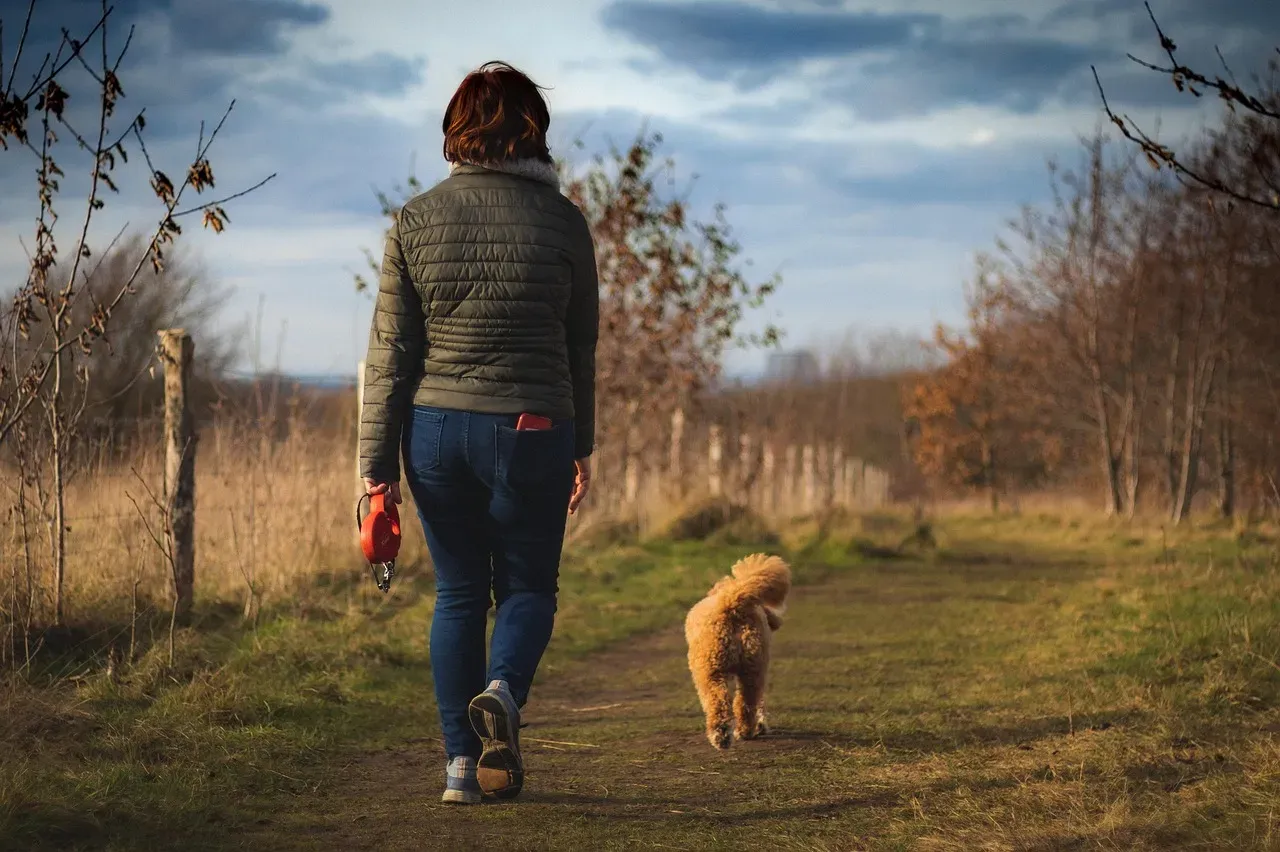
A common owner mindset: “If I just walk him longer, he’ll finally be tired.” Dog walkers know this treadmill never actually ends, because you don’t fix a dog’s energy problem with more miles – you usually just build a stronger athlete. High-drive dogs can walk for hours and still come home wired if their brain never got a job to do.
Ten minutes of focused engagement can tire a dog out more than forty-five minutes of mindless marching ever will. Pros sneak in short obedience drills, impulse control at curbs, and sniff breaks used as rewards along the way. Treating a walker like a cardio machine instead of a trainer is how owners end up baffled that their dog is still bouncing off the walls at home.
#15 – Skipping ID Tags and Trusting Only the Microchip
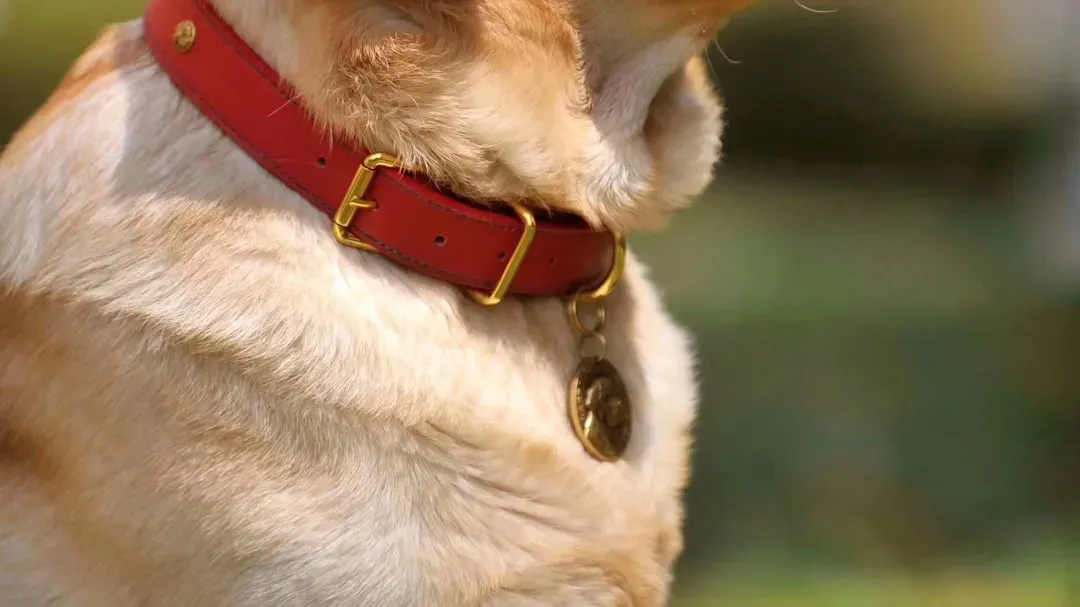
Microchips are essential, but they’re not magic – they require someone to actually catch your dog, drive it to a vet or shelter, and scan it. A simple, legible ID tag with a working phone number can mean a call in minutes instead of days of praying and posting flyers.
Yet plenty of owners skip tags entirely because they jingle, ruin the “look,” or just never got around to it. Walkers handling someone else’s dog feel that risk in their gut every single time a gate is left open or a leash snaps unexpectedly. Pros quietly double-check collars and tags before heading out, because they’d rather not be the one explaining why a found dog couldn’t be traced home in time.
At a Glance
- ID tag: Instantly readable by anyone who finds the dog – no scanner needed.
- Microchip: Permanent, but only useful once the dog reaches a vet or shelter with a scanner.
- Best practice: Use both – a tag for speed, a chip as backup.
- Overlooked step: Keeping the phone number on the tag and in the chip registry current.
#16 – Treating the Walker Like a Luxury, Not a Lifeline
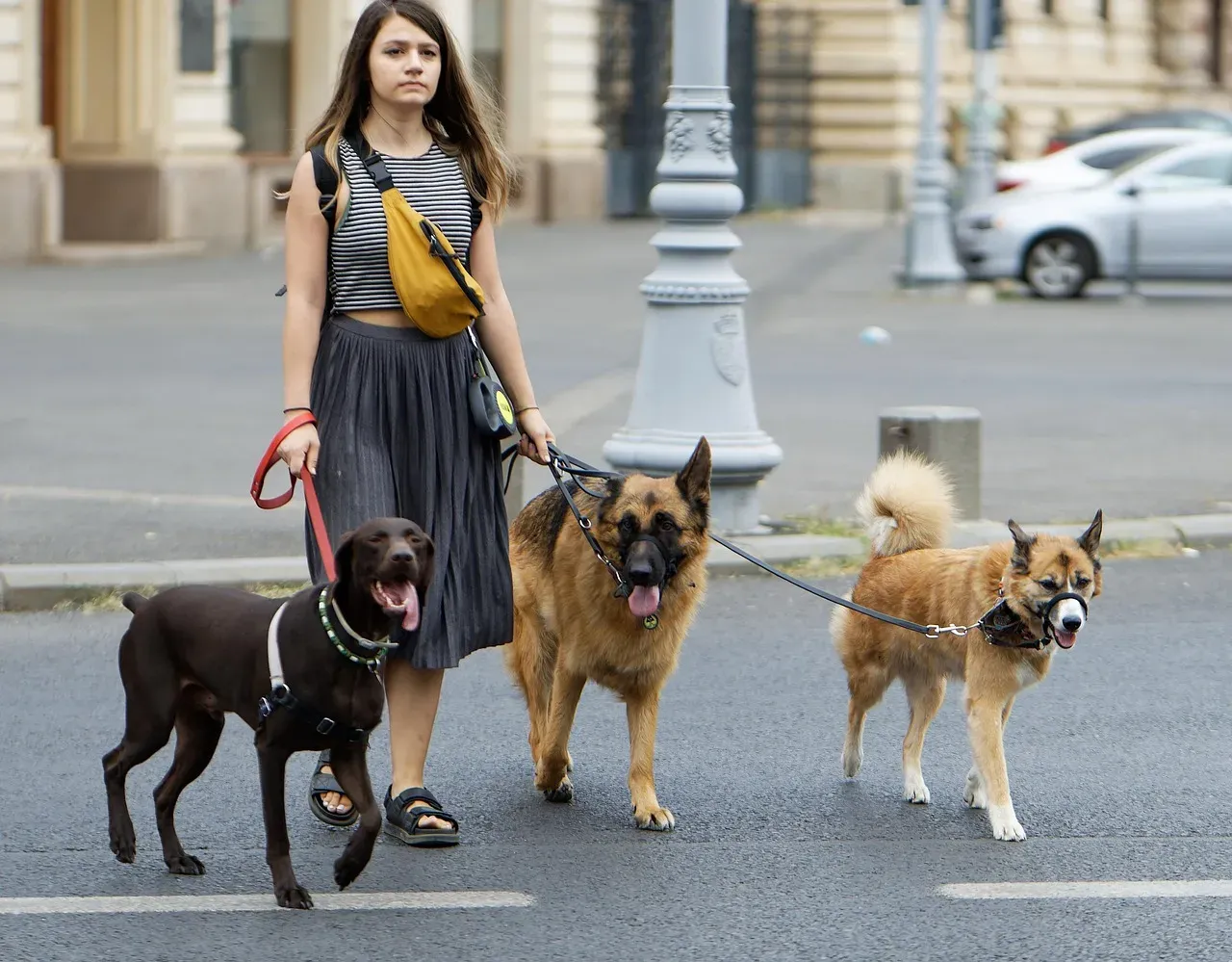
Some owners assume a dog walker is a nice extra rather than a core part of their dog’s routine. They cancel constantly, shift times last-minute, or skip mentioning health and behavior changes entirely. Walkers are often the only ones giving that dog real daytime stimulation, bathroom breaks, and consistency – and the dog depends on that rhythm more than the owner realizes.
When that routine gets shaky, behavior issues spike fast: accidents, barking, destructive chewing. Pros notice the moment a dog is suddenly crated longer or bounced between schedules, and they end up quietly managing the fallout without ever being told what changed. A little consistency and respect from the owner’s end makes every single walk easier for the dog caught in the middle.
#17 – Blaming the Walker for Habits the Owner Rehearses Daily
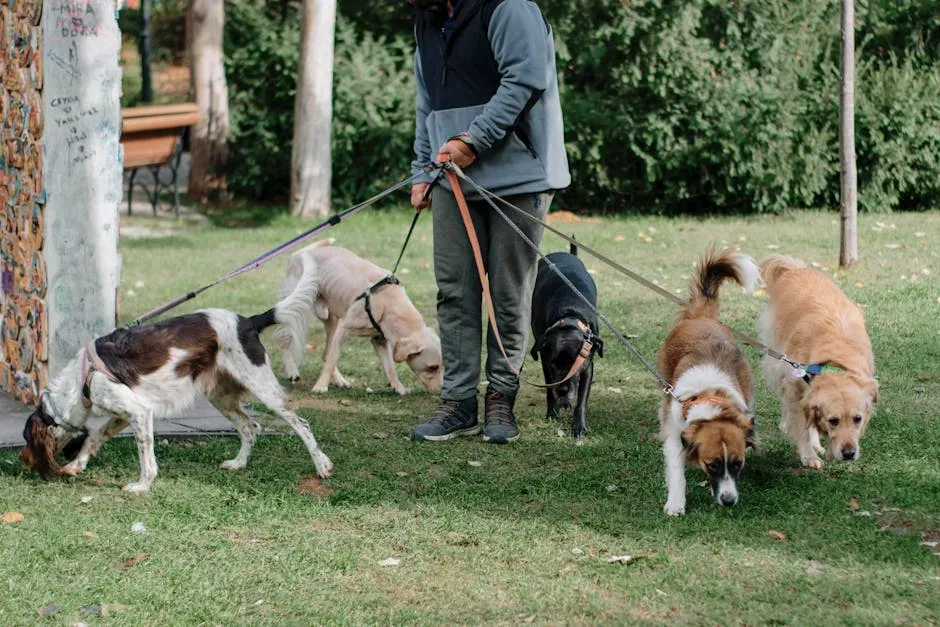
Owners sometimes say, “He only pulls with you,” or “She never barks like that when I walk her,” when 95 percent of that dog’s life and habits belong to the owner, not the walker. It’s convenient to pin problems on the person you see twice a week instead of the routine you repeat twice a day, and dog walkers usually bite their tongue rather than argue.
A dog dragged to the park every morning can’t be expected to suddenly walk perfectly for someone else in the afternoon. Pros see the pattern clearly: zero boundaries at home, but full obedience expected outside. Real behavior change needs consistency from everyone who holds the leash, not just the person getting paid to hold it twice a week.
#18 – Using Walks as Punishment
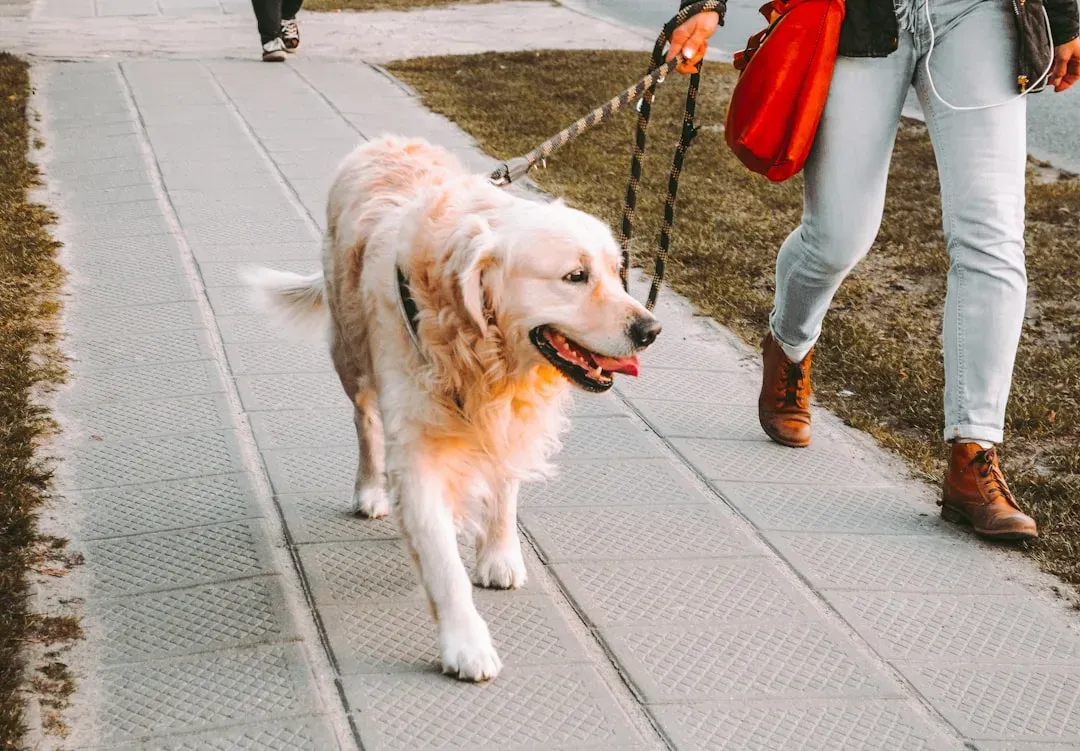
Some owners only walk the dog when it’s “earned” through good behavior, or worse, they drag the dog on a tense, scolding walk right after an accident in the house. To the dog, walks start to feel like stressful events built entirely around correction instead of the reliable, joyful outlet they should always be.
A dog who wonders whether today brings freedom or punishment is never emotionally settled. Pros treat walks as steady and non-negotiable – basic care, not a reward for good behavior. Ironically, calmer and more consistent walks usually reduce the exact misbehavior owners were trying to punish in the first place.
#19 – Refusing to Slow Down for Age or Health
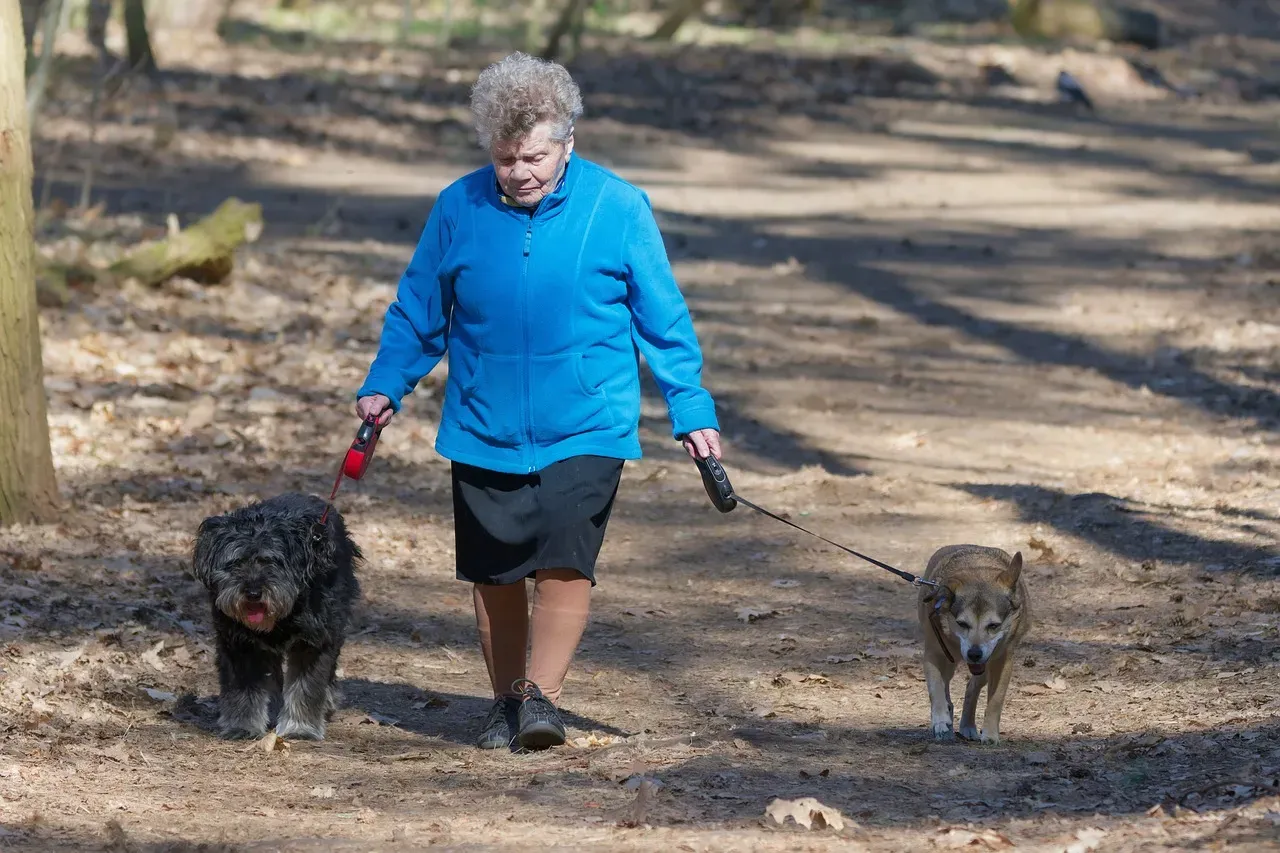
Walkers often see senior dogs, or ones with arthritis, hustled along at the same pace and distance they managed as young adults. “He needs to keep moving!” the owner insists, brushing off limping, lagging, or heavy panting as nothing. There’s a fine line between healthy activity and pushing a dog past its actual limit, and too many owners blow right past it without noticing.
Puppies, seniors, and brachycephalic breeds like pugs all need the walk adjusted to their bodies, not their owner’s ego. Pros tailor pace, distance, and terrain to the dog in front of them, not the dog they remember from five years ago. Respecting a changing body isn’t coddling – it’s basic kindness, and walkers often end up being the only one advocating for it.
#20 – Laughing Off Early Warning Signs of Reactivity
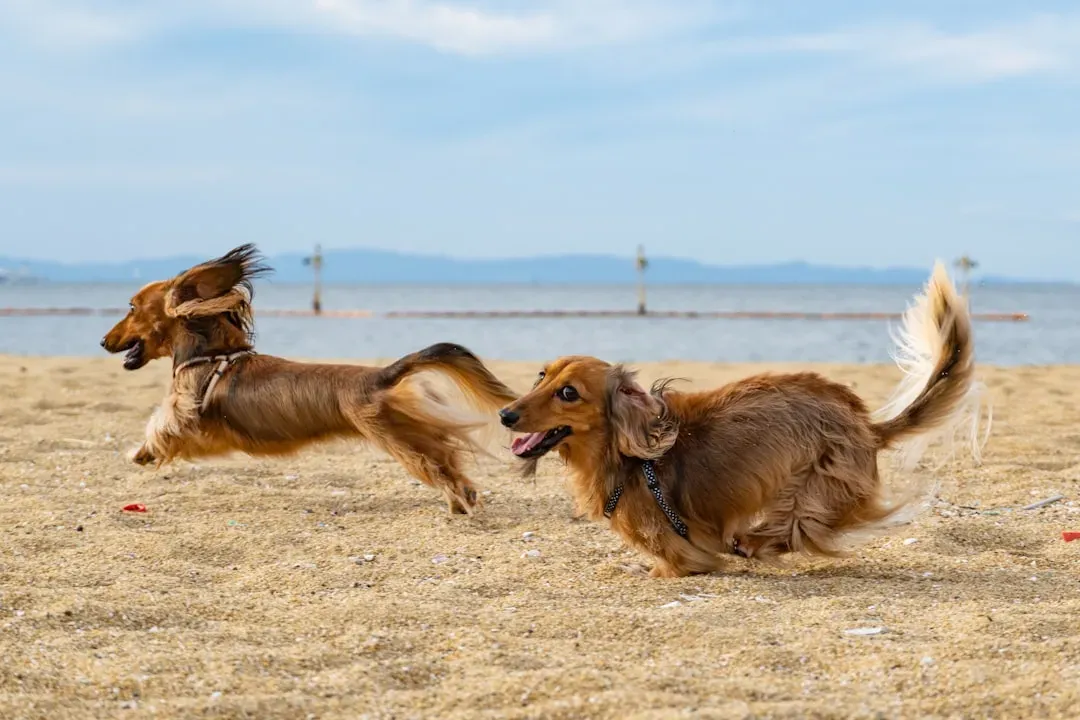
“When he growls, it’s hilarious!” “She just does that when she sees big dogs, it’s her thing.” Owners often treat low-level reactivity as a quirky personality trait instead of exactly what it is: an early warning sign. Dog walkers know that what starts as “funny” lunging or barking can escalate into bites, fights, or serious handler injuries once the pattern is fully entrenched.
By the time it’s no longer funny, it’s also no longer cheap or easy to fix. Pros catch it early with distance, counter-conditioning, and working under threshold, and they’re often the ones quietly recommending a trainer before things get worse. Early intervention isn’t overreacting – it’s the single most responsible thing an owner can do for a dog showing these signs.
#21 – Letting Kids “Walk the Dog” Completely Alone
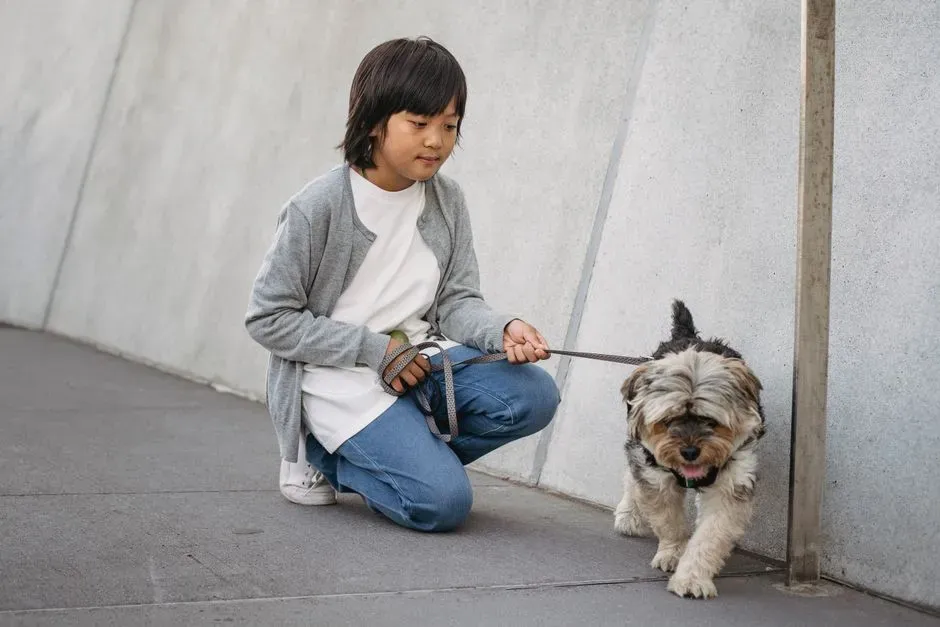
It looks adorable: a small child gripping the leash of a big, fluffy dog while social media eats it up. Dog walkers see the danger instantly, because a child simply cannot control a dog through a real emergency – a loose dog attack, a sudden noise, a broken leash, a traffic scare. They also can’t read the subtle stress signals that tell an adult when to step in.
Letting a child be the only handler is gambling with two lives, not just one. Pros have no problem with kids helping, as long as an adult is actually in charge of the leash until the dog is rock-solid in that environment. “He’s never done anything before” isn’t a safety plan – it’s just luck that hasn’t run out yet.
Worth Knowing
- Even calm, well-trained dogs can react unpredictably to sudden noises, loose dogs, or traffic.
- Kids often can’t physically hold a leash steady if a dog lunges or bolts.
- Children may miss early stress signals like a stiff body, pinned ears, or a tucked tail.
- Supervised leash-holding builds a child’s skills without putting them – or the dog – at risk.
#22 – Getting Embarrassed by the Dog’s Needs
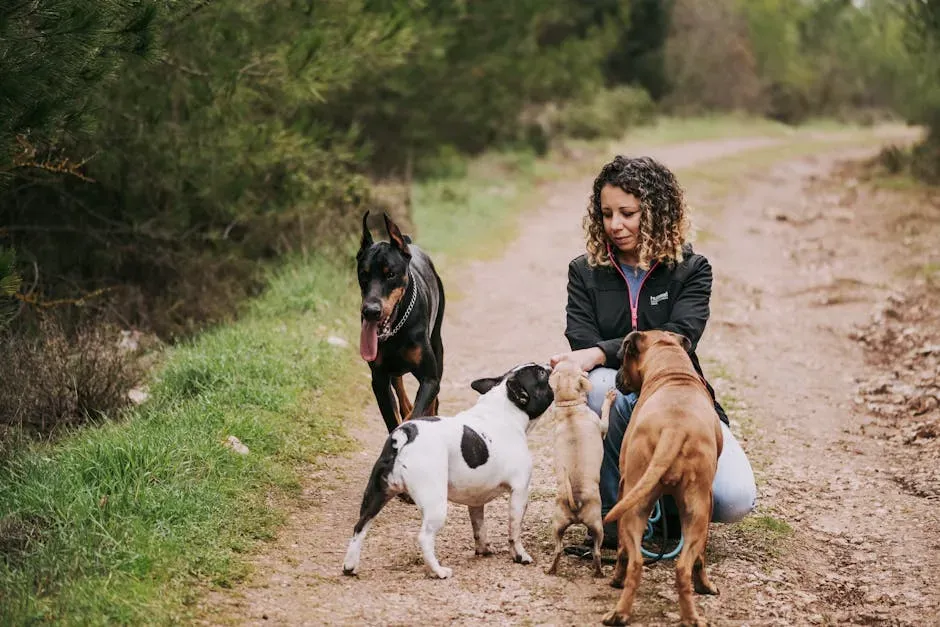
Some owners act mortified if their dog needs to poop twice, sniffs a little too long, or startles at something on the sidewalk. They rush, scold, or yank the dog along because they’re worried about how they look, not how their dog actually feels in that moment. Dog walkers watch dogs internalize that pressure and become more anxious, not less, turning a walk into a performance review instead of a chance to decompress.
An extra minute to recover after a loud truck isn’t indulgence – it’s a dog processing the world in real time. Pros accept these quirks as simply part of the deal, because letting a dog be a dog, within reason and safety, is basic acknowledgment of its reality. Walkers wish more owners could drop the ego and stop treating normal dog behavior like a public embarrassment.
#23 – Expecting “Perfect” Walks Without Any Work at Home

Some owners hand over a completely untrained dog and say, “You’re the professional, make him walk nicely,” then do absolutely nothing to reinforce that work on their own walks. Behavior doesn’t live only in the thirty minutes spent with a walker – it lives in every single repetition of “walk equals chaos” for the rest of the week.
Progress made with a walker gets erased fast if the dog goes right back to dragging and ignoring cues at home. Pros can absolutely jump-start skills like loose-leash walking and calmer greetings, but without owner buy-in, the dog is stuck in permanently mixed messages. Walkers aren’t magicians – they’re pattern-builders, and patterns need reinforcement from everyone holding the leash.
#24 – Treating Walks as a Chore Instead of a Relationship
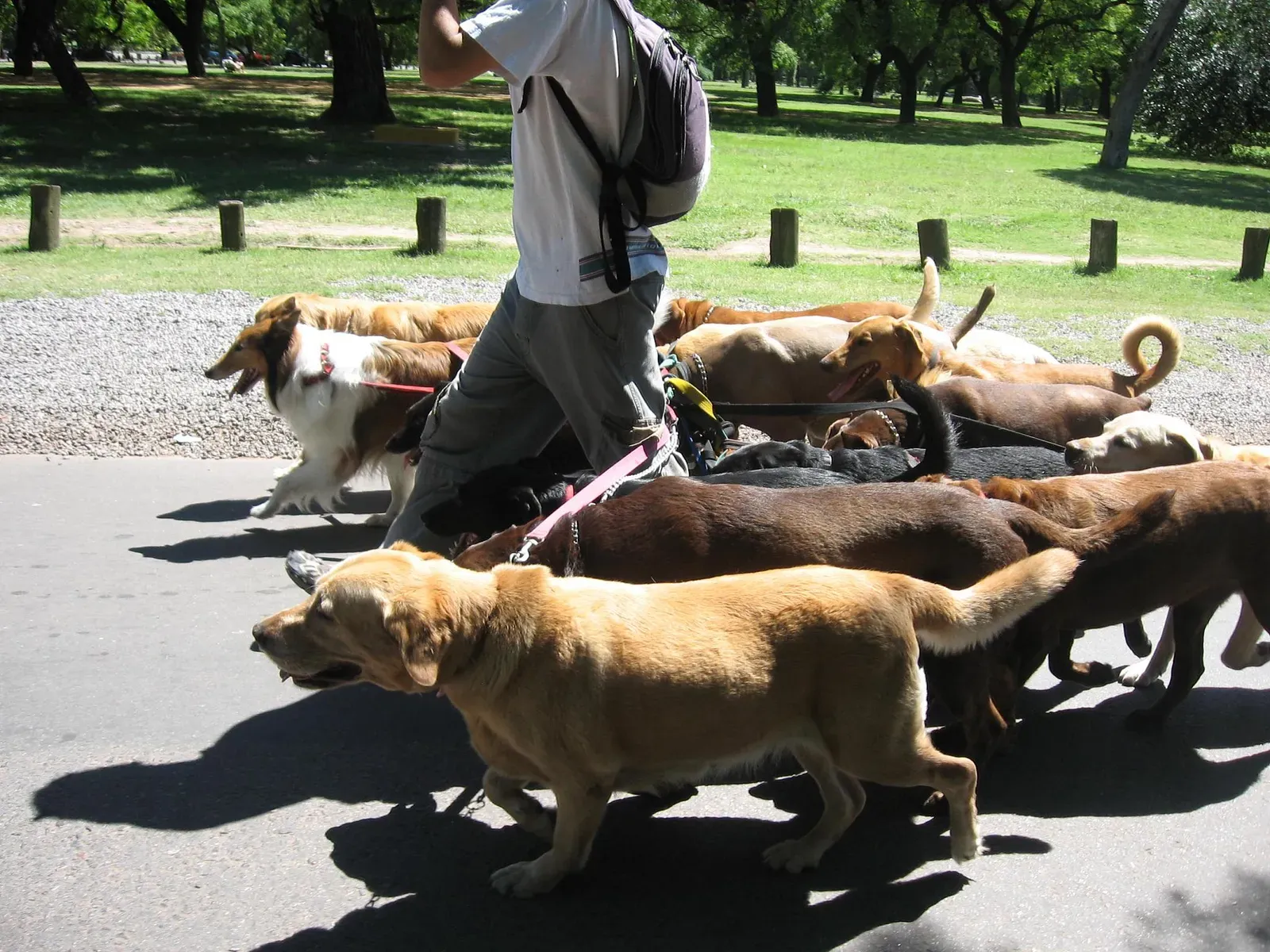
At the end of the day, the habit dog walkers hate most isn’t one specific mistake – it’s the overall attitude of “let’s just get this over with.” When walks are rushed, resentful, or purely transactional, dogs learn that their main window to the entire outside world is tense and unfulfilling, and they either shut down or ramp up in response. Neither reaction is healthy.
The walk is often the biggest moment of a dog’s entire day – and it shows exactly how much attention that dog gets the rest of the time. Pros who genuinely love the work treat every walk like a conversation: what is this dog telling me, what do they enjoy, what overwhelms them? Owners who treat it as a box to check miss that entire layer of connection, and no amount of fancy gear or professional help can fully make up for it.
The Bottom Line
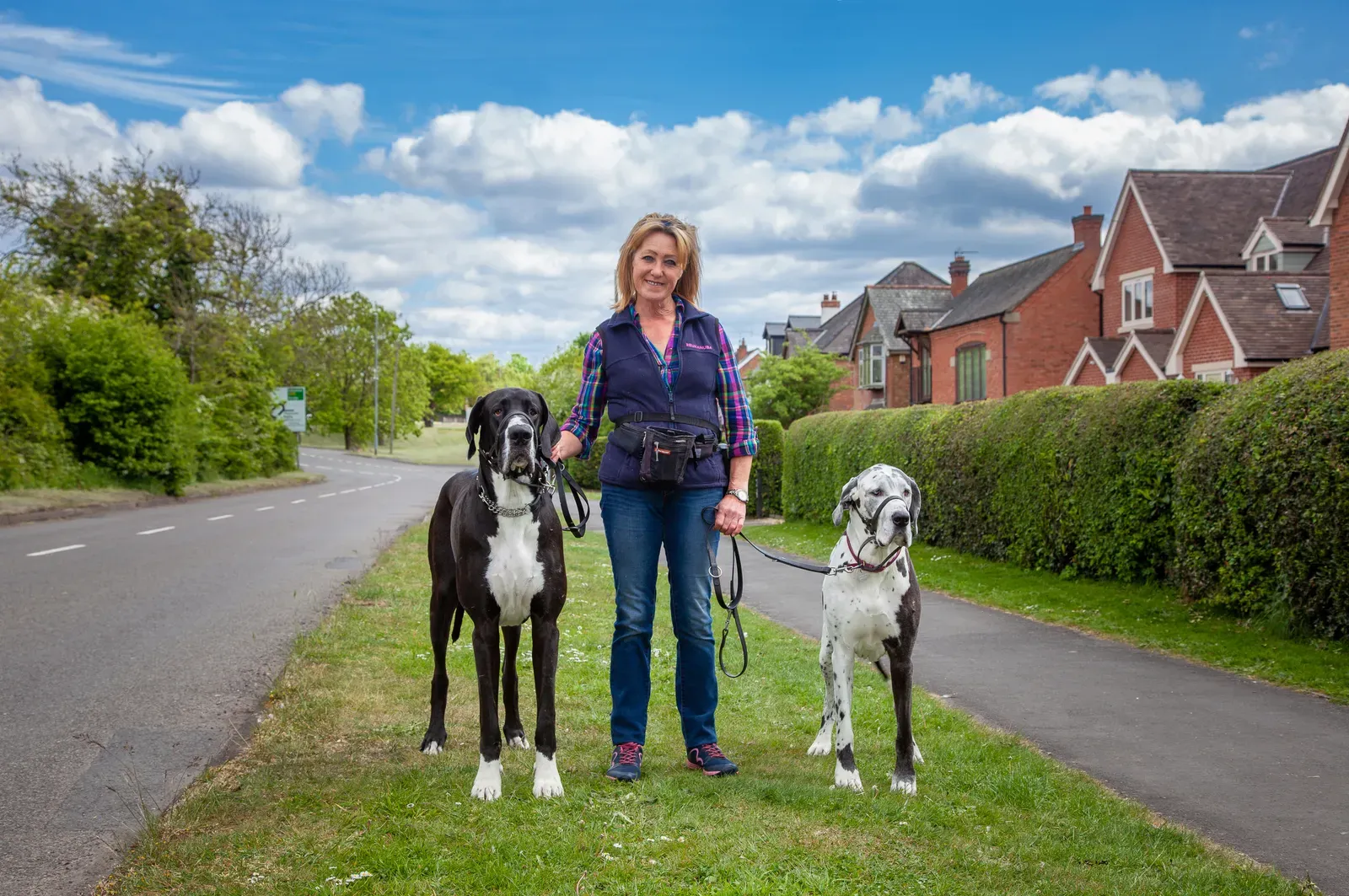
Dog walkers see a side of pet ownership most people never think about – the small, repeated patterns that quietly shape a dog’s behavior, confidence, and safety, walk after walk after walk. A lot of “normal” owner habits, from retractable leashes on busy streets to phones glued to hands to walks used as punishment, aren’t just mildly annoying quirks. They’re actively working against the dog on the other end of the leash.
The important thing is to try and inspire people so that they can be great at whatever they want to do.
Kobe Bryant
That quote wasn’t written about dogs, but it applies here better than most people would guess: showing up fully, even for twenty ordinary minutes, is what actually changes an outcome. Walks aren’t just potty breaks – they’re a dog’s classroom, therapy session, and sightseeing tour rolled into one. You don’t need every gadget or a perfect training plan, but you do need to pay attention, respect the leash laws, and treat your dog walker like a partner instead of a vending machine for tiredness. The dogs notice the difference, even if they’ll never be able to tell you which habits on this list were yours.