
Picture this: you come home after a long day, and instead of a calm, wagging greeting, your dog has redecorated your living room. Couch cushions shredded. Shoes relocated. Remote control nowhere to be found. Sound familiar? Here’s the thing – your dog isn’t being defiant or difficult. They’re bored. And a bored dog is one of the most misunderstood creatures on the planet.
Dog mental stimulation goes beyond simple entertainment. It taps into your dog’s natural instincts to problem-solve, explore, and learn, and the benefits are profound – including reduced boredom, fewer behavioral issues, improved confidence, and even a slower cognitive decline as your dog ages. The good news? You don’t need a fancy training center or expensive gadgets to make it happen. These five simple games can be played right in your living room, your backyard, or even your kitchen. Let’s dive in.
Game 1: The “Find It” Nose Work Game

Dogs experience the world primarily through their noses, and I think we genuinely underestimate just how powerful that is. Think of your dog’s sense of smell like their version of scrolling through social media – it’s rich, information-packed, and deeply satisfying. Sniffing has been shown to not only decrease a dog’s heart rate, decreasing their stress, but it also releases dopamine, the “happy” brain chemical. That alone makes nose work one of the most impactful mental activities you can offer.
Start easy – toss a handful of kibble onto the floor and let your dog watch it fall. On your command, tell them to “find the treats!” Encourage them to keep going by offering lots of praise each time they find one. Then progressively hide the kibble in more difficult locations. You can tuck treats under cushions, inside cardboard tubes, or behind doors. Watch how intensely focused your dog becomes – that focused sniffing, searching, and foraging is exactly what their brain craves.
Experts say that 20 minutes of sniffing can be equivalent to an hour’s worth of a walk when it comes to enrichment. So on those rainy, stuck-indoors days, a simple “Find It” session can do wonders for your dog’s mood and energy levels. It’s low-effort for you, enormously rewarding for them.
Game 2: Puzzle Feeders and the Shell Game
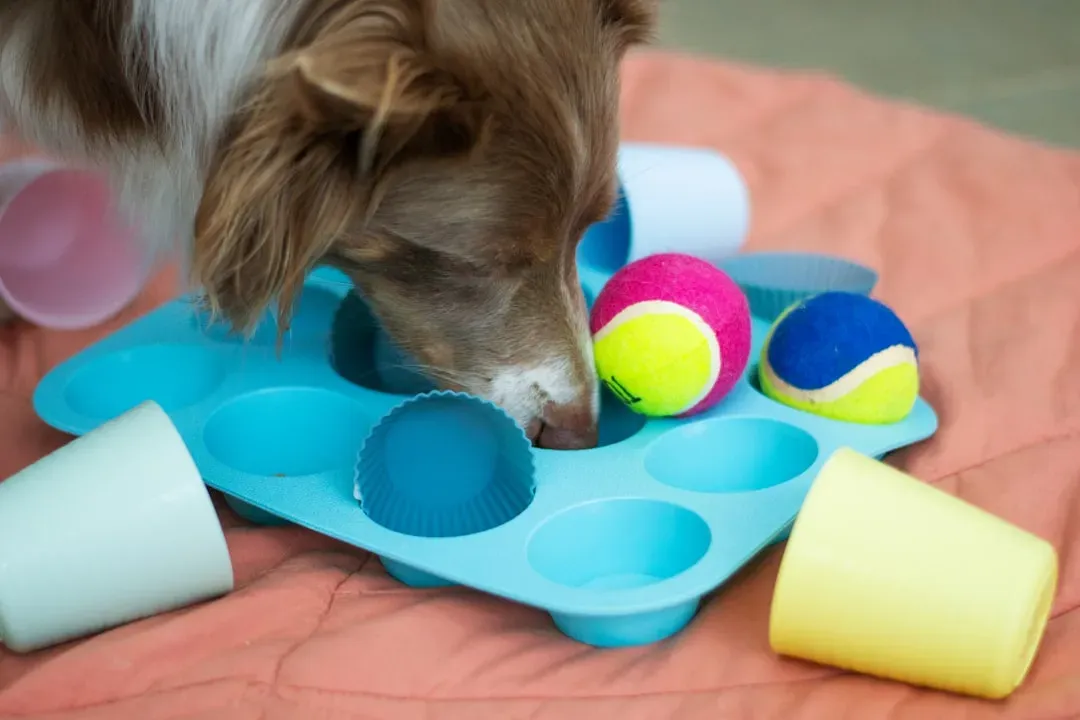
Let’s be real – watching your dog stare at an empty food bowl for two seconds and then look at you expectantly is not mentally enriching for anyone. Swap that routine for a puzzle feeder and suddenly, mealtime becomes a mental workout. Not only do puzzle feeders slow down fast eaters, they also reduce boredom and provide daily mental stimulation. It’s one of those rare wins where something so simple has genuinely impressive results.
If you want to take it up a notch without spending a dime, try the classic shell game. This brain training game sharpens memory and focus. Place three cups upside down, hide a treat under one cup while your dog watches, shuffle the cups, then let your dog choose. As they get better, make it more challenging with extra cups or faster shuffles. You’ll be amazed at how quickly your dog locks in with intense concentration.
When your dog works to solve a puzzle or uncover hidden treats, their brain releases dopamine, the “feel-good” neurotransmitter – the same brain chemical responsible for pleasure and motivation. By giving your dog opportunities to “earn” rewards through enrichment, you’re literally boosting their mood chemistry. That’s not just fun. That’s science working in your favor.
Game 3: Hide and Seek with YOU as the Prize
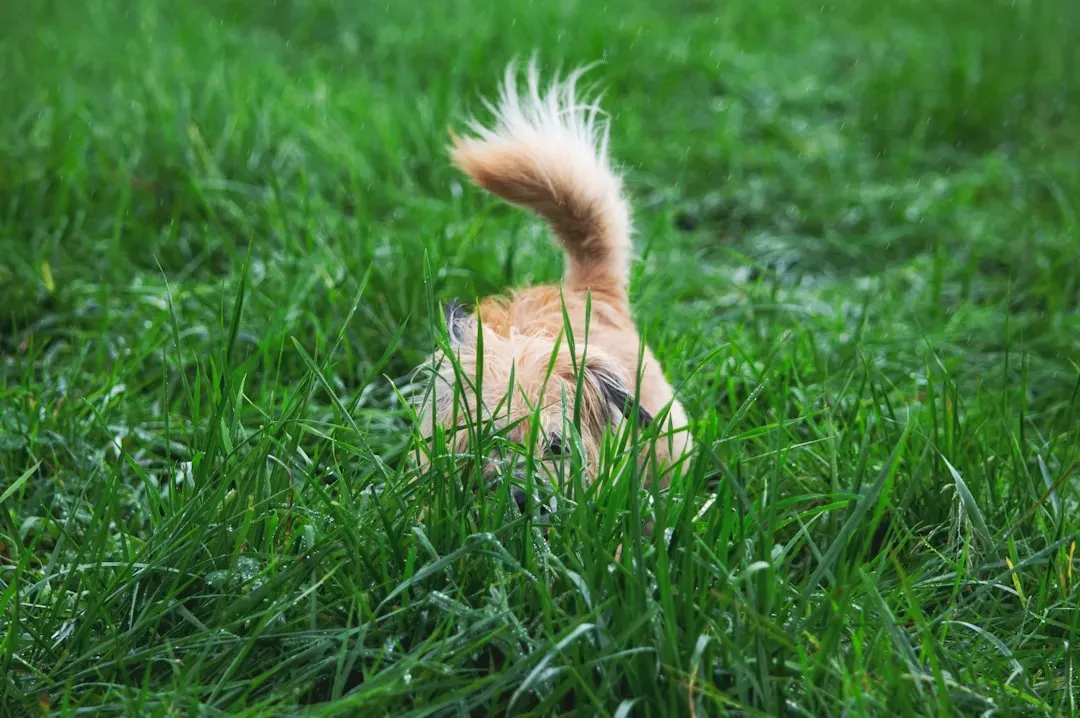
Honestly, this one might be my favorite on the whole list because your dog doesn’t just win a treat – they win YOU. And to a dog, that’s the ultimate jackpot. This is a favorite brain training game for both puppies and adult dogs – it mixes obedience, nose work, and excitement. It reinforces important commands while doubling as pure, joyful play.
Simply hide in a different room or behind furniture, and call your dog’s name. They’ll use their natural problem-solving skills and sense of smell to track you down. This game taps into their instincts and keeps their mind active, all while strengthening your bond and providing great exercise. Start easy with obvious hiding spots, then get creative as your dog gets better at the game.
When they find you, make sure to use treats, praise, and plenty of excitement to keep your dog engaged and entertained. The best thing about this game is that you can repeat it as many times as you want by changing the hiding spots, or even getting other family members involved. Kids love this one too, making it a wonderful family activity that doubles as solid dog training.
Game 4: Trick Training Mini-Sessions
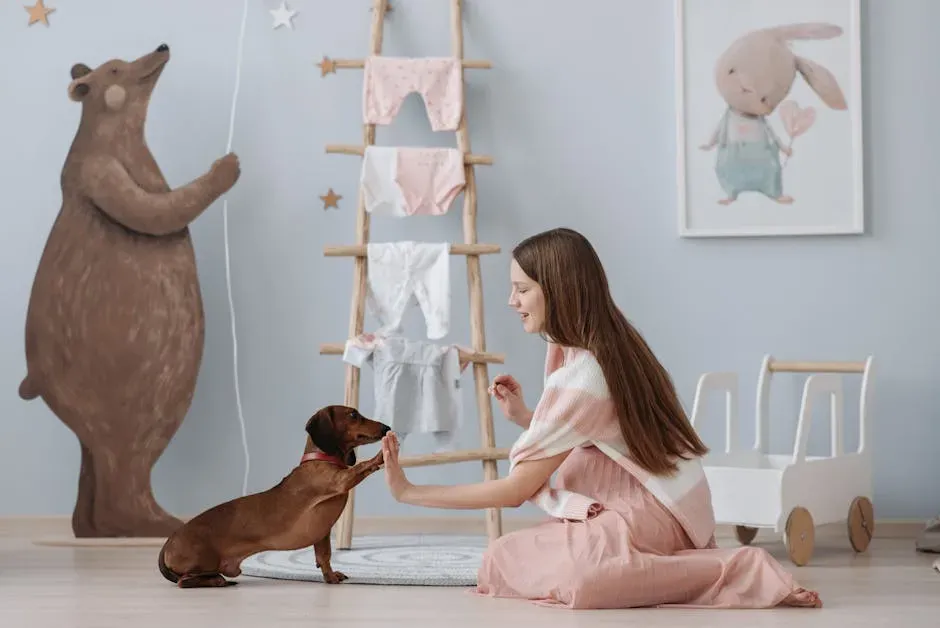
Some dog owners think trick training is just about showing off at the dog park. It’s really so much more than that. Learning new tricks is one of the best ways to give your dog’s brain a workout. Beyond sit and stay, try fun tricks like spin, roll over, shake paw, or put toys away. Each new skill requires your dog to focus, interpret signals, and repeat behavior – which is genuine cognitive exercise.
Solving puzzles or learning new tricks helps dogs feel accomplished – and confidence is not a uniquely human trait. A dog that feels capable and challenged is a dog that behaves better, rests more easily, and interacts with more warmth. Keep sessions short – around five to ten minutes – use small, high-value treats or favorite toys as rewards, and always end on a positive note so your pup feels successful. Short and sweet is the golden rule here.
Positive reinforcement training doesn’t just improve behavior – it’s also mentally stimulating and builds confidence. Even older pets enjoy learning new things! So whether your dog is a bouncy six-month-old pup or a silver-muzzled senior, there is always something new they can learn. That’s a beautiful thing.
Game 5: The DIY Obstacle Course
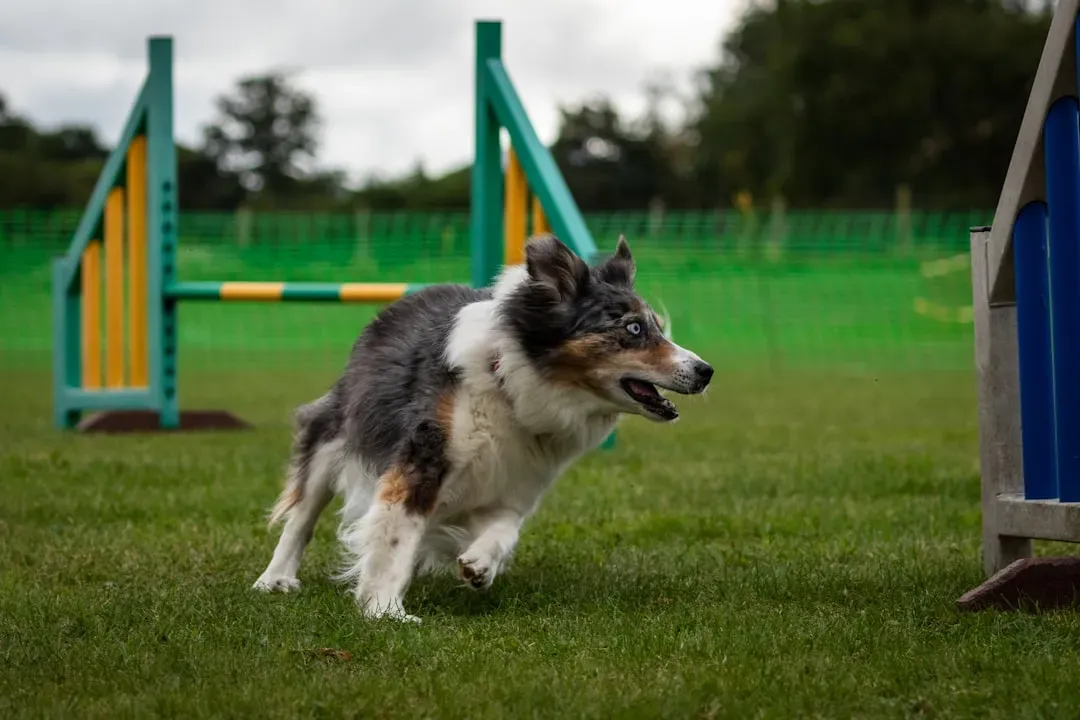
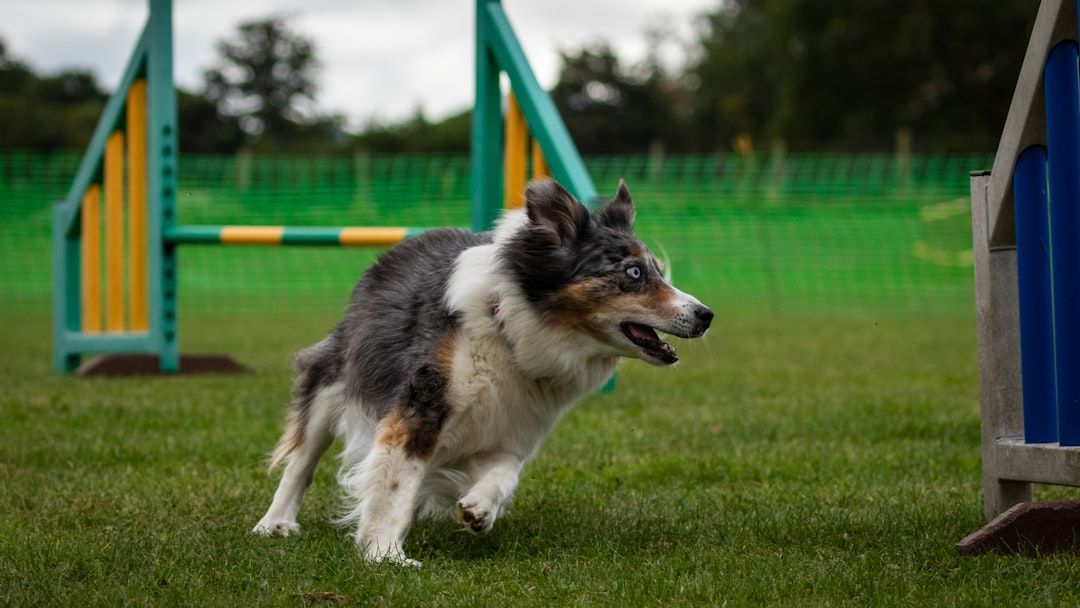
You do not need an agility arena or an expensive dog sport setup for this one. Your living room is already a perfectly good obstacle course – you just haven’t unlocked it yet. Using everyday household items, you can create a fun obstacle course in your yard or living room. Try setting up chairs for your dog to weave through, placing broomsticks on the ground for them to jump over, or using boxes for them to crawl under. Agility training not only gives your dog a great physical workout, but it also keeps their mind sharp as they learn to navigate different challenges.
Agility can be a mentally and physically stimulating game for your dog, and you can easily make an obstacle course out of common household objects that are safe for dogs, or you could go all out and buy a dog agility set. The key is to guide your dog through each element with patience and positive encouragement rather than frustration. Think of yourself as a game show host – enthusiastic, supportive, and celebrating every tiny win.
Obstacle courses combine physical and mental stimulation, keeping dogs sharp and fit. Over time, you can change the course layout, add new challenges, or increase speed. Generally speaking, larger high-energy breeds require more mental stimulation than smaller ones, so if you’ve got a Border Collie, a Labrador, or a young Australian Shepherd bouncing off your walls, this game is practically non-negotiable.
Conclusion: A Sharper Mind Means a Happier Dog
Mental exercise is just as important as physical exercise for a well-rounded dog, and these brain games strengthen not only your dog’s mind but also build your unbreakable bond. It doesn’t take hours of your day. It doesn’t require a trainer or a subscription service. Just a few minutes of intentional, playful engagement can genuinely transform your dog’s quality of life.
Consistency is key – incorporating at least one form of mental enrichment into your dog’s daily routine can dramatically improve their emotional health and reduce unwanted behaviors. Think of it like brushing their teeth or filling their water bowl. It’s not optional. It’s care.
So the next time your dog nudges you with that pleading look, try one of these five games instead of reaching for a treat or turning on the TV. You might just discover that the best toy your dog has ever had… is you. What game do you think your dog would love most? Drop your thoughts in the comments – we’d love to hear!


