
Look, I’ll be completely honest with you. As someone who loves dogs more than most people I know, I never thought I’d be writing an article like this. We all want to believe we’re doing right by our furry best friends, and most of us genuinely are.
Yet there are some truths about dog health and behavior that many of us would rather not face. These aren’t meant to make you feel guilty or scared. They’re meant to help you give your dog the absolute best life possible. Sometimes love means facing uncomfortable realities. So let’s dive in.
Your Dog’s Smile Might Hide Serious Dental Pain

Here’s the thing that gets me every time. Studies show that roughly four out of five dogs over the age of three have some component of periodontal disease. That’s a staggering number when you think about it. I know what you’re thinking though, because my dog doesn’t seem bothered, right? They’re still eating, still wagging their tail.
Dogs won’t show signs of discomfort until they’re suffering considerable pain. By that point, the damage is already well underway. Severe dental disease can actually shorten a pet’s lifespan, and periodontal disease overlooked or left unchecked for years has been linked to many systemic diseases like lung, kidney and liver disease, heart failure and heart attacks.
Think about your own mouth for just a second. Imagine never brushing your teeth or visiting the dentist for years. That’s the reality many dogs face. The bacteria sitting below their gumline isn’t just causing bad breath. It’s entering their bloodstream daily, creating a constant assault on their organs.
Most Dogs Are Actually Overweight, and We Don’t Even Realize It

This one hits home for so many of us. The most recent statistics classify the majority of dogs in the U.S., around 56 to 59 percent, as overweight or obese. Yet here’s what really gets me. Nearly one-third of owners of overweight or obese pets classified their pet as normal, ideal, or thin body condition when asked by their veterinary professional.
We’ve normalized what a chunky dog looks like. When I see a healthy-weight dog now, they honestly look thin to me at first glance. That’s how skewed our perception has become. For canines in the toy category, three extra pounds is the equivalent of gaining approximately 30 pounds for you or me. Let that sink in for a moment.
Obesity is a medical condition in its own right and also increases the risk for other serious issues, including arthritis, diabetes, cancer, and even injury. Being overweight can reduce a dog’s lifespan by up to two and a half years. Those are years stolen from the time we have with them. Years of walks, cuddles, and silly moments we’ll never get back.
Your Dog Is a Master at Hiding Pain From You

I wish this wasn’t true, honestly. Dogs hide pain because it was necessary to protect themselves from predators during times of injury or sickness, and even though they’ve been domesticated for thousands of years, this adaptive advantage has remained ingrained in our pets to this day.
Dogs instinctively try to hide their pain and they can’t tell us when they are hurting, so it’s up to us to recognize the subtle signs and to get them the help they need. They’re not being stoic to impress us. Pack animals stay together to feel safe, and if a dog or cat acts weak, the group may push it away, making them hide pain even more as they try to act strong, even when it hurts.
What does this mean practically? Your dog might be suffering from arthritis, dental issues, or other chronic conditions for months before you notice anything wrong. The limping you finally see might be the tip of the iceberg. The decreased enthusiasm for walks, the new reluctance to jump on the couch, the slightly shorter play sessions? Those could all be your dog quietly telling you something hurts. We just need to learn their language.
That Extra Treat Isn’t Showing Love, It’s Showing Harm
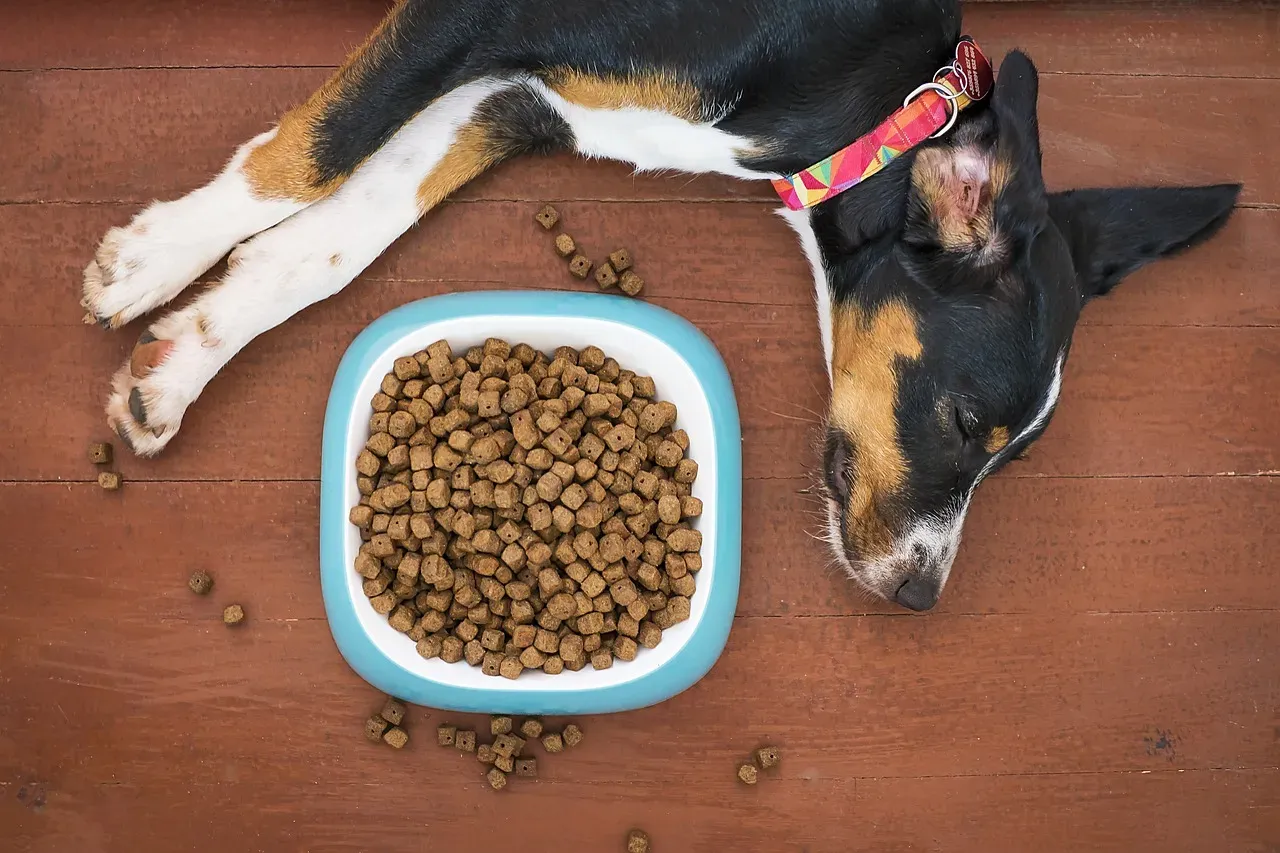
Let’s be real for a second. I get it. Those puppy dog eyes are nearly impossible to resist. Studies show that 58 percent of dog owners admitted to giving treats more than once a day, with 82 percent of dogs receiving treats at least once daily. We use treats to show affection, to train, to apologize when we leave them alone, to ease our own guilt.
The problem is that treats add up faster than we think. You give a little piece of cheese here, a training biscuit there, maybe some chicken from dinner, plus their regular treats throughout the day. Suddenly your dog has consumed an extra meal’s worth of calories without either of you realizing it.
Dogs with overweight or obese owners are three times more likely to be overweight or obese than those whose owners were of a normal weight, and dogs with owners who did not exercise were two times more likely to be overweight or obese. Our habits become their habits. Our relationship with food influences theirs. The treat you’re giving might feel like love in the moment, yet real love sometimes means saying no.
Regular Vet Visits Matter More Than You Think
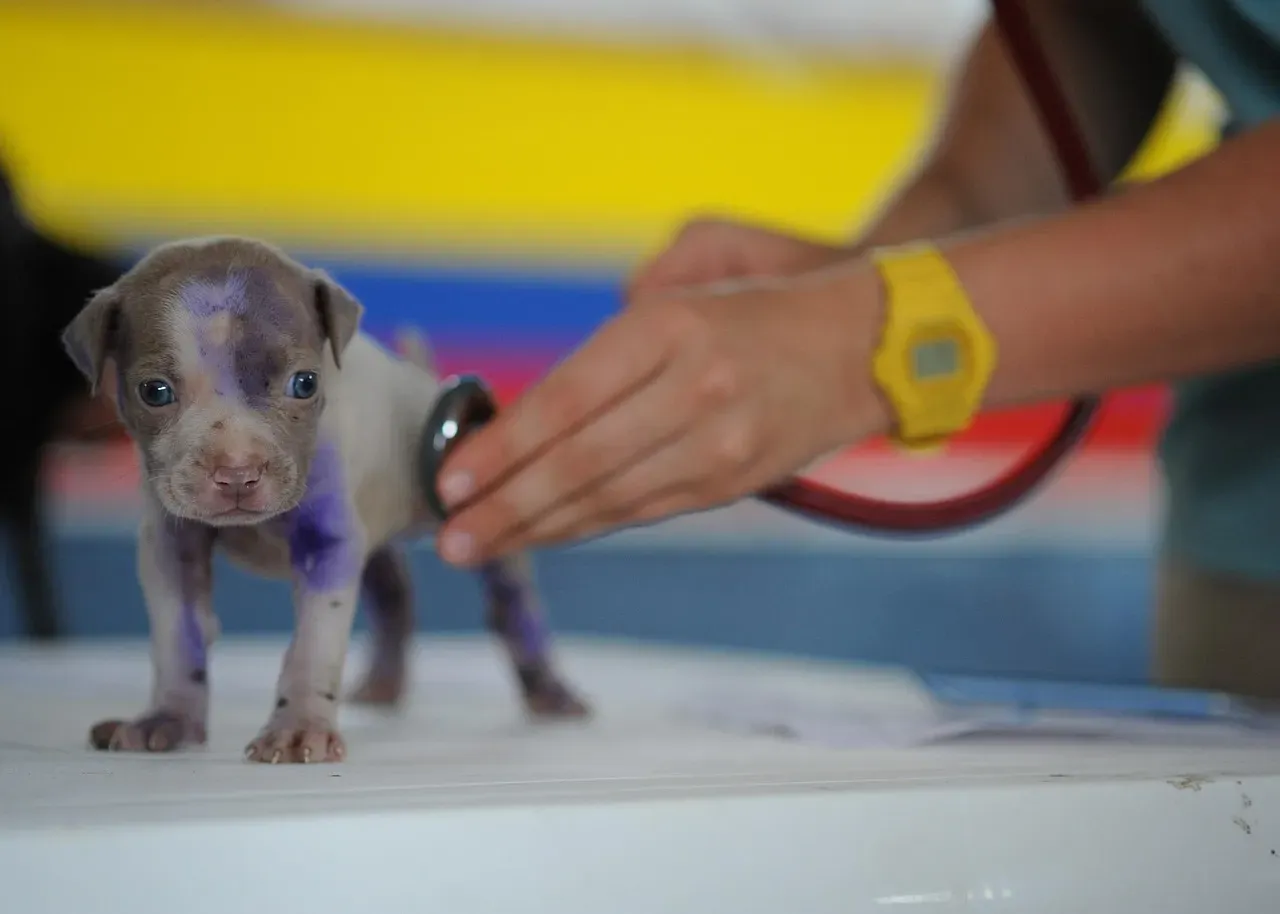
I know veterinary care is expensive. I genuinely do. Yet skipping those annual checkups or pushing them off for another few months can have consequences we don’t always see coming. Over 80 percent of dogs over the age of three have active dental disease, and few dogs show obvious signs of dental disease, so it’s up to the dog’s family and veterinarian to uncover this hidden and often painful condition.
Your veterinarian can spot problems brewing long before they become emergencies. That heart murmur that needs monitoring. The slight weight gain that’s creeping up. The tartar building up on those back molars you never look at. Early intervention almost always means better outcomes and lower costs in the long run.
Think about it this way. Would you rather spend a few hundred dollars annually on preventive care, or thousands down the line on emergency surgery or managing a chronic condition that could have been prevented? Taking care of your dog’s teeth alone can add two to five years to its lifespan. That’s just one aspect of preventive care. Imagine what comprehensive wellness visits can do.
Your Dog’s Behavior Problems Might Actually Be Health Problems
This is something that surprised me when I first learned about it. When your dog is in good health, they are better able to cope with stressors, exhibit impulse control, and enjoy daily activities, but when experiencing a health issue, whether it’s itchy skin, an upset tummy, achy bones, a cracked tooth, or a urinary tract infection, their body experiences some level of stress and discomfort.
That sudden aggression when you touch their back? Could be pain. The house training regression in your previously perfect dog? Possibly a urinary tract infection making it painful to hold it. The new “stubbornness” about jumping in the car? Maybe arthritis making the leap uncomfortable. If an underlying medical condition is causing or exacerbating the change in your dog’s behavior, leaving that condition untreated means any training and behavior efforts we try to implement to address the issue will be far less effective, or altogether unsuccessful.
We’re so quick to label behaviors as bad or naughty when our dogs might actually be trying to tell us they hurt. Before assuming your dog is being difficult, rule out pain and medical issues first. That grumpy snap when the kids get too close might not be a temperament problem at all. It might be their only way of saying “please don’t touch me there, it hurts.”
Facing the Truth Together

Here’s what I want you to take away from all this. None of these facts make you a bad dog owner for not knowing them. They make you a better one now that you do. Our dogs depend on us completely for their health, comfort, and quality of life. They can’t schedule their own dental cleanings or put themselves on a diet.
The beautiful thing is that once you know better, you can do better. Start looking at your dog with fresh eyes tomorrow morning. Really watch how they move, how they eat, how they interact. Notice the small changes. Trust your gut when something seems off. Your veterinarian is your partner in this, not someone to fear or avoid.
What changes will you make first for your dog? Maybe it’s scheduling that overdue dental checkup, or measuring out their food instead of eyeballing it. Whatever it is, they’re counting on you. What do you think about these facts? Tell us in the comments.


