
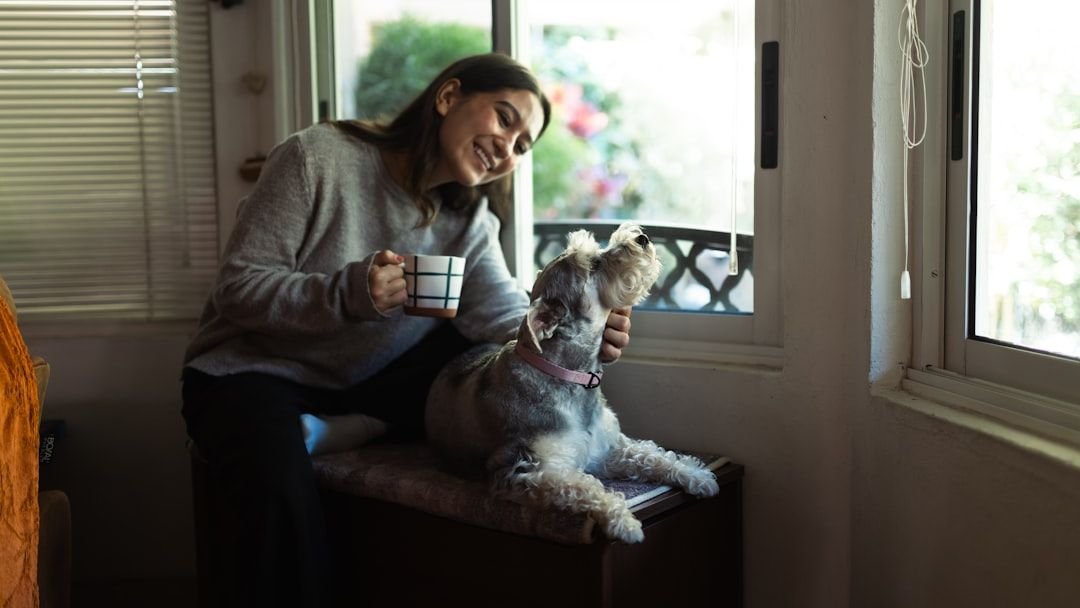
Have you ever wondered if your dog truly sees you as more than just the person who fills the food bowl? The bond between you and your furry companion runs deeper than you might think. Dogs don’t just love us; they rely on us for emotional stability in ways that mirror how children depend on their parents.
When life feels uncertain or scary, your dog looks to you as their anchor. This isn’t just affection or habit, it’s a profound attachment rooted in trust and safety. Recognizing the subtle ways your dog shows they see you as their secure base can transform how you understand and nurture your relationship. Let’s explore the fascinating behavioral clues that reveal just how much your dog depends on you emotionally.
They Perform Better When You’re Nearby
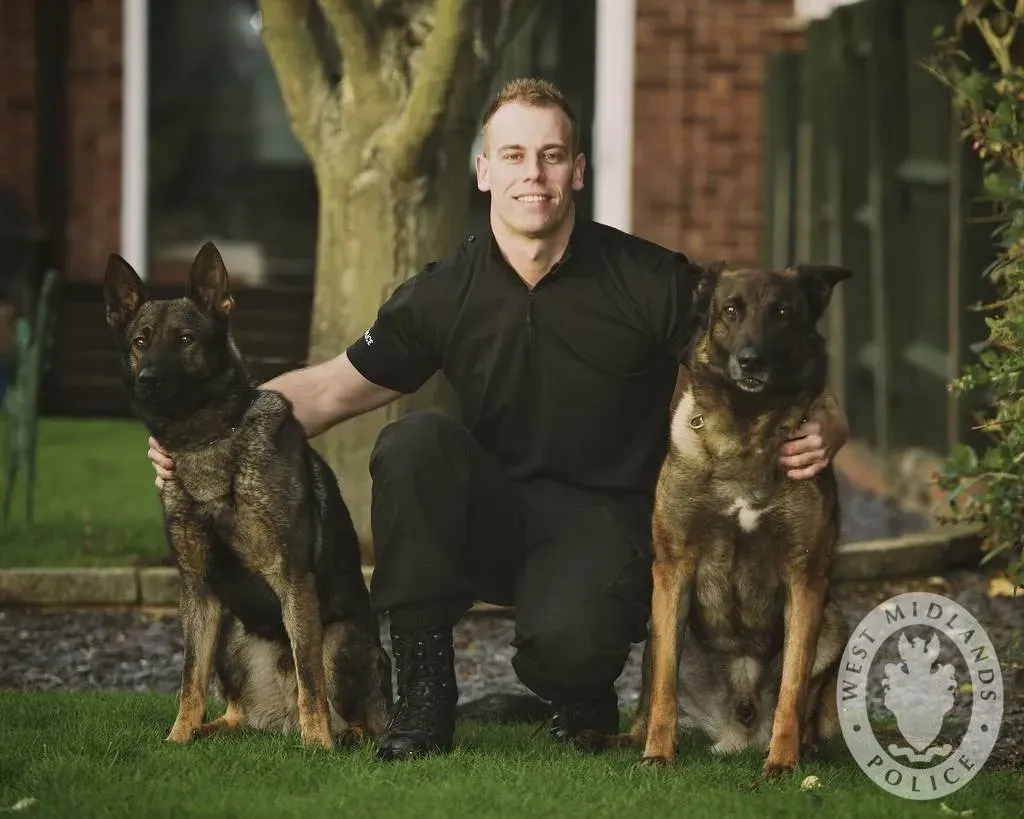
Research shows that dogs manipulate objects and explore longer when their owner is present than absent, regardless of whether the owner is silent or actively encouraging them. Think about when you’re working on a puzzle with your dog or introducing a new toy. Your mere presence gives them the confidence to engage more fully with challenges.
Interestingly, the presence of an unfamiliar person doesn’t increase this behavior, meaning your dog specifically needs you, not just any human. This reveals something beautiful about your bond. Your dog doesn’t just want company; they want your company because you provide a unique sense of safety that strangers simply can’t replicate.
They Check In With You During Stressful Moments
When something unexpected happens, like a loud noise outside or an unfamiliar object in the room, does your dog immediately look at you? This social referencing behavior shows they value your judgment and rely on you for safety signals in new or potentially stressful situations.
It’s similar to how a toddler looks back at their parent before approaching something new. Your dog is essentially asking, “Is this okay? Should I be worried?” When your dog nudges your hand after hearing a strange noise or comes close to you when stressed, it shows they see you as their secure base. This simple act of checking in is one of the most powerful indicators of emotional dependence.
Their Anxiety Spikes When You Leave
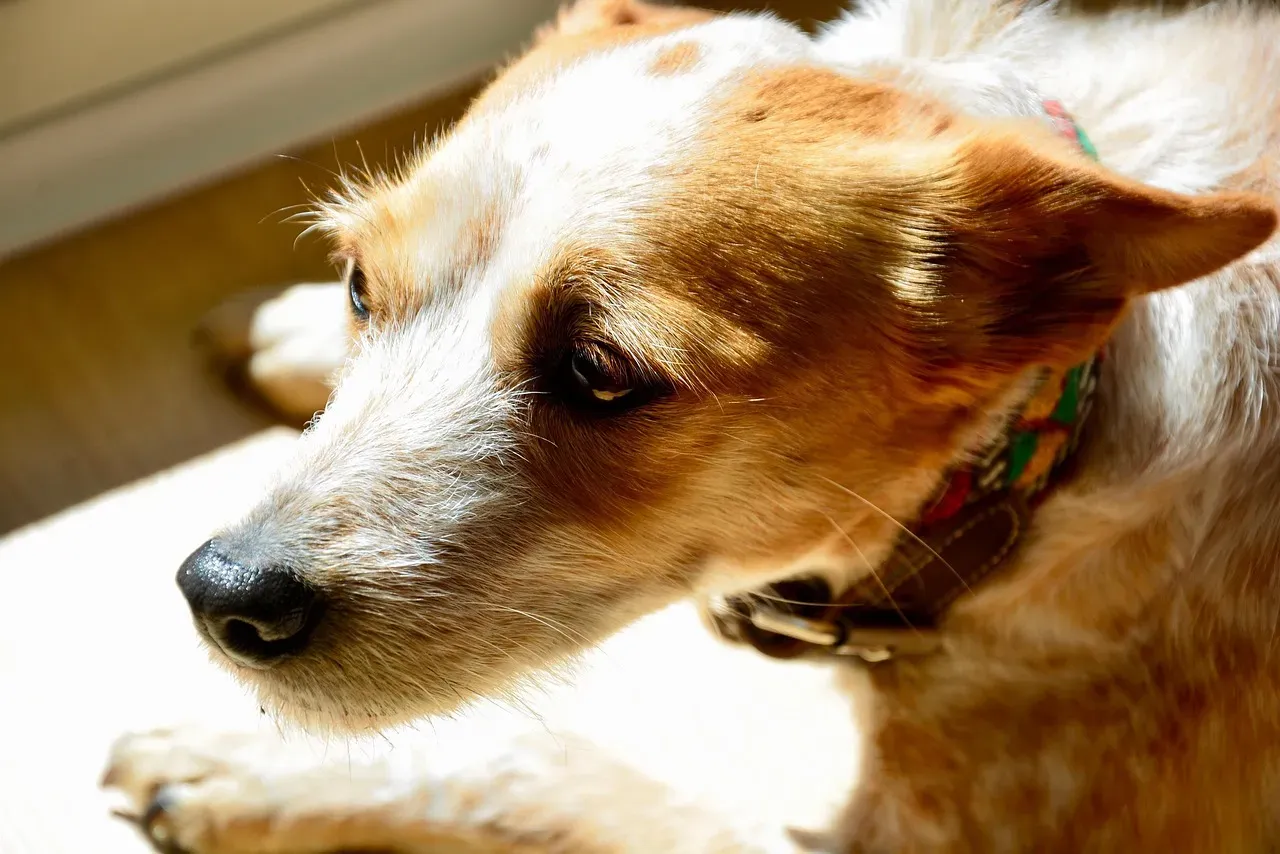
When a securely attached dog is separated from their owner, exploratory behaviors decrease and distress behaviors and vocalizations increase significantly. You might notice your dog pacing, whining, or following you from room to room as you get ready to leave. This isn’t just them being needy; it’s genuine emotional distress.
A stranger cannot comfort the dog during the period of separation. Even if someone else is home, your dog may still show signs of anxiety because they specifically need you. The reunion is equally telling. When the owner returns, the dog will approach them, make eye contact, initiate physical contact including touching with their head or snout, jumping up, or sustained leaning, and distress behaviors usually disappear quickly once reunited.
They Follow You From Room to Room
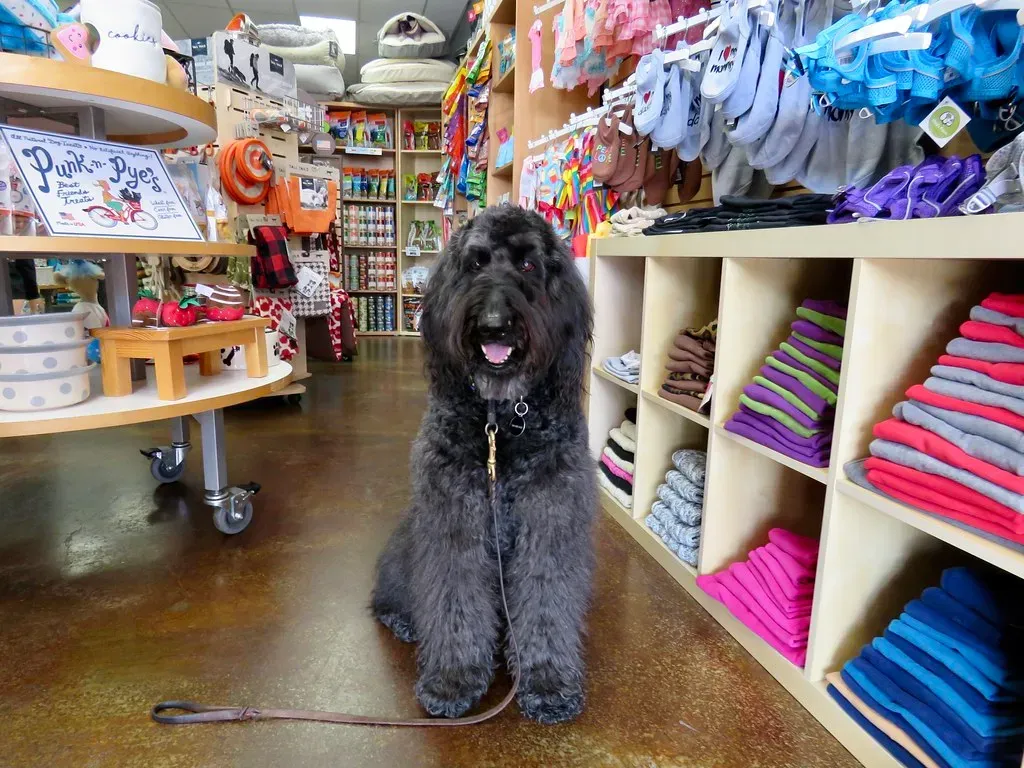
An emotionally attached dog will follow their human around the house from the moment they wake up, making sure that they are always within sight. Whether you’re brushing your teeth, washing dishes, or simply moving to another room, your shadow has four legs and a wagging tail.
This constant companionship isn’t random. Following you from room to room demonstrates their desire to be close to you and reflects comfort in your presence. Sure, it can feel a bit much when you can’t even use the bathroom alone, but this behavior shows your dog views being near you as essential to their emotional wellbeing. They’re not just curious about what you’re doing; they feel more secure when they can see you.
They Lean Against You or Rest Their Weight on You
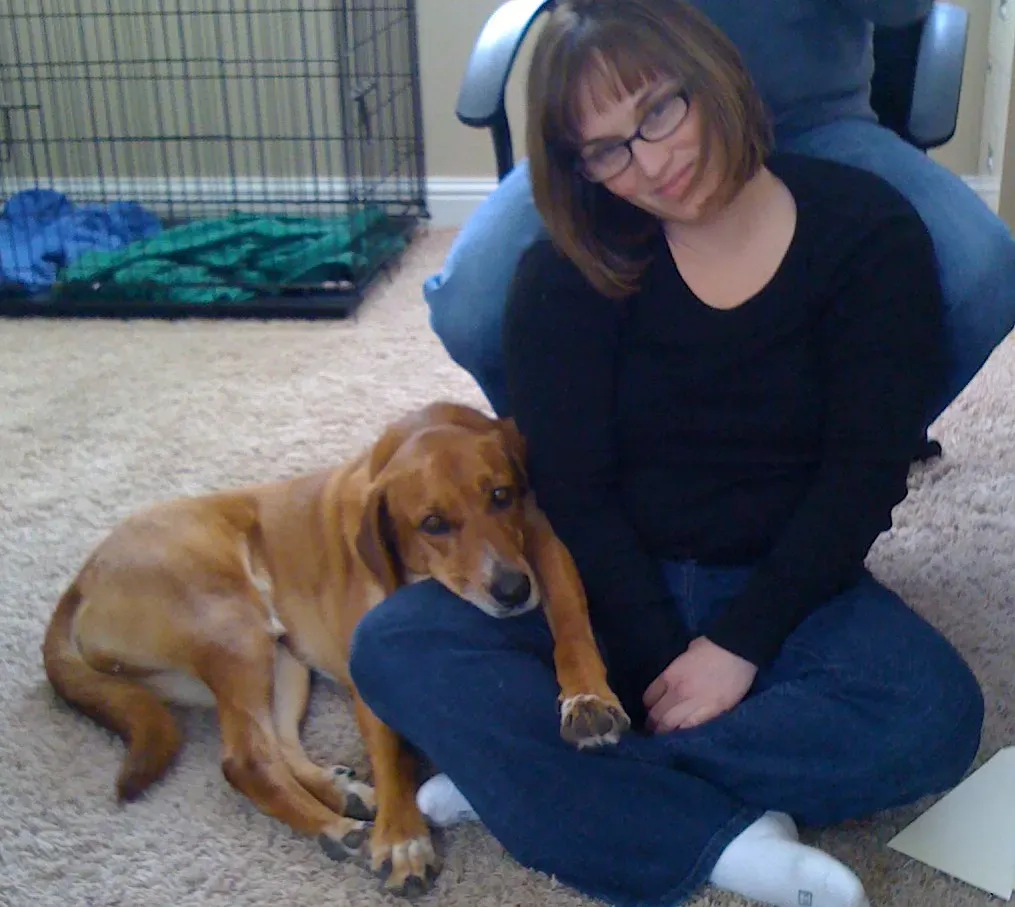
If your dog leans their body weight against you or rests their head on your lap, it’s a sign of trust and attachment, and they only do this with people they feel comfortable and secure around. This physical contact is more than just seeking warmth or a comfortable spot.
Leaning against you when seated or lying down shows a dog’s emotional closeness and the comfort they find in your presence. It’s honestly one of the sweetest things about living with dogs. That heavy, warm weight pressing against your leg while you’re sitting on the couch is your dog’s way of saying, “I feel safest right here with you.” They’re vulnerable in this position, which makes it an even stronger signal of trust.
They Seek You Out Specifically for Comfort
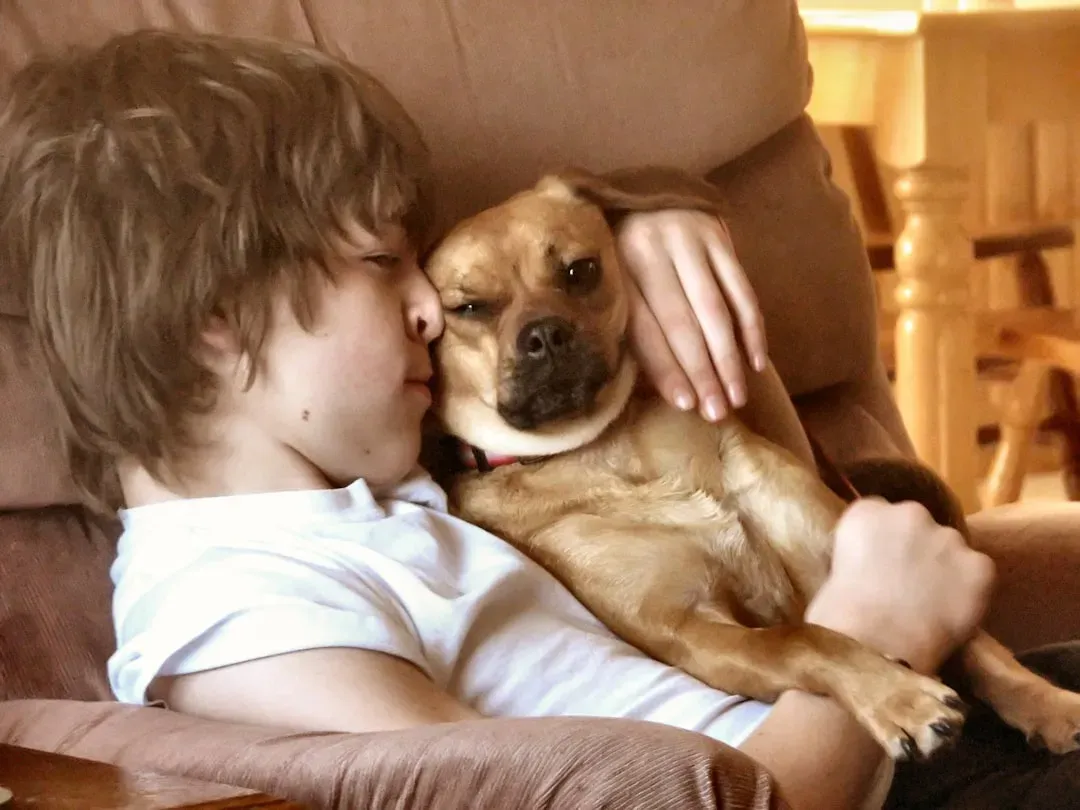
Dogs often view their favorite person as their top source of comfort and security, and when something unexpected happens, they instinctively turn to the person they trust most to help them feel safe. Notice who your dog runs to during a thunderstorm or after a vet visit.
Dogs with strong emotional attachments will be very in tune with their pet parent’s emotions and can pick up on feelings of anxiety or sadness, trying to provide comfort by nuzzling or licking your face. This emotional attunement goes both ways. Just as you comfort them, they attempt to comfort you, creating a reciprocal emotional relationship that’s remarkably sophisticated. Your dog doesn’t just need your emotional support; they offer theirs in return.
They Sleep Near You or in Vulnerable Positions Around You
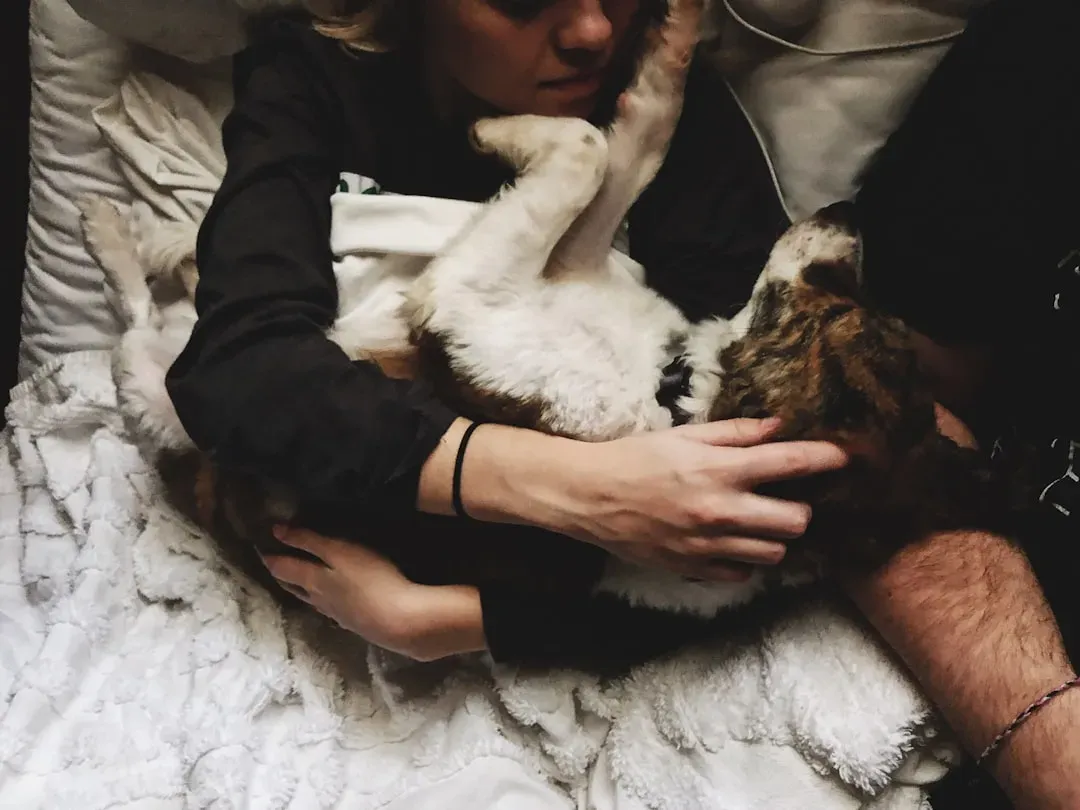
In the wild, canines are at their most vulnerable when they sleep, and to maximize their safety, members of the pack sleep with their backs facing each other and their noses facing out creating a safe little circle. When your dog chooses to sleep next to you or in your room, they’re making a powerful statement about trust.
When your dog willingly shows their belly or sleeps in vulnerable positions near you, this demonstrates they feel entirely safe in your presence, as dogs would never expose their vulnerable areas to someone they don’t trust completely. That adorable belly-up sleeping position? It’s not just about comfort. It’s about feeling so secure with you that they don’t need to maintain a defensive posture even during their most vulnerable moments.
They Show You Soft, Lingering Eye Contact
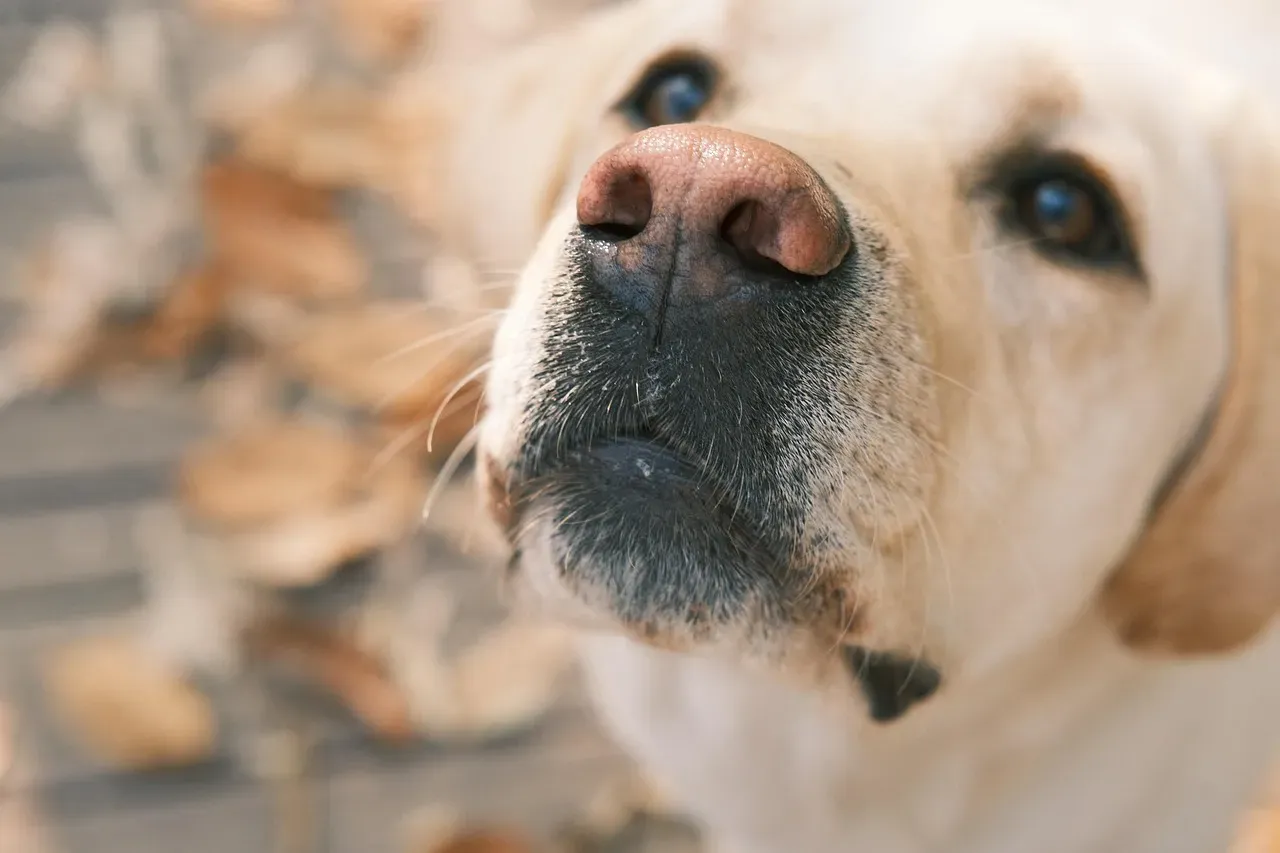
Mutual eye contact between you and your dog can lead to increased oxytocin levels, and when your dog looks at you with soft eyes, it’s a sign of their trust and emotional connection, showing that they feel safe and secure in your presence. This isn’t the hard stare of a challenge; it’s a gentle, affectionate gaze.
Maintaining eye contact with your dog causes the release of oxytocin, and delayed eye contact between dogs and their human parents can cause an increase in oxytocin levels in both dogs and humans. This shared chemical response creates a bonding feedback loop. The more you gaze at each other, the stronger your emotional connection becomes. It’s hard to say for sure, but this might be one of the most beautiful adaptations in the entire dog-human relationship.
Conclusion: Your Role as Their Emotional Anchor
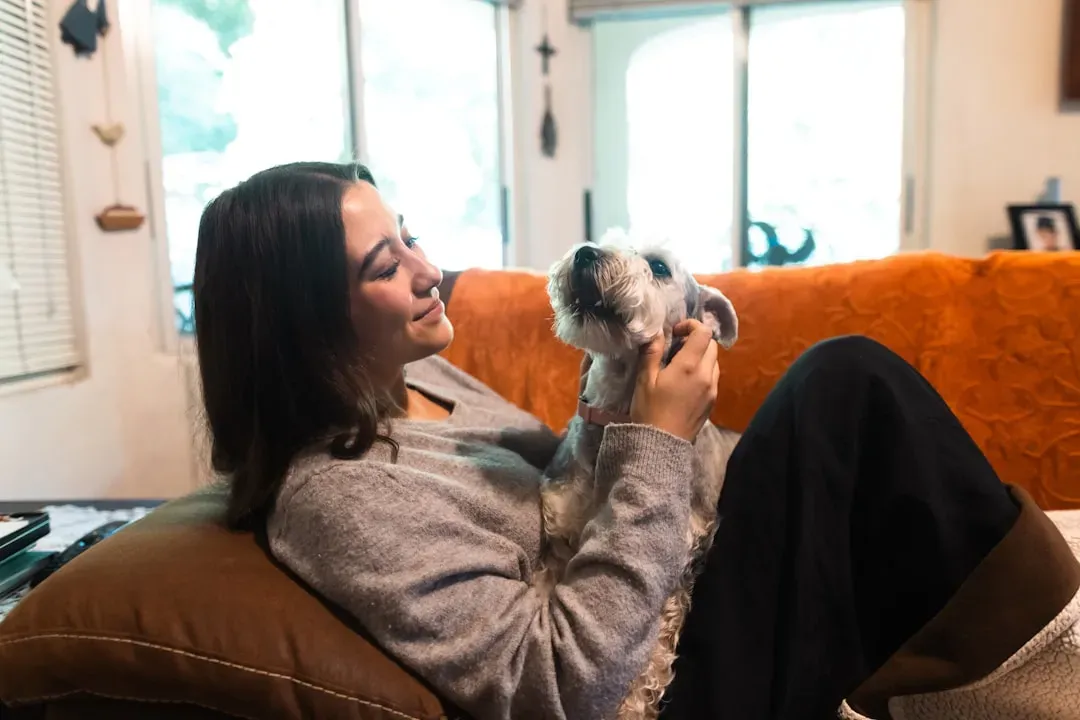
Understanding these behavioral clues helps you recognize the profound responsibility and privilege of being your dog’s emotional security. Attachment relationships promote a sense of security and safety, beyond simple familiarity. Your dog doesn’t just like being around you; they need you to feel emotionally balanced and confident.
Owners that have a secure attachment style with their dog will respond to their dog’s signals and acknowledge their need for closeness and safety, providing a secure base from which your dog can explore their environment while acting as a safe haven to return to when your dog faces danger. By being consistent, responsive, and emotionally available, you strengthen this bond every single day. What moments have you noticed where your dog clearly looked to you for emotional support? Recognizing these signs helps you be the rock they already believe you are.


