
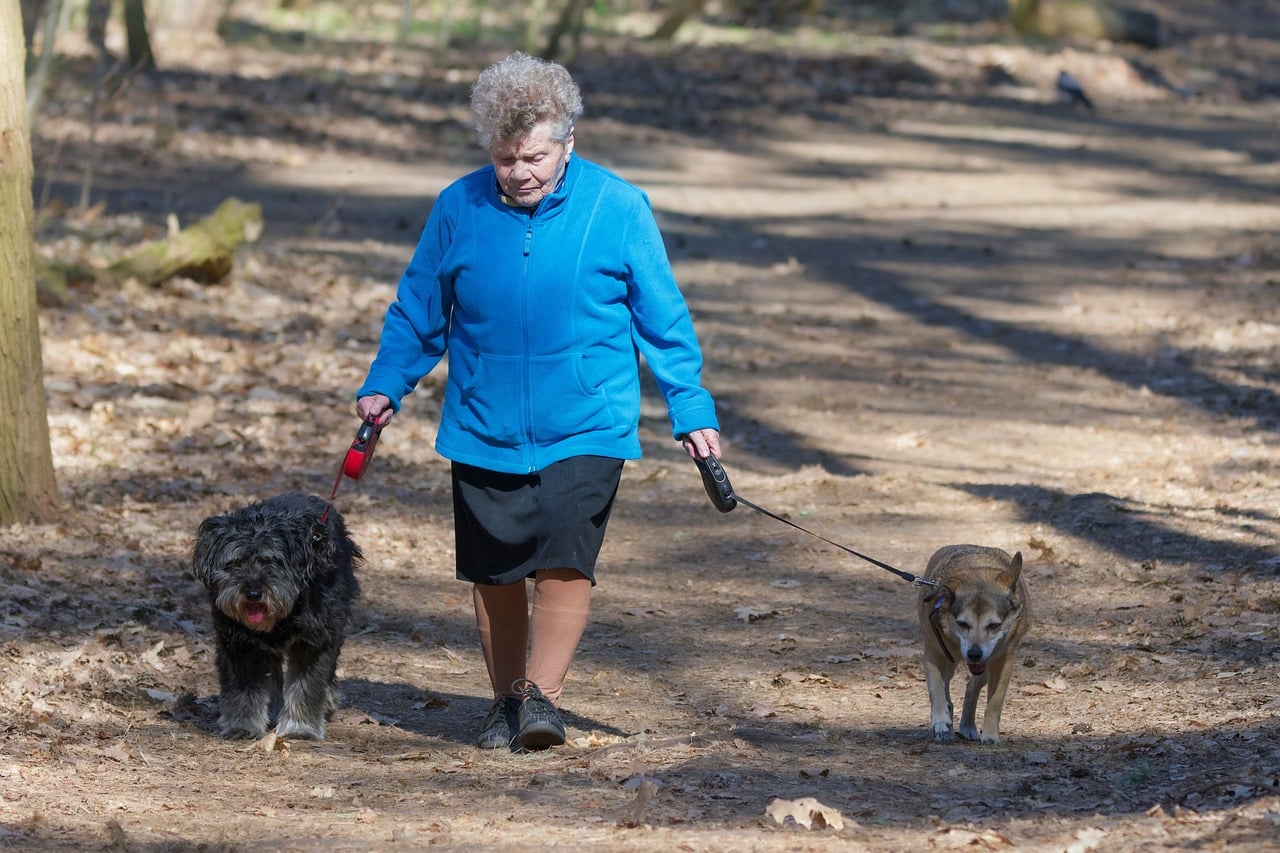
Why do some dogs seem to glide into old age with bright eyes, steady energy, and that funny stiff-legged trot, while others slow down much sooner? One surprising pattern keeps popping up in research: dogs often live longest when their main human is older than 60 and retired. It sounds almost like a feel‑good myth, but there are some very real, very down‑to‑earth reasons behind it.
This is not magic, and it is not a guarantee. There are still huge roles for genetics, size, breed, and pure luck. But when scientists look at how lifestyle and environment shape canine longevity, the daily rhythm of a retired household turns out to be almost a perfect recipe for a dog’s long, healthy life. Once you see the pieces, it is hard to unsee them.
The Calm, Predictable Rhythm of a Retired Household
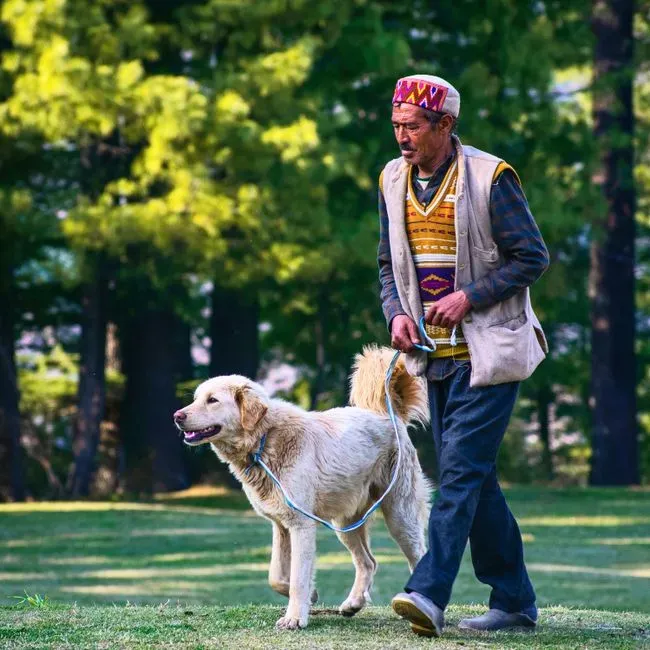
The first big difference is simple: time. Retired owners usually are not sprinting from commute to office to errands to late‑night emails. Their days tend to be steadier, with regular wake‑up times, walks, meals, and downtime. For dogs, who thrive on routine, that predictability is deeply regulating and calming.
Think about the difference between living in a quiet, well‑run train station and a chaotic airport that constantly changes gates at the last second. Many working‑age homes unintentionally feel like the airport. That constant micro‑stress may not look dramatic, but over years it can chip away at a dog’s physical resilience and behavior in subtle ways, while a retired person’s calmer routine creates a safer emotional “background noise” for the dog’s entire life.
Lower Stress, Lower Cortisol, Longer Life

Scientists keep circling back to one villain in both human and animal health: chronic stress. When dogs live with owners who are less stressed, retire from demanding jobs, or simply move at a slower pace, their environment tends to trigger fewer chronic stress responses. That means less of the stress hormone cortisol grinding away in the background, day after day.
Chronic cortisol overload has been linked to inflammation, weakened immunity, and higher risk for conditions like heart disease in many species, including dogs. A retired owner who is more patient, less rushed, and more emotionally available often creates a bubble of safety where the dog’s stress system does not fire as often or as intensely. Over 10 or 15 years, that difference adds up to something real and measurable in health and lifespan.
More Walks, Better Quality Movement, Every Single Day
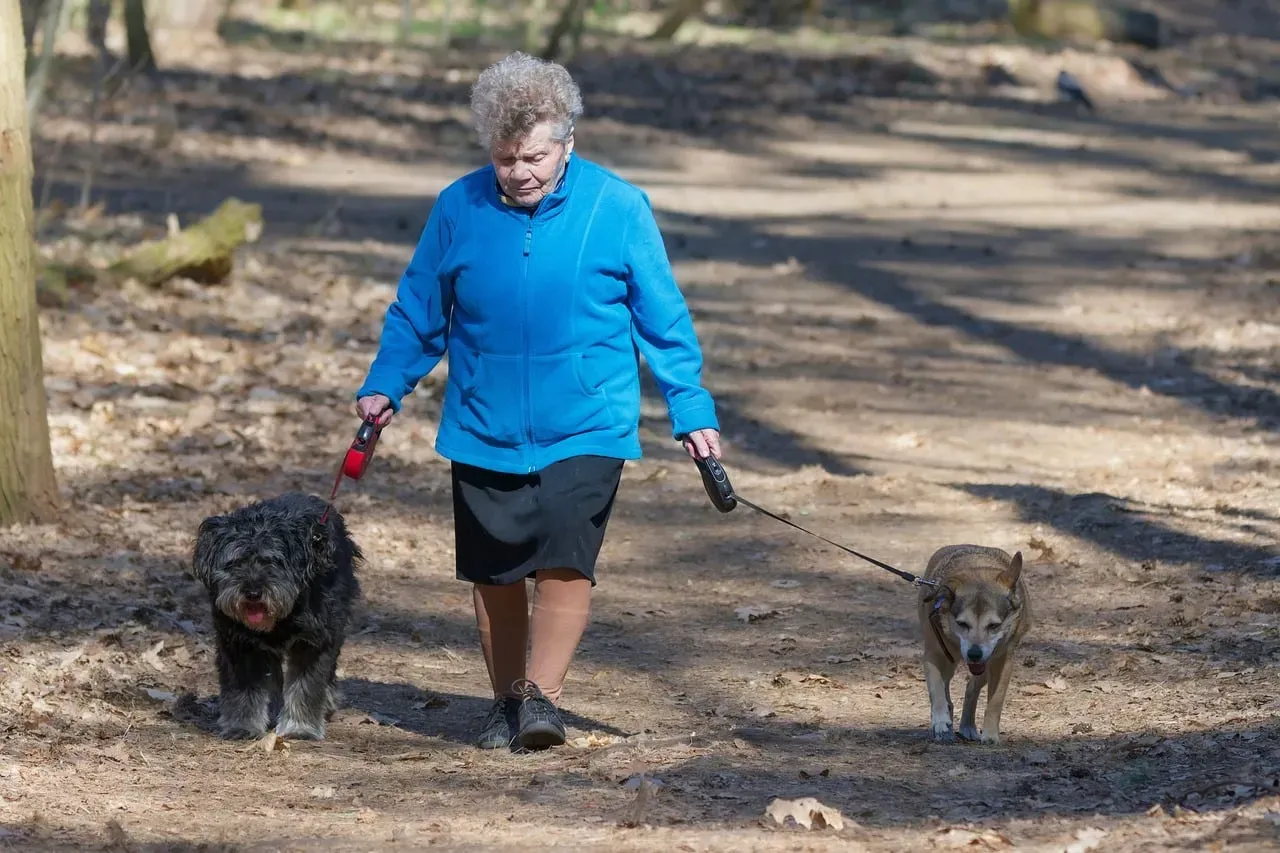
Retired people simply have more bandwidth for movement, and that often translates into better exercise patterns for their dogs. Morning stroll, midday loop, evening wander around the block – it all stacks up. Instead of cramming one intense weekend hike into an otherwise sedentary week, many retired owners naturally build in smaller, more consistent bouts of activity.
For joints, weight, heart health, and even behavior, this pattern of frequent moderate exercise is gold. It helps keep muscles strong, weight under control, and minds sharp. You can almost see it in older dogs who live with active retirees: they move like seasoned athletes instead of creaky veterans, because they have been using their bodies in a gentle, sustainable way for years, not ping‑ponging between overexertion and complete inactivity.
Closer Monitoring and Faster Vet Care

When you are home more, you notice more. Retired owners are often around to catch small shifts in appetite, energy, gait, bathroom habits, or mood that a busy nine‑to‑five owner might miss for weeks. A slightly odd cough, a new lump, a subtle limp – these tiny signals get seen earlier and, crucially, acted on sooner.
In many diseases, from dental infections to heart conditions to certain cancers, earlier detection and treatment can be the difference between years of good life and a slow, silent decline. Retired owners are also more likely to schedule check‑ups at convenient times, follow through on rechecks, and keep to medication routines because they are simply not being pulled in as many directions. That quiet, consistent vigilance is one of the least glamorous but most powerful secrets behind longer dog lifespans.
Deeper One‑on‑One Bonding and Emotional Security
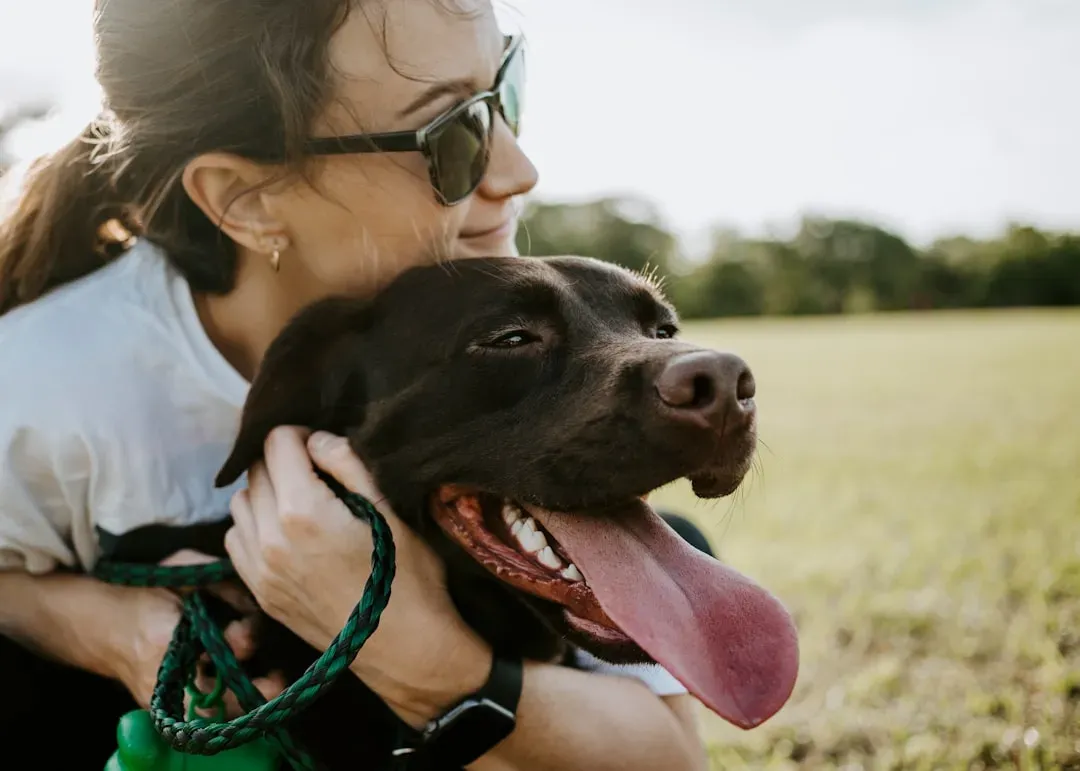
Dogs are not just furry fitness trackers; they are deeply social animals. When their main person is home a lot, especially in later life, the dog often becomes a true companion rather than a side project squeezed into evenings and weekends. That means more eye contact, more gentle touch, more quiet time simply sharing space – things that sound small but have real physiological effects.
Strong, secure bonds are linked with calmer behavior, fewer stress‑driven problems, and better overall emotional stability in dogs. The dog that knows, almost in its bones, that its person will be there, will come back, will respond, lives in a different emotional universe from the dog constantly waiting at the door, wondering when the house will come back to life. That steady attachment looks like love on the surface, but underneath it behaves like a powerful protective factor for health.
On a personal note, I have seen this in older neighbors whose dogs seem to age in slow motion. It is not that they buy the fanciest food or latest gadgets; it is the endless small interactions – the slow garden walks, the couch naps together – that quietly rewire that dog’s stress and safety settings over a lifetime.
Age Brings Patience, Realistic Expectations, and Gentler Handling
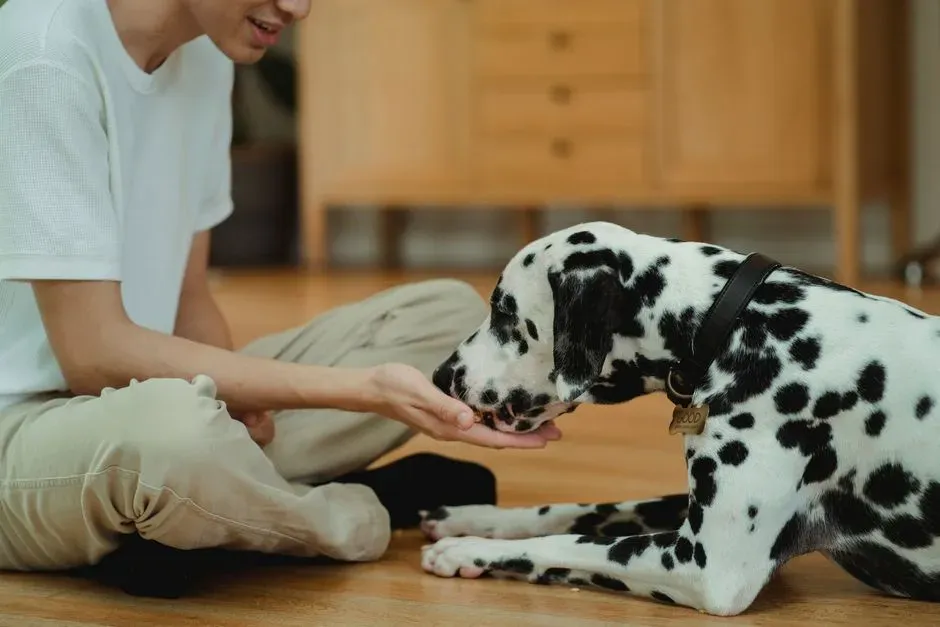
Another underappreciated piece: older, retired owners often have more patience and more realistic expectations of their dogs. They may be less interested in showing off a perfectly trained trick dog and more interested in sharing a peaceful, companionable life. That mindset shift can dramatically change how the dog is trained and managed day to day.
Gentler handling, fewer harsh corrections, and more emphasis on calm routines instead of high‑octane performance often lead to dogs with fewer anxiety and behavior issues. Over time, that can mean less self‑injury, fewer accidents, and less risky behavior driven by stress or over‑arousal. It is like the difference between growing up with a calm, steady teacher and a volatile, easily frustrated coach; the lessons land very differently on the nervous system.
Healthier Habits, Simpler Pleasures, and Less Overdoing It
Retirement often nudges people toward simpler daily pleasures: home‑cooked meals, slower mornings, quiet hobbies, and early nights. Dogs living in that ecosystem tend to get more sleep, less noisy chaos, and a more reasonable pace of life. There is usually less late‑night partying, fewer wild schedule swings, and fewer situations where the dog is dragged through overstimulating environments just to keep up.
This does not mean retired owners are always perfect – some dogs of older people can be overfed or under‑exercised. But when the balance is right, the retired lifestyle tends to lean toward moderation rather than extremes. For a dog’s heart, joints, and nervous system, that slow‑and‑steady approach beats the thrilling roller coaster almost every time.
The Science Is Still Emerging – But the Pattern Is Hard to Ignore
Researchers are careful here: they know that not every dog with a retired owner lives longer, and not every dog with a younger, busy owner is doomed to a shorter life. Genetics, breed size, early life experiences, and plain chance are still huge forces. The link between retired owners and longer‑lived dogs is more of a strong pattern than a rigid rule carved in stone.
Still, when you stitch together what we know about stress, exercise, routine, early veterinary care, and social bonds, the story starts to make sense. A retired person with time, attention, and emotional availability essentially builds a living, breathing wellness program around the dog without even thinking about it. In that light, the surprising part is not that dogs often live longer in these homes – it is that we ever expected anything else.
Conclusion: A Long Dog Life Is Built in the Quiet Moments
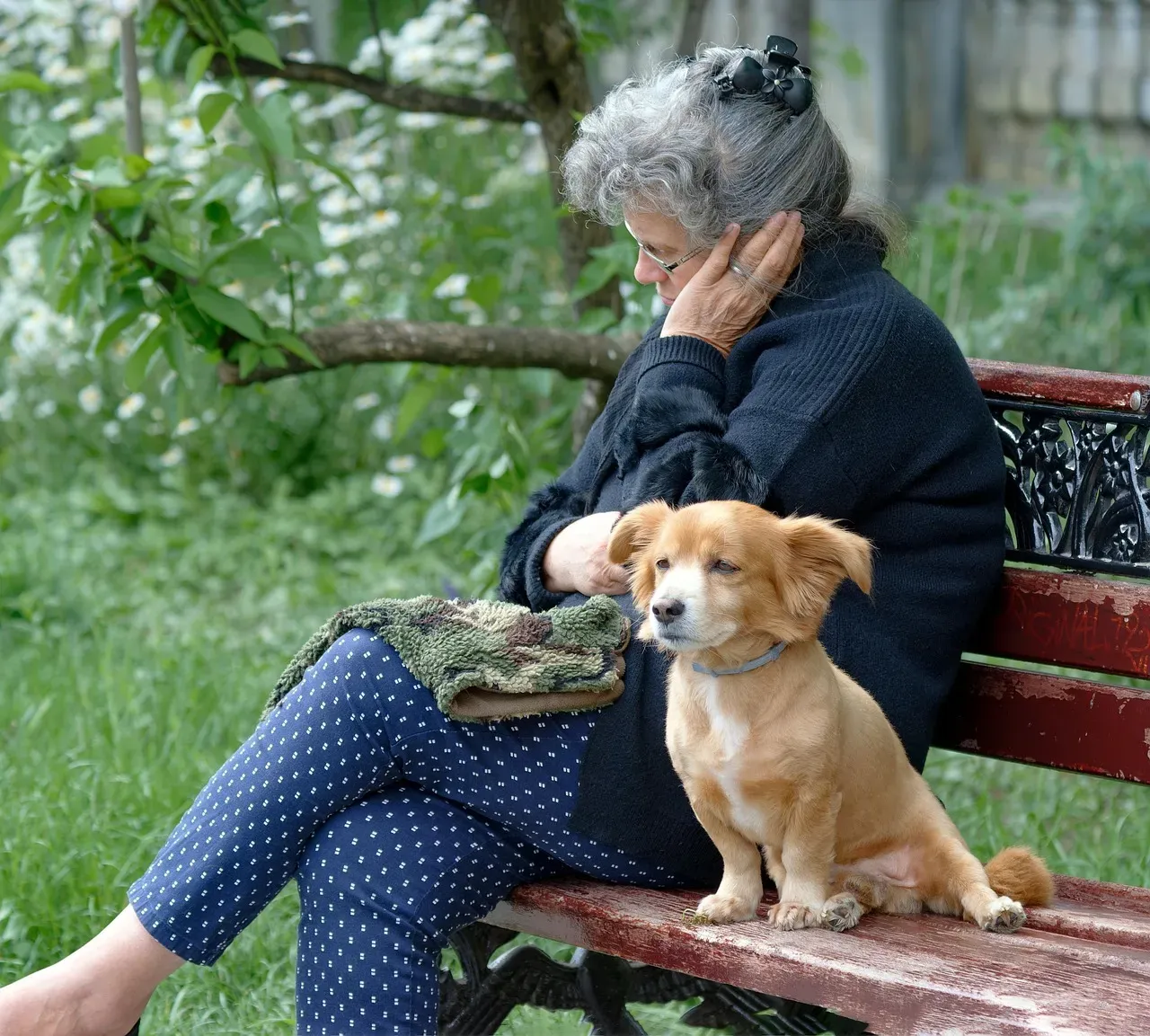
The real reason dogs often live longest with owners over 60 and retired is not a single magic factor; it is the quiet sum of many small, humane choices. Slower mornings, gentler hands, extra walks, earlier vet visits, and deeper companionship all combine into an environment that lets a dog’s body and mind age more gracefully. It is less about the number on the human’s birth certificate and more about the lifestyle that so often comes with that stage of life.
If there is an opinion worth holding onto here, it is this: the best “anti‑aging treatment” for a dog is not an exotic supplement or a trendy gadget, but a human who has the time and emotional space to truly be there. Younger owners can absolutely borrow these lessons – building in more routine, more presence, and less rush – while older, retired owners can feel quietly proud that their slower life might be the greatest gift they ever give their dog. When you picture your dog in their twilight years, what kind of daily rhythm do you imagine them basking in?


