
Imagine your dog noticing that something is wrong with your health before you, your doctor, or even a blood test can. It sounds like science fiction, but for some conditions, it is already happening in real homes and real hospitals. Scientists have spent the last couple of decades quietly testing what many dog owners have always suspected: some dogs seem to sense illness early, and not just in vague ways, but with a level of accuracy that can rival medical devices in specific, controlled situations.
Of course, not every dog is a four-legged diagnostic machine, and not every claim online stands up to serious research. But certain breeds keep turning up again and again in clinical trials and organized detection programs. These dogs are working in cancer-detection projects, diabetes-alert training, and even studies on infections and neurological changes. Let’s walk through seven breeds that show particularly strong evidence and real-world results when it comes to detecting early-stage human illness – and why, even with all the hype, we should stay excited but grounded.
Labrador Retriever: The Gold Standard of Medical Detection Dogs
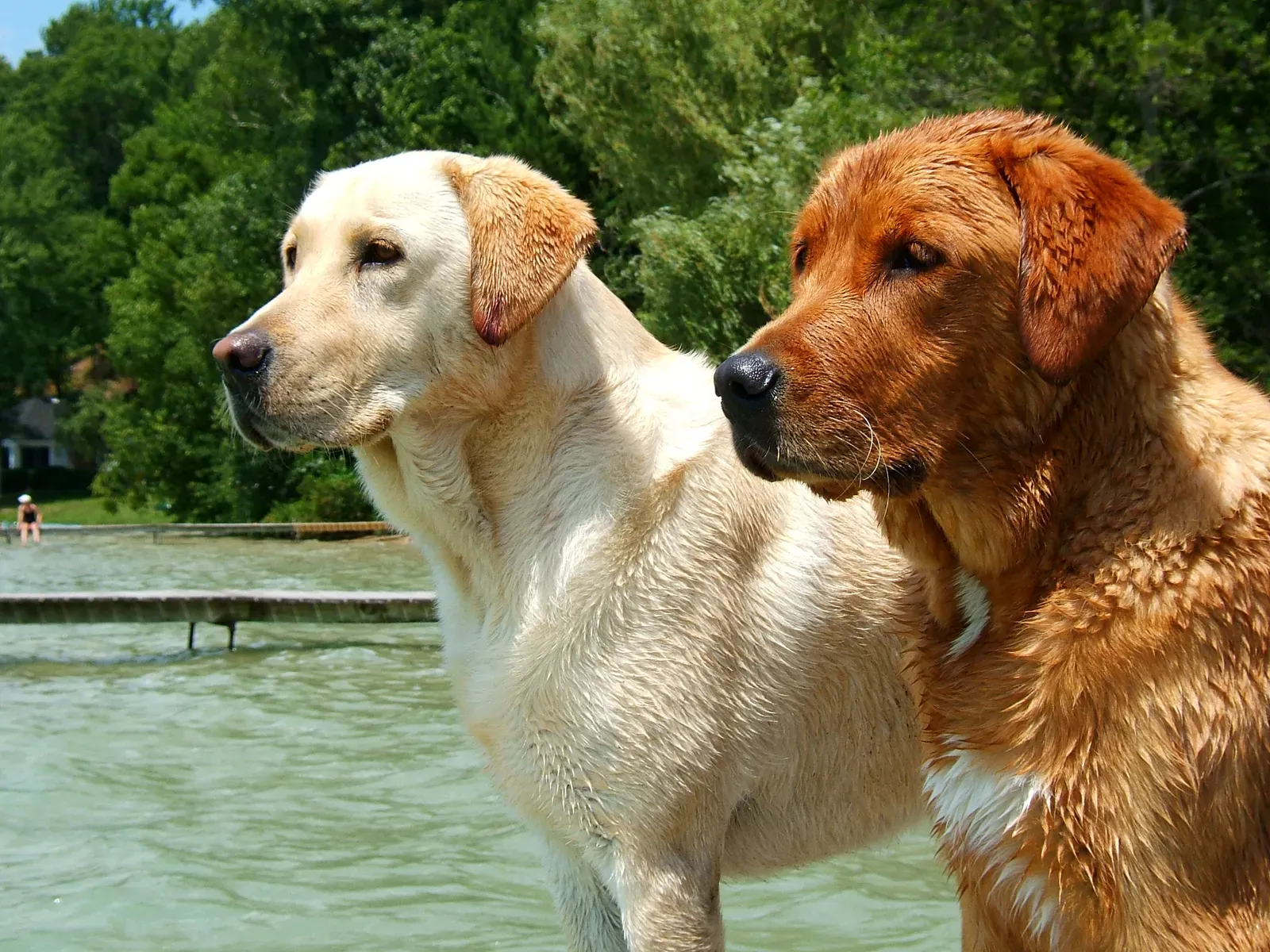
If there’s a poster child for medical detection dogs, it is the Labrador Retriever. Labs are already everywhere as guide dogs, service dogs, and search-and-rescue dogs, so it is no surprise they dominate early-stage illness detection research too. Studies have used Labradors to detect cancers such as lung, breast, colorectal, and ovarian by smelling samples like breath, urine, or blood, often achieving detection rates that are impressively high in controlled lab conditions.
What makes Labradors so effective is a mix of genetics, temperament, and sheer work ethic. They have powerful noses, a strong food and toy drive, and a generally people-focused personality that makes them easy to motivate over thousands of repetitive training trials. In real-world medical detection organizations, you will often find Labs at the center of pilot programs, whether they are screening samples for cancer, learning to alert to dangerous drops in blood sugar, or working on the frontier of infection detection. If illness-detecting dogs ever become mainstream, Labradors will almost certainly be in the first wave.
German Shepherd: From Patrol Work to Subtle Health Alerts
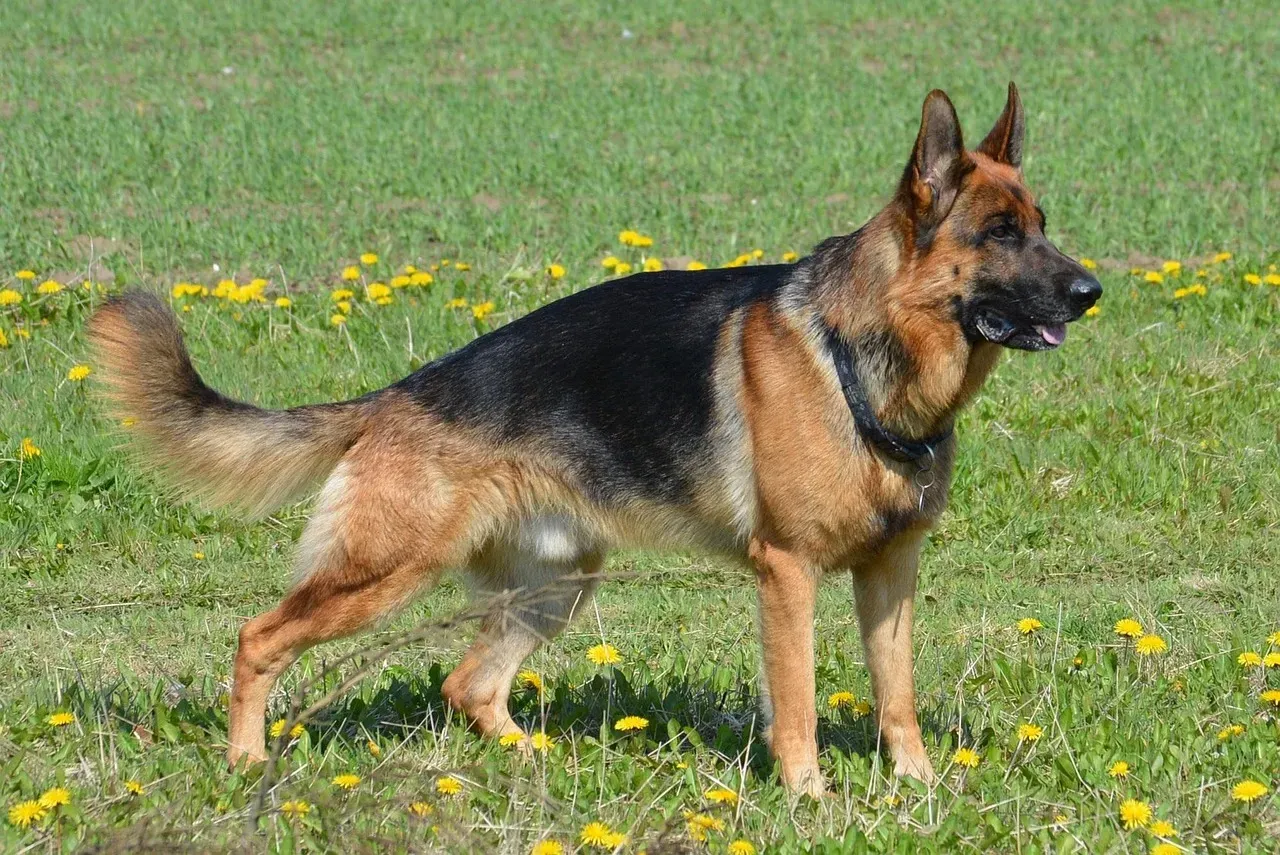
German Shepherds are typically associated with police work, security, and search and rescue, but they also show up in studies and programs focused on illness detection. Their scenting ability is excellent, and they have a long track record in disciplines like search for missing persons and explosive detection, which share core skills with medical scent work. A number of centers have used German Shepherds in experimental cancer-detection projects and in seizure-alert or seizure-response roles for people with epilepsy.
What sets German Shepherds apart is their combination of intelligence, trainability, and intense focus. They tend to bond closely with their handlers and can be trained to notice small changes in movement, scent, or behavior that may signal an oncoming seizure, a spike in anxiety, or shifts linked to neurological conditions. They are not as common as Labradors in early-detection cancer studies, partly because they can be a bit more demanding to manage in busy environments, but when carefully selected and well-handled, they are among the most capable health-alert partners you can have.
Poodle (Standard): Hypoallergenic Noses With High Intelligence
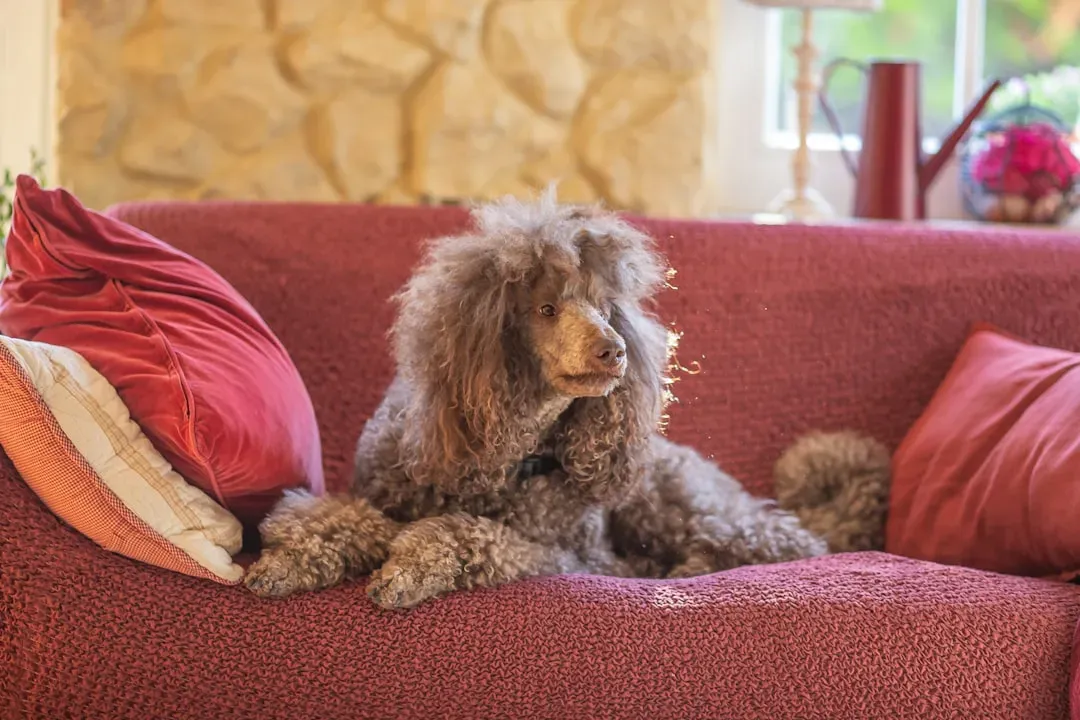
When people think about serious working dogs, they sometimes underestimate the Poodle, especially Standard Poodles. That’s a mistake. Standard Poodles combine one of the sharpest canine brains with a nose that is absolutely fit for detailed scent work. They are increasingly used in assistance roles, including for people with diabetes and other chronic conditions where early warning can be life-changing.
Standard Poodles show up in research and applied programs where their hypoallergenic coats are a bonus for clinical settings, but their scent skills do the real heavy lifting. Trainers have worked with Poodles to recognize volatile organic compounds associated with certain cancers in breath or biological samples, as well as changes in odor linked to blood sugar swings. Their eagerness to work, problem-solving mindset, and generally calm demeanor make them a strong choice when families need both a health-alert partner and a dog that fits comfortably into everyday life.
Beagle: Small Body, Big Nose, Serious Science

Beagles may look like compact family pets, but they are powerhouses when it comes to olfaction. They have long been used in scent-intensive roles such as detecting contraband in airports and finding agricultural pests at borders. Unsurprisingly, they have also been recruited into studies looking at early illness detection, including experiments on cancer detection from breath and other samples.
Beagles bring a useful mix of traits: a strong hunting background, manageable size, social temperament, and an almost comical level of enthusiasm for following an interesting scent trail. Their drive makes them excellent candidates for highly repetitive research tasks, where dogs must evaluate hundreds or even thousands of samples over time. While you may not hear about Beagles as often in media stories about “hero” medical dogs, they are quietly doing some of the dirtiest, most painstaking work in laboratories and detection centers that test what is actually possible with canine noses.
Border Collie: Hyper-Focused Detectives of Subtle Change
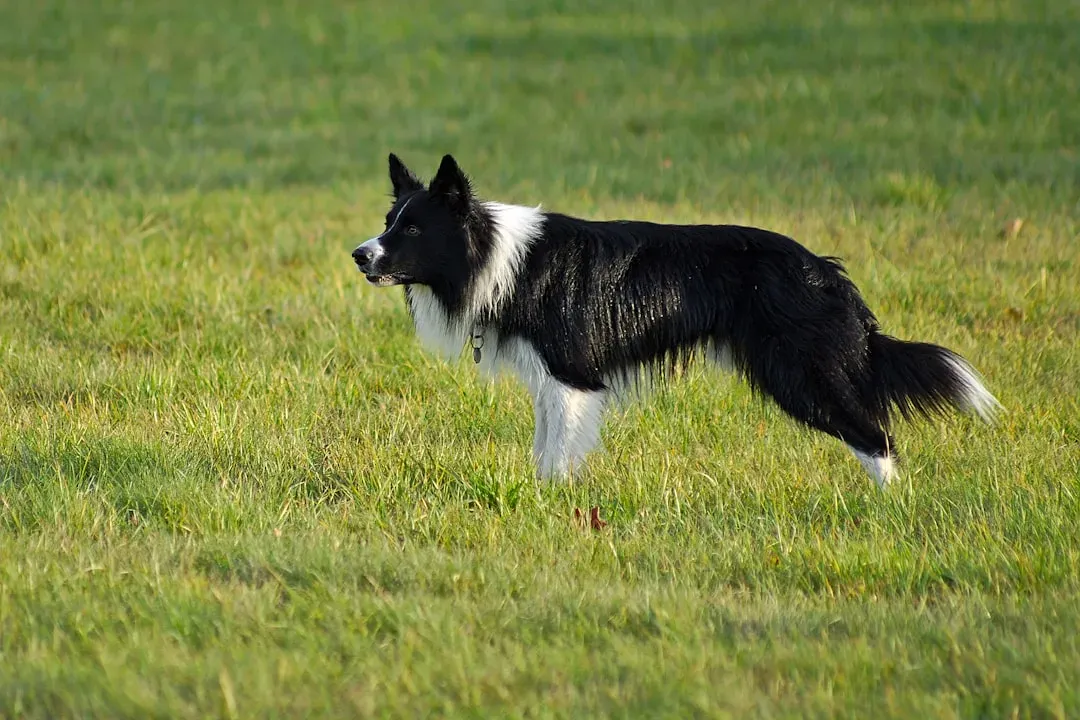
Border Collies are famously regarded as one of the most intelligent dog breeds, and that intelligence translates into stunning consistency in the right kind of detection work. While they are not as commonly used as Labradors in cancer studies, they have been involved in scent-detection projects and health-monitoring roles where early subtle changes matter, including work related to seizures and other neurological conditions. They are quick to learn complex discrimination tasks and can maintain a high standard once they understand the rules.
One of the reasons Border Collies can be so effective is that they tend to notice tiny pattern changes that other dogs gloss over. A Collie that is bonded with a person might tune into shifts in movement, posture, or routine well before anyone else, and some owners report dogs reacting early before a migraine, seizure, or panic episode. That said, their intense energy and mental needs mean they are not the easiest choice for every household. When they are properly trained and given enough stimulation, though, they can be like living health monitors wrapped in fluffy black-and-white fur.
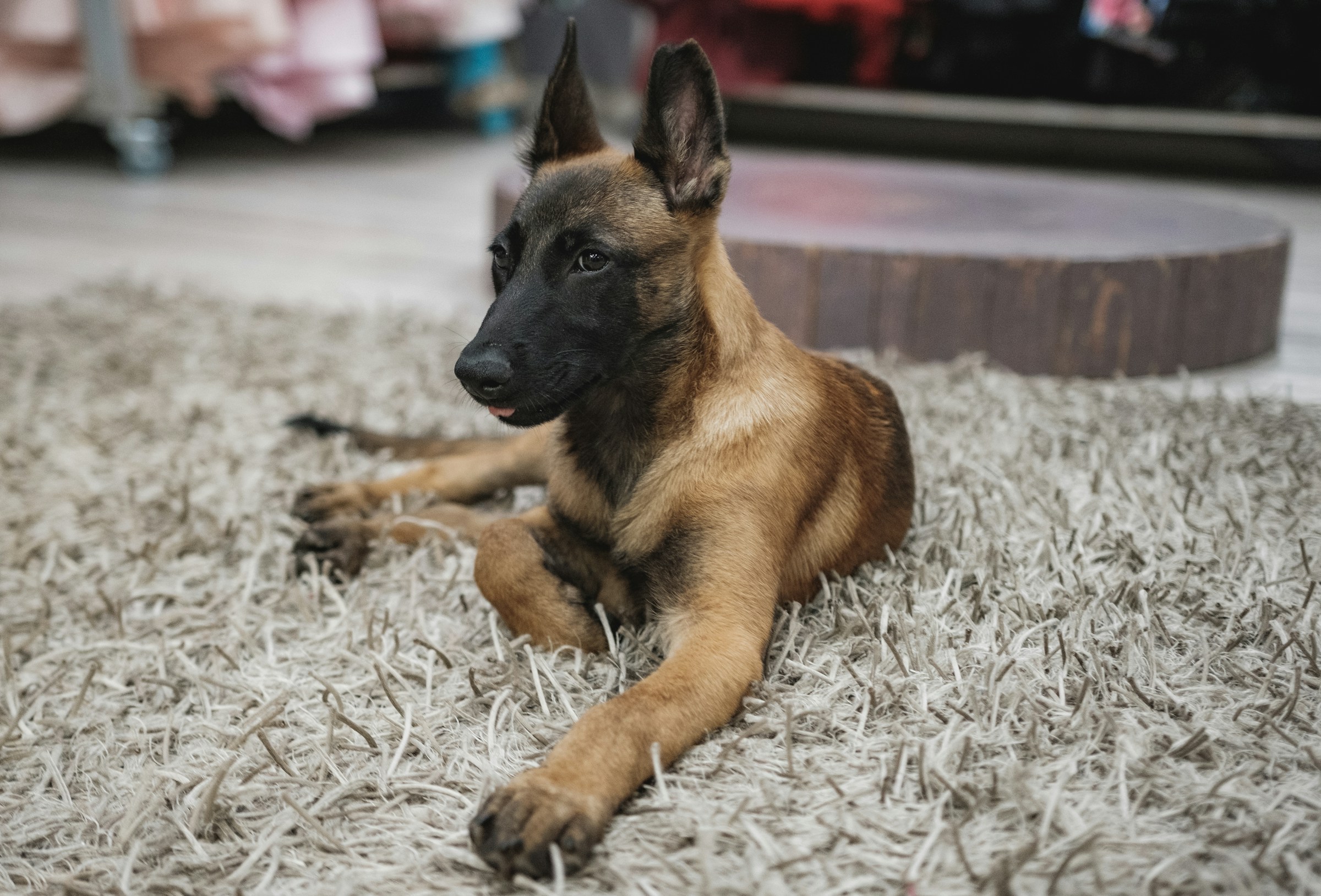
Belgian Malinois: Elite Noses on an Elite Athlete’s Body
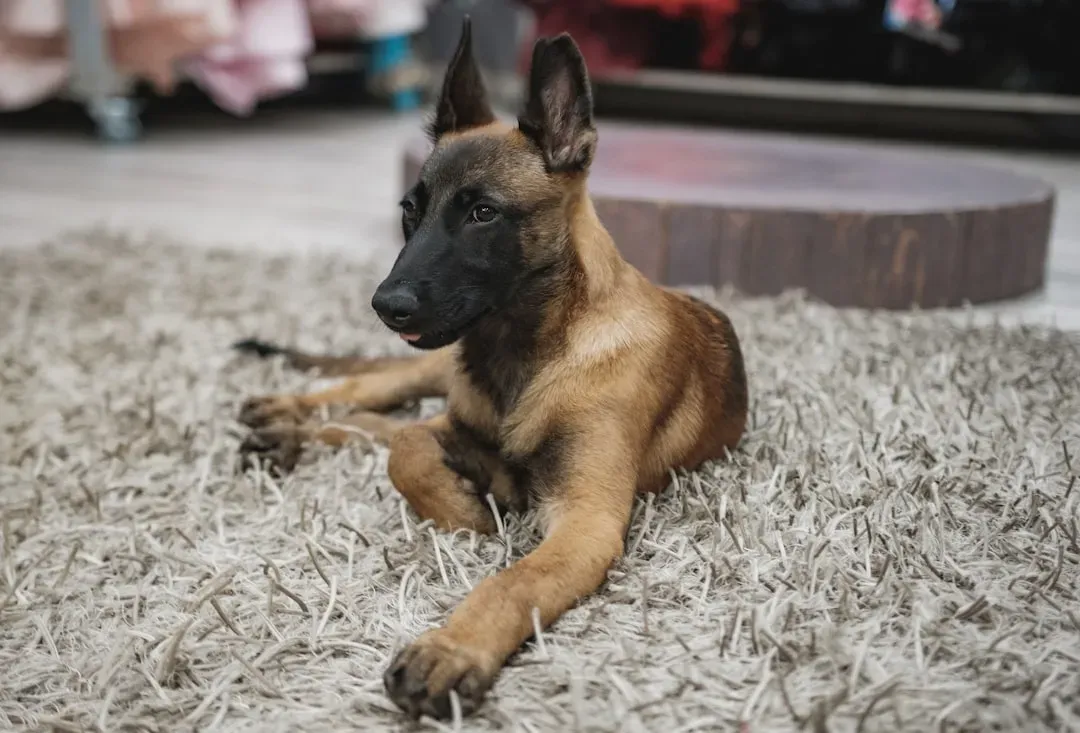
The Belgian Malinois is often seen leaping out of helicopters with special forces, but the same qualities that make them formidable in military and police roles also show up in medical scent work. Their noses are exceptional, and they have been used in detection programs for explosives, narcotics, and, more recently, diseases and infections. Several initiatives have tapped Malinois for projects such as detecting respiratory illnesses and working in experimental early-detection frameworks.
Malinois dogs combine near-endless stamina with an almost obsessive desire to work, which can be an asset when screening large numbers of samples or working in challenging conditions. They are not typically a casual family dog, and in my view, they should only be in the hands of very experienced handlers if you are aiming for serious illness-detection training. But as part of structured programs run by professionals, they rank among the top contenders when you need a dog that can work hard, learn fast, and keep performing at a high level in demanding detection tasks.
Mixed-Breed Dogs: The Surprising Wild Card in Illness Detection
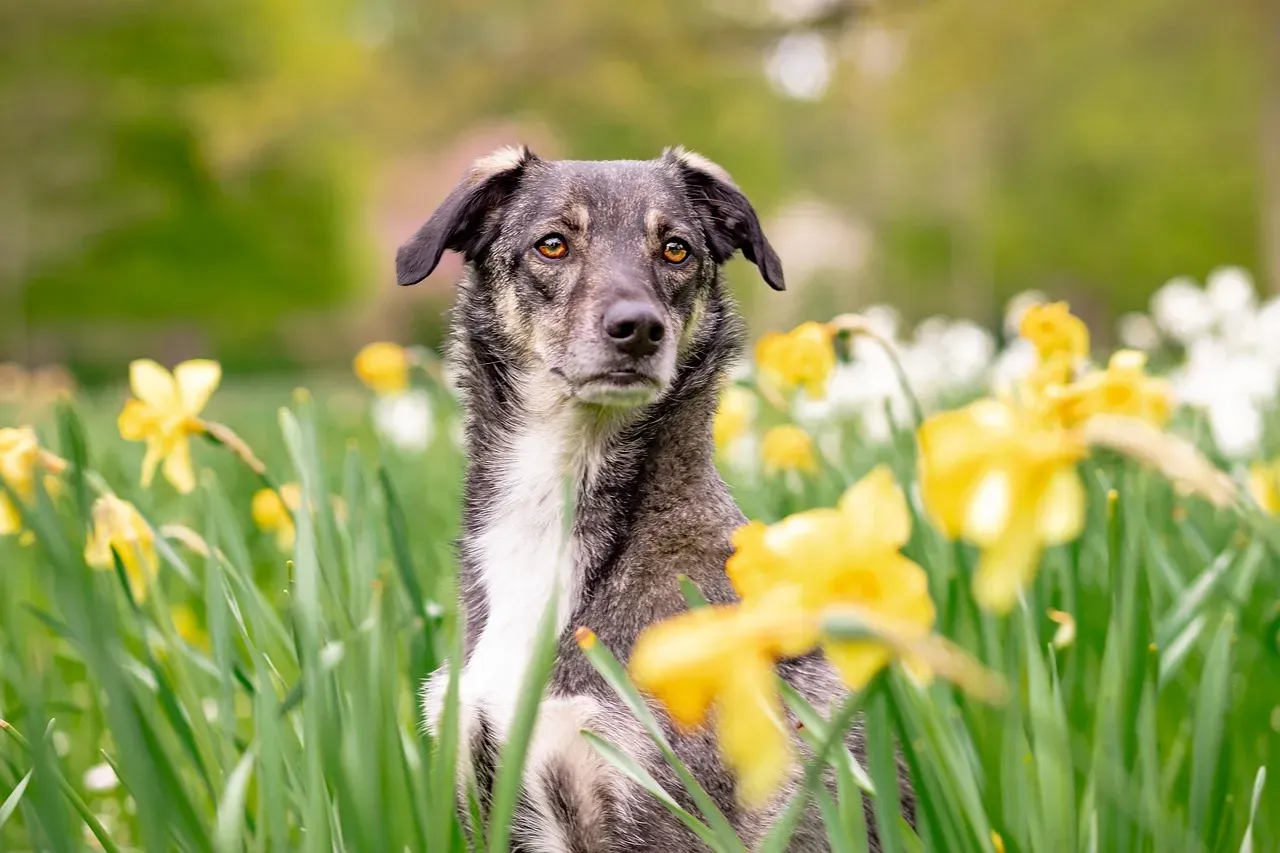
One of the most interesting findings across many illness-detection and medical-alert programs is that mixed-breed dogs can perform just as well as, and sometimes even better than, purebred stars. When researchers and organizations recruit dogs for cancer detection, diabetes alert, or seizure response, they often focus less on pedigree and more on key traits: scenting interest, focus, food or toy motivation, confidence, and an eagerness to work near people. Many rescue dogs and shelter mixes tick those boxes beautifully.
There are documented cases of mixed-breed dogs detecting cancer early in their owners long before any official training, simply because the dog was tuned into a new smell or an odd behavioral shift. When these dogs are brought into structured programs and properly trained, they can achieve accuracy levels comparable to the big-name breeds in controlled conditions. To me, this is the most hopeful part of the story: if we keep developing the science responsibly, illness-detection dogs do not have to be rare or exotic. They could eventually come from your local shelter, armed with a good nose, the right temperament, and a trainer who knows what to do.
Conclusion: Incredible Potential, But Not a Magic Crystal Ball
Looking across these seven breeds, it is tempting to imagine a future where every home and every clinic has a dog quietly scanning for the earliest signs of illness. There is real science behind that vision: in carefully designed studies, trained dogs have detected certain cancers and metabolic changes earlier or more sensitively than standard methods in specific contexts. At the same time, the evidence is still uneven, the methods are not fully standardized, and results in the lab do not always translate neatly into the chaos of everyday life. I think the honest stance is cautious optimism: dogs are opening doors, not replacing doctors.
My personal view is that the most exciting role for these dogs is as an extra, early-warning layer rather than a stand-alone diagnosis tool. A Labrador, Poodle, or mixed-breed rescue that consistently flags an unusual scent could prompt earlier testing, faster action, and maybe even save a life, but the final word still belongs to medical professionals and hard data. As research continues in 2026 and beyond, the breeds in this list will likely stay at the forefront, but they will share the stage with many individual dogs whose talent defies tidy labels. If you ever had a dog that seemed to know you were unwell before you did, does it still feel like a mystery – or more like the start of a new kind of medicine?


