

Picture this. The sky darkens, thunder rolls in the distance, and your beloved dog suddenly transforms into a trembling, panting bundle of nerves. Maybe she claws at the door, hides in the bathroom, or presses herself against you in sheer panic. If this sounds familiar, you’re certainly not alone.
Up to 30% of dogs are terrified by the rumblings of thunderstorms, and an estimated 49% of dogs show a significant fear response to firework noise. These aren’t just minor inconveniences. For many dogs, noise phobia is genuinely terrifying and can escalate over time if left unaddressed. Let’s be real, watching your best friend suffer through every storm or fireworks display is heartbreaking. The good news is there are smart, proven strategies that can genuinely help your dog feel safer and calmer when those scary sounds begin.
Create a Safe Haven Before the Storm Hits
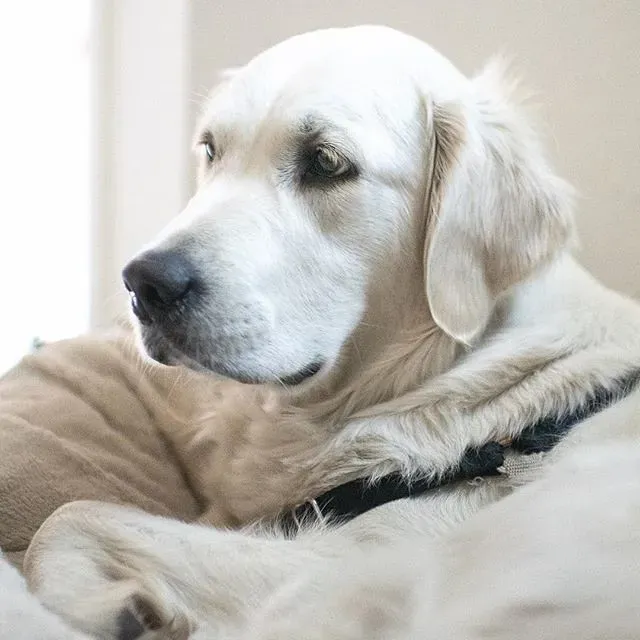
Here’s the thing about anxious dogs: they need a sanctuary. Think of it as your pup’s personal panic room where the world feels a little less overwhelming. Creating a safe, quiet space for your pet during fireworks or storms could be a windowless room, a basement, or a covered crate with their favorite blanket or toy.
Location matters more than you might think. Choose somewhere in your home where outside noise is naturally muffled. At the approach of thunderstorm season, try to ensure that your dog has access to a well-curtained or blacked-out room. Some dogs instinctively seek out bathrooms or closets during storms, so honor that preference. Set up their bed, add familiar toys, and maybe leave an article of your clothing there so your scent provides comfort. Make this space a positive place even when there’s no storm by offering treats or playing games there occasionally.
Let me add this: never force your dog into their safe space. Just make sure your dog can leave the crate if they want to. The goal is for them to associate this spot with security, not confinement. When they choose to go there on their own, you’ll know you’ve created something truly helpful.
Try a Pressure Wrap for That Comforting Hug Effect

Honestly, when I first heard about anxiety wraps for dogs, I was skeptical. A snug vest to calm anxiety? It sounded too simple. Turns out, there’s genuine science behind this approach. When worn properly, anxiety wraps distribute pressure over the back and sides of the dog’s chest, serving as a calming “hug”, and gentle pressure releases chemicals called endorphins that promote a sense of well-being.
ThunderShirts do work, but only if you tighten them properly. Dogs wearing loose wraps don’t experience the same calming benefits. Mean anxiety scores were decreased during the fifth thunderstorm event when compared with baseline, and most owners reported that the pressure wrap was at least partially effective in managing their dogs’ thunderstorm phobia.
The key is proper introduction. Don’t wait until the first clap of thunder to suddenly wrap your dog in something they’ve never worn before. Get your dog used to wearing a pressure wrap before fireworks so that by the time the event arrives, your dog will be comfortable with the garment. Start by having them wear it for short periods during calm, happy times. Pair it with treats, playtime, or meals so they build positive associations.
Master the Art of Sound Desensitization
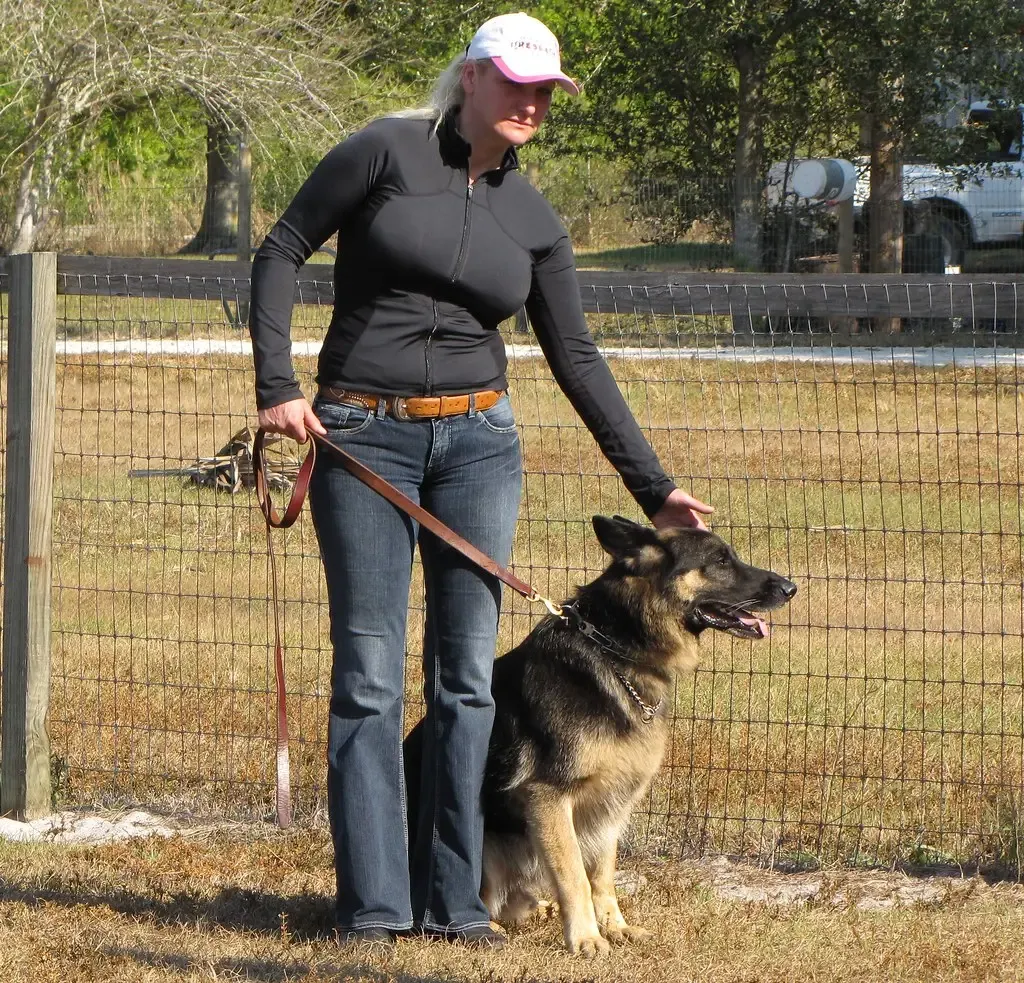
This technique requires patience, I won’t lie. Desensitization isn’t a quick fix you implement the night before July Fourth. It is best to begin this training at a time of year when fireworks or thunderstorms are not likely to occur, and exposure to full intensity should be avoided until treatment has been completed.
The process is straightforward though. Begin by playing a fireworks sound effect at a very low level for a brief period while giving your dog a series of small, tasty treats and lots of praise when they remain calm, then turn the sound off and stop giving treats. Over multiple sessions, you gradually increase the volume, always keeping your dog below their anxiety threshold.
It can be difficult to reproduce a realistic firework or thunderstorm event when retraining because components of these events like darkening skies, pelting rain, flashes of light, and changes in barometric pressure can all contribute to increased fear, and dogs unable to fully respond to retraining may greatly benefit from medication. Think of desensitization as teaching your dog that these noises predict good things rather than danger.
Drown Out the Noise with Strategic Sound Masking

Sometimes the simplest solutions are the most effective. Layering two different types of sound can help drown out the noise, and calming classical music may also help reduce stress. White noise machines, fans, television, or even specific music designed for dogs can work wonders.
Plug in a white noise machine or turn on some calming music loud enough so the fireworks are camouflaged. There’s actual research backing the use of classical music for anxious dogs. The goal isn’t just to block scary sounds but to create an auditory environment that feels normal and safe.
Combine this with your dog’s safe space for maximum effect. If your dog’s safe zone is their crate, you can also cover the top, sides, and back with a thick blanket and play music or sounds for them. Start playing calming sounds before the storm or fireworks begin if possible. That way your dog is already in a relaxed state rather than trying to calm down from full panic mode.
Tire Them Out Before the Event

I know it sounds almost too obvious, but a physically and mentally exhausted dog simply has less energy to devote to anxiety. Going for a long hike or spending time playing with pals during the day will help wear out your dog before the fireworks begin, and a dog that’s mentally and physically exhausted might be less likely to react to fireworks.
Schedule a longer than usual walk, engage in a vigorous game of fetch, or set up some puzzle toys that require serious brain power. The goal is to drain their batteries so they’re naturally inclined toward rest when evening comes. Plus, exercise releases endorphins, those feel-good chemicals that naturally reduce stress and anxiety.
Timing matters here. Head out for your long walk before the sun sets to increase the chances that you’ll avoid the sounds, and ensure your dog is secure on a leash before your walk. That way you’re back home and settled before the noise typically begins.
Know When Professional Help or Medication Is Needed

Let me be honest with you. Sometimes love and home remedies aren’t enough, and that’s completely okay. Canine noise aversion affects 67% of dogs in the United States, yet only a small percentage of these dogs are diagnosed and treated. If your dog’s fear is severe, reaching out for professional help is the responsible choice.
To be effective, drugs must be absorbed and active in the body before any noise starts or panic sets in, usually at least an hour prior to the event. Your veterinarian can recommend appropriate anti-anxiety medications that make a genuine difference. Options like dexmedetomidine gel, trazodone, or other anxiolytics have been proven effective in clinical studies.
If your dog’s fear, anxiety and stress feel unmanageable during fireworks, thunderstorms, or other loud noises, speak to your veterinarian, or consider a referral to a veterinary behaviorist. There’s no shame in seeking expert guidance. Behavioral medicine has advanced tremendously, and combining medication with behavior modification often produces the best results. Remember, untreated noise phobia tends to worsen over time, potentially leading to dangerous escape attempts or self-injury.
Bringing It All Together

Living with a noise-phobic dog doesn’t have to mean months of dread every time storm season approaches or holidays roll around. These six strategies, whether used individually or combined, can dramatically improve your dog’s quality of life. Start with the basics like creating that safe haven and trying sound masking. Consider investing in a properly fitted pressure wrap and commit to gradual desensitization training during calmer seasons.
Most importantly, remember that your calm presence matters. Providing comfort during this time is appropriate and often helpful, and sitting close to your dog, petting them gently and offering quiet words of reassurance during scary events can help to center your dog. Your anxious pup isn’t being difficult or stubborn. They’re genuinely terrified, and your patience and dedication to helping them through it means everything.
What strategies have worked best for your noise-sensitive dog? Have you tried any of these approaches, and did you notice a difference? Every dog is unique, and sometimes finding the right combination takes a bit of trial and adjustment. Your furry friend is lucky to have you in their corner.


