
Why That Innocent Treat Could Be Sabotaging Your Dog’s Health

Picture this: it’s a Tuesday evening, and your pup is sitting beside you with those soulful eyes while you snack on cookies. You toss them a little something, just a bite. After all, what harm could a tiny treat do?
Here’s the thing, though. What feels like love in the moment might be setting your dog up for serious health struggles down the road. Dogs thrive on routine, affection, and yes, the occasional reward. Yet many of the treats we hand over without a second thought are quietly undermining their wellbeing. From weight gain to toxic reactions, the dangers hiding in plain sight are more common than most of us realize. Let’s dig into what’s really going on when that innocent snack becomes a health hazard.
The Hidden Danger of Xylitol: A Silent Killer in Everyday Products

Xylitol is a naturally occurring sugar substitute widely used in sugar-free products, extracted from corn fiber or birch trees. It seems harmless to us, but for dogs, it’s a completely different story. When dogs ingest xylitol, their pancreas releases insulin rapidly, causing a profound drop in blood sugar within 30 minutes to 2 hours.
Honestly, this is one of the scariest things I’ve come across as a dog lover. Less than 50 mg for every pound of body weight is poisonous to a dog. That’s an incredibly small amount. Even one piece of sugar-free gum can be dangerous to dogs of any size. I know it sounds crazy, but it’s true.
Symptoms may include vomiting, lethargy, weakness, body tremors, and seizures due to the sudden drop in blood sugar. Higher doses can lead to liver failure within 24 to 48 hours. The window for treatment is narrow, and every second counts. If you even suspect your dog got into something with xylitol, don’t wait to see what happens. Get to the vet immediately.
Overfeeding Treats: When Love Translates to Extra Pounds

We’ve all been there. Your dog does something adorable, and you reward them with a treat. Then another. Before you know it, treats become less about training and more about habit. Up to 65% of dogs in the U.S. are considered overweight or obese.
Let’s be real: most of us don’t realize how quickly those calories add up. Treats are often calorie-dense, meaning that even a few can throw off your dog’s diet, and many trainers set aside part of one of the dog’s meals to use as treats throughout the day. That’s a smart move if you want to keep your pup trim.
Obesity in dogs can lead to serious health issues like arthritis, kidney disease, and respiratory problems, all of which can shorten a dog’s lifespan. Obesity can take up to 2 years off the life of your dog. Think about that for a moment. Two years is a lot of fetch games, walks, and cuddles you’d be missing out on. The good news? Treats or snacks should comprise no more than 10% of your dog’s daily calorie intake.
Fatty Foods and Pancreatitis: A Recipe for Pain
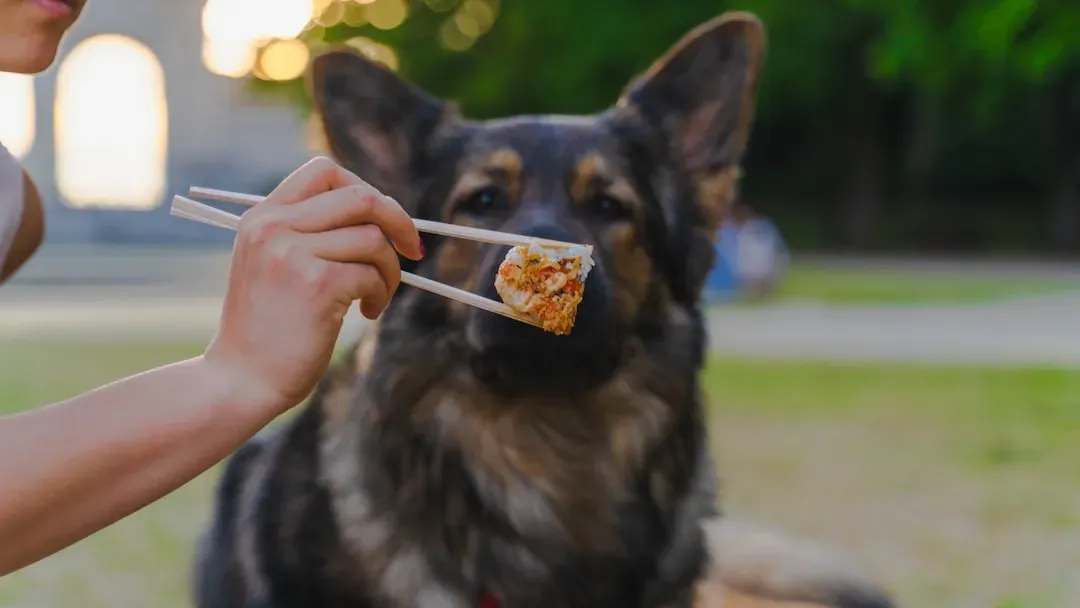
Feeding your dog a high-fat diet is one of the major causes of pancreatitis, and even just one large helping of fatty food in one sitting may be enough to trigger an attack. Pancreatitis is brutal. It’s an inflammation of the pancreas that causes severe pain and can escalate quickly.
Experts don’t know the exact cause of pancreatitis, but fatty foods are a common trigger, and most canine pancreatitis patients are a direct result of eating food high in fat. In fact, the day after Thanksgiving is one of the busiest days of the year for pancreatitis-related emergency vet visits. Turkey skin, bacon grease, ham fat – it all seems like such a treat in the moment, but your dog’s pancreas might have other ideas.
Dogs with serious cases may have obvious signs, such as vomiting, dehydration, fever, and belly pain. Some dogs with pancreatitis may hunch over or assume a “praying position,” in which their hind end stays in the air, with their front legs and head on the floor. If you see that, it’s time to get help fast. Pancreatitis can lead to dehydration, diabetes, organ damage, and even death.
Artificial Preservatives and Additives: What’s Really in That Bag?
Artificial preservatives used long term can add a notable risk of toxicity to any dog food, and ethoxyquin is one artificial preservative to watch for on a label. Many commercial treats are packed with chemicals designed to extend shelf life, but at what cost to your dog’s health?
Studies found that BHA and BHT are carcinogenic for animals like rats, and BHA is also on the list of carcinogens, so it’s a good idea to avoid these harmful preservatives whenever possible. I’m not saying every treat with preservatives will harm your dog tomorrow, but long-term exposure? That’s a different conversation.
The most harmful ingredients to avoid in dog treats include artificial preservatives, artificial colours, and sweeteners like xylitol, which can cause severe health issues such as liver failure, hypoglycemia, and allergic reactions. Synthetic preservatives can also cause digestive upset, inflammation, diarrhea, and result in food allergies for our pets. The solution? Look for natural alternatives. Natural preservatives like tocopherols, citric acid, and rosemary extract are healthier options.
Common Human Foods That Are Toxic to Dogs
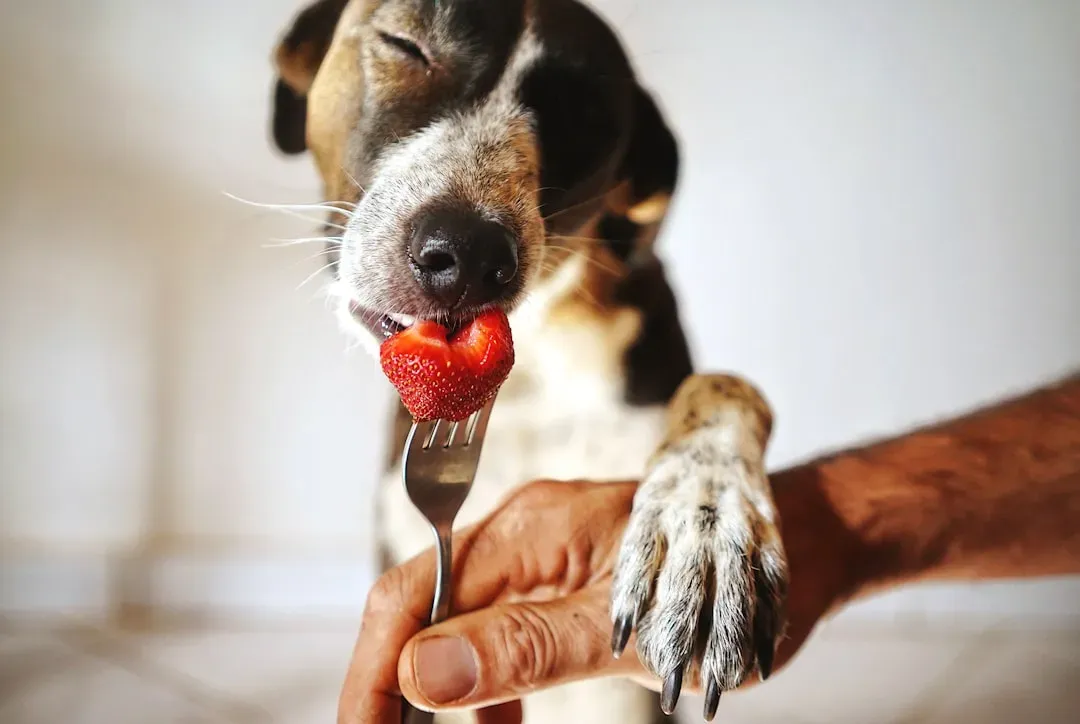
Grapes and raisins can cause kidney failure in dogs, and just a small amount can make a dog sick. It takes only a few grapes or raisins to potentially cause sudden kidney failure in your dog. Even if you’ve given your dog grapes before without incident, that doesn’t mean you’re in the clear. Every dog reacts differently.
Fatty cuts of meat, ham, and items like chicken or turkey skin have a high fat content, which can cause acute pancreatitis, a life-threatening illness with severe complications. Chocolate contains a lethal component called theobromine – the darker the chocolate, the more theobromine it contains – and some sugar-free chocolate might have xylitol, which is toxic to dogs.
Onion, garlic, and chives are members of the Allium species and can cause gastrointestinal irritation and red blood cell damage, which can lead to anemia. Just six raw or roasted macadamia nuts can make a dog sick, with symptoms like muscle shakes, vomiting, high temperature, and weakness in their back legs. These aren’t rare or exotic ingredients – they’re things we keep in our kitchens every single day.
How to Spot Warning Signs and Protect Your Dog
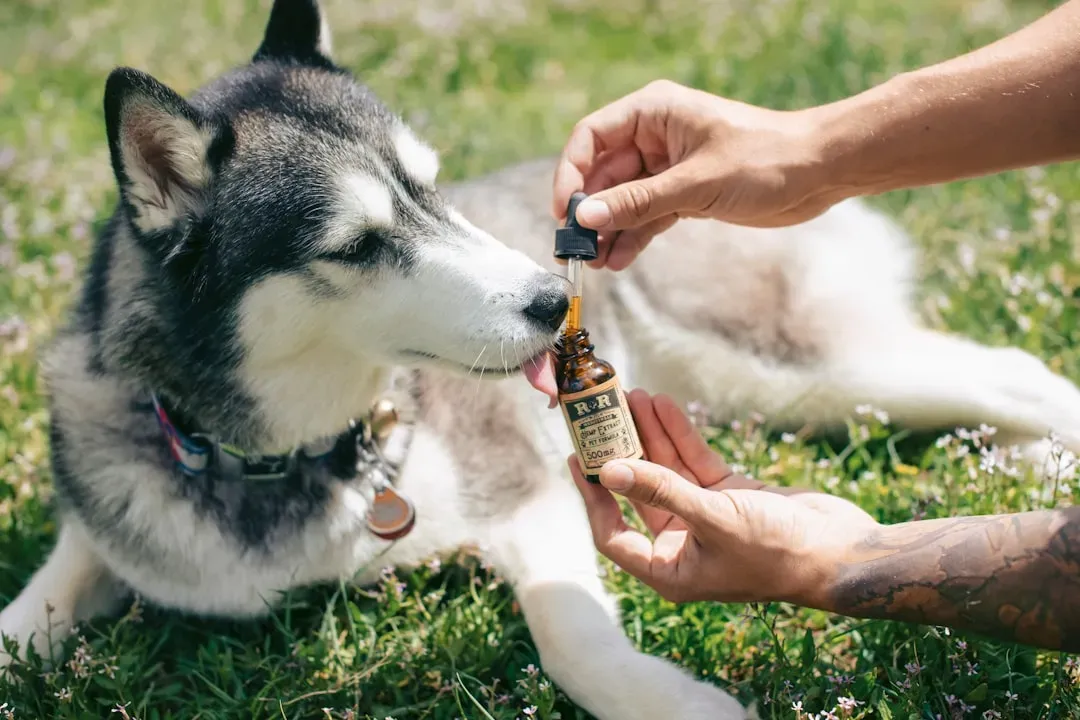
Your dog can’t tell you when something’s wrong, but their body will. Signs of poisoning can start as early as 20 minutes, with vomiting usually being the first sign, and as blood sugar drops, dogs will develop lethargy, weakness, body tremors and potentially seizures. Keep an eye on changes in behavior, appetite, and energy levels.
If there seems to be excess padding over your dog’s ribs or you are unable to see a slight tuck-up just in front of the hind legs, chances are high that your dog is carrying excess weight. Regularly checking your dog’s body condition can help you catch problems before they spiral. Weigh your dog at least every two weeks, and while on a weight loss plan, dogs can expect to safely lose 1-2% of their weight weekly.
If something seems off, trust your gut. If you suspect that your dog has eaten a product containing xylitol, immediately contact your veterinarian, and it is important to get treatment for your dog as quickly as possible. Time is everything when it comes to toxic exposures and acute health crises. Better to overreact and be wrong than to wait too long and face a tragic outcome.
Conclusion
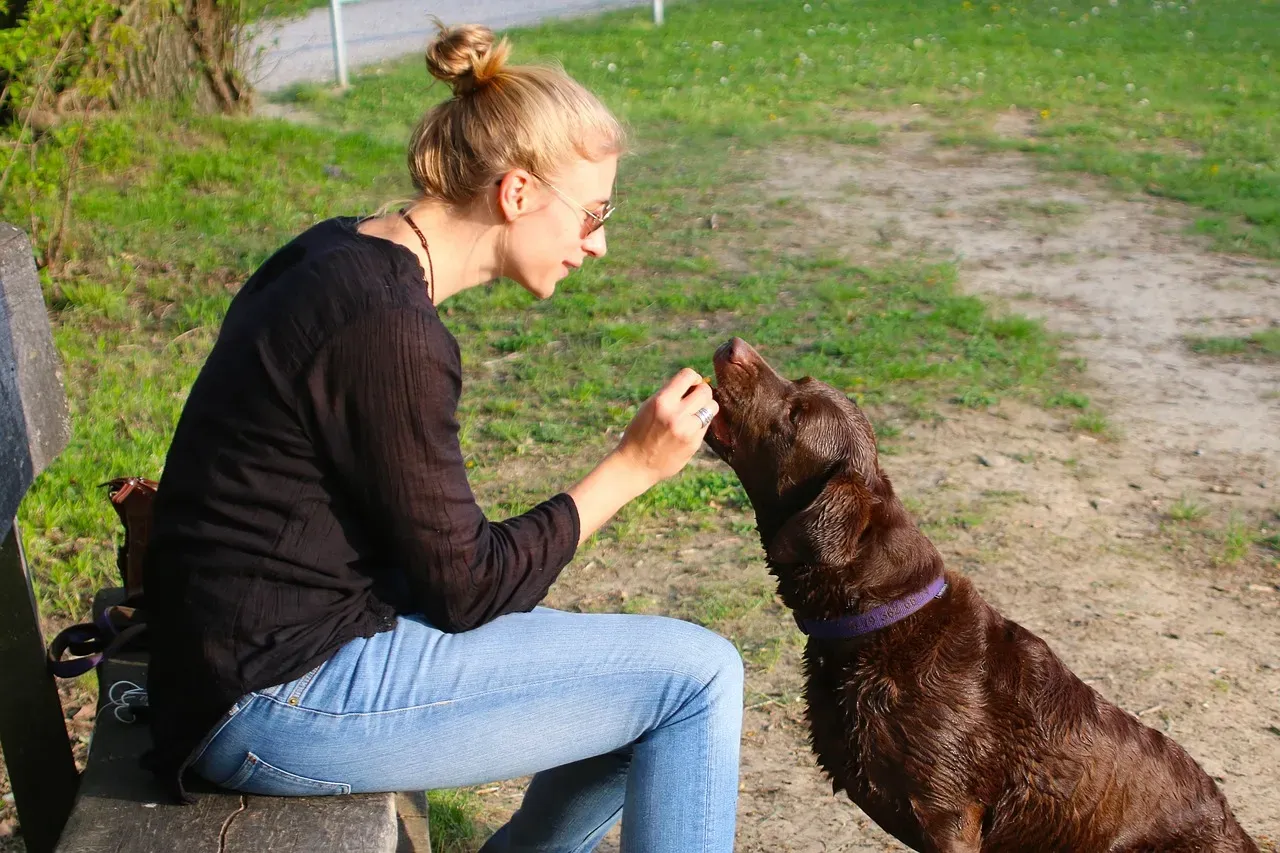
At the end of the day, keeping your dog healthy isn’t about perfection. It’s about awareness. Understanding what you’re feeding them, why it matters, and how even small choices add up over time can make a world of difference. You don’t need to become a canine nutritionist overnight, but reading labels, measuring portions, and skipping the table scraps can protect your furry friend from unnecessary suffering.
Your dog trusts you completely. They don’t know that the treat in your hand might be dangerous. That responsibility falls squarely on us. So next time those puppy eyes plead for a bite of your snack, pause and think about what’s really in it. Is it worth the risk? Have you ever had a scare with something your dog ate? What did you learn from it?