
4 Simple Vet Approved Daily Habits That Make Dogs Happy
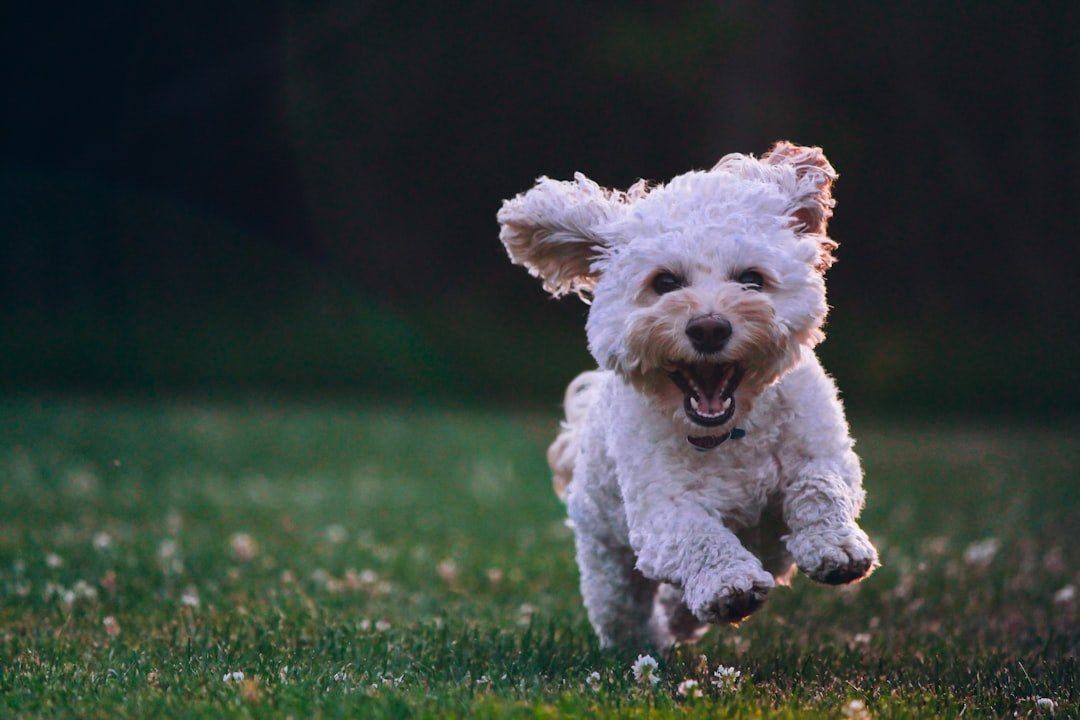
Dogs bring immense joy to households, yet their contentment often hinges on straightforward daily practices. Veterinarians note that fulfilling a dog’s basic needs for companionship, structure, and stimulation leads to noticeable improvements in behavior and mood. These habits, recommended by experts, demand little time but foster deeper bonds and better health.[1][2]
Strengthening Bonds Through Dedicated Time
Quality interaction tops the list of habits that make dogs feel valued. Owners who set aside moments for undivided attention – such as gentle petting or casual conversation – help their pets combat loneliness. This focused companionship reassures dogs of their place in the family pack.
Veterinarian Aimee Warner explains that many dogs cherish human interaction as a highlight of their day. Even brief sessions reduce anxiety and promote security. Nita Vasudevan adds that such bonds address common behavior issues simply through intentional presence.[1]
Creating Stability with Consistent Routines
Predictability forms the foundation of a dog’s emotional well-being. Fixed times for meals, walks, and rest eliminate uncertainty, curbing stress signals like excessive barking or restlessness. Dogs flourish when they anticipate daily events.
Experts highlight how routines mirror natural pack dynamics. Vasudevan states that predictability makes dogs feel safe. Warner concurs, noting reduced anxiety when pets know what comes next.[2]
Unlocking Joy Via Exercise and Play
Regular physical outlets prevent pent-up energy from sparking mischief. Tailored exercise, like brisk walks or fetch games, supports cardiovascular health and sharpens focus. Playtime extends this by allowing instinctual pursuits such as chasing or tugging.
Owners observe calmer evenings after active sessions. Warner emphasizes exercise’s role in overall well-being, while Vasudevan links insufficient activity to problems like chewing. Incorporating toys or yard romps amplifies these benefits.
- Schedule 20-30 minute walks suited to your dog’s breed and age.
- Rotate toys to maintain interest during play.
- Combine activities, like walks ending in fetch, for variety.
Stimulating Minds with Sniffs and Training
A dog’s nose drives profound satisfaction. “Sniffari” walks, where pets pause to investigate scents, deliver mental workouts rivaling physical ones. Short, exploratory outings often outshine lengthy trots.
Positive reinforcement training complements this by rewarding desired actions with praise or treats. Dogs gain confidence from clear expectations. Vasudevan describes sniffing as vital brain engagement, more fulfilling than speed-focused strolls. Warner advises hazard checks during these ventures.[1]
Training sessions build obedience while reinforcing security. Brief daily practice yields lasting results without overwhelming either party.
Key Takeaways for Dog Owners
- Integrate one-on-one time and routines to build emotional resilience.
- Prioritize exercise, play, sniffing, and training for balanced stimulation.
- Observe your dog’s responses and adjust habits for optimal joy.
Adopting these habits transforms ordinary days into sources of canine delight. Dogs respond with wagging tails, relaxed postures, and fewer issues, proving small changes yield big happiness. Start today and watch the difference unfold. What habits already work for your dog? Tell us in the comments.