
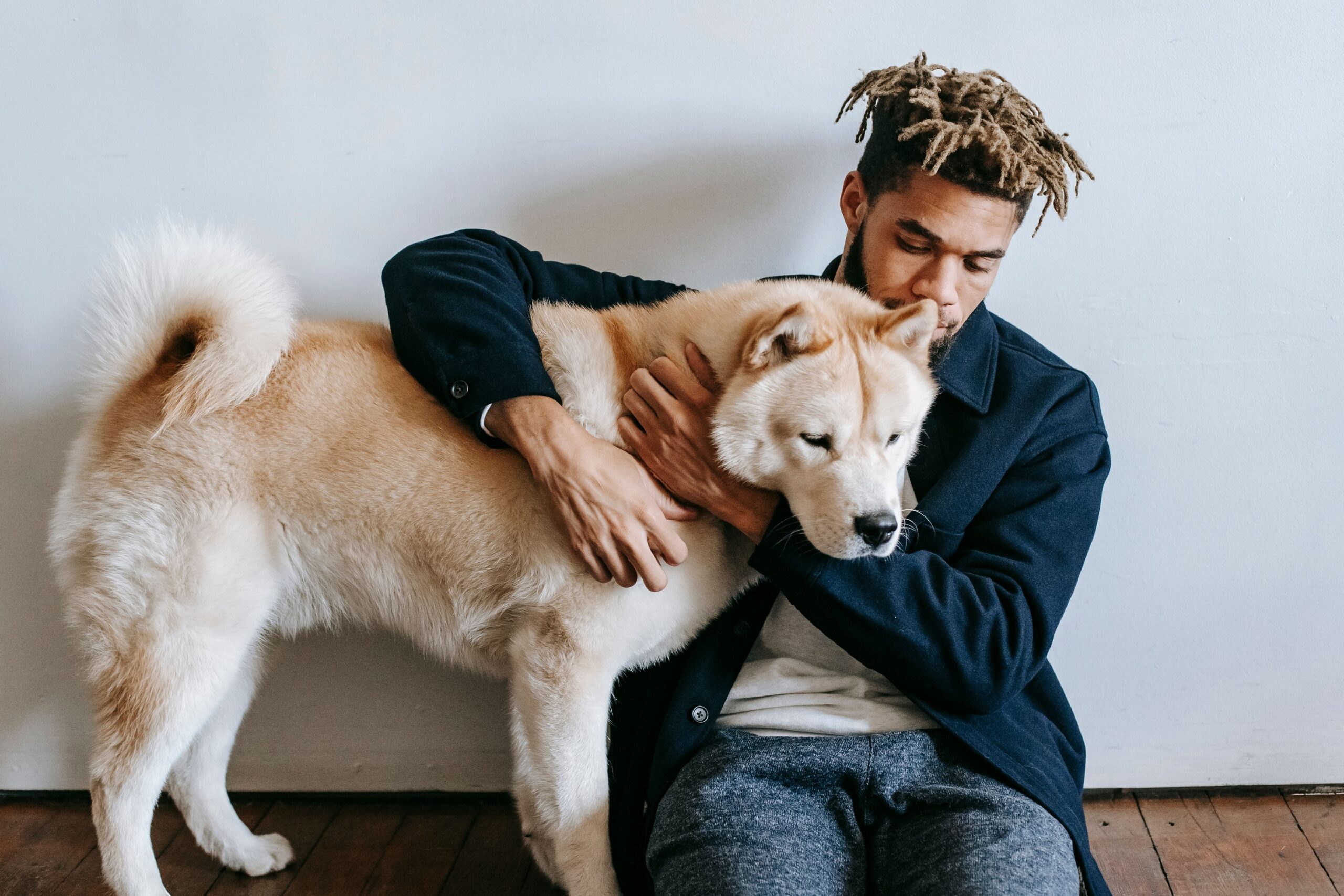
You can feed a dog, walk a dog, even cuddle a dog without ever really earning their deepest level of trust. That kind of trust is not automatic; it is a full‑body decision their nervous system makes after watching you, testing you, and feeling you over and over again. When a dog finally relaxes into you, they are doing something incredibly vulnerable for a prey‑mammal brain that is wired to scan for danger every second of the day.
Once you know what to look for, you start to see the difference between a dog that simply tolerates humans and a dog that has decided you are their emotional safety net. The signs are subtle, sometimes almost ordinary, which is why people miss them. But beneath those small behaviors is biology, attachment, and a nervous system saying: here, with this person, I can finally let my guard down. Let’s unpack seven of the clearest behaviors that show your dog has given you that rare level of trust.
1. They Can Truly Sleep Around You – Not Just Doze
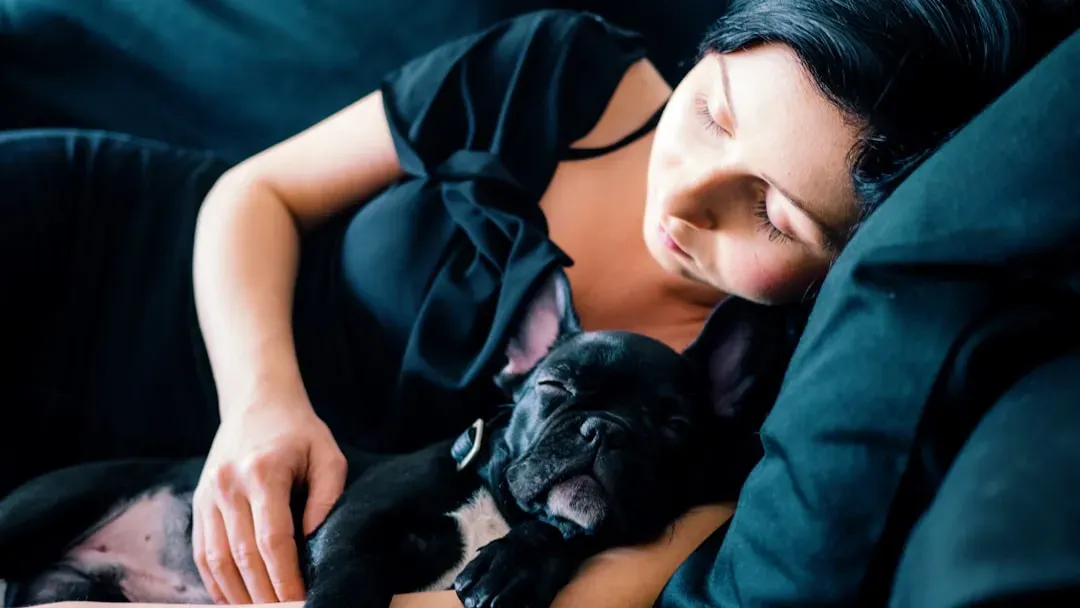
A dog that really trusts you does not just curl up near you; they sink into deep, floppy sleep. You will see their muscles go soft, their breathing slow, their eyes roll back into that twitchy dream state, and sometimes their body will sprawl in the least “ready to run” position possible. Biologically, deep sleep is one of the riskiest things an animal can do, because it temporarily dials down all those survival systems that are always scanning for threat.
When your dog chooses to hit that deep, dream‑filled sleep next to you, what they are really saying is that they are outsourcing some of their vigilance to you. Their nervous system has decided that you will notice what they do not, that you are their alarm system and bodyguard. If they can sleep through door noises, clattering dishes, or your movements on the couch without jolting awake, that is a powerful sign that, in their body, you are genuinely safe.
2. They Offer You Their Belly Without Looking Stressed
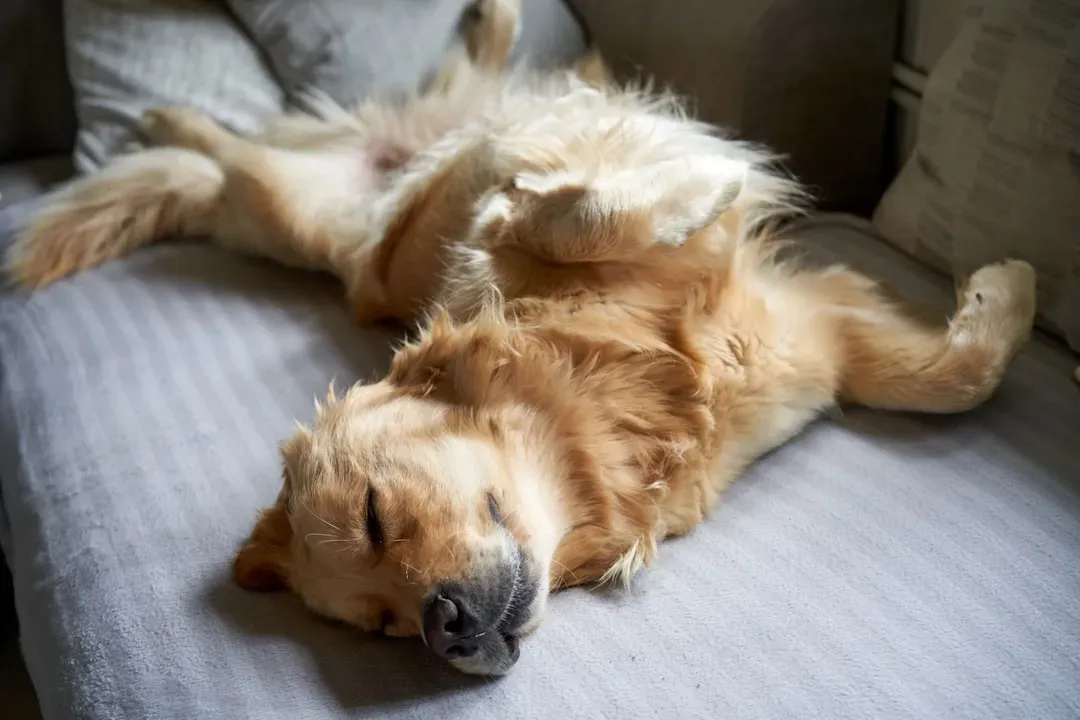
The classic “belly up” pose gets misunderstood all the time. Some dogs roll over when they are overwhelmed, offering their belly in a kind of social surrender, and their faces look tense: tight mouth, wide eyes, stiff body. That is not deep trust; that is a dog trying to diffuse a situation. The version that means trust looks very different: soft eyes, loose jaw, floppy paws, and a body that sinks into the floor, bed, or your lap.
From an evolutionary standpoint, exposing the belly means exposing vital organs. No animal does that lightly. When your dog flops onto their back next to you on the bed or couch and stays there, fully relaxed, they are turning off ancient survival programming because your presence overrides it. They are not just saying “pet me”; they are saying “I am willing to be physically defenseless next to you,” and that is about as intimate as it gets for a nervous system built to survive.
3. They Choose You as a Safe Base in New or Stressful Places
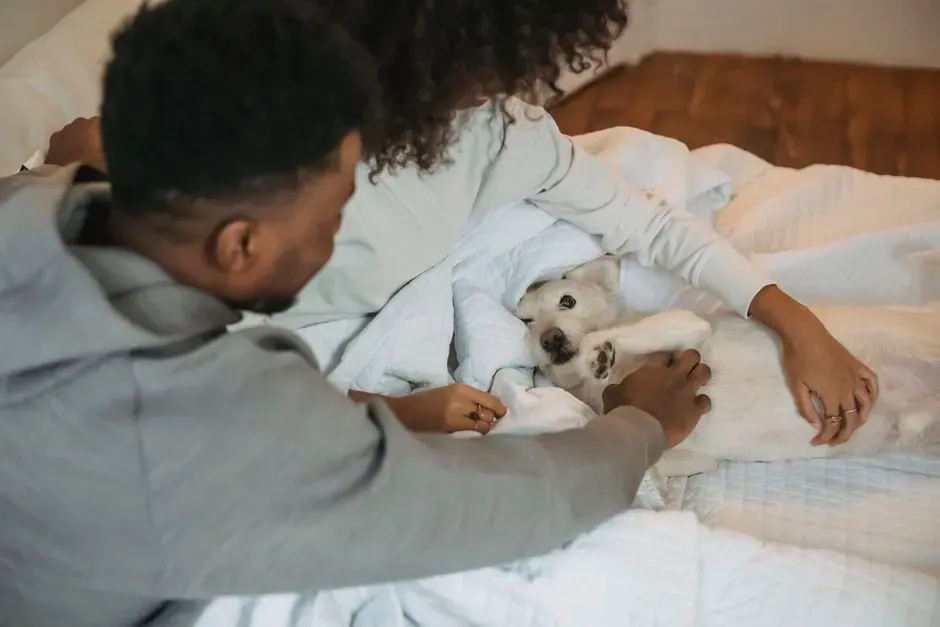
Watch what your dog does in a new environment, like a busy park, a café patio, or even a veterinary lobby. Dogs with true trust will explore but keep coming back to touch you – a nose bump to the leg, a quick lean, a check‑in look. That “orbiting” pattern is something you see in securely attached infants as well: they venture out, then return to their safe base to reset their nervous system before heading out again.
If your dog can handle mild stress better just by being near you, that is a sign you have become a regulatory anchor for them. They might shift closer when a skateboard rolls by, or tuck themselves partly behind your legs when another dog passes. It does not mean they are never afraid; it means that, on a body level, they believe co‑regulating with you lowers the threat. Their nervous system has quietly built the story: when I am with this person, scary things feel smaller.
4. They Lean Their Full Weight Into You and Fully Relax
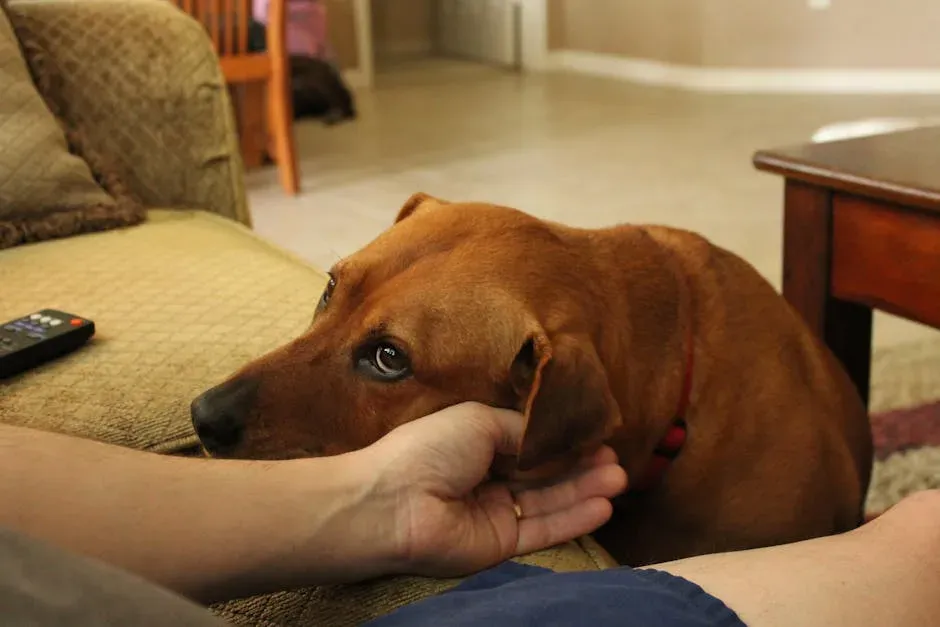
A casual brush against your leg is normal. A deliberate, heavy lean where your dog settles their weight into you and sighs is different. That full‑body lean is a physical trust fall, especially for dogs who are naturally a bit on guard. They are using your body as a wall, a pillow, and in some ways as a shield between them and the world. Many herding and guardian breeds do this when they truly attach, because contact itself calms their nervous system.
Leaning is more than affection; it is a way of distributing emotional load. When a dog trusts you deeply, they offload some of their anxiety into that contact, the same way a stressed person might calm down just by sitting shoulder to shoulder with someone who loves them. If you notice that your dog seeks out that lean particularly when they hear distant noises, see unfamiliar people, or are simply tired, you are watching their body choose you as a regulator and protector.
5. They Bring You High‑Value Items Without Guarding
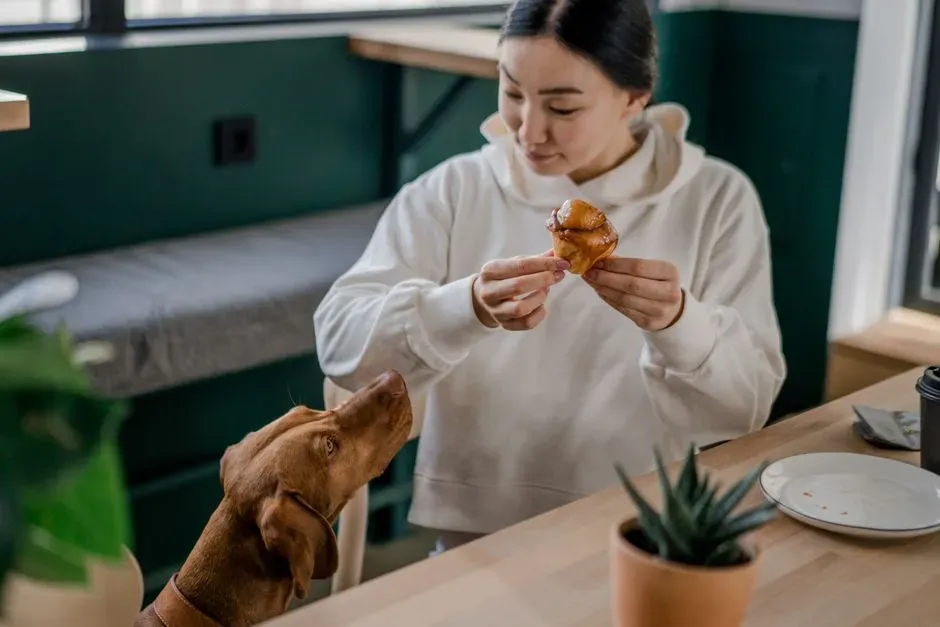
Food, bones, favorite toys – these are your dog’s tiny treasure chest, and many dogs instinctively guard them at least a little. When a dog carries their prize over to you, sets it near you, or even drops it in your lap and then relaxes instead of hovering, that is a big deal. Their nervous system is overriding a powerful instinct to protect resources in favor of connection with you.
You might notice they invite you into little sharing rituals: nudging a toy against your hand, chewing a bone at your feet while half‑closing their eyes, or even letting you take something and give it back without tensing up. These are signs that they do not view you as competition or a threat in the resource department. Instead, your presence actually makes their treasure feel safer, which means their brain has filed you under the category of trusted ally rather than rival.
6. They Let You Handle the “Sensitive Zones” Without Freezing or Fighting
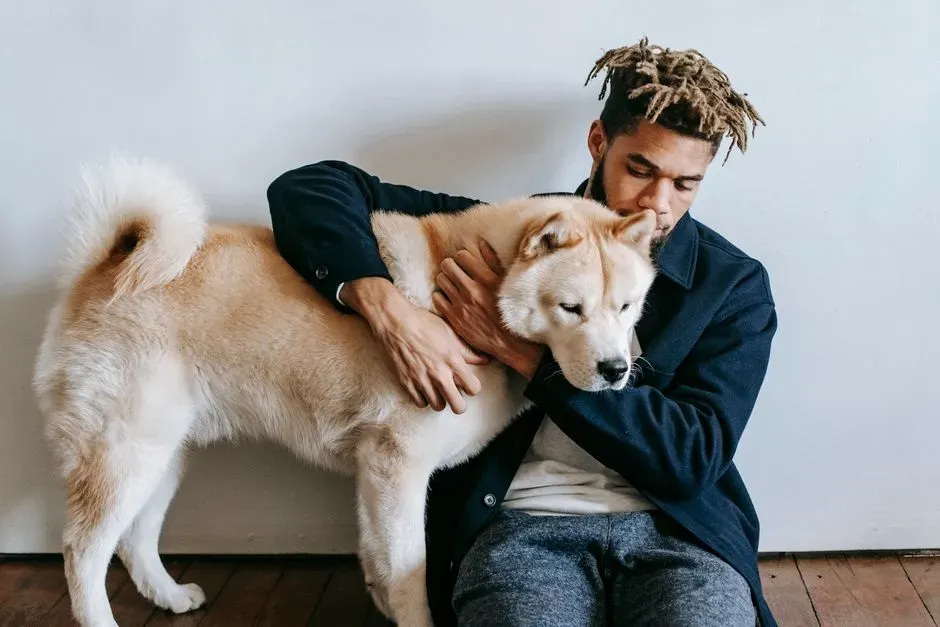
Most dogs are born with at least some degree of body sensitivity. Paws, ears, tail, mouth, collar area, and hips are all zones that a cautious nervous system likes to protect. A dog that trusts you at a deep level will gradually let you into those areas in a way that is calm rather than just tolerant. You will see soft eyes, gentle movements, and maybe even small signs of enjoyment when you clean their ears, clip their nails, check their teeth, or brush out tangles.
This kind of physical cooperation does not happen overnight; it is earned through hundreds of gentle, predictable interactions. When your dog allows you to lift a paw, look inside an ear, or hold their collar without bracing or flinching, they are doing something incredibly brave for their biology. They are accepting momentary loss of control because their nervous system has decided you will not abuse it. That is trust on a surgical level, not just a social one.
7. They Share Their “Messy” Emotions With You Instead of Hiding
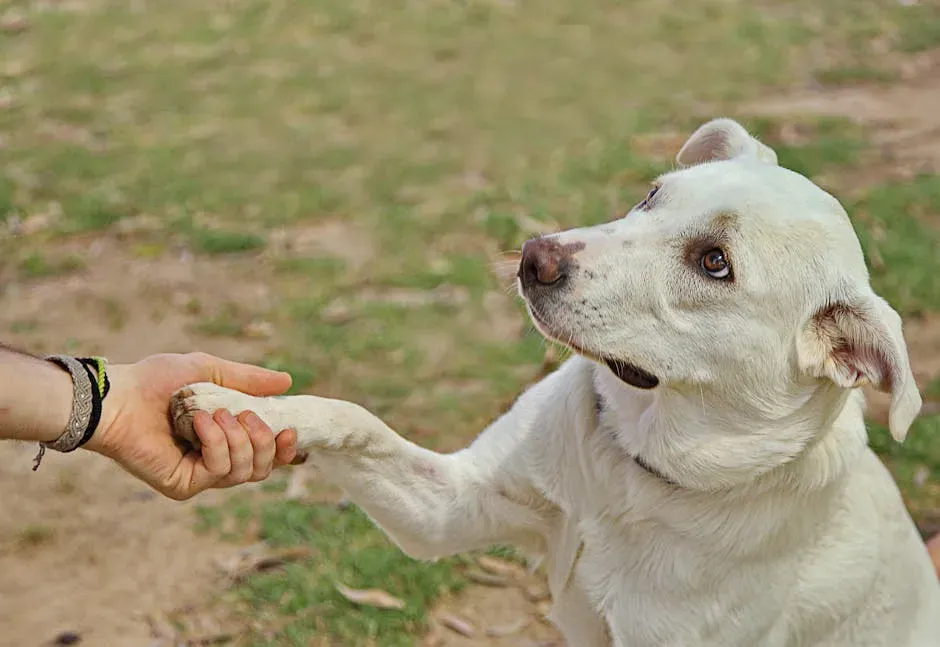
Truly trusting dogs do not just show you their cute, happy selves; they let you see the messy states too. They come to you when they are startled instead of running away to hide. They seek you out when they are overwhelmed by thunder, fireworks, or household chaos, pressing their body into yours or trying to climb into your lap. They might whine, pace, or shake near you because, in their nervous system, you are the place where those big feelings are allowed to exist.
It is tempting to think a confident dog is the one that never shows fear, but a deeply secure dog is the one that is not afraid to bring their fear to you. That emotional transparency is a massive sign of trust, because hiding weakness is a survival strategy for many animals. When your dog cries into your shirt, buries their head under your arm, or insists on being in the bathroom with you during a storm, they are not being dramatic; they are using you as their emotional shelter, and that is one of the highest compliments their nervous system can give.
Conclusion: You Are Not Just a Pet Owner, You Are a Nervous System Partner
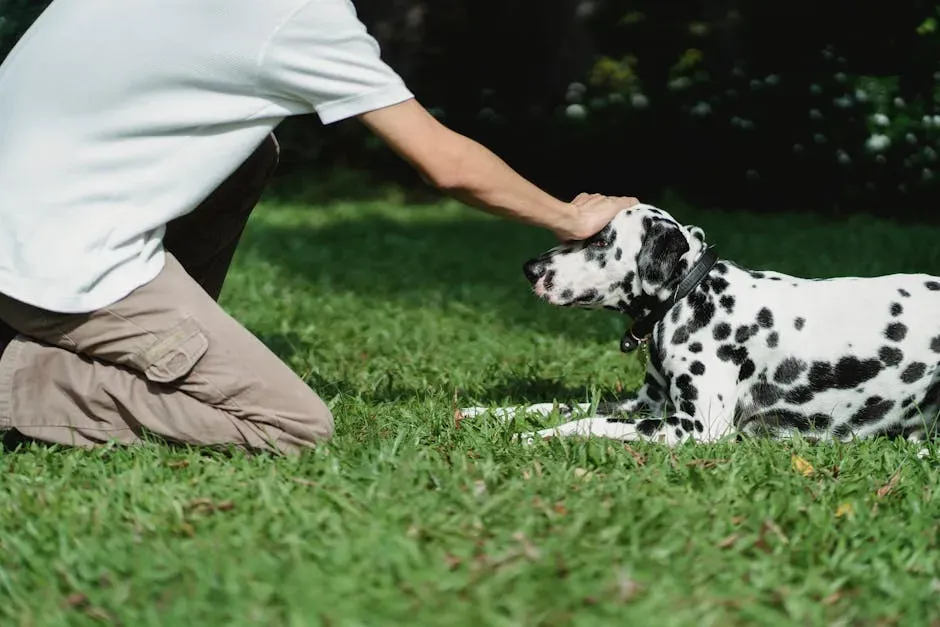
When we talk about trust between people and dogs, we throw the word around like it is a simple feeling, but it is really a layered, biological commitment. Your dog’s brain and body have spent months or years collecting data on you: how you move, how you react when you are angry, how you handle their mistakes, whether you respect their signals. Those seven behaviors are not random; they are the nervous system’s verdict that you are worth turning the volume down on fear.
Personally, I think we underestimate how sacred that is. A dog offering you their sleep, their belly, their treasures, their vulnerable body parts, and their raw emotions is not trivial; it is a kind of cross‑species agreement to share regulation and safety. If your dog shows even a couple of these signs, you are already more than “just” their person – you are their safe base. The real question is, now that you see what that trust costs them, how will you protect it?


