
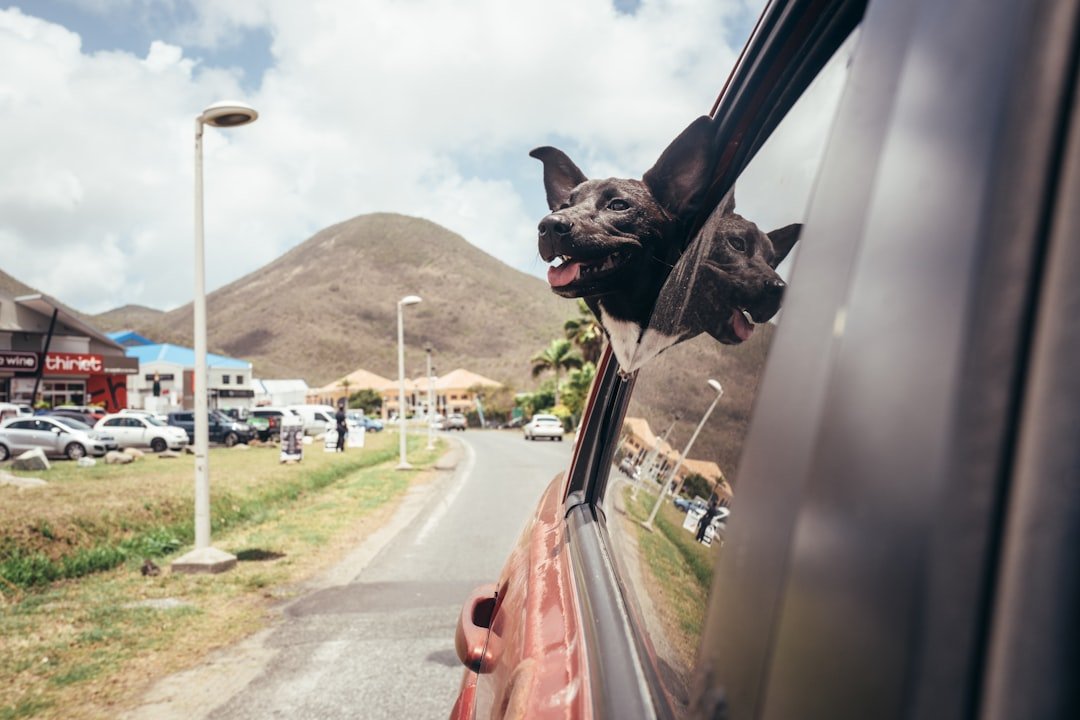
Millions of pet owners hit the road each year with their dogs in tow, turning vacations into family affairs that include four-legged members. Recent emphasis from animal welfare organizations underscores the need for thorough preparation amid rising travel volumes. Proper planning not only prevents accidents but also ensures a stress-free experience for both dog and driver.
Vet Visits Pave the Way for Smooth Journeys
Many road trip incidents trace back to overlooked health checks. Owners who scheduled a pre-trip veterinary exam reported fewer emergencies on the road. Veterinarians assess fitness for travel, update vaccinations, and address issues like motion sickness.
Professionals advise confirming rabies shots and other preventives before departure. For longer hauls, a health certificate may prove necessary at state lines. Medications for anxiety or nausea often emerge from these consultations, allowing dogs to tolerate extended drives.[1][2]
Secure Restraints Prevent Disaster in Motion
A sudden stop can turn unrestrained pets into projectiles, yet secure setups keep everyone safe. Crash-tested harnesses or carriers anchor dogs firmly, mimicking human seat belts. These tools restrict movement without causing discomfort during normal travel.
Crates offer the sturdiest option, sized to let dogs stand, turn, and lie down comfortably. Secure them in the cargo area or backseat to avoid shifting. Harnesses suit smaller breeds, clipping directly to vehicle belts. Acclimate pets gradually with short practice sessions to build acceptance.[3][4]
Packing Smart Keeps Essentials at Hand
Forgetful packing leads to unnecessary stops or worse. A dedicated kit covers hydration, sanitation, and comfort needs. Familiar items like toys reduce anxiety amid new surroundings.
- Food, collapsible bowls, and bottled water to match home taste.
- Spare collar, leash, ID tags, and microchip verification.
- Pet first-aid supplies, medications, and waste bags.
- Grooming tools, towels, and cleaning wipes for messes.
- Favorite blanket or chew toy for reassurance.
Stock extras in the glove box for quick access. Test the kit on trial runs to identify gaps.[2]
Frequent Stops Build In Relief and Exercise
Hours behind the wheel without breaks exhaust dogs quickly. Plan halts every two to three hours for potty, water, and stretches. Pet-friendly rest areas with open spaces ideal for this routine.
Feed lightly four hours before starting to settle stomachs. Skip meals in motion to curb nausea. Walks tire out energetic pups, promoting calm during the next leg. Scout routes ahead for safe, grassy spots away from traffic.[1]
Dodge Heat, Windows, and Unattended Risks
Parked cars turn deadly ovens in minutes, even with cracked windows. Heatstroke claims lives yearly, prompting strict no-leave-alone rules. Cold snaps pose freezing threats too.
Ban heads out windows to shield eyes and ears from debris. Designate a trip member to stay with the dog during any stops. Research emergency vets along the path and carry records for swift care if needed.[3]
| Restraint Option | Best For | Key Benefit |
|---|---|---|
| Crate | All sizes | Maximum crash protection |
| Harness | Small-medium | Allows some movement |
| Booster Seat | Toy breeds | Window view comfort |
- Always prioritize vet approval and updated ID before departure.
- Secure your dog properly – never free-roam in the vehicle.
- Stop regularly and never leave pets alone in cars.
Armed with these strategies, road trips transform from potential ordeals into cherished memories. Pets thrive when owners anticipate challenges proactively. What safety tip will you implement first on your next adventure? Share in the comments.


