
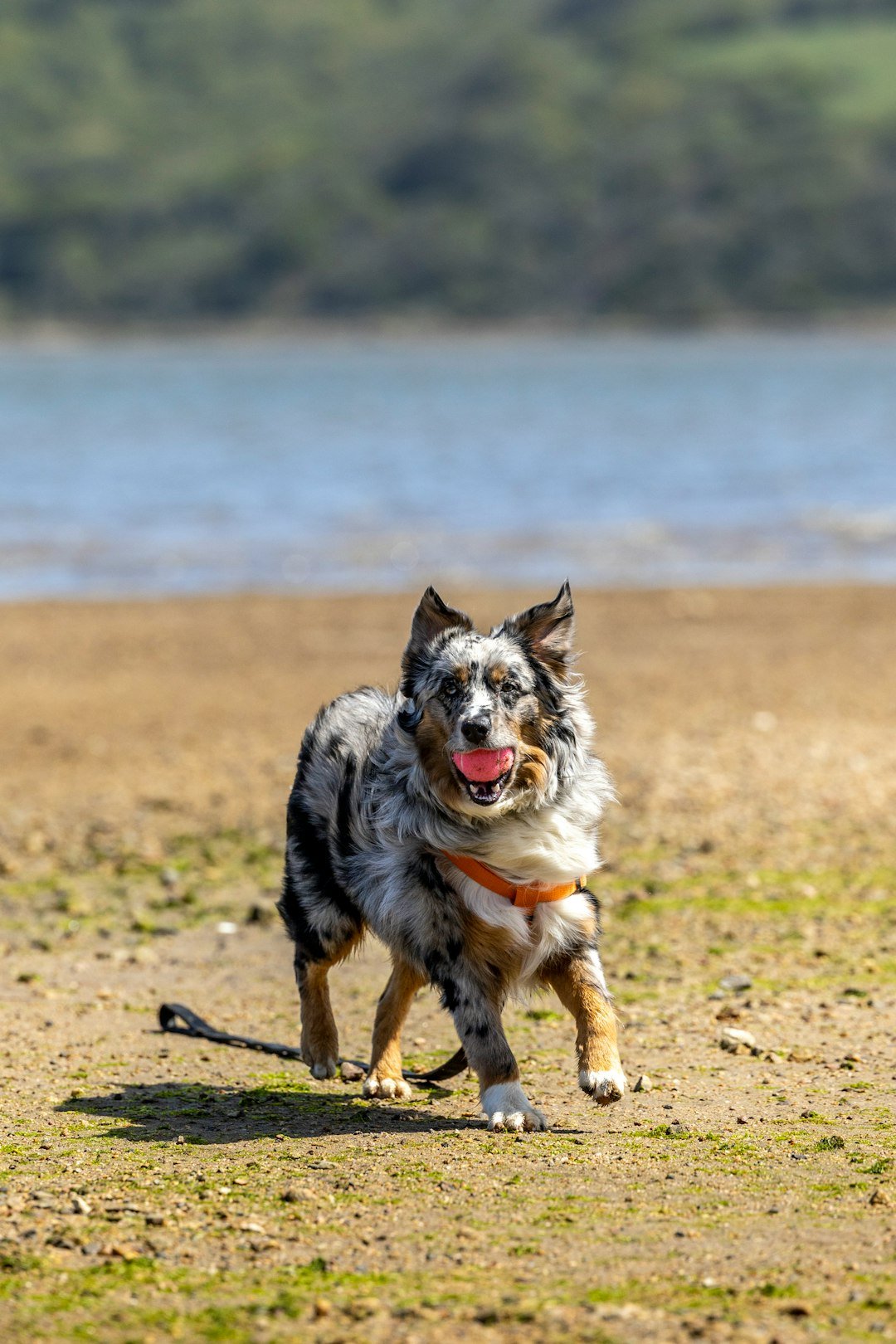
Small breed dogs often reach senior status around 10 years old, requiring adjusted care to support their energy and well-being as they age.
Avoid Overlooking Routine Vet Visits
Senior small dogs face heightened risks for issues like arthritis and dental problems, making frequent veterinary attention crucial. Veterinarians recommend checkups every six months to catch changes early, such as joint stiffness or weight fluctuations.[1][2]
These visits allow professionals to tailor plans, including bloodwork and advice on supplements for joint health. Owners notice improvements in mobility after addressing concerns promptly. Regular monitoring also tracks appetite and behavior shifts that signal underlying conditions.
Tailor Exercise to Low-Impact Routines
Gentle activities prevent stiffness while building strength in aging bodies. Short walks on grass or dirt, lasting 10 to 15 minutes multiple times daily, suit small seniors better than long outings.[3][4]
Swimming offers joint-friendly cardio, and indoor options like treat puzzles or gentle fetch keep muscles engaged without strain. At-home exercises, such as power posing through sit-stand transitions or rear-leg strengthening on low platforms, enhance balance and tone.[5]
- Divide walks into brief sessions to match energy levels.
- Incorporate swimming in safe, warm water with supervision.
- Use puzzle toys for mental and light physical play.
- Try lateral walking in hallways to support hip mobility.
Always consult a vet before starting, and stop if limping or panting occurs.
Adjust Diet for Optimal Nutrition
Senior formulas with omega-3s and antioxidants support joints, immunity, and digestion in small breeds prone to weight gain. Precise portion control prevents obesity, which stresses tiny frames.[1]
Maintaining ideal weight through measured meals and low-calorie treats aids mobility. Fresh water access remains vital, as hydration eases digestion and temperature regulation. Veterinary guidance ensures the diet matches reduced calorie needs and muscle preservation.
Modify the Home for Safety and Comfort
Slippery floors pose slip risks for small seniors with weakening grip, so rugs or mats provide stability. Orthopedic beds cushion joints, and raised bowls ease neck strain during meals.[4][2]
Ramps or steps assist with furniture access, reducing jump-related injuries. For tiny dogs, owners often lift them for stairs initially. Temperature sensitivity calls for coats in cold and shade in heat to avoid extremes.
| Adaptation | Benefit |
|---|---|
| Non-slip rugs | Prevents falls |
| Ramps for furniture | Supports weak joints |
| Orthopedic bedding | Reduces pain |
Stimulate Mind and Monitor Changes
Mental games like scent work or new tricks combat cognitive decline, keeping small seniors sharp. Daily interaction fosters bonding and prevents boredom-induced behaviors.[2]
Dental brushing and grooming maintain comfort, as plaque buildup affects eating. Watch for subtle signs like reluctance to play or altered sleep, prompting vet reviews.
Key Takeaways
- Schedule vet visits twice yearly for proactive care.
- Opt for 30-60 minutes of gentle daily exercise.
- Use senior diets to manage weight and nutrients.
These strategies extend joyful years for tiny companions, emphasizing prevention over cure. What changes have you noticed in your senior dog’s routine? Share in the comments.


