
You know that feeling when you stand up from the couch and your dog leaps to attention as though you’ve just announced a grand adventure? Or maybe you can’t even use the bathroom without a furry chaperone stationed just outside the door. Some days it’s adorable. Other days you’re convinced your dog has somehow glued themselves to your ankle.
Here’s the thing. When dogs interact with someone they like, the hormone oxytocin is released, often referred to as the ‘love hormone’ that makes you feel that warm glow when you’re around someone you like. That constant companionship? It’s usually a sign of deep affection and trust. Still, there are moments when even the most devoted pup needs some breathing room. Let’s dive in and explore both sides of this heartwarming, sometimes exhausting, dynamic.
They’re Hardwired to Stick Together
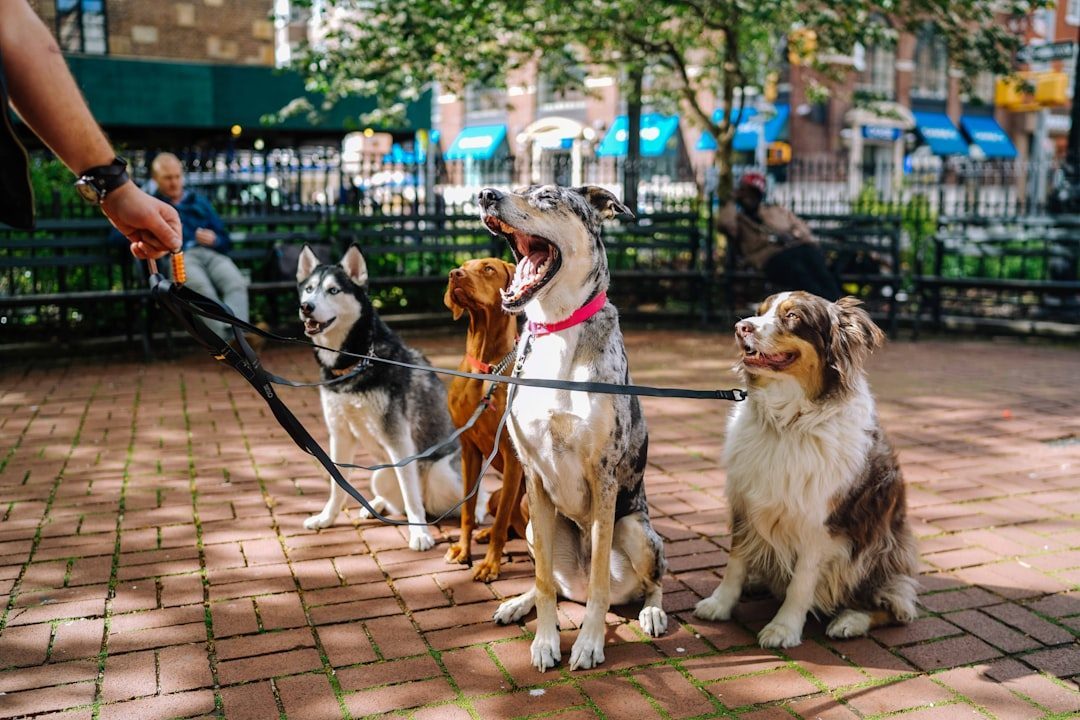
Dogs are pack animals through and through. In the wild, they would rarely be alone, as the pack would provide a sense of safety and belonging. When your dog trails you from room to room, they’re not being nosy or clingy for no reason. They’re simply following their ancestral blueprint.
At home, you are their pack. You’re the one who provides food, safety, play, and warmth. It’s not uncommon for certain breeds to over-attach to their owners, including dogs in the Working Group or Herding Group that are bred to work side-by-side with humans, and it’s a trait that’s prized and bred into their genetic history. Think Border Collies, Labradors, and German Shepherds.
You’ve Accidentally Encouraged It
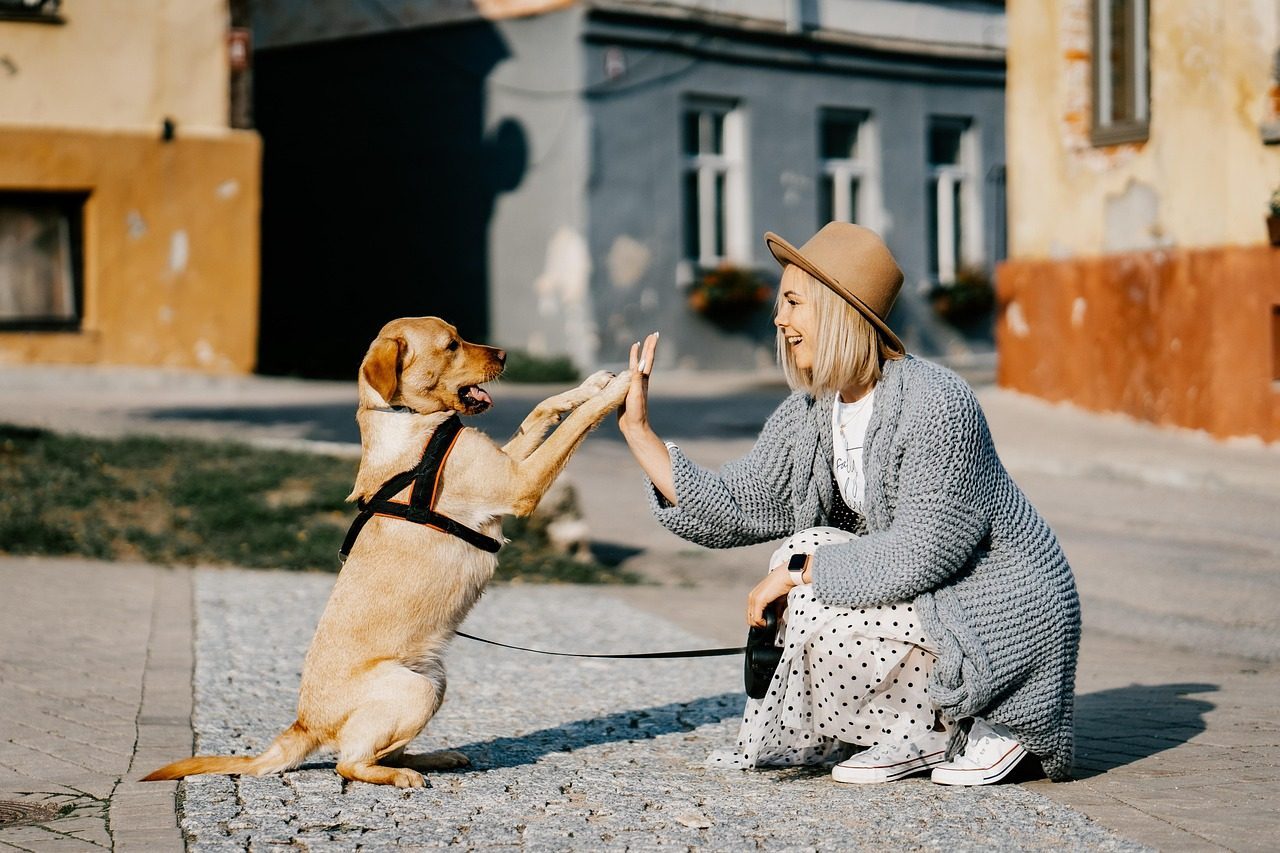
Let’s be honest. When your dog follows you to the kitchen and you slip them a little piece of cheese, you’re basically handing out an invitation to shadow you forever. If every time you are with your dog, he gets affection or treats, he’s likely to follow you around more often.
Even simple gestures like eye contact, a smile, or an absentminded pat can reinforce following behavior. Over time, your dog learns that sticking close pays off. It’s not manipulation, honestly. It’s just smart canine logic.
Boredom Is a Real Motivator
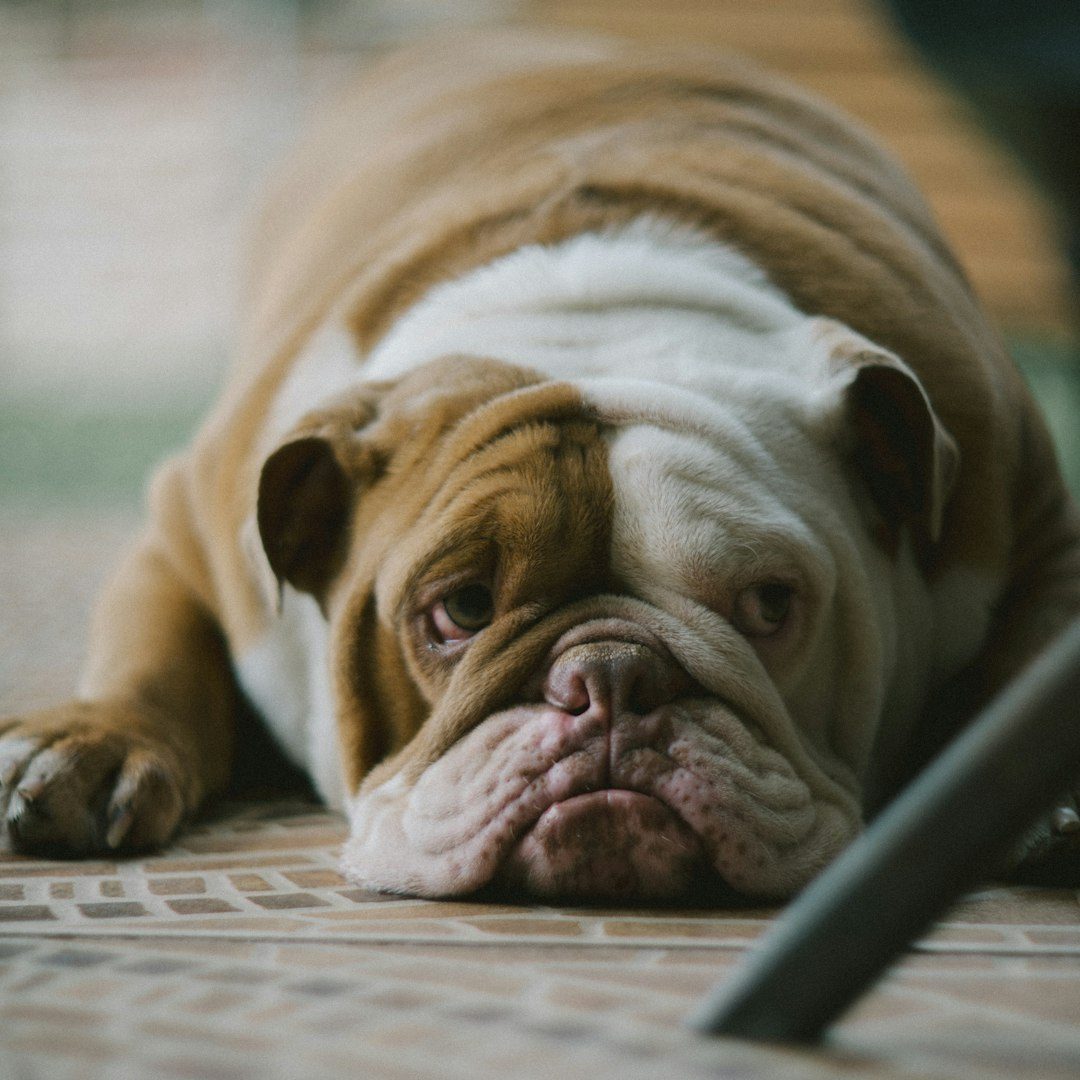
In other cases, some dogs just get bored, so they figure that if you’re doing something, why not tag along? If your dog hasn’t had enough physical or mental stimulation, trailing you becomes the most exciting thing available.
A dog with too much energy is more likely to be bored and restless – and to follow you. A tired dog, on the other hand, is usually content to curl up in their own space and snooze peacefully. Regular walks, playtime, and puzzle toys can make a noticeable difference.
They’re Expecting Something Great
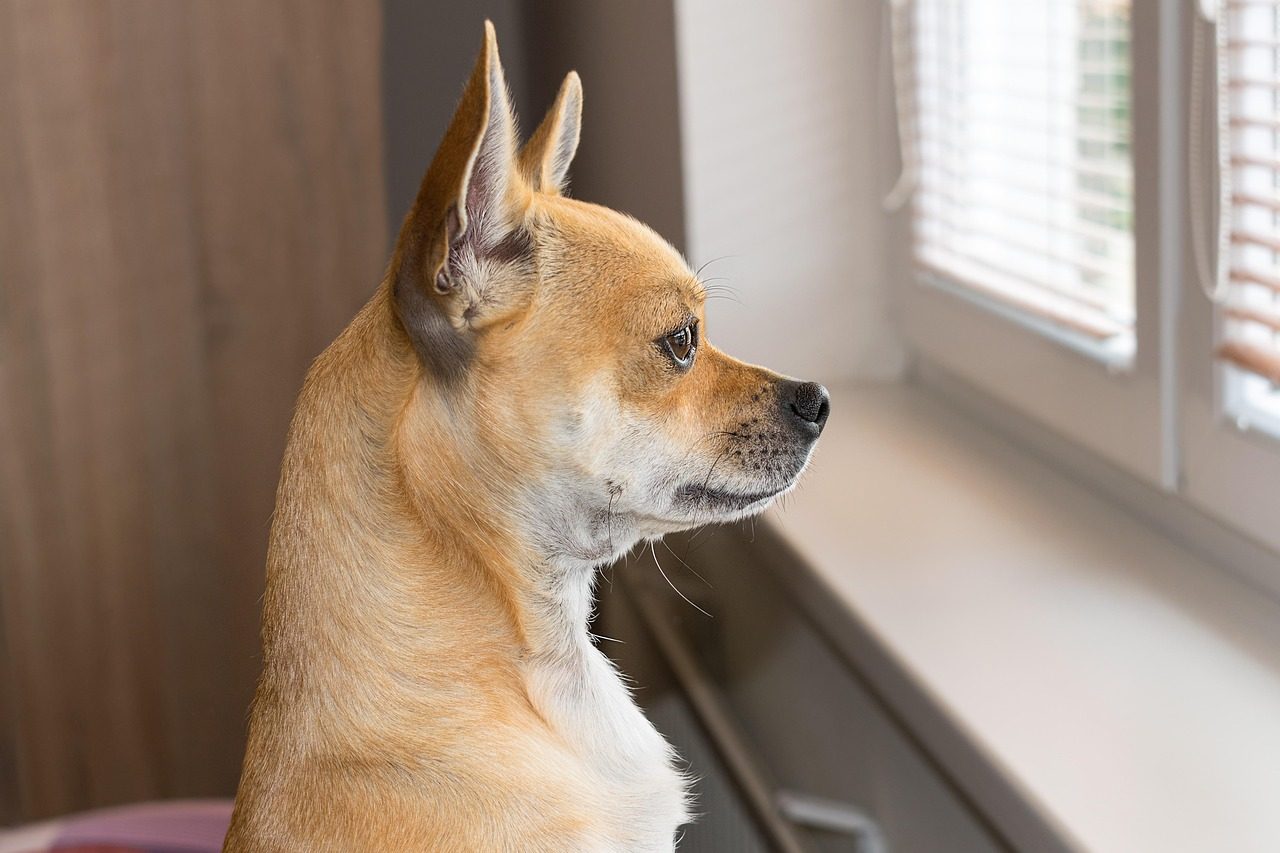
Dogs are brilliant at picking up patterns. Lots of pets learn to clue in on daily routines, like the fact that they are fed or walked at certain times, and what better way to make sure you don’t forget than to be right there and waiting?
Your dog might follow you to the front door because they’ve learned that’s where walks begin. Or they might shadow you into the kitchen at dinnertime because that’s where their food bowl lives. They’re not being clingy. They’re being strategic.
Anxiety Can Play a Part
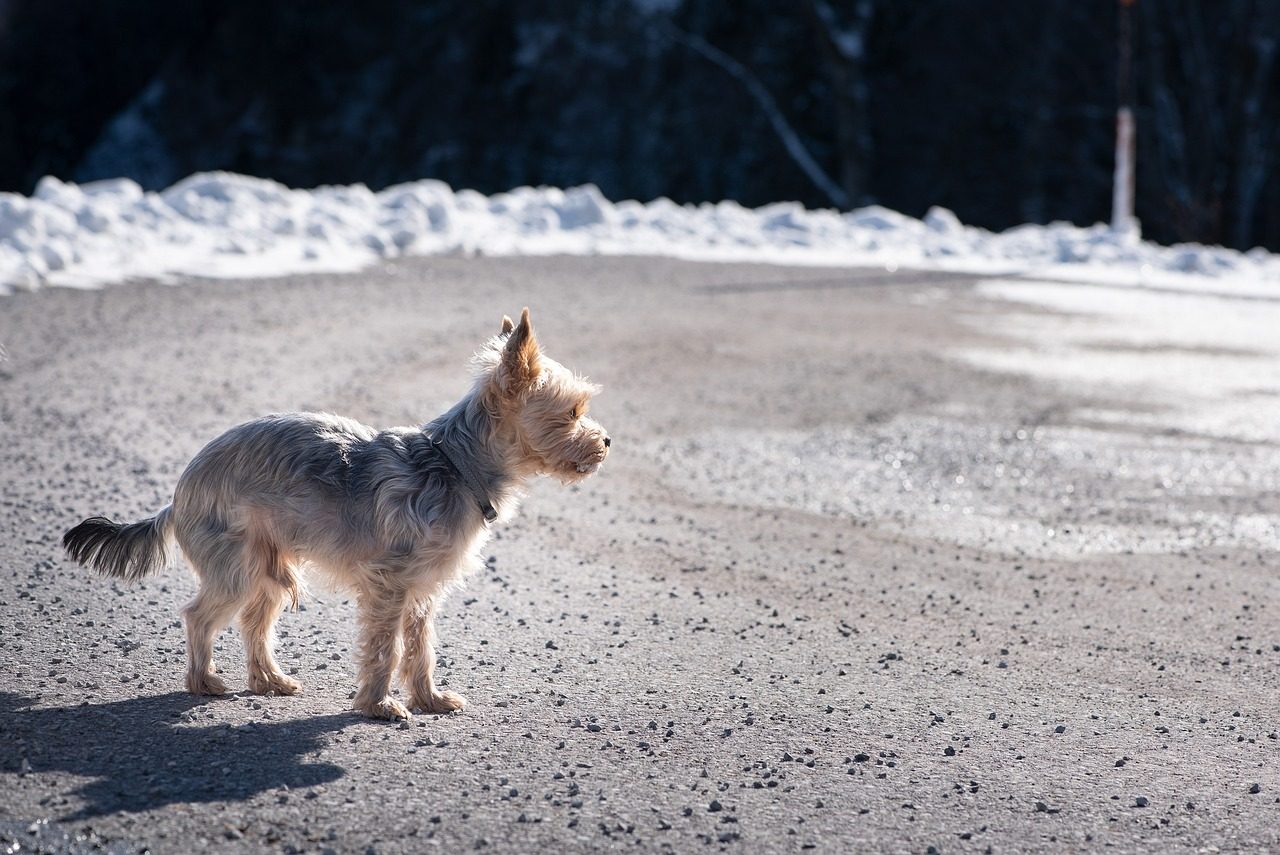
Sometimes the following behavior goes beyond simple affection. Anxiety and the need to feel supported by their owner is a major reason dogs follow their humans, and your dog may be staying close to you as a coping mechanism to ease their nerves.
Velcro dogs may be more inclined to develop separation anxiety, but it doesn’t automatically mean they will, though you might wish to address the behavior before it reaches the point where your dog can’t function without you in the picture. There’s a difference between a dog who enjoys being with you and one who panics when you’re not around.
Health Issues Might Be the Culprit
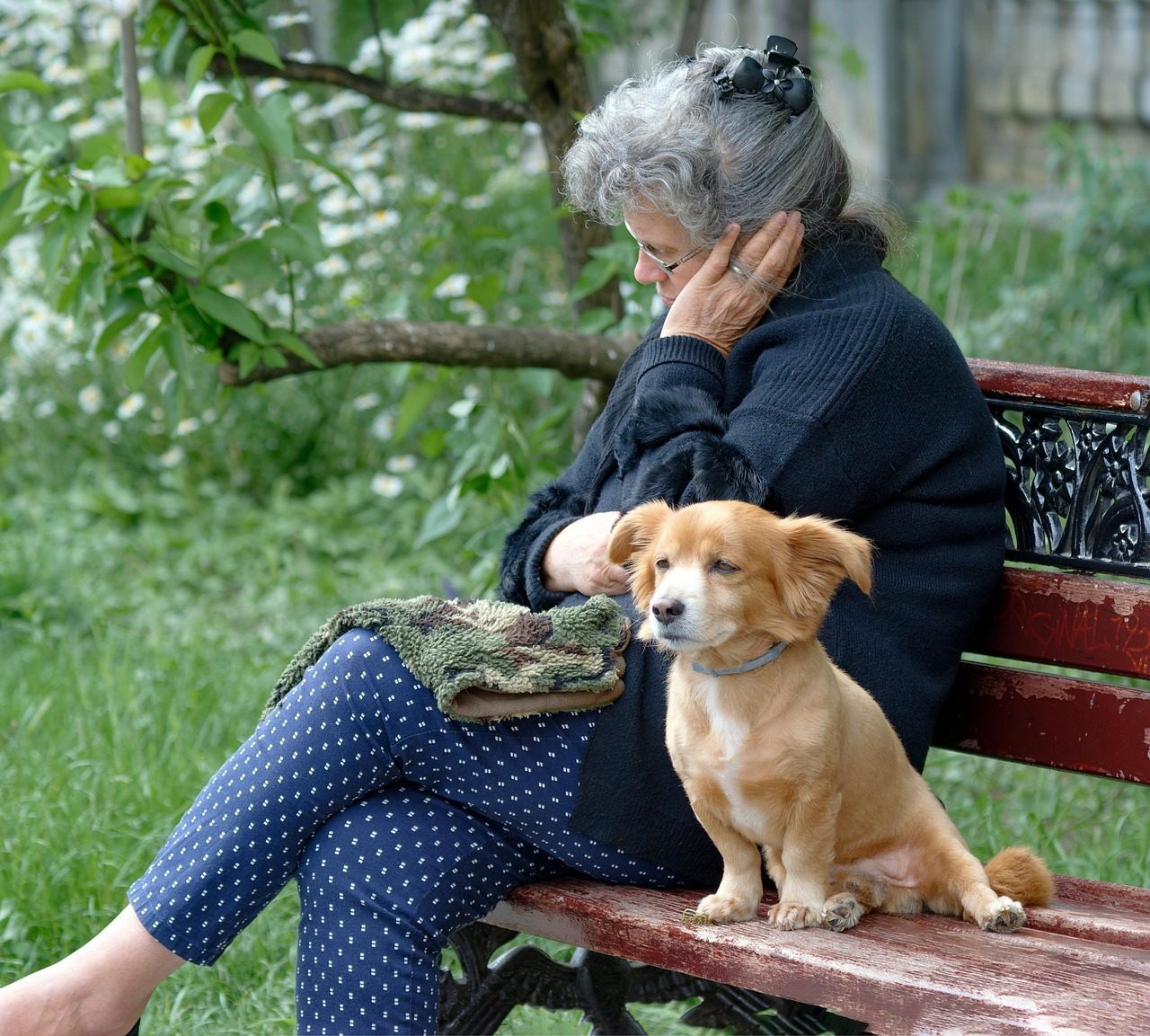
An older dog may be losing their sight or hearing, and as a result, they may become more fearful of the environment and dependent on having you near. Suddenly clingy behavior in a dog who’s normally independent deserves attention.
A dog that suddenly becomes very clingy may be suffering from a physical ailment and keeping you in reach for comfort, so a checkup by the veterinarian is a good idea if this happens. Pain, discomfort, or cognitive decline can all trigger this change.
Pure Love and Loyalty
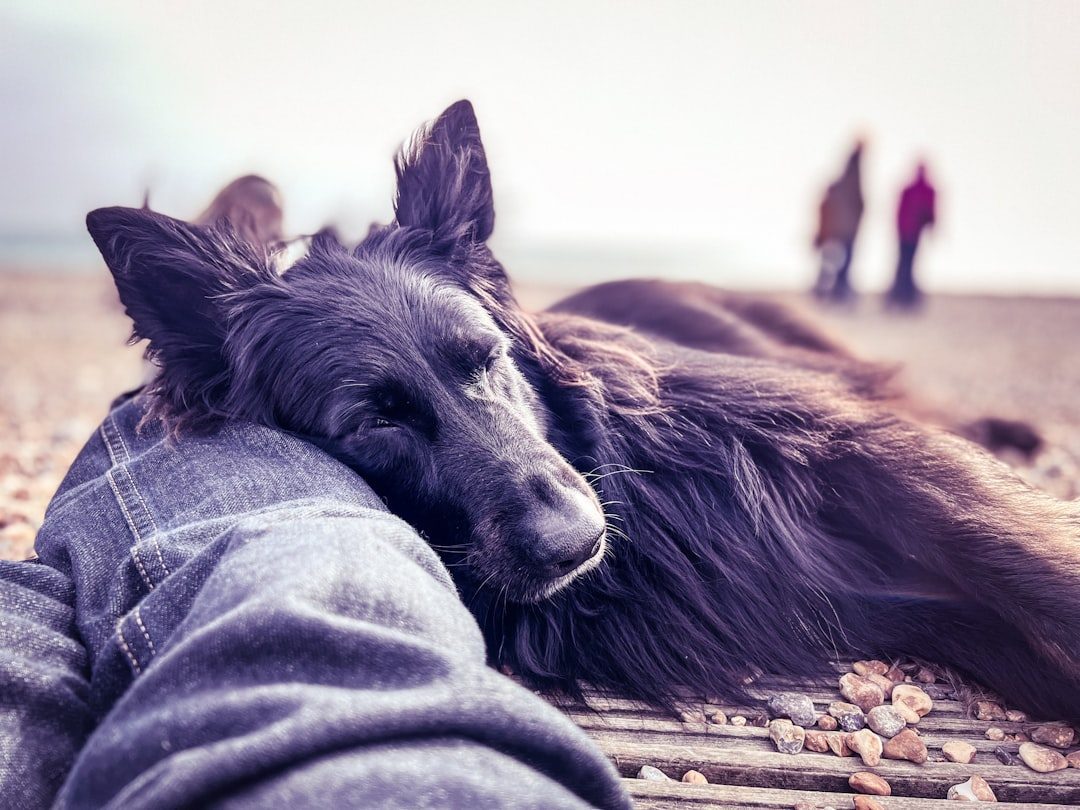
Dogs form strong attachments to their humans; you provide food, care, play, and companionship, and in their eyes, you are the centre of their world. Following you is simply an expression of affection and loyalty.
This is the simplest, sweetest explanation of all. Your dog adores you. They want to be near you because you make them feel happy, safe, and loved. Really, it’s one of the purest forms of devotion you’ll ever experience.
When They’re Overstimulated
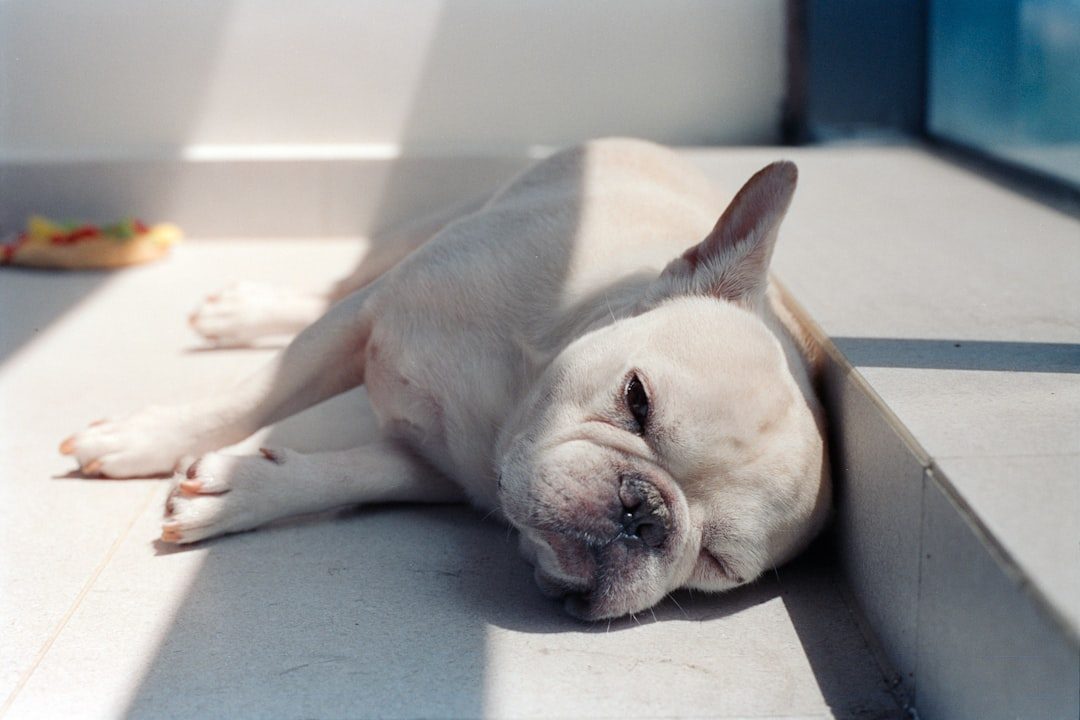
Constant exposure to a noisy environment or continuous stimulation and exercise can leave them feeling drained, just like it would for a human. Dogs need downtime to process their experiences and decompress.
Dogs might exhibit peculiar behavior like pacing restlessly or appearing lethargic or excessively licking themselves, and giving them some time alone can often help them relax and return to normal behavior. Think of it as your dog’s version of retreating to a quiet room after a busy day.
They’re Feeling Under the Weather
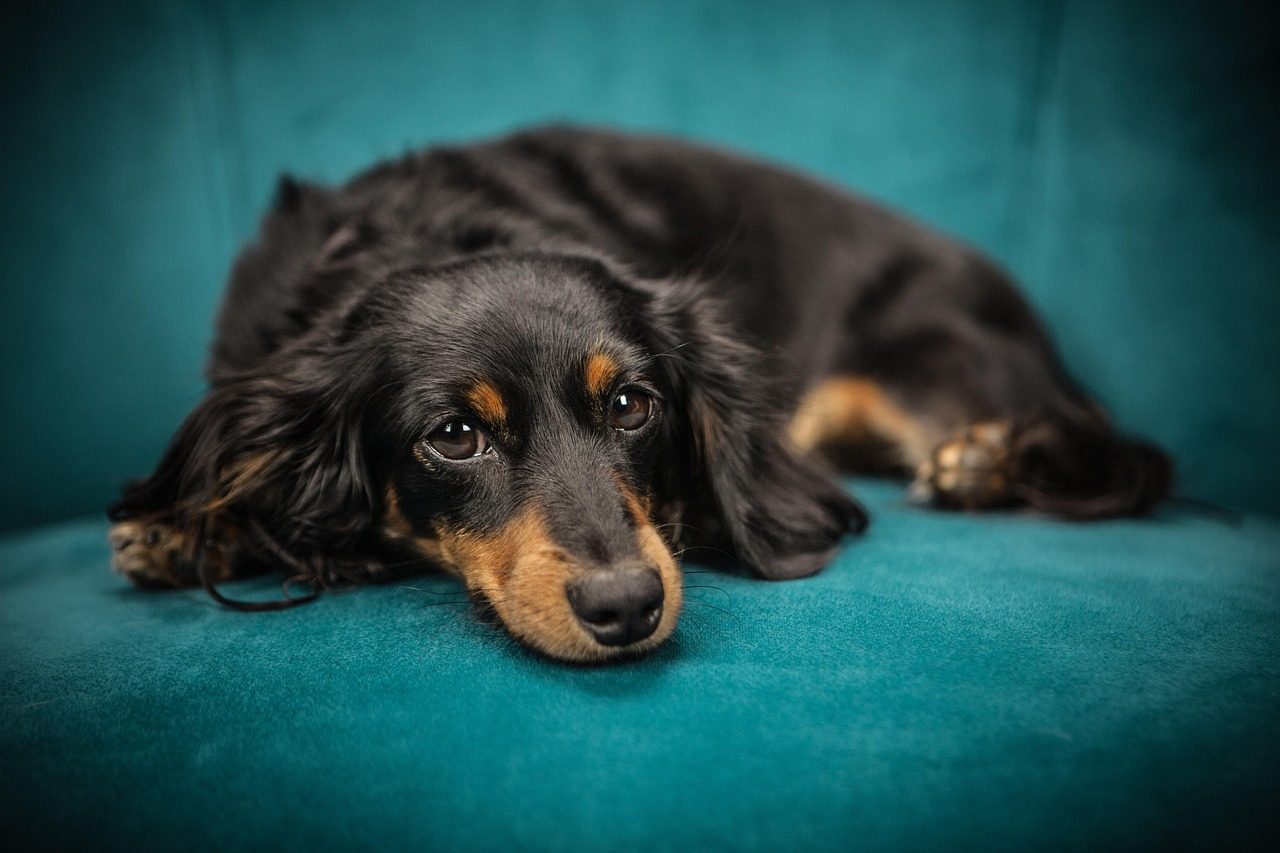
If your dog is unwell, not eating, or appears distressed, during the recovery period, dogs often need ample rest, so avoid disturbing them and allow them to recuperate in peace.
Illness makes dogs vulnerable, and they instinctively seek safe, quiet spaces to heal. Respecting that need is one of the kindest things you can do. Once they’re healthy, a happy and lively dog will seek your company again.
After a Long Walk or Play Session
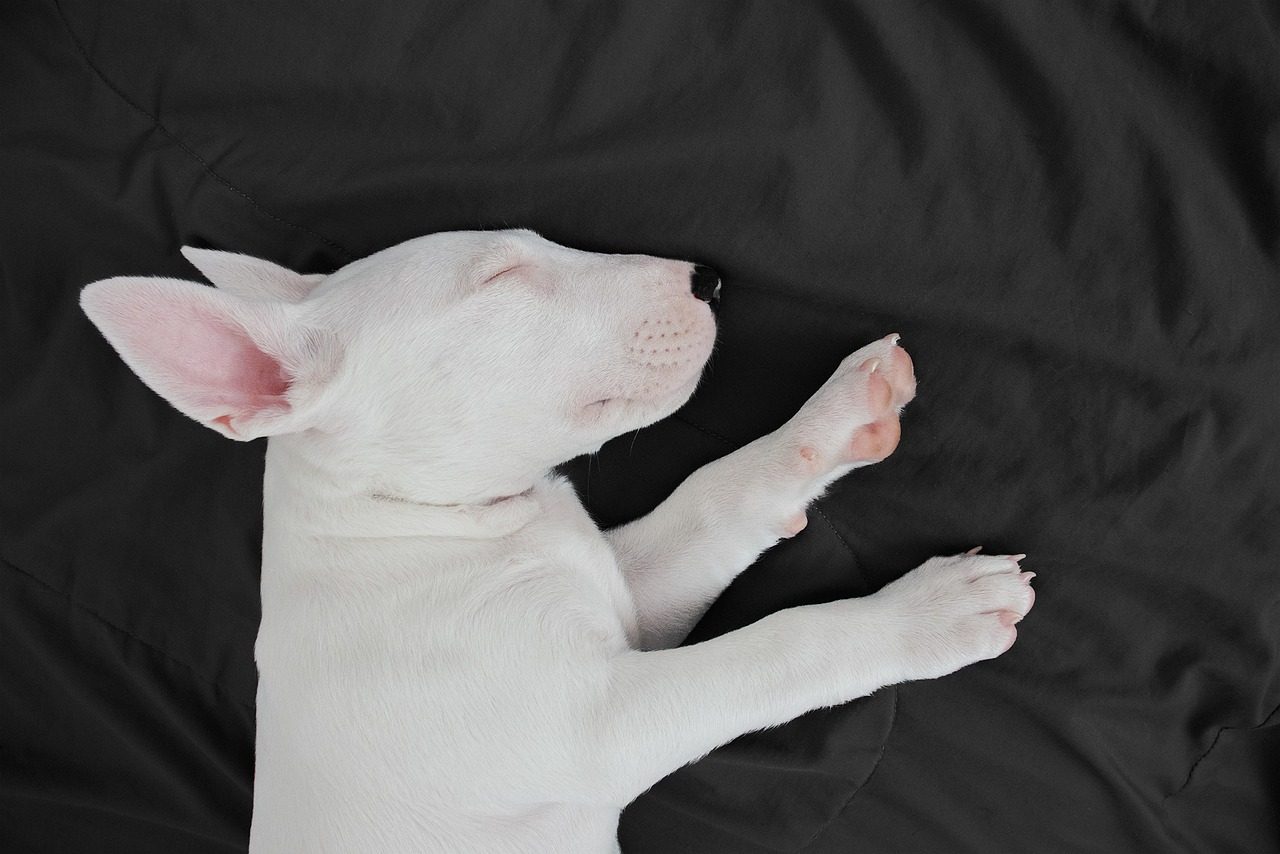
Just like humans, dogs require adequate sleep to maintain their physical and mental well-being, and a lack of proper rest can lead to a variety of health issues, including a weakened immune system, weight gain, and even cognitive decline.
After burning off energy outside, your dog needs time to rest and recover. By establishing a consistent routine that includes designated periods for rest and relaxation, you are supporting your dog’s natural sleep cycle and ensuring they get the sleep they need. Let them snooze undisturbed in their favorite spot.
When They’re Learning Independence
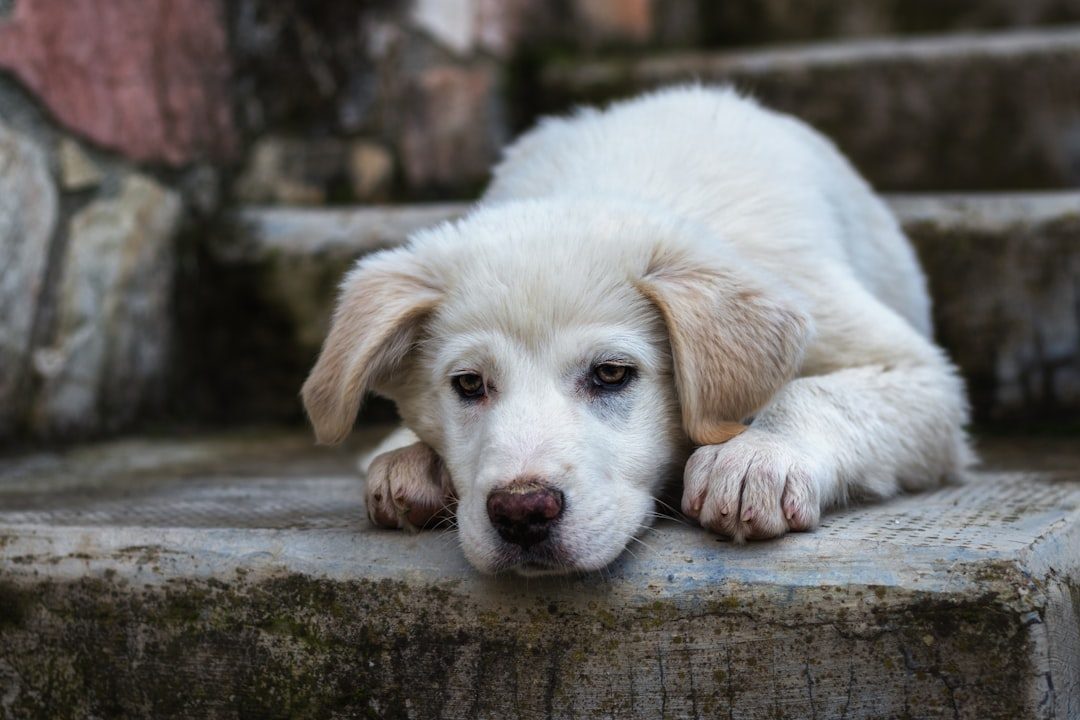
While dogs are social creatures that thrive on human companionship, it’s equally important for them to learn how to be comfortable and confident when alone, and encouraging independent play and self-entertainment during alone time helps prevent over-reliance on human attention and can reduce separation anxiety.
For young puppies, practicing alone time, even when you are home, helps your new puppy learn the skills needed to successfully be left home alone without any stress – and stress can lead to unwanted behaviors. Teaching alone time is a foundational life skill.
During Stressful Events
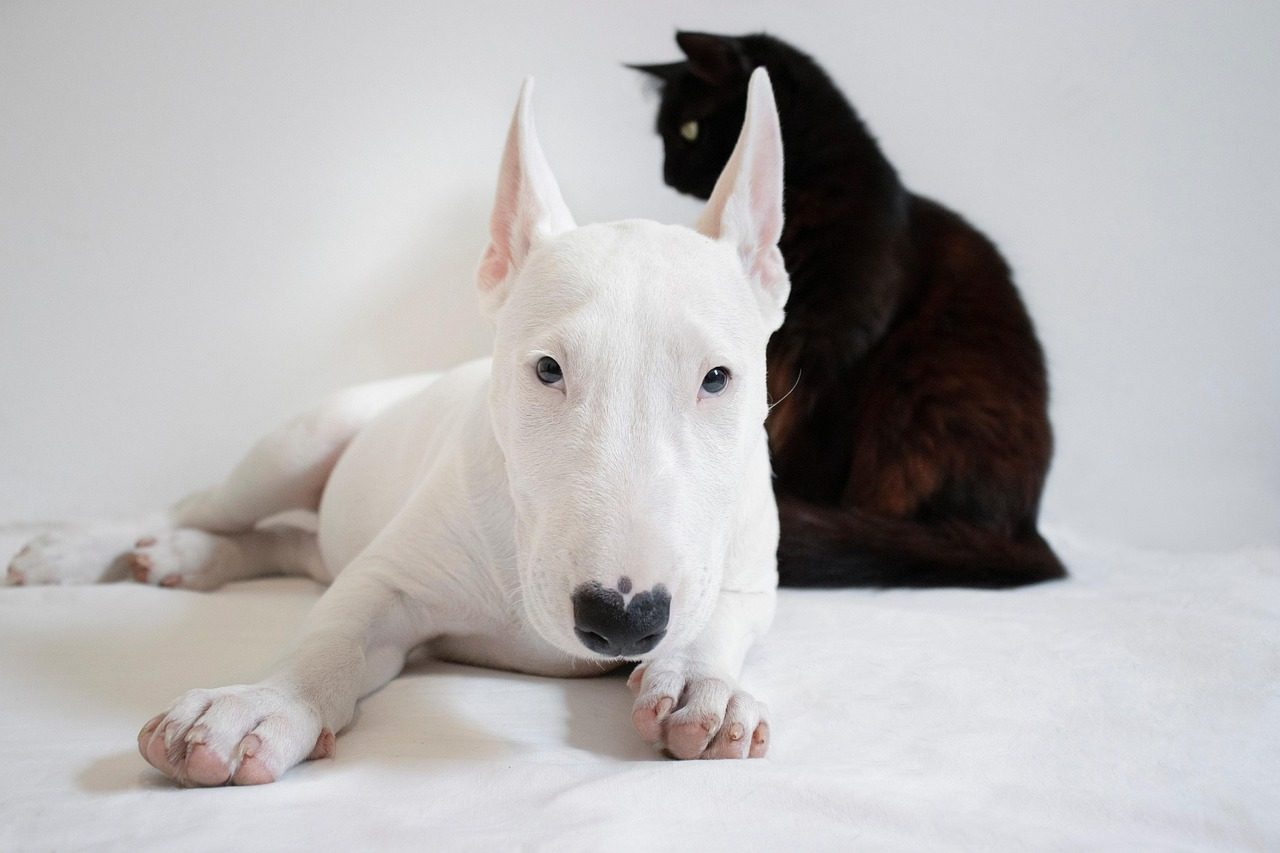
Dogs can experience stress, and if your home is hectic or if your dog has been through a period of high stress, they may need quiet time. Providing a calm and comfortable space with a warm bed, chew toys, and some white noise can help alleviate anxiety.
Thunderstorms, fireworks, construction noise, or even a house full of guests can overwhelm dogs. Sometimes the kindest response is to give them a safe retreat where they can ride out the chaos without anyone hovering over them.
When They’re Self-Soothing
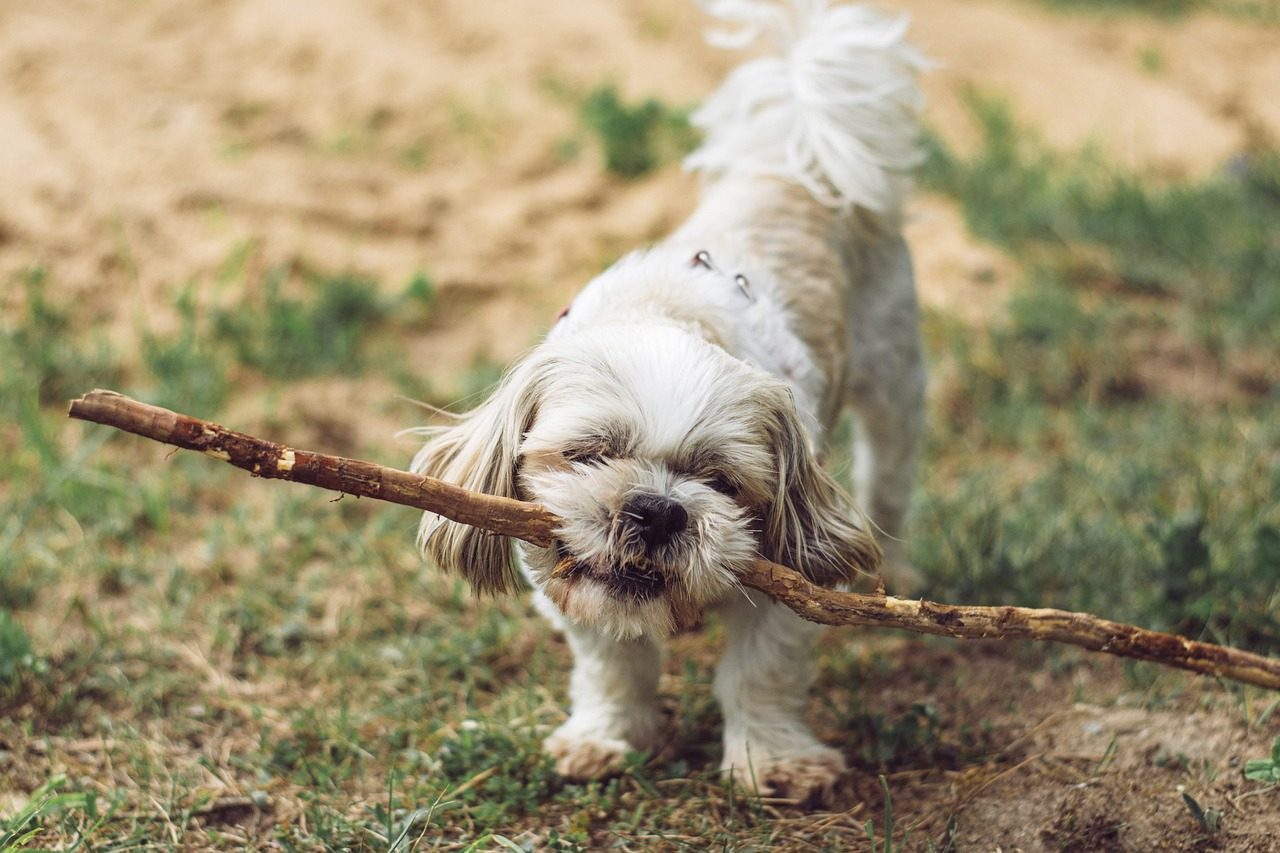
Incorporating alone time into your dog’s routine helps them develop essential life skills, such as self-soothing and self-regulation. Dogs who learn to entertain themselves become more emotionally resilient and less dependent on constant human presence.
When your dog happily plays with a ball or a toy on its own, it’s a positive sign, and dogs, like humans, benefit from moments of self-amusement. Sometimes, excessive attention can leave them feeling drained, so allowing them some time alone for play is beneficial.
Building Healthy Routines
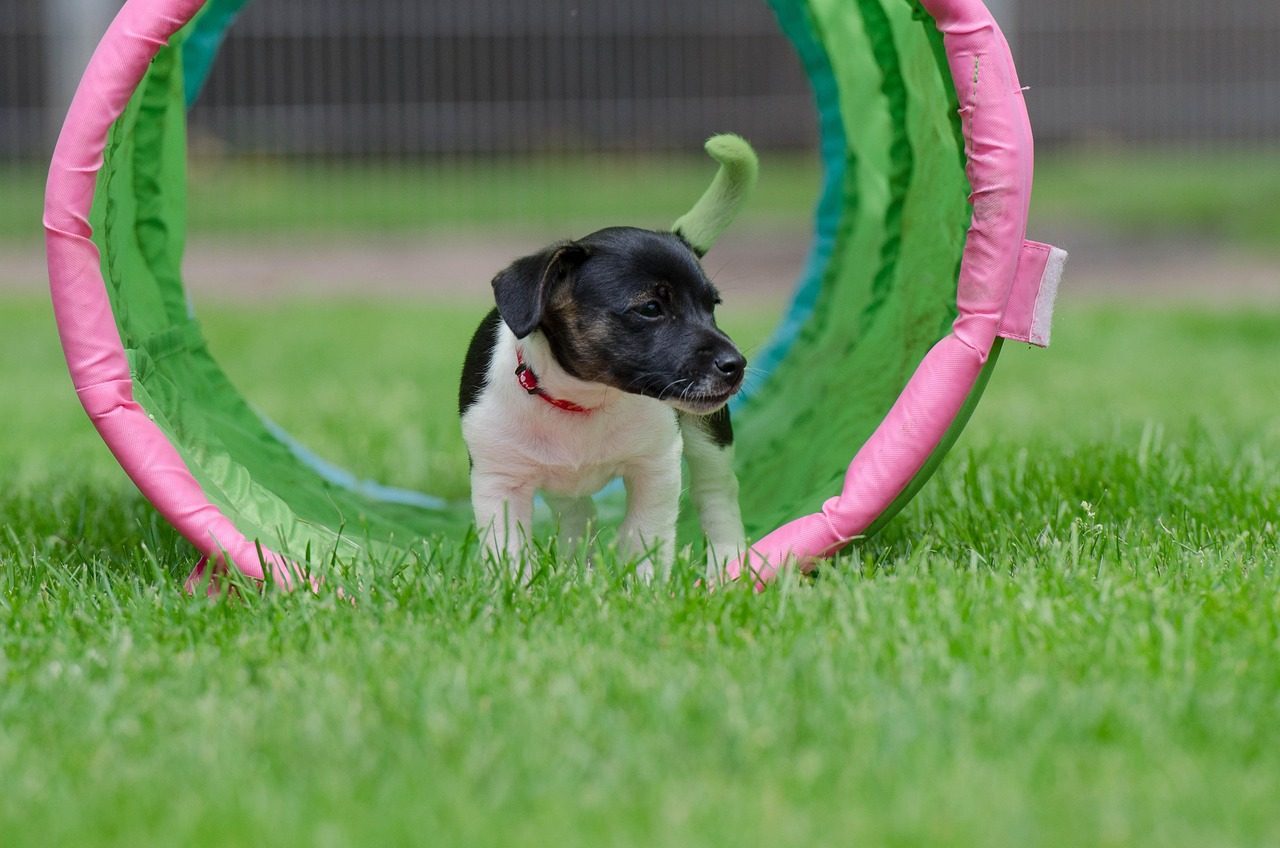
For a general guideline, dogs should get a minimum of two hours of dedicated social time with humans or other dogs on a daily basis, which can be broken up into chunks of time over the course of the day. Constant companionship isn’t necessary, but a life spent in isolation isn’t a fulfilling one for dogs.
There is a loose consensus that about four hours alone is a comfortable range for an adult dog, and puppies should be left only for shorter periods and not longer than they can hold their bladder. Balancing together time and alone time creates a well-adjusted, confident companion.
Conclusion
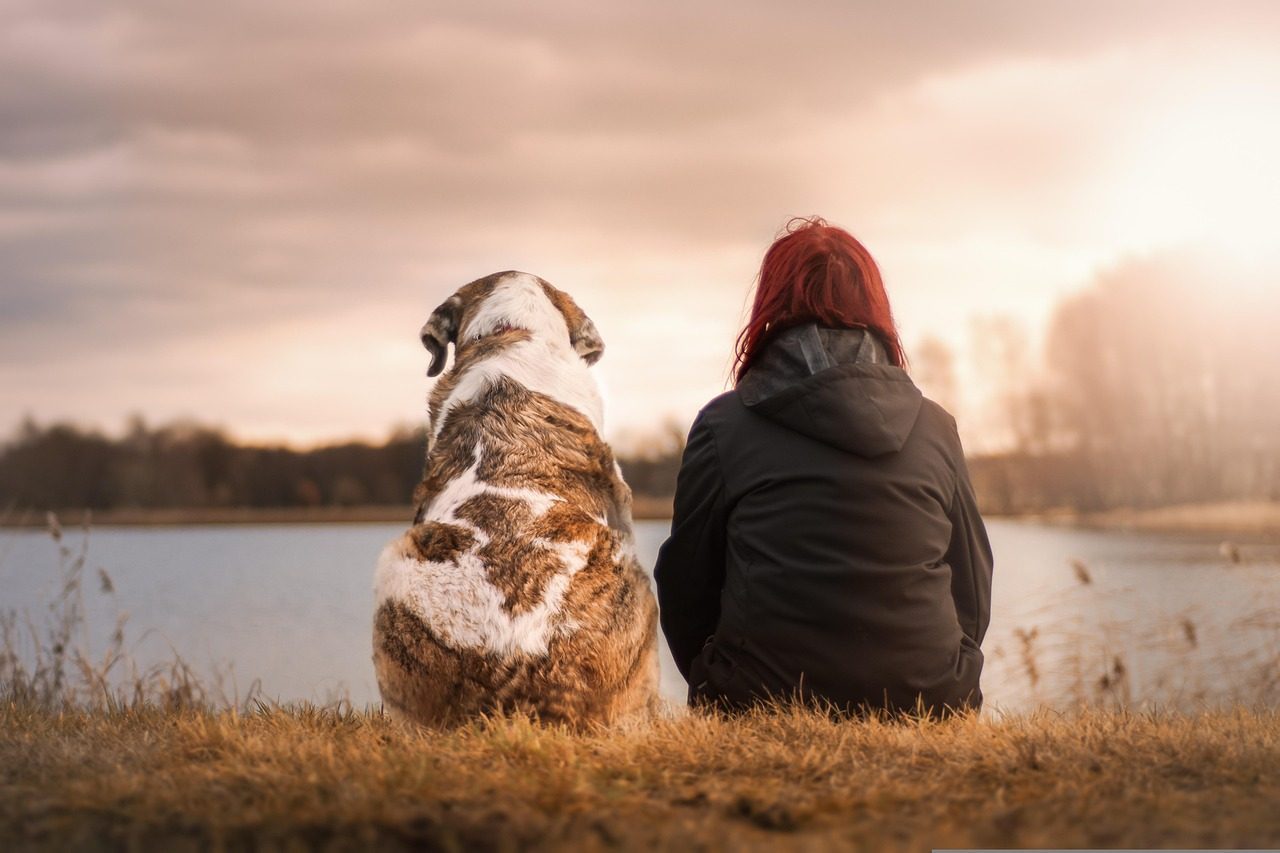
Your dog’s following behavior is usually rooted in love, loyalty, and natural instinct. It’s a compliment, really. They trust you completely and want to be part of your world. Yet there are times when stepping back and giving them space is just as important as being together. Dogs need rest, recovery, and the chance to develop independence.
Learning to read your dog’s cues makes all the difference. Notice when they’re energized and eager versus when they’re retreating to their bed or showing signs of stress. A balanced relationship respects both connection and solitude. What does your dog tell you when they need a break? Share your experiences in the comments below.


