
#1: The Stress Yawn That Has Nothing to Do with Sleepiness
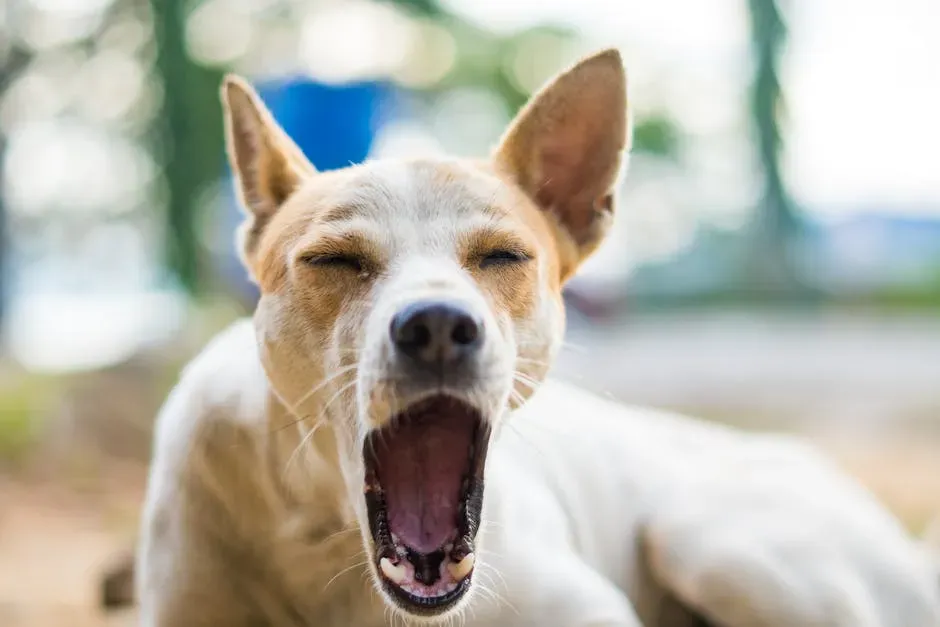
When your dog yawns while you’re hugging them, picking them up, or leaning in close for a kiss, it’s tempting to read it as contentment. They’re relaxed, right? Actually, this is often one of the earliest and most overlooked signals in the pre-bite sequence. Yawning and lip licking are often signs of stress, not just tiredness – your dog may be trying to calm themselves.
Yawning can show tiredness, but is usually a way to relieve tension, and it is often a first signal that a dog is uncomfortable. Think of it as your dog hitting an internal reset button, one last attempt to self-soothe before the discomfort becomes unbearable. A dog who yawns repeatedly during a busy family gathering may feel overwhelmed, not sleepy. If the yawning happens during physical interaction and not after a nap, pay close attention to what else your dog’s body is doing.
#2: Whale Eye – When You See the Whites of Their Eyes
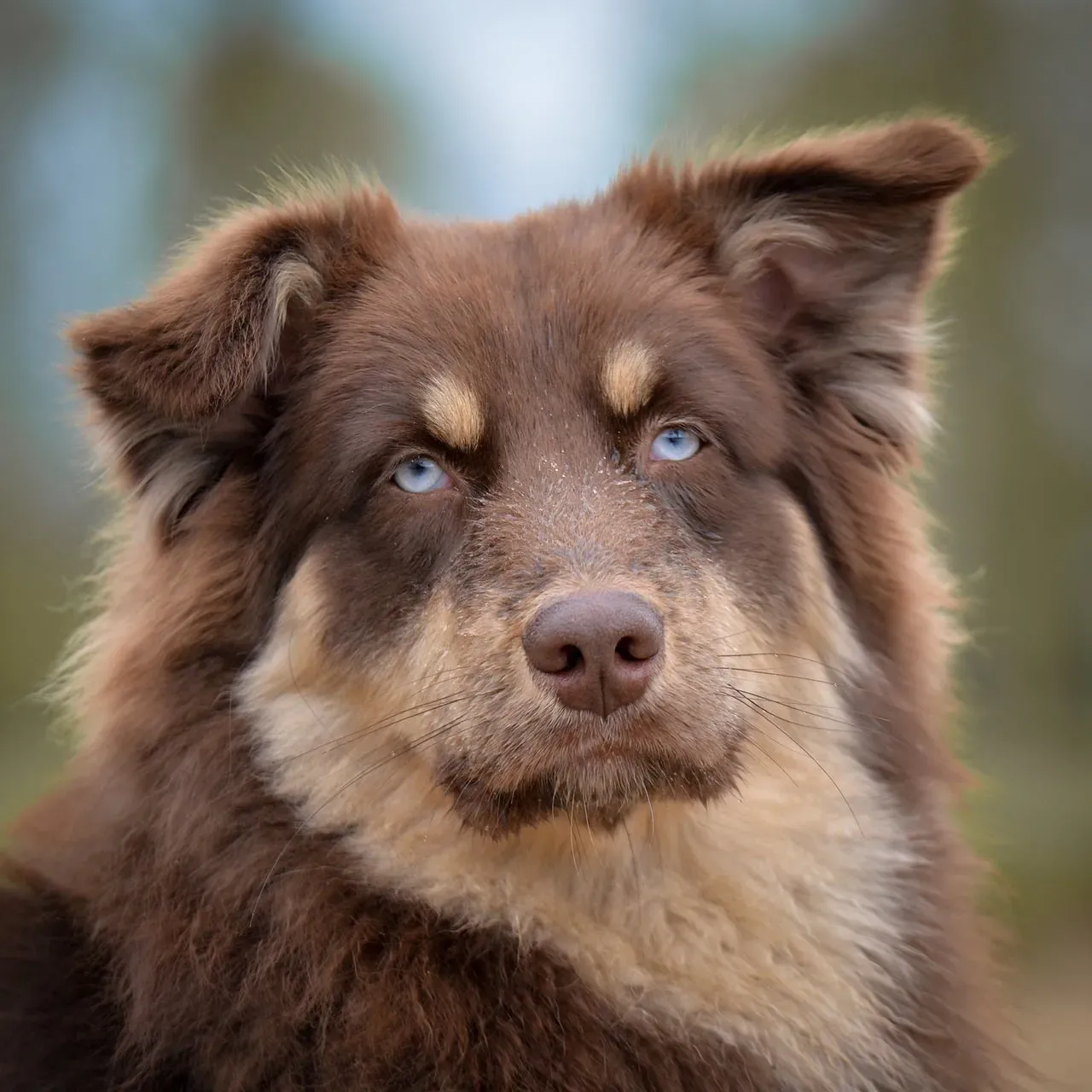
Whale eye, where you can see the whites of the eyes, signals tension or discomfort – often during guarding or when cornered. It looks a little like the way a person might glance sideways without turning their head. The dog is watching something they’re uncomfortable with, but they’re trying not to engage directly with it.
Turning the head away shows that a dog is looking to end a social interaction. They may also look away with their eyes, and the whites will be visible – this is a clear sign they are uncomfortable, as they are trying not to engage. This signal is especially common during hugs, when children press their faces close, or when someone moves into the dog’s personal space uninvited. Many dogs show whale eye during hugs – not because they dislike you, but because they feel restrained. It’s not rejection; it’s a polite, urgent request for space.
#3: A Body That Goes Suddenly, Completely Still

If a dog stiffens its body posture and becomes still, it may sense a threat or feel uncomfortable – and this behavior may be the prelude to a sudden lunge or bite. This freeze is easy to dismiss. To the untrained eye, a motionless dog might look like a dog that’s simply paying attention. In reality, that stillness is the moment before the storm.
A tense or stiff dog exhibits a more rigid, confined posture. The muscles might appear contracted, the neck is often extended forward, and the tail sticks straight out and upward. This signals that the dog feels threatened and is on high alert. The freeze matters because it often marks the point where communication shifts from polite to urgent. A sudden freeze in movement – abruptly stopping whatever they’re doing – is one of the final warning signs a dog will bite. At that point, do not engage further and back away slowly.
#4: Lip Licking and Nose Licking as Nervous Habits
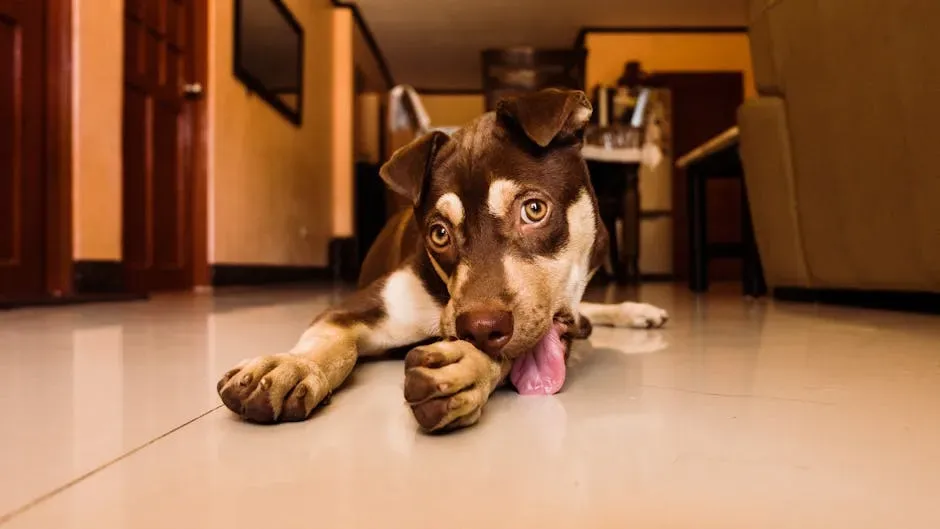
Nose licking is a self-comforting behavior. Dogs may also lick the nose or face of an animal or person they wish to leave them alone, to show they are not a threat – essentially a “give me space” lick. When a family member reaches for a dog and the dog immediately licks their lips or nose, it’s rarely affection. It’s closer to the equivalent of someone holding up their hands and saying, calmly, “please don’t.”
Kissing and hugging are not natural for dogs; they use licking to communicate mostly feelings of worry or anxiety, and in a very general sense, it is a way of saying “I mean no harm.” Licking is a peace-keeping gesture, also termed an appeasement gesture or calming signal, used to avoid conflict or de-escalate a potentially confrontational encounter. This is a signal most people find endearing, which is precisely why it’s so often missed as a warning. Your dog isn’t asking for more attention. They’re asking for less.
#5: The Hard Stare – Direct, Unblinking, and Locked In
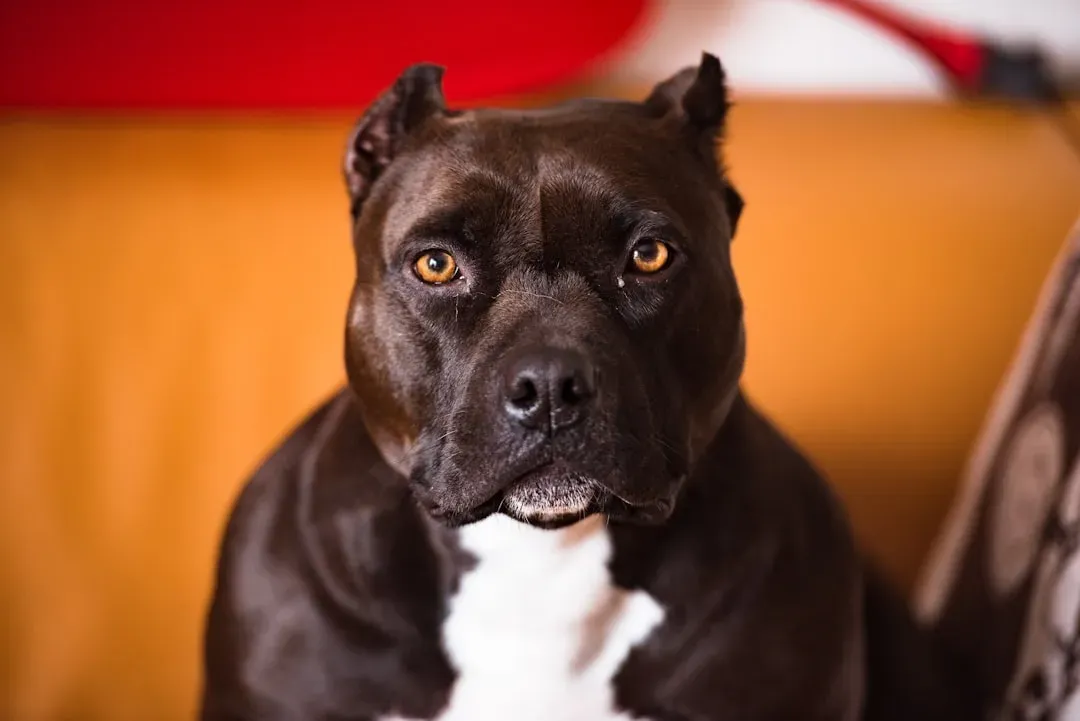
Staring is a hostile behavior in the dog world. A dog that is staring intently without breaking eye contact – especially when holding a rigid or forward-leaning stance – may be signaling hostile intent. This one can feel confusing because eye contact between humans is often associated with warmth and connection. For dogs, a hard, fixed stare means something entirely different.
The eyes showing a hard stare – sometimes described as “lifeless” eyes – is among the more serious of the subtle warning signals. When this stare is combined with a stiff body or the whale eye, the escalation risk climbs sharply. To avoid provoking a tense dog further, don’t make direct eye contact, face them squarely, or reach for them suddenly. Breaking your own eye contact and angling your body slightly sideways is often the fastest way to lower the tension in the room.
#6: Raised Hackles – The Involuntary Signal They Can’t Control
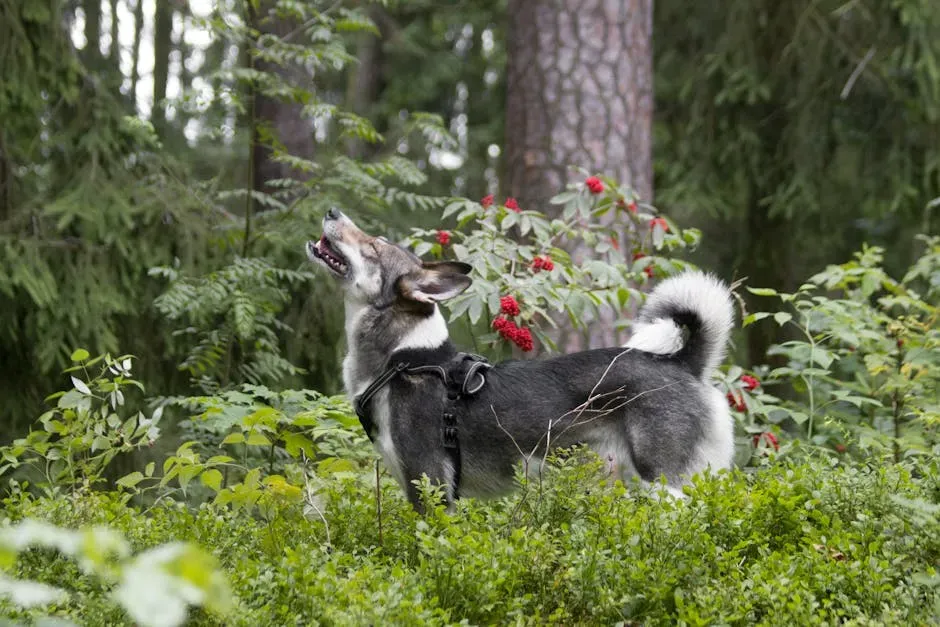
The hair along a dog’s back, known as hackles, may stand up when the dog is aroused, frightened, or angry. This physical reaction is an involuntary response to stress and serves to make the dog appear larger and more intimidating. What makes raised hackles a particularly important signal is that the dog isn’t consciously doing it. It’s automatic, like goosebumps on a person, which means there’s no hiding how they’re actually feeling.
Hair over the shoulders and rump may rise to create the sudden illusion of increased height, and raised hackles, with or without barking, indicate that a dog is highly emotionally aroused – not necessarily dominant or aggressive. So hackles alone don’t guarantee a bite, but they do tell you something real is happening inside your dog. Dogs sometimes shed more than normal when they are scared or stressed, and they will also raise their hackles – the fur along their spine – when they are afraid, angry, insecure, nervous, or very excited. Pair this signal with any of the others on this list, and it’s time to give your dog room to breathe.
#7: Turning Away or Moving Away – When They Vote with Their Feet
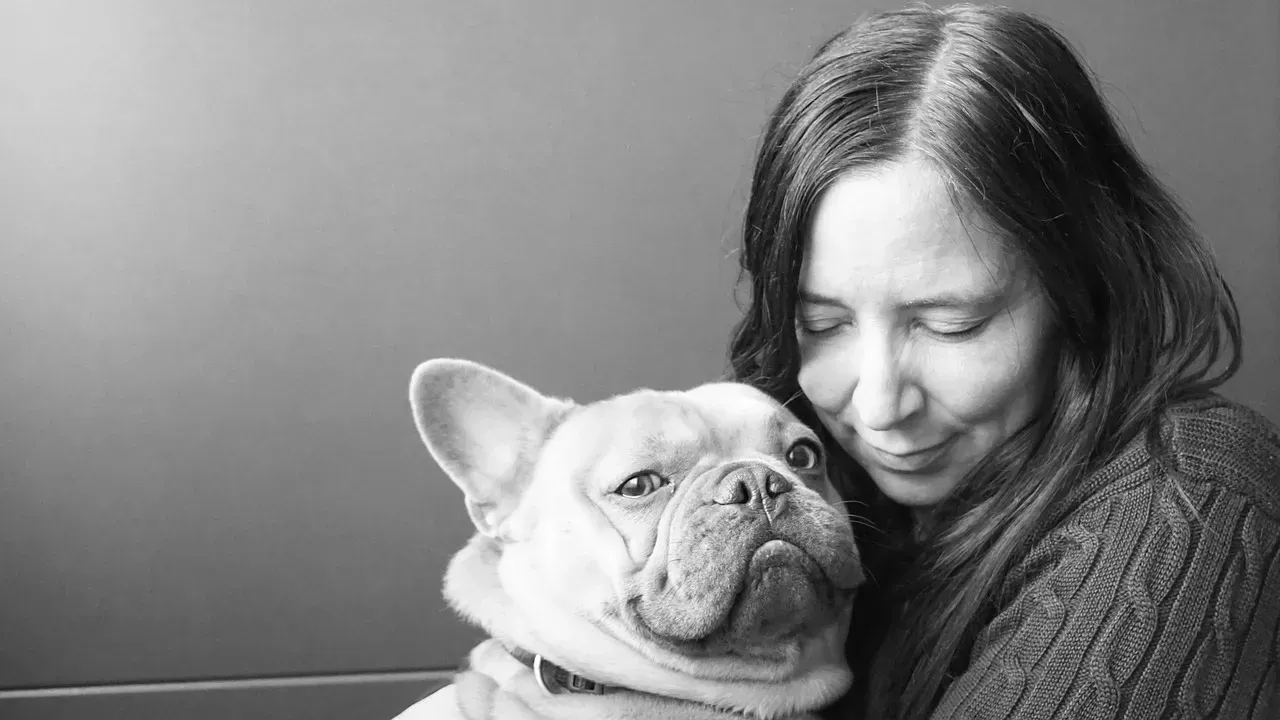
It is the subtle signs and signals that we tend to miss or not recognize, and because we don’t notice them, we continue our behavior – like petting a dog that doesn’t want to be touched or moving close to a dog with a coveted item – and that’s what gets us into trouble. A dog who consistently moves away from a person, leaves the room when they enter, or avoids physical contact is communicating something most people overlook entirely. Avoidance is itself a signal, and a meaningful one.
Eye contact is considered a challenge in the canine world, so dogs will often turn their heads to the side or avoid direct eye contact if they feel uncomfortable or threatened. When a dog can no longer avoid the situation – when they feel cornered, persistently touched, or unable to escape – that’s when a bite becomes most likely. Dogs who feel threatened or cornered, especially in unfamiliar situations, may bite out of self-defense. The tragic irony is that the bite often happens precisely because the loving person kept pursuing a dog who was desperately trying to say goodbye to the interaction.
A Conclusion Worth Sitting With
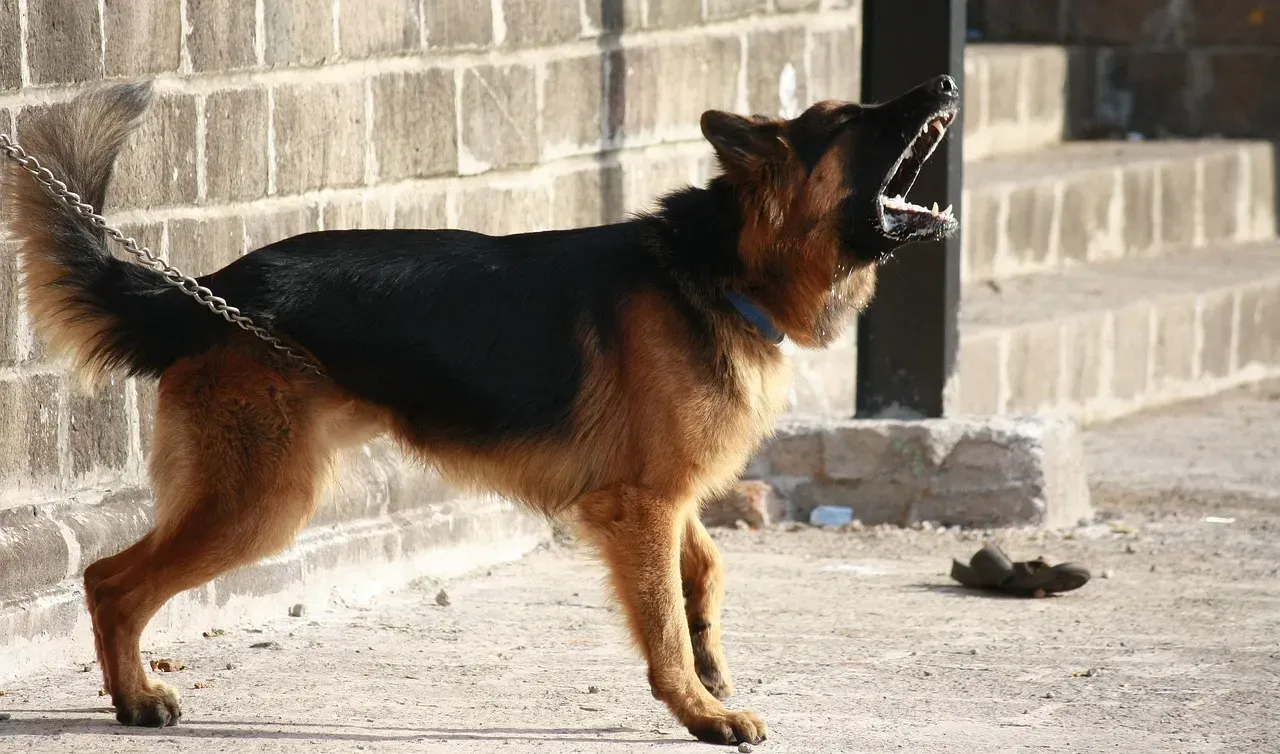
Here’s what’s both humbling and hopeful about all of this: dogs give warning signs nearly every single time before biting someone. No matter what breed, or how well trained or socialized, it is incredibly rare for a dog to bite someone actually out of the blue. If you are not watching for the signs, you are not listening to what your dog is so desperately trying to tell you before they resort to their last option – a bite.
Learning to read these signals isn’t about fear or distrust. It’s about genuine respect. Some people discipline a dog for growling, thinking the dog is being “bad” and that telling them to stop will fix the problem. However, growling is a dog’s way to communicate that they feel threatened by something or someone. If you punish your dog for growling, they might learn you don’t want them to tell you how they feel – and the next time, they might give you less warning before a possible bite. Punishing the growling does not change the underlying emotional state, but it does teach your dog not to communicate with you.
The relationship between humans and dogs is one of the most quietly extraordinary things we have. We’ve shared our homes with them for thousands of years, and still, we often miss what they’re saying. These seven signals are not signs of a broken dog. They’re proof that your dog is trying, with every tool available to them, to stay in this with you. The least we can do is pay attention.


