
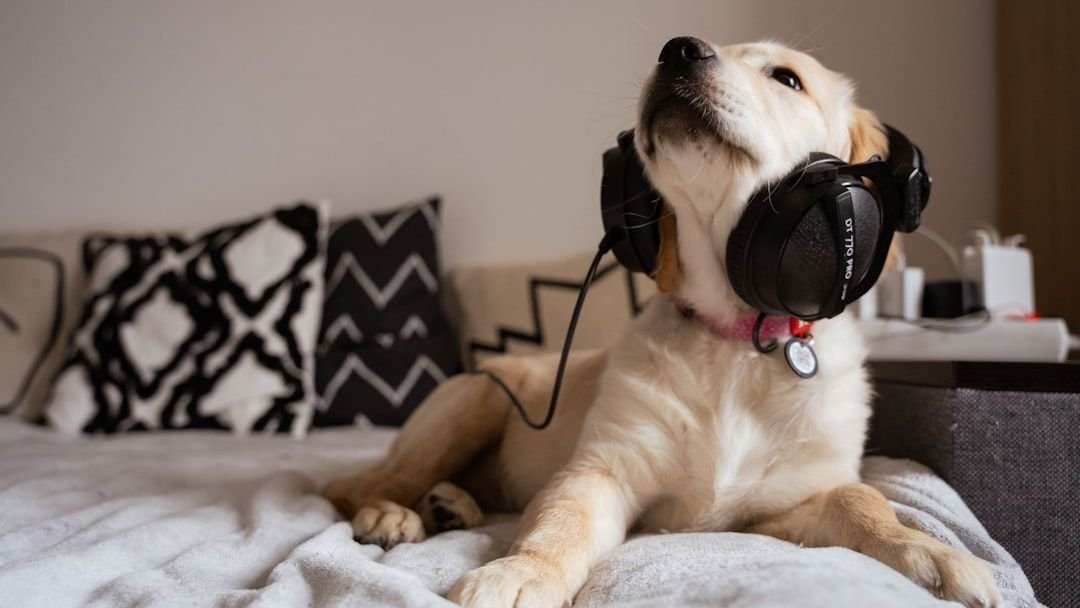
You know that feeling when something’s just not right with your best friend, but you can’t quite put your finger on what it is? Your dog might be showing you exactly what’s wrong, except they’re speaking a language most of us barely understand.
Research shows that only approximately half of dog owners can recognize even the most obvious stress indicators in their dogs, which means countless pups are trying to tell us something important and we’re simply missing the message. Let’s change that right now, because learning to read your dog’s stress signals could transform their wellbeing and deepen the bond you share.
Whale Eye: When the Whites Show
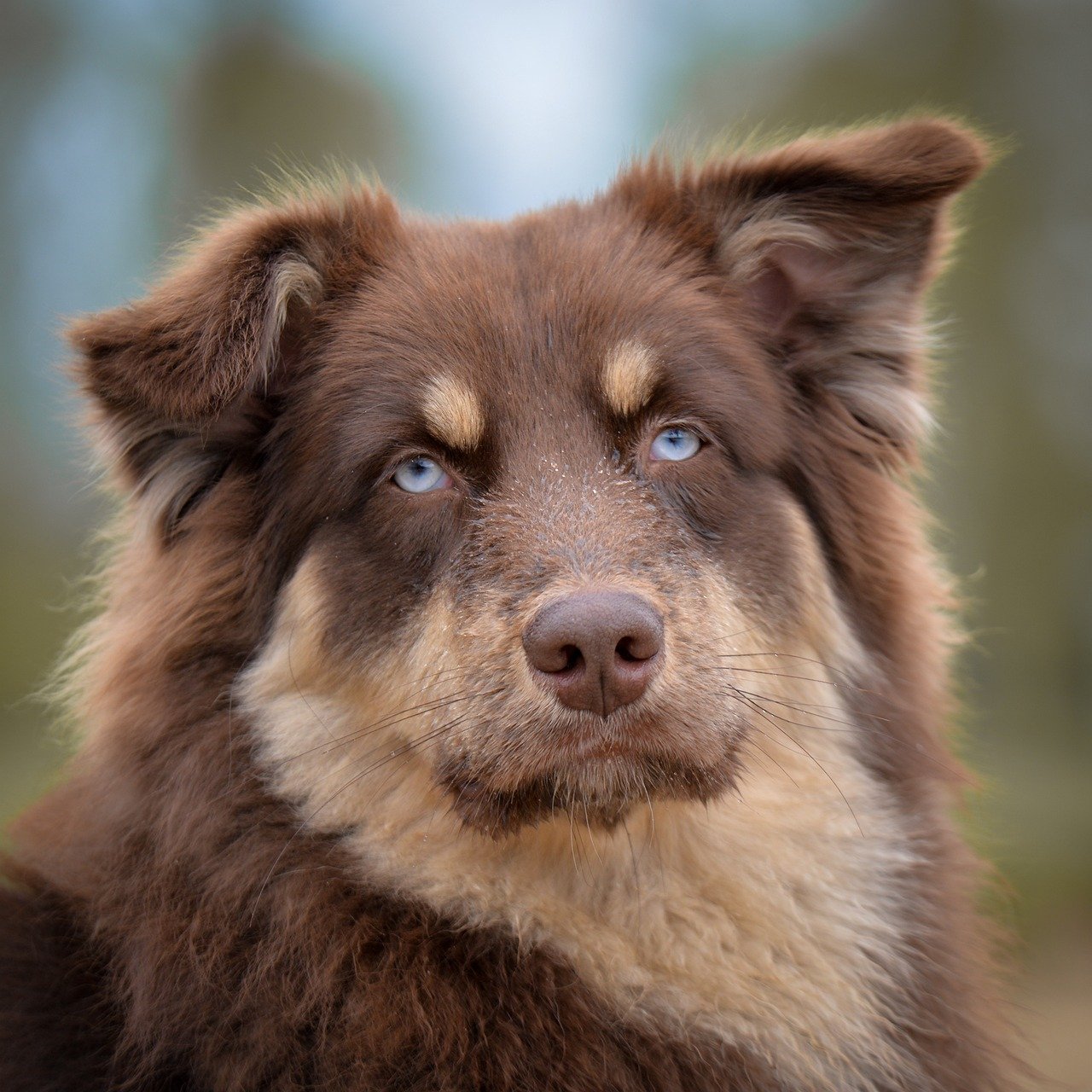
Known as whale eye, when a dog shows the whites of their eyes, it’s a signal that they’re feeling anxious or stressed in a situation. Picture this: you’re reaching to pet your dog’s head and suddenly you notice the white crescent of their eye visible at the corner.
That’s your dog telling you they’re uncomfortable. This often happens during hugs, when someone leans over them, or when they’re worried someone might take their favorite toy. It’s hard to say for sure, but once you start noticing this subtle signal, you’ll see it everywhere.
The Unexpected Yawn
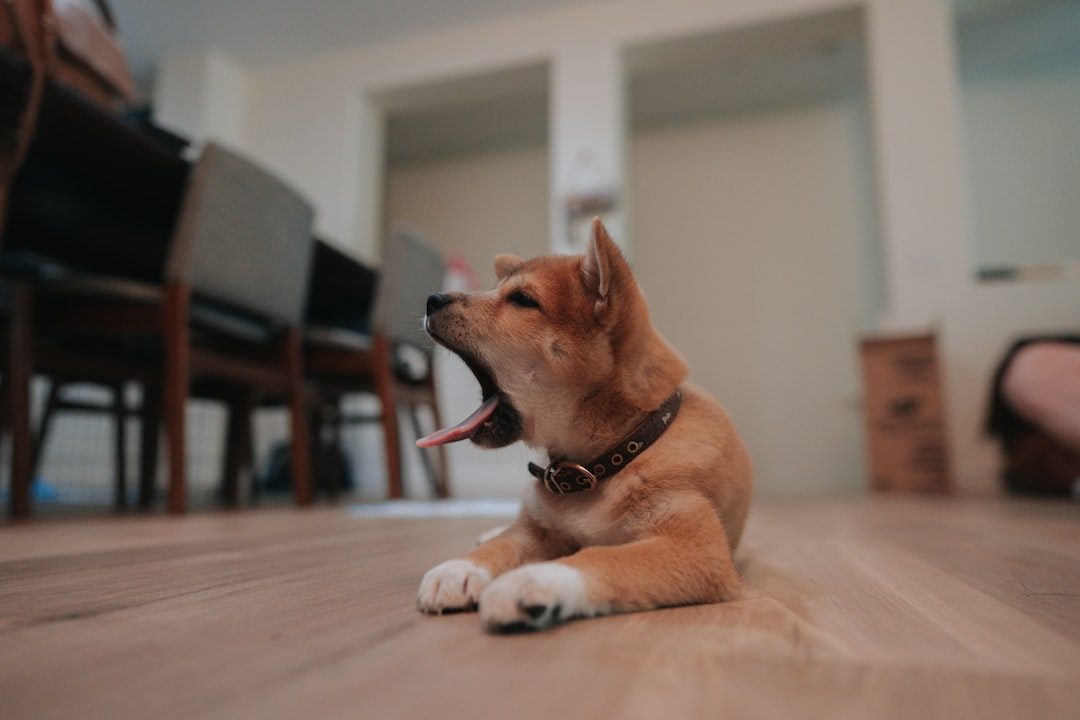
Here’s something that surprises most people: dogs yawn when they’re stressed, not just when they’re tired. Analysis found that 88% of dog owners did not know that yawning can be an early sign of anxiety or fear.
If your dog starts yawning during a vet visit, when meeting new people, or in any situation that’s not naptime, they’re actually trying to calm themselves down. Dogs use yawning to calm themselves in tense situations and to calm others, including their owners. Watch for these yawns next time you’re in a potentially stressful situation with your pup.
Lip Licking and Tongue Flicks
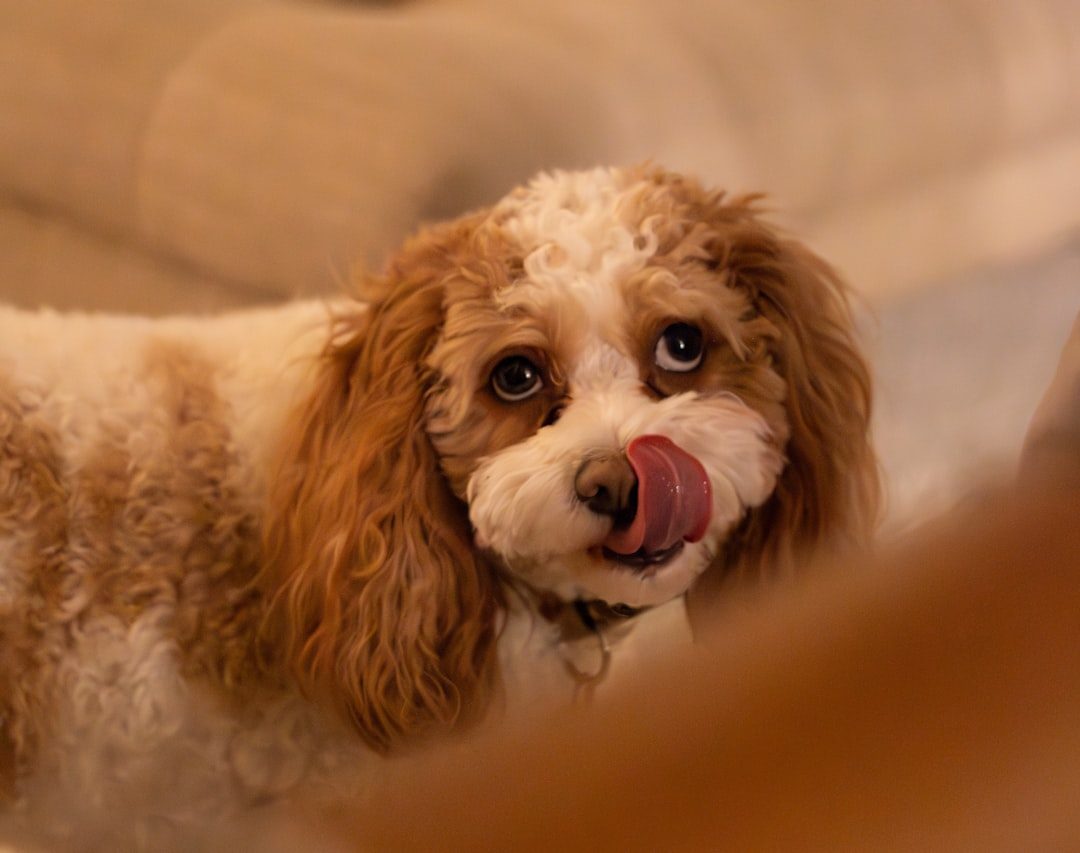
When a dog is anxious, she will often quickly stick out her tongue and lick her lips, usually just a fast little flick. This isn’t about food or thirst. Let’s be real, it’s one of the easiest signs to miss because it happens so quickly.
Dogs will lick their lips after a delicious meal, but they’ll also do it when they feel anxious. You might see this when your dog meets an overly enthusiastic stranger or when children get too close. It’s their way of saying they need a little space.
Excessive Panting Without Physical Exertion
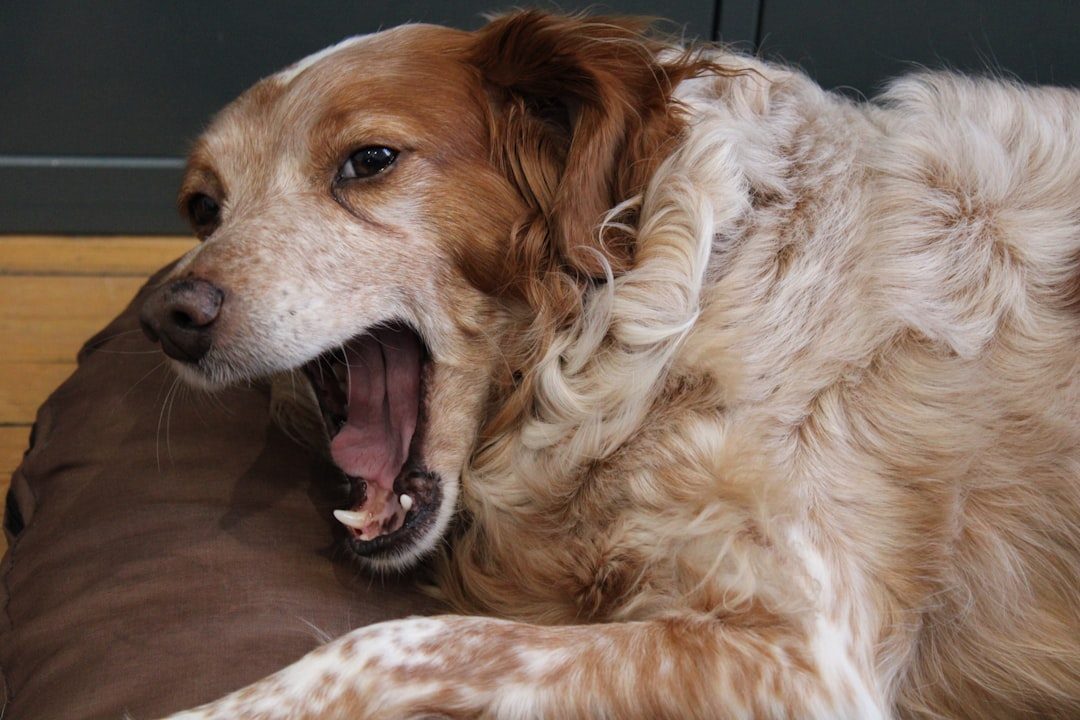
If your dog is panting even though they have not exercised, they may be experiencing stress. Sure, dogs pant to cool down, but stress panting looks different.
A panting dog is a prime sign of an anxious dog, and the panting is often accompanied by other changes in the dog’s behavior, like whining or yawning more than usual. The panting might be rapid and shallow, often with a tight mouth showing stress wrinkles around it. Notice when it happens because context is everything here.
The Shake Off
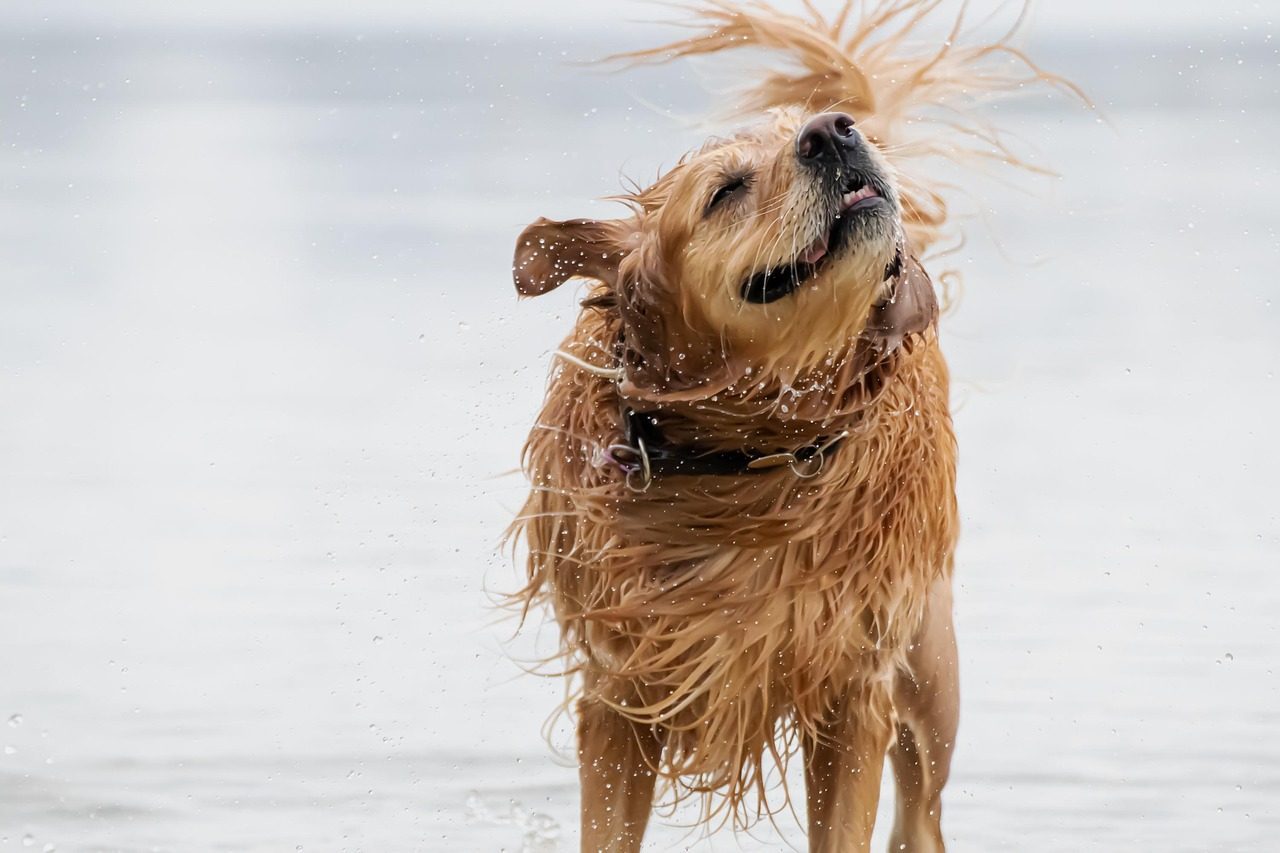
The dog is doing a full body shake off, as if she were wet, and it often happens just after a stressful interaction. Think of it as your dog’s reset button.
You might see your dog give a full body shake, and what was happening just before they did this was likely challenging and they are now shaking it off. After a tense moment at the dog park, following a training session that got frustrating, or right after the vet examines them, watch for that telltale shake. They’re literally trying to shake off the stress they just experienced.
Freezing or Sudden Stillness

A dog freezes if they’re scared or guarding something, such as food or a toy, or if they feel cornered. This is a warning sign that often gets overlooked because people mistake stillness for calmness.
Dogs typically freeze right before they snap or bite. When your normally wiggly dog suddenly goes completely rigid, that’s your cue to back off and give them space. This could happen during nail trims, when they’re on the exam table, or when they’re feeling trapped.
Changes in Body Posture and Weight Shifting
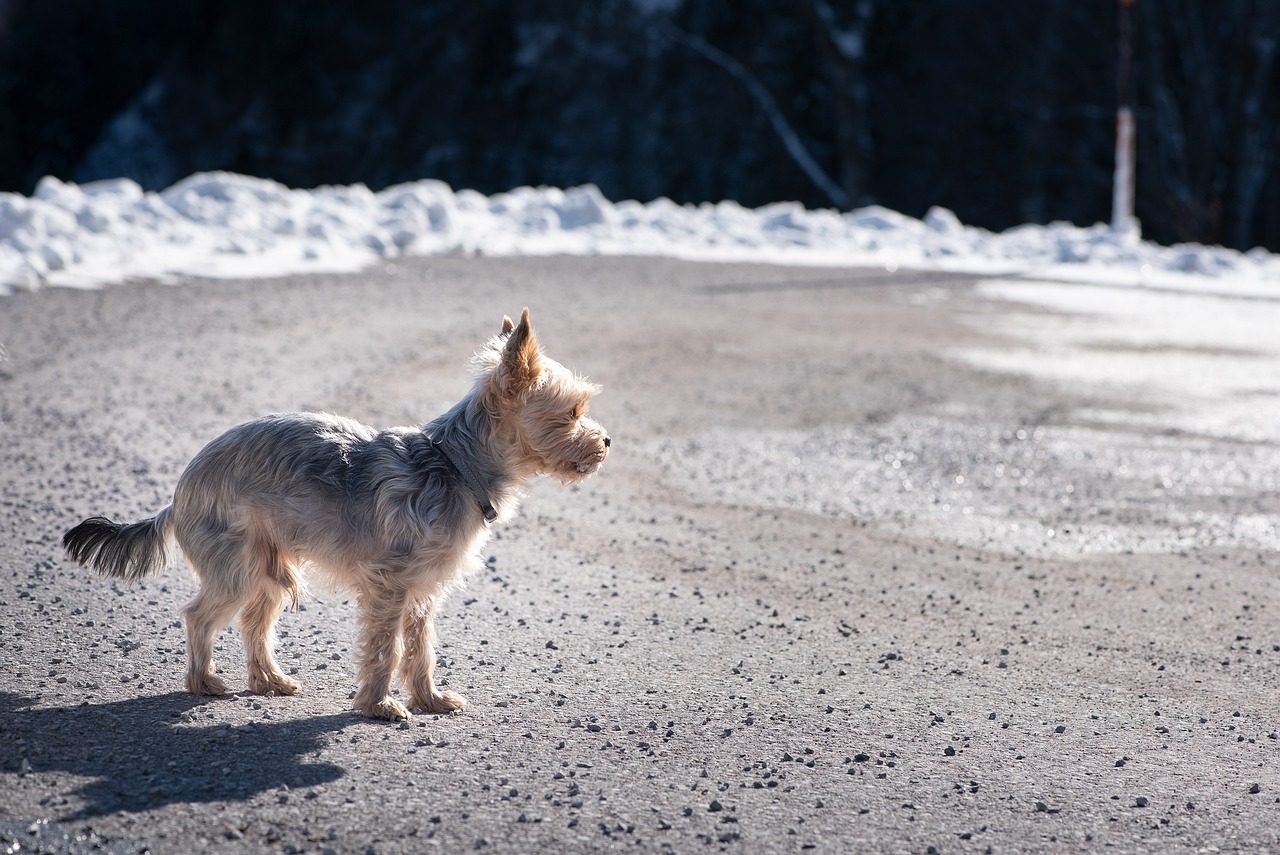
Dogs normally bear weight evenly on all four legs, but if a healthy dog with no orthopedic problems shifts their weight to the rear legs or cowers, they may be exhibiting stress. You’ll see them leaning back, trying to make themselves smaller.
Dogs with their tails pointing down to the ground or even tucked between their legs are feeling fear and stress. Pay attention to the whole picture: ears back, lowered body, tucked tail, and weight shifted away from whatever’s making them uncomfortable. It’s their physical way of saying they want to retreat.
Create a Safe Haven

One of the most effective ways to soothe an anxious dog is by providing a designated safe space where they can retreat and feel secure, such as a quiet room or a cozy crate equipped with their favorite blankets and toys. Every dog needs their own sanctuary.
This could be a crate covered with a blanket to create a den like atmosphere, a specific corner of a quiet room, or even under your bed. It is important to provide your dog with a safe place in the home where they can escape stimuli that trigger a stress response, as everybody enjoys a calm place to retreat. Make sure everyone in your household knows this space is off limits when your dog retreats there.
The Power of Physical Contact
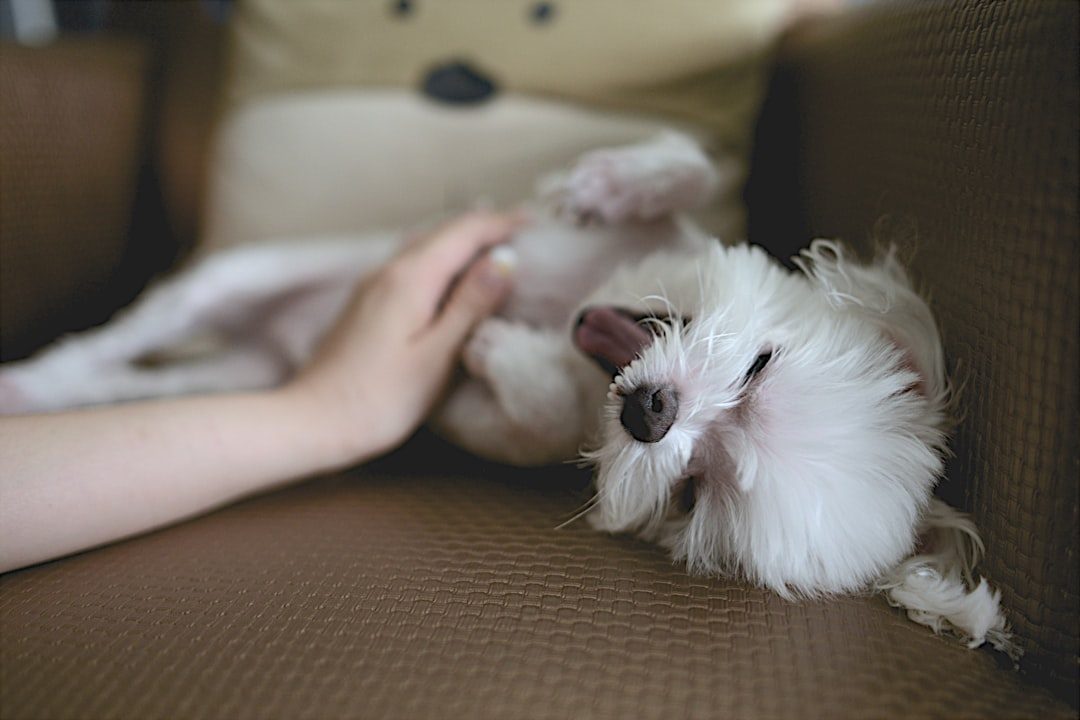
Physical contact, like petting and massage, causes the brain to release oxytocin hormone in both dogs and humans, which helps to strengthen your bond and calm the anxious dog. Dogs are pack animals who crave connection with those they trust.
Gentle massage can work wonders. Try to keep one hand on the dog while the other works to massage, and over time you may even be able to identify where your dog holds its stress and just work on that one particular area. Start with long, slow strokes down their back or gentle circles on their chest. Watch their response to know what they find soothing.
Exercise as Stress Relief
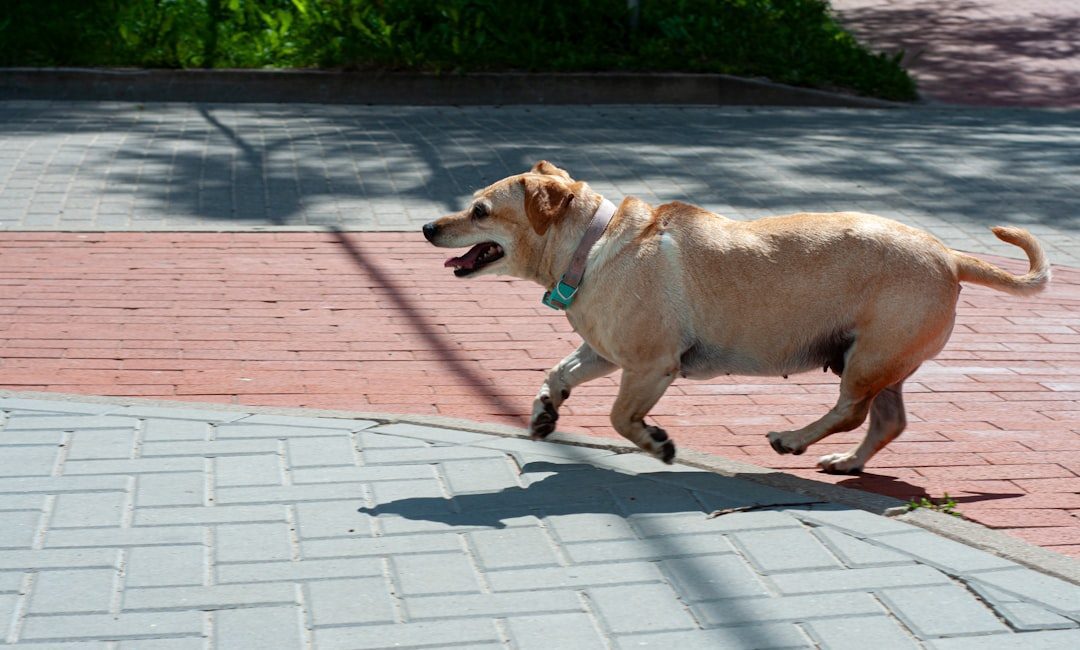
Exercise can be a great stress reducer, and for healthy dogs, physical activities such as walking or playing fetch may help both you and your dog release tension. A tired dog truly is often a calmer dog.
Physical activity and mental enrichment are crucial in reducing anxiety in dogs, as regular exercise helps burn off excess energy which can lower stress levels. Think beyond just walks: try sniffing games, fetch, agility courses in your backyard, or even a good game of tug. Mental exercise counts too, so puzzle toys and training sessions can tire them out just as effectively.
Music and White Noise Therapy
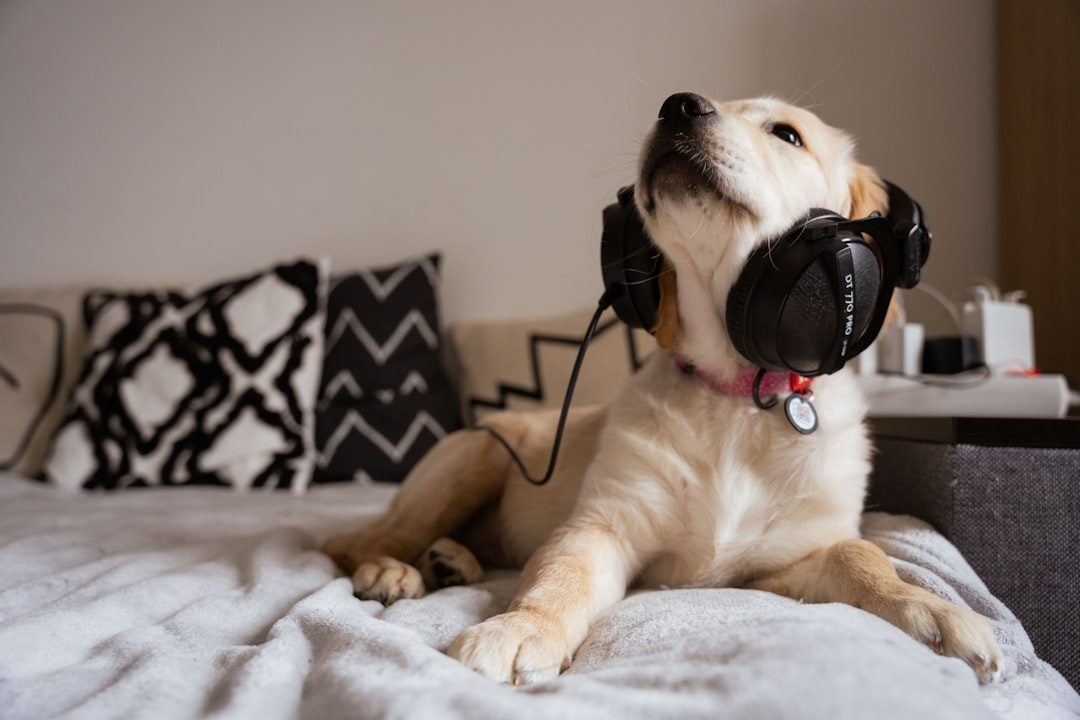
When dogs experience anxiety, music or white noise can help calm them down by providing a soothing and calming environment, naturally reducing their stress and anxiety levels. Research has shown that many dogs prefer classical music.
White noise or music can also drown out the unpredictable noises from thunderstorms or fireworks that trigger anxiety. Try leaving soft classical music playing when you leave the house or during stressful events like storms. There are even playlists specifically designed for anxious dogs.
Establish Consistent Routines
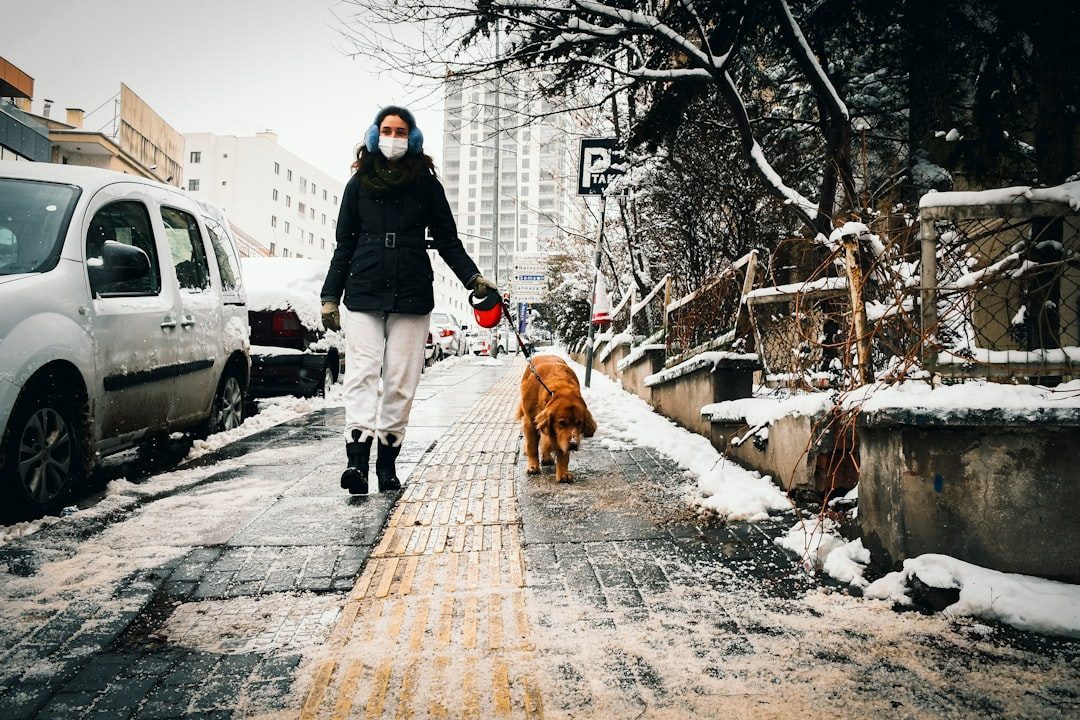
It’s essential to establish a routine for your dog so they feel comfortable and secure, as dogs are creatures of habit and thrive on predictability and structure with feeding times, exercise times, playtimes, and sleep times. Dogs find comfort in knowing what comes next.
When your dog knows what to expect and when to expect it, they are less likely to feel anxious. Try to feed at the same times daily, walk at regular hours, and maintain bedtime routines. Even small consistencies like always saying the same goodbye phrase can reduce separation anxiety.
Teach Settle and Calm Commands
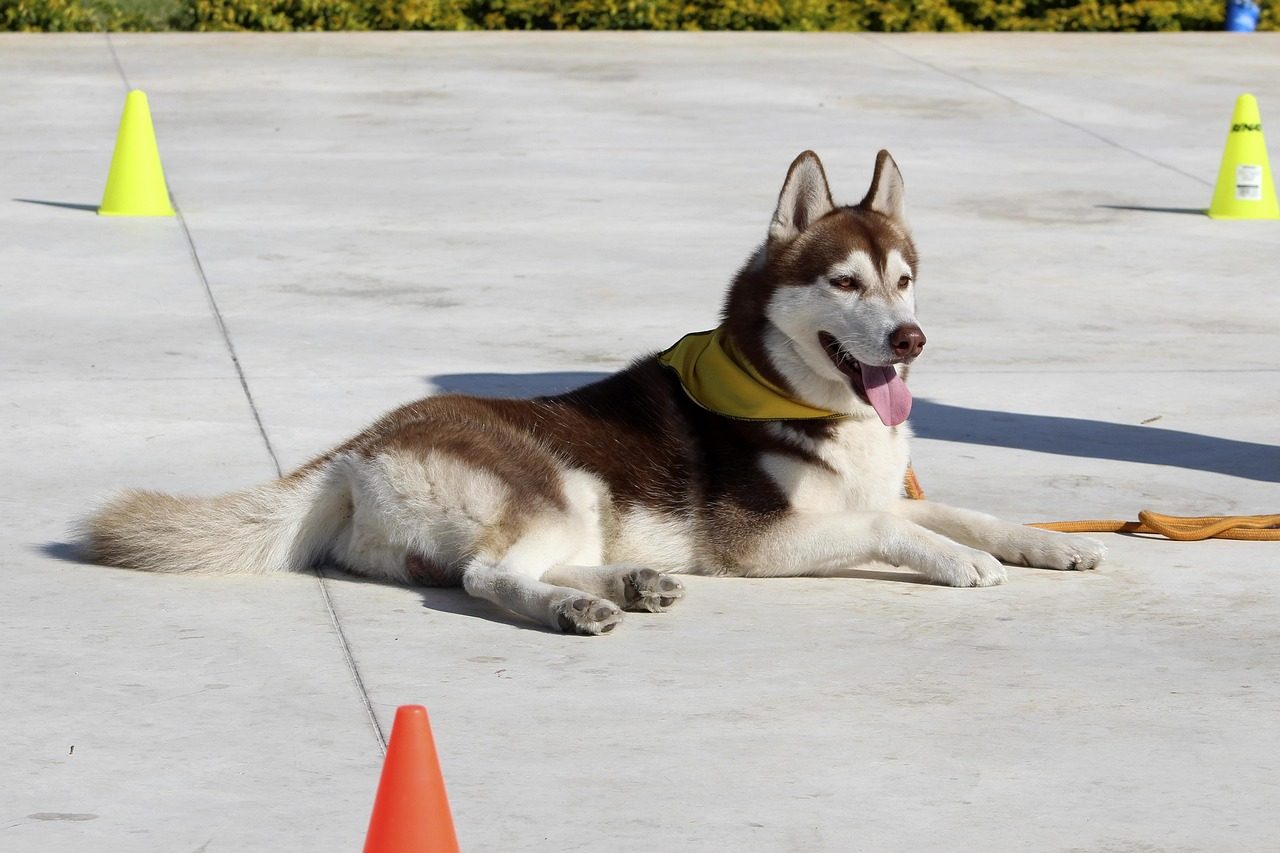
First teach your dog to settle in a calm situation without any distractions by interrupting a gentle play session and asking your dog to sit or lie down, then quietly praise and treat them. This gives them a tool to use when things get overwhelming.
Once they have the hang of it, add a cue like settle or calm down, then increase the duration and slowly add distractions. Practice this regularly in low stress situations so it becomes second nature. When they’re actually stressed, this familiar command can help them refocus and relax.
Remove Them From the Stressor

If you notice signs that your dog is stressed, first remove them from the stressor and find a quiet place to regroup. Sometimes the simplest solution is the best one. The most direct tactic to help most dogs is to immediately remove them from the stressful situation.
If your dog is overwhelmed at the dog park, leave. If they’re stressed by guests in your home, give them permission to go to their safe space. You’re not being overprotective; you’re being responsive to their needs. Resist the urge to overly comfort them, as too much coddling can actually reinforce anxious behavior.
Conclusion

Learning your dog’s stress language is one of the greatest gifts you can give them. These subtle signals aren’t weaknesses or bad behavior; they’re your dog’s attempt to communicate their emotional state in the only way they know how. When you start recognizing whale eye, unexpected yawning, lip licking, stress panting, shake offs, freezing, and postural changes, you’re unlocking a whole new level of understanding.
The beautiful thing is that you now have practical tools to help: creating safe spaces, offering physical comfort, providing exercise, using calming music, maintaining routines, teaching settle commands, and knowing when to simply remove them from stressful situations. Your dog has been trying to talk to you all along. Now you can finally hear them. What signs have you noticed in your own pup that you might have been missing?


