

Clingy Shadowing Throughout the Day
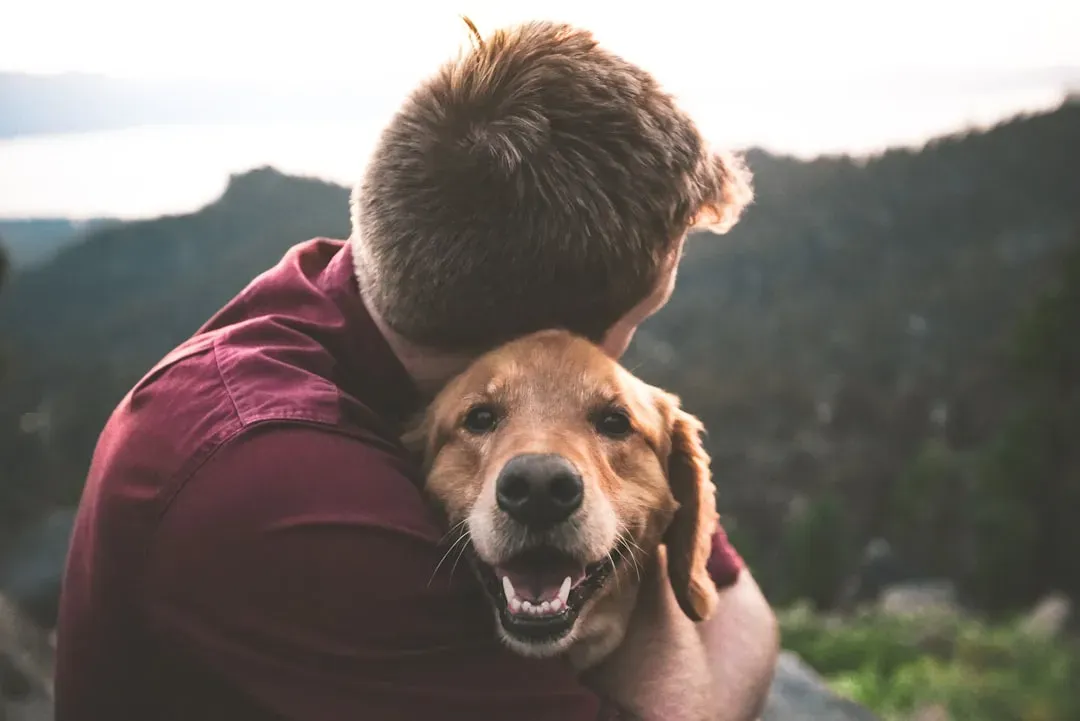
Dogs that trail their owners from room to room, even during routine tasks, often reflect a heightened sensitivity to human presence. Studies on attachment styles between people and pets suggest this behavior intensifies when owners spend more time alone or feel disconnected from other social circles. The dog may sense reduced interaction and compensate by staying close as a form of mutual reassurance.
Over weeks or months this shadowing can become consistent rather than occasional. It differs from normal curiosity because the dog rarely settles elsewhere even when given comfortable alternatives. Owners who notice this pattern sometimes recognize parallels in their own reduced outings or conversations with others.
Heightened Vocalizations at Quiet Moments

Whining or barking that occurs without obvious triggers like visitors or noises can point to an underlying response to household mood. Research on canine stress responses shows dogs vocalize more when exposed to human emotional cues that signal unease or withdrawal. These sounds often surface during evenings or early mornings when external distractions fade.
The timing matters because it aligns with periods when an owner might feel most isolated. Rather than random noise, the vocalization serves as an attempt to reestablish connection. Caregivers who track these episodes frequently link them to their own quieter social calendars.
Increased Destructive Chewing or Digging
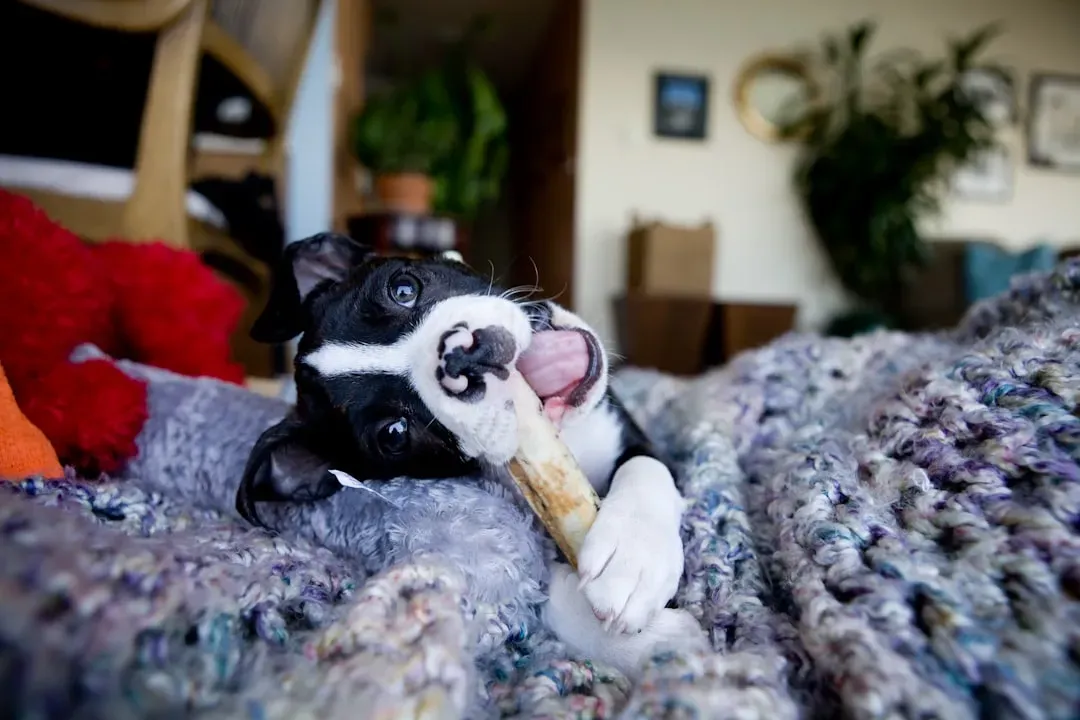
Targeted destruction of household items, especially when the owner is nearby but disengaged, appears in some studies as a displacement activity. Dogs redirect energy when they detect tension or reduced play and affection from their person. This behavior tends to cluster around familiar objects rather than random targets.
Unlike boredom driven chewing that happens during long absences, this version occurs even with people present. It reflects an effort to manage internal arousal tied to the owner’s emotional availability. Patterns emerge most clearly in homes where routines have grown more solitary.
Aggressive Reactions Toward Strangers or Other Pets

Snapping or growling at unfamiliar people or animals correlates in cohort research with owners who score higher on loneliness measures. The dog’s protective stance may stem from sensing vulnerability in the household dynamic. These incidents often happen during walks or at doorways where social opportunities arise.
The aggression rarely appears in isolation and tends to accompany other tension signals. Studies tracking weekly owner reports found stronger associations when such behaviors increased alongside reports of personal isolation. Addressing the root emotional climate sometimes eases the frequency over time.
Fearful or Withdrawn Postures in Familiar Settings

Tucking tails, avoiding eye contact, or retreating to corners during otherwise calm periods can mirror human stress signals picked up through scent or body language. Scientific work on olfactory cues demonstrates dogs detect subtle chemical changes linked to anxiety and loneliness. These postures become noticeable when the owner spends extended time in low energy states.
The withdrawal differs from general shyness because it develops or intensifies in established environments. Dogs may choose spots near the owner yet maintain physical distance. Observers often connect these shifts to periods of reduced social engagement outside the home.
Changes in Appetite or Mealtime Enthusiasm

Skipping meals or eating more slowly without medical cause sometimes tracks with household emotional patterns. Research on pet owner well being notes that dogs mirror reduced routines when their primary caregiver feels disconnected. The change appears gradual rather than sudden and lacks other illness indicators.
Owners who monitor food intake closely see these fluctuations align with their own irregular schedules or lower motivation for shared activities. Restoring consistent mealtime rituals can help both parties regain steadier rhythms. The behavior serves as a quiet indicator rather than a dramatic shift.
Restlessness or Pacing During Evenings

Repeated movement between rooms or inability to settle after dark often signals an attempt to monitor or comfort an owner who seems emotionally distant. Canine cognition studies show dogs adjust activity levels in response to human mood cues even without verbal prompts. This pacing tends to occur in spaces where the owner spends solitary time.
The pattern stands out because it contrasts with normal settling once the household quiets. Dogs may pause near doorways or windows as if anticipating change. Caregivers frequently notice the behavior eases when social connections outside the home increase.
Excessive Seeking of Physical Contact or Nuzzling
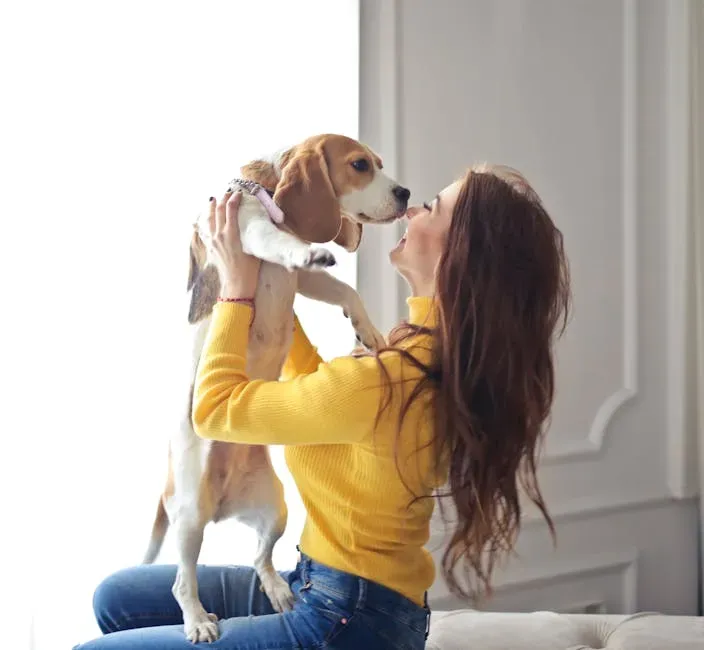
Persistent leaning, pawing, or nuzzling for attention beyond typical affection requests can indicate a response to perceived emotional gaps. Investigations into human animal interaction highlight how dogs initiate contact more when they detect withdrawal in their person. The contact often focuses on hands or laps during quiet activities.
This seeking differs from playful bids because it carries a repetitive quality aimed at reassurance. Over time it becomes a reliable signal that the owner might benefit from external support networks. The behavior underscores the bidirectional nature of the bond without requiring words. Dogs rarely diagnose loneliness outright, yet their consistent responses offer valuable feedback about the emotional atmosphere at home. Paying attention to these shifts encourages owners to reflect on their own connections and seek balance where needed. In the end, the relationship works best when both sides feel supported rather than solely responsible for filling every gap.


