
Golden Retriever
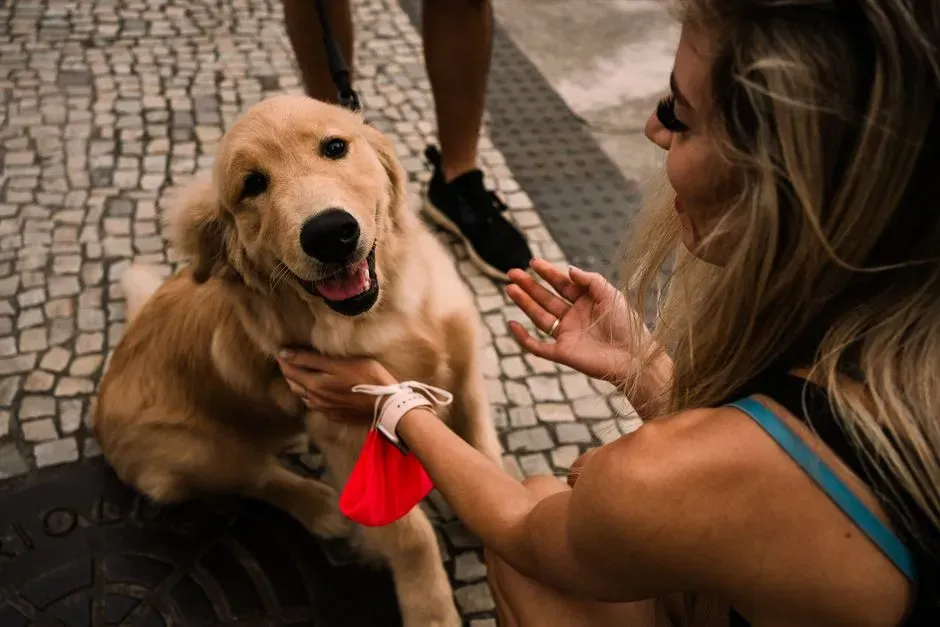
Golden Retrievers were developed to work closely with people in the field, and that history shows up today in how they track human emotions. When an owner experiences discomfort, many Goldens grow still or press gently against the person, as if trying to share the weight. Their expressive faces often mirror the tension they sense, with ears flattening or eyes softening in response.
Owners frequently report that these dogs become restless or seek out the source of pain, whether it is a headache or a deeper ache. The breed’s natural desire to please translates into an almost instinctive drive to comfort. Over time the connection feels less like ownership and more like a shared rhythm that both sides rely on.
Labrador Retriever
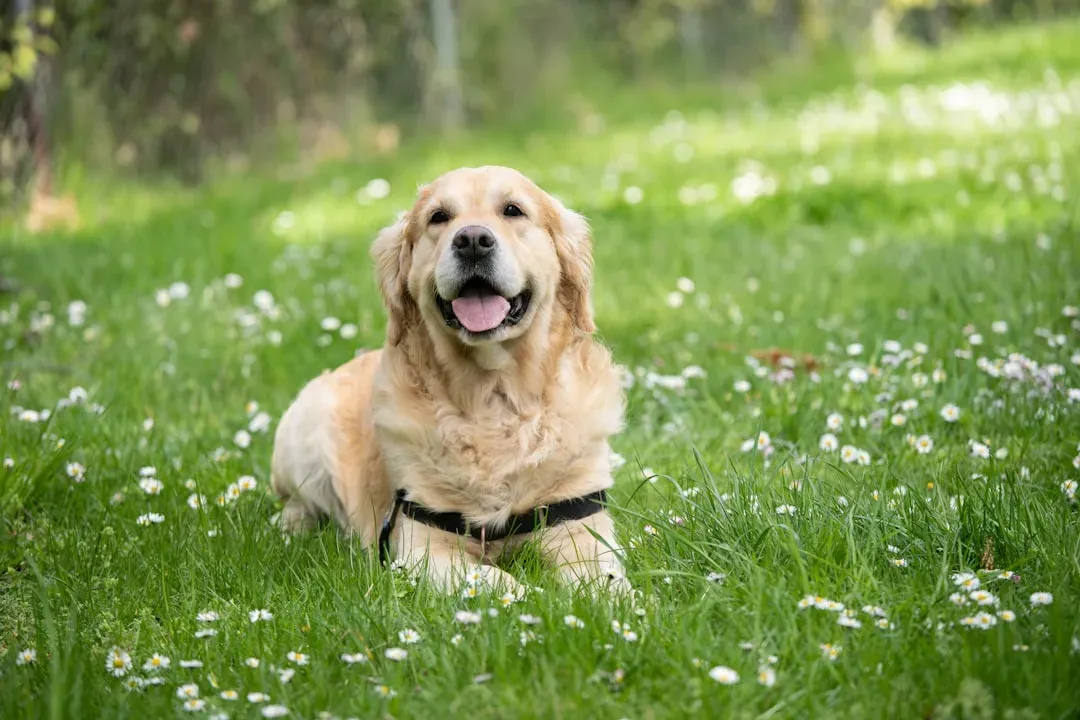
Labrador Retrievers bring the same working heritage into daily life, making them quick to notice when something feels off with their person. They often position themselves nearby during moments of distress and may rest a paw or head in a way that seems deliberate. Their sturdy build and steady temperament give the impression they are absorbing some of the strain themselves.
Many families describe Labs that pace or whine softly when an owner is unwell, only settling once the discomfort eases. This responsiveness stems from generations of selective breeding for cooperation and sensitivity. The result is a dog that treats its human’s well-being as part of its own.
German Shepherd
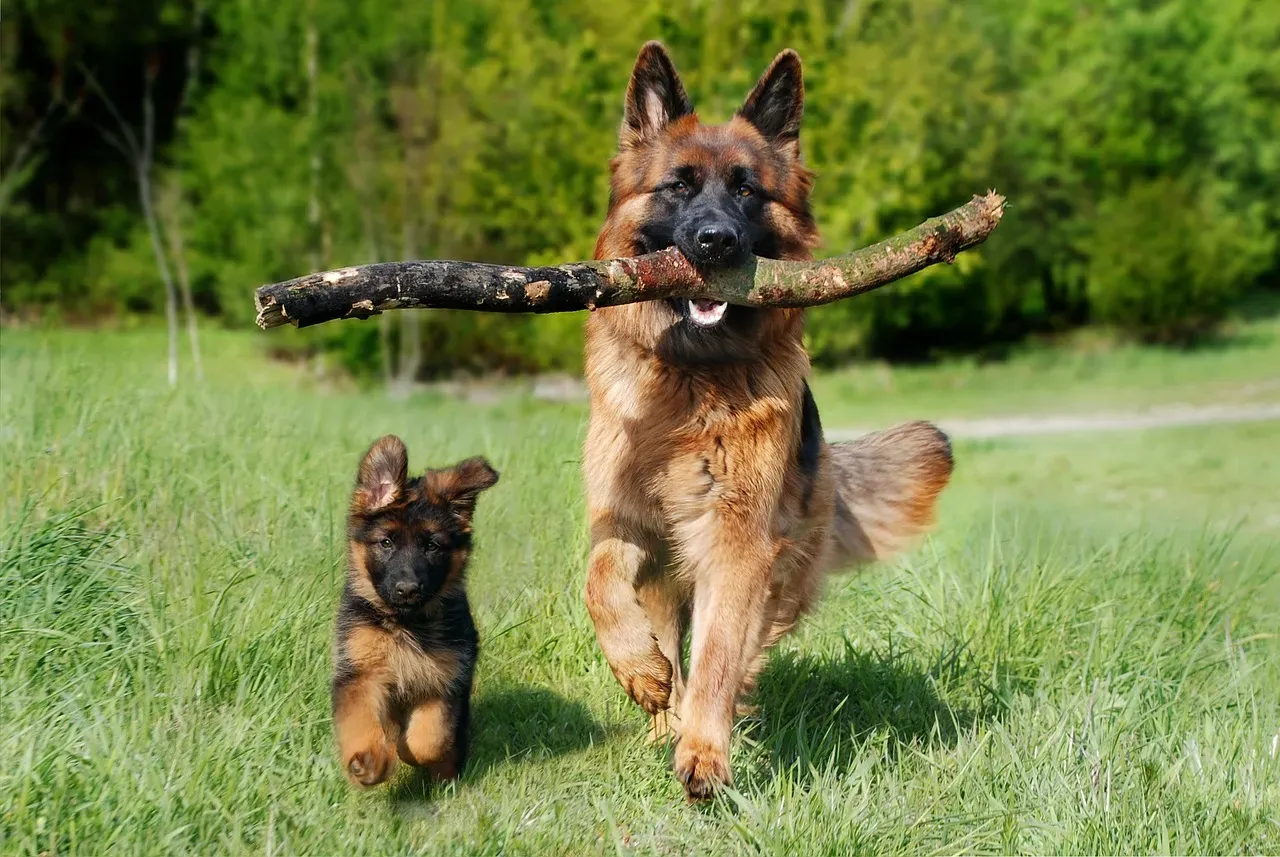
German Shepherds form intense, focused attachments that often center on one or two key people. When those individuals show signs of pain, the dogs may become protective or unusually vigilant, scanning the environment as though guarding against further trouble. Their alert posture and steady gaze can feel like an extension of the owner’s own awareness.
Handlers note that Shepherds sometimes mirror physical tension through subtle changes in their own movement or breathing. The breed’s intelligence allows them to learn patterns quickly, so a limp or a wince becomes a cue they respond to without training. That learned empathy deepens the already strong partnership.
Cavalier King Charles Spaniel
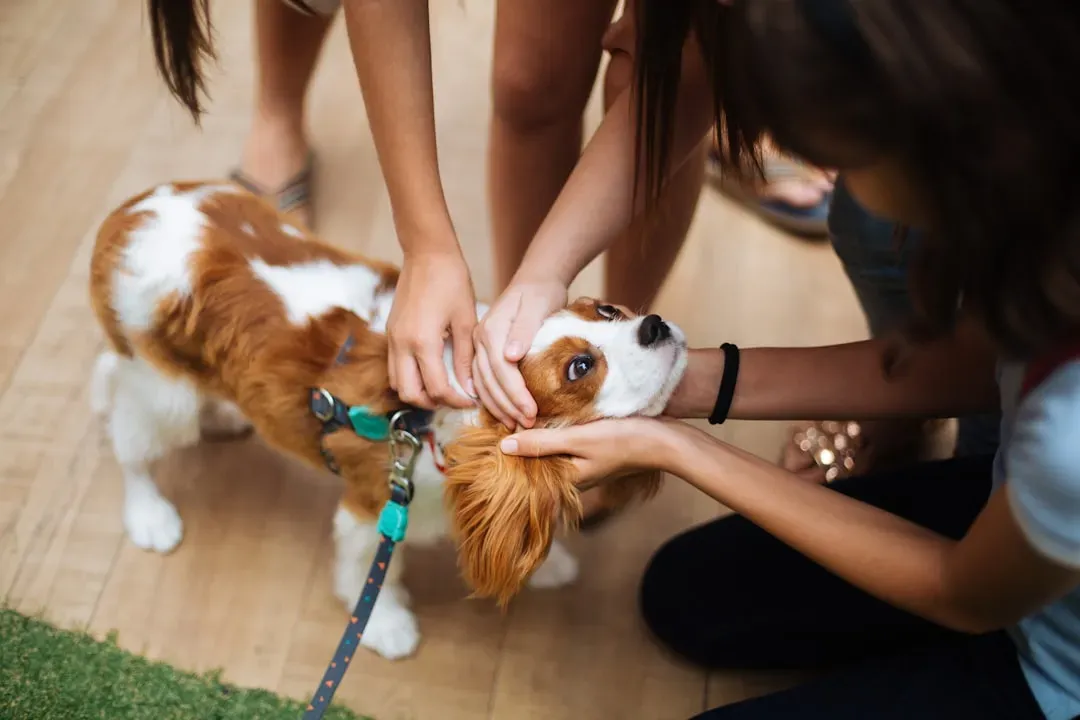
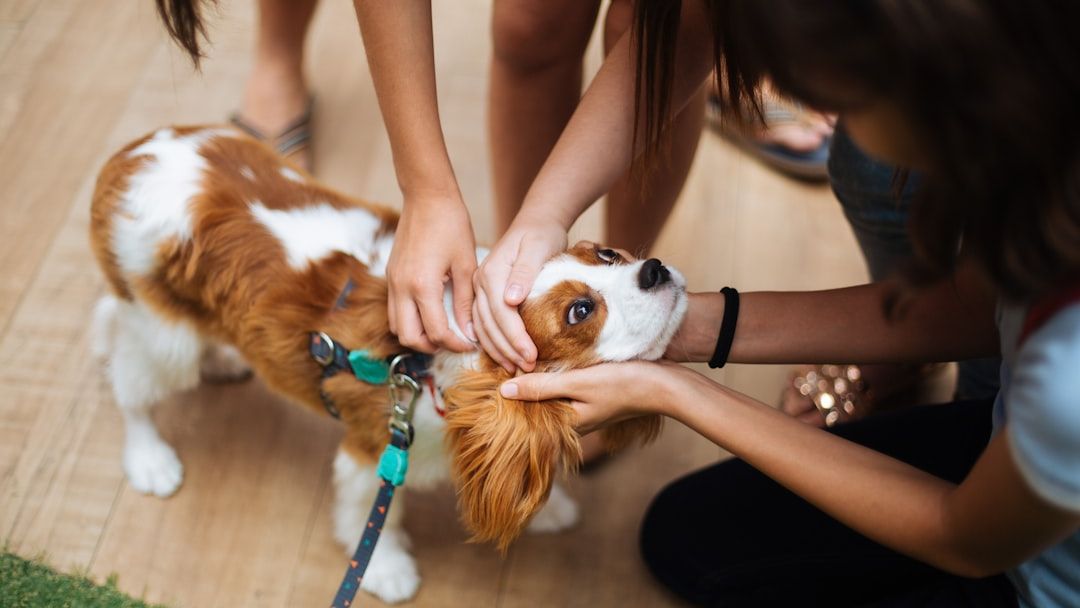
Cavaliers were bred purely for companionship, and their small size makes every interaction feel intimate. They often curl close during times of discomfort, their warm bodies acting as a living compress or simple presence. Owners frequently mention how these dogs seem to slow their own activity to match the slower pace of someone in pain.
The breed’s gentle nature means they rarely push for play when their person is struggling. Instead they offer quiet companionship that feels almost therapeutic. Over years together the bond can grow so seamless that the dog appears to carry a portion of the emotional load.
Vizsla
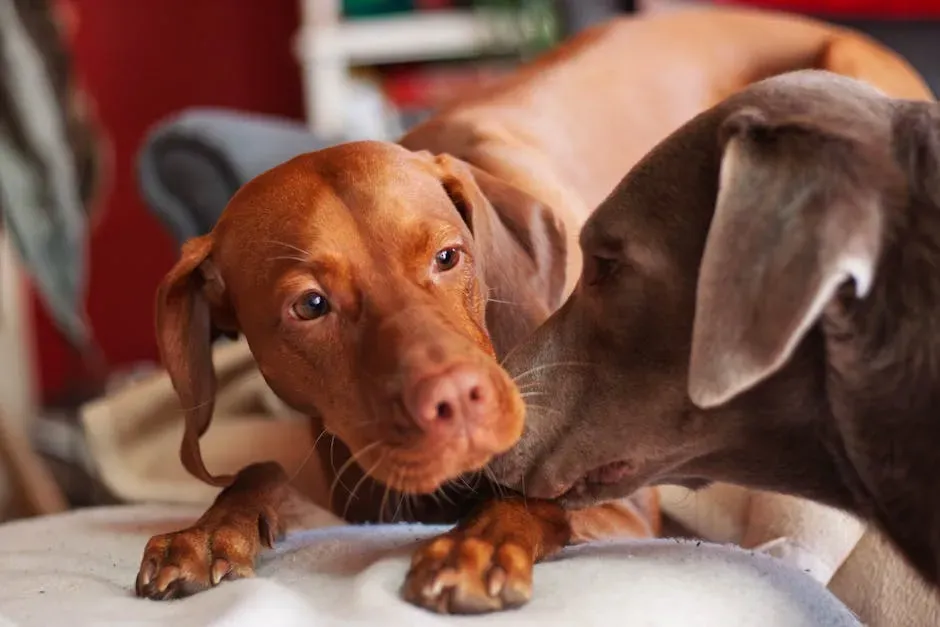
Vizslas are known as velcro dogs because they stay physically close to their chosen person at almost all times. When that person experiences pain, the dogs often become subdued or seek constant contact, pressing their lean frames against legs or laps. Their high sensitivity to human cues makes them quick to register even minor changes in movement or voice.
Because they were developed as hunting companions, Vizslas thrive on partnership and read their owner’s state as part of the shared task. Many owners describe the dogs appearing physically tired or restless alongside them. The connection feels almost symbiotic, with the dog’s comfort tied directly to the human’s.
Collie
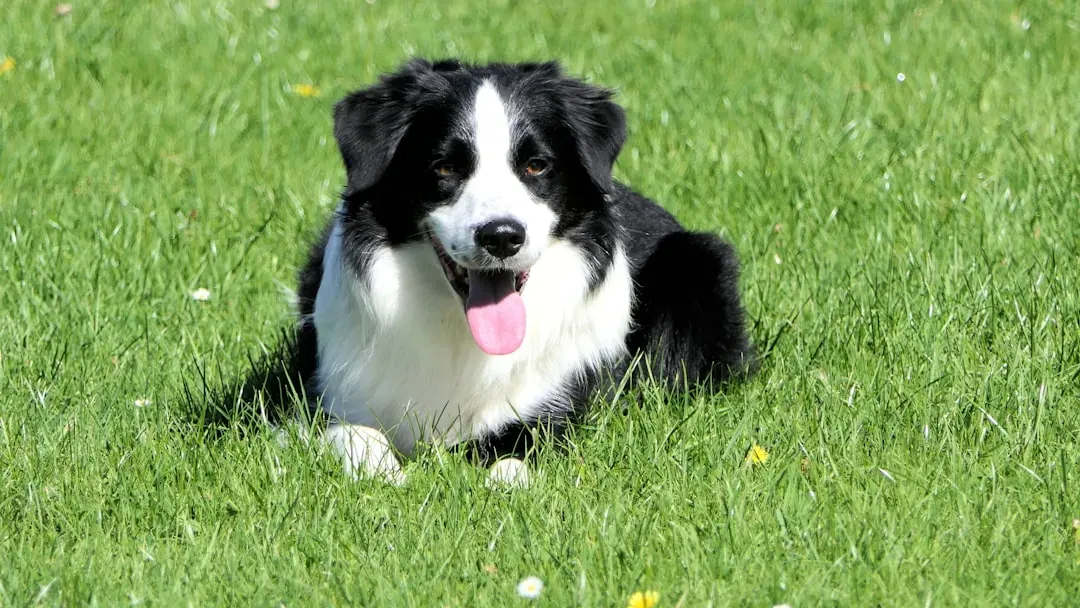
Collies carry a long tradition of working alongside people in herding roles that demanded constant attention to subtle signals. Today that attentiveness shows up as an ability to sense when an owner is hurting and to adjust their behavior accordingly. They may lie nearby with a watchful eye or offer a gentle nudge at just the right moment.
The breed’s loyalty often extends to the whole family, yet the primary person receives the most focused care during difficult periods. Owners report Collies that seem to anticipate needs before words are spoken. This quiet vigilance turns the relationship into something that feels almost collaborative.
Newfoundland
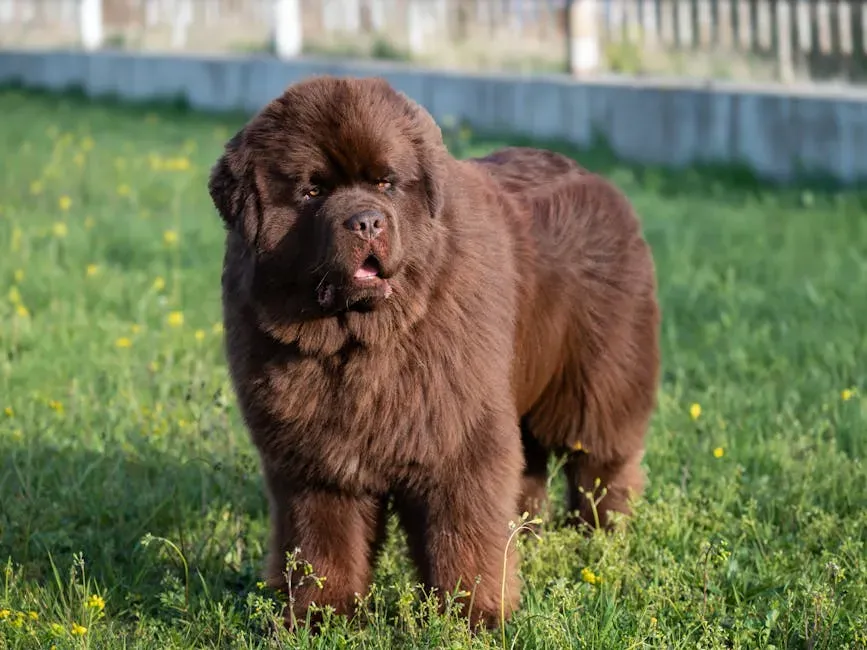
Newfoundlands were bred for water rescue and heavy work, jobs that required calm strength and deep trust with handlers. Their large, steady presence can feel grounding when an owner is in pain, and many dogs instinctively move closer or rest a massive head nearby. The breed’s patient temperament allows them to stay present without adding stress.
Families often notice Newfoundlands growing quieter or more protective during periods of illness or injury. Their size makes the physical contact especially noticeable, almost like a living blanket of reassurance. The bond develops into a reliable source of comfort that both sides come to depend on.
Poodle
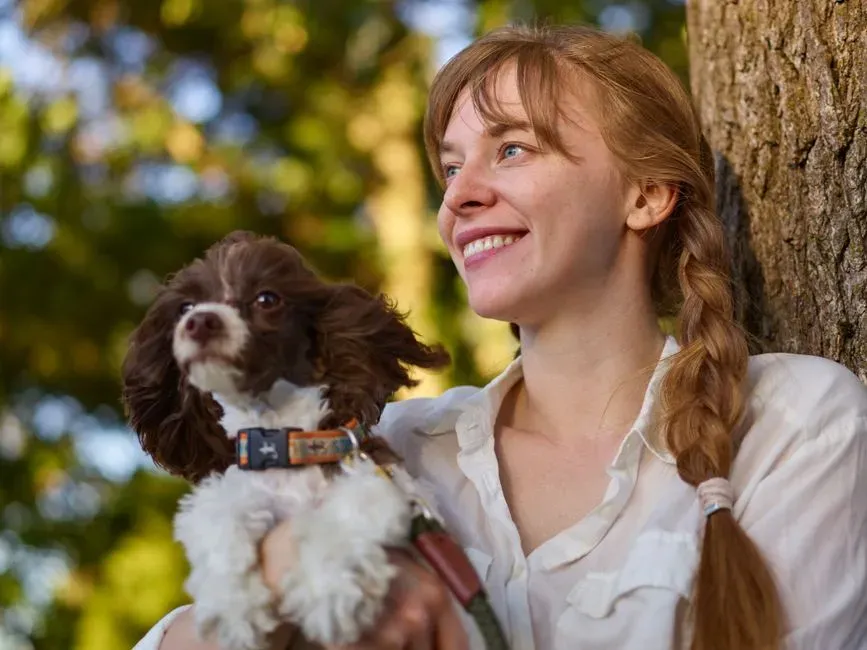
Poodles combine high intelligence with a strong desire for human connection, whether in the standard, miniature, or toy size. They quickly learn to associate certain owner behaviors with discomfort and respond with attentive stillness or gentle interaction. Their expressive eyes and quick minds make the empathy feel almost conversational.
Owners frequently describe Poodles that mirror stress through changes in their own energy or by seeking out the exact spot where contact helps most. Because the breed excels at reading people, the connection can feel unusually precise. Over time the dog’s responses become part of the daily rhythm of care and understanding. The idea that certain dogs literally share their owner’s pain may stretch the science, yet the lived experience of these breeds points to something real and valuable. Their attentiveness turns ordinary companionship into a form of quiet partnership that eases difficult moments. In a world that often feels disconnected, that kind of presence remains quietly extraordinary.


