
Labrador Retriever
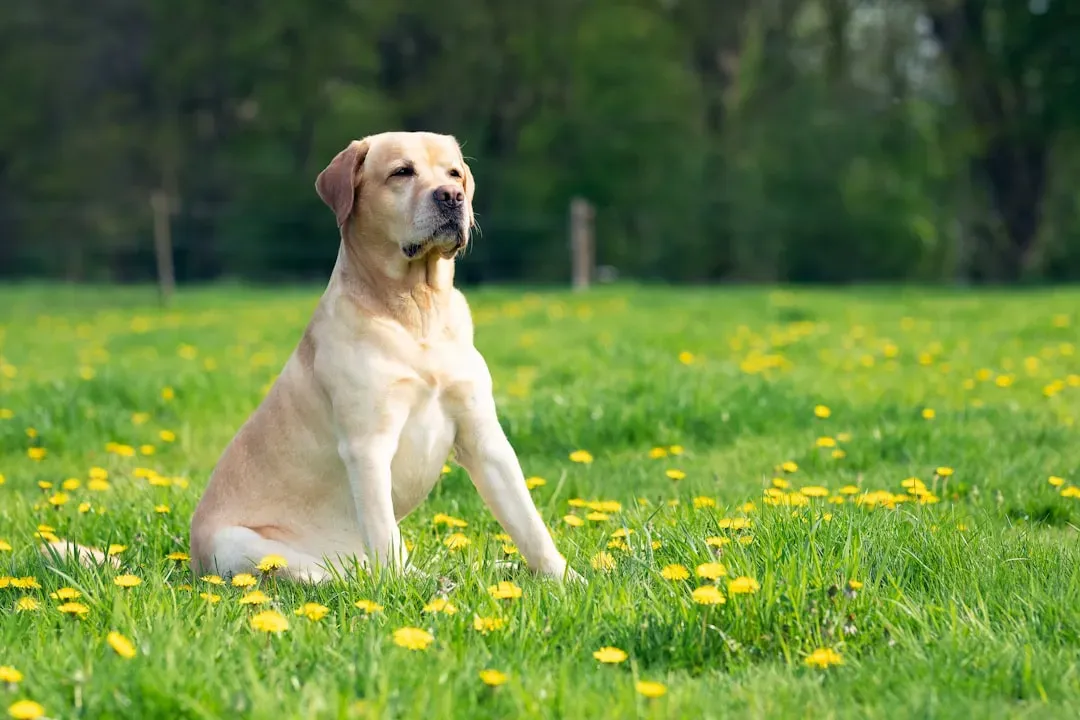
Labrador Retrievers form deep attachments to their people and often struggle when routines change. Their social nature makes them quick to notice when bags come out or keys jingle in a certain way. This awareness can trigger a freeze response where the dog stands rigid, eyes fixed on the owner, unwilling to move even for a favorite toy.
Many Labs thrive on constant companionship because they were originally bred as working partners. When left with the prospect of solitude, their anxiety can override normal behavior. Owners sometimes report that these dogs remain in one spot for hours after the person leaves, as if movement itself feels unsafe.
Border Collie
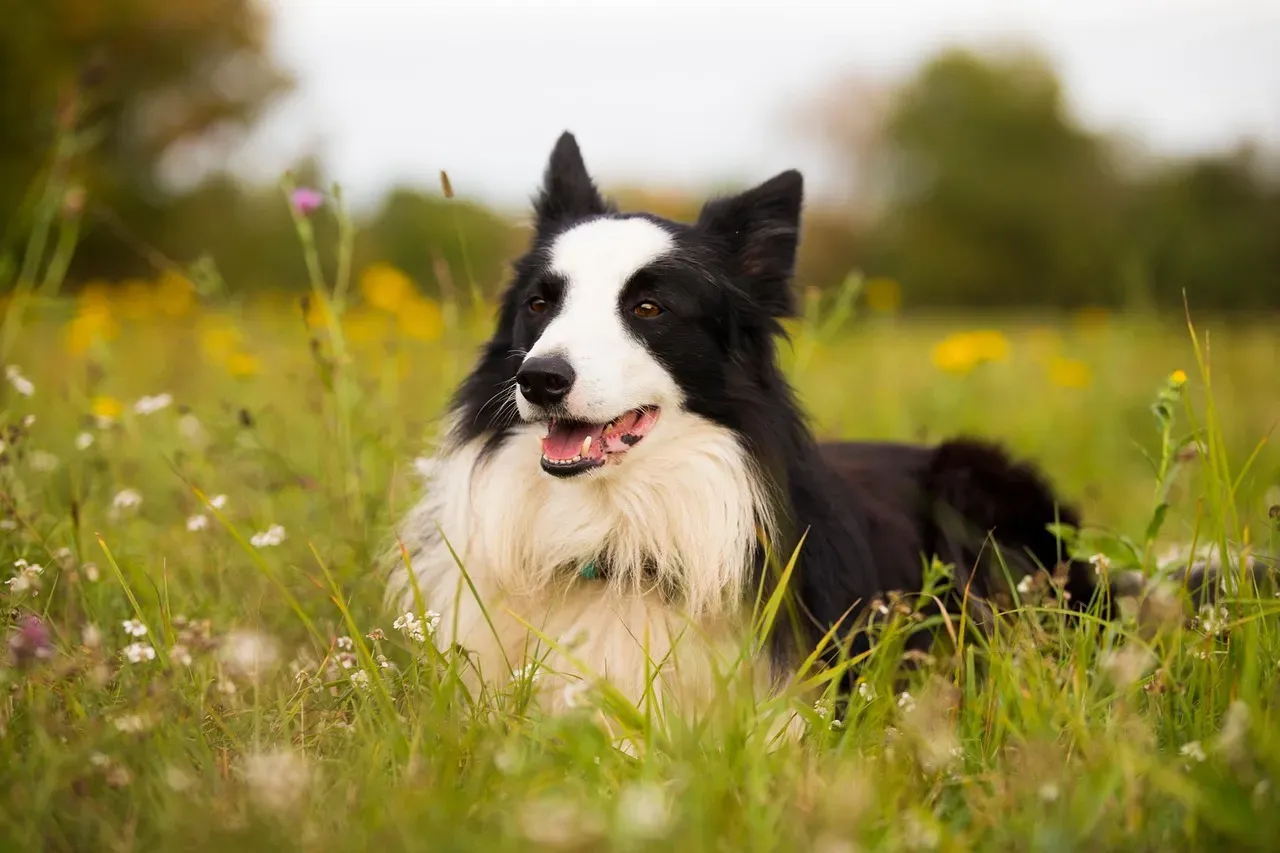
Border Collies bring intense focus to everything they do, including monitoring their humans. Their herding instincts translate into a need to keep the family unit together at all times. The moment packing begins, some will lock in place, refusing commands or treats as their minds race through worst case scenarios.
These dogs require mental stimulation and close bonds, so any hint of separation hits hard. A freeze can look like statue like stillness combined with rapid breathing. Trainers note that this reaction stems from their drive to control the environment, which feels impossible when an owner prepares to exit.
German Shepherd
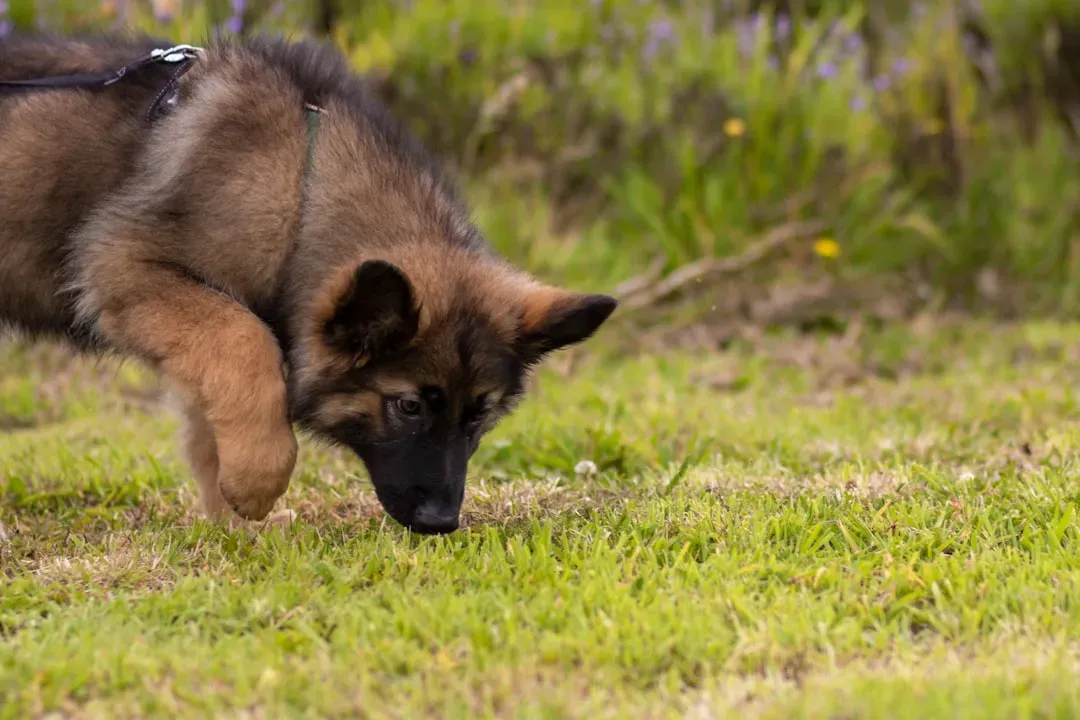
German Shepherds are loyal protectors who view their household as a pack that must stay intact. They often study every detail of daily life, so changes like suitcase appearances register immediately. The resulting anxiety can cause them to plant their feet and refuse to shift position, even when coaxed gently.
Bred for partnership and vigilance, these dogs experience real distress at the thought of being left behind. Their freeze response serves as a visible sign of internal conflict between duty and fear. With consistent training and gradual alone time practice, many improve, yet the initial reaction remains common in the breed.
Australian Shepherd
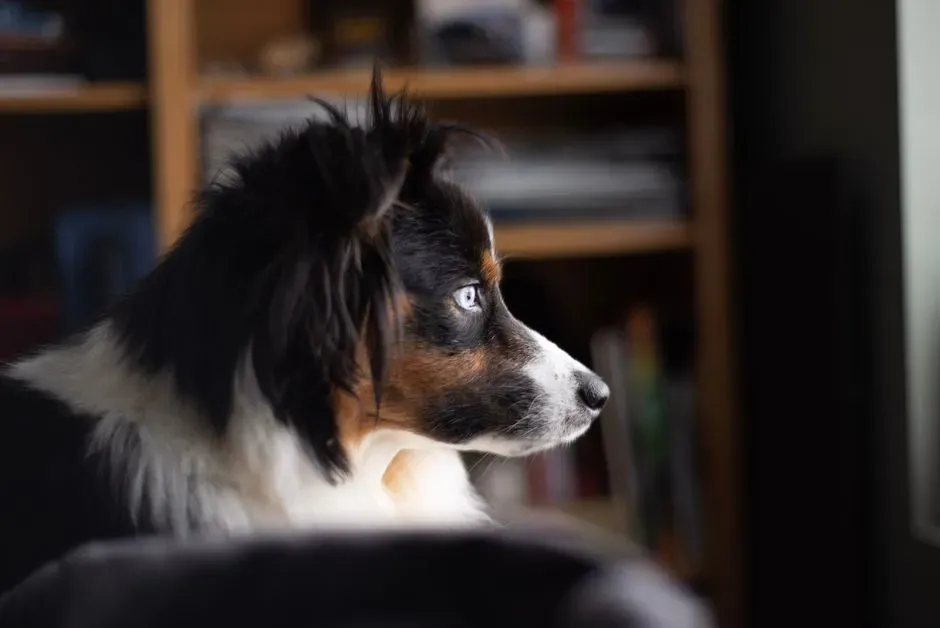
Australian Shepherds bond tightly with their chosen people and dislike disruptions to that connection. Their energetic personality masks a sensitive side that reacts strongly to signs of departure. When bags appear, some dogs simply halt all activity and stare, too overwhelmed to respond normally.
These herding dogs were developed to work closely with humans throughout the day. Solitude feels foreign and threatening to them. The freeze behavior often appears alongside other signs like whining or pacing once the initial shock passes, showing how deeply the anxiety runs.
Cavalier King Charles Spaniel
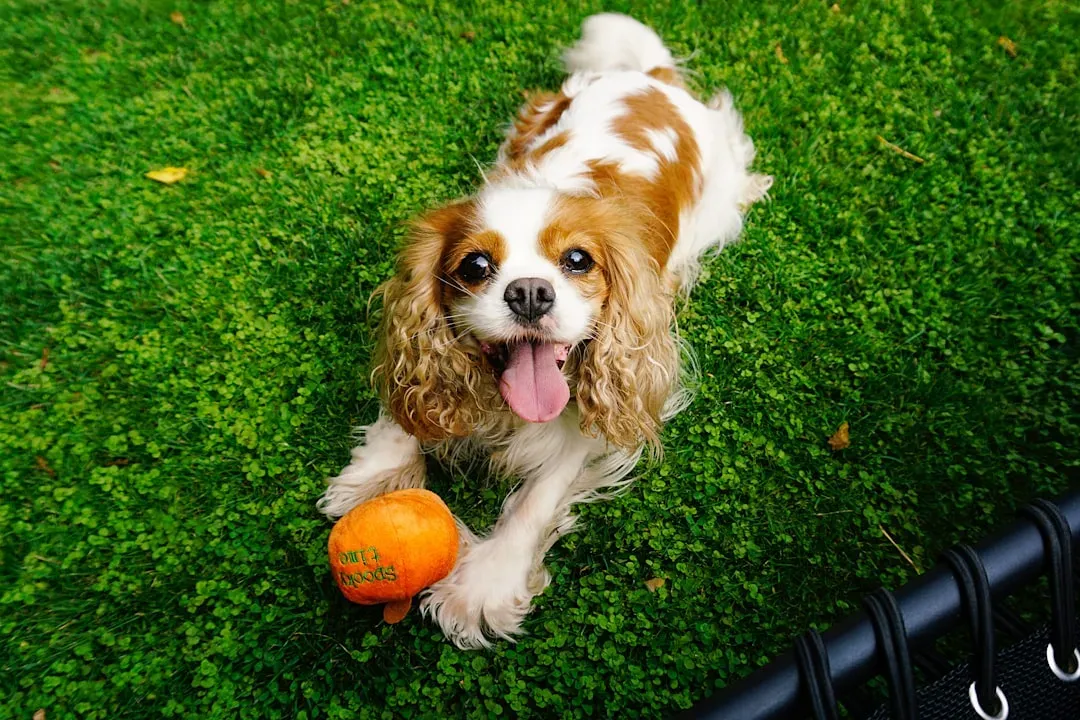
Cavalier King Charles Spaniels were bred as lap companions, so their world revolves around closeness with owners. Any preparation for leaving can spark immediate fear. Owners frequently describe these small dogs becoming motionless, as though staying perfectly still might prevent the separation from happening.
Their affectionate temperament makes them especially vulnerable to loneliness. A freeze response in this breed often looks gentle yet heartbreaking, with the dog refusing to engage until the threat of departure passes. Daily routines that include short absences help ease the intensity over time.
Jack Russell Terrier
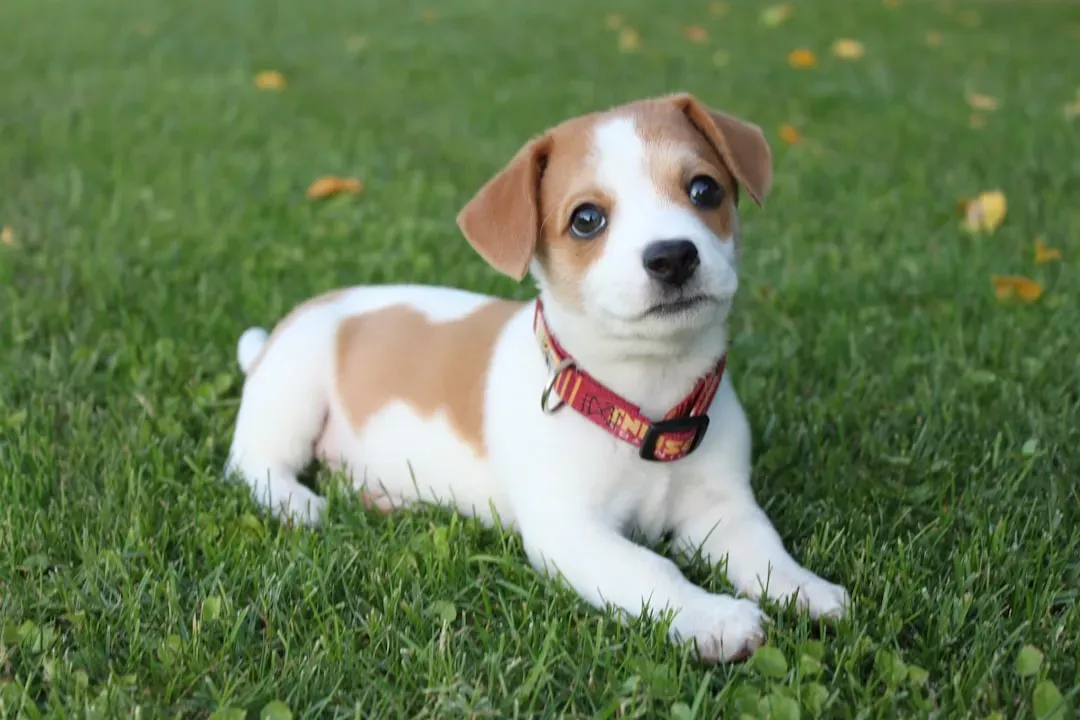
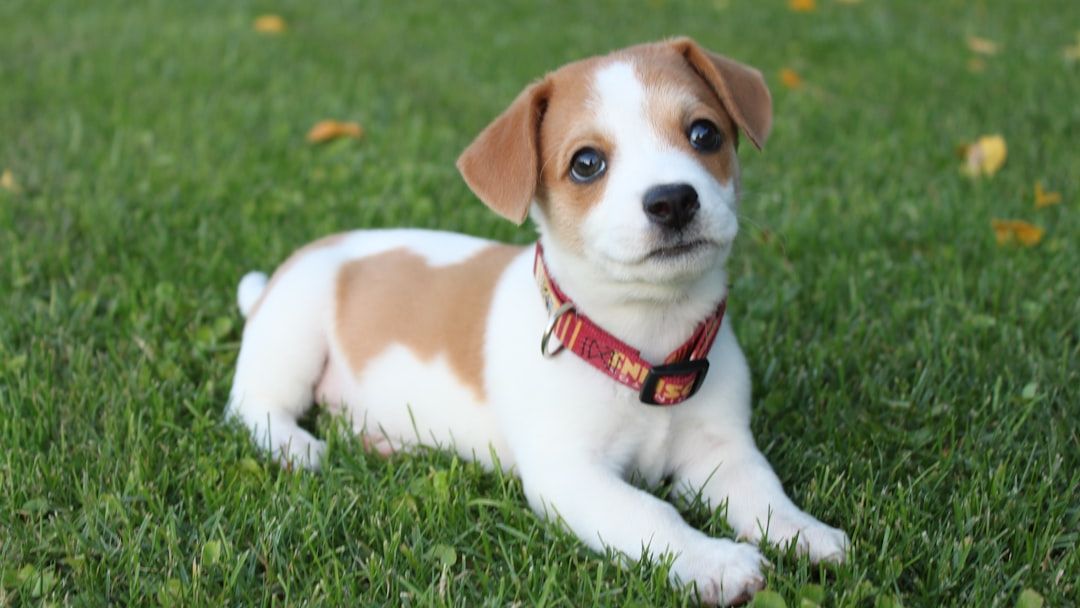
Jack Russell Terriers pack big personalities into small frames and form strong opinions about their surroundings. They notice every cue that signals change, including the rustle of luggage. When anxiety spikes, some will freeze in place rather than bark or jump, channeling their energy into rigid alertness.
Originally hunters with high drive, these terriers need activity and company to stay balanced. The sudden prospect of being alone can override their usual boldness. This stillness serves as a protective mechanism while their minds process the upcoming isolation.
Vizsla
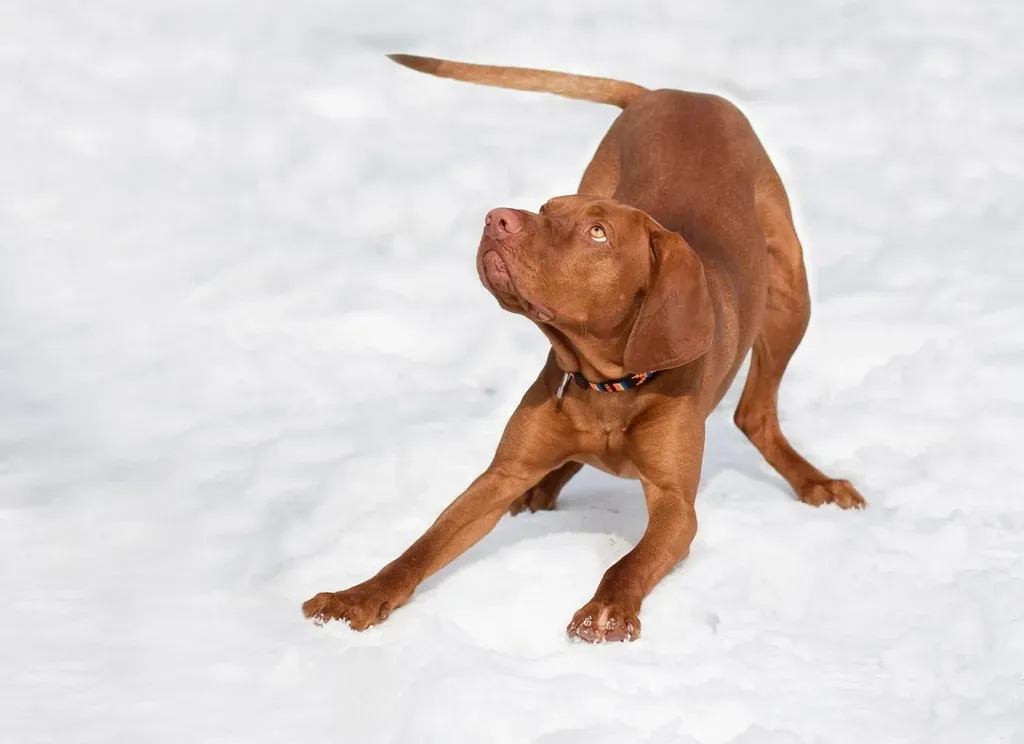
Vizslas earn the nickname Velcro dogs because they prefer to stay physically near their people at all times. Packing signals an unwelcome break in that closeness. Many respond by freezing completely, their lean bodies tense and eyes following every movement without shifting position themselves.
These athletic companions were bred to hunt alongside owners, creating an expectation of constant partnership. When that pattern threatens to break, anxiety surfaces quickly. Gradual desensitization to departure cues often helps, though the initial freeze remains a hallmark reaction for many in the breed.
Chihuahua
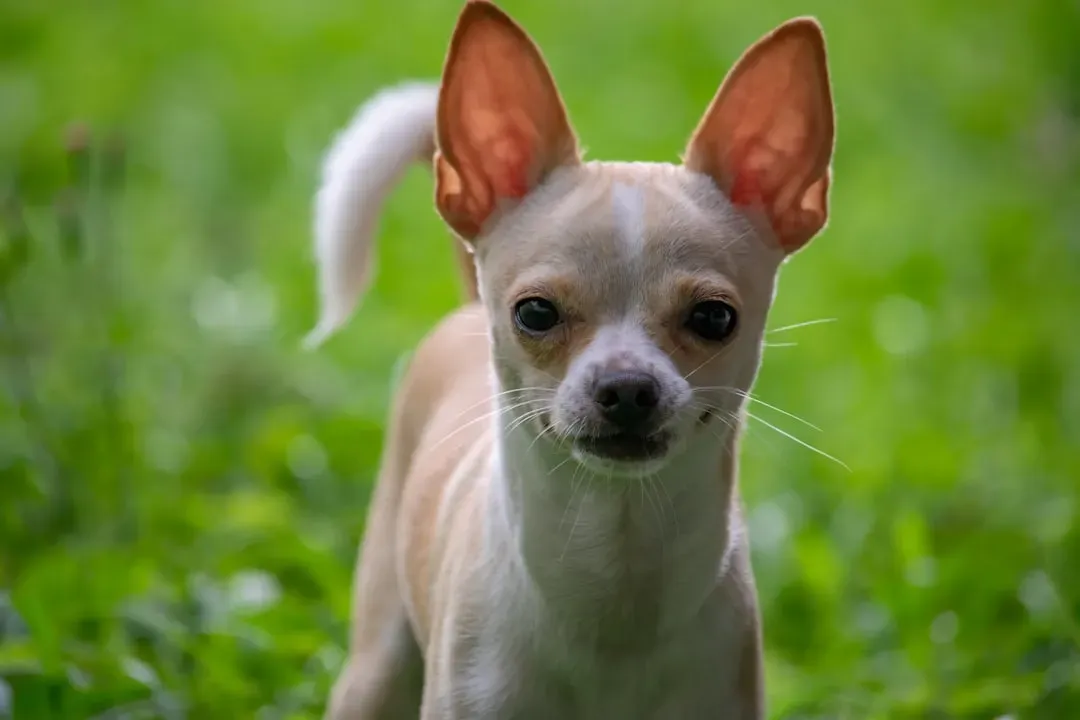
Chihuahuas may be tiny, yet their attachment to family members runs deep and protective. They observe household patterns closely and react to any shift that suggests alone time ahead. The freeze response in this breed can appear as sudden immobility paired with wide eyes and shallow breaths.
Small dogs like these sometimes amplify their anxiety because they rely heavily on human presence for security. A suitcase or coat in hand can trigger complete shutdown where the dog stays rooted until the situation resolves. Patient counter conditioning helps many overcome the worst of these episodes.
Understanding how these breeds experience departure can shift the way owners prepare for trips or workdays. Small adjustments in routine often make a noticeable difference in comfort levels. The goal remains helping each dog feel secure whether the family stays together or separates briefly.


