
8 Dog Breeds That Love Romping Around in Snow (And 8 That Prefer A Beach)
Picture this: a first snowfall of the season, the yard blanketed white, and your dog exploding through the back door like a furry missile of pure joy. Now picture a different dog on that same morning, pressing its tiny nose against the glass, looking deeply unimpressed. Both reactions are completely valid, and both say everything about the breed standing behind them.
Dogs aren’t one-size-fits-all when it comes to weather, and their preferences aren’t just quirks of personality. They’re written into their biology, their coat structure, and thousands of years of selective breeding. Cold-weather dog breeds have a thick double coat to help them thrive in winter, and many of their ancestors hail from Arctic or other frigid regions. On the flip side, dogs that handle hot weather well generally have roots in warmer climates, short coats, or physiques that effectively cool air as they breathe.
Whether you’re deciding which breed fits your lifestyle or simply trying to understand your current dog better, knowing where they naturally thrive makes all the difference in how you care for them.
1. Siberian Husky: The Ultimate Snow Enthusiast
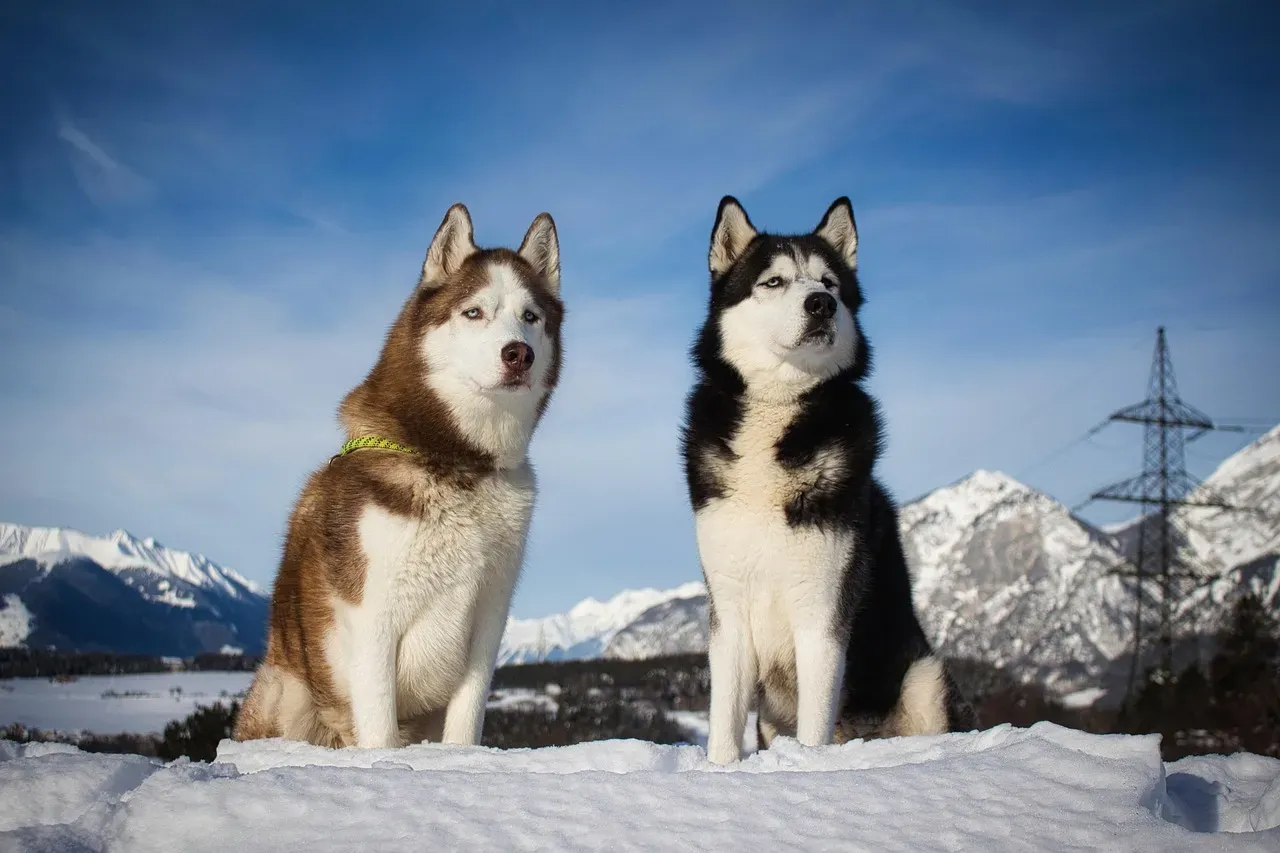
Few breeds wear their snowy heritage as openly as the Siberian Husky. Siberian Huskies are what most people think of when they say snow dog breeds. Once bred by the Chukchi people in Siberia to pull sleds across frozen desolation, these dogs don’t just withstand cold – they prefer it. The connection to snow runs deep, going far beyond just tolerating low temperatures.
The Siberian Husky originated in an Arctic region of the world, which means that they have a genetic reason for their love of cold and snow. Siberian Huskies were originally bred to pull loads over ice and snow, and they’re known for their speed. This pup also has a thick double coat to help shield them from chilly weather.
If you share your home with a Husky, give them a serious job to do in winter, like skijoring, canicross, or even long trail runs in the snow. These dogs need serious daily activity, or they’ll find their own entertainment, and you probably won’t like their choices. On the health side, winter can still be tough on a dog’s paws, and exposure to dry, cold air, chilly rain, and snow can cause chapped paws and itchy skin. Paw balm before outdoor sessions is a simple habit that goes a long way.
2. Alaskan Malamute: Strength, Power, and a Love for the Deep Freeze
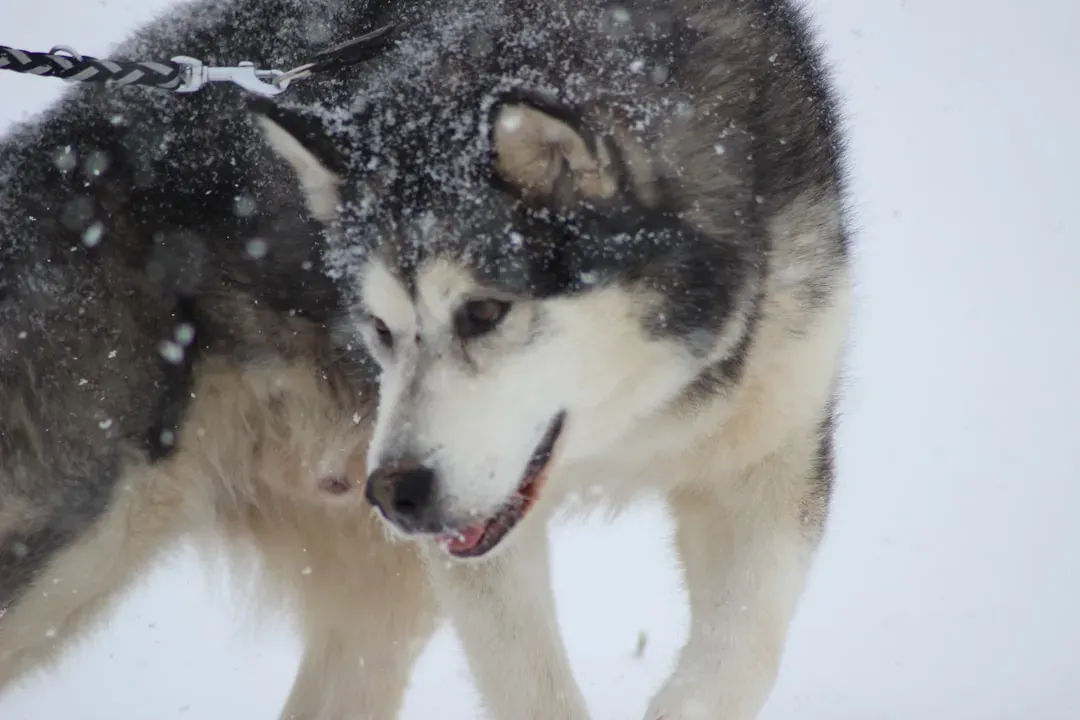
The Alaskan Malamute is the oldest and largest of the Arctic sled dogs, having been used for freighting in the Arctic. They have a thick, coarse coat that keeps them warm. Where the Husky was built for speed, the Malamute was built for hauling – and that power shows up in their personality just as much as their physique.
Alaskan Malamutes are designed for cold, snowy weather. The shape of their paws keeps them from sinking into snow, their almond-shaped eyes mean that they can squint more easily and expose less of their eye to the elements, their furry ears retain heat, and their topcoat is water-resistant. Every detail of this dog is an engineering feat for winter survival.
Owners should be aware that health monitoring matters with this breed. Approximately 11.5% of Alaskan Malamutes develop hip dysplasia, a condition where the hip joint is loose, which can cause a lot of pain and discomfort and limit their mobility. Regular vet checkups, joint-supportive nutrition, and controlled exercise on rough terrain can help keep your Malamute comfortable and active well into their senior years.
3. Samoyed: Smiling Through Every Snowstorm
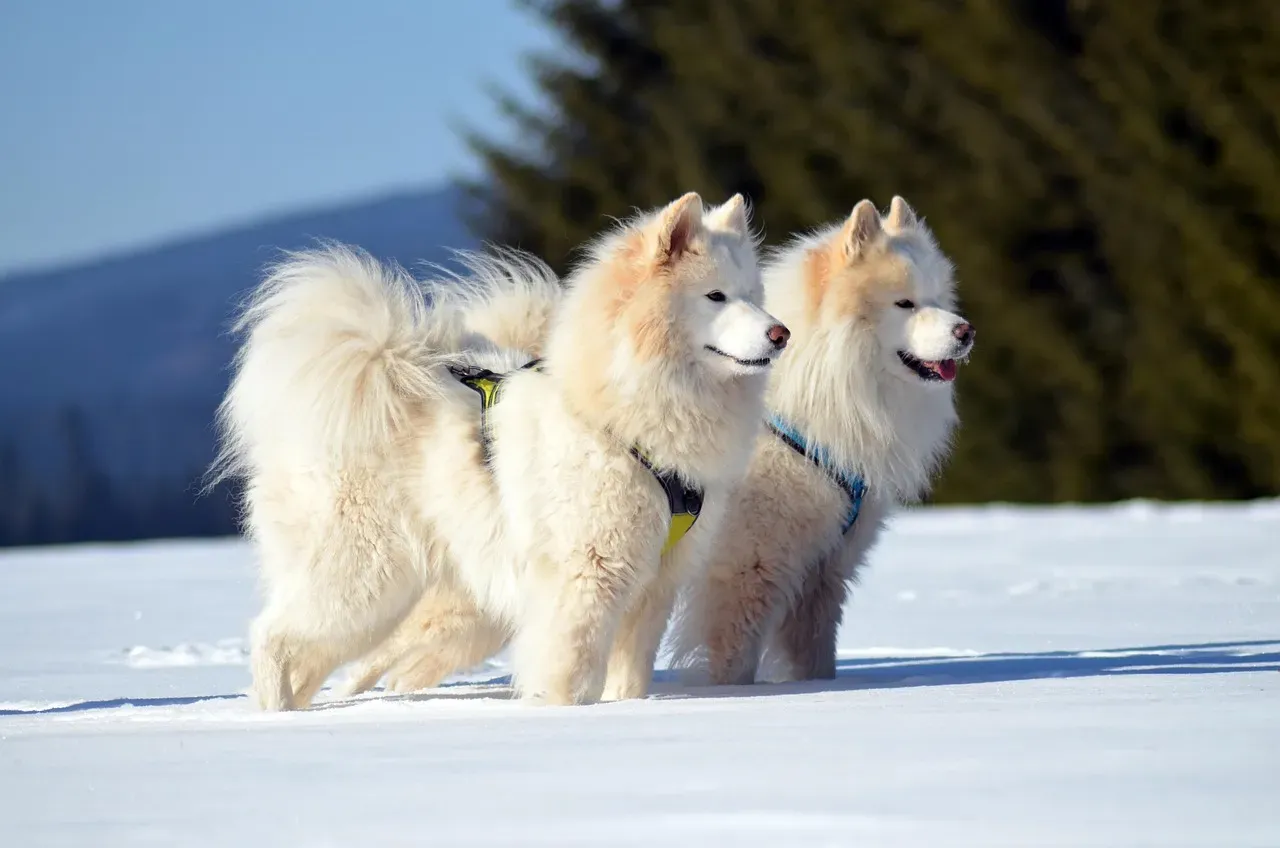
The Samoyed is almost impossible to look at without smiling back. If you’ve ever seen a Samoyed and thought “that looks like a cloud with legs,” you’re not wrong. These dogs have some of the fluffiest coats around, and they come with what people call the “Sammy smile.” Like Huskies, they’re from Siberia, where they herded reindeer and pulled sleds.
A distinctive trait of the breed is its “Samoyed smile.” With upturned corners to their mouths, Sammies always appear to be smiling adorably. But, just like that thick white fur, this perpetual smile also serves a purpose, helping to keep the Samoyed from drooling and forming icicles around its mouth. Nature is genuinely clever sometimes.
While they love the snow and being outside, Samoyeds are also happy to cuddle indoors. That’s a pretty ideal combination for families who want a winter adventure buddy who also doubles as a devoted companion on the couch. Keep their thick coat well-brushed, especially after snowy outings, to prevent painful matting and skin issues beneath all that fluff.
4. Bernese Mountain Dog: The Gentle Giant of Winter Trails
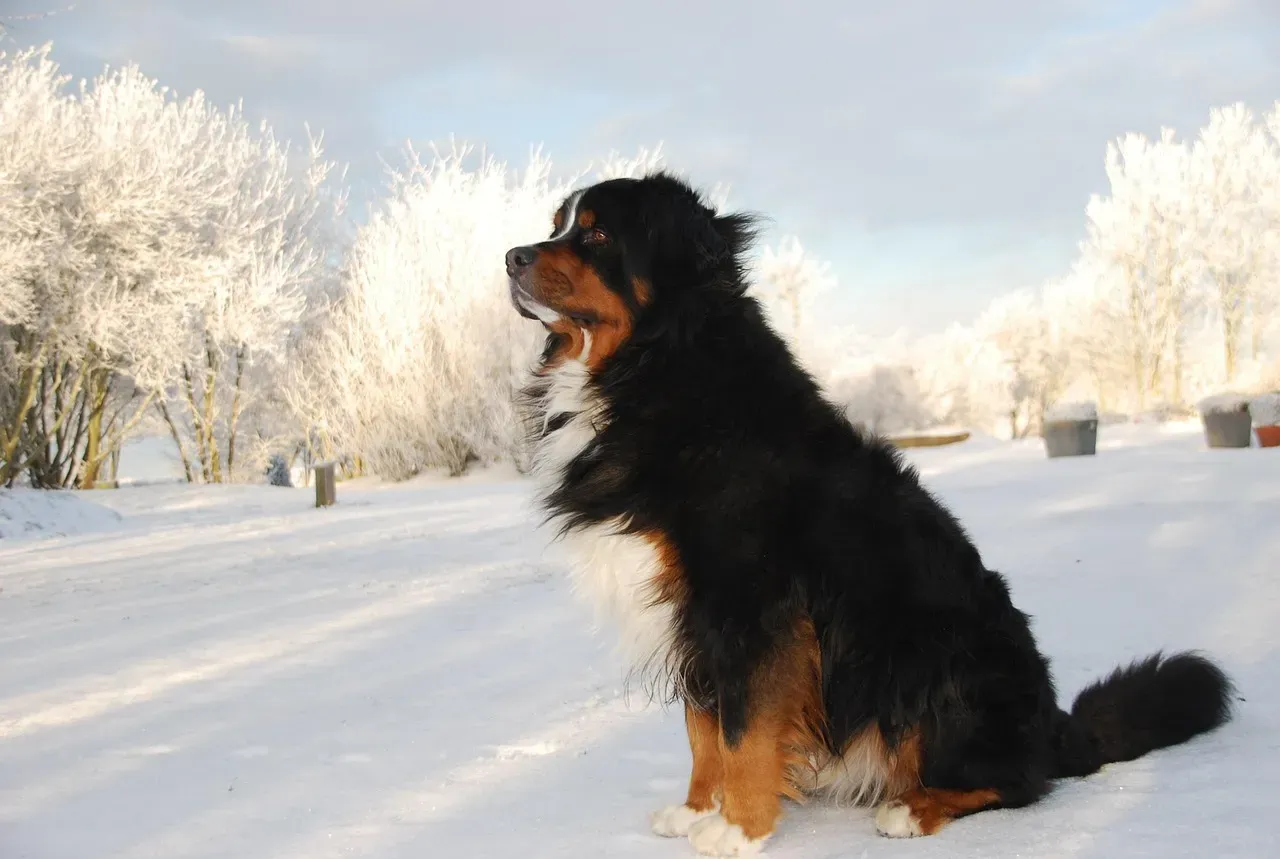
The Bernese Mountain Dog is a gentle soul that loves to play. These pups were bred to be farm dogs in Switzerland and enjoy being outside. Their thick double coat protects their skin from moisture and low temperatures. There’s something deeply calming about watching a Berner trot through snow with that tri-colored coat catching the winter light.
Bernese Mountain Dogs thrive in cold weather thanks to their brawny stature and silky brown-and-white coat. They love the outdoors and are always down for a hike or camping trip. Berners are friendly, affectionate dogs who are great with children and become deeply attached to their pet parents.
Berners are not considered a high-energy breed but do require at least 30 minutes of exercise daily. That makes them a wonderful match for families who enjoy regular outdoor activity without needing to run marathons. One thing to keep in mind: Berners are sensitive to heat, so once the snow melts, extra care during summer months is essential to keep them comfortable.
5. Saint Bernard: The Legendary Snowbound Rescuer
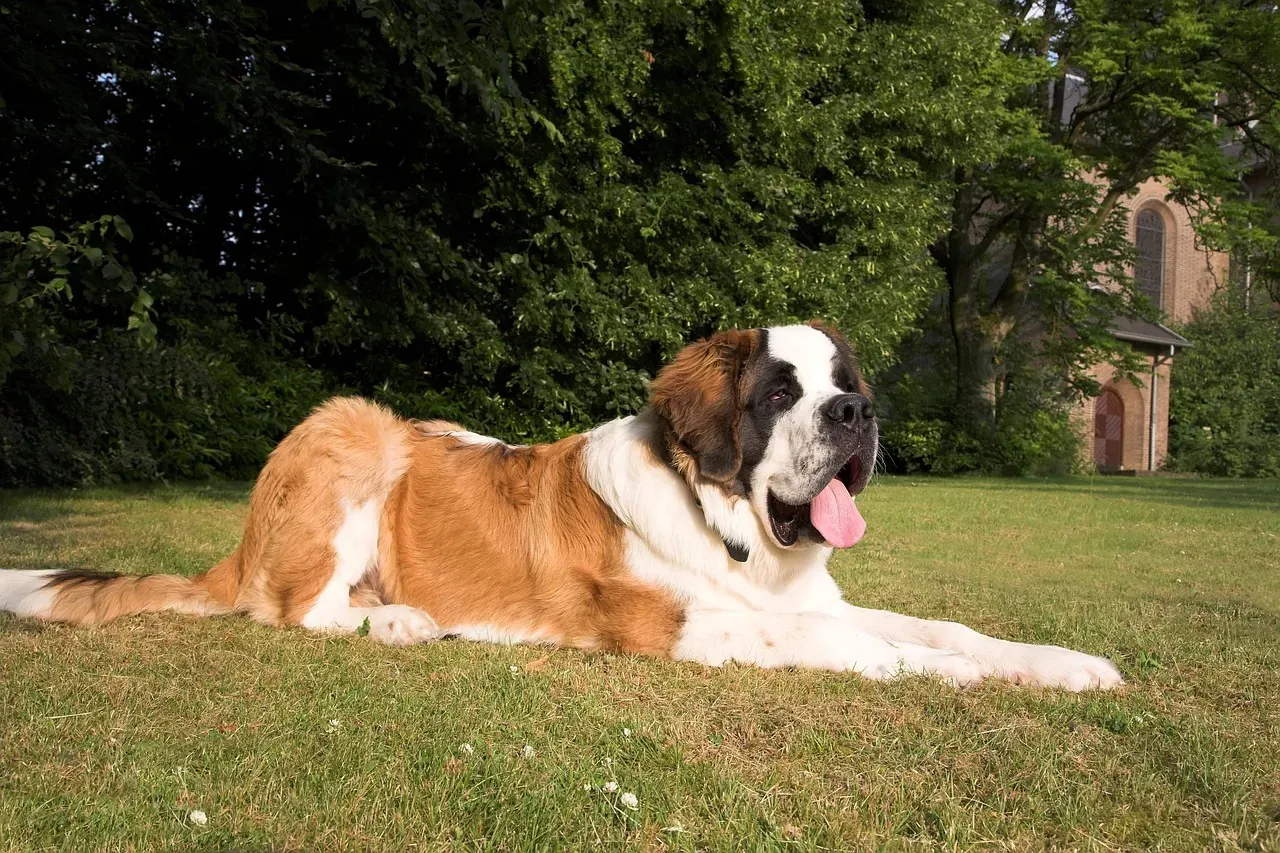
The Saint Bernard is the epitome of a snow dog. For centuries, they have been used as search and rescue dogs to find people buried under snow. While Saint Bernards still work as avalanche rescue dogs today, they’re also a popular family pet thanks to their gentle and friendly temperament.
Today’s Saint Bernards still have all that cold-weather capability built right in. They’re gentle giants who can weigh over 150 pounds and love kids. Unlike some of the more energetic winter dogs, Saints are pretty chill indoors. They’re happy to lounge around but still enjoy winter walks.
Because of their size, Saint Bernards benefit enormously from structured, low-impact winter exercise rather than chaotic romping that could strain their joints. Their large frame actually provides natural insulation and distributes cold exposure well across the body. Watch for signs of overheating in warmer months, and always provide shade and fresh water when temperatures climb above their comfort zone.
6. Great Pyrenees: Mountain Guardian in a White Coat
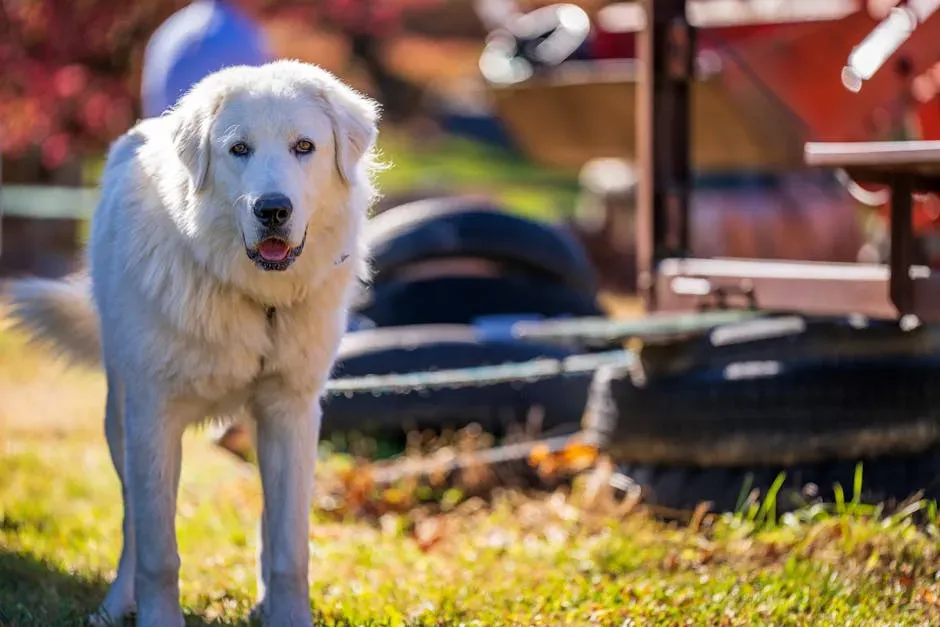
The Great Pyrenees is a large working dog from the Pyrenees mountains between Spain and France. Though not of Arctic origin, this dog is built to navigate snowy terrain, where they historically guarded livestock from predators. Their beauty is almost deceptive given just how capable they are in harsh conditions.
The Great Pyrenees is a majestic snow-loving dog breed that hails from the Pyrenees Mountains between France and Spain. With a thick double coat, these cold-weather dogs stay warm and cozy while romping through snow-covered landscapes. Originally bred to protect sheep from wolves and other predators, Great Pyrenees are natural guard dogs.
These patient pups are affectionate with their families but often aloof with strangers. Their moderate exercise needs actually make them more manageable than many other working breeds, though their independent streak means early training and consistent boundaries are important. Their coat needs regular brushing year-round, but especially during seasonal coat blows.
7. Akita: Japan’s Noble Snow Country Dog
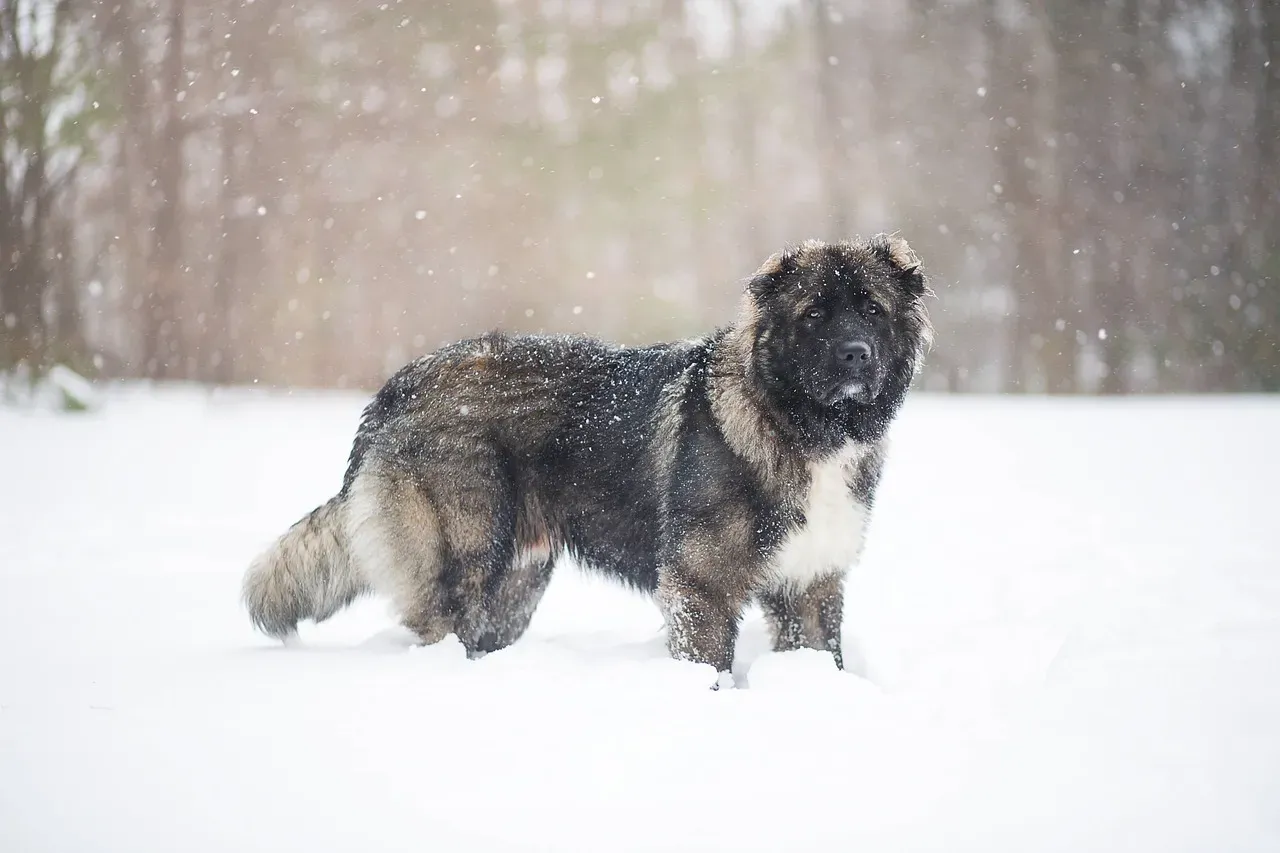
Originally known as the “snow country dog,” Akita dogs were used to hunt wild boar, elk, and small bear. Made famous by the heartwarming story of Hachikō, the Akita dog is celebrated in Japan for its unwavering loyalty. There’s a quiet dignity to the Akita that’s hard to put into words but easy to feel in their presence.
The Akita Inu is a heavy-boned, strong, and muscular breed with a thick triple coat which protects them from the elements. The combination of a straight coarse topcoat, a soft top undercoat, and a thick and woolly undercoat keeps them insulated from cold and makes them virtually waterproof. In addition to their warm protective coat, they also have webbed toes that help to distribute their weight, allowing them to walk on snow with ease.
Akitas are known as “snow country dogs” because of their love for cold weather. Once the temperature drops, these dogs are happiest outside. However, Akitas are also introverted and more than happy to cozy up with you on the couch after a winter hike through the snow. Early socialization is critical with this breed, as they can be reserved or territorial without it.
8. Norwegian Elkhound: The Viking’s Faithful Winter Companion
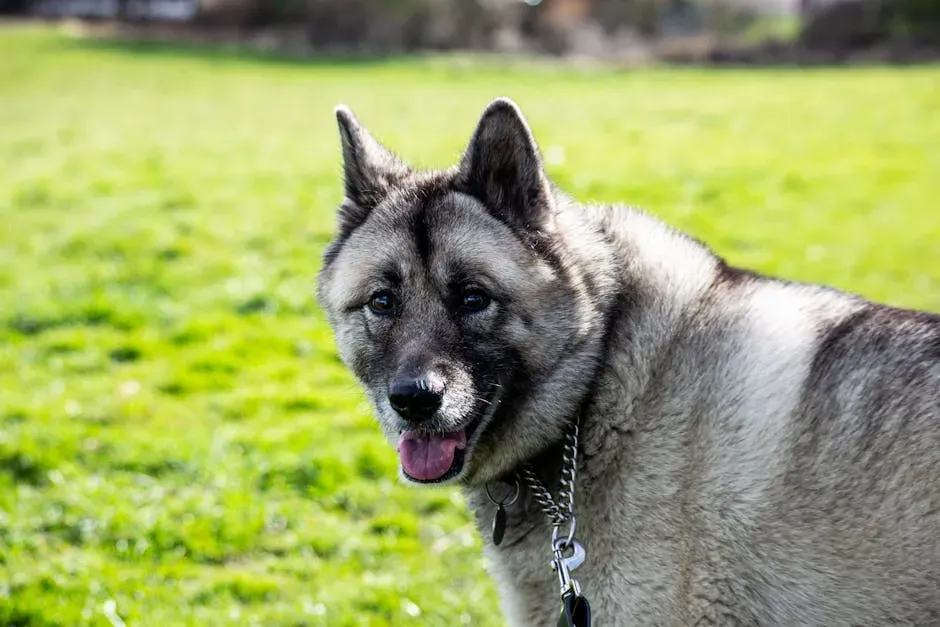
Norwegian Elkhounds are cold-weather dogs dating back to the Vikings. Now the national dog of Norway, Elkhounds were originally used as hunting dogs. That Viking heritage shows up in their boldness and endurance, traits that make them genuinely exhilarating to take out on a winter trail.
Trusted and reliable companions, Norwegian Elkhounds helped with herding, hunting, and protecting their people. In Norway’s rocky terrain and frigid climate, their dense double coat and powerful, athletic build were essential for survival. Still utilized for moose hunting in Norway today, the Norwegian Elkhound can channel that same energy into more peaceful activities closer to your home.
These dogs are high-energy and intelligent, and they need lots of exercise and mental stimulation. An active family that loves going for runs and long weekend hikes is this cold-weather dog’s perfect match. Be mindful of their prey drive around smaller animals, and keep them leashed on trails where wildlife encounters are likely.
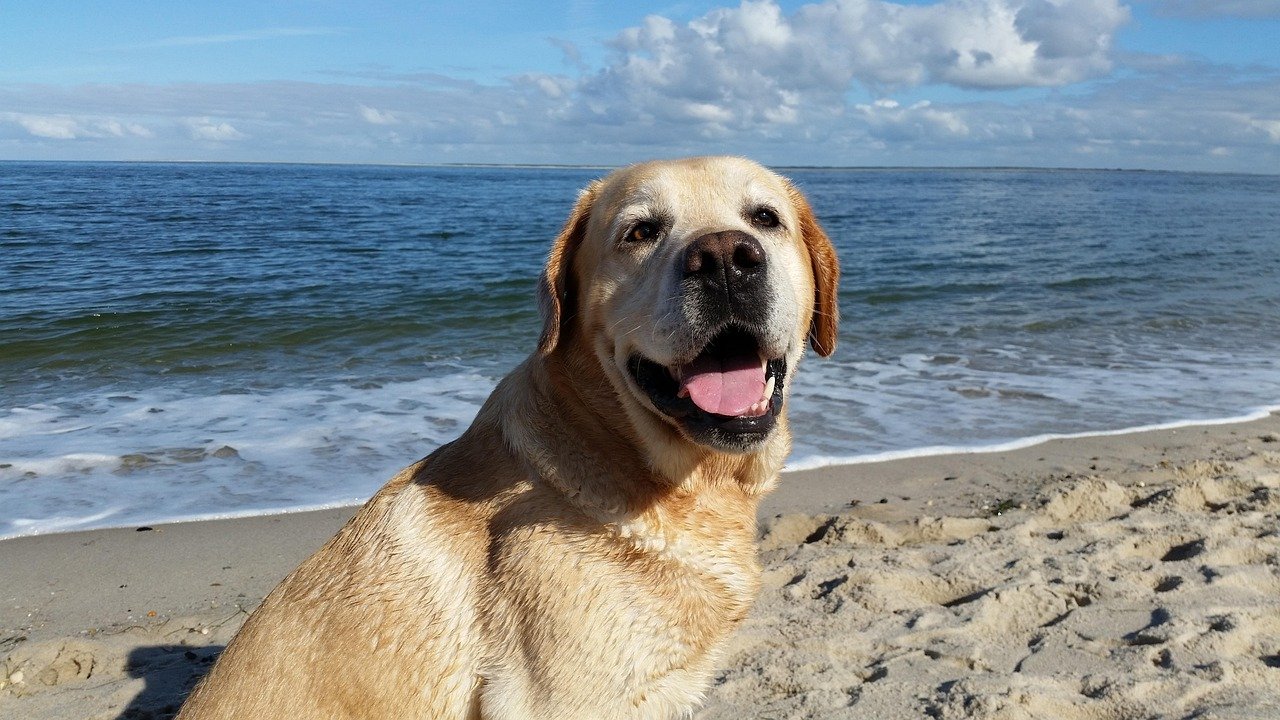
9. Labrador Retriever: The Perpetually Happy Beach Goer
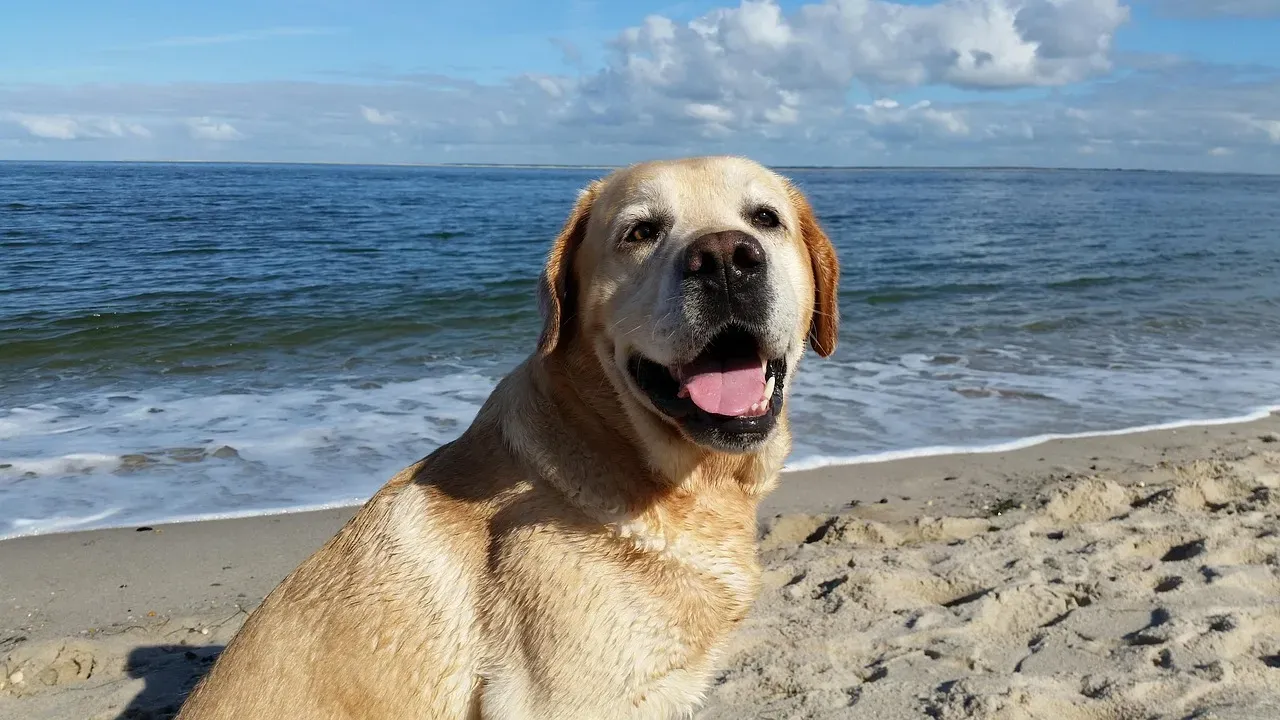
There’s a reason Labs are consistently one of the most popular breeds in the world. They’re enthusiastic about everything, including warm weather and water. The Labrador Retriever originates from Newfoundland in Canada, helping fishermen retrieve nets and lost lines, and pull in fish. That working relationship with water stuck, and Labs today still treat any body of water as a personal invitation.
Golden retrievers love to swim, so if you live in a warm area with access to a lake or beaches, your pet would make a nice swimming companion. The same holds true for Labs, whose short, slightly oily outer coat was purpose-built for cold water work but adapts well to warm coastal environments. Due to their shared origins as water-retrieving hunting dogs, both the Labrador and golden retriever have webbed feet, which help with swimming.
On the beach, a Lab is in its element. Fetch in the surf, digging in sand, racing along the shoreline – they treat every outing like their first and best. Just watch for signs of overheating, keep fresh water available, and rinse their coat after saltwater swims to prevent skin irritation.
10. Golden Retriever: Sun-Warmed and Joyful
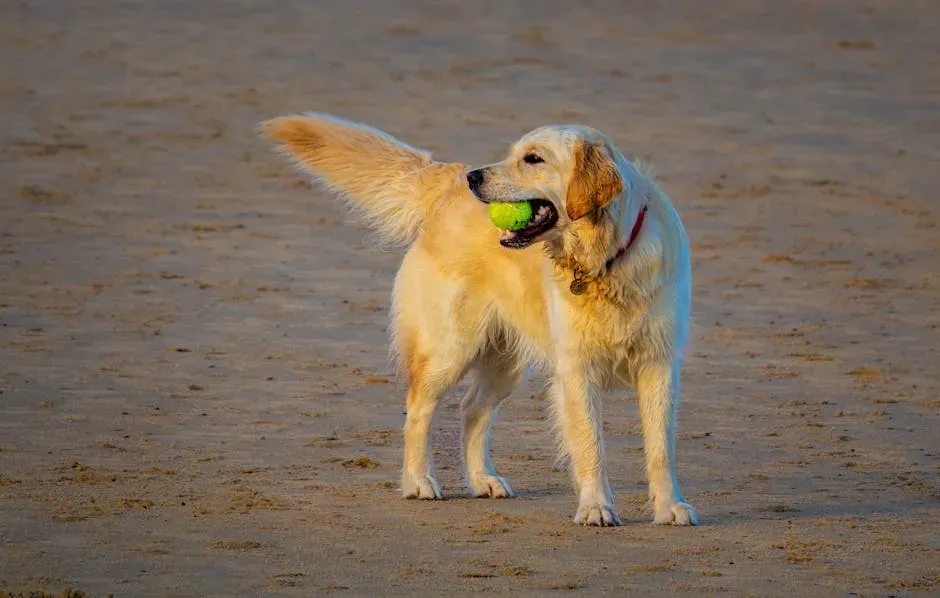
Golden Retrievers bring that irresistible, tail-wagging warmth that seems to match a sunny day perfectly. The golden retriever was originally bred as a Scottish gundog and water retriever, bred to assist hunters. Their love of water makes warm-weather beach trips something they genuinely relish rather than simply tolerate.
Golden Retrievers were bred for land work, although they are excellent swimmers, and their coat keeps them warm in winter and cool in summer. That coat versatility is a real asset on temperate beach days, though in serious heat, shade and water breaks are non-negotiable. As retrievers, they’re usually good swimmers because they were bred to fetch waterfowl for hunters.
Goldens are deeply social animals, and a beach trip doubles as a socialization opportunity. They tend to make friends with every person and dog they meet on the sand. Health tip: prolonged sun exposure can warm a Golden’s dark-pigmented areas quickly, so monitor them carefully on very hot, humid days and avoid midday outings when temperatures peak.
11. Chihuahua: Tiny Dog, Maximum Sun Worship
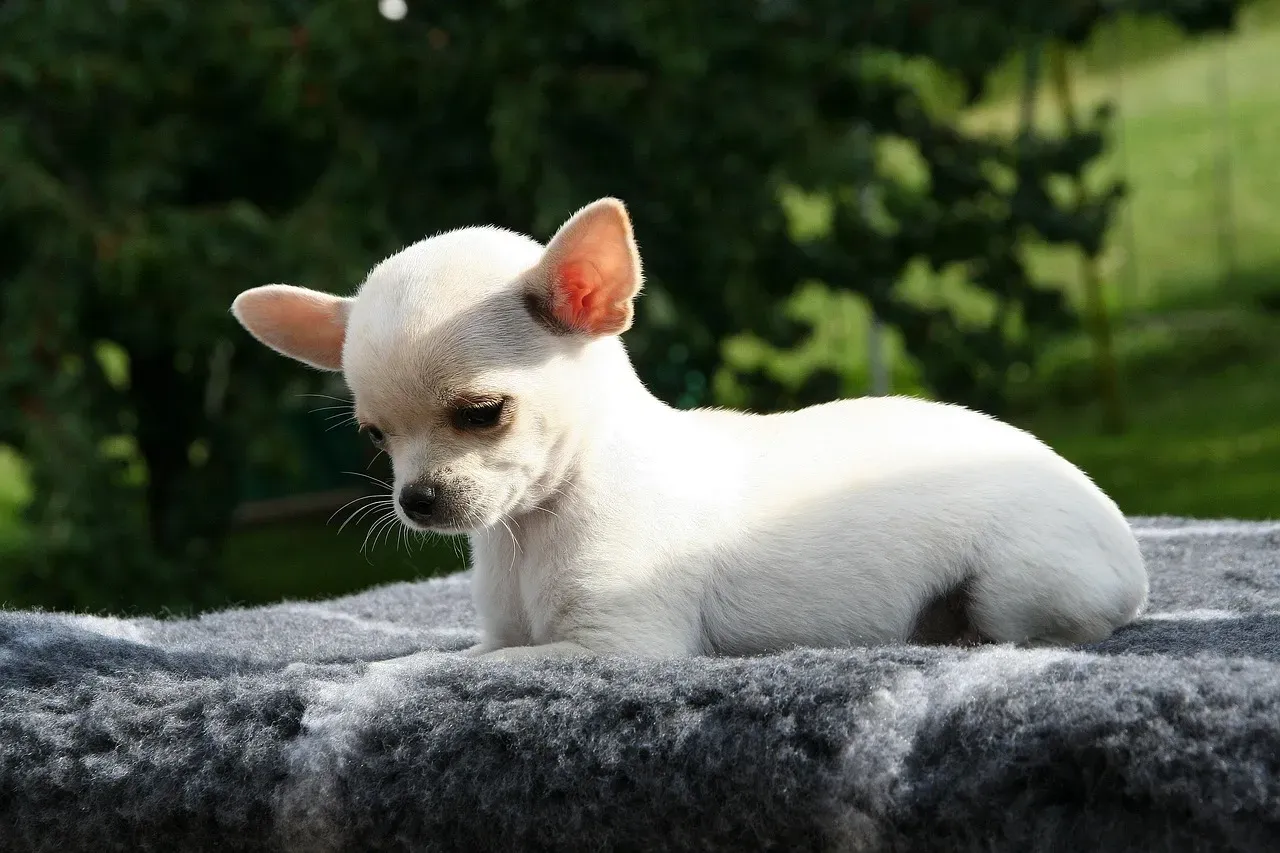
Don’t let the size fool you. Chihuahuas have outsized confidence and an equally outsized love of warmth. The Chihuahua originated in Mexico’s hot desert, so they’re no stranger to warm weather. Their small stature and short coat help them stay comfortable, even in the dog days of summer.
The breed’s large, erect ears are more than just adorable. The shape also allows airflow over expanded blood vessels in the thin skin to cool both sides. That’s a beautiful example of form following function. In cold weather, though, the story flips entirely: Chihuahuas tend to suffer in cold weather because they’re ill suited for winter conditions.
A Chihuahua on a warm beach is genuinely in paradise. They’ll find a sunbeam, press themselves flat against warm sand, and look profoundly satisfied with life. Just apply dog-safe sunscreen to thin-skinned or pale areas, keep them hydrated, and offer shade before they overheat. Their small size means they can dehydrate quickly on hot days.
12. Dalmatian: Endurance Athlete of the Shoreline
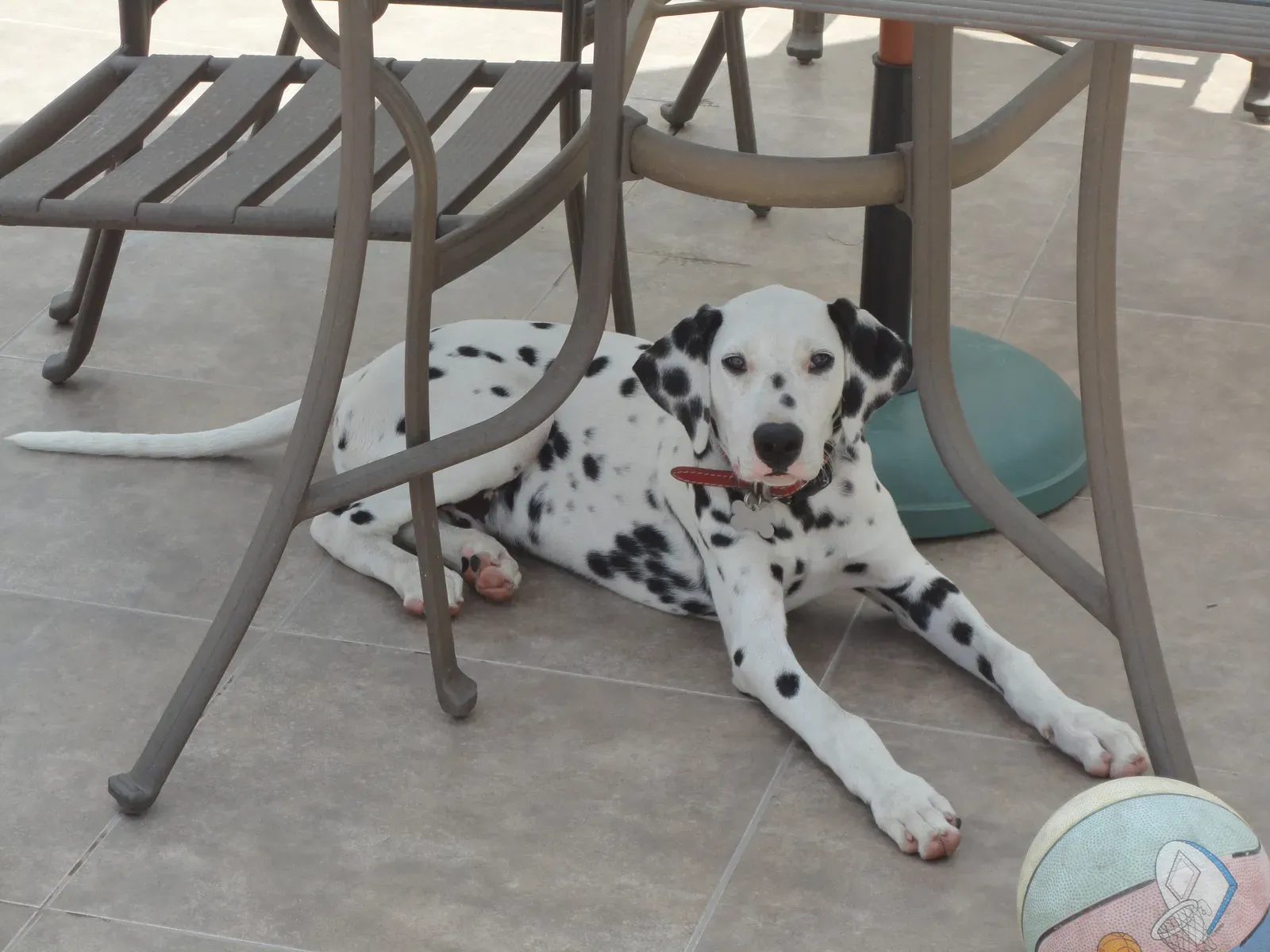
Originating as carriage dogs that would run alongside horses, Dalmatians have spent much of their more than 200-year existence building endurance and a tolerance for heat. Their short, sleek coats, mostly white with dark spots, reflect sunlight, keeping them cooler than most dark-colored breeds. When the breed isn’t chasing squirrels or frolicking on the beach, you can often find them soaking up rays during a nap in the sun.
Dalmatians were originally bred as carriage dogs and have a short, dense coat that doesn’t trap heat. This energetic breed enjoys physical activities, making it well-suited for an active lifestyle in a hot climate. A beach run at sunrise with a Dalmatian is genuinely hard to beat.
Their high endurance means they can keep going long after you’re ready to stop, which is a fun problem to have. Keep a collapsible water bowl in your beach bag, and watch for early signs of heat exhaustion like heavy panting, stumbling, or sudden lethargy. Because their coats are so light, it’s important to protect this sun-loving breed with canine sunscreen.
13. Whippet: The Sleek Sprinter Who Lives for Warm Days
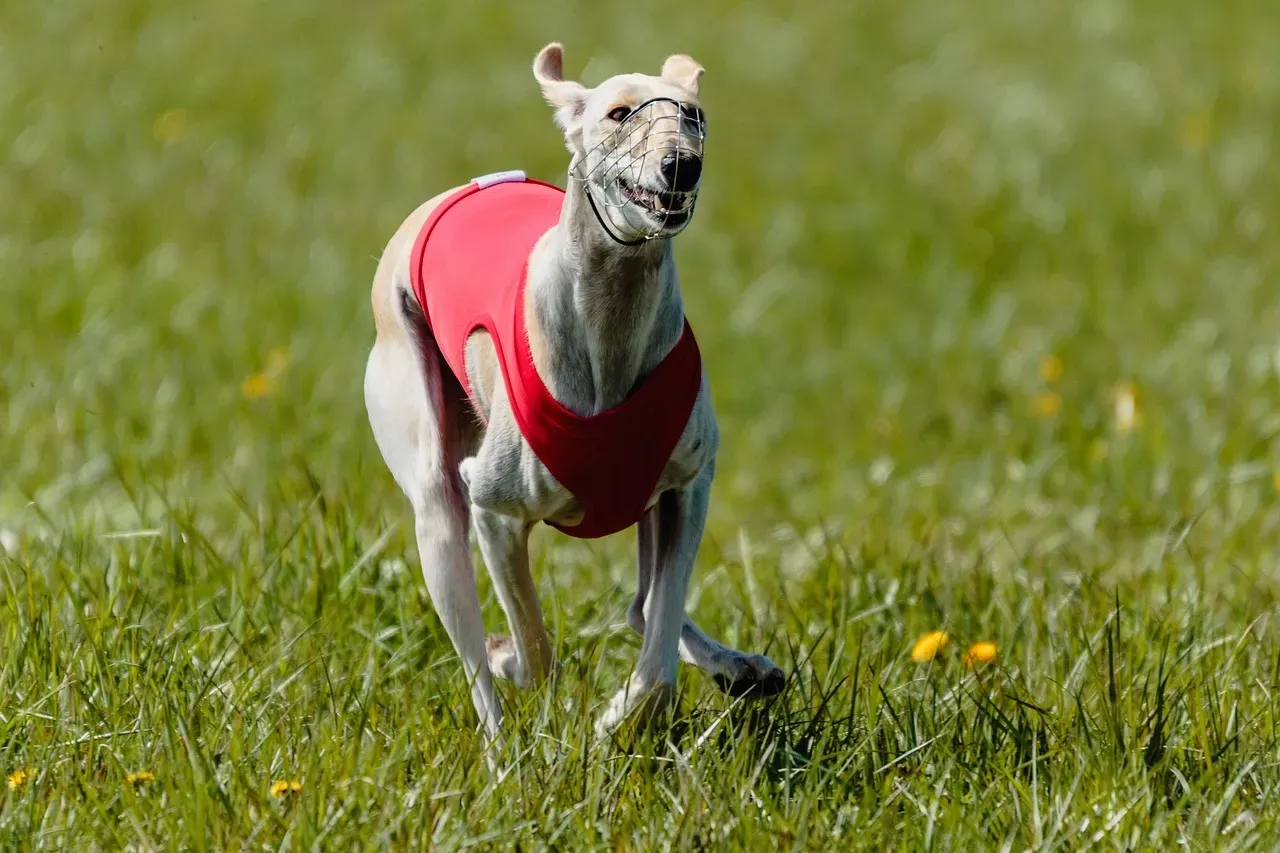
Whippets are built for speed and agility, but their playful and gentle nature makes them fantastic four-legged companions. These slim sprinters’ slender frame, long snout, and thin, short coat help to keep them cool and comfortable in the summer sun. They have a large nose and expansive chest cavity, helping to cool the air as they breathe.
Whippets are warm-weather naturals, pairing a sleek coat with balanced bursts of energy. They zoom, then snooze, which suits hot days perfectly. Lightweight frames help them shed heat quickly and recover fast. That burst-and-rest rhythm is honestly ideal for beach days.
In cold weather, Whippets genuinely struggle. Their minimal body fat and thin coat offer almost no insulation, so a sweater is not a fashion statement with this breed – it’s a necessity. On warm days, though, they thrive. Always check the temperature of sand under their paws before letting them run; hot sand can burn sensitive feet quickly.
14. Basenji: The African Hunter Who Seeks Every Patch of Sunshine
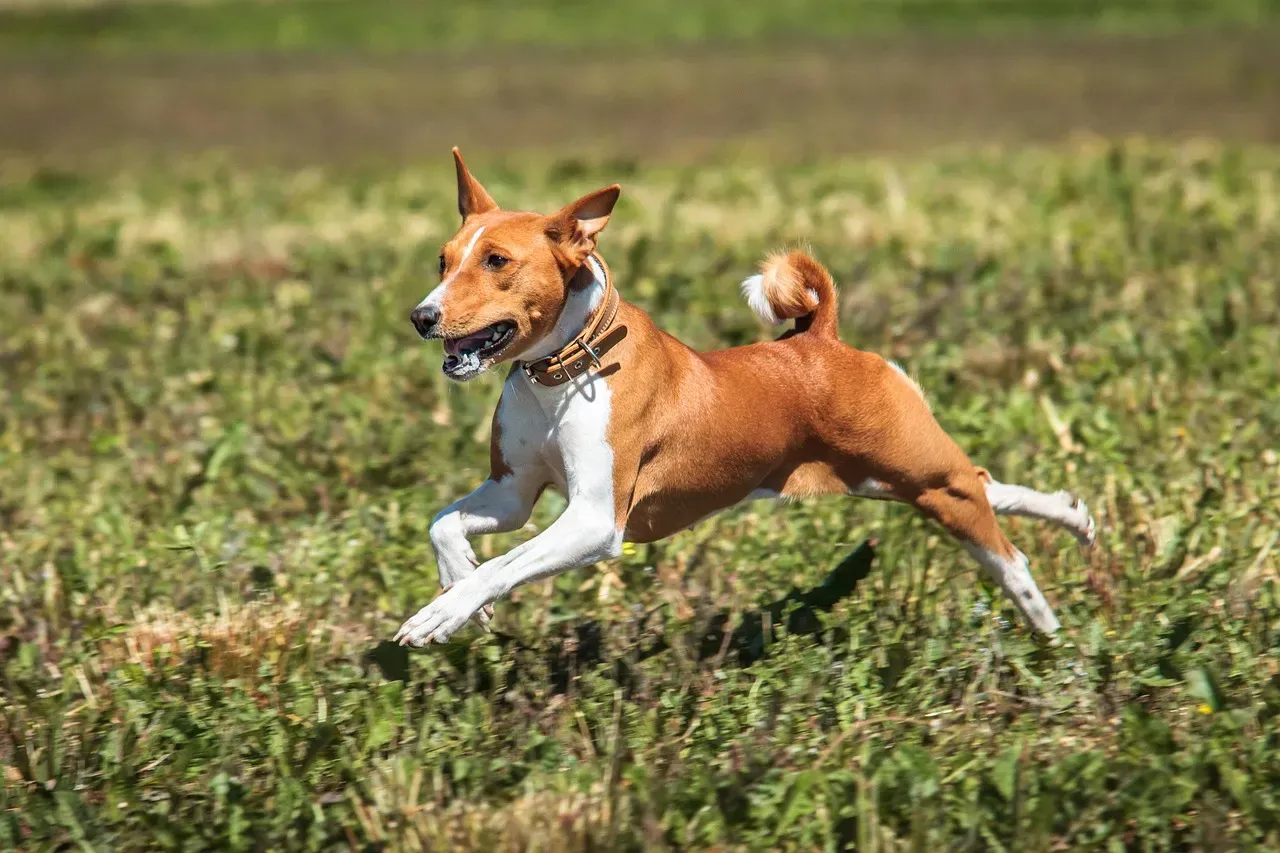
The Basenji is an ancient breed known for its unique appearance and heat tolerance. Originating from Central Africa, where temperatures can soar, the Basenji has a short, fine coat that helps it stay cool. Its small to medium size and slender build also aid in heat dissipation. Basenjis are active, intelligent, and known for their cat-like grooming habits, which keep their coat in good condition.
Originally called the bush or Congo dog in reference to the area of Africa from which the breed hails, the Basenji evolved in warm weather and has been known to seek out warm, sunny places in a person’s home. With a very short coat and long legs for their size, the breed’s build allows heat to escape their bodies in every way possible.
One quirk worth knowing: Basenjis don’t bark in the traditional sense. The breed’s larynx produces a distinct yodel but makes it difficult for them to bark, and the Basenji is a good apartment dog and can even handle places without proper air conditioning. On the beach, they’re curious and athletic explorers. Mental stimulation through scent games and training keeps them balanced and happy.
15. Vizsla: The Golden Athlete Built for Warm Climates
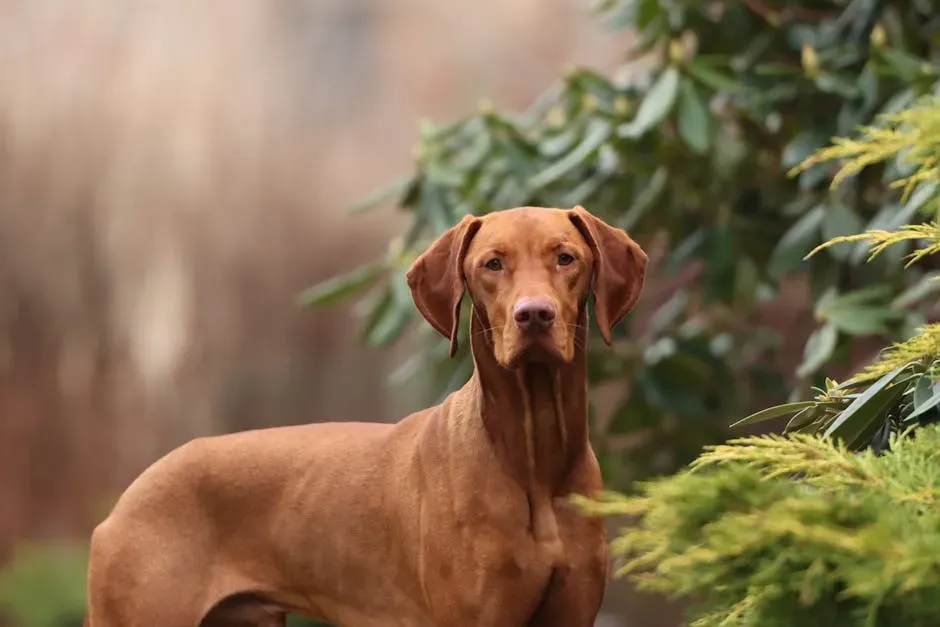
The Vizsla is a Hungarian breed known for its sleek, short coat that is ideal for hot weather. With their high energy levels and athletic build, Vizslas need plenty of exercise, which they handle well in warmer temperatures as long as they have adequate hydration. Their short coat is easy to maintain, and they are known for their affectionate nature and agility.
The Vizsla is a golden-hour athlete with a close, copper coat that handles heat well. Sensitive and biddable, they excel when you balance activity with structured rest. Expect affectionate shadows who follow you from sunny trails to shady porches. Their Velcro-dog tendencies mean they’ll want to be right beside you in the surf.
Vizslas are known to struggle in cold climates, where their thin coat and lean body offer little protection. Their emotional sensitivity is real too – they don’t do well with harsh training or isolation. On a warm beach, though, they’re in their physical and emotional element: active, connected to their person, and genuinely lit up by the environment around them.
16. Italian Greyhound: The Sunshine Seeker in a Tiny Package
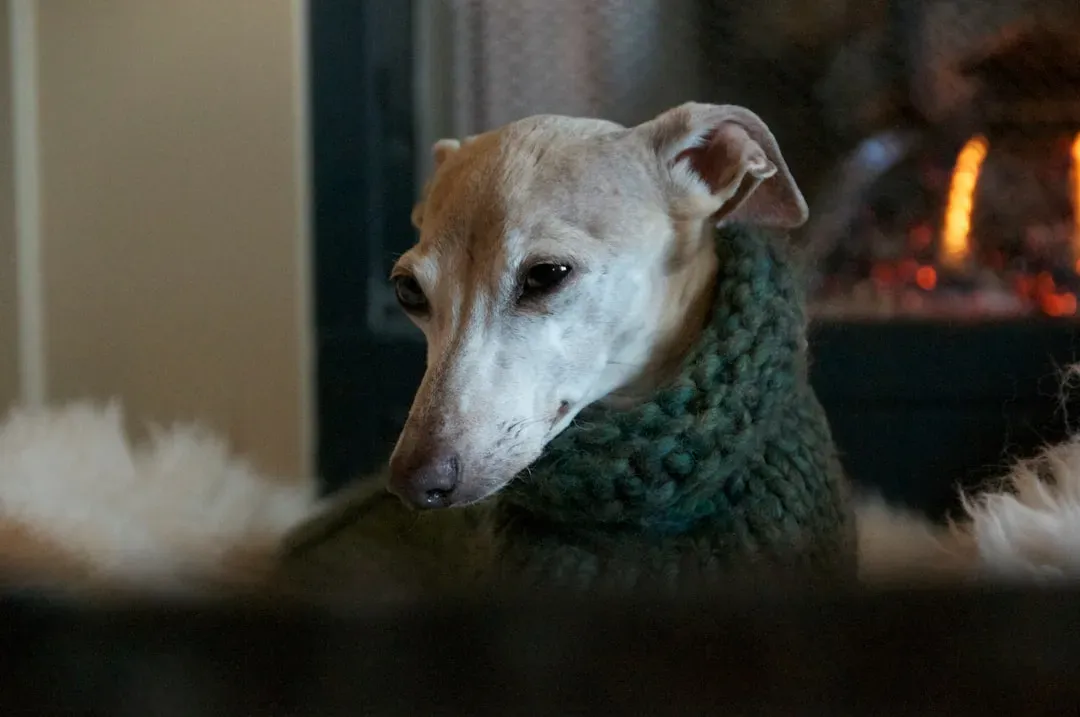
The smallest dog breed in the sighthound group, Italian Greyhounds are small dogs with playful personalities. Their long snouts, lean build, and short fur coats make them ready for fun in the sun. They’re also famously prone to cold, which makes warm weather their natural domain.
Featherlight and graceful, the Italian Greyhound handles heat far better than cold. Their slim build and sparse coat release warmth efficiently, making sunny strolls feel natural. You’ll often find them plastered against a warm window or curled into the tightest possible ball on a sunny patch of beach blanket.
The fact that the breed has so little fat makes them need extra care in colder climates, like sweaters. Indeed, Italian Greyhounds are hot-weather dogs at their core. Their delicate bone structure also means you’ll want to watch them on rocky terrain or when small children are around. On a calm, sunny beach with soft sand, though, they are utterly in their glory.
A Note on Care: Every Dog Deserves Climate-Smart Ownership
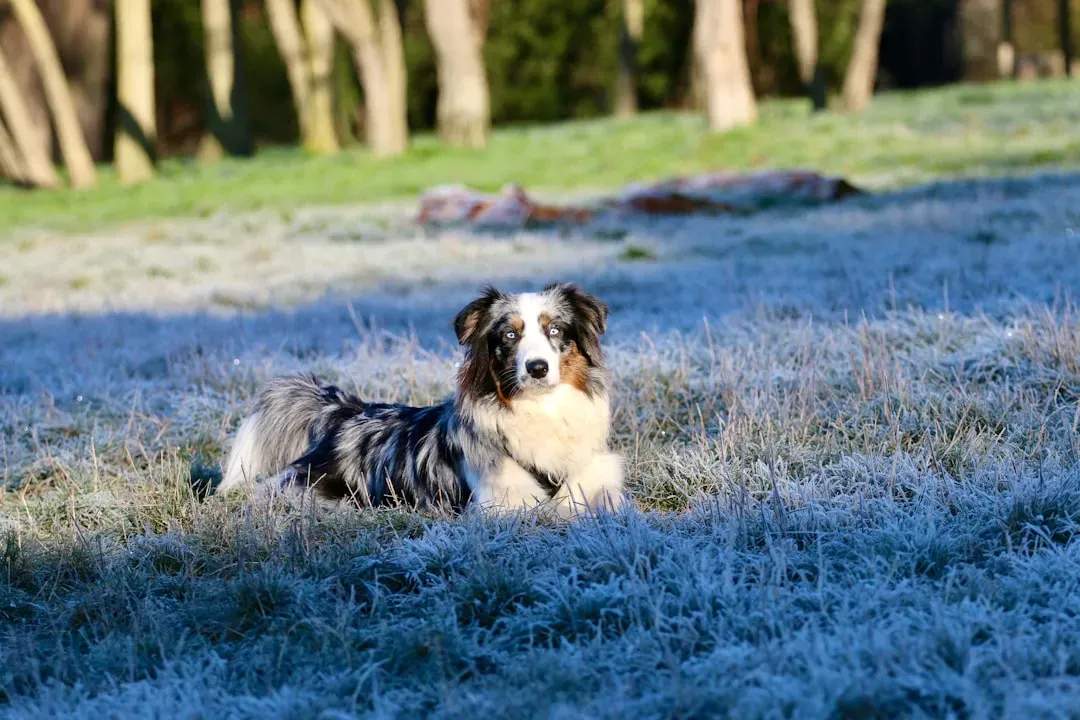
Even the most cold-adapted breed has its limits. Pet parents should always be mindful of the temperature and never leave their dog outside when it’s too cold. Doing so can expose even the fluffiest snow dog to frostbite or hypothermia. These breeds also tend to be sensitive to heat, so extra precautions need to be taken when temperatures rise.
Although some breeds may be more able than others to spend time in the sun, all dogs should be provided with access to plenty of shade and water when outdoors during the summer months. Because dogs aren’t able to sweat the same way as people, relying on panting to cool them down, they can be ill suited to cope with heat and more prone to heat exhaustion and dehydration.
The behavioral cues are usually clear if you know what to look for. A dog seeking shade, slowing down significantly, or lying flat on cool ground is asking for a break. A snow dog flattening itself into a drift and refusing to come inside is having the time of its life. Learning to read those signals is one of the most practical things you can do as a dog owner.
Conclusion: Match the Dog to the World They Were Made For
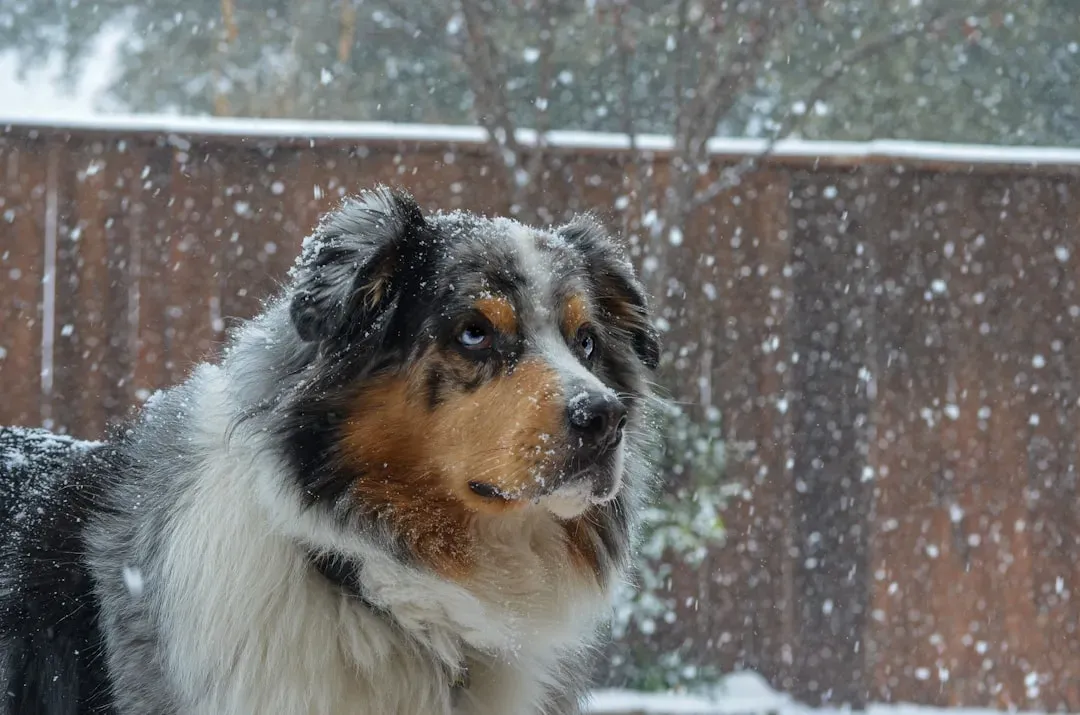
Every breed carries the memory of the landscape it came from. A Samoyed bounding through a blizzard isn’t just exercising – it’s expressing something fundamental about what it is. A Chihuahua melting into warm sand is doing exactly the same thing. Neither is wrong. They’re just perfectly themselves.
Understanding your dog’s climate preferences isn’t about limiting where you take them. It’s about setting them up to genuinely thrive. A snow dog in summer needs shade, cool water, and shorter outdoor sessions. A warm-weather breed in winter needs a good coat, warm bedding, and quicker walks. Small adjustments, big difference in quality of life.
The best thing you can give any dog is an owner who pays attention. Watch how they move when it’s cold. Notice where they head first when it’s hot. They’ll tell you everything you need to know – you just have to be listening.