
There’s something quietly wonderful about watching a dog figure something out for the first time. That tilted head, the tentative paw, and then the moment it clicks. Whether you’ve got a bouncy eight-week-old puppy or a dignified ten-year-old who still has a gleam in his eye, the capacity to learn never really leaves them.
Recent scientific studies have shown that dogs have the capacity to learn at all stages of their lives. Cognitive development in dogs doesn’t halt as they age; instead, it transforms. That’s genuinely good news for every dog owner who’s ever wondered if it’s too late to start. Spoiler: it’s not. What follows are eight practical, proven tricks to help your dog build new skills, strengthen your bond, and stay mentally sharp for years to come.
1. Start With Positive Reinforcement as Your Foundation
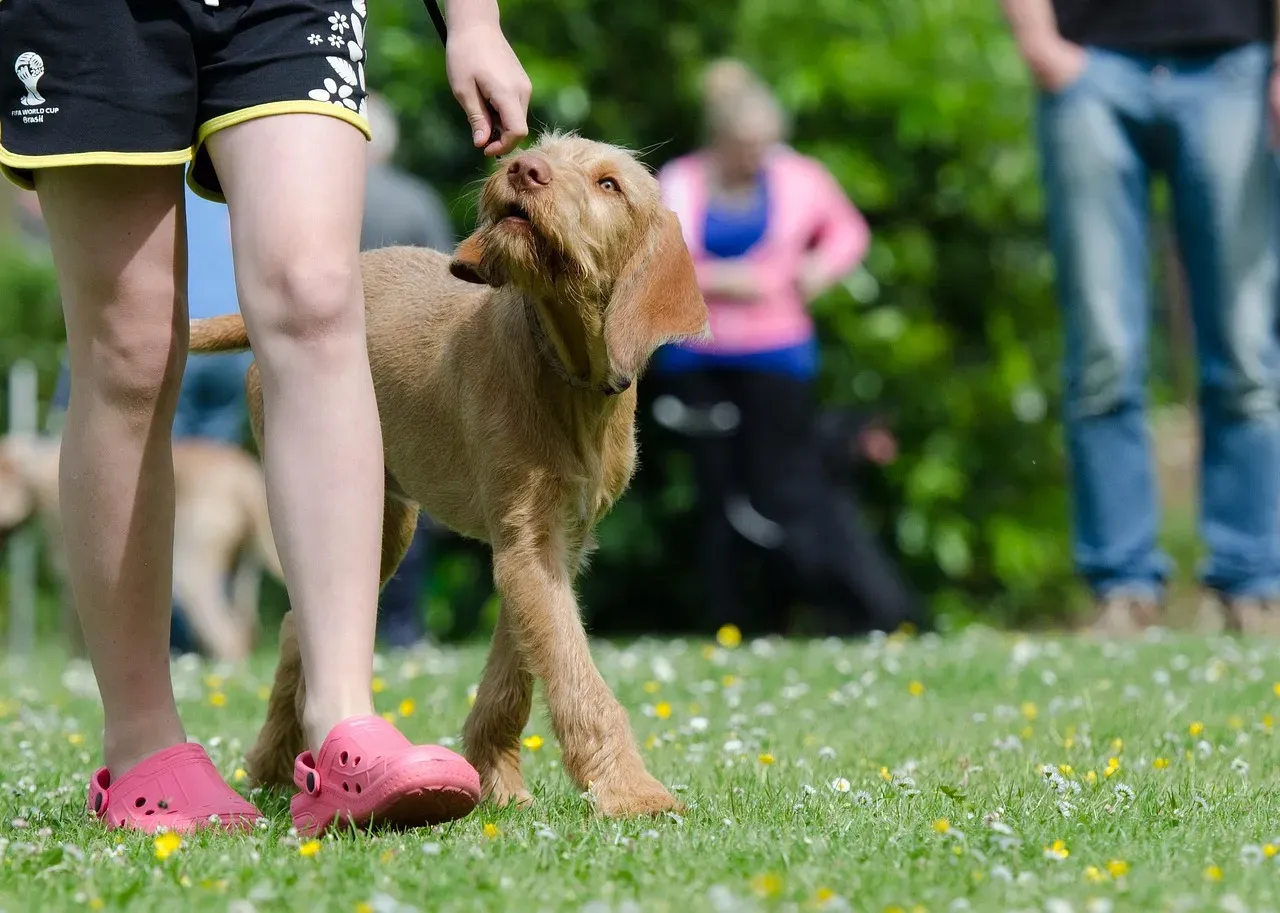
Before you teach a single trick, it helps to understand what actually works. Dogs trained predominantly with rewards learn commands more rapidly, display lower physiological stress markers such as reduced cortisol levels, and produce fewer stress-related behaviors. That’s not a small detail. It means your dog isn’t just learning faster; they’re genuinely less stressed during the process.
At its core, positive reinforcement means adding a pleasant consequence right after the behavior you want to see again. A quick click and treat for sitting calmly, verbal praise for loose-leash walking, or a brief game of tug after a solid recall all these moments strengthen neural pathways through motivation rather than fear or avoidance.
Positive reinforcement training not only influences dog behavior but also strengthens the bond between dog and owner. Through this approach, dogs learn to trust and respect their owners as they associate good behavior with rewards and encouragement. Think of it as setting the tone for every session that follows. Get this right, and everything else becomes easier.
2. Keep Training Sessions Short and Intentional
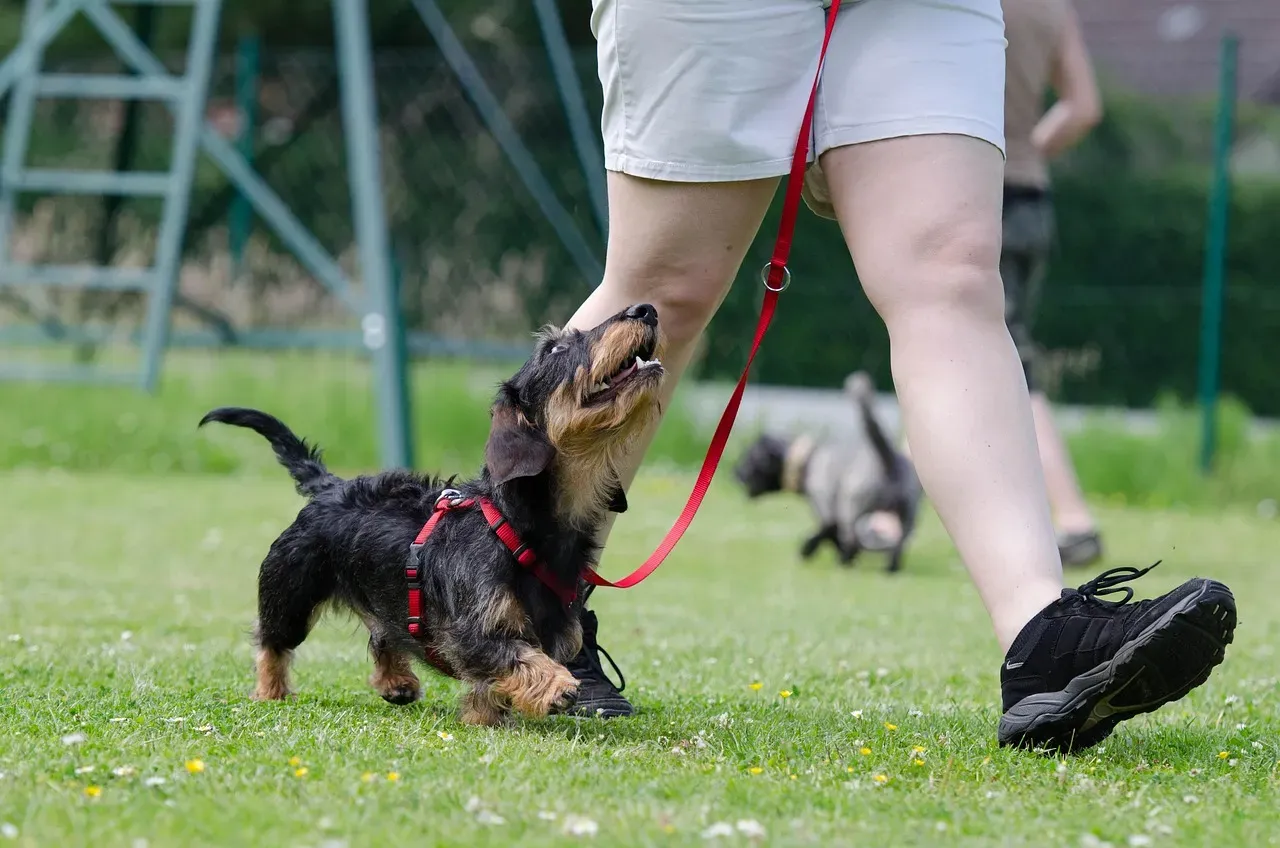
One of the most common mistakes well-meaning dog owners make is going too long. A tired, mentally overwhelmed dog learns very little. Keep practice sessions short. Much more is learned in five sessions of one minute each than in an hour of boring repetition. You can get dramatic results, and teach your pet many new things, by fitting a few clicks a day here and there in your normal routine.
Sessions lasting only 10 to 15 minutes can be highly effective. Dogs have short attention spans, so short bursts of training keep them interested and focused. Vary the activities during each session to make it fun. For puppies especially, even shorter is better. Your dog exerts a high level of mental and physical energy during training, so spread your sessions throughout the day. Puppies generally require three five-minute sessions each day for best results.
End each session on a win. Ask for something your dog already knows well, reward generously, and call it a day. End on a high note to keep your dog motivated for next time. That simple habit makes your dog look forward to the next session rather than dread it.
3. Introduce the Clicker for Pinpoint Precision
If you’ve never used a clicker, it’s worth trying. The value of the clicker is that it tells your dog exactly which behavior you’re rewarding. By clicking at the right time, you can “mark” the moment your dog did what you wanted. That split-second clarity makes a real difference, especially with complex behaviors where timing is everything.
Dog clicker training isn’t just a fad in the dog world; it’s one of the most effective, humane, and scientifically proven methods for teaching dogs new behaviors. According to studies in canine learning and behavior, dogs trained with positive reinforcement, including clicker training, learn faster, retain commands longer, and show fewer signs of stress compared to correction-based methods.
Getting started is simple. This is called “charging the clicker.” The process is simple: click once and immediately deliver a treat. Repeat this 15–20 times in short succession. Very quickly, your dog will start to anticipate the treat as soon as they hear the sound. You’ll know your clicker is “charged” when your dog perks up at the sound, even before you present a treat. From there, the possibilities open up considerably.
4. Teach “Sit” as the Gateway Skill
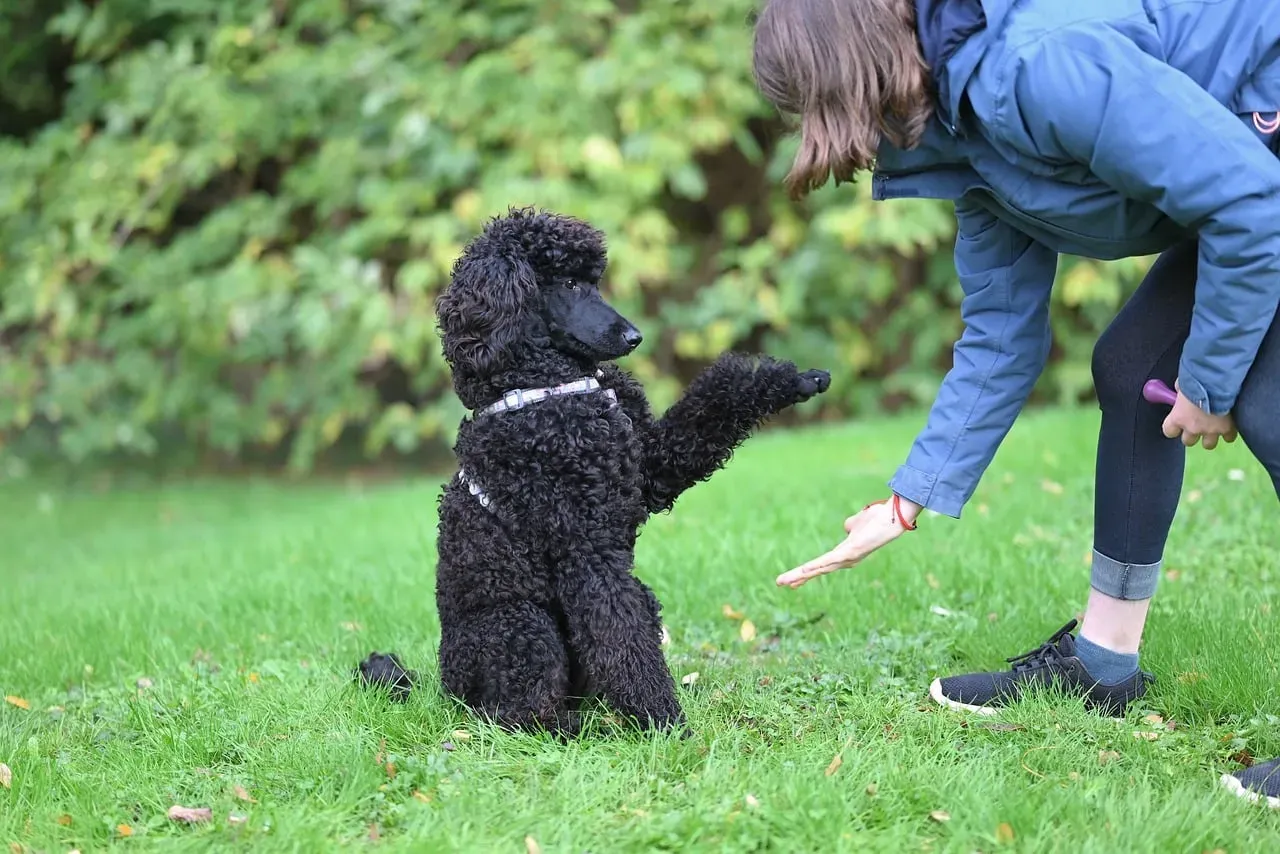
Sit is the classic starting point for good reason. It’s natural, easy to reward, and forms the foundation for dozens of other skills. Begin with simple, natural actions, such as sitting, lying down, or making eye contact. For example, if you want to teach “sit,” hold a treat slightly above your dog’s head. As their nose follows the food upward, their bottom will naturally lower. The moment it touches the floor, click and reward. Repetition builds understanding, and soon your dog will sit on cue without needing the lure.
Once the behavior is reliable, the verbal cue comes in. When you first start adding the verbal command you must do it as the dog is engaging in the behavior. This way she learns to associate the word with the action. Many owners rush this step, labeling the behavior before it’s solid, which slows progress. Patience here pays off later.
5. Use “Shaping” to Build More Complex Behaviors
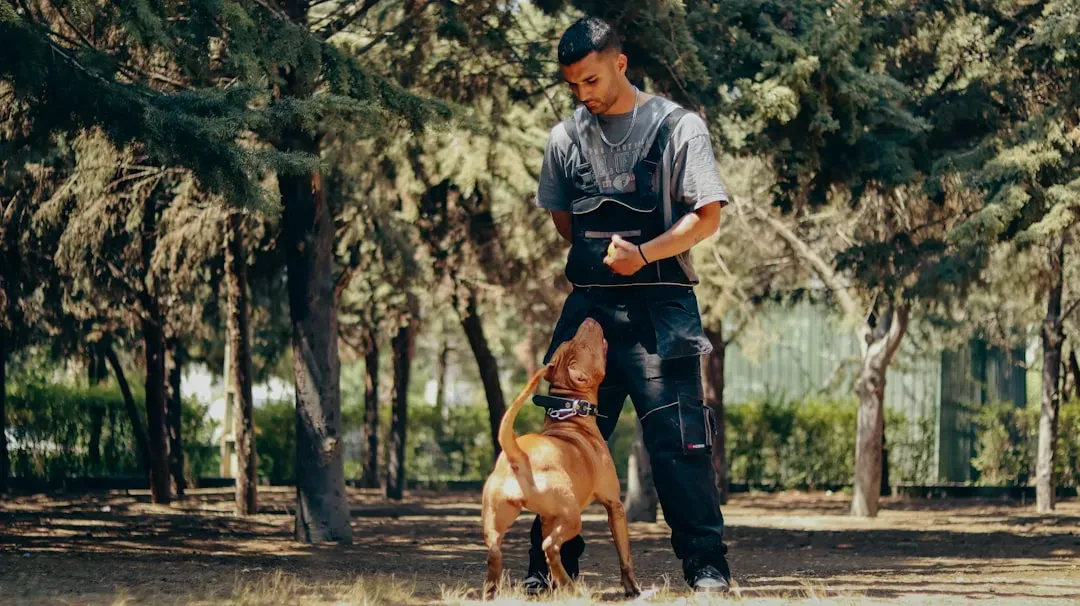
Shaping is one of the most powerful tools in a dog trainer’s kit, and it works brilliantly for dogs of every age. The idea is to reward small steps toward a bigger goal rather than waiting for the finished behavior all at once. Another method based in positive reinforcement that has been successful is shaping, in which the target behavior is broken down into smaller steps, known as successive approximations, and each step is reinforced while previous steps are placed on extinction.
Wait a few beats, until the dog stays down a little longer, comes a little further, sits a little faster. Then click. This is called “shaping” a behavior. Think of it as setting a bar just slightly higher each time. Not so high that your dog fails, but high enough to keep moving forward. It’s a method that rewards effort and builds genuine understanding.
Shaping is especially useful for senior dogs who may need gentler physical variations of a trick. As animals age, they experience life differently and often need to interact with things in a different way. If we want to increase their welfare and wellbeing, we should reflect and plan for how we can support them in these transitions. Adapt the goal to your dog’s current abilities, not your ideal version of the trick.
6. Adapt Your Communication for Senior Dogs
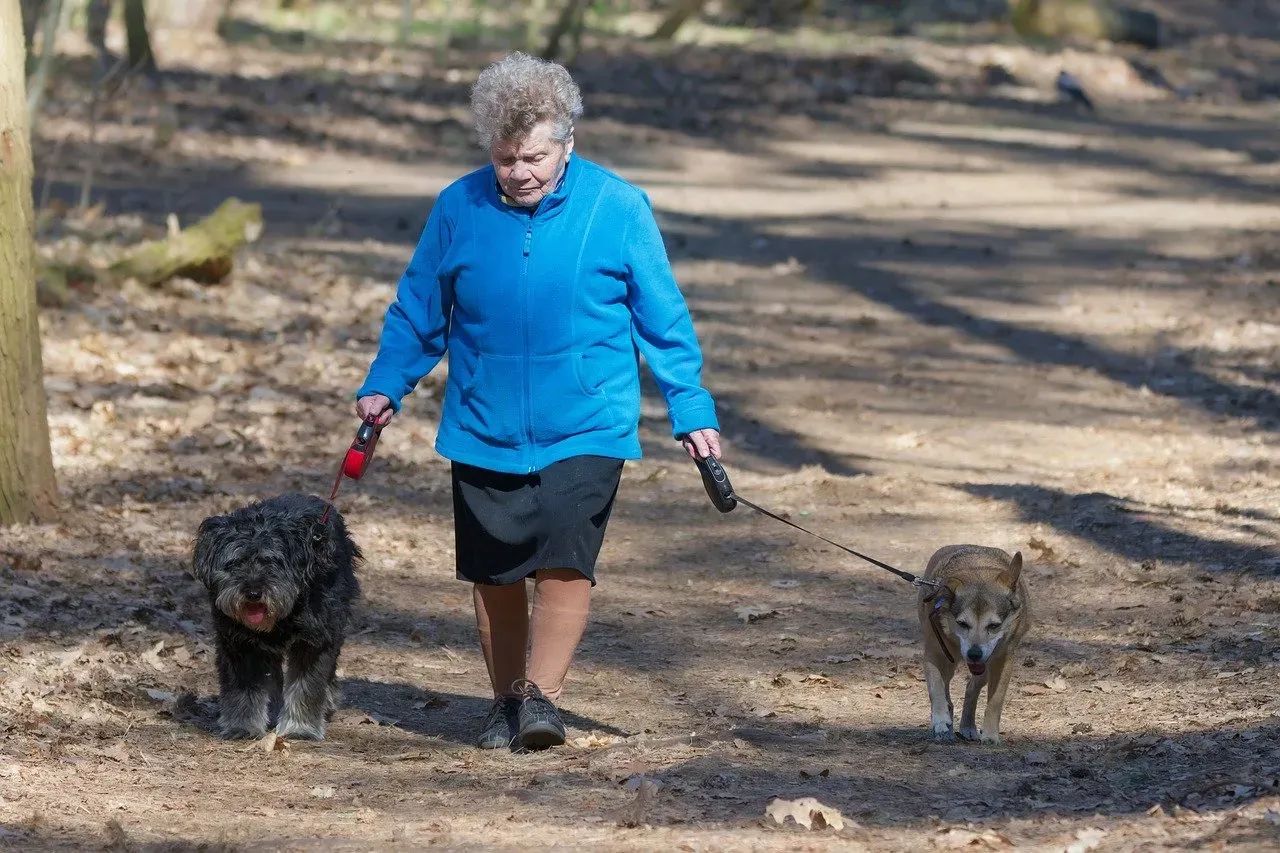
Older dogs are often underestimated. Adult dogs are often easier to train than their younger canine friends, specifically because they are not as active. Older dogs are not as easily distracted as pups and can focus for longer periods of time. This ability to concentrate helps them learn new routines more easily. That focus is an asset. Use it.
The key is knowing what to adjust. While older dogs are good learners, they may have more difficulty understanding your instructions. Many senior pets have vision and hearing deficits that make it more difficult for them to comprehend your directions. You can work around these obstacles that are part of the natural ageing process by modifying the way you communicate with your dog.
If your dog has a hearing deficit, use hand signals. If his vision is diminished, stay in his direct line of sight and use louder verbal cues. Also worth noting: even simple tricks can be uncomfortable for older dogs. Sitting repeatedly can stress arthritic knee joints. Begging or “sitting pretty” for a treat strains an old back. Know your dog’s body before choosing what to teach.
7. Harness Mental Stimulation as a Health Tool
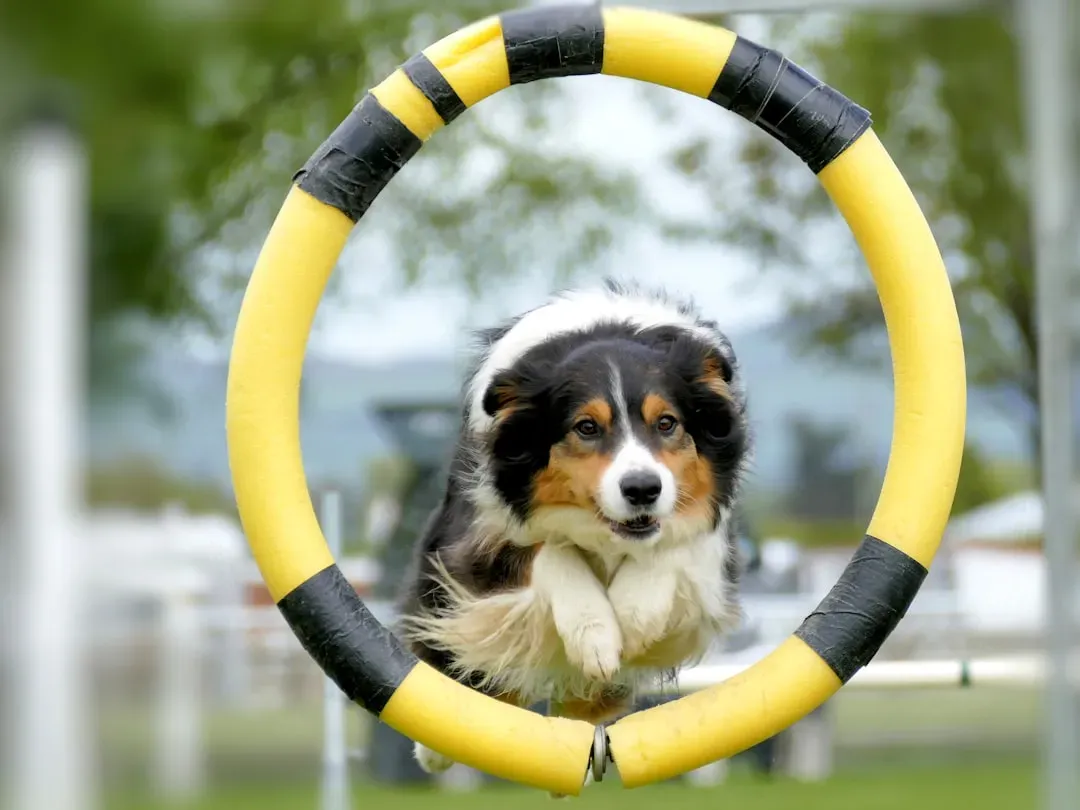
Training isn’t just about obedience. It’s one of the best things you can do for your dog’s overall wellbeing. Tricks help to provide mental stimulation, which is vital for your dog’s confidence, brain development and overall wellness. Bored dogs are also more likely to resort to naughty habits, such as chewing your furniture or barking incessantly, so it’s in your best interest to find healthy ways to keep them entertained.
Tricks provide mental stimulation for older dogs who may be suffering from dementia. Keeping the brain active is always a good thing. This matters more than most owners realize. A mentally engaged senior dog is a happier, calmer dog. Teaching a new skill, even a simple nose-touch or a “go to your mat” cue, gives an older dog purpose and engagement.
Training exercises challenge their minds and keep them mentally sharp. Mental enrichment through problem-solving tasks prevents boredom-related behaviors at home. An engaged mind is crucial for their overall well-being. This intellectual activity contributes to a happier, healthier pet.
8. Stay Consistent and Always End on a Win
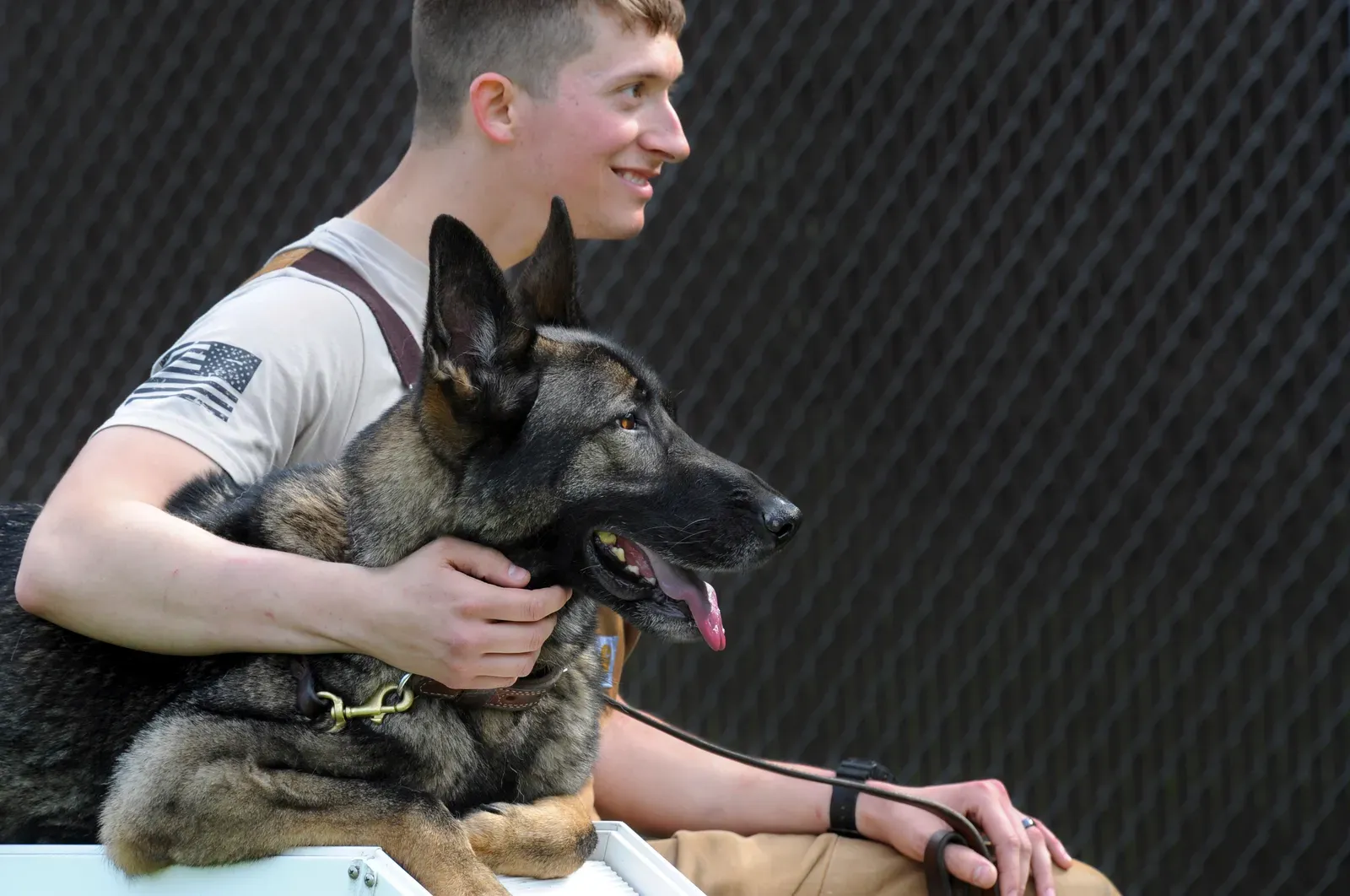
Consistency is what separates a dog who “sort of knows” a command from one who responds reliably in real life. Consistency is key in dog training. Use the same commands and rewards every time you train. Consistent routines help dogs learn faster because they know what to expect. Changing your cue word or gesture mid-training, even accidentally, can genuinely confuse your dog and stall progress.
Behaviors need intermittent rewards to last long-term, which means you reward sometimes, not every time. Without this, desired behaviors can start to deteriorate. Once a skill is well established, you don’t need to treat every single repetition. Mixing it up, like a slot machine of rewards, actually keeps behavior stronger over time.
Dog training is a lifelong journey. Your dog doesn’t reach a point where they’re “fully trained” and need nothing more. Short clicker sessions throughout your dog’s life can keep them motivated and well-trained. That’s a perspective worth holding onto, whether you’re on day one or year ten with your dog.
Bringing It All Together
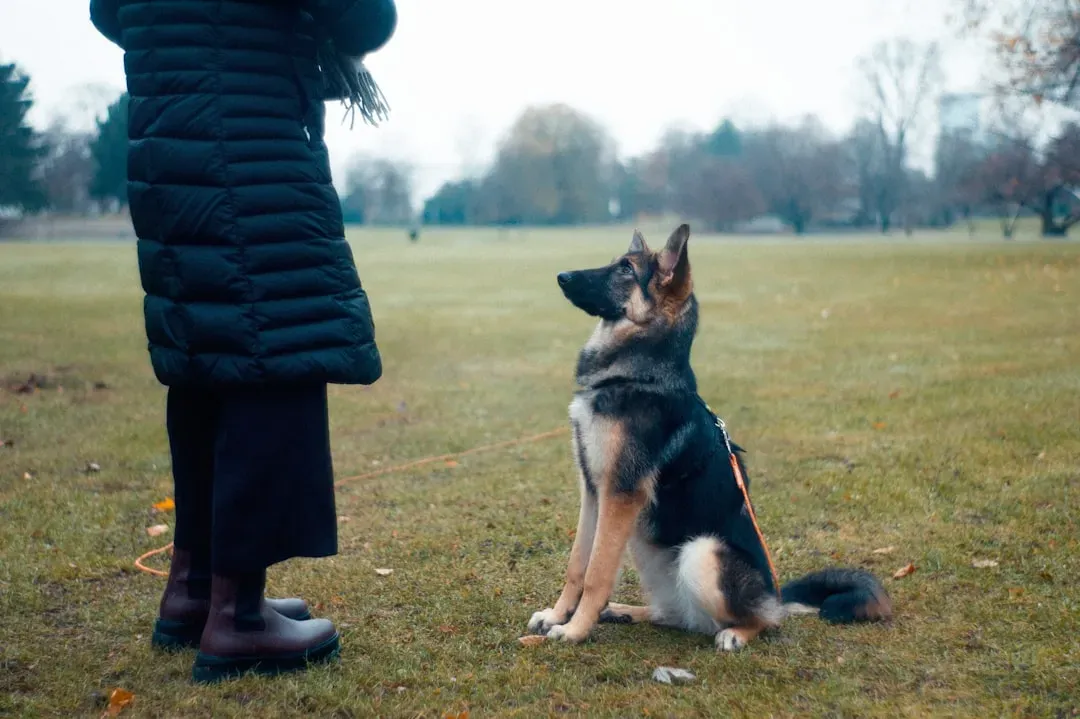
Teaching your dog new skills isn’t really about the tricks themselves. It’s about the time spent together, the small victories, the moments of genuine connection when your dog looks at you like you’re the most interesting person on the planet. Older dogs may not have the sprightly energy of puppies, but what they lack in youthful vigor, they often make up for in focus and experience. Experts in animal behavior and neuroscience have provided compelling evidence that the canine brain remains ‘plastic’ well into old age. This neuroplasticity means that dogs can form new neural connections throughout their lives, facilitating continuous learning.
Start small. Stay patient. Trust the process. Dogs of all ages enjoy learning new tricks. The science is on your side, and so is your dog. The only thing left is to grab a handful of treats and get started.


