
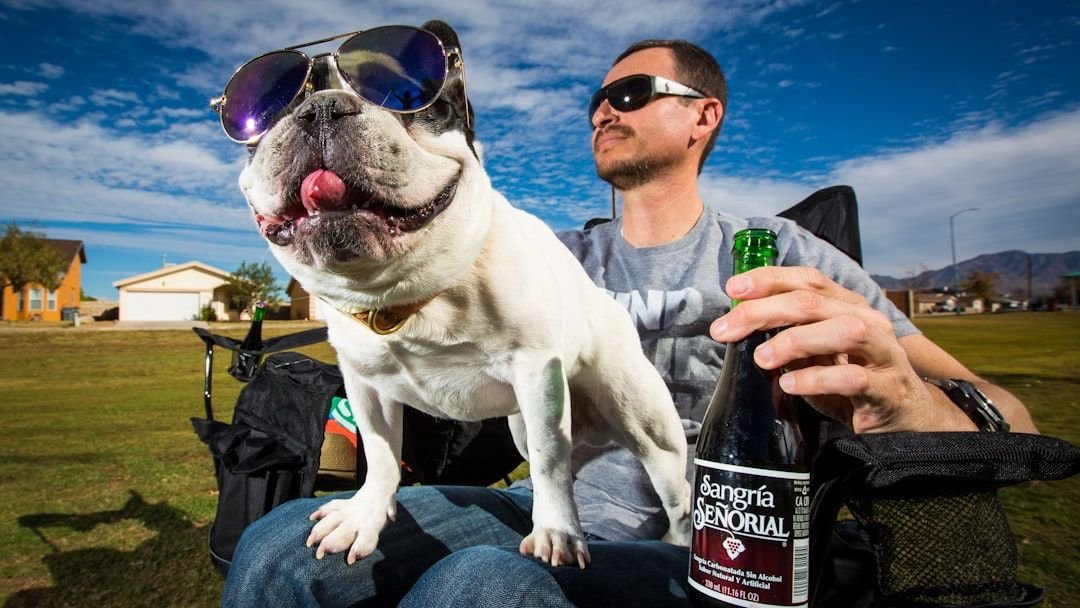
You sit down on the couch after a long day, arms wide open, ready for the warm, furry comfort you were promised. Your dog stares back at you from across the room, blinks slowly, and goes back to minding their own business. If you’ve ever felt genuinely rejected by a small dog, you’re not imagining things. Not every pup got the memo about being a cuddly companion, and that’s not a flaw. It’s just who they are.
Dogs are as diverse in their preferences for affection as they are in their appearances and abilities. While some dogs revel in the warmth and closeness of being lap dogs, others prefer to maintain a more reserved disposition. This variance often stems from the breed’s historical purposes, genetic traits, and individual personality. Understanding this isn’t just interesting trivia. It genuinely changes how you interact with, train, and care for your dog. The 13 breeds ahead span both ends of the spectrum, and knowing where yours falls might just save you from a lifetime of misread moments.
1. Scottish Terrier: The Dignified Diehard Who Sits Beside You, Not On You
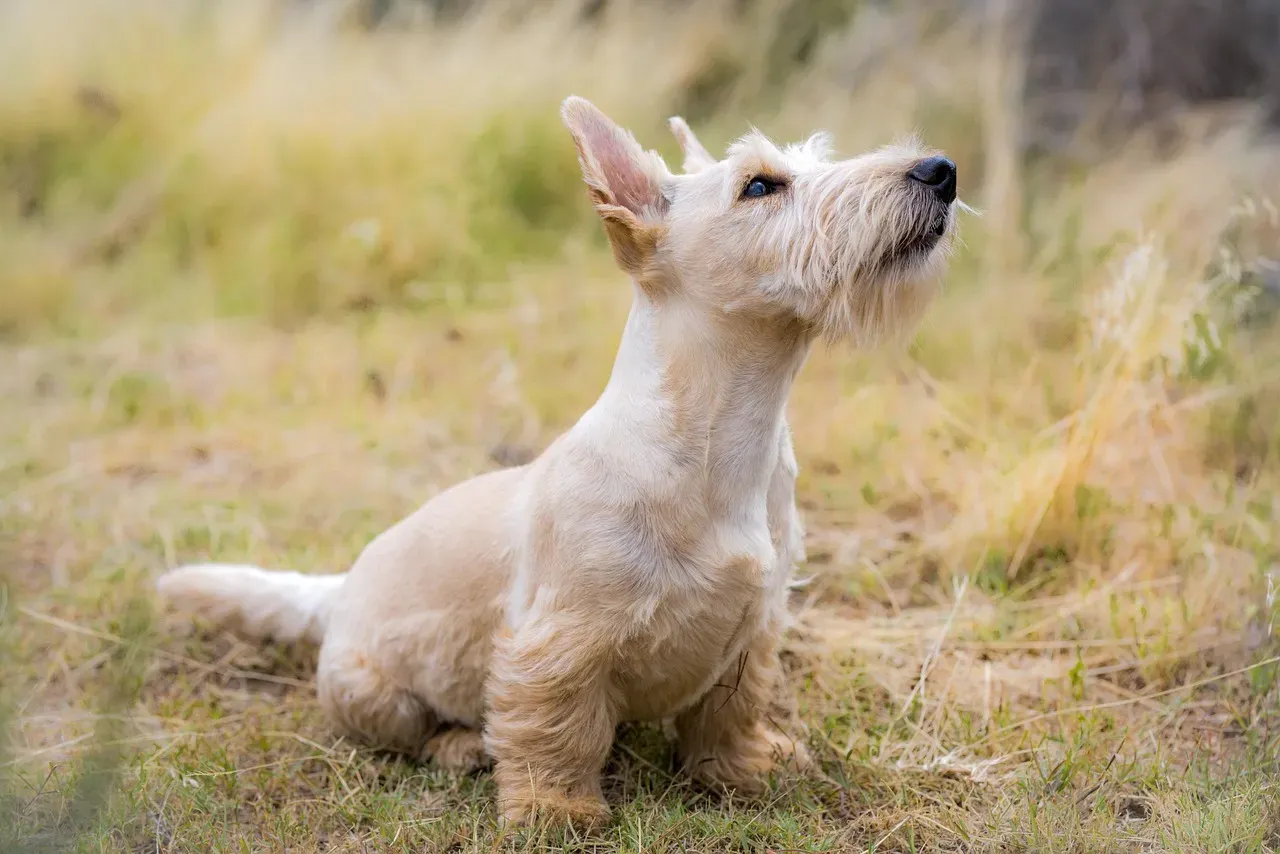
Scottish Terriers may be small, but they carry themselves with the confidence of a dog twice their size. Originally bred in Scotland to hunt vermin, these sturdy little canines were built for action, not lap lounging. With their distinctive beard, sharp eyes, and ever-alert posture, they always seem ready for an important mission. The Scottie is devoted to their person in the way a good colleague is devoted to a project: present, reliable, but not about to hold your hand.
Scottish Terriers love being around their family and form close bonds with their humans, but they don’t have a reputation for being cuddly. According to the breed club, Scotties are more likely to want to sit beside you than in your lap. Scotties are incredibly curious and, thanks to their terrier genes, natural-born hunters with a strong prey drive. Because of this, they must be on a leash or inside a fenced yard whenever they’re outside. Respect their need for independence and they’ll reward you with fierce, quiet loyalty that rarely needs a hug to prove its depth.
2. Shiba Inu: Japan’s Foxy Free Spirit Who Cuddles on His Own Terms
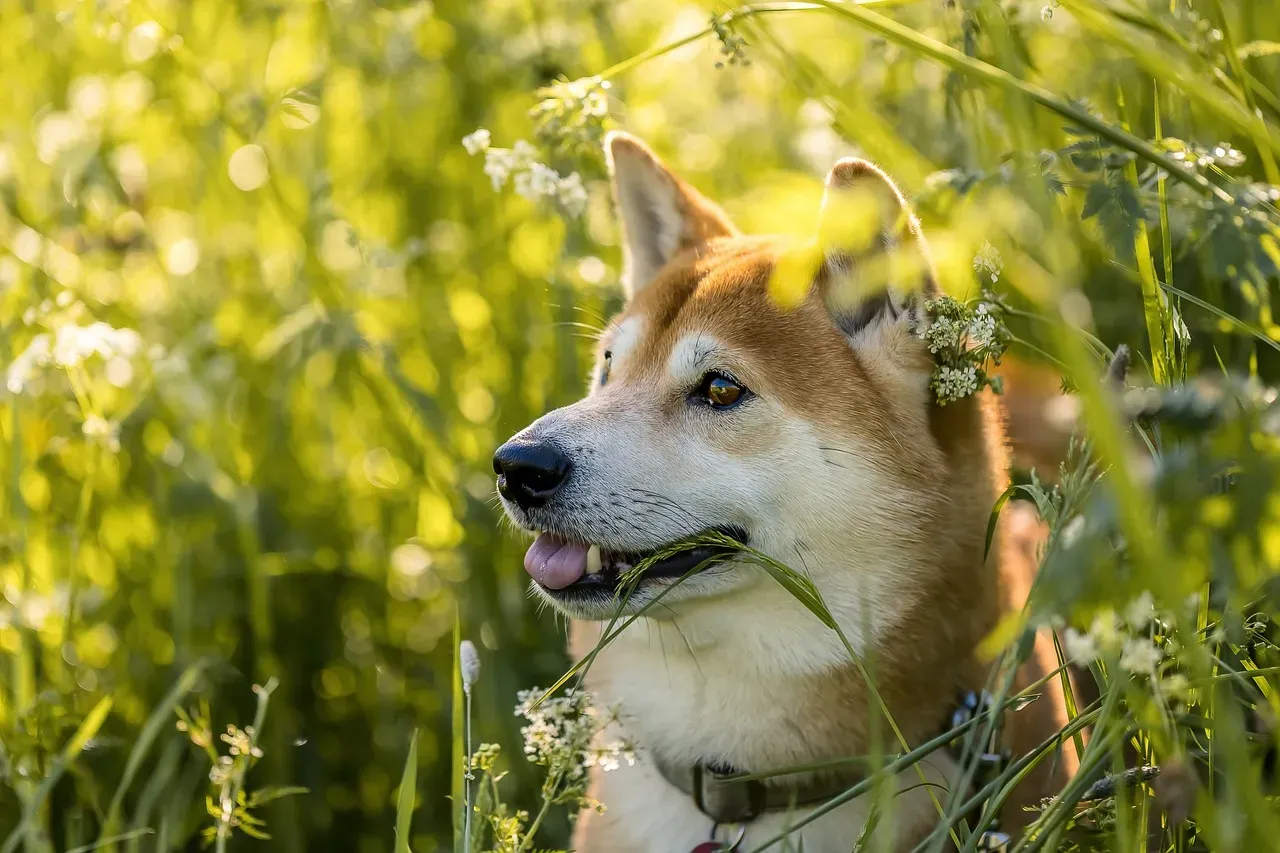
Shiba Inus are spirited, tidy, and famously independent, more fox than lap dog. They prefer autonomy, choosing when to lean in and when to hover just out of reach. Forced cuddles can spark the dramatic Shiba scream, so keep interactions fair and consent based. Living with a Shiba Inu is a bit like sharing a flat with a stylish, self-sufficient roommate who appreciates your company but draws clear boundaries about personal space.
The Shiba Inu is an intelligent and strong-willed dog with an almost cat-like personality. They’re independent dogs and enjoy their own space, but they’re also high-energy and need outlets for their physical and mental energy, or else they can become anxious and overly vocal. The behavior cue to watch for: when a Shiba sits near you but not on you, that’s their version of affection. Early socialization, cooperative care training, and enrichment curb reactivity and keep minds busy. Use treats, games, and choices to build trust rather than nagging or wrestling.
3. Scottish Terrier’s Highland Cousin: The West Highland White Terrier
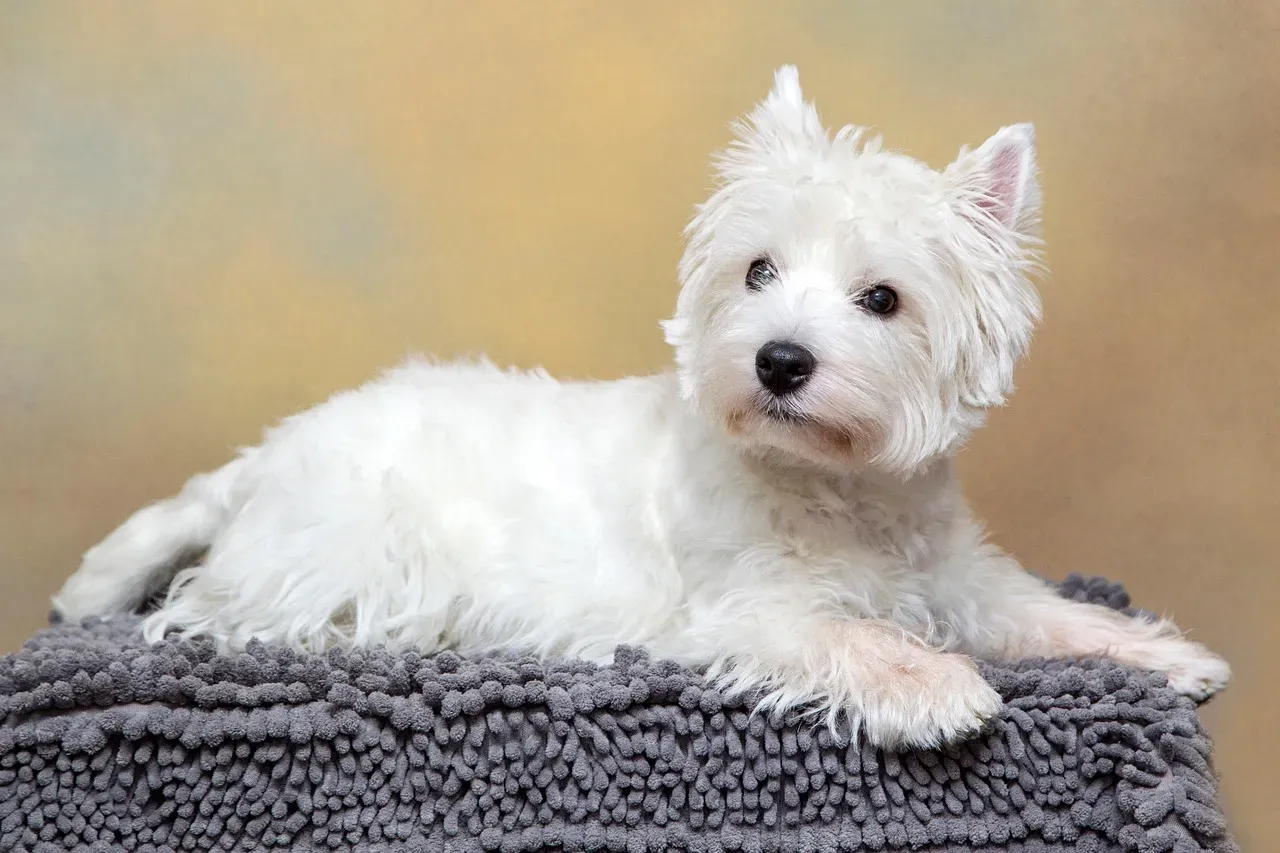
Called Westies for short, West Highland white terriers have been bred in Scotland as rodent-catching dogs since the 1700s and have been popular companion dogs in America since the early 1900s. Their distinctive white fur gives them a plush-toy-like appearance, but their independent nature means they don’t generally act like the cuddly companions they’re perceived to be. Westies require little-to-no pampering and have few health issues, making them a great option for owners on the hunt for a low-maintenance pet.
These little terriers are known for their independent and curious nature, always ready to explore their surroundings and investigate any interesting smells. They’re affectionate and loyal to their families, but also possess a terrier’s typical self-assurance, making them both entertaining and engaging companions. Their compact size makes them adaptable to various living situations, though they still appreciate regular walks and playtime to burn off their terrier energy. Think of the Westie as the friend who genuinely likes you, just doesn’t need to prove it through constant physical contact.
4. Miniature Pinscher: Small Body, Enormous Attitude, Zero Interest in Lap Sitting
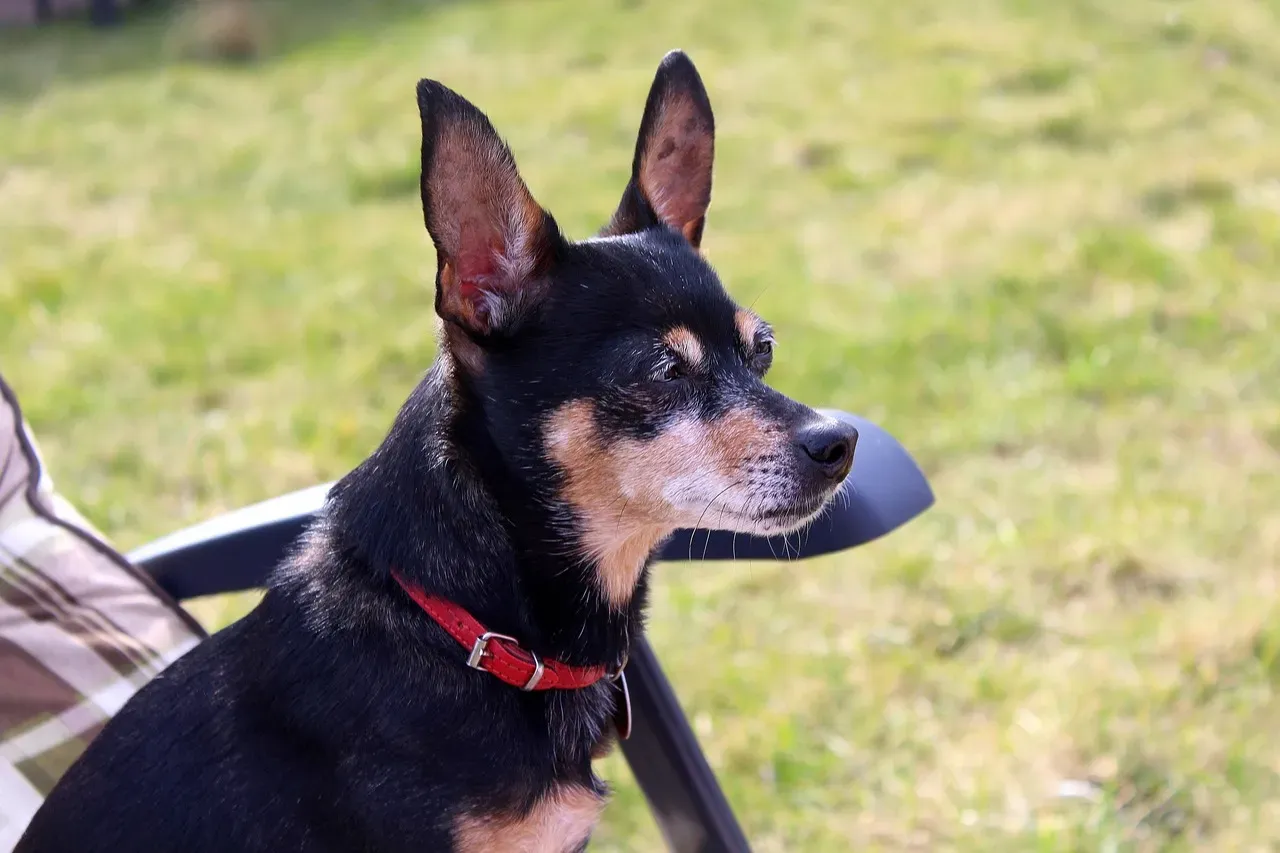
Native to Germany and incredibly popular in Europe, Miniature Pinschers are an active, stubborn breed. They require ample exercise, with experts recommending at least two walks a day, and are seldom content to just lounge around the house with their owners. The pups are famous for their high “hackney” gait, which is reminiscent of a horse at a trot. The Min Pin moves through the world like a dog on a mission, and that mission rarely involves sitting still.
Overall, the Miniature Pinscher is a vibrant and spirited companion for an active individual or family. They are a wonderful choice for those seeking a small dog with a big personality and an adventurous heart. This breed thrives on activity, exploration, and mental stimulation. If you live an active lifestyle and want a dog that matches your pace without smothering you, the Min Pin fits surprisingly well. Channel their energy through structured play and training to build a bond that doesn’t depend on snuggles.
5. Basenji: The Barkless Dog Who Also Skips the Cuddles
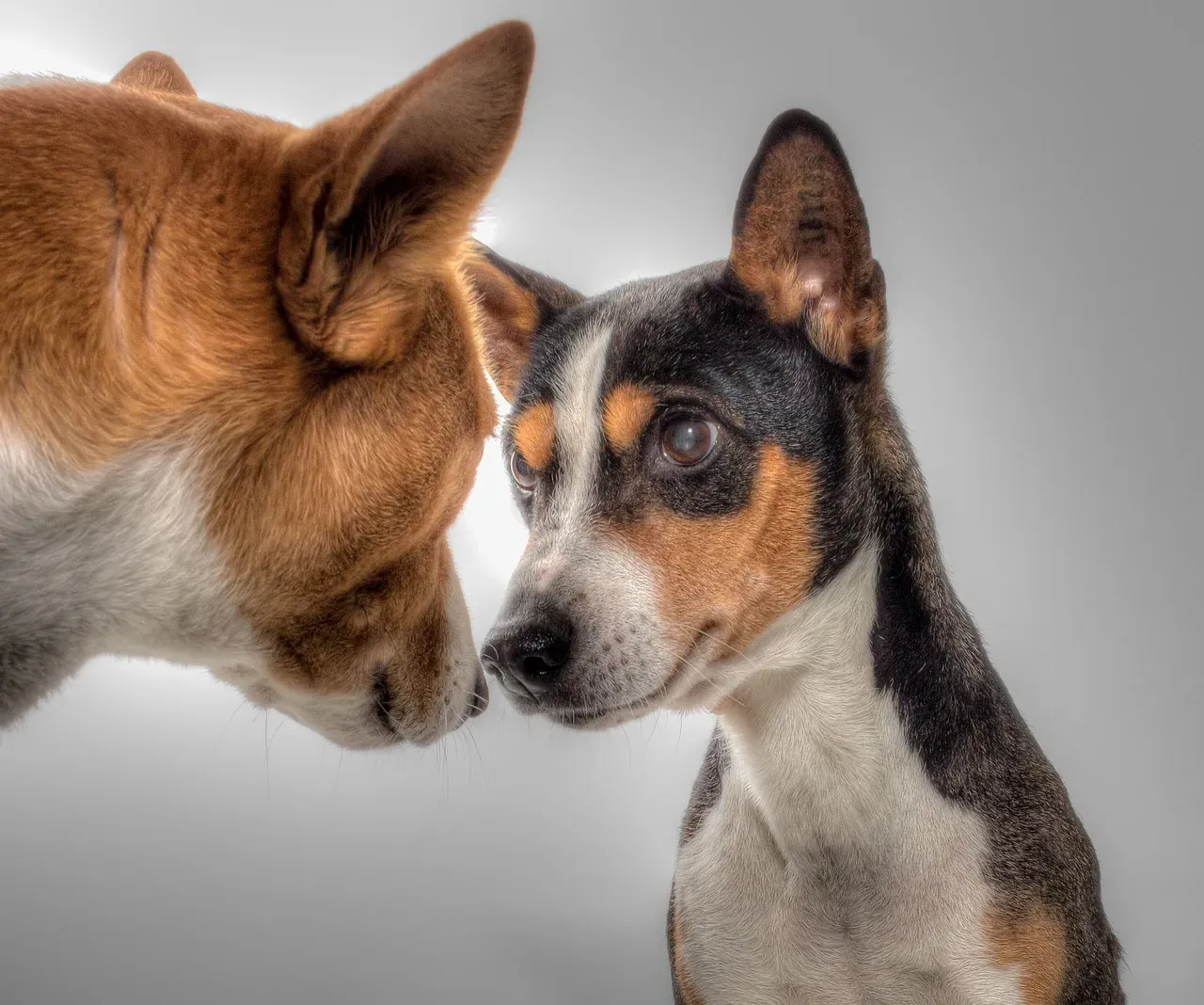
The independent Basenji is notorious for being quiet. They’re often referred to as “the barkless dog.” These medium-sized pups are frequently described as having a catlike personality because of their aloof temperament, reserved nature, and tendency to groom themselves. These elegant, compact dogs of African heritage were bred for hunting at great distances from their owners. As a result, they have learned to be independent, and don’t expect a lot of affection.
Basenjis are famous for rarely barking, yet they are not famous cuddlers. Channel that independence with puzzle games, scent work, and brisk walks. Consistent routines help, as does positive training that rewards curiosity rather than confrontation. Past experiences can also play a role: dogs that were not socialized properly or had negative past experiences may be wary of close contact. Additionally, certain breeds are naturally more reserved due to the purposes for which they were bred. With Basenjis, patience and respect build far more connection than forced affection ever could.
6. Cairn Terrier: Toto Wasn’t Exactly a Lap Dog Either
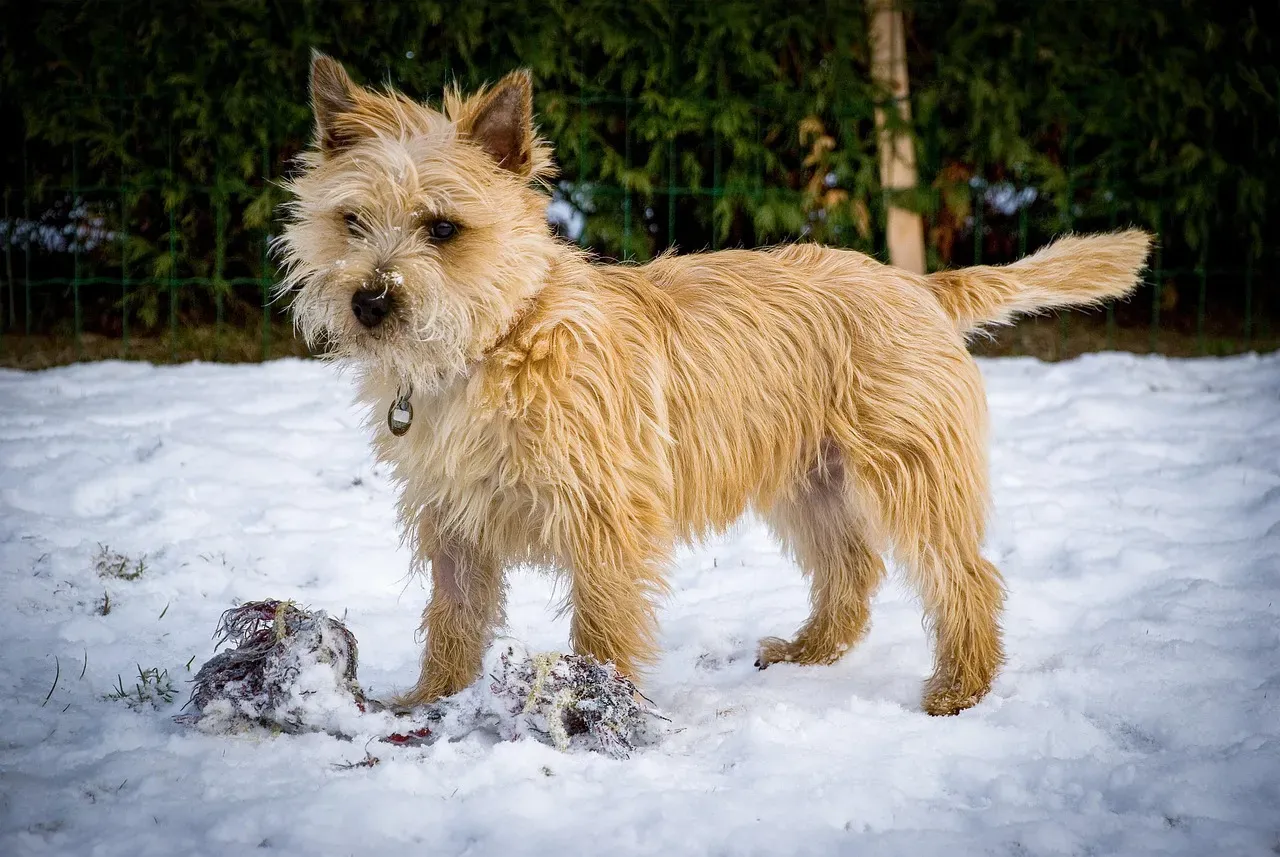
Cairn Terriers, those spunky little bundles of wiry energy, have a way of charming their way into hearts with their playful antics and tenacious spirits. These hardy terriers are known for their independent, intelligent nature. Cairn Terriers also have an unwavering loyalty to their families. Their inherent curiosity and love of exploration make them excellent companions for outdoor adventures, and their small size makes them adaptable to apartment living.
You may recognize the Cairn Terrier as Toto from “The Wizard of Oz,” and that portrayal is actually pretty accurate: energetic, fearless, and fully engaged with the world around them. High energy and working focus means breeds developed for active work may prefer activity over lounging or cuddling. Dogs that were historically bred to chase or hunt often focus more on movement and alertness rather than relaxation. The Cairn’s love language is play and exploration. Match that energy and the bond becomes remarkably strong, even without cuddle sessions.
7. Chinese Shar-Pei: The Wrinkled Introvert With Selective Affection
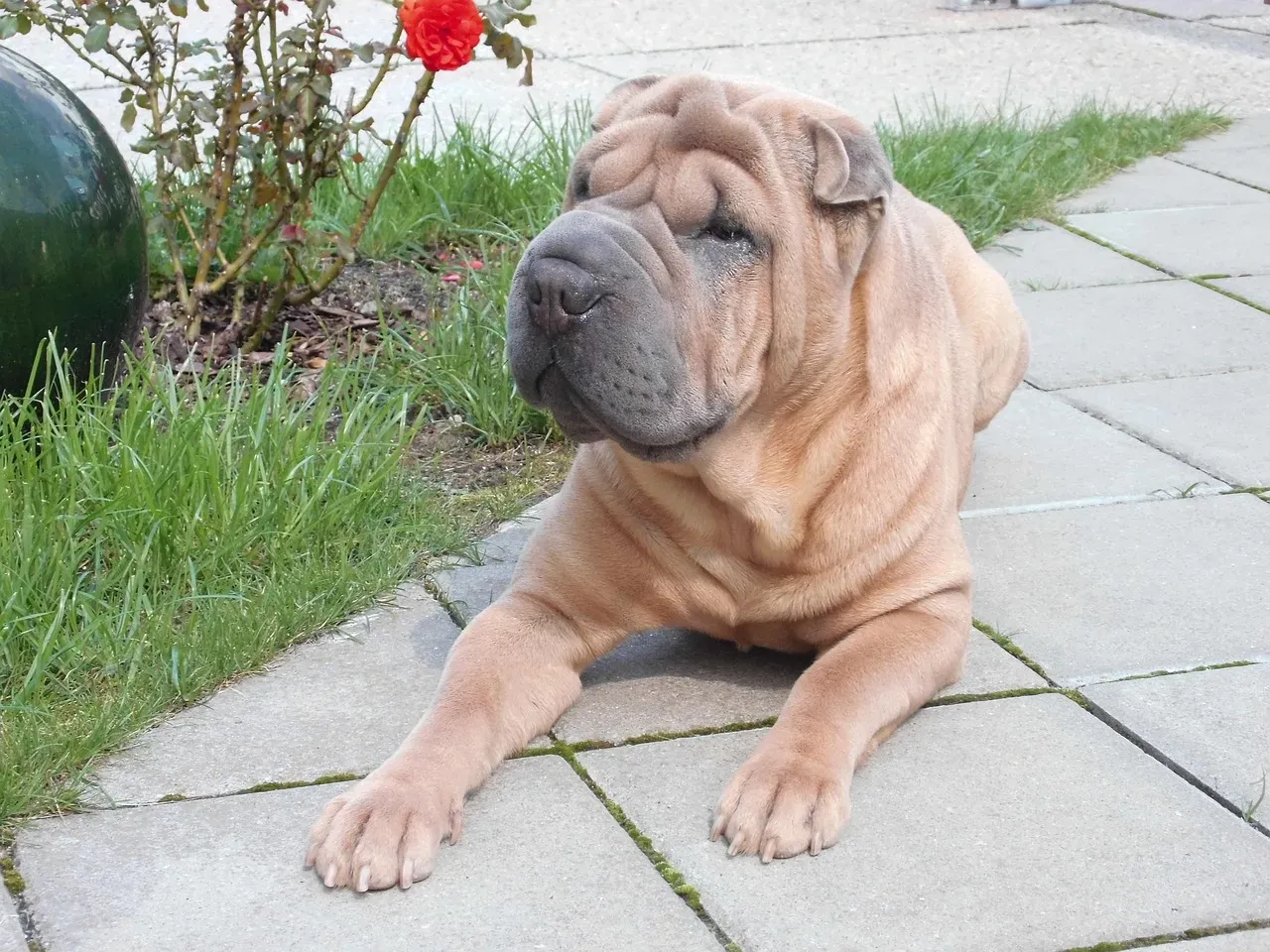
Shar Pei bring quiet loyalty, but cuddling is rarely their love language. Historically guardians, they can be reserved with strangers and selective with affection. Beloved for its wrinkled features, the Shar-Pei was bred as a guard dog in China. As a result, this breed is generally more aloof with people and wary of strangers. They are loyal to their owners and benefit greatly from early training and socialization.
Chinese Shar-Pei dogs are another breed originally bred for hunting and guarding, giving them an independent personality that still shows through today. Early training and socializing this breed is important so they are confident and comfortable no matter the situation. A key health note with Shar-Peis: their distinctive wrinkled skin requires regular cleaning between the folds to prevent bacterial infections or irritation. A dog dealing with skin discomfort is even less likely to enjoy being handled, so staying on top of grooming keeps both their health and their mood in a much better place.
8. Jack Russell Terrier: High-Octane Energy With Little Room for Downtime
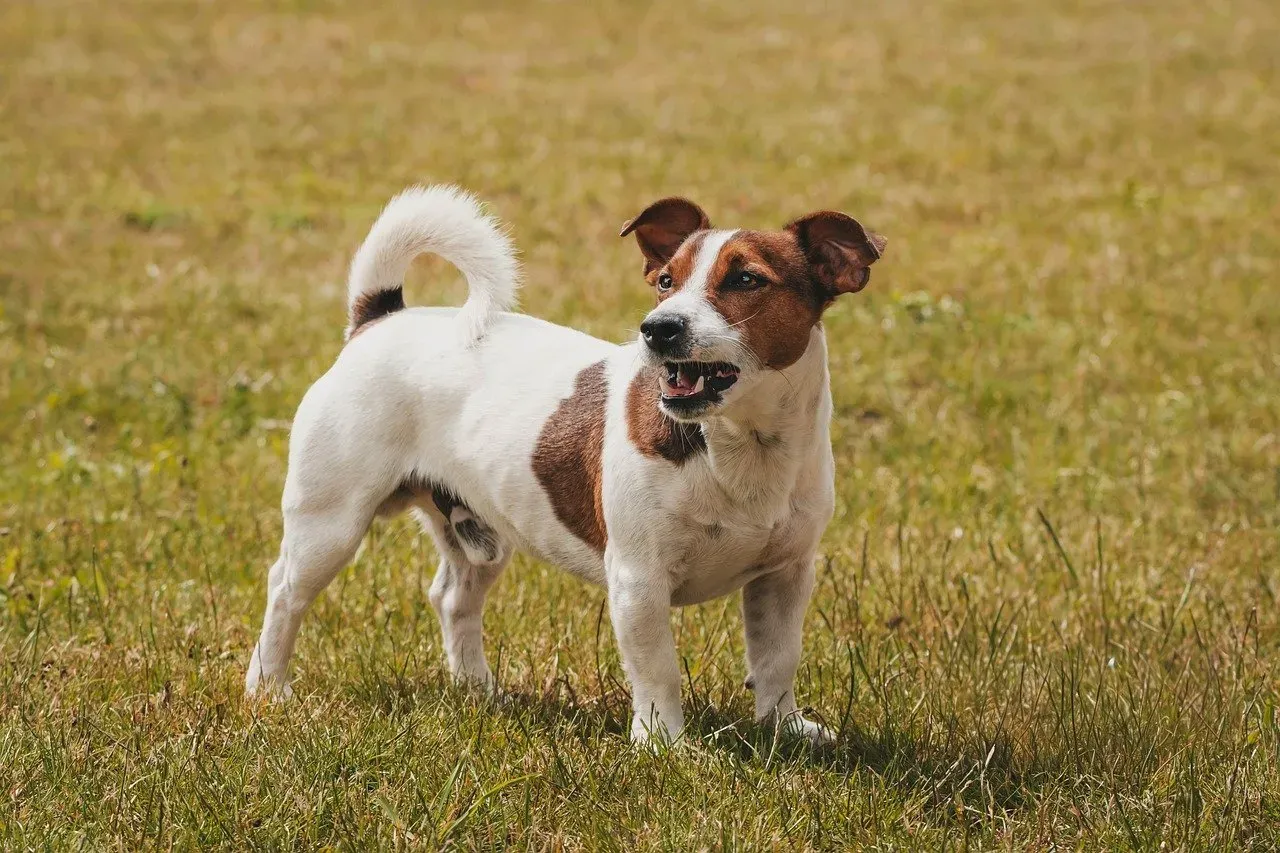
This independent dog breed is one of the oldest terrier breeds around and is known for being very lively. Full of energy, they’re wonderfully suited to agility and other training, and they become easily bored and agitated without that sort of stimulation. Jack Russells were bred to hunt foxes, which required speed, persistence, and a mind that never quite switches off. That instinct is alive and well in the modern Jack Russell living in your apartment.
High independence levels are often found in breeds that are less likely to snuggle, as some breeds bred for solitary tasks like hunting or guarding are naturally more autonomous. Some dogs are simply not as outwardly affectionate. Breeds developed for active work may prefer activity over lounging or cuddling. If your Jack Russell does settle in close for a brief moment of stillness, that’s actually meaningful. Don’t make a big deal of it. Just enjoy the rare pause quietly, because it won’t last long.
9. Cavalier King Charles Spaniel: The Breed That Invented the Concept of a Lap
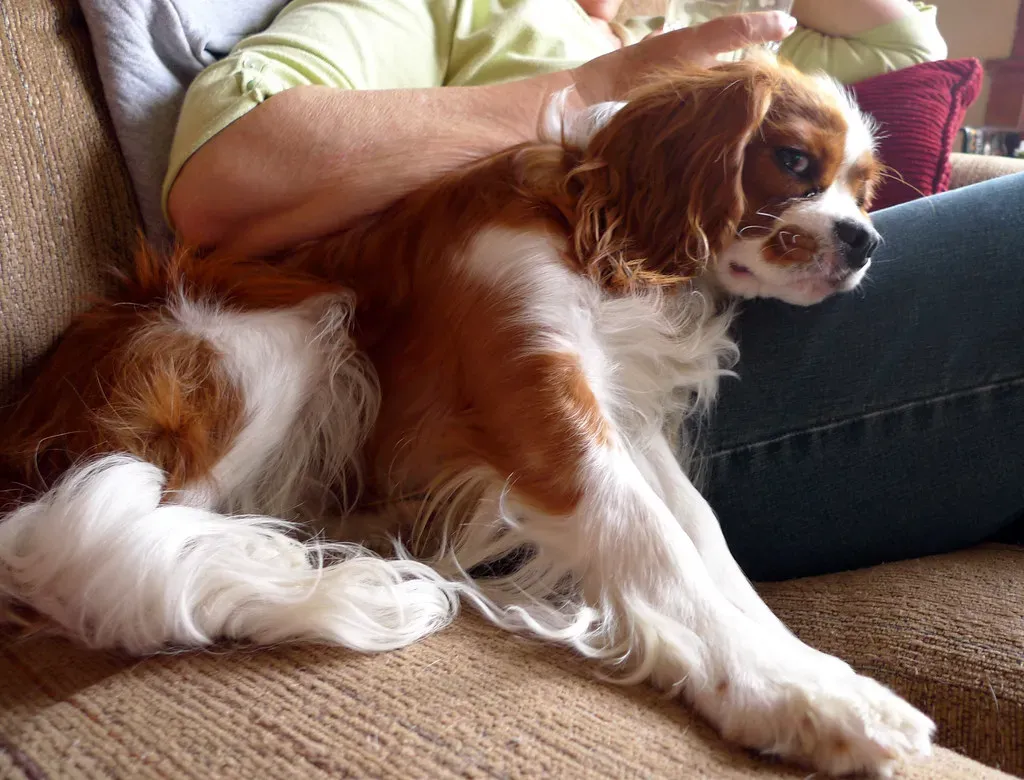
Cavalier King Charles Spaniels are renowned for their gentle disposition and expressive eyes, often seeming to request a cuddle with a single glance. They were bred as companion dogs, particularly favored by royalty for their ability to warm laps during carriage rides in chilly English weather. Cavaliers blend their desire for affection with an easy-going temperament, making them perfect lap dogs who are content to lounge with their owners for hours.
Cavaliers are categorized under the Toy Group by the American Kennel Club and are often described as “lap dogs with a sporty side.” They love to cuddle but also enjoy a good romp around the park. They are affectionate and eager to please, which makes training straightforward. They also enjoy short play sessions and cuddles, but they need companionship more than anything else. They don’t like to be left alone. One important health note: this breed is particularly prone to mitral valve heart disease, so it’s important to search for a quality breeder. Regular veterinary check-ups, ideally twice a year after age five, are a real act of love for this breed.
10. Shih Tzu: A Palace Pet Who Still Expects Lap Privileges
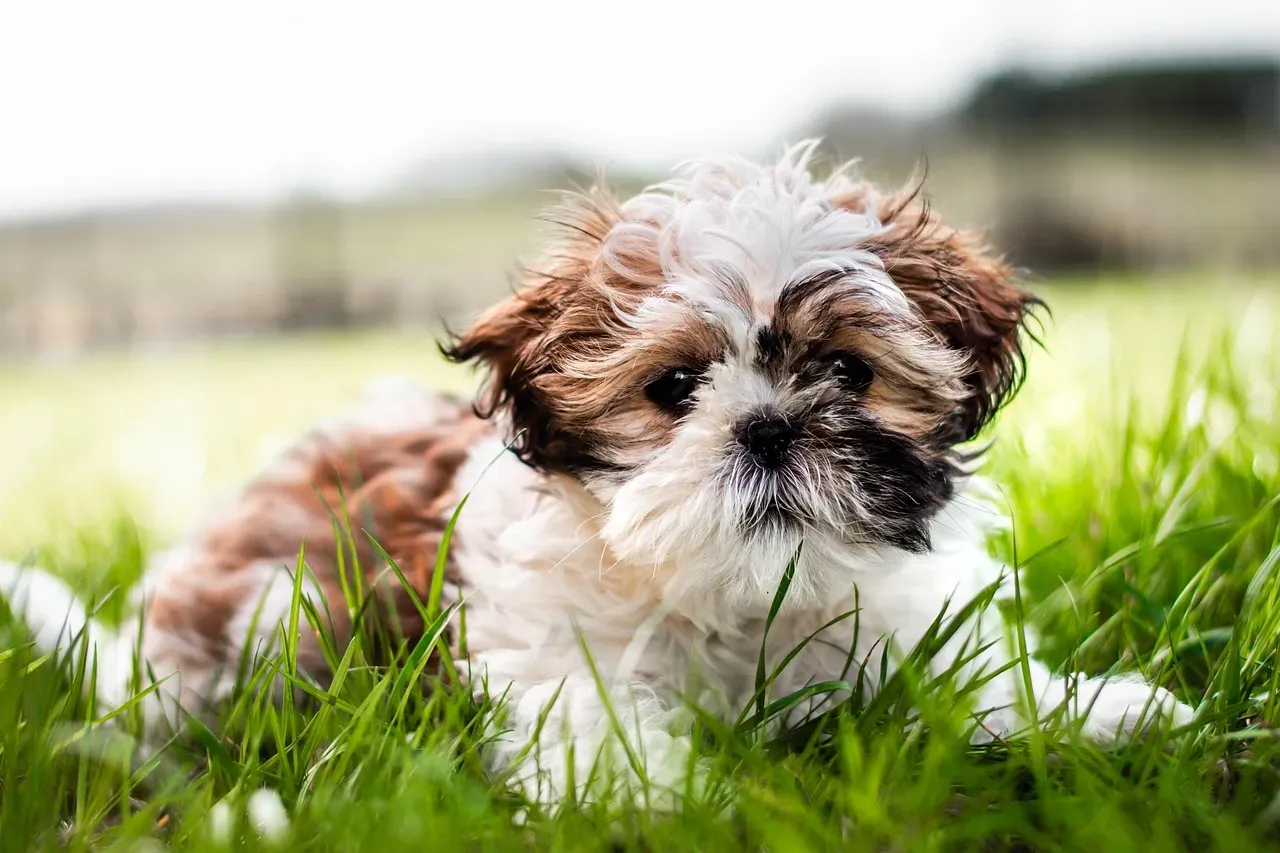
Historically bred to warm the laps of royalty in ancient China, Shih Tzus are well acquainted with the life of a pampered lap dog. They are friendly and outgoing, often getting along well with other pets and people. Shih Tzus have a distinct look with their long, flowing coats and sweet, expressive eyes. There’s a certain serene entitlement to a Shih Tzu, and it works in your favor. They genuinely want to be near you, and they’ll park themselves on your lap as if it’s simply the most natural thing in the world.
Originally bred to be palace pets in ancient China, Shih Tzus are well accustomed to being pampered and doted upon. They enjoy being the center of attention and particularly love the physical closeness of sitting on a lap. Shih Tzus are calm and affectionate, making them ideal pets for families who are willing to indulge their desire for frequent cuddles and cozy lap sessions. Their long coats do need daily brushing or a regular “puppy cut” to stay comfortable. A well-groomed Shih Tzu is a happier, more relaxed cuddle partner, so grooming and bonding really do go hand in hand here.
11. Bichon Frise: The Cheerful Little Cloud That Never Wants to Leave Your Side
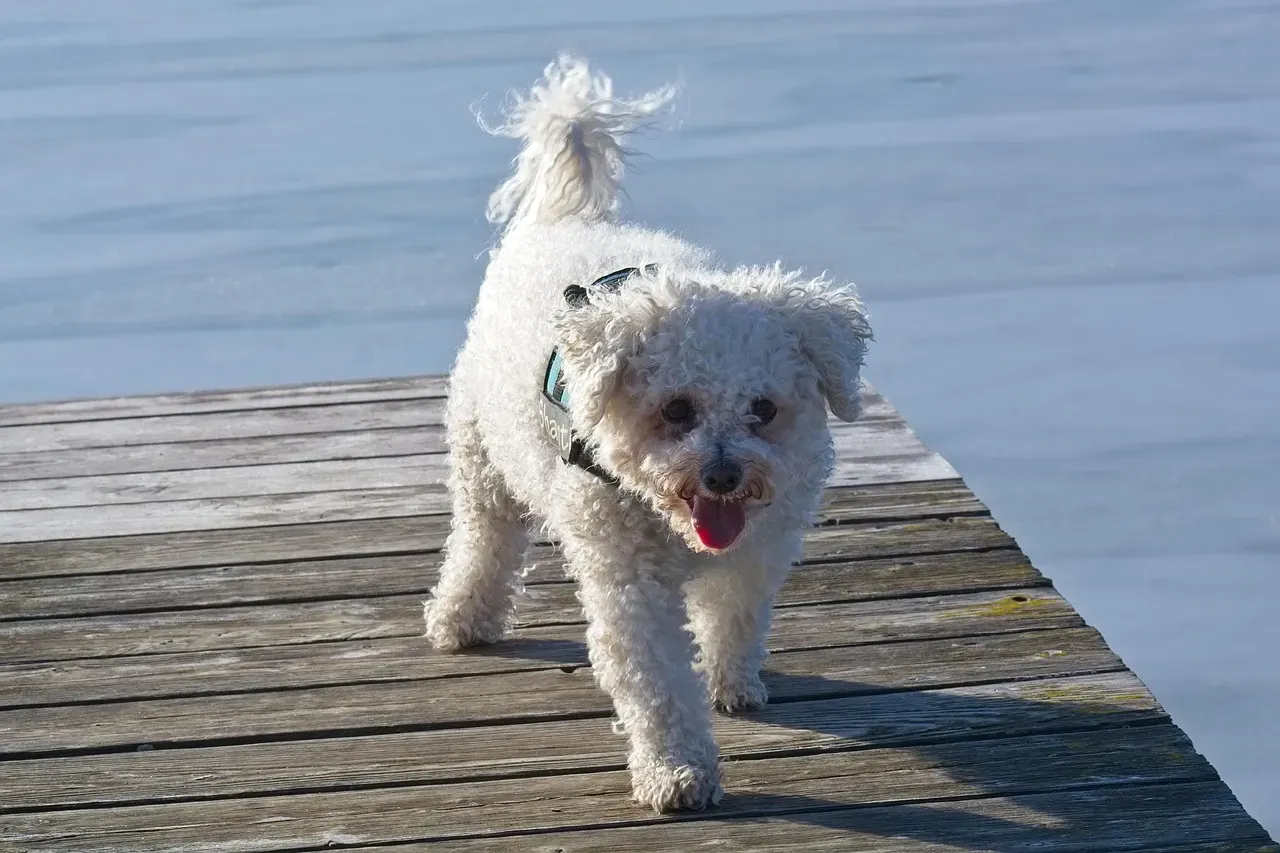
The name Bichon Frise literally means “curly lapdog,” and that’s exactly what this cuddly dog breed delivers. Bichons are known for their peppy personalities, gentle natures, and unbridled affection. The Bichon Frise was bred almost exclusively to be a companion. It does its job quite well. When brought into a family, they often become attached to one specific person. They will follow their owner around all day and may feel abandoned if they don’t have a lap to curl into.
Because of their sensitive and affectionate nature, Bichons can feel emotionally low when left alone for too long. They may vocalize or seek attention, not to be difficult, but because they genuinely miss their people. This is a prevention tip worth taking seriously: if you work long hours, consider a dog walker, a playdate with another dog, or a companion pet for the Bichon. Their need for closeness isn’t a quirk. It’s a core part of who they are, and meeting that need keeps them mentally healthy.
12. Pomeranian: Fluffy, Fierce, and Absolutely Glued to Their Favorite Human
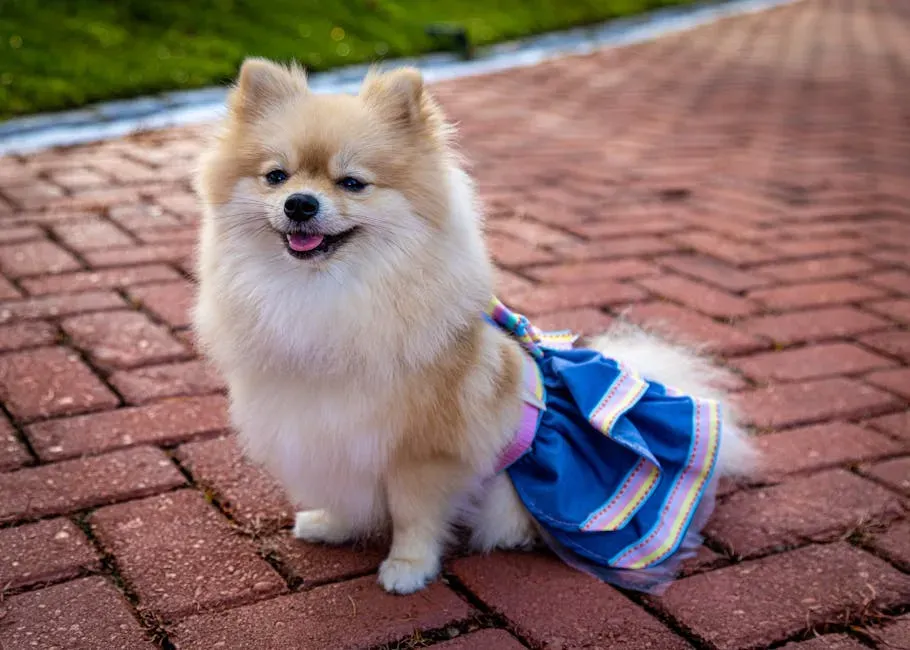
Pomeranians are small, fluffy dogs with big personalities, renowned for their affectionate nature and love of cuddling. Their affectionate nature and compact size make them ideal lap dogs. Pomeranians will happily snuggle up in your lap, seeking warmth and attention. Despite their energetic demeanor, they love to relax and enjoy the comfort of their owners’ company. These dogs are as sweet as they are adorable, and their soft, fluffy coats make cuddling with them even more delightful.
Pomeranians are devoted and love lap time, but they’re also alert and vocal, with a tendency toward barking that takes consistent early training to manage. The thick double coat sheds significantly and requires regular brushing to prevent matting. They suit active people who want a small dog that follows them everywhere rather than one that simply sits still. If you want a dog that is simultaneously a cuddle partner and a tiny, vocal alarm system, the Pomeranian covers both roles with absolute commitment. Early training around barking makes a significant difference in long-term household harmony.
13. French Bulldog: The Affectionate Couch Philosopher Who Just Wants to Be Near You
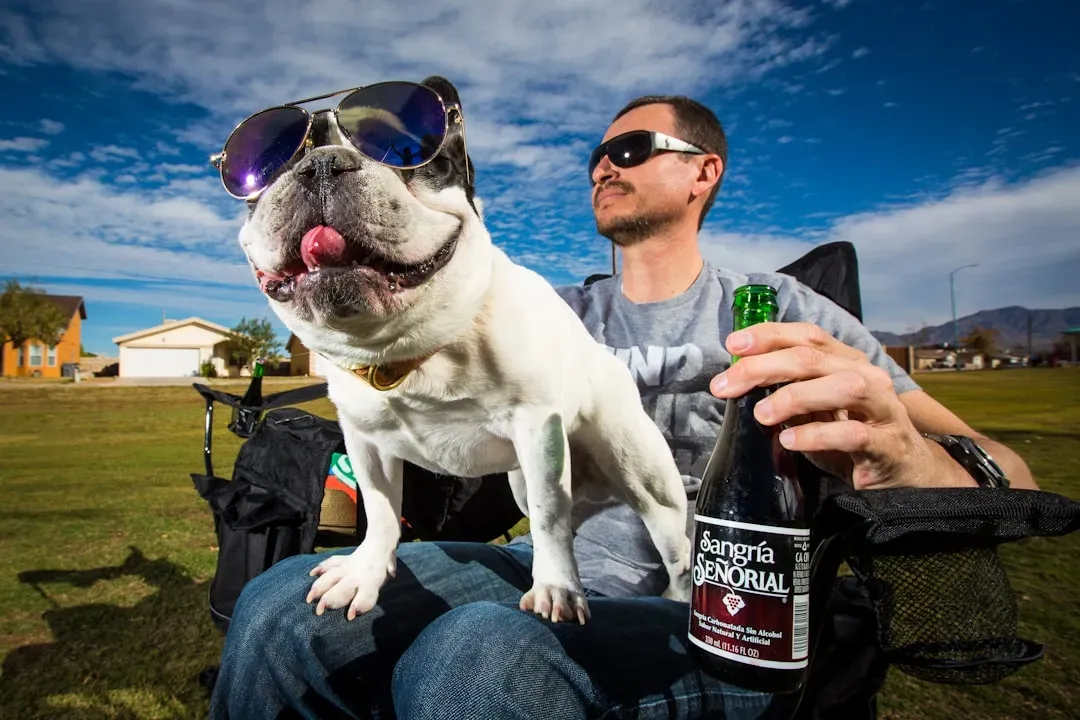
French Bulldogs may have a sturdy build, but they’re surprisingly excellent lap dogs. Their affectionate and calm nature makes them perfect companions for anyone who enjoys cuddling. French Bulldogs love to stay close to their humans and will often seek out your lap to sit in. Their easygoing disposition and small size make them ideal for cozying up, whether you’re watching TV, reading, or simply relaxing. They may be low-maintenance, but their love for physical closeness is boundless.
Frenchies are devoted “people dogs” that crave attention and physical affection. They are also quite cute, which is why they are one of America’s favorite lap dogs. They do not handle long absences well. A practical health note that matters for cuddly living: French Bulldogs are brachycephalic, meaning their flat faces can lead to breathing difficulties. Some lap dogs, such as pugs and French bulldogs, require special care due to their physical traits. Keep them cool, avoid vigorous exercise in hot weather, and your snuggle sessions will stay safe and comfortable for both of you.
A Final Thought for Every Dog Owner
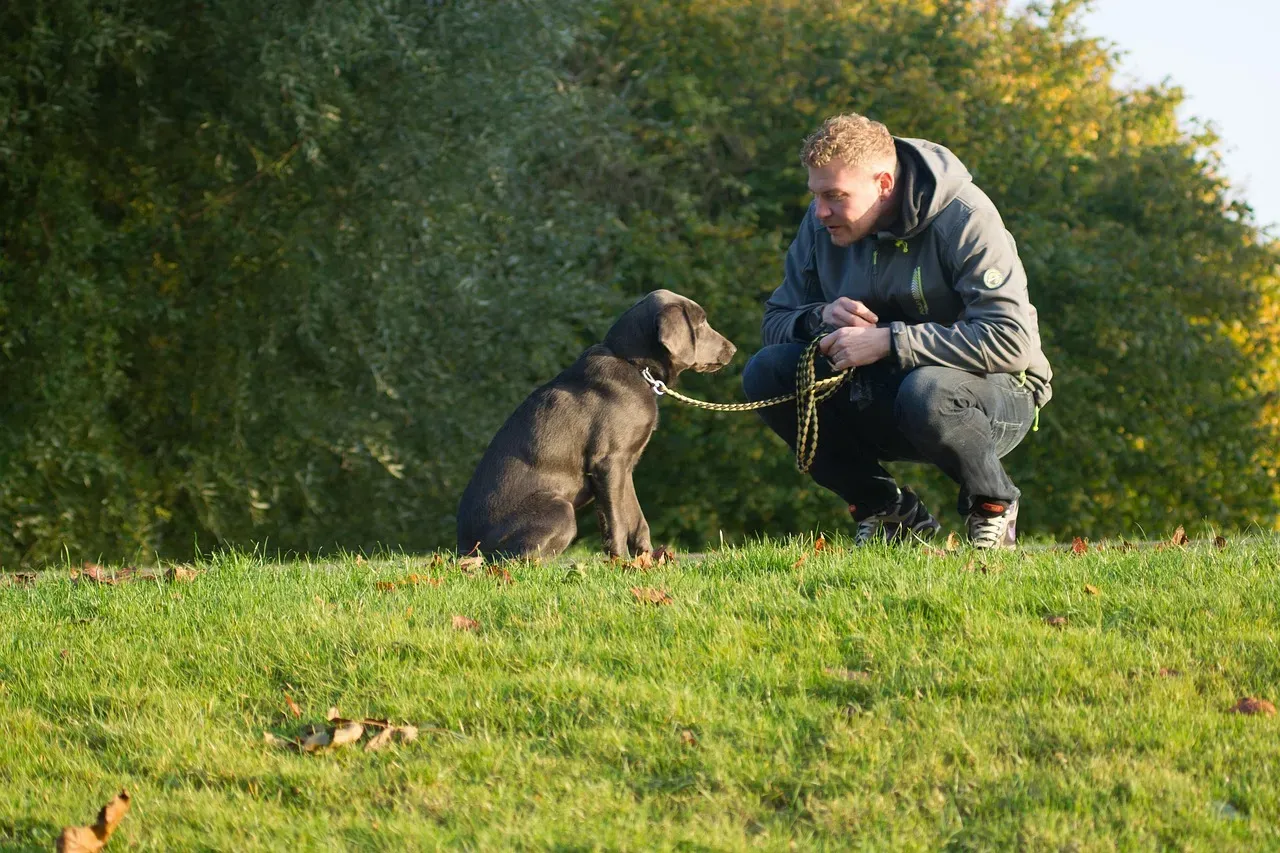
Before you take it personally, here’s the truth: not all dogs love cuddling, and that’s completely normal. While some breeds crave constant affection, others value their independence and personal space. This doesn’t mean they don’t love you. It just means they show affection in their own unique ways. Research indicates that a dog’s personality is roughly 40% genetics and 60% environment. Therefore, a dog’s upbringing will have much more to do with how good of a lap dog they will be than their breed alone.
The most important thing you can offer any dog, cuddler or not, is the willingness to understand them on their own terms. You can still build a deep and loving bond with a dog that avoids cuddles by understanding their personality. Whether your dog is a cuddle bug or prefers its own space, the bond you share can be equally strong and rewarding through mutual understanding, respect, and affection in all its forms.
Some of the most profound relationships between dogs and their people don’t involve a single lap session. They’re built on walks taken at the same pace, routines honored without question, and the quiet comfort of simply being in the same room. Dogs know when they’re truly seen. That, more than any hug, is where the real connection lives.


