

You called his name. He heard you. You know he heard you. His ears twitched. Yet there he stood, nose glued to a patch of grass, completely absorbed in a scent trail that apparently held far more importance than anything you had to say. If you own a Beagle, that scene is probably running on a loop somewhere in your memory.
Beagles are one of those breeds that make you laugh, sigh, and melt all in the span of about five minutes. According to the AKC breed standard, a Beagle should be even-tempered, merry, and full of curiosity – and honestly, that description barely scratches the surface. What the standard doesn’t warn you about is the stubbornness that walks hand in hand with all that sweetness.
The eight traits below aren’t flaws. They’re your Beagle, fully and completely. Understanding them doesn’t just make life easier – it makes the whole relationship richer.
1. The Nose Always Wins
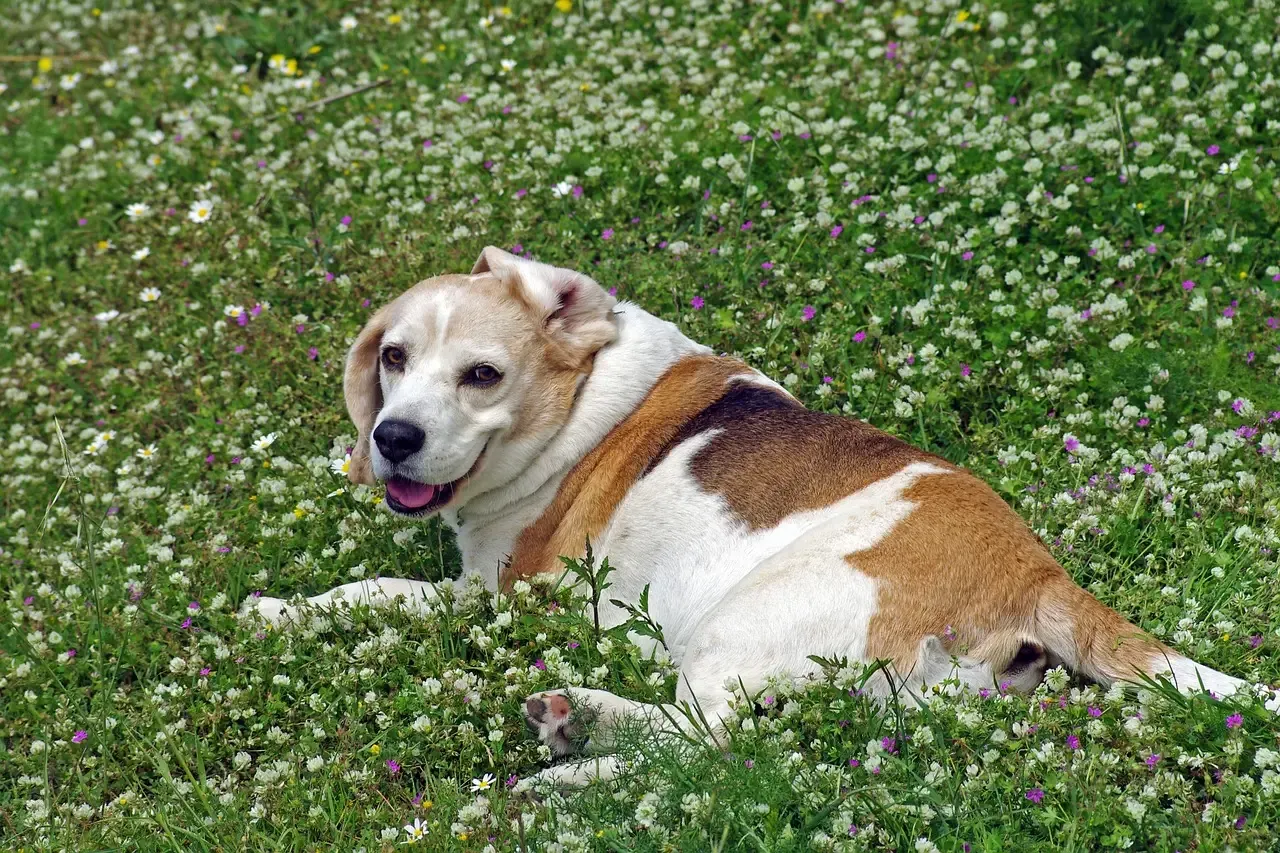
Of all the things that define a Beagle, nothing comes close to their extraordinary sense of smell. They have approximately 300 million scent receptors in their nose, compared to only about 5 million in humans – an incredible sensory organ that allows them to detect smells at a level far beyond our understanding. When your Beagle suddenly jerks the leash sideways and drags you toward the hedgerow, that’s not misbehavior. That’s biology.
Because of their acute sense of smell, Beagles are often called “a nose with feet.” Once Beagles are tracking a scent, they will not give up. It will prove quite difficult to get them to pay attention to you once they have their mind set on something. The practical takeaway here is simple: your Beagle could pick up a scent they just can’t resist and run off after it, so it’s a good idea to keep them on a leash if you’re somewhere that’s not fenced in.
Since Beagles are driven by their sense of smell, it’s essential to provide them with regular mental stimulation – engage their minds with scent-based games, puzzle toys, and regular walks that allow them to explore and “solve” scent trails, which helps channel their natural instincts in a positive way and prevents destructive behaviors.
2. The Selective Hearing Superpower
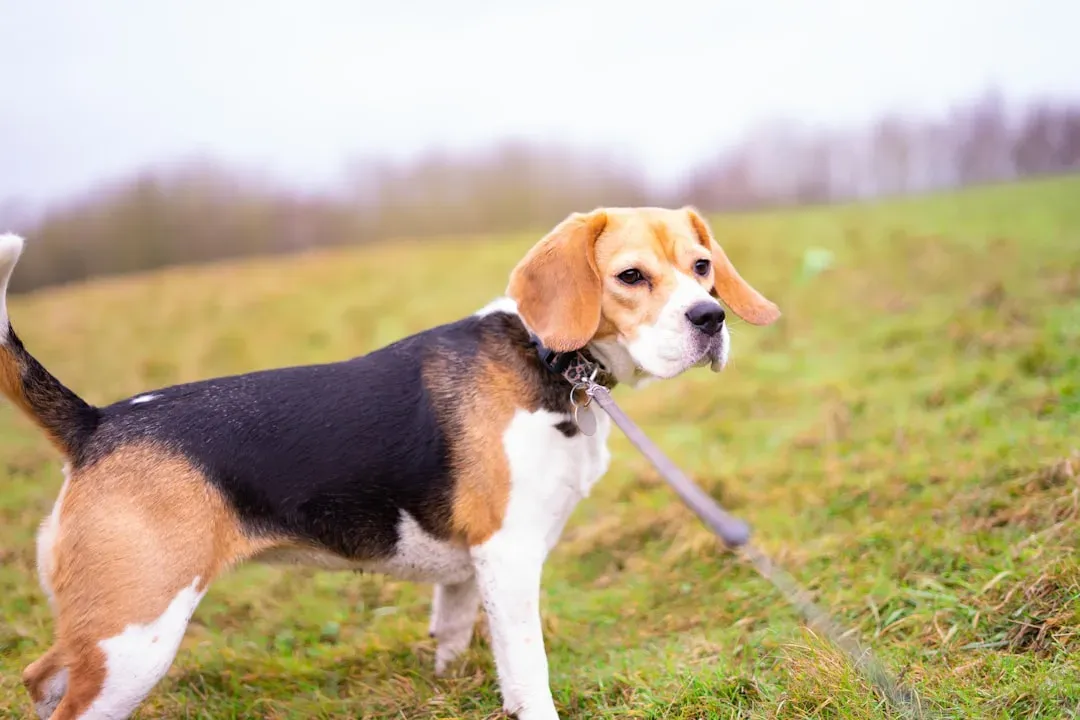
Every Beagle owner knows this moment: you call your dog’s name, they look up briefly, then return to whatever they were doing with full commitment. It’s not that they don’t love you. While Beagles are known for their intelligence, they can also be quite stubborn – their independent nature means that they may not always be eager to follow commands, especially if they catch a whiff of something interesting.
The two biggest dog training problems with the Beagle involve coming when called and walking by their pet parent’s side on a leash – because Beagles have their nose to the ground and prefer to follow that versus you. What might look like stubbornness is actually deeply rooted instinct. Some people will say that Beagles are not intelligent, but this is far from the truth – consider the fact that they often get away with not following your commands.
The fix isn’t frustration – it’s strategy. The trick is to cater to the Beagle’s learning style by providing plenty of positive reinforcement. Since Beagles tend to be food-motivated, tasty treats will go a long way to convince them to learn with you. Keep training sessions short, reward generously, and practice in low-distraction environments before graduating to the great outdoors.
3. The Howl That Carries Three Blocks

The Beagle voice is truly something. It’s not just a bark – it’s a full announcement. Their wholly unique “baying” is more intense than a bark but not quite as long as a full howl. Along with their deep howls, Beagles are known for having “musical voices” – they tend to “sing” along to any loud outside noises such as sirens or people passing by their house.
They have a distinct howl-like bark when they’re on a scent trail or when they’re bored or anxious. If you’re living in an apartment or have close neighbors, this might become an issue. The key behavioral cue to watch for is context. A Beagle howling during the day while you’re away often signals loneliness or under-stimulation rather than a random bad mood. Training can help them learn to quiet down, but it’s not in a Beagle’s temperament to be shy about using their voice.
Prevention looks like this: keep your pup’s social calendar full with scent work, agility training, or tracking classes – a noncompetitive activity where your dog can use their nose to trace targets. A tired Beagle is a quieter Beagle, and that’s a fact worth writing on your wall.
4. The Great Escape Artist

A secure yard isn’t a luxury for Beagle owners – it’s a necessity. Thanks to their strong sense of smell, Beagles are prone to wandering off if they catch a scent that interests them. This means you’ll need to have a secure yard or keep them on a leash when outside. It happens fast. One moment they’re lounging in the sun, and the next they’ve discovered a gap in the fence and followed a trail down the street.
Their “chase first, ask questions later” attitude has caused more than a few Beagles to run through screen doors or into glass doors they forgot were there. This isn’t recklessness – it’s single-minded focus doing what it was built to do. Beagles are hound dogs, so it’s in their nature to roam. Care must be taken to prevent them from wandering off into harm’s way by keeping them contained in a fenced yard or on a leash when outside of the house.
Check your fencing for gaps at ground level, reinforce weak spots, and never assume that a Beagle who’s been calm all week won’t bolt when the right scent blows in. Just don’t let your Beagle off-leash in spaces without fencing – their instinct to follow a scent is so strong that they can easily run off.
5. The Bottomless Food Motivation

If there’s a silver lining to training a Beagle, it’s that food works brilliantly as a motivator. This lively breed is high-energy and deeply food-motivated, requiring ample exercise and mental stimulation to avoid destructive behavior. The moment a treat appears, you suddenly have your Beagle’s complete, undivided, laser-focused attention – which is both charming and slightly humbling.
The downside is that your Beagle is likely to beg for your food. Implementing management techniques – such as blocking access to the kitchen with dog gates and teaching your dog to go to a bed or mat while you eat – can help curb this habit. Watch caloric intake carefully. Their love for food makes Beagles prone to weight gain, which can lead to other health problems.
As for regular treats, they should never be more than ten percent of a dog’s daily calorie intake, no matter how irresistible your Beagle’s puppy dog eyes seem. Once past puppyhood, some Beagles seem to easily become overweight, so watch the caloric intake. Use that food drive wisely – it’s your most powerful training tool and your biggest health responsibility at the same time.
6. The Velcro Dog Who Hates Being Alone

Beagles were bred to work and live in packs. That history didn’t disappear when they moved into your home. The breed was meant to work together in packs, and consequently Beagles get along very well with other dogs and prefer companionship. Beagles will look to their owners and families as their new “pack,” which is why they make terrific family dogs that love to be surrounded by energy, love, and attention.
Beagles should not be left alone for extended periods – they are social animals and can become destructive if lonely. The behavioral cues to watch for include excessive howling when you leave, chewing furniture or baseboards, and anxious pacing. Separation anxiety can be an issue, and trainers have seen Beagles plow through drywall when left alone for too long.
Prevention is far easier than rehabilitation here. To cut down on the destruction, Beagles need a lot of exercise, education, and an outlet for their energy. If long absences are unavoidable, consider a dog walker, doggy daycare, or a canine companion – because a Beagle with a friend is almost always a calmer, happier dog.
7. The Cheerful, Unshakeable Friendliness

Here’s where all that stubbornness gets paid back in full. Beagles are often described as dogs who “never met a person they didn’t like.” They get along well with kids and other breeds because they are carefree and cooperative – in fact, the Beagle has a fun and curious nature, much like many children. This makes them genuinely wonderful family dogs, not just in theory but in real daily life.
An even-tempered disposition is one of Beagles’ most desirable traits – they rarely show aggression or excessive shyness, making them reliable family pets. The Beagle is a great family dog – they are affectionate, cheerful, and always eager to play. They are also excellent with young children. That said, all interactions between your Beagle and young children should be supervised until your dog is fully trained and the children understand proper boundaries with pets.
This friendliness does come with one small caveat: Beagles are very friendly – don’t depend on them to guard your house. They may bark but will do little more if confronted with an intruder. Your Beagle is a companion, a playmate, and a warm presence. A security guard? Not so much.
8. The Determined, Joyful Spirit That Never Quits

There’s something almost admirable about a Beagle’s refusal to give up. Whether it’s tracking a scent across an entire field or nudging your hand for the fifteenth time to ask for a belly rub, they commit fully. Beagles are incredibly focused, with a temperament determined by instinct – especially when following a scent. Once focused, it’s hard to distract them. That determination, when channeled well, makes them outstanding working dogs too.
The breed’s keen noses have been used to detect lung cancer with 97% accuracy, and Beagles are also often chosen to track down prohibited items with U.S. Customs and Border Protection as part of the Beagle Brigade. The same relentless focus that makes your Beagle ignore your “come” command is what makes the breed genuinely world-class at scent detection work. Beagles are balls of energy, yet eager to please – a formula that means they’re happiest with a job or activity to do.
Beagles require time, training, and engagement – they’re not for everyone, but their loyalty and affection make them worth it. That joyful, never-say-die spirit is what Beagle owners treasure most. Even on the days when they’ve eaten something they shouldn’t and ignored every command you gave, they’ll curl up against you that evening as if they’ve done nothing but behave perfectly all day.
Living Well With Your Beagle: A Few Final Thoughts

Understanding your Beagle doesn’t mean enduring them – it means meeting them where they are. Beagles thrive in families where they have multiple people to love and care for them. Above anything, they need time and patience, and in return will become a true part of the family. Every one of those eight traits listed above has a root, a reason, and a solution that doesn’t require frustration on either side.
Beagles need training and socialization from a young age, but this breed will become your best friend as you become part of their new pack. Stay consistent, lean into their food motivation, give them space to use their remarkable noses, and protect them from their own adventurous instincts.
The stubbornness is real. So is the sweetness. Truthfully, you can’t have one without the other – and after living with a Beagle for any length of time, most owners wouldn’t want it any other way.


